
The Worst Time Of Day To Water Your Garden Quietly Wastes Money And Invites Disease
Follow us on Google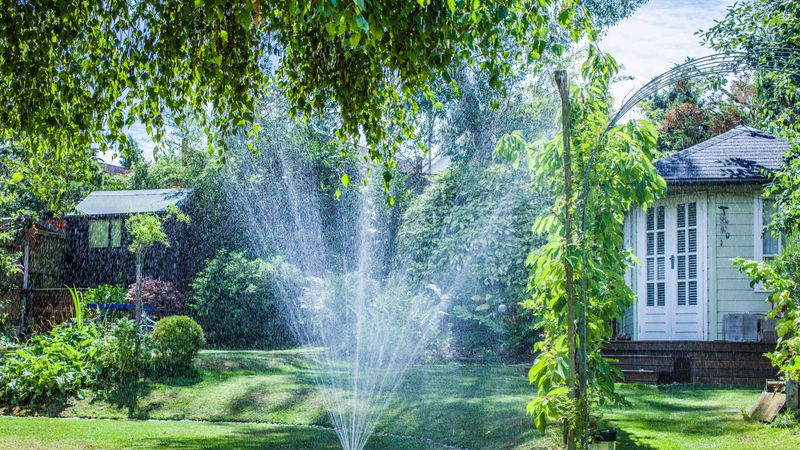
Watering your garden at the wrong time can mean your sprinkler is working hard while the sun quietly evaporates much of what you just put down. The headline above is mostly right, but it needs a little untangling before you change your whole routine.
Midday heat can make overhead watering less efficient, and late-evening overhead watering can raise disease risk under the wrong conditions, but those are two separate problems with two different fixes. Once you understand which issue applies to your setup, you can make a small shift that keeps roots fed without running up your water bill.
Midday Is Usually the Least Efficient Overhead-Watering Window
Running a sprinkler at noon on a hot July day is a bit like pouring water onto a hot skillet. Some of it reaches the pan, but a surprising amount disappears before it ever does any real work.
For sprinklers or hand watering that spray water into the air or onto leaves, the least efficient period is generally the hottest, sunniest stretch of the day, not one universally worst clock minute.
Clemson Extension’s irrigation timing guidance identifies roughly 10:00 a.m. to 4:00 p.m. as the period of greatest evapotranspiration, when heat, sun, low humidity, and wind combine to pull moisture away from the soil before roots can use it. A practical shorthand many gardeners find useful is noon to 4:00 p.m., when those conditions are often at their peak.
Some public water agencies extend the avoid window to 10:00 a.m. to 6:00 p.m., and EPA’s WaterSense program simply advises avoiding the middle of the day.
The main culprits are evaporation and wind drift. Heat pulls water vapor off wet soil and leaves, while wind carries fine droplets away from the target area entirely.
Runoff is a separate issue that depends mainly on how fast and heavily water is applied, along with slope, soil compaction, and how much total water goes down.
Local conditions change the answer. A gardener in humid coastal Georgia faces different evaporative demand than one in Phoenix or Denver.
The irrigation method, plant type, and any municipal watering restrictions in your area also matter. This section focuses on overhead watering, because drip irrigation and soaker hoses work on a different set of rules covered later.
Water Loss Can Become a Metered Cost
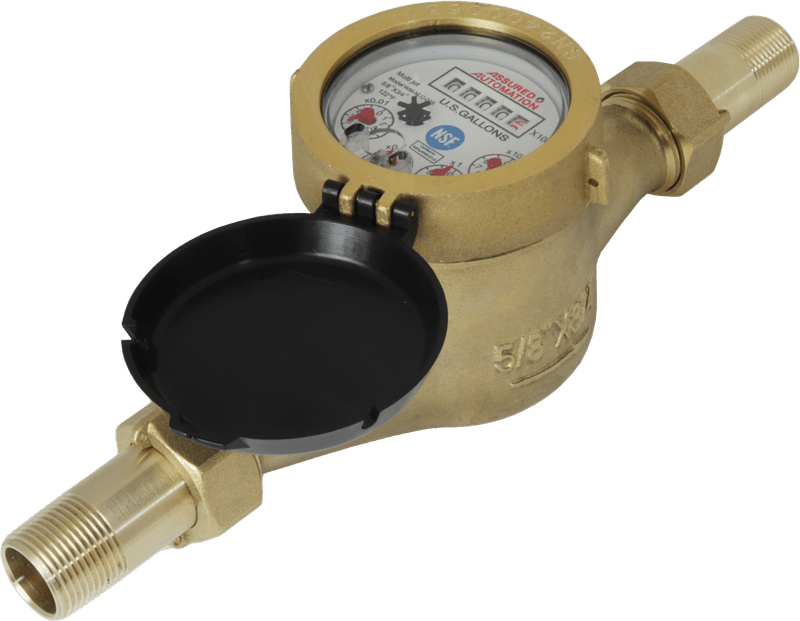
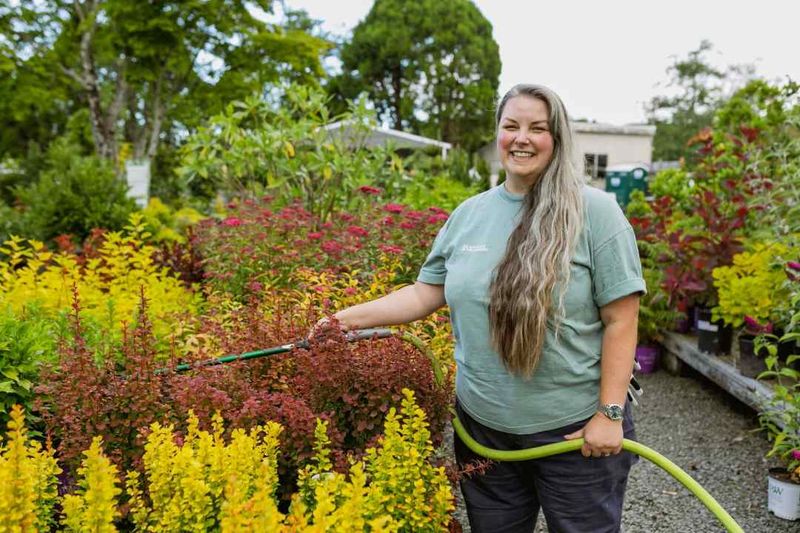
Picture your water bill arriving the week after a long hot spell when you ran the sprinklers every afternoon. The numbers feel higher than expected, and the garden still looked thirsty.
Hot temperatures, strong sun, low humidity, and wind all increase the evaporative demand on your irrigation system, meaning a larger share of what you apply never reaches the root zone.
Clemson Extension estimates daytime irrigation losses at roughly 20 to 30 percent, depending on weather conditions. Utah State Extension warns that sprinkler losses can reach 50 percent between 10:00 a.m. and 6:00 p.m. under the right combination of heat and wind.
Neither figure is a guaranteed household savings rate. Your actual loss depends on your sprinkler type, local weather, plant canopy, and how long you run each zone.
The financial effect only shows up on a metered bill when the inefficiency forces you to apply more water to compensate. Households on flat-rate billing, private wells, or recycled irrigation water experience the waste differently.
If you do pay by volume, the formula is straightforward: water cost equals gallons applied multiplied by your local price per gallon.
EPA notes that utilities bill in gallons, CCF, or HCF and that rates vary widely by provider. As an illustrative example at EPA’s sample rate of about $0.00295 per gallon, watering a 600-square-foot garden with 1 inch of water requires roughly 372 gallons and costs about $1.10 before any tiered-rate, wastewater, or fixed charges.
WSU Extension’s vegetable gardening handbook reinforces that actual water needs vary with climate, soil, and crop, so use that example as arithmetic practice with your own numbers, not as a prediction.
Disease Risk Comes From Wet Leaves, Not a Magic Hour
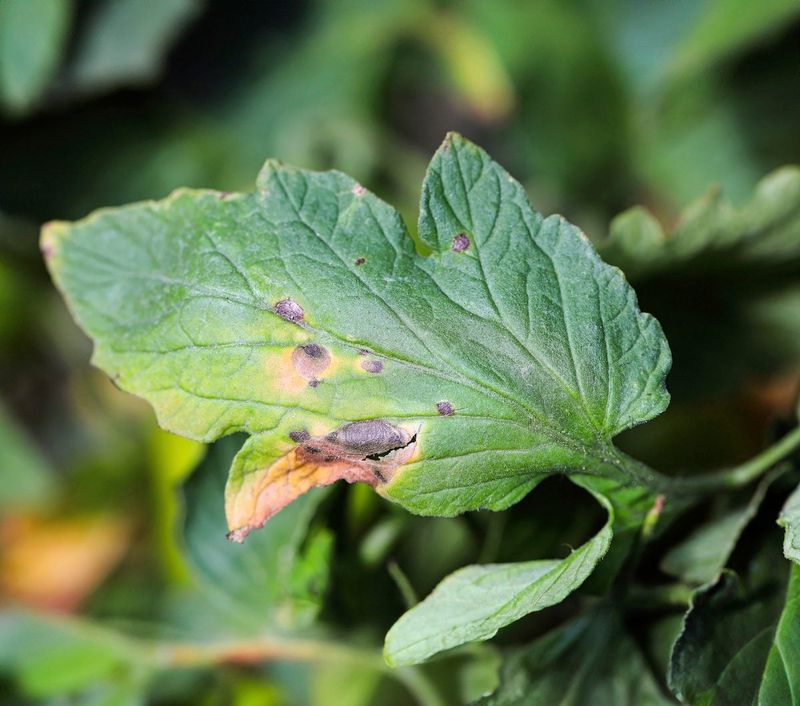
Midday watering and disease are often lumped together in the same warning, but they are genuinely separate problems. The disease conversation is really about wet foliage and how long it stays that way, not about a particular hour on the clock.
Water on leaves can help certain fungal and bacterial pathogens complete their infection cycles. University of Minnesota Extension explains that leaf wetness from rain, dew, or irrigation is an important part of many plant pathogen life cycles.
When humidity is high, air movement is poor, plants are densely spaced, or an infection is already present, moisture that lingers on foliage for hours creates favorable conditions for those pathogens to spread. UGA Extension’s home vegetable garden disease guide advises keeping foliage as dry as possible and avoiding constantly wet soil as part of a broader disease management approach.
Late-evening overhead watering can leave leaves wet through the night, which is why it draws concern in humid climates or where susceptible crops like tomatoes, squash, or roses are growing. But one evening watering does not automatically cause disease, and switching to morning irrigation cannot prevent every disease your garden might encounter.
Timing alone is just one layer of a wider approach that includes plant spacing, resistant varieties, and soil drainage.
UC Agriculture and Natural Resources recommends watering around dawn partly because foliage dries quickly in the morning hours. Lawns are a different story.
Colorado State Extension notes that nighttime watering does not automatically increase disease in turf, and Clemson links lawn disease more closely to routine overwatering than to nighttime timing by itself. In dry western climates, the overnight disease concern is also considerably smaller than in the humid Southeast or Midwest.
Dawn Gives Overhead Watering Time to Work
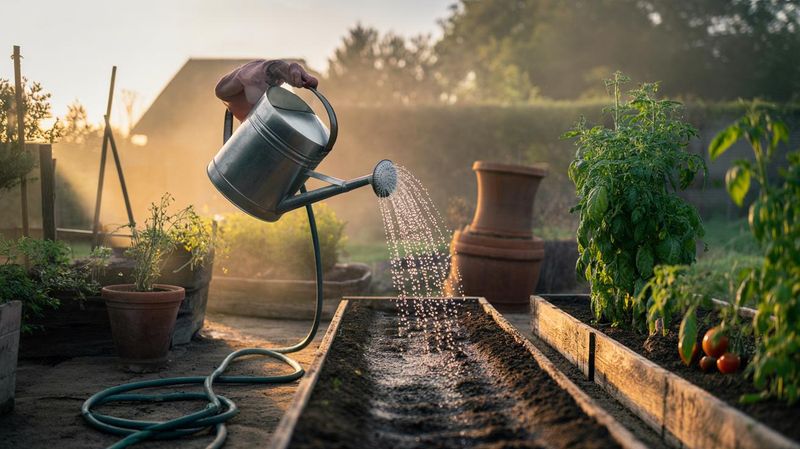
There is a window most mornings when the air is still, temperatures are cool, and the sun is just starting to climb. That window, roughly 5:00 to 9:00 a.m. or around dawn, is where overhead watering tends to perform best for most home gardens.
Iowa State Extension identifies 5:00 to 9:00 a.m. as a practical target because the cooler air reduces evaporative demand and leaves have several hours to dry before nightfall. UC ANR recommends watering around dawn, especially where foliar disease is a concern, because soil evaporation is lower and wind is typically calmer than midday.
The goal is to put more water into the root zone and lose less of it to heat and air movement.
Treat this as a flexible default, not a rigid command. If your garden has a drip system, the timing math changes, as covered in a later section.
And if plants are already wilting or the soil is dangerously dry, water them right away. UMN Extension advises watering when plants need it, even if that means afternoon or evening during drought stress.
Plant stress from dehydration is a more immediate problem than a less-than-ideal watering hour.
The practical payoff of the dawn routine is cumulative. Over a hot summer, consistently delivering water when conditions favor absorption means your sprinkler can do its job in less time, and the root zone stays more evenly moist between cycles.
That steadiness tends to produce stronger plants than the feast-and-famine pattern that comes from irregular or inefficient timing.
Deliver Water to Roots, Not Foliage
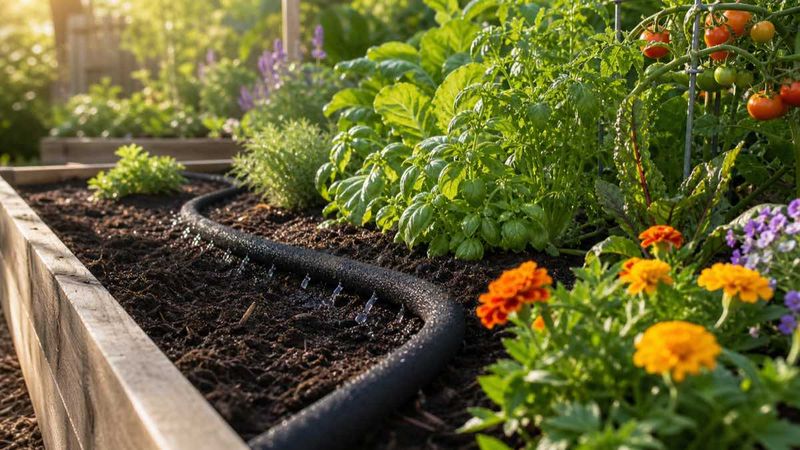
Timing matters, but where the water lands matters just as much. A sprinkler aimed at the air on a calm morning still loses some water to evaporation.
A soaker hose running at noon loses almost none, because it puts water directly at the soil surface near the root zone and keeps foliage completely dry.
Oregon State Extension’s watering basics guide recommends watering deeply enough to moisten soil at least 2 inches down for many garden situations, with the correct depth depending on crop, soil, and plant age. UGA Extension’s vegetable production guide reinforces that slow, deep watering encourages roots to follow moisture downward rather than staying near the surface where they are more vulnerable to heat and drought.
For established trees and shrubs, UMN Extension recommends checking whether the upper 6 to 9 inches of soil within the root zone are dry before watering, a much deeper target that reflects how far those roots actually reach.
Runoff is not primarily a heat problem. It happens when water is applied faster than the soil can absorb it, on slopes, compacted ground, or clay soils where infiltration is slow.
EPA’s WaterSense program recommends cycle-and-soak irrigation for those conditions: run the zone for a shorter period, pause long enough for water to soak in, then repeat. This approach works with any irrigation method and any time of day.
One inch of water per week is a useful starting benchmark that includes rainfall, but it is not a prescription for every garden. Containers, raised beds, sandy soil, seedlings, and plants in extreme heat all dry out faster than established plants in moisture-retaining garden soil.
Check the soil before you water, not just the calendar.
Use Catch Cans to Measure Coverage
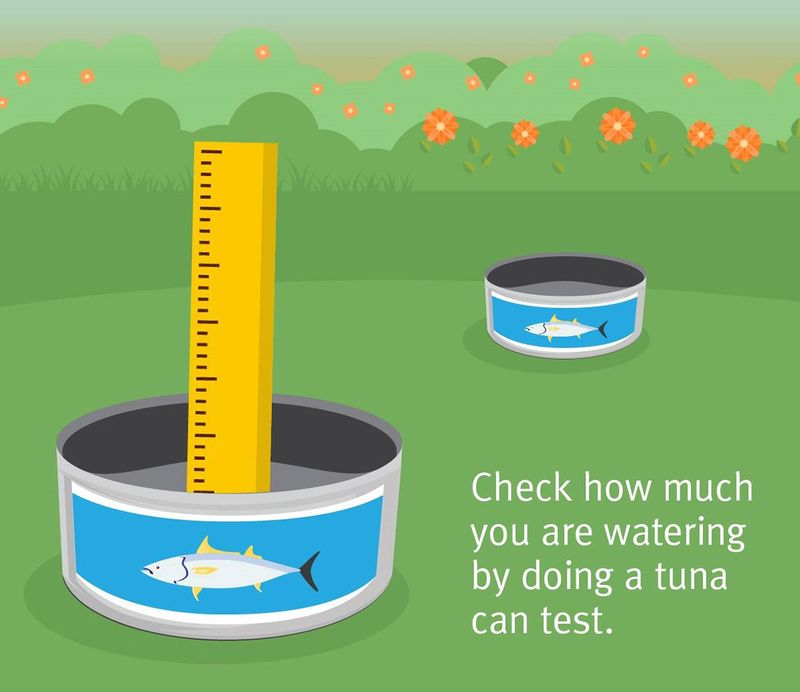
Most homeowners set a timer and trust it. A catch-can test replaces that trust with actual data, and the results are often surprising enough to change how long you run each zone.
The method is simple. Place several tuna cans or straight-sided coffee cans at different spots within a sprinkler zone, run the system for a set time, then measure how much water collected in each can.
EPA recommends this approach to check whether you are actually applying the depth you intend. UMN Extension’s irrigation audit guidance adds that using multiple cans across the zone reveals uneven coverage, where one corner might collect three times more water than another spot just 10 feet away.
Uneven coverage creates a real cost problem. When part of the zone is dry, many homeowners respond by running the timer longer, which means the already-wet sections get overwatered and the extra gallons show up on the bill.
Fixing a clogged or misaligned sprinkler head can resolve the imbalance without adding a single minute of runtime.
Once you know how many gallons your zone applies per cycle, the cost calculation becomes straightforward. Multiply the gallons by your local rate per gallon from your utility bill.
EPA’s water bill explainer notes that some utilities charge by CCF or HCF rather than individual gallons, so check the unit your bill uses before doing the math. No specific dollar saving is guaranteed by changing your watering hour alone.
The saving, if any, depends on your system’s output, local rates, weather, and whether you were previously compensating for inefficiency by running the zone longer.
Drip Systems, Lawns, and Dry Climates Need Different Advice
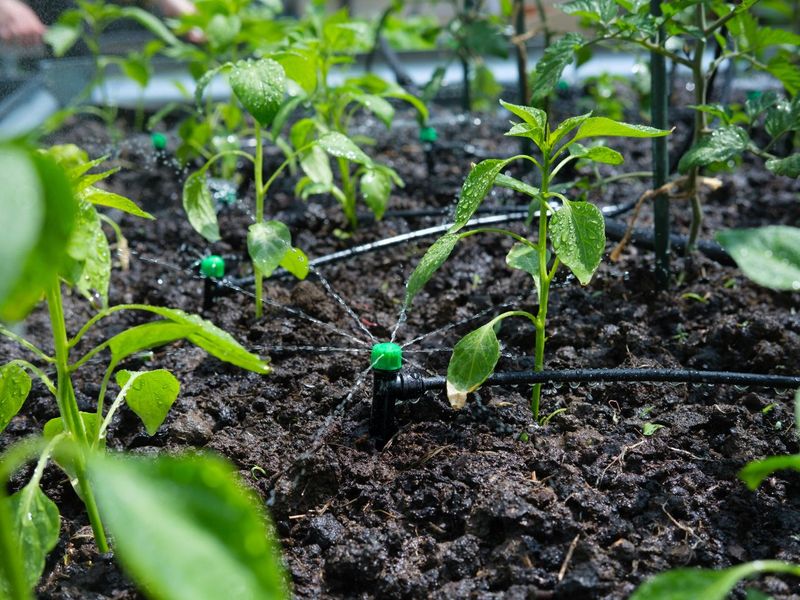
The morning-is-best rule was written for sprinklers and hand watering that spray foliage. Apply it too broadly and you end up with advice that does not fit the system in your yard.
Drip irrigation and soaker hoses change the calculation substantially. Because water is delivered at or below the soil surface, foliage stays dry regardless of the hour.
A Penn State Extension review of available drip irrigation research found no consistent morning-versus-afternoon efficiency advantage for below-canopy drip systems. For shallow-rooted crops during hot weather, afternoon drip irrigation may sometimes maintain moisture in the upper soil more effectively than an early-morning cycle that dries out by midday.
Late-evening drip runs are generally acceptable because keeping foliage dry removes the disease-risk concern that applies to overhead watering.
Lawns also follow different rules. Colorado State Extension does not treat nighttime turf watering as automatically disease-causing, and Clemson links lawn disease more closely to overwatering than to nighttime timing.
Turf canopy and soil conditions differ enough from vegetable beds that the same evening-watering caution does not transfer directly.
Regional climate is another variable that changes the answer. Oregon State Extension’s Intermountain West irrigation guide notes that nighttime watering can be a reasonable choice in arid areas where disease pressure is lower.
In humid regions like the Gulf Coast or the Ohio Valley, prolonged overnight leaf wetness is a bigger concern. Freeze risk, wind, existing disease, and plant density all factor in.
Oregon State’s watering basics resource and UMN’s vegetable garden watering guidance both emphasize that containers, seedlings, new transplants, raised beds, and sandy soils dry out faster than established garden plants and need more frequent moisture checks, whatever the hour.
Let Soil Moisture and Local Rules Set the Schedule
Before you move a single timer setting, check whether your water utility has restrictions. Some utilities specify allowed watering days, permitted hours, or exceptions for hand watering and drip systems.
South Florida Water Management District’s landscape irrigation page is one example of how regional rules can be more specific than any general horticultural advice. Local restrictions override everything else in this article.
Once you know your allowed window, build a simple decision sequence. Check the soil first.
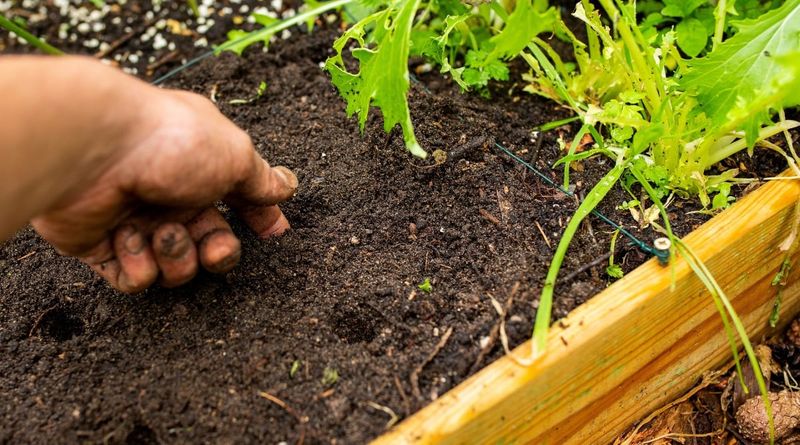
UMN Extension recommends pressing a finger about 2 inches into the soil for vegetable gardens to see whether it is dry before watering. If the soil is still moist, skip the cycle regardless of what the timer says.
If plants are wilting and the soil is dry, water immediately rather than waiting for a preferred hour. Then choose dawn for overhead watering when your schedule allows, keep the application rate slow enough to avoid runoff, and run a catch-can test to confirm your zone is applying what you think it is.
Multiply your measured gallons by your local rate to estimate the cost effect of any change. EPA’s WaterSense watering tips and EPA’s water bill guide both provide tools to make that calculation with your own utility’s numbers rather than a national average.
The clock is only one part of the picture. Rainfall, soil texture, plant type, season, and temperature all shape how much water your garden actually needs.
Two takeaways are worth keeping separate: overhead watering during the hottest midday hours may use more water under hot conditions, while overhead watering late in the evening may prolong leaf wetness when humidity and disease pressure are already high. Knowing which problem you are actually trying to solve makes the fix a lot simpler.