
More Bats Over Your Texas Backyard Means Fewer Mosquitos Ruining The Porch Evening
Follow us on Google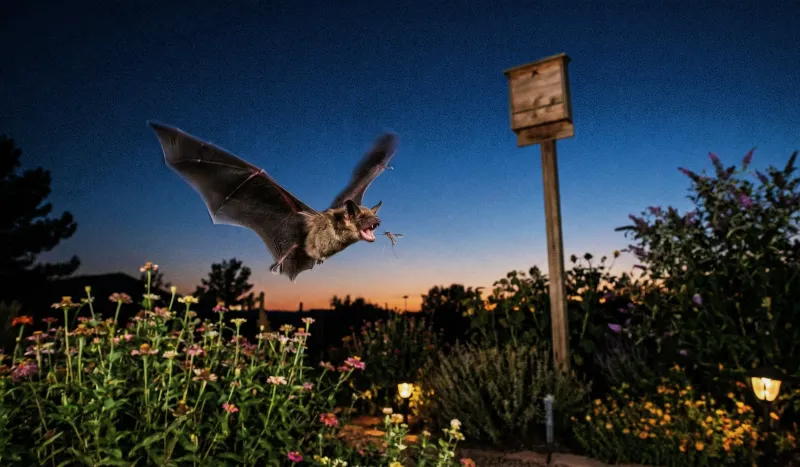
You pull a chair onto the porch just as the sun drops behind the treeline, and within two minutes the mosquitoes find you.
Every Texas summer, that same scene plays out from the Panhandle to the Gulf Coast, and plenty of folks have heard that bats are the answer.
The truth is a little more interesting than that, and a lot more useful.
Bats genuinely eat mosquitoes, but whether they can clear your porch is a different question entirely, and the answer shapes everything you should do next.
Can Bats Help With Texas Backyard Mosquitoes?
Plenty of people have heard the promise: hang a bat house, attract some bats, and watch your mosquito problem disappear.
That promise is worth examining, because the science behind it is real in one direction and genuinely uncertain in another.
Researchers have confirmed that bats eat mosquitoes.
A study of bats in the southeastern United States used DNA analysis of guano samples and detected several mosquito species, including ones known to carry arboviruses, in the diets of three bat species.
That is a solid finding.
Bats do consume mosquitoes, sometimes species that matter for human health.
What the research has not established is whether adding bats or putting up a bat house actually reduces the number of mosquitoes buzzing around a Texas home.
Mosquito abundance depends on breeding water, local species, temperature, wind, vegetation, and how many bats are hunting across what kind of landscape.
Those variables are hard to control in any backyard study.
A review of bat dietary studies found that mosquitoes are often a small or variable share of what bats eat.
USGS notes that a little brown bat can consume roughly 4 to 8 grams of insects in a single night, but that figure covers all kinds of flying insects, not just mosquitoes.
Bats are opportunistic hunters, not targeted pest-control workers.
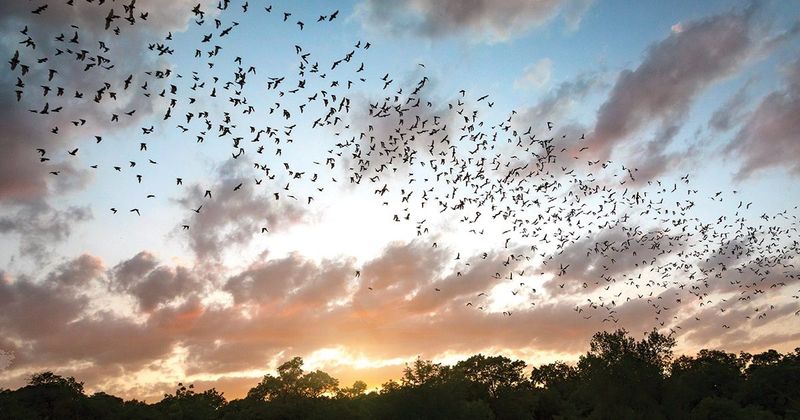
Mexican free-tailed bats, the species most Texans picture when they think about bats, are celebrated across Central Texas and the Hill Country.
Texas Parks and Wildlife notes they are especially well documented eating moths and agricultural insects.
They eat mosquitoes too, but they are not specialized backyard mosquito hunters.
Knowing that distinction is the starting point for everything else in this article.
Eating Mosquitoes Does Not Equal Mosquito Control
Here is where it gets tricky.
Saying bats eat mosquitoes is a diet claim.
Saying more bats means fewer mosquitoes around your porch is a population-control claim.
Those are two different things, and only the first one has solid research behind it.
A Journal of Medical Entomology study that examined bat activity and mosquito populations found the relationship is not simple enough to promise residential control.
Mosquito species matter.
Some mosquitoes fly and rest in patterns that may make them more or less available to particular bat species.
Temperature, time after sunset, bat traits, and the surrounding landscape all shape what ends up on the menu on any given night.
The southeastern U.S. dietary study reinforced this point, showing that mosquito consumption by bats varied with bat species, mosquito habitat, date, temperature, and time of night.
Statewide promises for Texas are especially risky because the state covers so many climates, from the humid Gulf Coast to the dry Trans-Pecos.
Scale is the other issue.
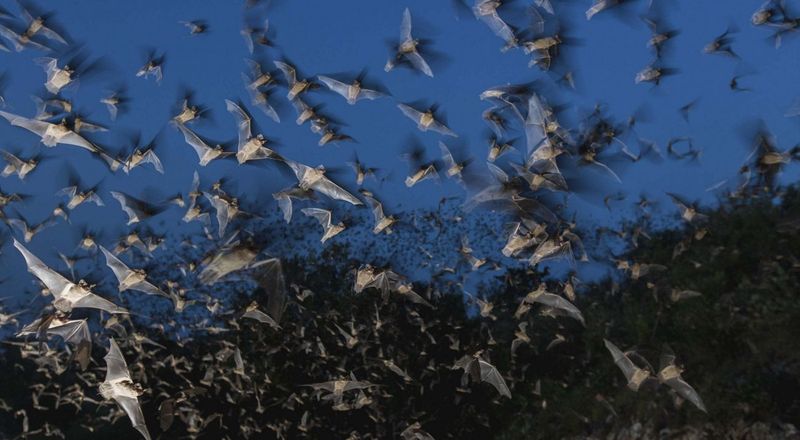
Texas Parks and Wildlife reports that Mexican free-tailed bats can fly up to 100 miles round trip in an evening and hunt as high as 10,000 feet.
A bat you see swooping over your San Antonio patio may have fed 40 miles away before circling back.
The large colony numbers at sites like Old Tunnel State Park are impressive, but they do not translate into concentrated feeding over a single suburban lot.
No source reviewed supports the claim that a bat house will prevent West Nile virus, dengue, Zika, or any other mosquito-borne disease.
Bats are genuinely valuable nighttime insect predators, and that value is real.
It just does not arrive as a guaranteed mosquito-free porch.
What a Bat House Can—and Cannot—Do
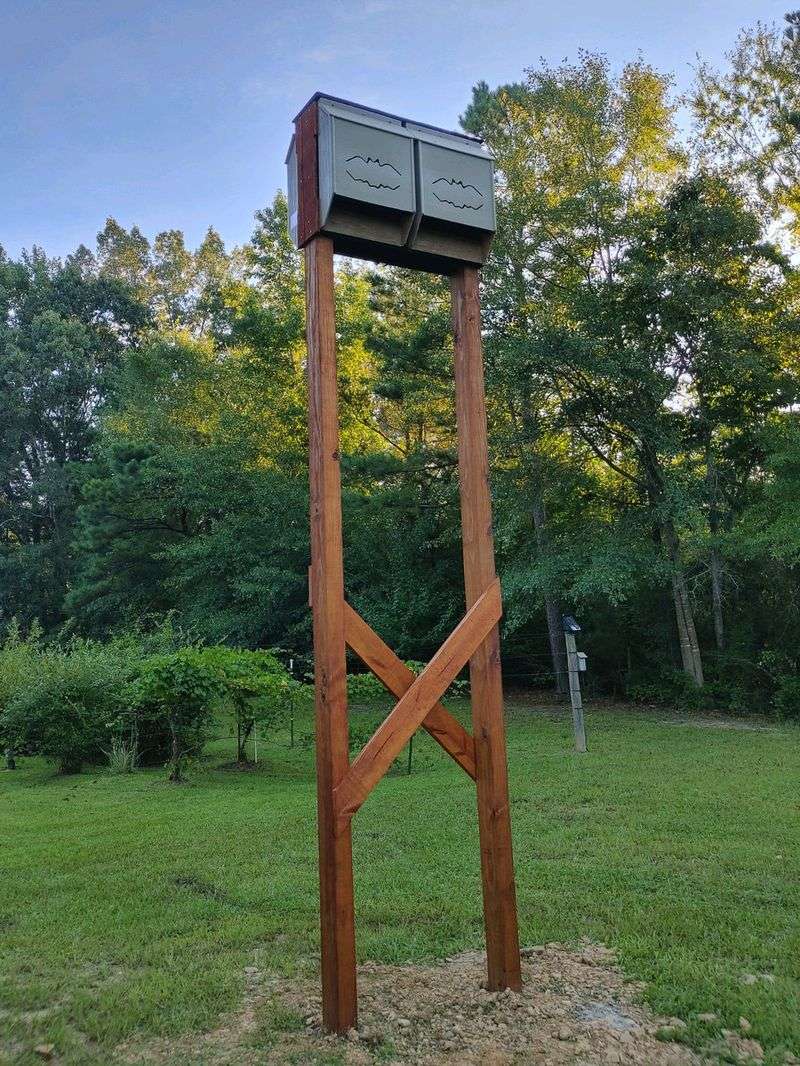
A properly built bat house can give roosting bats a safe, warm place to rest and raise young.
That is a real contribution to bat conservation, and it is worth doing on those terms alone.
What a bat house cannot do is guarantee mosquito control, attract bats on a schedule, or solve a pest problem by the weekend.
Bat Conservation International notes that some houses take as many as five years to attract their first occupants, and bats may use a house only temporarily before moving on.
Occupancy is never guaranteed.
A bat house is conservation infrastructure, not a plug-in appliance.
Design matters more than most people expect.
The interior surfaces need to be rough enough for bats to grip, so a professionally designed wooden house with grooved or mesh-lined chambers is far better than a smooth plastic box or a metal container.
Avoid finishes, paints, or sealants that contain chemicals unsafe for wildlife, and skip any mesh material that could snag wings or trap bats.
A nearby bat house will not convince bats to leave an attic or wall cavity.
Bats rarely abandon an active roost because another option appeared a few feet away.
If bats are living inside your home and you want them out, that situation calls for careful exclusion work with guidance from a wildlife professional, especially during summer maternity season when young bats may not yet be able to fly.
Do not try to attract bats using guano, recorded bat calls, or a captured bat placed near the house.
Patience and good placement do more than any shortcut.
Install the House for Texas Conditions
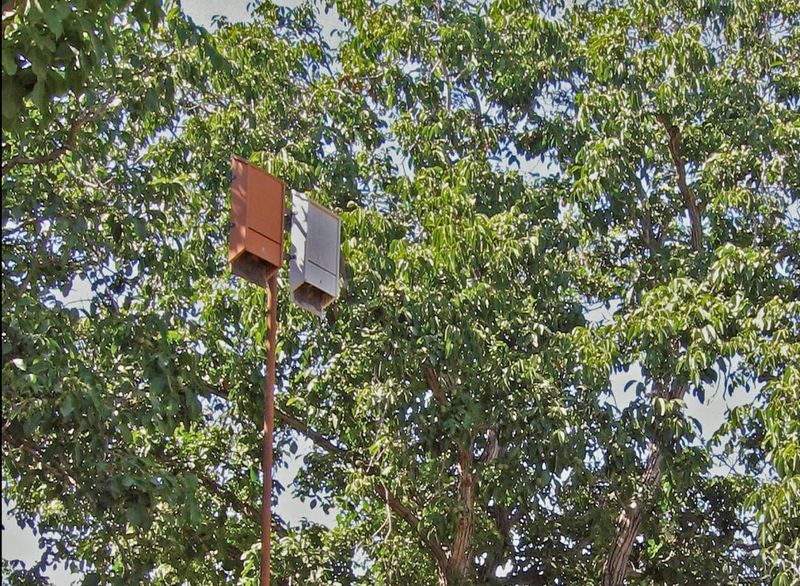
Texas is not one climate, and a bat house that works beautifully in the Hill Country may cook its occupants in a South Texas August.
Getting the installation right means thinking about height, sun exposure, spacing, and the specific heat challenges that come with living below the 98th meridian.
Bat Conservation International recommends mounting a bat house about 12 to 20 feet above the ground, with at least 12 feet of clear, open space directly below the exit.
Bats drop into flight when they leave the roost, so that open zone underneath is not optional.
Keep the house roughly 20 to 30 feet away from tree branches, utility wires, and any other obstacle that could block flight or give a predator a launching point.
The standard guidance calls for about 6 to 8 hours of direct sunlight per day.
In Central Texas, the Hill Country, and South Texas, where summer afternoons regularly hit 100 degrees or above, morning sun is generally safer than brutal western exposure.
A dark-colored house in full afternoon sun can overheat and kill young bats.
Lighter colors, ventilation slots, shade cloth on the west side, or a paired setup with houses in different orientations can help manage temperature.
Bat Conservation International also warns not to mount a bat house above a doorway, window, grill, outdoor dining table, or children’s play area.
Guano accumulates directly below the exit, and that matters for hygiene, foot traffic, and the kind of family gathering you actually want to host.
A detailed installation guide from Bat Conservation International covers structural requirements for the house itself, including chamber depth and landing pad length, which affect whether bats can actually use the space.
Following a proven design beats improvising with scrap lumber.
Pair a Bat House With Suitable Habitat
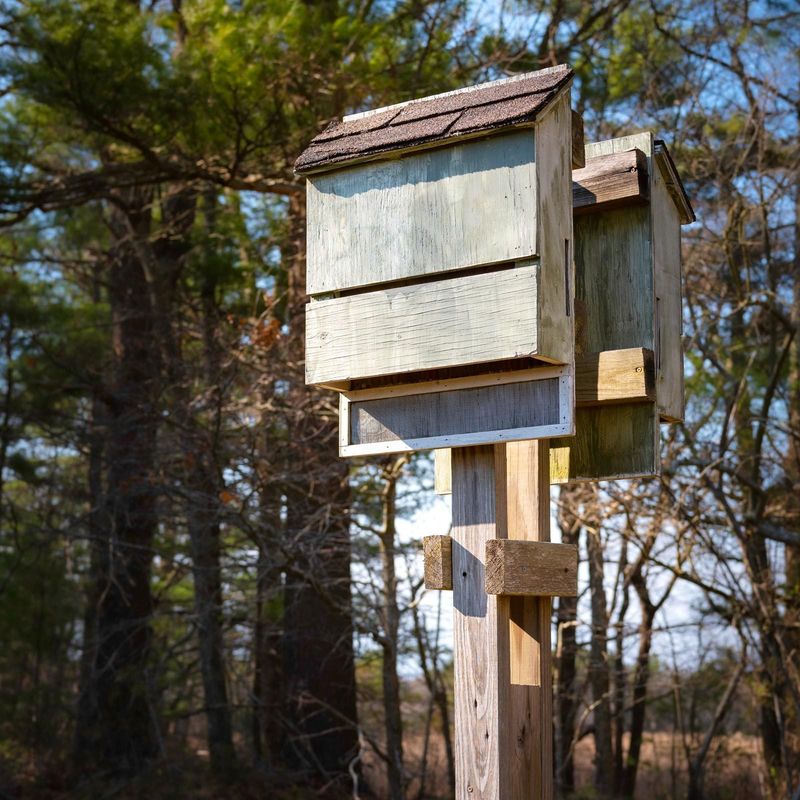
A bat house sitting in the middle of a bright, open, pesticide-treated lawn is a long shot for occupancy.
Location and surrounding habitat work together, and thinking about them as a package gives you a better chance of welcoming bats over time.
Bat Conservation International suggests placing a bat house near streams, ponds, lakes, or forest edges rather than in isolated, heavily lit corners of the yard.
Insects concentrate near water and native vegetation, and bats follow the insects.
Bats also need to drink, and they do it on the wing, skimming a water surface at speed.
A clear, open water surface roughly 7 to 10 feet long gives them room for a successful drinking pass.
Lighting is worth reconsidering too.
Bright security lights near the bat house can attract insects that then attract insect-eating birds during the day, which disrupts bat activity at night.
A motion-activated light positioned away from the house is a better choice than a floodlight aimed at the exit.
Pesticides are a real concern.
Bat Conservation International warns that broad-spectrum insecticides can reduce the flying insects bats depend on and may expose bats through contaminated prey.
This does not mean you can never treat your yard, but routine yard-wide fogging as a companion to bat conservation is counterproductive.
Any pesticide use should be targeted, label-directed, and secondary to removing the standing water where mosquitoes actually breed.
Texas is genuinely diverse in bat habitat.
Texas Parks and Wildlife lists numerous bat species across the state, including free-tailed bats, myotises, evening bats, red bats, yellow bats, and big brown bats.
A house designed for Mexican free-tailed bats in the Hill Country may perform differently than one placed in the piney woods of East Texas or along the Gulf Coast.
Matching your setup to local species and conditions is worth a conversation with a local wildlife resource.
Remove the Water Mosquitoes Need
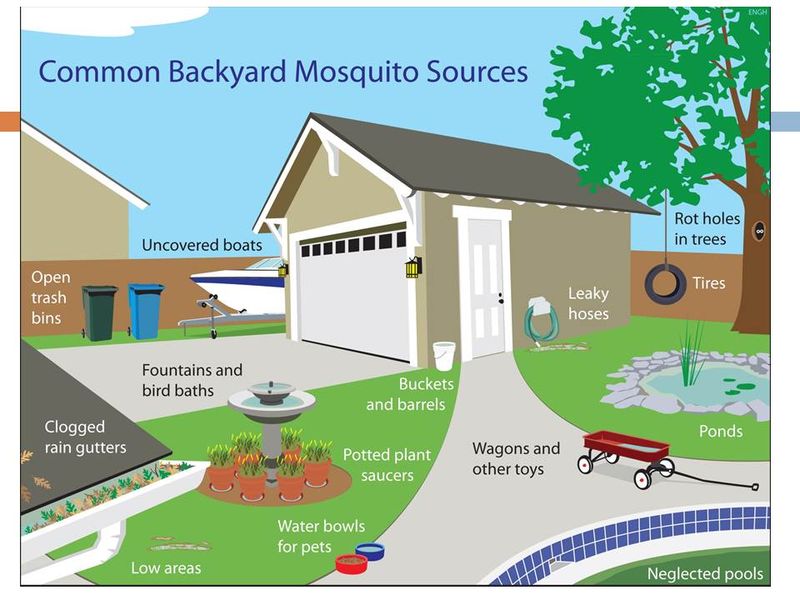
Every mosquito that bites you on the porch started as a larva in standing water somewhere within a few hundred feet of where you are sitting.
That is the fact that makes water removal the most powerful tool any Texas homeowner has, and it costs nothing but a walk around the yard once a week.
CDC recommends emptying and scrubbing, turning over, covering, or discarding anything that holds water.
The list is longer than most people expect: old tires, buckets, planters, toys, birdbaths, flowerpot saucers, trash container lids, pool covers, tarps, clogged gutters, and even bottle caps.
If it holds water and sits outside, it is a candidate.
Texas A&M AgriLife Extension notes that mosquitoes can complete larval development in stagnant water that contains organic matter and sits undisturbed for about 7 days.
Clogged gutters are a particularly common culprit in North Texas and East Texas after spring rains, because they hold water invisibly until you climb up and look.
A summer downpour can reset the clock on a container you thought was dry.
Birdbaths deserve their own mention.
Many Central Texas gardeners love them for the wildlife activity they bring, but a birdbath that sits unchanged for a week is a mosquito nursery.
Dumping and refilling every 5 to 6 days, or adding a small solar-powered wiggler that keeps the water moving, breaks the breeding cycle without giving up the birds.
For water you genuinely cannot drain, cover, or remove, such as a large rain barrel, a decorative pond, or a low spot that floods after rain, larvicide products containing Bacillus thuringiensis israelensis, commonly called Bti, are an option.
EPA guidance on Bti explains that it targets mosquito larvae specifically and must be used exactly as the product label directs.
Bti is a supplement to water removal, not a replacement for it.
Reduce Bites During Porch Time
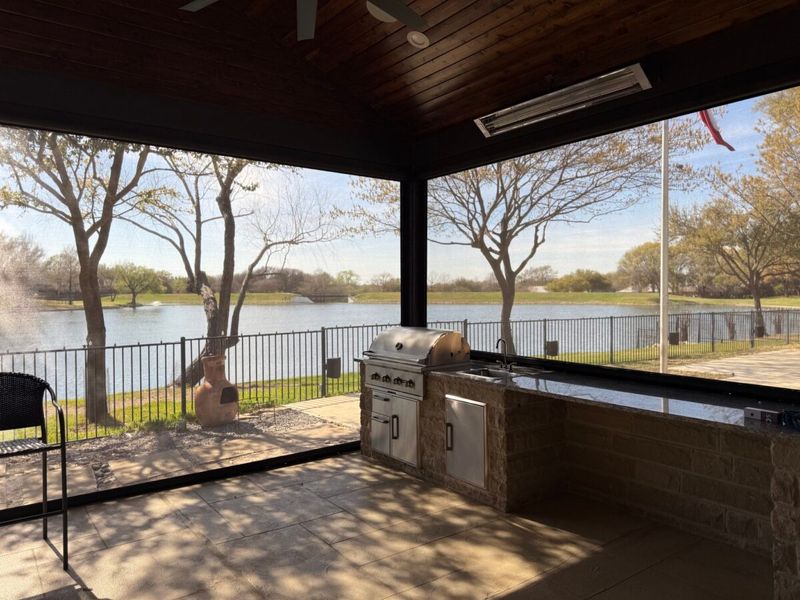
Water removal cuts the mosquito population over time, but it does not protect you during tonight’s porch gathering.
For that, you need personal protection measures that work right now, and the options are more comfortable than people often assume.
CDC recommends EPA-registered repellents containing active ingredients such as DEET, picaridin, IR3535, oil of lemon eucalyptus, para-menthane-diol, or 2-undecanone.
Each of these has been evaluated for safety and effectiveness.
Apply repellent to exposed skin and to clothing, following the product label for reapplication timing, and keep it away from eyes and mouth.
Clothing makes a real difference, even in Texas heat.
Loose, light-colored, long-sleeved shirts and long pants give mosquitoes far less to work with.
Fabric does not have to feel suffocating if you choose lightweight linen or moisture-wicking material and pair it with a ceiling fan to move the air.
Many Gulf Coast and South Texas families have figured this out already, because the mosquito pressure there leaves little room for shortcuts.
Screens are the other line of defense that often gets overlooked.
A door or window screen with even a small tear becomes a mosquito entrance, especially during the peak biting hours of dusk and the first couple of hours after dark.
Walk the perimeter of your porch screens once a season and patch or replace any damaged sections.
Keep doors closed when people are moving in and out.
None of these steps depend on bats.
CDC’s mosquito-control guidance consistently points to source reduction, repellents, clothing, and screens as the core tools for homeowners.
Bats may remove some mosquitoes while hunting, and that is genuinely welcome, but your porch comfort should not hinge on whether a bat happens to fly over.
Handle Bat Encounters Safely
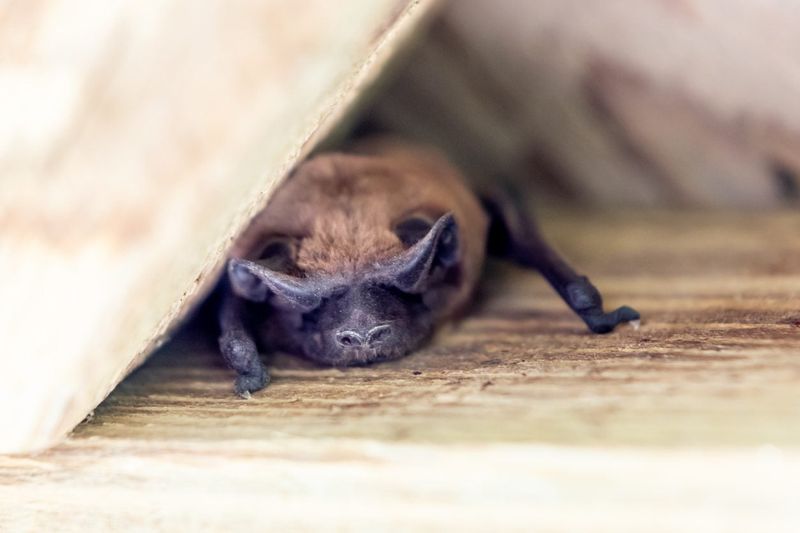
Bats are not aggressive, they do not try to tangle in hair, and the vast majority are perfectly healthy.
Knowing that is useful context.
What it does not change is the medical guidance about potential contact, and in Texas, that guidance is specific and serious.
Texas DSHS identifies bats as a high-risk wildlife group for rabies exposure.
Texas DSHS rabies information explains why bats receive this classification.
A bat bite can be small enough to go unnoticed, and a bat that appears to be flying normally can still carry the virus.
You cannot determine rabies status by watching a bat behave.
If a bat touches a person or a pet, if someone wakes up to find a bat in the room, or if a bat is found near an unattended child, contact local animal control or the county health department right away and follow their guidance.
Texas DSHS guidance on rabies exposure and treatment is clear that post-exposure prophylaxis is highly effective when started promptly.
Do not release the bat if there is any possibility of human or pet contact, because the bat may need to be tested to determine whether treatment is necessary.
CDC reporting on bats and rabies risk reinforces that most bats are not rabid, but the consequences of an untreated exposure are severe enough that caution is always the right call.
Never handle a bat with bare hands.
Do not let children investigate a bat house up close, and do not allow outdoor cats to wait beneath a bat house exit.
Bat Conservation International warns that cats can learn bat exit times and strike bats as they drop into flight.
A bat house that puts bats in reach of a cat is not a safe setup for the bats or for the cat that might then expose itself to risk.
Choose the Right Goal for Your Backyard
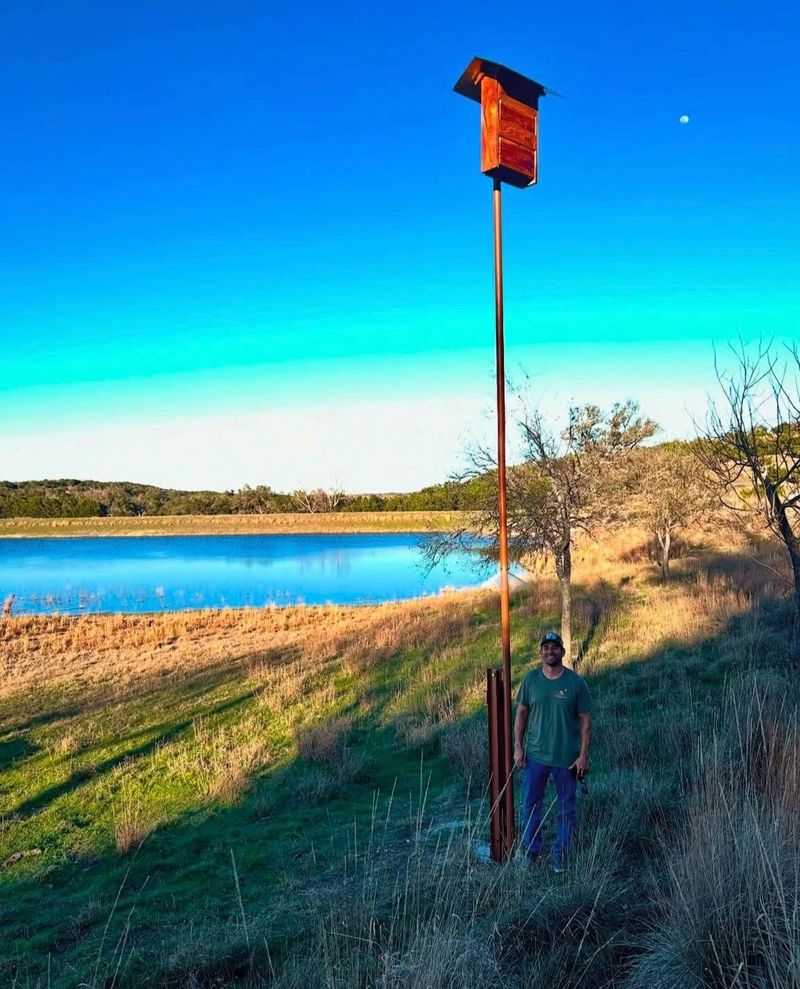
Two goals are available to you here, and they are not the same goal.
Sorting them out before you spend money or time saves a lot of frustration.
Choose a bat house when you want to support roosting habitat for a native species, contribute to local bat conservation, and accept that occupancy may take years, may be temporary, or may not happen at all.
Bat Conservation International is clear that a bat house is a conservation tool, not a pest-control device.
Install it in a good location, build or buy a properly designed wooden house with rough interior surfaces, and let the bats decide on their own timeline.
Choose weekly water removal, working screens, long clothing, and an EPA-approved Bti larvicide for standing water you cannot drain, when you want dependable bite reduction this season.
Add an EPA-registered repellent for porch evenings, and check CDC’s mosquito-control guidance for a full checklist of water sources to audit around your yard.
These steps are not glamorous, but they work reliably across every Texas region, from the Panhandle to the Rio Grande Valley.
Bats may remove some mosquitoes on any given night, and that is a genuine, welcome contribution.
But your comfortable porch evening should not depend on whether a bat happens to swing through.
The good news is that bat conservation and smart mosquito control are completely compatible, and doing both makes your backyard a better place on every level.