
What It Really Means When Texas Spiny Lizards Start Taking Over Your Yard
Follow us on Google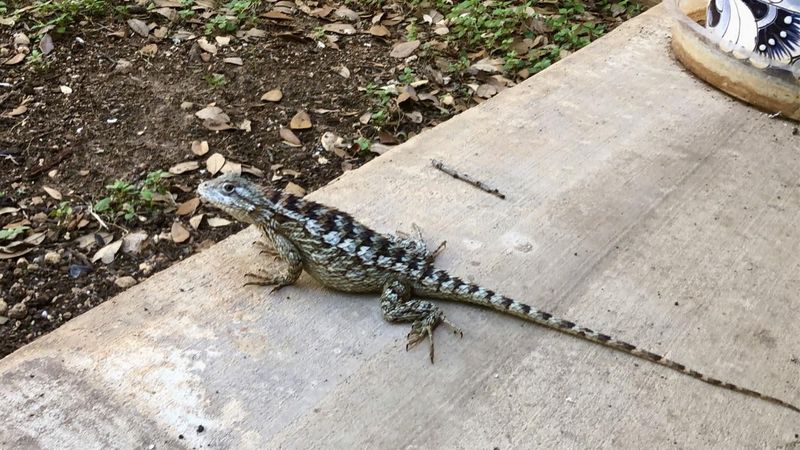
You step outside on a warm Texas morning and there it is again, a chunky, spiny-scaled lizard clinging to your fence post like it owns the place.
Maybe you have spotted two or three this week, and suddenly the question hits: are these things moving in?
The short answer is that those lizards are not staging a takeover.
They are reading your yard like a map, and the fact that they keep stopping by tells you something specific about what your property offers them.
A Few Fence Lizards Do Not Mean Your Yard Is Being Overrun
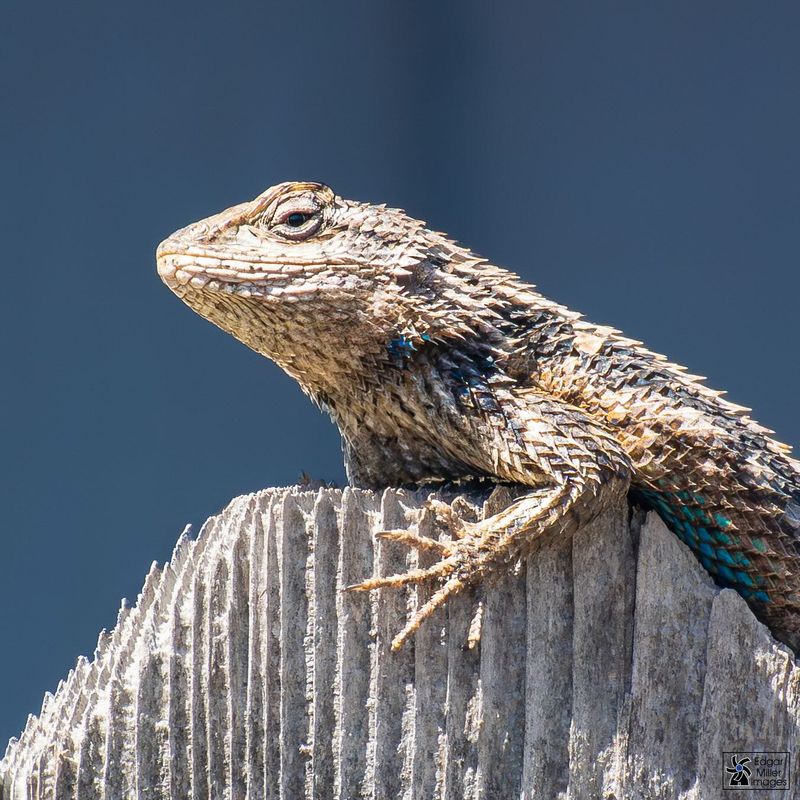
Spotting a lizard on your fence two mornings in a row can feel like a quiet invasion, but the more accurate read is that your yard passed a small audition.
The animal most likely showing up is the Texas spiny lizard, Sceloporus olivaceus, a native resident of south-central North America that has lived alongside Texas homeowners for a very long time.
According to UT Austin’s Backyard Biodiversity feature on the Texas spiny lizard, this species is closely associated with oaks, mesquite, scrub, fences, rocks, and other vertical structures, which is exactly the kind of real estate a suburban yard tends to offer in abundance.
They are diurnal, meaning they are out and moving during daylight hours, and they are ectothermic, meaning outside heat does the work of warming their bodies rather than internal metabolism.
A sunny fence rail at 8 a.m. is genuinely useful to them.
That said, a brief sighting may not be enough to confirm the species with certainty.
Texas has multiple Sceloporus lizards and other fence-using species, and they can look similar at a glance.
The Animal Diversity Web account for Sceloporus olivaceus notes the species ranges widely, but positive identification takes more than a quick look from across the patio.
What the sighting does tell you is narrow but real: something in that spot offered warmth, a useful elevation above the ground, some nearby cover, and probably enough insect activity to make the stop worthwhile.
That is the signal.
The USGS habitat map for this species shows how broadly it can use developed and semi-developed landscapes across Texas.
Your yard is not being overrun.
It is just on the route.
Sunny Vertical Surfaces Can Become Basking Sites
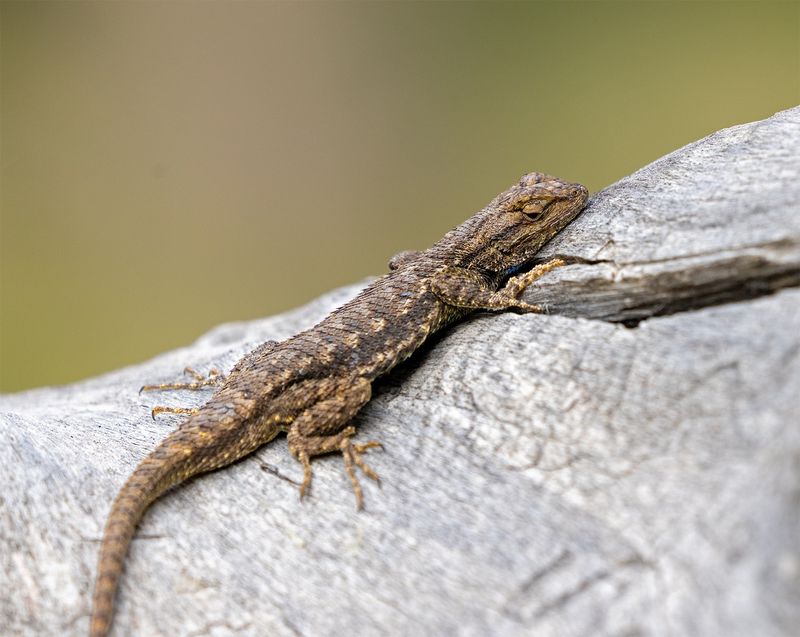
Walk past your back fence on a cool spring morning in Central Texas and you might notice a lizard pressed flat against the wood, angled toward the sun like a tiny solar panel.
That posture is not laziness.
It is biology doing exactly what it needs to do.
Texas spiny lizards are ectotherms, which means they cannot generate their own body heat the way mammals do.
They depend on the environment around them to reach a working temperature.
Research in north-central Texas, referenced in a study on preferred body temperatures in Sceloporus, reported a preferred body temperature of roughly 32 to 33 degrees Celsius, or about 90 to 91 degrees Fahrenheit, for lizards in that region.
That is a specific target, and a sun-warmed fence post can help them reach it on a morning when the air temperature is still in the 60s.
Fences, tree trunks, rock walls, brick, and masonry can all serve as warming surfaces when conditions line up, meaning the right angle of sun, the right season, and the right time of day all have to cooperate.
The UT Austin Backyard Biodiversity profile notes that Texas spiny lizards use vertical structures as both basking and perching sites, particularly trees and fences in suburban settings.
But use varies.
A shaded north-facing wall in the Hill Country in January is not going to draw the same interest as a south-facing cedar fence in San Antonio in April.
The practical takeaway is simple.
If a lizard keeps returning to the same post or wall section, that surface is probably doing its job as a warm, elevated perch.
The lizard is not attached to your fence specifically.
It is attached to the warmth and the view.
A Sudden Sightings Increase May Reflect Visibility
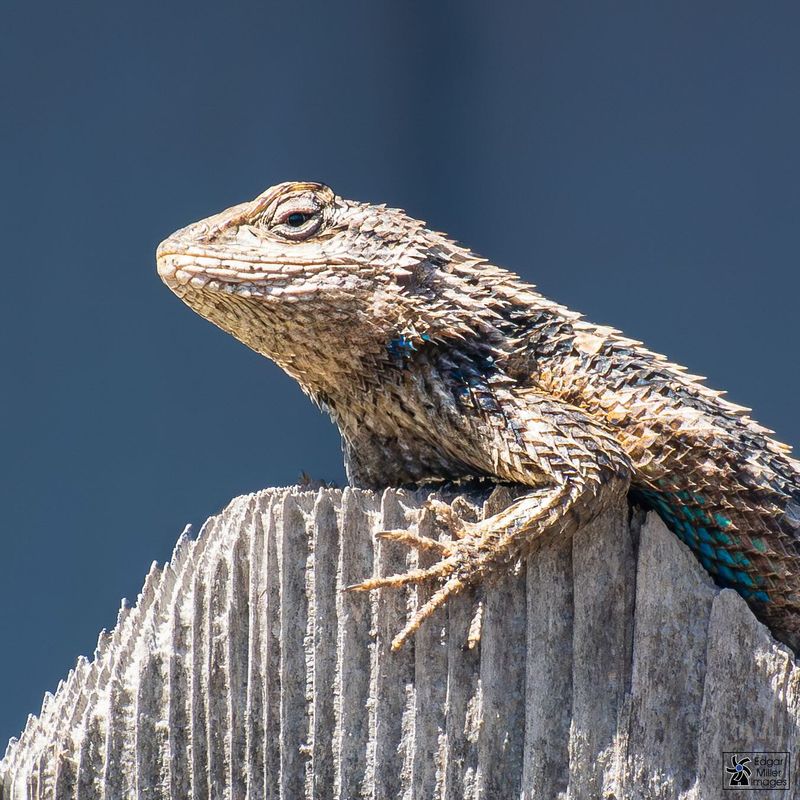
More lizard sightings do not automatically mean more lizards.
That distinction matters more than it sounds, and it is worth sitting with before you start drawing conclusions about what is happening in your yard.
Warmer weather is the most common reason activity seems to spike.
As temperatures climb in late spring across Texas, lizards spend more time out basking and foraging, which makes them far easier to spot than they were during cooler months when they stayed tucked under bark or in crevices.
The Animal Diversity Web entry for Sceloporus olivaceus describes the species as active during daylight hours and strongly tied to thermal conditions, so a stretch of 90-degree days in May will naturally push more visible activity than a mild March week.
Yard changes can have the same effect.
A repaired or replaced fence, a freshly trimmed tree, a new section of sunny masonry, or removed ground cover can all expose surfaces that lizards were already using but that you simply could not see before.
Many North Texas homeowners discover this after a cedar elm gets a hard pruning and suddenly the fence behind it is bathed in morning sun for the first time in years.
Spending a few mornings paying attention to when and where the activity happens can help you notice patterns, such as which fence section gets used first, or whether the lizard disappears into a particular shrub.
That kind of observation is genuinely useful for understanding the yard’s microhabitat.
But a few days of watching from the back door cannot tell you whether the population has grown, whether animals have relocated, or whether your yard has changed in any measurable ecological way.
The UT Austin Backyard Biodiversity piece frames these lizards as adaptable urban residents, which means they have probably been nearby longer than you realized.
You are just seeing them now.
Their Diet Shows Opportunity, Not A Pest Diagnosis
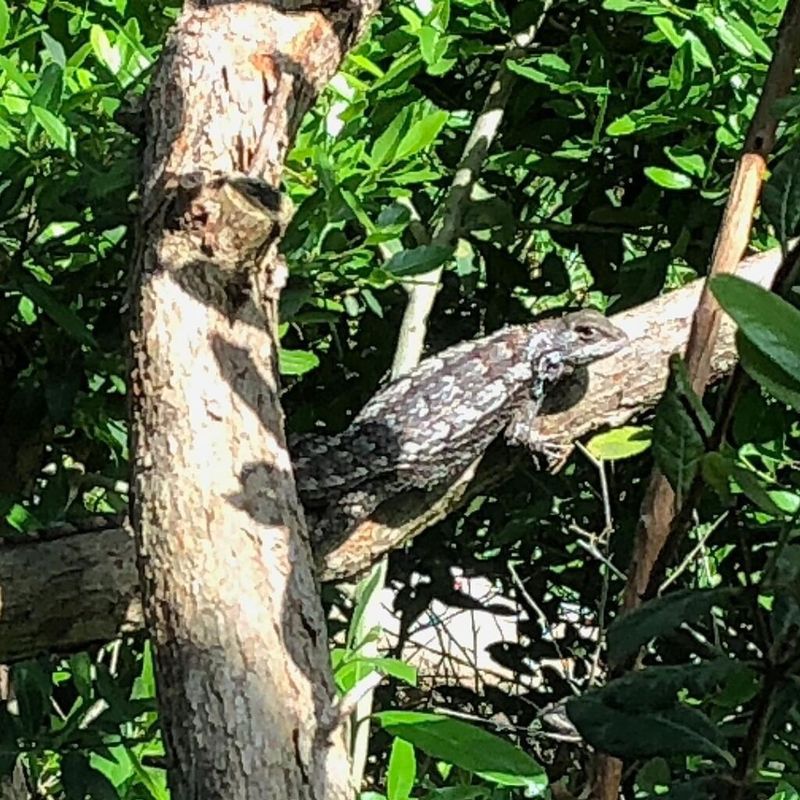
One of the first things Texas homeowners want to know when they spot these lizards is whether the insects are bad this year.
The lizard’s diet makes that question tempting, but the connection is looser than it feels.
Texas spiny lizards eat a broad mix of arthropods.
According to both the Animal Diversity Web profile and the Williamson County Texas Spiny Lizard fact sheet, their menu includes crickets, grasshoppers, beetles, cockroaches, spiders, and woodlice.
That is a genuinely varied diet, and it does make them participants in the backyard food web.
But a generalist predator eating whatever it encounters is very different from a specialist hunting a specific problem pest.
A lizard that catches a grasshopper near your tomatoes will almost certainly ignore the aphids clustered on the stem two feet away.
It is not making decisions about which insects are harming your garden.
It is making decisions about which insects are catchable right now.
That distinction matters if you are hoping the lizards will handle a fire ant problem, a mosquito situation, or a spider mite outbreak on your roses.
The UT Austin Backyard Biodiversity feature frames Texas spiny lizards as welcome contributors to a yard’s ecological layers, not as reliable or measurable pest-control agents.
Think of them as one modest thread in a larger web rather than a solution you can count on.
The insects in your yard probably help make the yard worth visiting, but their presence does not confirm an outbreak of any particular species.
The lizard found food.
That is all the sighting confirms.
Preserve Useful Cover Without Building A Lizard Habitat
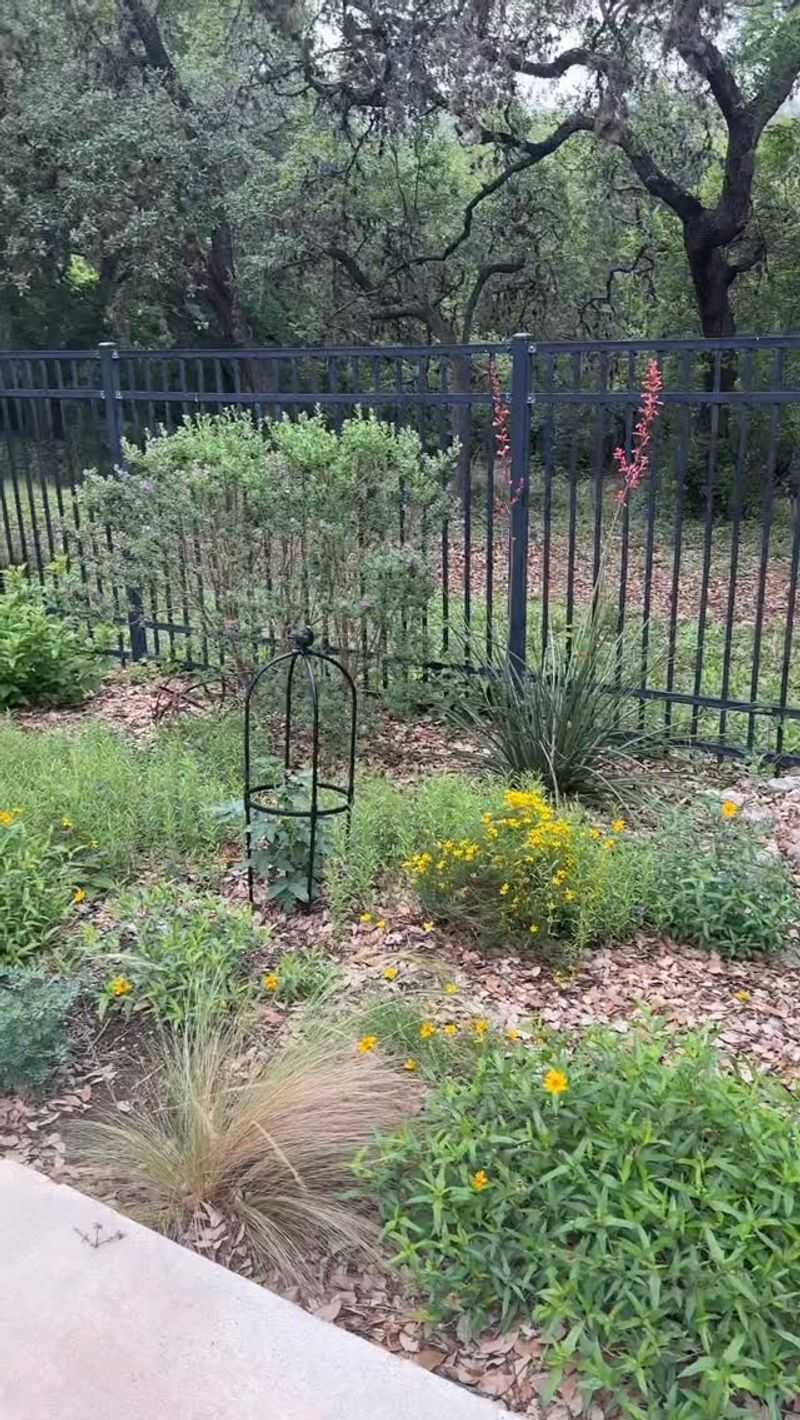
The best thing most Texas homeowners can do for these lizards costs almost nothing.
Keep what is already working and resist the urge to tidy it away.
A mature tree or sturdy shrub near a sunny fence is genuinely valuable structure.
Live oak (Quercus virginiana) is a classic example in Central Texas and the Hill Country, offering rough bark for perching, canopy for shade during the hottest part of the day, and a base where leaf litter can accumulate undisturbed.
The Animal Diversity Web account notes that Texas spiny lizards are strongly associated with trees and woody cover, so a yard that retains even one good specimen beside an open sunny fence may offer more than a heavily planted ornamental bed with no basking surfaces at all.
A modest brush or log pile kept away from doorways, play areas, and fire hazards can also provide hiding cover.
Texas Parks and Wildlife’s Wildscapes program and the TPWD Wildscapes handbook both describe habitat features like food sources, shelter, and water as the foundation of a wildlife-friendly yard, and even a small patch of undisturbed natural cover can fill that shelter role without requiring a landscape overhaul.
Texas conditions vary enough that one-size advice falls apart quickly.
A Hill Country yard with shallow caliche, cedar, and limestone outcrops suits these lizards differently from a blackland clay yard in the Dallas-Fort Worth area or a humid East Texas property with sandy soil and pine canopy.
Research from Texas A&M University San Antonio points to the importance of local microhabitat conditions rather than any single landscape feature statewide.
The honest advice is to preserve the safe habitat you already have rather than promise yourself that adding one brush pile will bring lizards to a yard that currently offers nothing else they need.
Work with what is there, and let the lizards decide the rest.
Use Targeted Pest Management Instead Of Broad Sprays

Here is where it gets tricky for a lot of Texas yards.
The moment people notice insects near a fence or under a tree, the instinct is to reach for a sprayer.
But broad insecticide applications do not just remove the pest you are after.
Reptiles can absorb pesticides directly through skin contact, through contaminated prey, and through treated soil and foliage.
The EPA’s T-HERPS risk assessment framework for amphibians and reptiles and the agency’s technical overview of ecological risk assessment both recognize reptiles as non-target wildlife that can be affected by pesticide applications intended for insects.
A lizard working the same fence line you just treated for grasshoppers is exposed through all three of those pathways.
The approach that actually protects both your garden and the wildlife in it is integrated pest management.
Texas A&M AgriLife Extension’s integrated pest management guidance describes IPM as a process of identifying the pest accurately, monitoring the level of damage, and using prevention, sanitation, exclusion, and targeted treatment only when the problem justifies it.
That sequence matters.
Many pest problems in Texas yards can be addressed with hand removal, physical barriers, or spot treatments before a full application becomes necessary.
The EPA’s tips for reducing pesticide impacts on wildlife recommend treating only the areas that actually need treatment, following the current product label exactly, and avoiding applications when non-target animals are likely to be active in the area.
Early morning, when lizards are often basking, is worth keeping in mind.
And do not spray to create more insects for the lizards.
That idea is ecologically backwards and would expose the yard to more harm than the lizards could ever offset.
Their presence is a reason for restraint with chemicals, not a promise that you can skip the label.
Identify The Visitor Before You Intervene
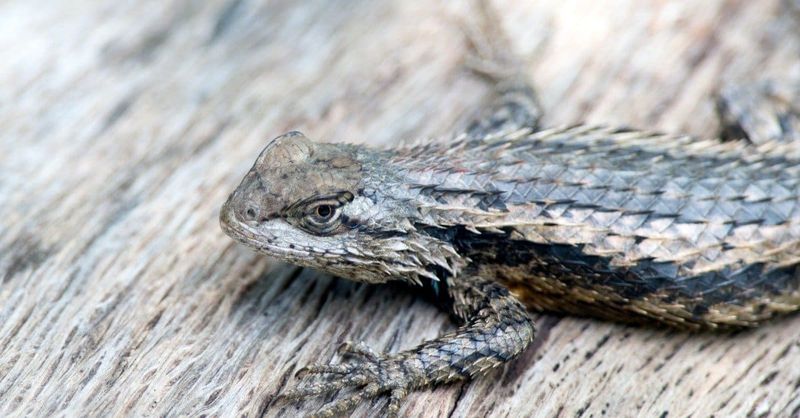
Before you do anything about the lizard on your fence, make sure you actually know what you are looking at.
Texas has a lot of lizard species, and the differences matter more than most people expect.
The Texas spiny lizard typically shows gray, brown, tan, or reddish coloring with strongly keeled scales that give it a rough, almost bristled appearance.
Adult males can reach about 11 inches in total length and may show blue or blue-green patches on the belly, which is one of the more reliable field marks.
The UT Austin Backyard Biodiversity profile includes a useful visual description of these features.
Even so, a quick glimpse from across the yard may not be enough to confirm the species.
Texas has multiple Sceloporus species and other lizards that use fences, trees, rocks, and walls.
The TPWD reptile identification guide and the iNaturalist reptiles of Texas checklist both show the range of species that could turn up in a Texas yard.
The NPS reptile overview for Padre Island is a good reminder that even within Texas, the species composition shifts meaningfully by region.
One distinction worth making clearly: the Texas spiny lizard is not the Texas horned lizard.
The horned lizard is rounder, flatter, and has a crown of prominent head spines.
It is also a species of greater conservation concern, so confusing the two before deciding to intervene could cause a real problem.
Leave healthy wildlife alone whenever possible.
Do not attempt supplemental feeding, and do not try to catch or relocate a lizard without first checking current Texas Parks and Wildlife nongame regulations, which are updated annually and govern what is and is not permitted with native reptiles.
Read The Sightings As A Specific Clue
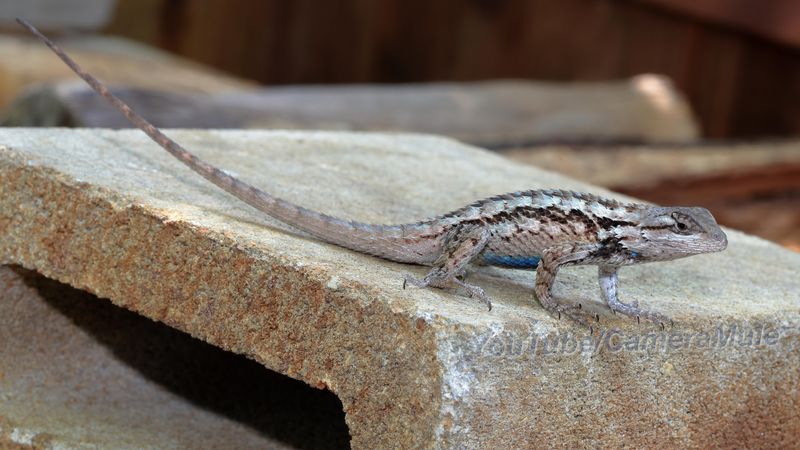
Pull back from the idea that the lizard is telling you something big about your yard’s overall condition.
The signal is narrower than that, and narrower is actually more useful.
A lizard returning to the same fence post or wall section most likely found warmth, a useful height above the ground, some cover close by, and enough insect activity nearby to make the stop worth the trip.
That combination, confirmed by the Animal Diversity Web habitat description for Sceloporus olivaceus and the UT Austin Backyard Biodiversity feature, is what the presence of this species actually suggests.
It does not confirm that your soil is healthy, that you have avoided pesticides, or that a pest outbreak is underway somewhere in the yard.
The practical steps that follow from this reading are modest and doable.
Observe before you change anything.
Note where the activity happens and when, then use that information to understand what your yard’s microhabitat is actually doing rather than guessing.
Preserve the safe cover and structure already present.
Address any genuine pest problems on their own terms through targeted integrated pest management rather than assuming the lizards will handle it.
Texas Parks and Wildlife’s nature tracking programs frame reptiles and amphibians as creatures worth watching and protecting in their own right, not just as indicators or pest-control tools.
That framing fits.
The lizard on your fence is doing its own thing in your yard, and that is reason enough to let it.