
North Carolina Nurseries Worth The Drive If You Want Native Edibles Big Chains Skip
Follow us on Google
You drag your patio chair into the shade on a sticky August afternoon, ice clinking, and you notice the yard just sits there.
It looks fine, but it does not hum the way your grandma’s yard did, thick with bees and birds.
The big box stores promise easy fixes, yet they skip the native edible plants that would actually bring North Carolina yards back to life.
The good news is that a handful of specialty nurseries across our state grow exactly those unsung heroes, and they are worth the drive.
1. Why Those Big Box Stores Miss The Mark
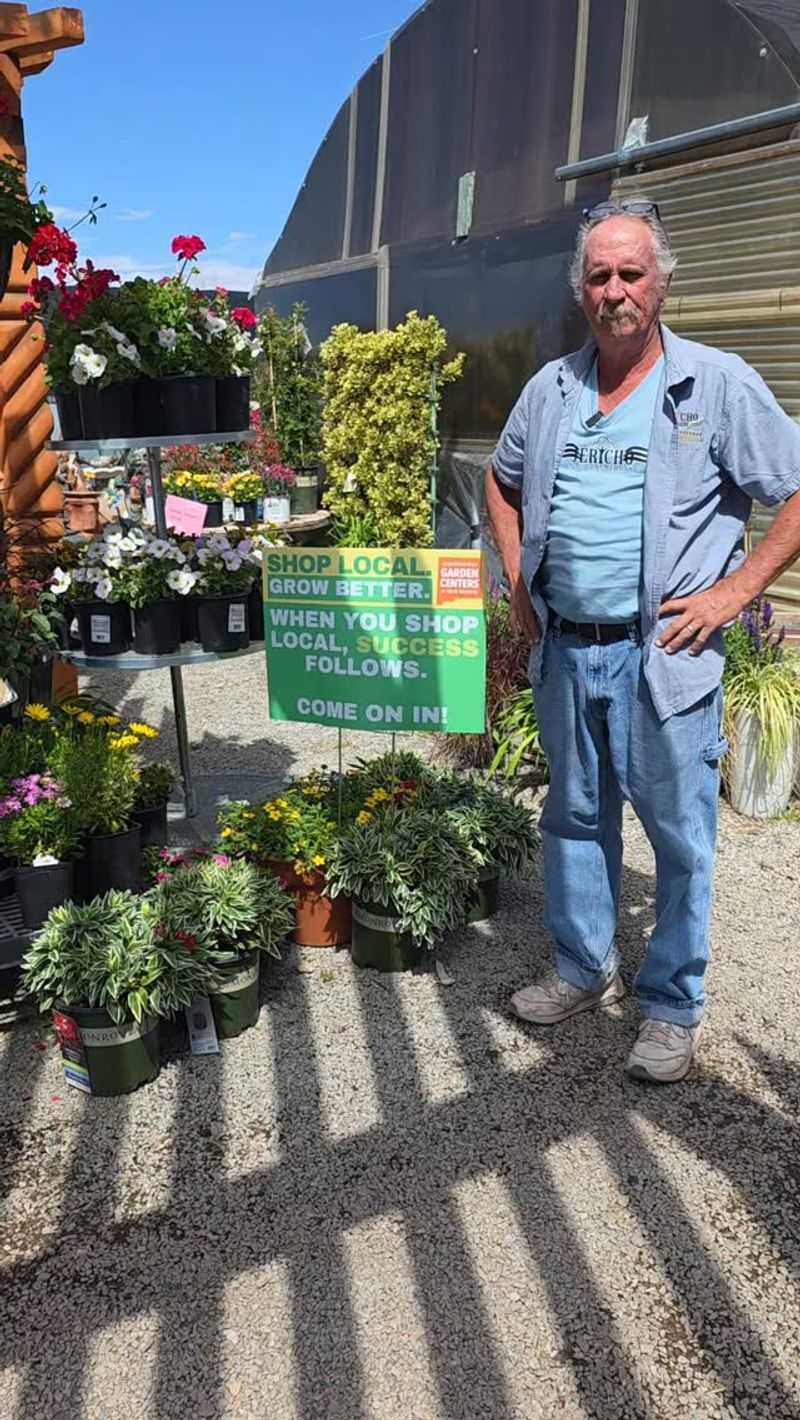
Walk into any chain garden center and you will see rows of shrubs that look flawless, not a chewed leaf in sight.
That tidy look is the whole problem.
Many of those plants are foreign species that local insects do not recognize as food, so nothing touches them.
Here is where it gets tricky.
A single nest of chickadees needs somewhere between 6,000 and 10,000 caterpillars to raise its young, and those caterpillars come from native plants.
A pretty imported shrub is basically a botanical desert for the bugs your songbirds depend on.
So the yard looks perfect and stays quiet.
The specialty nurseries we are talking about think differently.
They stock plants that have grown here for centuries, evolving with our red clay in the Piedmont and the sandy soil of the Coastal Plain.
Once established, these natives ask for less water, less fertilizer, and far less fuss than most exotic options.
They also handle our real weather, the muggy summers with afternoon storms and those surprise winter cold snaps.
NC State Extension has long pointed out that regionally native plants tend to shrug off local stress better than imports.
And a native edible does double duty, feeding you while feeding the pollinators and birds.
That is genuinely a better deal for the same patch of dirt.
2. Pawpaws Are North Carolina’s Tropical Secret
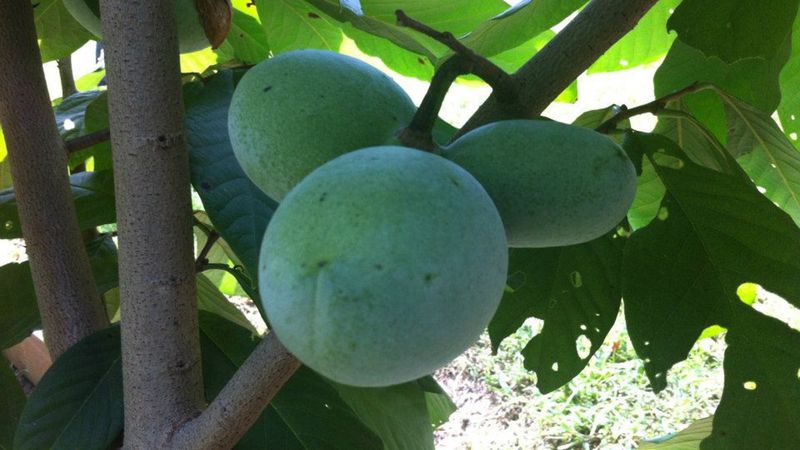
Picture biting into a fruit that tastes like custard swirled with mango and banana, grown fifteen feet from your back door.
That is the pawpaw, Asimina triloba, and it is the largest edible fruit native to North America.
Most folks have never tasted one.
The reason you will not find pawpaws at the grocery store is simple.
They ripen in late summer and early fall, then bruise and spoil within days, so they cannot survive long shipping.
The only reliable way to eat one is to grow it or know someone who does.
To get fruit, plant at least two trees so they can cross-pollinate.
These small deciduous trees reach 15 to 20 feet tall and take full sun to part shade, preferring damp, slightly acidic soil.
Space them about 5 feet apart in a backyard patch, and some dwarf varieties bear fruit in just two or three years.
Raleigh Pawpaw in the Triangle specializes in both seedlings and grafted trees.
You can also find them at Feralwood Nursery in Kings Mountain, which ships bare-root seedlings, or at Field to Cottage Nursery in Raleigh.
Standing under your own pawpaw tree in September, catching soft fruit before it drops, feels like a small NC secret finally shared.
3. Serviceberry Is A Bird Feeder And A Breakfast Bar
Some folks call it Juneberry, and once you grow one you understand why.
The serviceberry, Amelanchier species, wakes up early, throwing delicate white flowers in spring before most plants have stirred.
Early pollinators find it a lifeline when little else is blooming.
Then June arrives and the real payoff shows up.
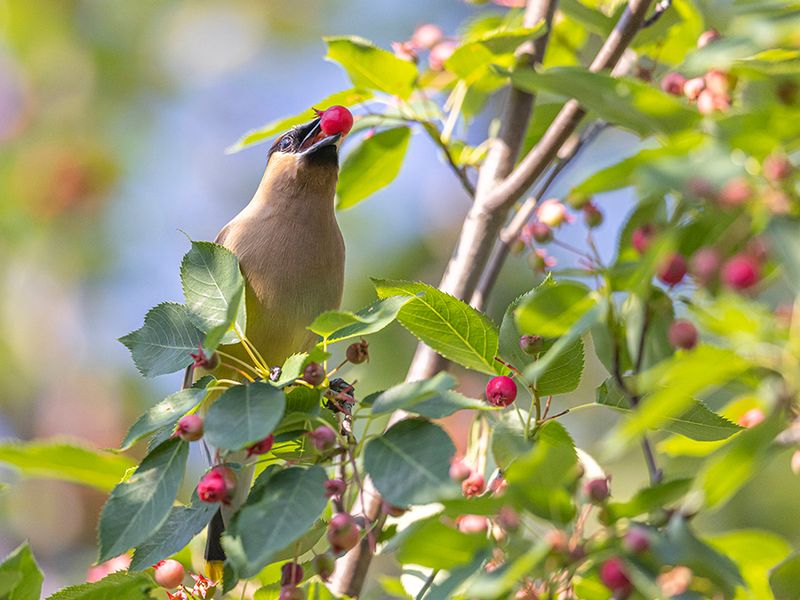
Sweet reddish-purple berries fill the branches, delicious for you and pure magnet for birds.
Cedar waxwings will strip a tree in an afternoon, so you may want to plant a couple just to share.
Beyond fruit, this small tree or large shrub earns its keep.
Blue-tinted summer foliage turns fiery orange and red in fall, and a mature plant reaches 15 to 25 feet tall.
It grows best in moist, well-draining soil, tolerates some shade, and rewards full sun with the heaviest berry crop.
Serviceberries self-pollinate, but two or more boost your yield noticeably.
Here is the part that matters for a living yard.
Serviceberry counts as a keystone species, supporting more than 120 butterfly and moth species, which means more caterpillars, which means more baby birds fed.
Look for them at Field to Cottage Nursery in Raleigh, Reems Creek Nursery in Weaverville, or Tanager Plants in Mars Hill.
One tree, and suddenly your morning coffee has company.
4. American Persimmon Rewards The Patient Gardener
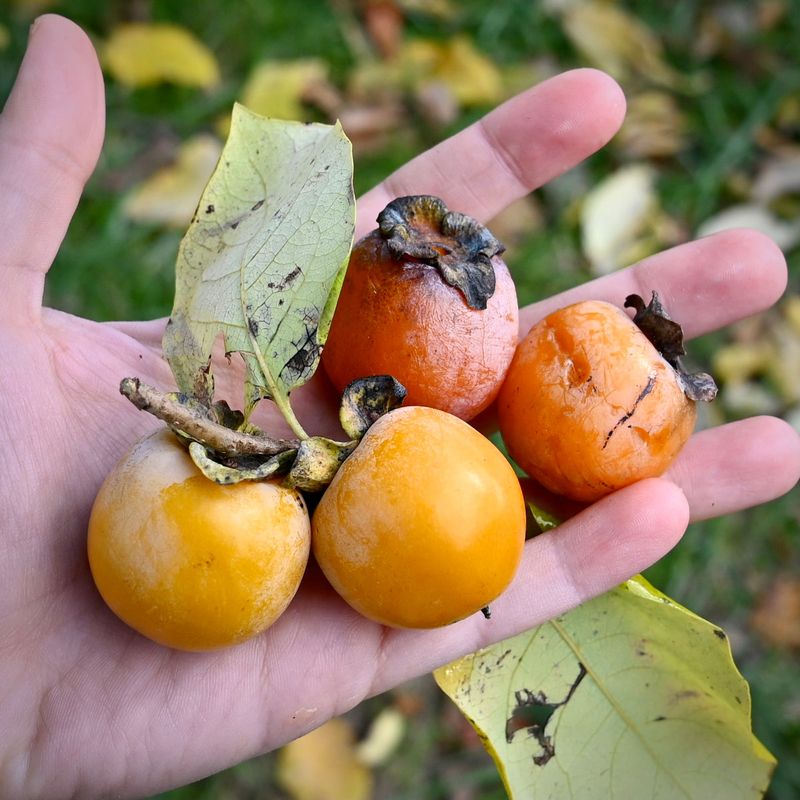
Bite an American persimmon a day too early and you will never forget the pucker.
The common persimmon, Diospyros virginiana, is a native gem chain stores almost never carry, and it demands one thing above all.
Patience.
The bright orange fruits ripen from late summer into early fall, but they only turn sweet once they go soft and squishy, often after the first frost.
Gardeners call that softening bletting, and it transforms the flesh into something caramel-like and jelly-soft.
Rush it and your mouth will regret the decision for a solid minute.
Most persimmons need both a male and a female tree to set fruit, so plan on planting at least two.
These are big trees, reaching 30 to 60 feet tall with a 25 to 35 foot spread, and some live 60 years or more.
They handle many soil types across North Carolina and take full to partial sun without complaint.
Because ripe fruit drops and gets messy, tuck these trees away from walkways and patios where you walk barefoot.
You can find American persimmon at Pender Pines Garden Center near Wilmington, Reems Creek Nursery in Weaverville, and Flower of Carolina in Saxapahaw.
Wait it out, and one fall evening the sweetest fruit you have ever grown lands right in your hand.
5. Elderberries Turn A Wet Corner Into A Harvest
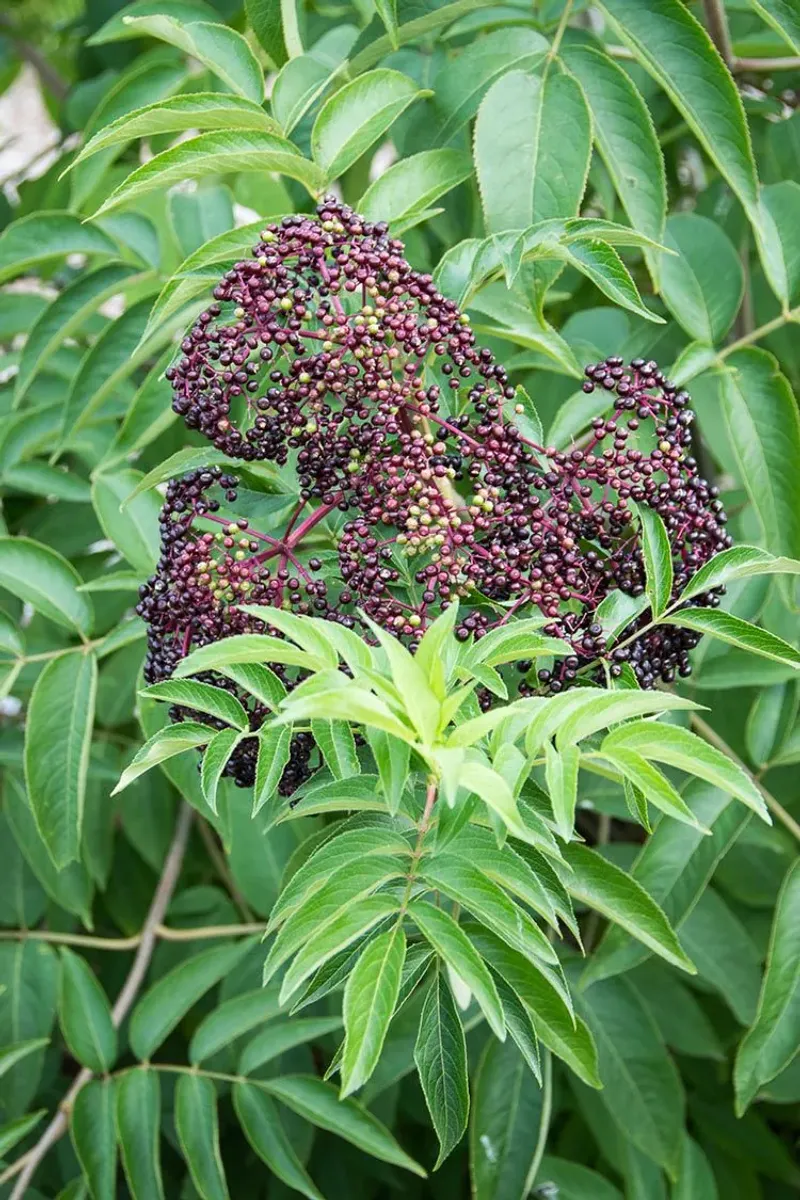
That soggy low spot in the yard where nothing seems happy?
An elderberry would treat it like a five-star resort.
The native American elderberry, Sambucus canadensis, actually loves the damp ground most plants sulk in.
Come late summer, the dark purple berries pile up in heavy clusters, ready for jam, pie, syrup, or wine.
You are not the only one lined up at the buffet, though.
The early flat white flower heads feed pollinators, and the fruit feeds birds long after you have taken your share.
Elderberries grow fast, which is both a gift and a warning.
These shrubs reach 5 to 12 feet tall and wide and spread into thickets over time, so give them room at the back of a border or in a naturalized area.
Plant in moist, rich soil with full sun to part shade for the best fruit set.
Once settled, they shrug off most common garden troubles with barely any effort from you.
Native stock shows up at Wolfberry Hawthorn Farm in Durham, Useful Plants Nursery in Black Mountain, and Elderberry Creek Farm and Nursery in Pfafftown.
Turning your worst drainage problem into a syrup harvest, that is a genuinely satisfying trade.
6. These Nurseries Grow Dirt You Actually Have
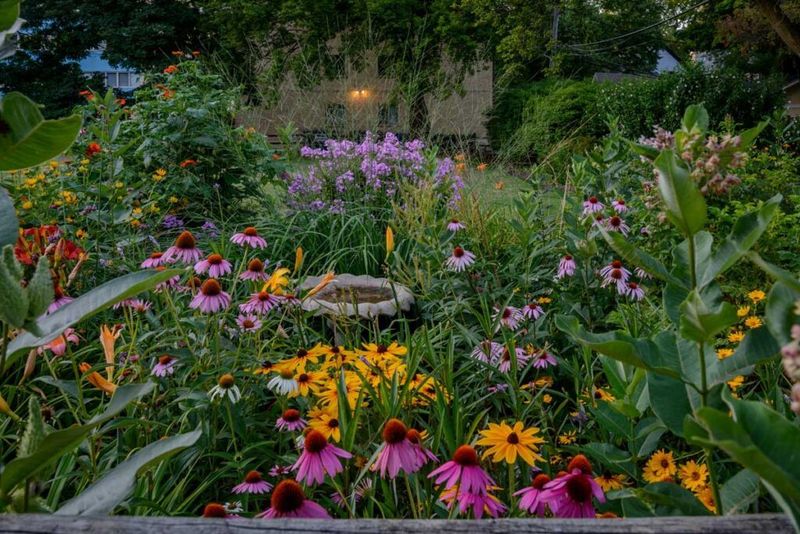
The quiet advantage of driving out to a small native nursery is not the plant itself.
It is the person handing it to you.
These growers know North Carolina soil the way a farmer knows the sky, from mountain ground in USDA zones 6a to 7a, through Piedmont clay at 7b to 8a, down to coastal sand at 8a to 8b.
Ask a chain store employee why your last shrub died and you often get a shrug.
Ask one of these growers and you get a real answer, because they grew the thing in conditions close to yours.
That advice saves you money and a second dead plant.
They also match plants to your specific spot.
A grower will tell you which serviceberry handles a windy ridge or which pawpaw variety fruits fastest in a Triangle backyard.
That is the kind of tailored help no barcode can give.
Useful Plants Nursery in Black Mountain sells by appointment through summer.
Mellow Marsh Farm in Siler City specializes in natives, though it often runs a $100 minimum for wholesale-style orders.
So call ahead and treat the drive as part of the fun, not a chore.
7. Call Ahead Because Many Open By Appointment
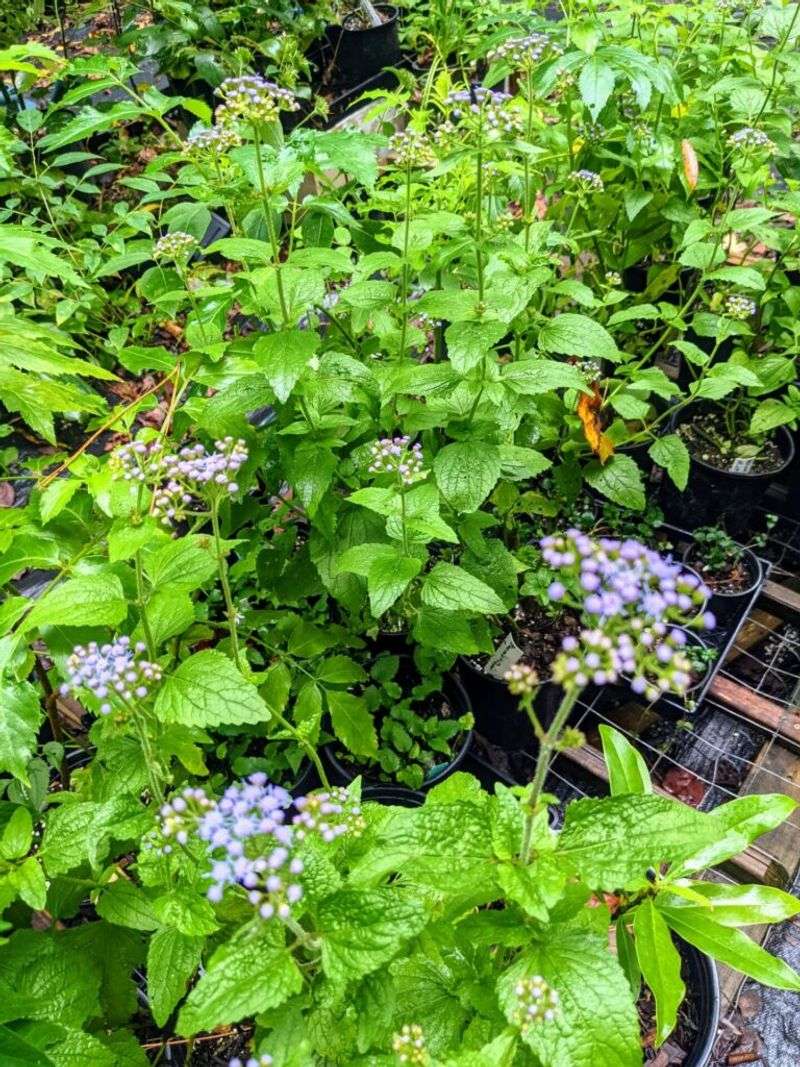
Here is the surprise that trips up a lot of first-timers.
Plenty of these places do not keep regular storefront hours at all.
Some open by appointment, some sell mostly at farmers markets, and a few host on-farm sales only a handful of weekends a year.
That rhythm feels odd if you are used to strolling into a chain store any Saturday.
But it is exactly why the plants are better.
These are small operations run by growers who spend their time in the field, not standing at a register waiting on foot traffic.
Nurtured By Nature Growers turns up at Triangle-area farmers markets and takes appointments at their Morrisville location.
Wolfberry Hawthorn Farm sells at the South Durham Farmers Market and holds on-farm plant sales.
Checking a nursery’s website or Facebook page before you load the truck saves you a wasted trip and often reveals what is ripe and ready that week.
Plan the outing like a small adventure.
Bring a list, a few boxes to keep pots from tipping on the drive home, and questions about your yard.
You come back with plants that will actually thrive and a yard that starts humming again, and that is a genuinely good feeling to bring home.