
You Do Not Need A Big Yard To Start Saving Real Money On Groceries
Follow us on Google
Most grocery savings advice assumes you have a big backyard and plenty of free time. The truth is that a patio, porch, balcony, or a single raised bed can potentially lower what you spend at the store, if you pick the right crops and keep your costs honest.
A small growing space will not replace your grocery store, but it might cover a meaningful slice of your herb, salad, and fresh pepper budget. The trick is going in with clear eyes about what a few containers can and cannot do.
Potential Grocery Value, Not A Promise
Grocery savings from a patio garden are real for some households and close to zero for others. The difference comes down to what you grow, what you spend to grow it, and whether your family would have bought that same food anyway.
Before you fill a cart at the garden center, it helps to understand what the research actually shows and where it stops short.
A 2014 Journal of Extension analysis of home vegetable gardens found that gardeners produced an average of $677 worth of fruits and vegetables against $238 in materials and supplies, leaving an estimated $439 in net value. The author was careful to note that labor was not priced in that figure, and that climate, crop choice, gardening practices, and local conditions all change the outcome.
That $439 estimate describes a typical in-ground home garden, not a patio container setup.
A separate pilot looked at low-income home gardeners in San Jose and found average savings of $339, with the biggest returns tied to vertical, high-value crops like tomatoes and cucumbers. Only eight gardeners weighed their harvests, so that number should not be read as a national target or a container-garden benchmark.
Neither study directly tested patios, porches, balconies, or compact container beds. The financial case for small-space gardening is a reasonable extrapolation from broader home-garden economics and container-production guidance from university extension programs, not a directly demonstrated result.
A harvest counts as avoided spending only when your household would have bought the same crop at a comparable local price. If you would never buy fresh basil or cherry tomatoes at the store, growing them does not save you anything.
Measuring your own results, season by season, is the only way to know what a small garden is actually worth to your specific household.
Choose Crops That Earn Their Space
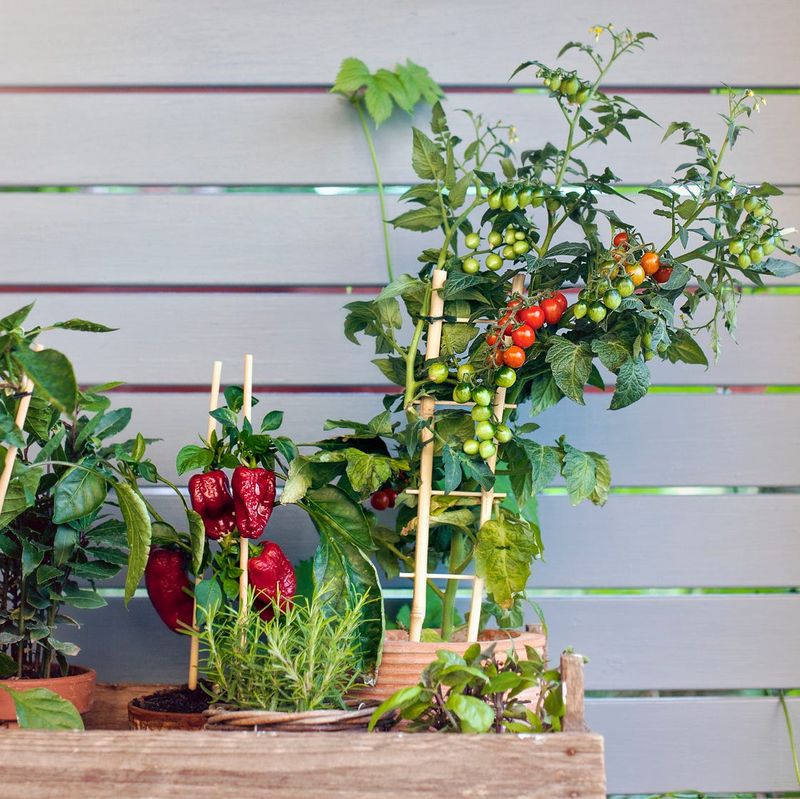
Space on a porch or patio is a limited resource, and the crops you choose determine whether that space pays back or just keeps you busy. The strongest candidates are plants that produce repeatedly, cost noticeably more at retail, grow compactly, and show up regularly on your grocery list.
Herbs fit all four criteria better than almost anything else: a single basil plant can replace several plastic clamshells over a season, and fresh basil at the store runs $3 to $5 a bunch in many US markets.
Oregon State University Extension consistently lists herbs, lettuce, kale, chard, spinach, radishes, green onions, peppers, compact tomatoes, beans, carrots, and strawberries as practical container crops when light and container size allow. These crops share one useful trait: you can harvest from them gradually, which means the food reaches your kitchen fresh and reduces waste.
Corn, watermelon, winter squash, and full-size sprawling zucchini (Cucurbita pepo) are poor fits for a compact grocery strategy. They need far more room than a few pots can offer, and they produce a single large harvest rather than repeated pickings.
The math rarely works out on a balcony.
High retail value does not automatically mean high financial return once you count labor, water, fertilizer, and the occasional failed plant. University of Minnesota Extension notes that crops with high market value are not automatically the most profitable once labor enters the calculation.
A pepper plant that produces all summer with minimal fuss beats a specialty melon that needs constant attention and delivers one fruit in September.
Let Sunlight And Container Size Set Expectations
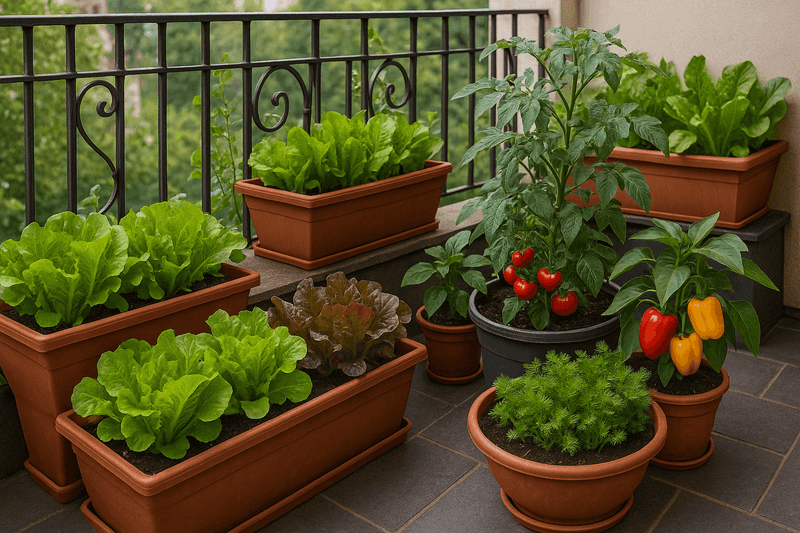
Walk your porch or patio on a sunny morning and count the hours of direct light it actually gets. That number shapes every crop decision you make, and skipping this step is the single most common reason a small garden underperforms.
Fruiting crops such as tomatoes, peppers, and green beans generally need 6 to 8 hours of direct sun each day. Lettuce, kale, spinach, and some other leafy crops can tolerate lighter shade, which makes them better candidates for a north-facing porch or a spot under an overhang.
Oregon State University Extension is direct on this point: a shaded porch will not produce the tomatoes you are imagining. Matching the crop to the actual light available is more important than picking the crop you most want to eat.
Container size matters just as much. Many vegetables perform well in roughly 2 to 5 gallons of growing medium with at least 12 inches of depth.
Tomatoes are an exception. Penn State Extension recommends a pot at least 20 inches wide for one tomato plant, and about 14 inches for peppers or eggplants, with tomatoes benefiting from roughly 18 inches of rooting depth.
A pot that is too small will restrict root growth and limit the harvest even in full sun.
Every container needs drainage holes, and the growing medium matters too. Garden soil and topsoil are generally too dense for containers: they compact over time, restrict drainage, and can starve roots of oxygen.
A quality potting mix formulated for containers drains properly and gives roots room to move.
Think of the potting mix as the foundation, and a cracked foundation limits everything built on top of it.
Control Startup Costs Before They Control The Payoff
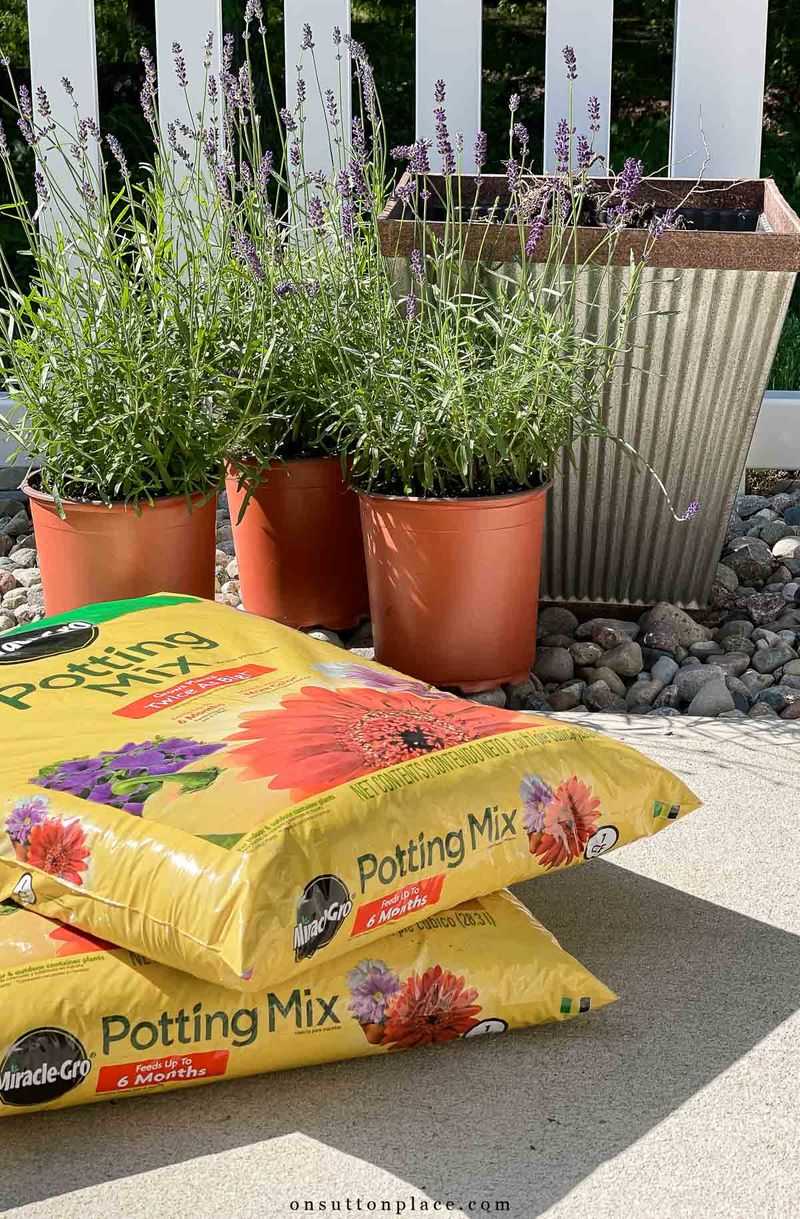
A common first-season mistake is spending $80 at the garden center to grow $30 worth of tomatoes. Startup costs can erase the financial return of an entire season before a single seed sprouts, so building a restrained starting path matters as much as choosing the right crop.
A practical entry point is one or two suitable containers, one bag of quality potting mix, a packet of seeds or a single healthy transplant, and a basic stake or small trellis. Oregon State University Extension notes that many household containers can work if they are clean, nontoxic, large enough, and equipped with drainage holes.
That qualification matters. Not every discarded bucket or old planter is safe for food production.
Containers that previously held chemicals, paint, or treated wood products should not be used for edible crops. Only clean, food-safe containers with proven drainage make the cut.
Oregon State’s guidance on containers versus raised beds points out that containers are more accessible and easier to start with, while raised beds often cost more upfront but can last for many seasons. Neither option is automatically cheaper over time, it depends on what materials you already have and how long you keep the setup going.
Balconies deserve a separate conversation from patios. Containers filled with wet growing medium are heavy, and several large pots can add significant weight to an elevated structure.
The sources reviewed here do not provide a universal safe load limit for balconies, and neither should you assume one exists. Check your lease, your building’s rules, and consult a qualified professional before placing multiple large, wet containers on an elevated surface.
A productive balcony garden that damages the structure or violates your lease is not a savings strategy.
Keep Plants Productive Through The Season
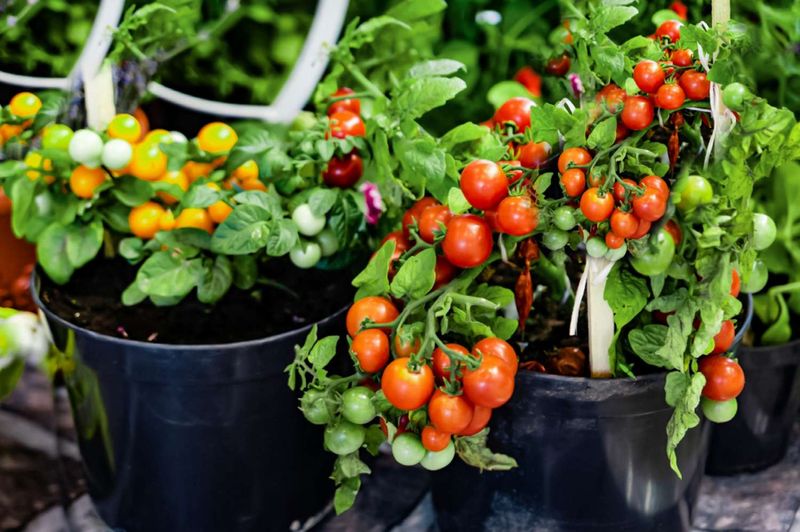
A container garden rewards consistency more than enthusiasm. The routine you build around watering, feeding, and supporting your plants determines whether a small setup produces enough to show up meaningfully in your grocery budget or just limps along until the first hot week finishes it off.
Containers dry out faster than in-ground beds, especially when they sit on concrete or in full afternoon sun. Daily watering is normal during warm weather, and some setups need water twice a day during a heat wave.
Oregon State University Extension recommends watering until excess drains from the bottom, which confirms the roots are getting enough moisture without sitting in standing water. A thin layer of mulch on top of the potting mix slows evaporation and can reduce how often you need to water.
Frequent watering also flushes nutrients from the growing medium, which means fertilizing is not optional. Penn State Extension recommends starting with a slow-release fertilizer at planting and following up with a soluble fertilizer every 2 to 4 weeks.
University of Minnesota Extension guidance on container fertilizing varies by product, so follow the label on whatever you buy. Application frequency and concentration differ enough between products that a general rule can lead you astray.
Vertical supports extend what a small space can do. University of Minnesota Extension notes that trellises and cages support pole beans, peas, cucumbers, and some tomatoes, keeping fruit cleaner and improving air circulation around the plant.
After an early crop finishes, you can replant the same container with a fall vegetable and extend the season’s return. Planting dates for that second round depend on your local frost dates, not a universal calendar.
NOAA’s frost date information and your local Cooperative Extension office are the most reliable guides for timing a second planting in your specific location.
Calculate Avoided Purchases, Not Just Harvest Value
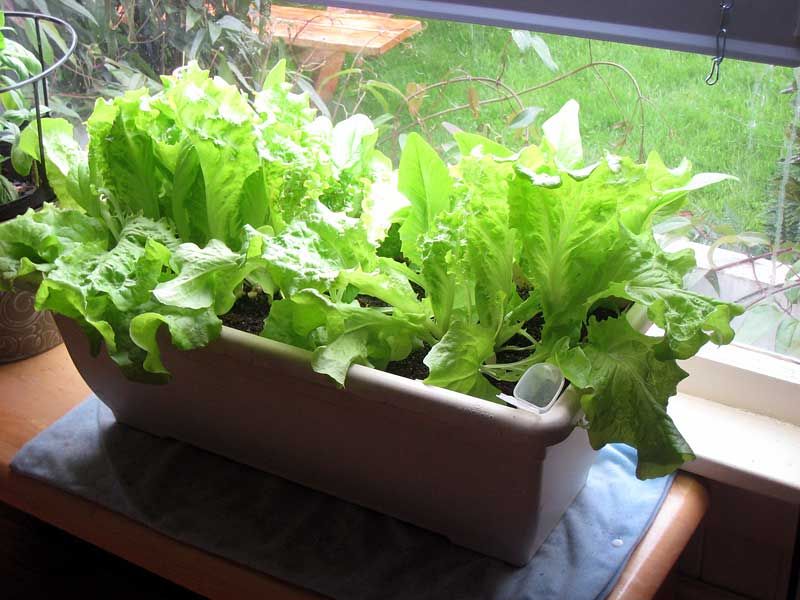
Weighing a bowl of cherry tomatoes and multiplying by the store price feels satisfying, but that number is not your savings. Your actual avoided spending is the difference between what you harvested and what you would have paid at a local store for the same crop, minus every dollar and hour you put into growing it.
Start a simple record at the beginning of the season. Write down the cost of seeds or transplants, potting mix, containers, fertilizer, supports, pest controls, water, and any replacement plants you buy after a failure.
The Journal of Extension analysis that found a $439 estimated net value did not price the gardener’s labor, which means the real return per hour of work was lower than that figure suggests. If you spend several hours a week watering, staking, and troubleshooting, the financial case weakens.
Showing labor separately, rather than treating it as free, gives you an honest picture.
The crop you choose also changes the math. A homegrown specialty tomato variety that runs $4 to $6 a pound at your local farmers market represents genuine avoided spending if your household buys it regularly.
A homegrown russet potato or bulk-market onion, which might cost $0.50 per pound at the store, is a much harder financial case to make.
A simple formula helps: take the comparable local retail value of the produce you actually harvested, subtract all garden costs for the season, and note labor time separately. University of Minnesota Extension reinforces that crop selection and unpriced labor can strongly shift the financial result in either direction.
Run the numbers honestly at the end of the season and let them guide what you plant next year.
Use Local Weather And Safe Growing Practices
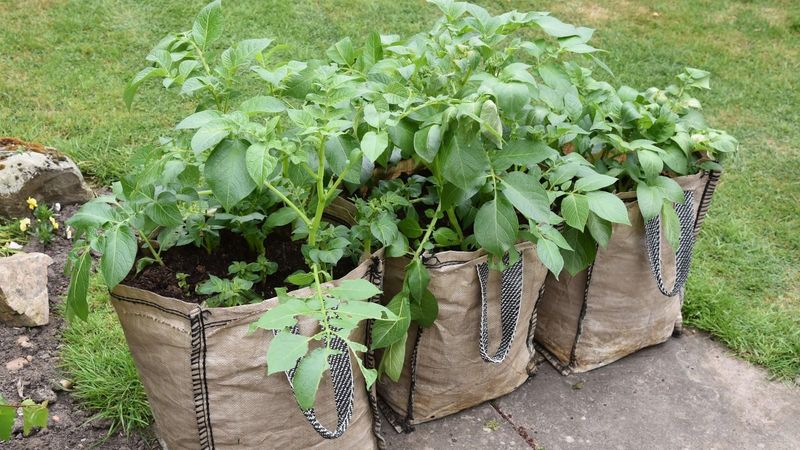
Regional differences can quietly undermine a container garden that looks fine on paper. A growing plan built for a backyard in Georgia will not transfer cleanly to a porch in Minnesota or a balcony in Seattle, and treating one region’s advice as universal is one of the fastest ways to waste a season’s worth of effort and money.
USDA hardiness zones describe average extreme minimum winter temperatures over a 30-year period. The USDA Plant Hardiness Zone Map is a useful tool for understanding winter cold tolerance, but it does not tell you when to plant tomatoes, how to manage summer heat, or when your last spring frost will arrive.
The USDA itself explains that the zone map does not account for summer heat, rainfall, humidity, wind, elevation, or local frost pockets. Local Cooperative Extension offices and NOAA frost-date data are the right resources for actual planting calendars in your area.
Food safety deserves the same attention as planting dates. Keep pets and wildlife out of growing areas, use clean tools, and wash produce thoroughly before eating it.
Penn State Extension recommends basic animal exclusion and clean produce-handling practices for home food gardens. If you use any pesticide, follow the label completely, including the crop, the rate, protective measures, and the days-to-harvest interval.
Homegrown does not automatically mean chemical-free.
Containers can be a good option where ground soil may be contaminated, but purchased potting mix and compost are not automatically problem-free either. The CDC identifies container gardening as a practical alternative where lead-contaminated soil is a concern, and recommends against growing food in contaminated ground.
If your space is near an older home, a painted structure, a busy road, or an industrial site, soil testing is a reasonable precaution even when you plan to use containers.
Start Small And Let The Numbers Decide
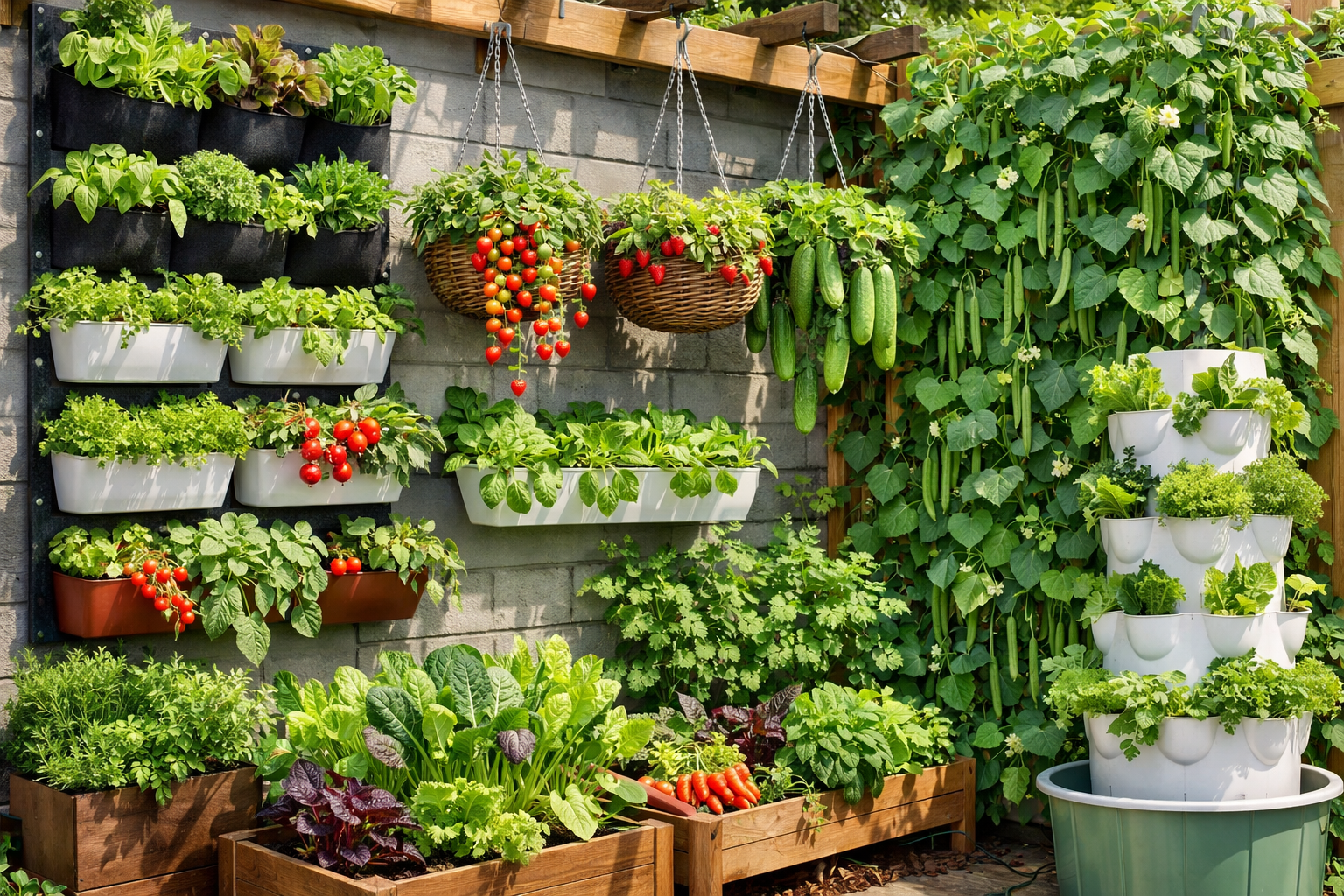
The most useful first season is a small, honest experiment, not an ambitious overhaul of your outdoor space. Pick one sunny, accessible spot.
Choose one compact crop that fits the light you actually have and a container size you can manage. Reuse a safe, clean container if you have one, and buy only what you genuinely need to get started.
Track every cost from the first seed packet to the last bag of fertilizer. Weigh or count each harvest, compare it with what the same food costs at your nearest store, and write it down.
Oregon State University Extension guidance on container gardening points toward herbs, leafy greens, and compact fruiting plants as the most practical starting crops for limited spaces. Those are also the crops most likely to show a real difference in your grocery spending, because they are purchased frequently, priced noticeably at retail, and used up quickly before they can go to waste.
After one season, you will know how much time the routine actually takes, how productive your specific spot is, and whether the numbers support expanding. The Journal of Extension research on home garden economics shows that crop choice and unpriced labor are the two factors most likely to shift a positive result into a break-even or a loss.
One container that you understand well is worth more than five that overwhelm you by July.
The realistic win here is supplemental food your household uses often: fresh herbs, salad greens, a few peppers, or a steady run of cherry tomatoes through August. That is not grocery independence, but it is a genuine, measurable contribution to the household food budget.
Expand only when the routine feels easy and the numbers say it makes sense.