
These Pennsylvania Perennials Bloom Five Months Straight And Never Need Dividing
Follow us on Google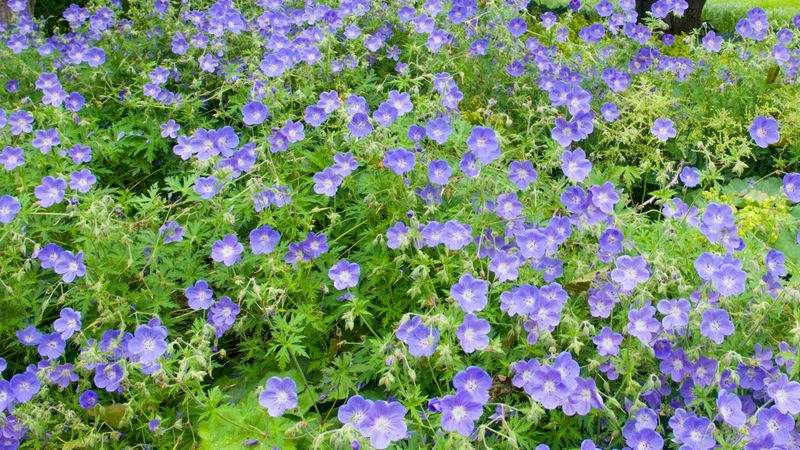
You step into the yard on a cool April morning and find frost still clinging to the new leaves, a reminder that Pennsylvania spring loves to tease before it settles.
You are standing there with your coffee, thinking about another season of digging, dividing, and hauling clumps of tired perennials to the compost pile.
But what if one plant could hand you five straight months of color and ask for almost nothing back?
No shovel.
No sore back.
Just blooms.
That plant exists, and it thrives from the Laurel Highlands to the warm pockets near Philadelphia.
Keep reading, because this is the low-effort showstopper your beds have been waiting for.
1. The Undisputed Champion Is Hardy Geranium ‘Rozanne’
So what is this wonder plant that gives such a long show with so little demand?
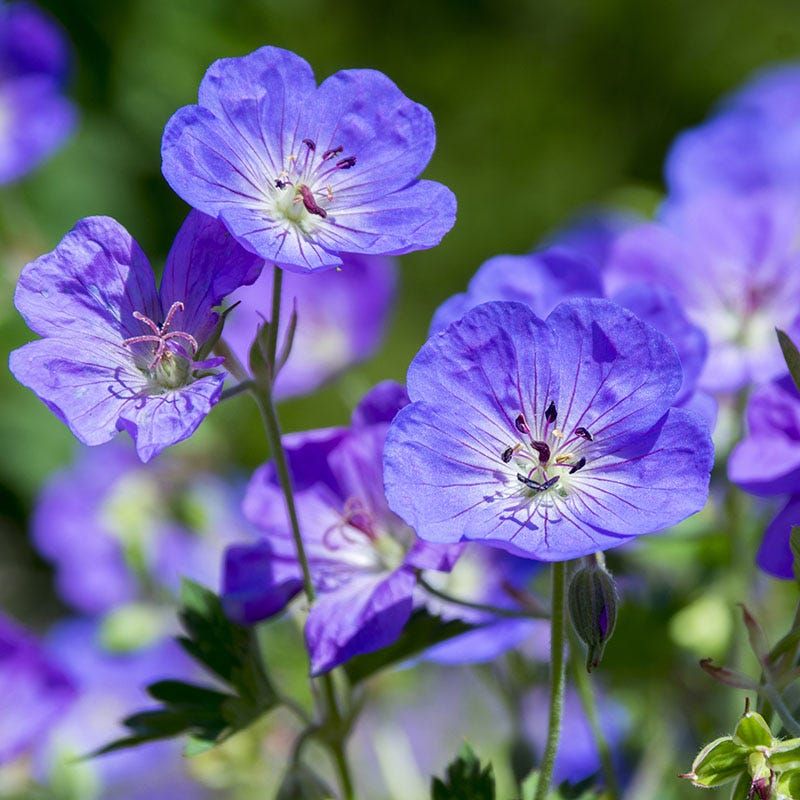
Meet Geranium ‘Rozanne’, often sold as Rozanne Cranesbill.
It is not just another pretty face in the border, it is an award winner known worldwide for bloom power and grit.
You might assume a plant this good would be fussy.
That is genuinely not the case.
Rozanne flowers nonstop from late May or early June right until the first hard frost bites your garden.
In many parts of Pennsylvania, that adds up to a solid five months of color.
Picture a flowing cascade of violet-blue flowers with pale white eyes, gracing your beds through Memorial Day, the Fourth of July, Labor Day, and right up to Halloween.
The secret is simple.
Rozanne does not set seed, so it pours all its energy into making more blossoms instead of babies.
Many southeastern Pennsylvania gardeners have watched it hold color deep into late October, shrugging off cool nights while everything else fades.
It is the quiet hero that lets you actually enjoy the porch instead of working in the yard.
2. Division Is Rarely, If Ever, Necessary
One of the most tiresome chores in perennial gardening is digging up overgrown clumps every few years.
Your back probably aches just reading that.
Here is where Rozanne truly delivers on its promise.
This is a long-lived plant that usually keeps its vigor and its flower count without any division at all.
You can leave it alone for five to seven years, sometimes longer, before it might show the faintest sign of wanting a refresh.
Some experienced gardeners divide it only if it wanders farther than they like, or if flowering finally starts to slow.
So for all practical purposes, Rozanne skips the regular dividing that most perennials demand.
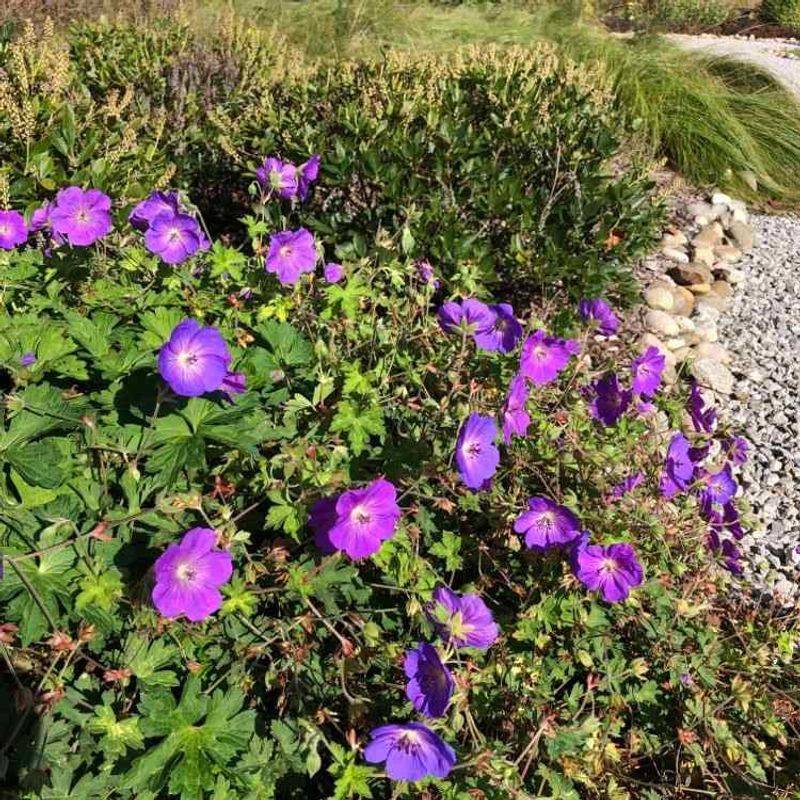
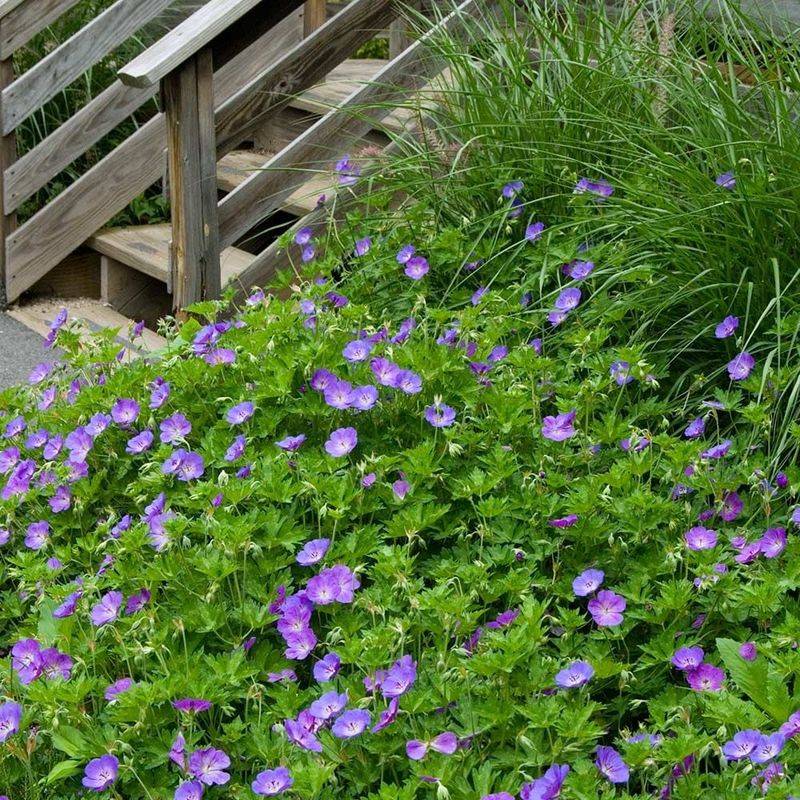
It establishes itself for free, year after year, spreading into a soft flowing mound instead of a dense choked knot.
That means less work for you and more time to actually sit in your outdoor space.
No shovel in hand, no clumps to lug across the lawn during fall cleanup.
The plant just quietly does its thing, and it does it beautifully.
3. Give It Sun, But Watch The Afternoon Blaze
Every plant has preferences, and Rozanne is no exception, though it forgives a lot.
For the most flowers and the tightest growth, give it full sun, which means about six hours of direct light each day.
That works wonderfully across much of Pennsylvania, especially in cooler zones like the northern tier or the higher elevations of the Allegheny Plateau where summers stay milder.
But here is where it gets tricky for hotter spots.
If you garden in the warmer urban heat around Philadelphia or Pittsburgh, or the muggy Delaware Valley, a little afternoon shade keeps the foliage from scorching and stops those violet-blue blooms from bleaching out.
A spot with morning sun and dappled shade by mid-afternoon can be genuinely perfect.
Rozanne is tough, but a bit of thought about placement pays off through a long, humid Pennsylvania summer.
Think of the afternoon sun as a bully that only shows up when it is hottest, then plant where a shrub or fence can step in and block it.
Your flowers will thank you by staying vivid right through August.
4. Moist But Well-Drained Soil Makes The Difference
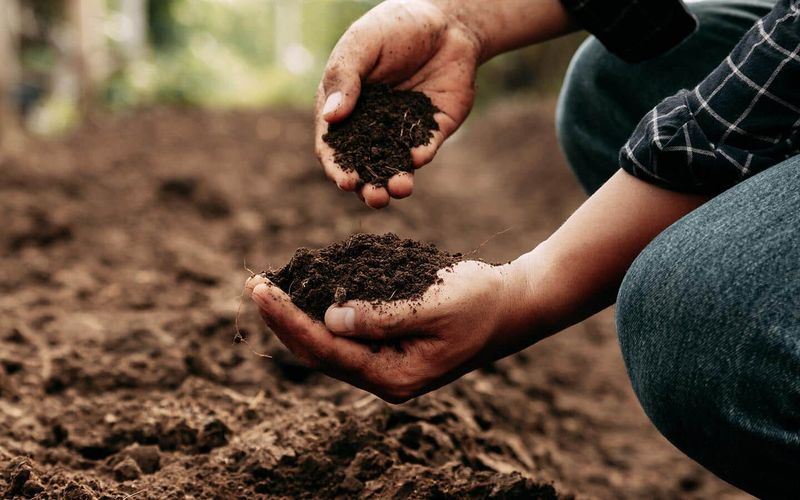
Rozanne looks so robust you would think it tolerates anything, but a little attention to soil is what makes it genuinely thrive.
It likes ground that stays evenly moist, and it insists on good drainage.
Soggy, waterlogged soil is its one true enemy, because sitting water invites root rot.
If you garden in the heavy clay common across central and western Pennsylvania, or parts of the southeast, plan to amend generously.
Work in compost, some grit, or leaf mold to open up the soil and let water pass through.
Got the rocky, glacial soils of the northern tier, or sandier ground in some valleys?
Compost helps there too, holding moisture and feeding the roots.
Penn State Extension has long recommended adding organic matter to improve both drainage and water retention, and Rozanne responds to that care.
Healthy soil structure means a healthy plant, and a healthy plant means more of those long-lasting blooms.
A little effort at planting time buys you years of carefree performance.
Think of the soil prep as the one favor you do up front so the plant can repay you every summer after.
5. A Mid-Summer Haircut Keeps It Going Strong
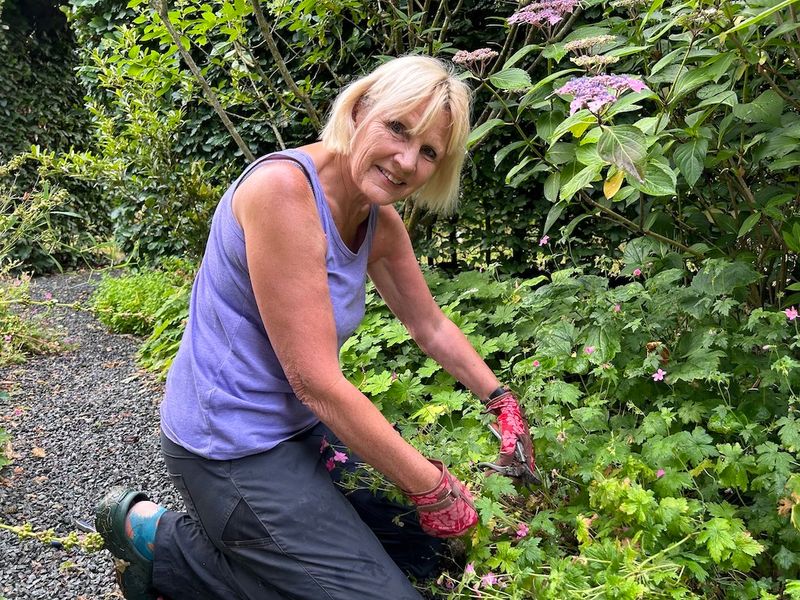
Rozanne blooms without a break, but by mid to late summer, after a stretch of heat and humidity, you may notice it looking a little leggy and tired.
That is your cue, not a problem.
Give it what gardeners call a haircut.
Shear the whole plant back by about one-third, and do not be shy about it.
That single act triggers a fresh flush of leaves and a renewed wave of those violet-blue flowers to carry you right up to frost.
Follow the trim with a deep watering and maybe a light topping of compost.
Within a couple of weeks you get a denser, tidier plant loaded with new buds.
It is genuinely one of the easiest tricks in the perennial world.
Then, once the first hard frost finally arrives, cut the stems back to just above ground level.
New growth returns dependably from the base each spring, ready to start the whole five-month show again.
And because it is hardy from USDA zones 5 through 8, it laughs off the freeze-and-thaw swings and ice storms that wear out weaker plants, covering nearly every corner of Pennsylvania while asking almost nothing of you.