
The Florida Patio Plant That Quietly Deters Both Ticks And Mosquitoes Every Evening
Follow us on Google
Somewhere between the gardening blogs and the garden-center tags, a claim took root: plant the right herb on your patio and the mosquitoes and ticks will quietly leave you alone every evening.
It sounds like exactly the kind of low-effort fix every Florida homeowner wants.
But the promise does not hold up, and knowing why can actually help you build a patio setup that works better than any single plant could.
The Headline Gets the Plant—and the Promise—Wrong
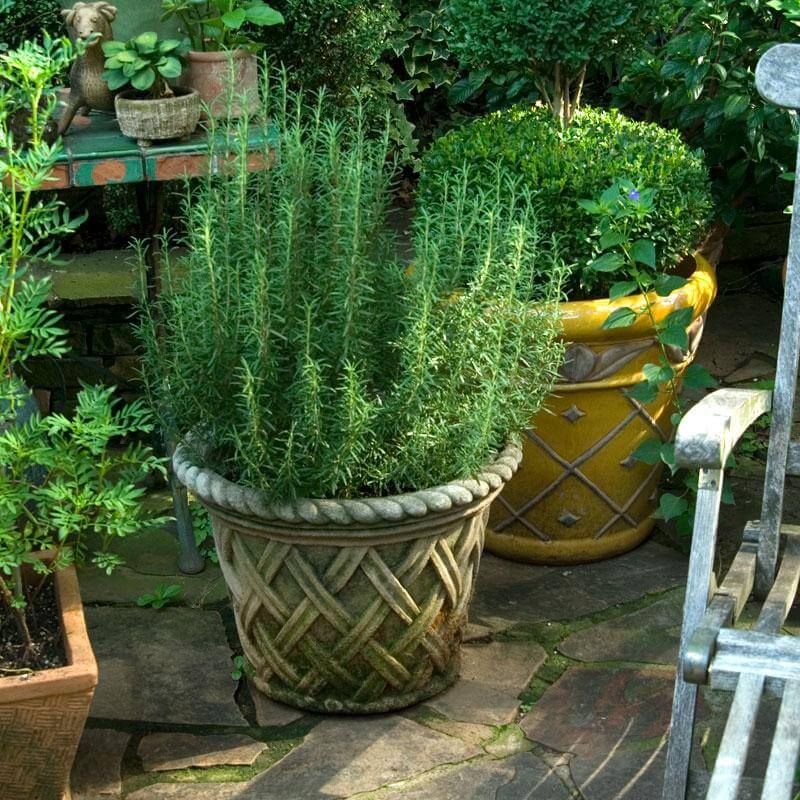
Headlines like this one travel fast on social media, and the idea behind this one is appealing: set a fragrant plant near your chair and let nature handle the bugs.
The problem is that no single Florida patio plant has been shown to reliably deter both ticks and mosquitoes every evening simply by sitting nearby.
The claim may refer to rosemary, citronella grass, or the scented geranium sold in garden centers as a mosquito plant, but none of those has been tested and confirmed to create a dependable pest-free zone on an ordinary patio.
UF/IFAS researchers are direct about this.
Florida experts at UF/IFAS describe passive mosquito-repelling plants as largely a myth unless oils are extracted and concentrated.
A separate UF/IFAS Extension Duval County guide specifically states that growing rosemary, lemongrass, or scented geraniums around a patio does not repel mosquitoes.
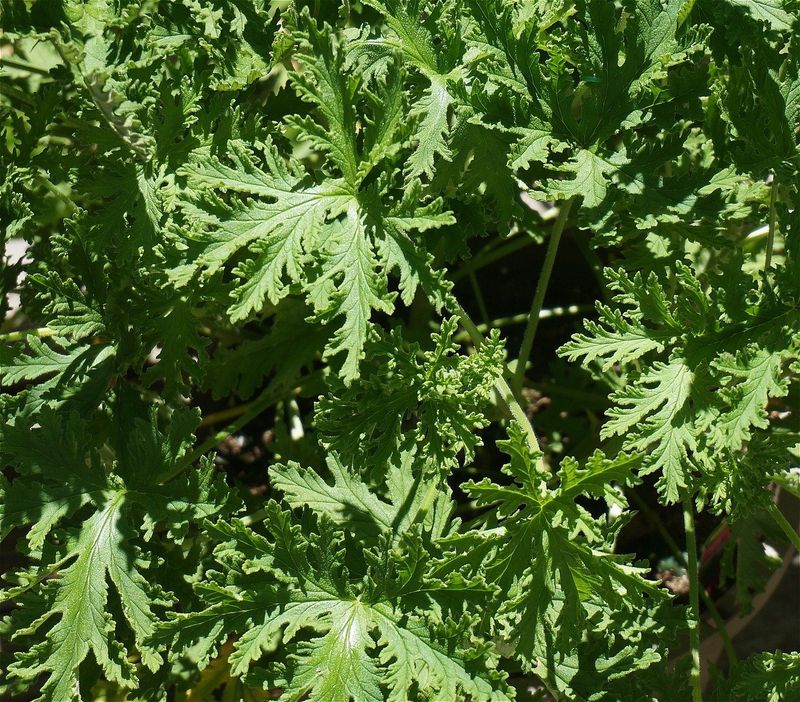
And a published Florida study of Pelargonium x citrosum, the scented geranium marketed as the mosquito plant, found it failed to repel two Florida mosquito species at all.
That does not mean rosemary belongs off your patio.
Rosemary is genuinely useful in Florida: it smells good, it handles full sun, it grows well in containers, and you can pull a sprig for dinner without walking to the store.
Its value on your patio is real, it just does not come from pest control.
This article looks honestly at what the research says, what rosemary actually does well in Florida conditions, and what steps genuinely reduce your exposure to mosquitoes and ticks when the evening starts.
Why a Live Plant Does Not Create a Bug-Free Zone
Here is where it gets tricky.
A plant that smells strong to you is not necessarily releasing enough active compound into the surrounding air to change what a mosquito does 3 feet away.
The fragrance you notice when you brush a rosemary stem comes from oils released by physical contact with the leaves, not from a steady invisible cloud drifting across your patio furniture.
UF/IFAS Extension draws a clear line between plant oils and live plants themselves.
A crushed leaf, a concentrated essential oil, a candle, a lotion, a diffuser, and a spray are all different delivery systems from an intact potted plant sitting on a porch rail.
The evidence that any of those formulated products works does not transfer automatically to a living plant in a container.
A 2010 study found that citronella diffusers reduced mosquito trap catches outdoors, but that test used concentrated active material placed at measured distances of 3 and 6 meters.
It did not test ordinary patio plants.
Meanwhile, the scented geranium sold as a mosquito plant carries a name and a fragrance that suggest it contains the same citronella oil used in registered repellents.
It does not.
Citronella oil comes primarily from Cymbopogon grasses, and the Pelargonium sold as a mosquito plant failed in Florida repellency testing against two local mosquito species.
Similar scent is not the same as similar chemistry or similar effect.
Florida’s summer conditions make this gap even wider.
High humidity can reduce how long volatile oils persist in the air, and afternoon thunderstorms wash away whatever compound a plant might release.
A plant may smell wonderful when you rub its leaves and still release too little active material into open air to alter mosquito behavior at any useful distance from your chair.
Rosemary Has No Proven Tick-Repellent Perimeter
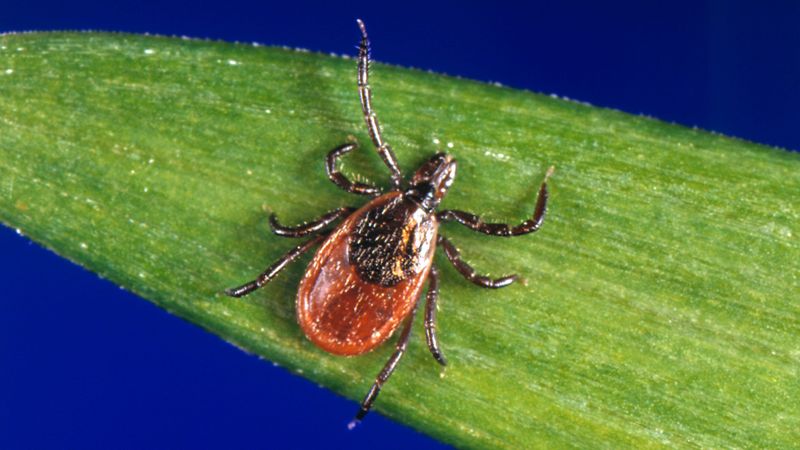
Ticks are a separate problem from mosquitoes, and the evidence around plant-based tick repellency is even thinner than the mosquito research.
What exists comes from laboratory studies testing concentrated essential oils under controlled conditions, not from potted plants sitting on patios in the Florida heat.
A 2024 study on essential oils against the Lone Star tick, a species common across the Southeast, found that results varied significantly depending on whether the test measured contact repellency, spatial repellency, or fingertip repellency.
Citronella showed some activity in one assay.
Patchouli was the only natural oil that significantly repelled ticks in the fingertip assay.
The authors cautioned that laboratory results do not automatically translate to field conditions.
Separately, a comparison of DEET against eight essential oils on Lone Star tick nymphs found that none of the eight essential oils matched DEET’s performance, and rosemary oil provided less than 10 minutes of protection in that test.
None of those studies involved a living rosemary plant producing a tick-free radius on a residential patio.
The concentrations, the delivery methods, and the controlled settings are simply not comparable to a container plant in open air.
For real tick protection, CDC guidance points to steps that actually reduce exposure: wearing long pants when you are in or near vegetation, using EPA-registered repellents with proven active ingredients, checking your skin and clothing after time outside, showering within 2 hours of coming indoors, checking pets before they come inside, and removing any attached tick promptly with fine-tipped tweezers.
These precautions remain necessary whether or not a fragrant plant is growing nearby.
Grow Rosemary for Its Real Florida Benefits
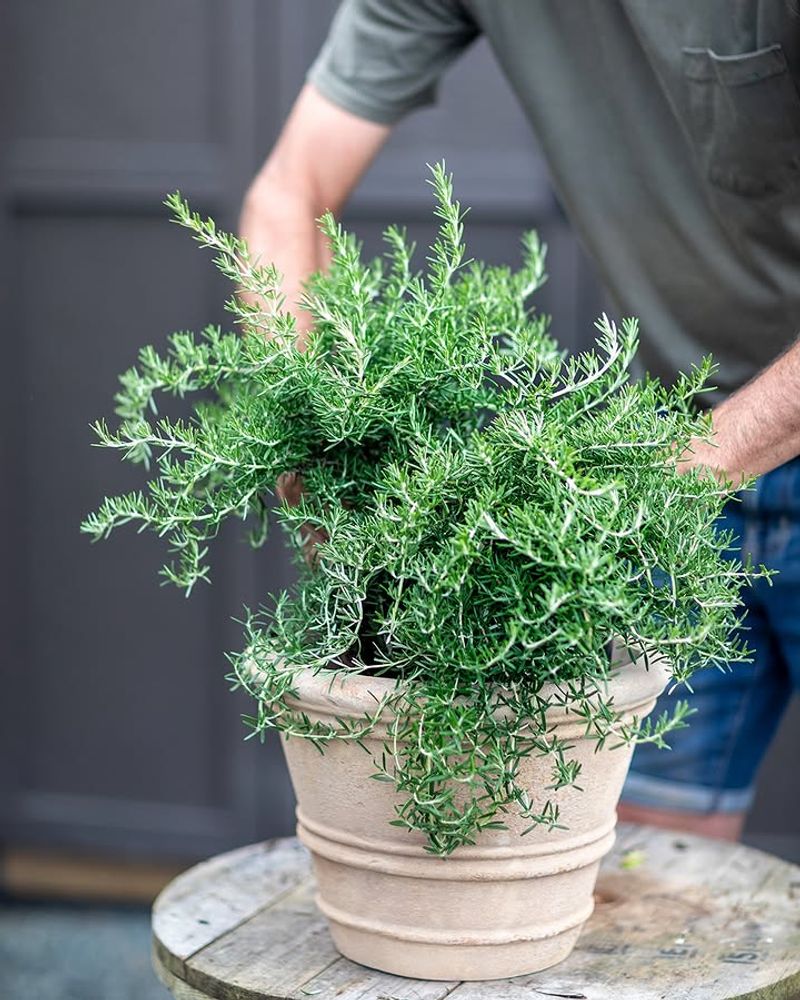
Rosemary, botanically Salvia rosmarinus, genuinely earns a spot on a Florida patio.
It handles full sun, tolerates drought once established, grows well in containers, smells wonderful when you brush past it, and produces sprigs you can pull for grilled chicken or roasted vegetables any night of the week.
Those are real, everyday benefits that do not depend on any pest-control claim.
UF/IFAS Gardening Solutions notes that rosemary can reach about 6 feet tall and 4 to 5 feet wide when planted in the ground, but it stays considerably smaller in containers, which makes it manageable for most patios.
The plant needs at least 6 hours of direct sun each day and sharply drained soil.
Drainage is not optional: rosemary sitting in wet soil, especially during Florida’s rainy season from June through September, is a plant that is quietly failing at the roots.
In Central and South Florida, rosemary can generally grow year-round without protection.
North Florida and the colder parts of the Panhandle are a different story.
Hard freezes do occur in those areas, sometimes dropping below 28 degrees Fahrenheit for extended periods, and container plants are far easier to move to a sheltered spot than anything planted in the ground.
If you are gardening in Jacksonville, Tallahassee, or Pensacola, plan for at least one or two freeze events each winter and keep containers light enough to move quickly.
In South Florida and the Keys, shallow limestone-based soil and intense summer heat make containers or raised, well-drained planting beds the safer choice.
The plant’s excellent drainage requirement and container suitability make it adaptable across most of the state, as long as you respect the regional differences in winter cold and summer rainfall.
Set Up the Container Without Creating Standing Water

Putting rosemary in a container is straightforward, but the setup details matter more in Florida than they do in drier climates.
Start with a pot that has at least one drainage hole, preferably more.
Terracotta works well because it breathes and dries faster than plastic, which helps during the weeks when afternoon thunderstorms roll through daily and the soil never fully dries between waterings.
Place the container where it will get at least 6 hours of direct sun and where you actually want to use it, near the kitchen door for easy harvesting, or near a seating area where the fragrance is pleasant.
Proximity to seating does not create any insect barrier, so choose the location based on sunlight and your own convenience rather than any expectation of bug protection.
Check moisture by pressing a finger into the soil to about the depth of your top knuckle, roughly 1 inch deep.
Water thoroughly when the surface has dried out, letting water drain completely through the pot.
Do not follow a fixed daily watering schedule in Florida’s summer, because rainfall can keep the soil saturated for days and overwatering is a faster way to lose rosemary than underwatering.
The saucer under the pot deserves attention every time it rains.
A saucer holding even a small amount of water can support mosquito larvae within a few days during Florida’s warm months.
UF/IFAS integrated mosquito management guidance recommends emptying or flushing water-holding items every 3 to 4 days during summer.
Empty the saucer after each significant rain, or remove it entirely and set the pot on pot feet so water drains freely without pooling underneath.
A beautiful container plant that holds standing water in its saucer is doing the opposite of mosquito control.
Reduce Mosquito Breeding Around the Patio
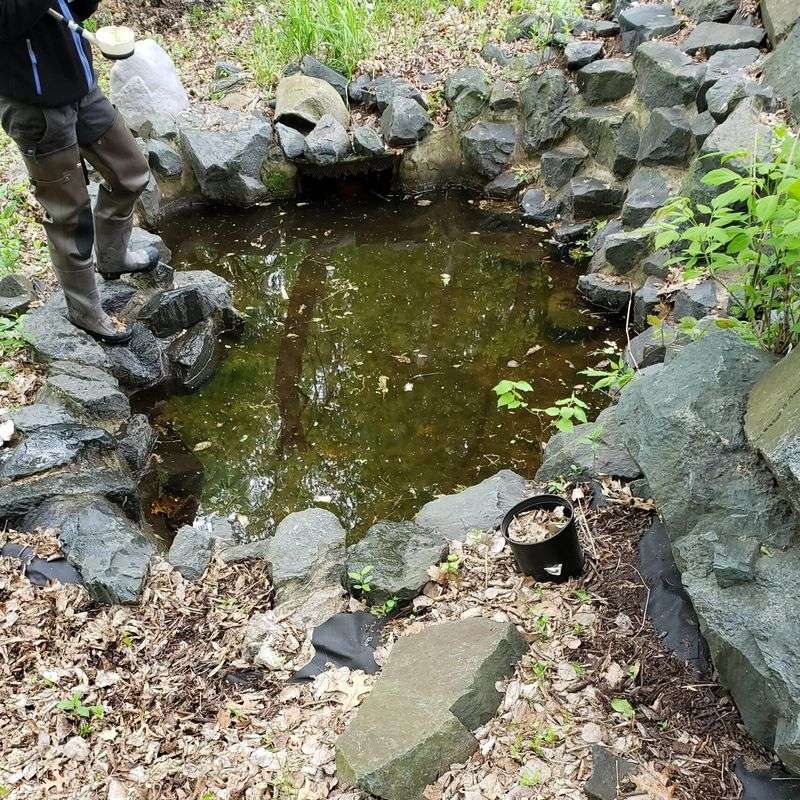
Standing water is where Florida’s mosquito problem actually starts, and eliminating it around your patio is one of the most dependable things you can do to reduce mosquito numbers over time.
Female mosquitoes need only a bottle cap’s worth of water to lay eggs, and in Florida’s summer heat, those eggs can develop into adult mosquitoes in as few as 7 to 10 days.
UF/IFAS integrated mosquito management guidance recommends flushing or emptying water-holding items every 3 to 4 days during summer, which is more frequent than general national advice.
CDC guidance recommends emptying, scrubbing, turning over, covering, or discarding water-holding containers at least once a week, and that is useful broader guidance, but the UF/IFAS 3-to-4-day interval is the Florida-specific standard during peak mosquito season.
Walk your patio and yard after every significant rain and check the obvious spots: plant saucers, birdbaths, toys left outside, buckets, clogged gutters, trash can lids, and bromeliad cups.
UF/IFAS research on bromeliads and mosquitoes identifies the water-holding cups at the base of bromeliad leaves as a common breeding site that many homeowners overlook entirely.
Flushing those cups with a hose every few days during summer is a simple habit that makes a real difference.
Rain barrels should be screened with fine mesh to keep mosquitoes out while still collecting water.
For any standing water you cannot drain or dump, such as a decorative pond or a low spot that holds water after storms, UF/IFAS Extension identifies mosquito dunks and bits containing Bti (Bacillus thuringiensis israelensis) as labeled larvicide options.
Use any product according to its label and local guidance.
This kind of habitat management reduces mosquito production around your home over time.
It does not instantly protect one evening’s cookout, and it does not stop mosquitoes from flying in from neighboring yards or nearby wetlands.
Pair it with personal protection for immediate coverage during the hours you are actually outside.
Use Tested Protection for People and Pets
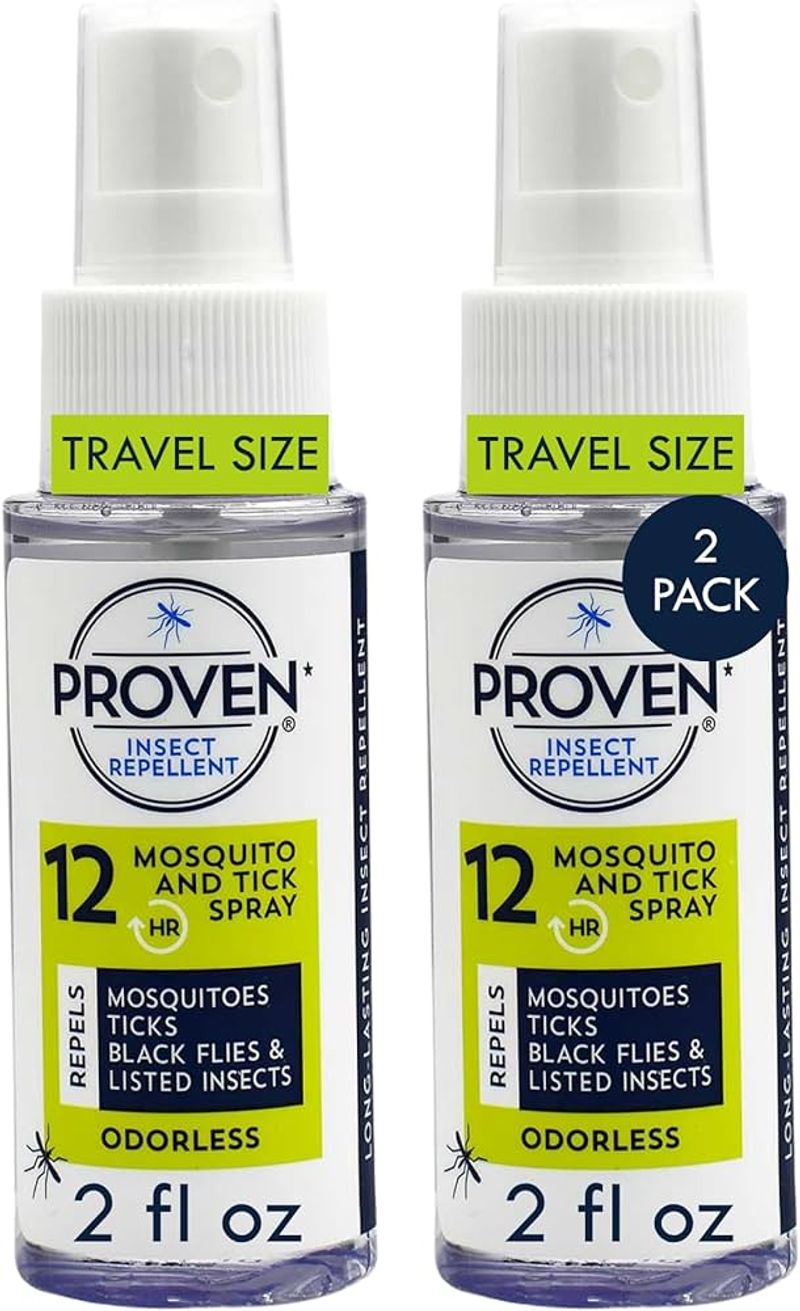
When the evening gathering actually starts, the protection that matters most goes on your body and your clothing, not into a planter.
EPA-registered repellents are the most dependable tool for reducing mosquito bites and tick encounters during the hours you are actually outside.
CDC recommends repellents containing one of these active ingredients: DEET, picaridin, IR3535, oil of lemon eucalyptus, para-menthane-diol, or 2-undecanone.
All of those are registered by the EPA and have been evaluated for both safety and effectiveness.
Oil of lemon eucalyptus as a registered repellent ingredient is not the same thing as undiluted lemon eucalyptus essential oil from a health food store.
The registered product has been tested at specific concentrations and formulations.
Undiluted essential oils have not gone through that process, and rubbing homemade plant-oil preparations on skin, especially on children, pregnant people, or anyone with sensitive or damaged skin, is not a substitute for a registered product.
For clothing and gear, CDC guidance on permethrin-treated clothing recommends 0.5% permethrin applied to clothing, shoes, and gear before heading outside.
Permethrin belongs on fabric only, never directly on skin.
Treated clothing can remain effective through several washes, making it a practical option for anyone spending regular time outdoors in Florida’s tick season, which runs roughly spring through fall but can extend year-round in South Florida.
After any time spent in vegetation, near wooded edges, or in tall grass, the CDC Yellow Book guidance on arthropod protection recommends checking all skin surfaces, clothing, and gear for ticks, showering within 2 hours of coming inside, and checking pets before they enter the house.
If you find an attached tick, remove it promptly with fine-tipped tweezers, grasping as close to the skin as possible and pulling steadily upward.
Rosemary is a genuinely pleasant addition to a Florida patio.
It smells good, it looks good, and it gives you fresh herbs without any effort.
The mosquito and tick protection, though, comes from emptying the saucers, applying the registered repellent, and checking yourself before you sit back down.
That combination is what actually earns a quiet evening outside.