
7 Pennsylvania Native Plant Nurseries Worth Building A Weekend Road Trip Around
Follow us on Google
You pull into a gravel lot on a Saturday morning in May, and the air smells like wet soil and blooming redbud.
Somewhere near your feet, a bumblebee is already working a patch of milkweed.
That is the feeling you chase when you plan a weekend around plants instead of highways.
Pennsylvania has real native plant nurseries scattered from the Lehigh Valley to the PA Wilds, and each one gives you a good reason to fill the trunk and stay awhile.
These are the plants that come back on their own, feed the birds, and shrug off our freeze-and-thaw winters.
Here are seven worth the drive, and the little towns that make each stop feel like a getaway.
1. Edge of the Woods Native Plant Nursery, Orefield
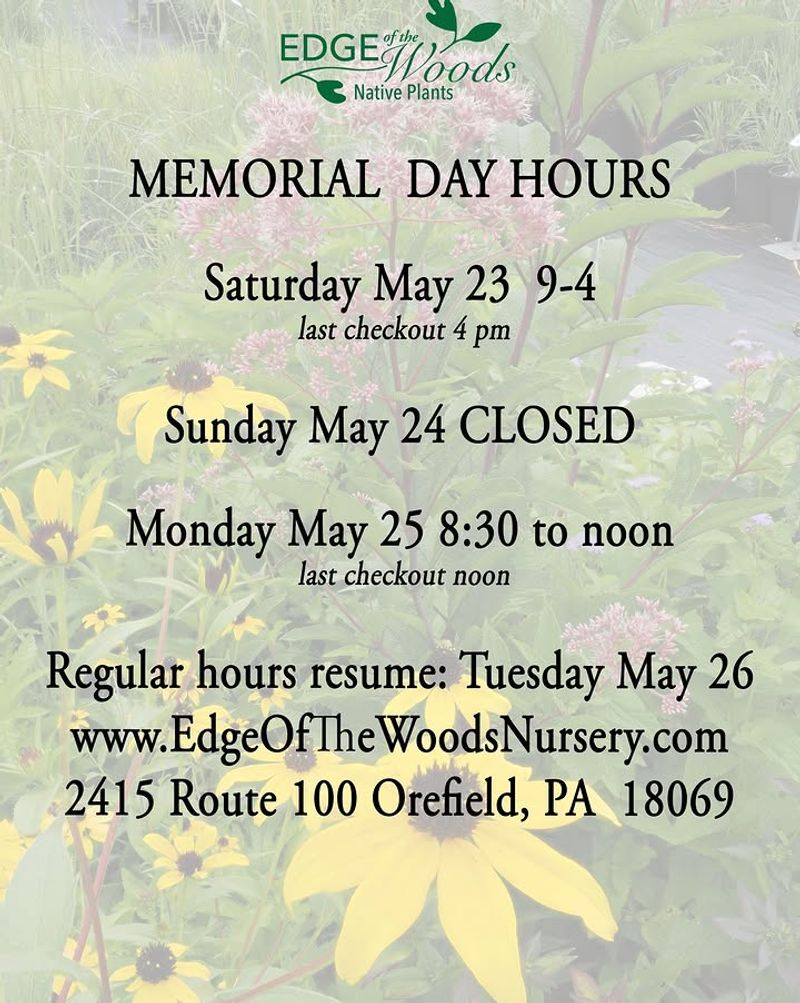
Six acres of nursery grounds greet you at 2415 Route 100 in Orefield, and you can wander a hillside walking trail, a meadow, and even an American Chestnut Orchard before you buy a single plant.
This woman-owned spot has been at it since 2003, which is a long time to get good at one thing.
What sets this place apart is choice.
You will find over 300 species here, from tiny plugs to full shrubs and trees, and the staff actually ask about your yard before pointing you anywhere.
Tell them you have deer, dry shade, or heavy Lehigh County clay, and they narrow it down fast.
The nursery sits west of Allentown, about an hour north of Philadelphia and 1.7 miles north of Tilghman Street.
Retail hours run Monday through Saturday, 9 AM to 4 PM, with the season wrapping up around early November, weather permitting.
So make this your first stop and load up on serviceberry (Amelanchier canadensis) while it is small and cheap.
Plant it 8 to 10 feet from the house, water it an inch a week the first summer, and in three years it feeds the spring bird migration right outside your window.
That is a quiet kind of payoff.
2. Bowman’s Hill Wildflower Preserve, New Hope
Most nurseries sell you plants.
This one shows you what those plants become.
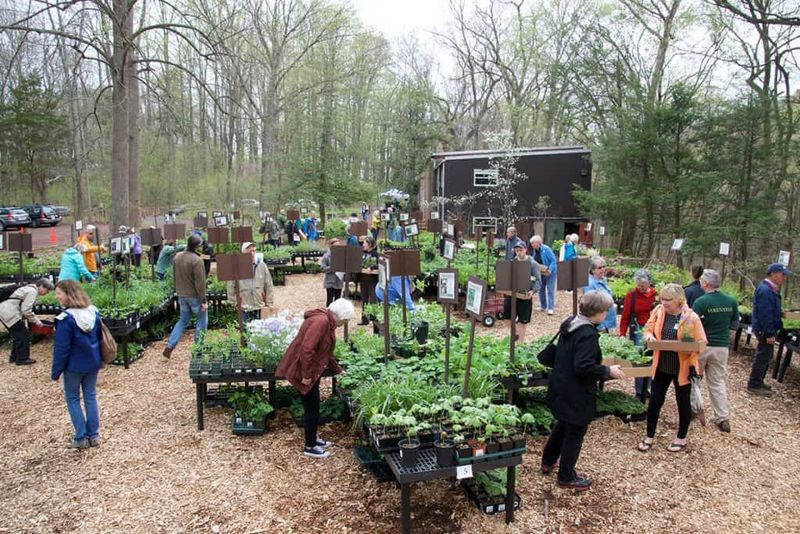
Bowman’s Hill Wildflower Preserve spreads across 134 acres in New Hope, Bucks County, with 3.5 miles of trails and more than 700 native species growing exactly where they belong.
Here is where it gets useful.
You walk the trails, see a fern or a woodland aster thriving in real Delaware Valley shade, then walk over to the on-site nursery and buy that same plant.
More than 200 species are for sale, and Garden Guides help you match them to your own light and soil.
General adult admission runs $12.00, and the Native Plant Nursery is generally open April through mid-November, roughly 9 AM to 4:30 PM daily, though days can shift with the season.
An Access Cart is available for guided tours of 45 to 60 minutes, seating up to five, for anyone with limited mobility.
Grab a few clumps of native asters, space them about 18 inches apart in a sunny bed, and by late September they carry the monarchs through their fall push south.
You leave here understanding a plant, not just owning it.
3. Redbud Native Plant Nursery, Media
Ever worry about what got sprayed on the plant before you brought it home to your kids and pollinators?
Redbud Native Plant Nursery in Media, Delaware County, takes that worry off the table.
They grow their container plants without neonicotinoids or herbicides, which matters when the whole point is feeding bees.
The selection leans practical.
Woodland, meadow, rain garden, pollinator bed, they stock for all of it, and staff talk through your site conditions before you commit.
There is a charming little shop too, with gardening books, tools, and gifts from local artists.
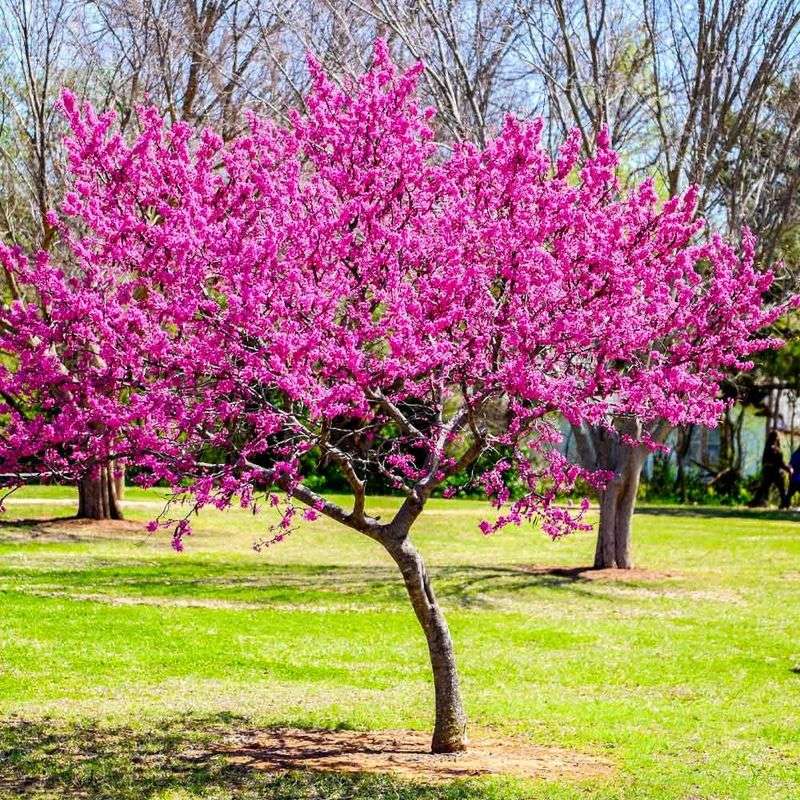
Being the namesake, they carry eastern redbud (Cercis canadensis) cultivars like ‘Alley Cat’ and ‘Appalachia’, a 2021 PHS Gold Medal Plant, plus milkweeds such as Asclepias tuberosa and Asclepias syriaca.
Spring hours starting in April are Wednesday through Saturday, 9 AM to 4 PM, and Sunday 9 AM to 1 PM.
So plant a redbud where you will see it from the kitchen, give it room about 15 feet wide, and let those butterfly milkweeds establish for free year after year.
For bigger jobs, they can source anything from flats of 50 plugs up to trees in 20-gallon containers.
4. Heartwood Nursery, Felton
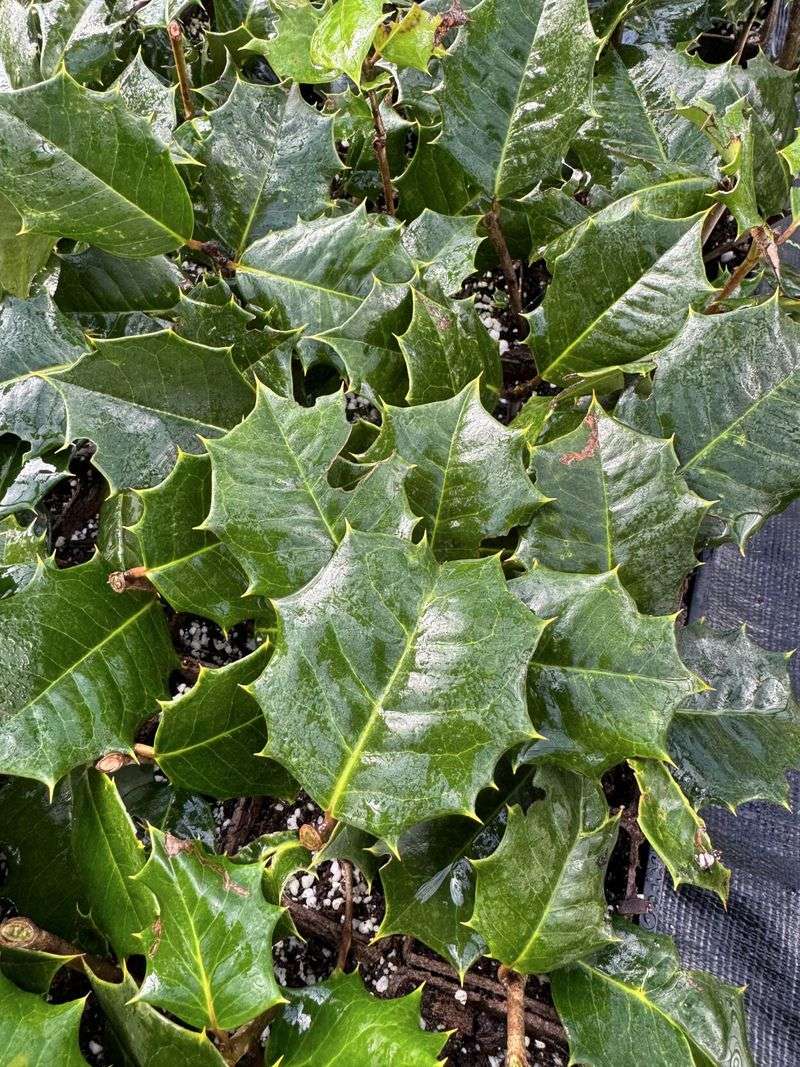
Heartwood Nursery is the largest propagator of American Holly (Ilex opaca) in the entire country, and it sits in southern York County near Stewartstown, about 15 miles west of the Susquehanna River.
That is a national title tucked into a quiet corner of Pennsylvania.
The character here is old-fashioned in the best way.
Over 95% of the hundreds of species they grow are straight species, raised on-site from local seeds and cuttings, no pesticides.
You can walk the Heartwood Holly Arboretum, a certified arboretum where mature hollies glow with berries from fall clear through winter.
They sell plants small on purpose, mostly 1 to 3 gallon pots and 1-quart shrubs, because smaller roots settle in faster and healthier.
A retail garden and gift shop rounds it out with handmade local crafts and supplies, and they run a Serviceberry Festival in June and a Holly Festival later on.
Open year-round, Monday through Saturday, 9 AM to 4 PM.
Buy a young holly, tuck it into a spot that gets afternoon shade, and mulch it 2 to 3 inches deep.
Those winter berries become bird food when the Susquehanna Valley turns gray and cold.
5. Audubon’s Beechwood Farms Native Plant Nursery, Pittsburgh
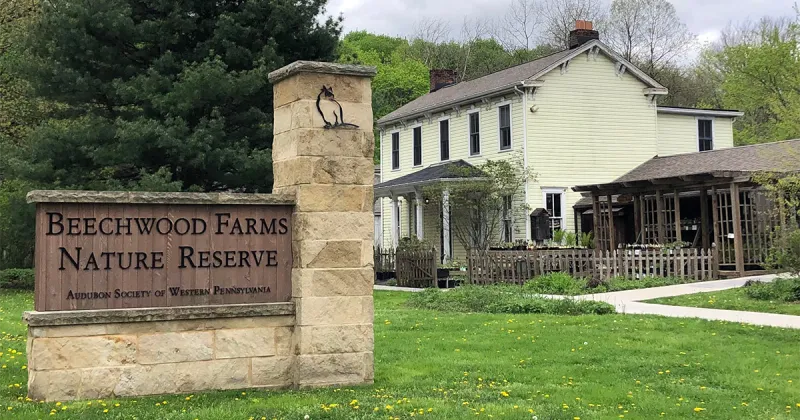
Tucked inside the Beechwood Farms Nature Reserve just outside Pittsburgh, this Audubon nursery propagates over 200 native species and pushes out more than 15,000 plants a year.
The whole operation is built around one job, keeping birds and pollinators fed in western Pennsylvania.
You get a lot for the drive.
The reserve offers 3.5 miles of free trails through 134 acres of fields, forests, ponds, and streams, open dawn to dusk year-round.
Inside, there is a 1,200 square foot propagation and education space, plus 40,000 square feet of outdoor nursery gardens.
Staff will sit down for a habitat garden consultation and run workshops if you want to learn.
The Nature Store carries native plants, bird seed, feeders, and gifts, and it is open Tuesday through Sunday, 9 AM to 5 PM, with the nursery itself running May through October.
Take home a few Joe Pye weed (Eutrochium purpureum) plants, set them in a damp back corner about 3 feet apart, and let them tower up to 6 feet by August.
The goldfinches and native bees find them without any effort from you.
That is Allegheny County habitat, done right.
6. Almanac Planting Co, Knox
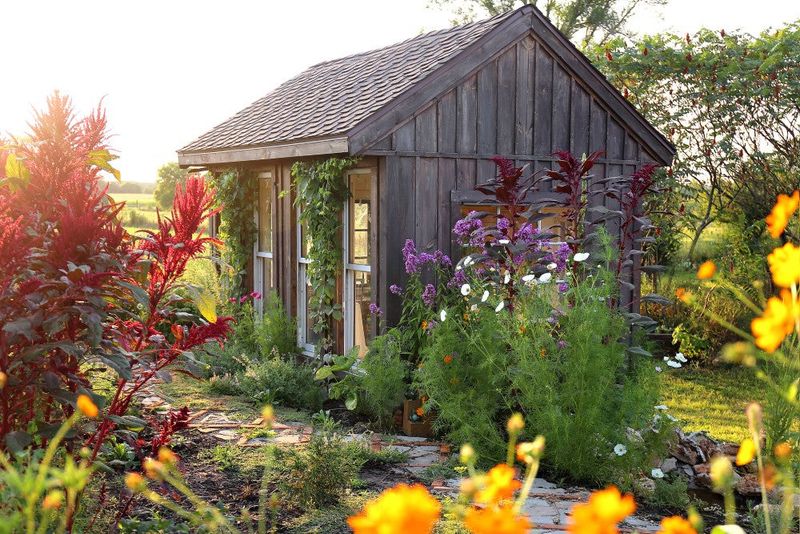
Out on the western edge of the PA Wilds, in Knox, Clarion County, a family-run, female-founded nursery grows plants tough enough to laugh at a Clarion County winter.
Almanac Planting Co works a 40-acre farm and picks varieties bred for USDA Zones 5 through 7, which covers most of central and western Pennsylvania.
Here is the honest catch.
They are not set up for casual walk-in browsing.
Local folks arrange farm pickups by appointment instead, and orders with a $50 minimum earn at least 20% off online prices, which is a genuine thrift win.
The focus stays on cold-hardy fruit trees, berries, flowering shrubs, and native, deer-resistant perennials, with personalized advice thrown in.
Because the region swings through four hard seasons, the plants come out resilient.
Make a weekend of it.
The farm is about a 90-minute drive north of Pittsburgh on I-79, or roughly 90 minutes from State College via I-80, so you can pair the pickup with hiking, small-town diners, and local wineries across the PA Wilds.
Plant your deer-resistant natives, mulch them well before the first hard frost, and let the mountain air do the toughening.
7. Ross & Ross Nursery, Cresco
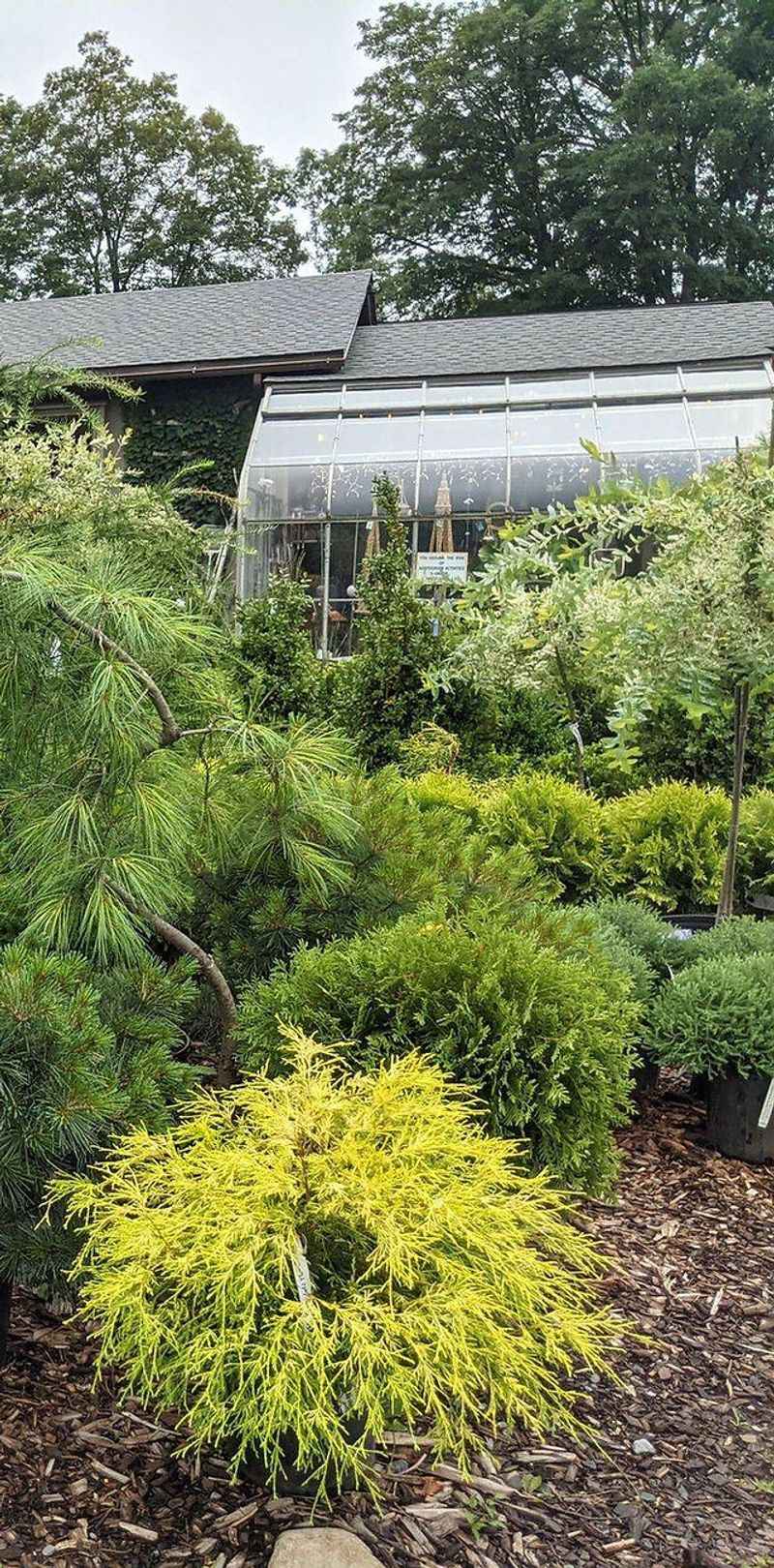
A garden center that has stayed in business since 1932 knows a thing or two about surviving Pocono winters.
Ross & Ross Nursery in Cresco, Monroe County, has been serving the community for over 90 years, which tells you the plants they carry actually hold up at elevation.
The selection runs wide, native species alongside shrubs, trees, annuals, and perennials, with knowledgeable landscapers ready to help you plan the whole yard.
Greenhouses keep things going through the shoulder seasons when the Poconos stay stubbornly cold.
But the country store is half the reason to come.
It is stacked with home accents, gifts, local products, and antiques, and they run DIY classes on fairy gardens, succulent gardens, and holiday wreaths.
Nearby lavender picking at Paradise Lavender Farm makes it a genuine day out.
Retail hours are Sunday 10 AM to 3 PM, Monday through Friday 8 AM to 5 PM, and Saturday 9 AM to 4 PM, with the spring re-opening usually landing around April 1st.
In this higher, colder zone, wait until your local last frost passes, then plant natives like mountain laurel (Kalmia latifolia) in part shade and acidic soil.
You end the trip with a full trunk and a lavender bundle on the dash, feeling like you did the whole weekend right.