
This Florida Shrub Looks Harmless But Hurts Anyone Who Handles It Blind
Follow us on Google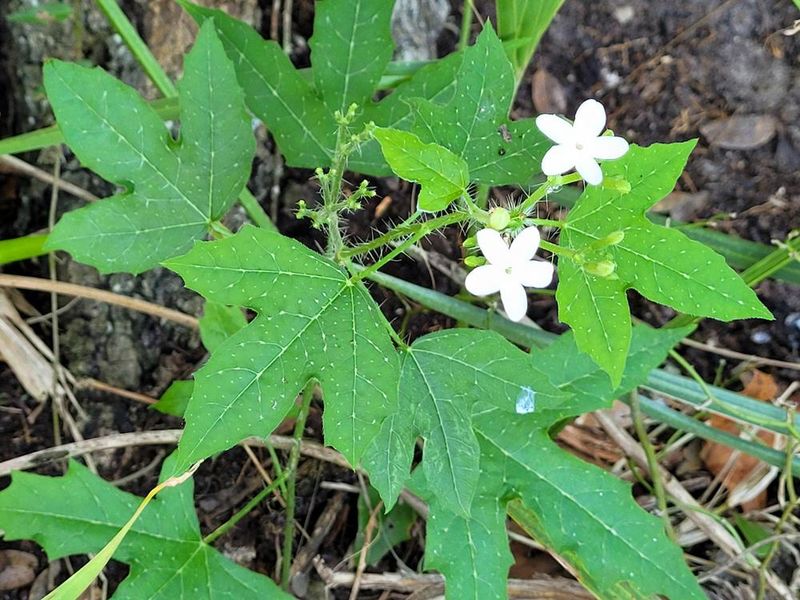
You reach down to pull what looks like an ordinary weed near your fence line, and a second later your hand is on fire.
That plant was probably tread-softly, a native Florida herb that can fool almost anyone into thinking it is just another piece of roadside greenery.
Knowing what it looks like before you grab it makes all the difference between a normal yard chore and a painful afternoon at the sink.
The Harmless-Looking Plant Is Tread-Softly
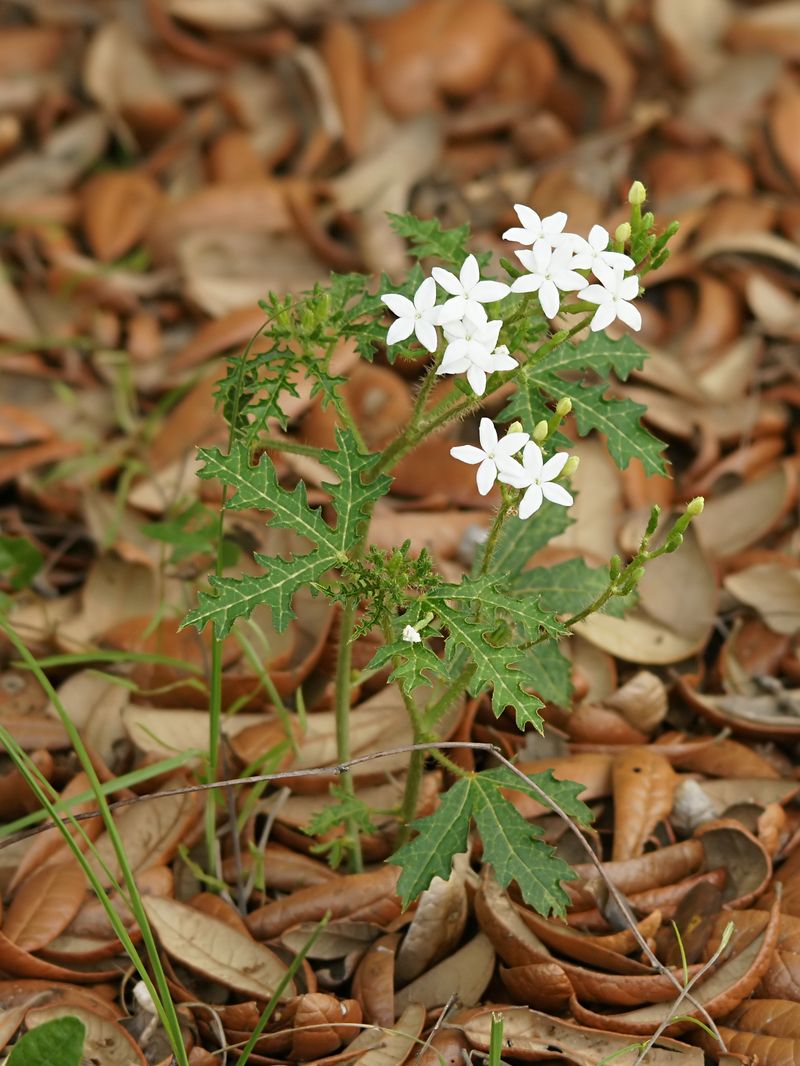
Pull back the curtain on that innocent-looking plant and you will likely find tread-softly, also known as bull nettle or finger-rot, and scientifically named Cnidoscolus stimulosus, classified by UF/IFAS as a native perennial herb rather than a true shrub.
Its upright, branched stems and leafy spread can make it look shrub-like when it grows up among weeds or along a sandy lawn edge, which is exactly the kind of mistaken identity that leads to a painful surprise.
The plant turns up across nearly all of Florida, but it favors dry, sandy, open, and disturbed ground rather than manicured, well-irrigated landscapes.
You are more likely to find it along a roadside verge, at the edge of a scrubby lot, in open woods, or creeping into a lawn with sandy soil than you are to spot it in a tidy garden bed with rich mulch.
North Florida and Central Florida homeowners who back up against undeveloped land tend to encounter it most often, though it has been documented in nearly every region of the state.
Here is the practical rule worth keeping: stop treating any unfamiliar plant as harmless just because it looks green and ordinary.
Tread-softly has no obvious warning color, no dramatic thorns, and no smell that signals danger.
What it does have is hidden entirely on its surface, and you will not discover that the hard way if you get into the habit of leaving unidentified plants alone until you know what you are dealing with.
A maximum height of about 1 meter, or 3.25 feet, means this herb can genuinely pass for a small shrub from a few feet away.
Treat it like one until you can identify it safely.
Its Hairs Deliver The Pain
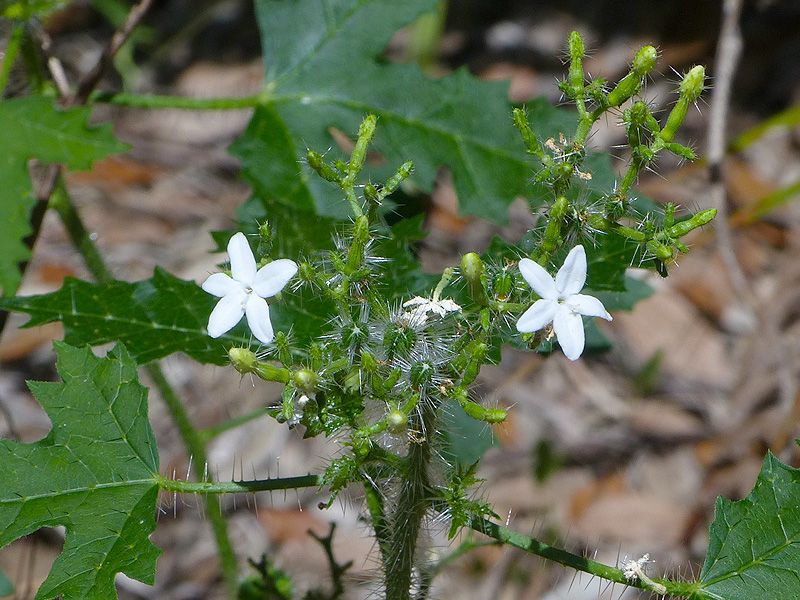
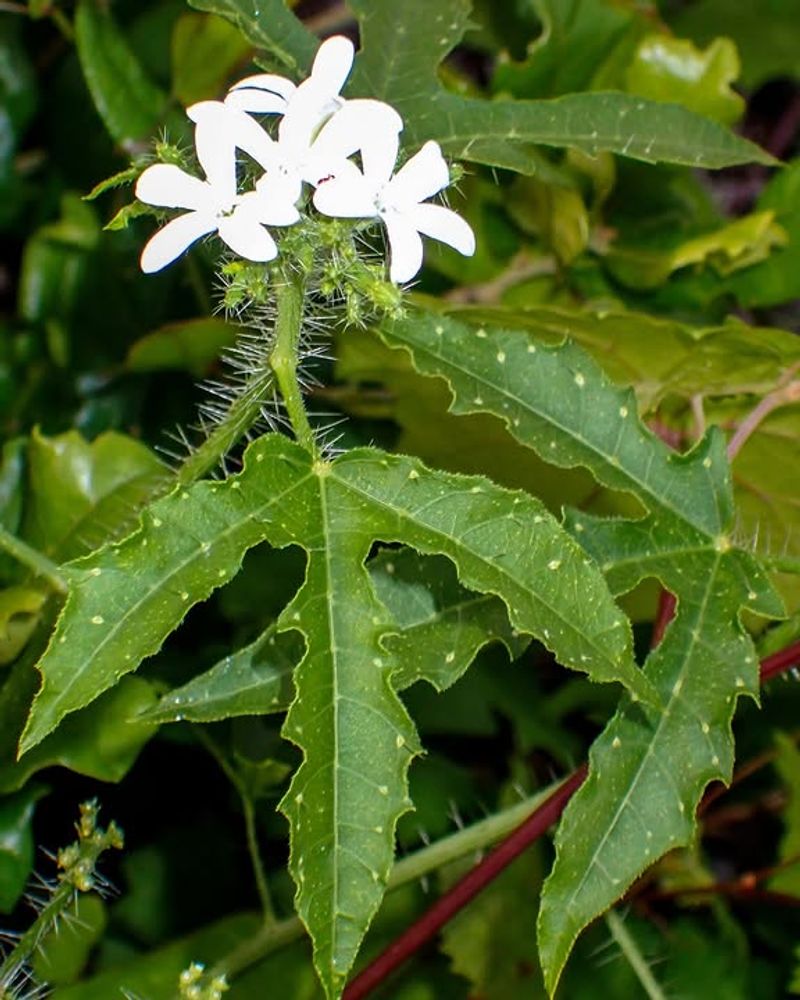
Every above-ground part of tread-softly, the stems, the leaves, the small white flowers, and even the fruit, is covered in stiff, hollow, needle-like hairs.
Brush your forearm across the foliage and those hairs snap off at the tip, act like tiny syringes, and deliver an intense burning and stinging sensation almost instantly.
The feeling is genuinely hard to ignore.
According to UF/IFAS guidance on Florida stinging nettles, that initial burning may begin to ease within about 30 minutes for many people.
That is the short timeline.
What can follow is a separate story: red bumps, a rash, itching, or skin discoloration that can stick around for several days in people with more sensitive skin.
The burn fades first, the rash often lingers.
This is a completely different process from what happens with poison ivy or poisonwood, Metopium toxiferum.
Those plants cause allergic contact dermatitis through urushiol oil, an oily resin that binds to skin proteins and can remain active on tools, clothing, shoes, and pet fur for days.
As UF/IFAS guidance on poison ivy and poisonwood identification makes clear, urushiol reactions are immune-system responses that can spread with secondary contact.
Tread-softly works through direct mechanical injury from its hairs, not through an oil that lingers on surfaces.
That distinction matters for how you respond.
With tread-softly, the risk is greatest at the moment of contact.
With urushiol plants, the risk can follow you home on your gloves.
Knowing which plant you are dealing with helps you aim your response in the right direction from the start.
How Can You Spot It Safely?
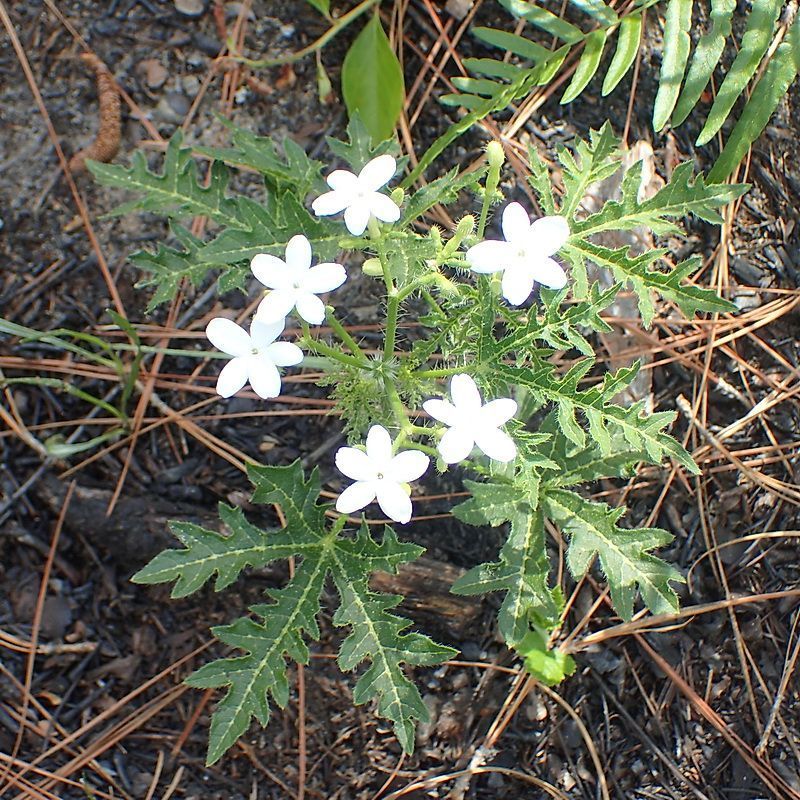
Good news: you can identify tread-softly without touching a single leaf.
Start with size and form.
The plant usually grows well under its maximum height of about 1 meter, or 3.25 feet, and its upright, branched stems give it a compact, bushy profile.
From a few feet away, it can genuinely pass for a small shrub or a leafy weed clump.
Look at the leaves next.
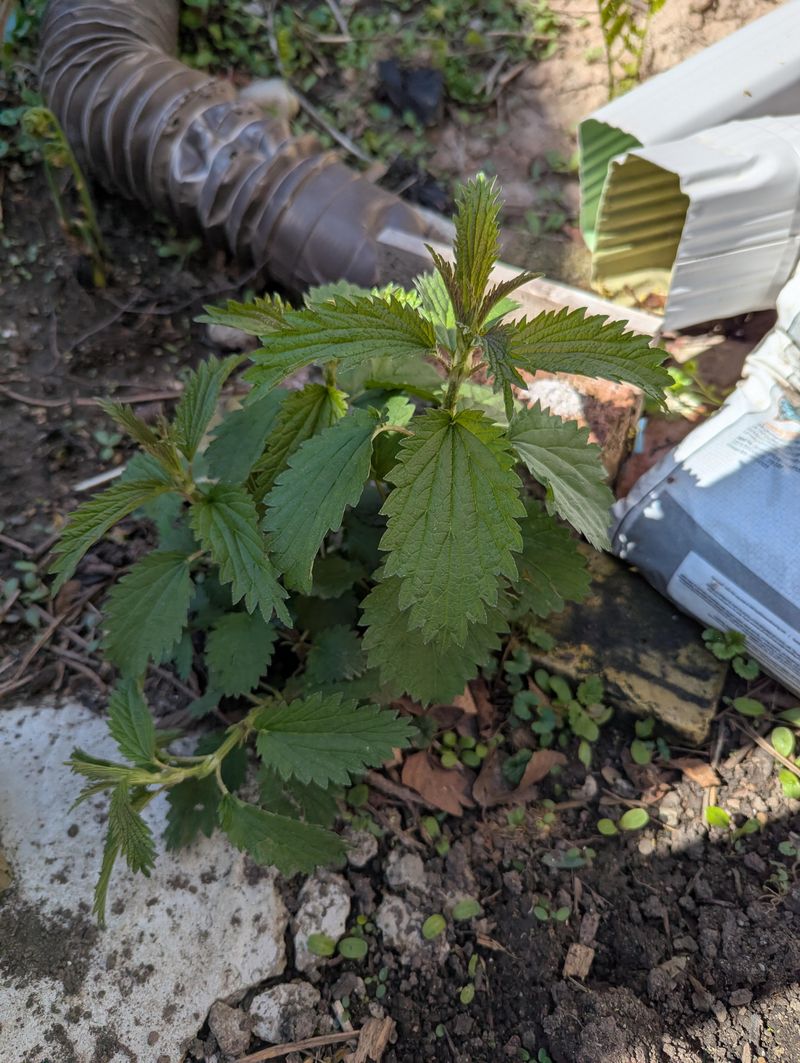
According to UF/IFAS documentation on Cnidoscolus stimulosus, the leaves are alternate, green, and deeply divided into 3 to 5 hand-like lobes, somewhat like an oversized maple leaf.
They can reach 3 to 8 inches across, which makes them fairly noticeable once you know what shape to look for.
The leaf surface may appear slightly fuzzy or rough even from a short distance, which is the visual hint that stinging hairs are present.
White flowers appear in clusters at the ends of the stems.
The Florida Native Plant Society’s profile of Cnidoscolus stimulosus notes that flowering can occur in spring and summer, though the plant can bloom at other times in Florida’s warmer regions.
Do not rely on flowers alone to make a call, because some plants will not be flowering when you find them.
A bristly, three-part seed capsule can also appear on the plant and is covered in the same stinging hairs as everything else.
When multiple traits line up together, the sandy or disturbed location, the lobed leaves, the rough-looking surface, the compact upright form, you have a reasonable visual case.
Still unsure?
Photograph the plant from a safe distance and send the image to your county UF/IFAS Extension office or use the Florida Museum of Natural History Herbarium’s plant identification help service.
Never touch a leaf, stem, flower, or fruit to confirm a guess.
Rinse First When Skin Makes Contact
Skin contact with tread-softly calls for one immediate action: get to running water fast.
Rinse the exposed area with plenty of room-temperature running water for at least 15 minutes, and do not stop early just because the burning seems to be easing.
Poison Control’s first-aid guidance for irritating materials on skin supports this extended rinse as the core response.
While you rinse, remove any clothing that touched the plant and set it aside for washing separately.
After the full rinse, wash the area gently with mild soap.
The key word there is gently.
Rubbing hard may push any remaining hair fragments or irritants deeper into the skin, which can make things worse rather than better.
A paste of baking soda and water is something UF/IFAS Pinellas County Extension has noted as a possible comfort measure for some people after contact.
Apply it lightly if it seems to help, but treat it as optional relief, not a cure or a substitute for rinsing.
It does not neutralize anything.
Most mild exposures resolve on their own.
Seek medical advice, though, for severe or persistent pain, extensive swelling, blistering, any eye exposure, facial involvement, difficulty breathing, signs of infection, or a rash that does not improve after a few days.
MedlinePlus guidance on rash evaluation can help you decide whether symptoms warrant a clinic visit.
Sudden facial swelling or any trouble breathing requires emergency care right away.
For other exposure questions, Florida Poison Control Centers can walk you through next steps at 1-800-222-1222, any hour of the day.
Remove It Without Creating Another Exposure
Deciding to remove tread-softly from your yard is reasonable, especially near a walkway, play area, or dog run.
The part that trips people up is that the removal itself can become the second exposure if you are not dressed for the job before you start.
Every above-ground part of the plant carries stinging hairs.
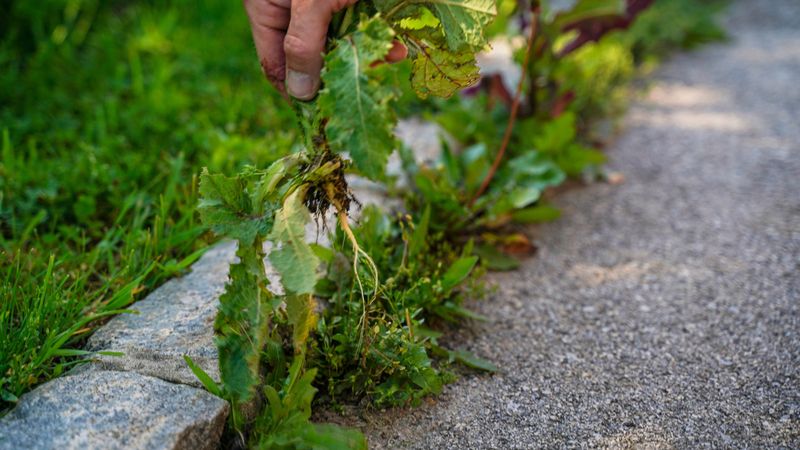
Hand-pulling can drag your hands directly across the foliage and stems, which is the fastest way to end up back at the sink.
Long sleeves, long pants, closed shoes, eye protection, and sturdy gloves that cover both the hands and the wrists are the right outfit before you pick up any tool.
Flip-flops and a t-shirt are not.
A long-handled hoe or digging tool keeps your hands farther from the plant while you work.
In a lawn or sandy garden bed, you can use the tool to cut the plant at the base or loosen the soil around the root system without pressing your forearms into the foliage.
UF/IFAS documentation on Cnidoscolus stimulosus notes that the plant has a tuberous root, so cutting at the soil line may not prevent regrowth.
Repeated removal over a season is often needed for persistent plants.
After cutting or digging, bag the plant material carefully without bare-hand contact, and follow your local yard-waste rules for disposal.
Do not burn the plant or yard debris that contains it.
Smoke from irritating plant material can carry irritants into the eyes and airway, which creates a much harder problem to manage than a skin reaction.
Regarding chemical control, the UF/IFAS pasture research on related nettle species does not translate directly into a residential lawn or landscape treatment for Cnidoscolus stimulosus.
For site-specific herbicide guidance, contact your county UF/IFAS Extension office for pesticide application guidance rather than borrowing a rate from a different plant or a different setting.
A Native Plant Still Needs The Right Place
Tread-softly earned its spot in Florida’s ecosystem long before anyone built a subdivision around it.
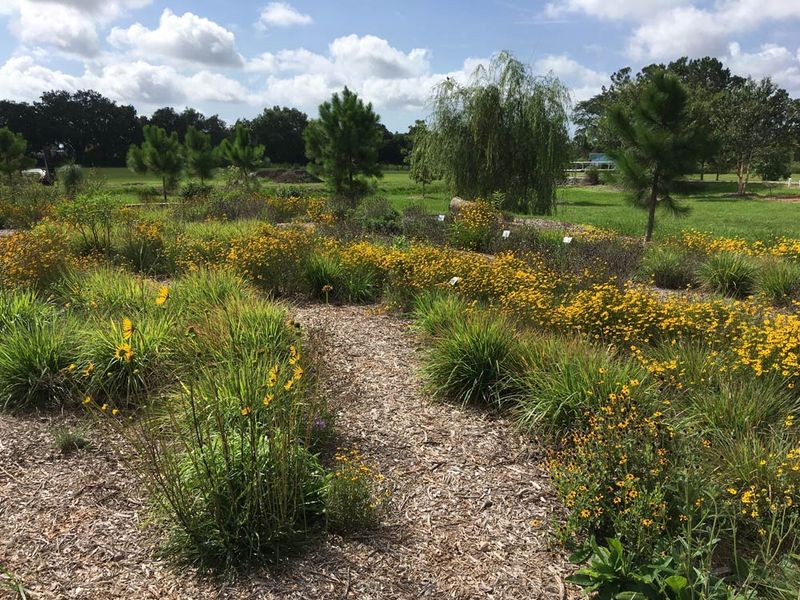
The Florida Native Plant Society lists it as a native wildflower with genuine ecological value, including as a host plant and a source of nectar for native pollinators.
Removing every last plant from the landscape is not the only option, and for some homeowners it is not the right one.
The question worth asking is not whether the plant belongs in Florida, but whether it belongs in that specific spot on your property.
A patch of tread-softly growing along the back edge of a half-acre sandy lot, well away from foot traffic, is a very different situation from a plant sprouting beside the gate latch, the garden hose bib, or the path where your dog runs every morning.
Its natural habitat tells you where it tends to show up: dry, sandy ground, open woods, scrub, beach margins, roadsides, fields, and lawn edges, especially in North and Central Florida where sandy soil is most common.
UF/IFAS confirms this habitat preference, which means it is most likely to appear in the less-managed corners of a yard rather than in a well-watered, mulched bed.
If you find it in a low-traffic corner and you are not worried about children or pets brushing against it, you can leave it alone and let it do its ecological work.
If it is sitting anywhere that people or animals move through regularly, that native status does not change the contact risk, and relocation or removal makes sense.
Placement is the deciding factor, not the plant’s origin.
Keep The Plant’s Risk In Perspective
A few core habits will keep most Florida homeowners well clear of a tread-softly problem.
Do not touch unidentified plants bare-handed.
Photograph suspicious growth from a safe distance and run the image through a qualified identification resource before you get any closer.
Keep the Florida Poison Control number, 1-800-222-1222, saved in your phone so you are not searching for it after an exposure has already happened.
Tread-softly is genuinely worth knowing about, but its risk sits in a different category from two other Florida plants that carry more serious consequences.
Poisonwood, Metopium toxiferum, causes urushiol-based contact dermatitis similar to a severe poison ivy reaction and is found mainly in southern Florida’s tropical hardwood hammocks.
UF/IFAS guidance on poisonwood identification makes clear that its oily resin can transfer from tools and clothing long after the initial contact.
Manchineel, Hippomane mancinella, is an extremely toxic coastal tree found in parts of southern Florida and the Keys, and UF/IFAS documentation on manchineel describes a plant in a genuinely different danger tier from tread-softly.
Tread-softly stings.
Manchineel and poisonwood can do considerably more.
Applying the same level of alarm to all three would lead you to overreact to one and possibly underreact to the others, which is not a useful outcome.
The Florida Poison Control Centers plant guidance and a good photograph sent to UF/IFAS Extension are genuinely enough to handle most encounters with unfamiliar Florida plants safely.
Visual recognition, prompt rinsing, protective clothing, and smart placement can make your yard a lot safer without turning every native plant into a source of dread.
That is a manageable situation, and now you have the tools to handle it.