
More Geckos On Your Texas Porch Means Fewer Roaches, And Here Is How To Draw Them Close
Follow us on Google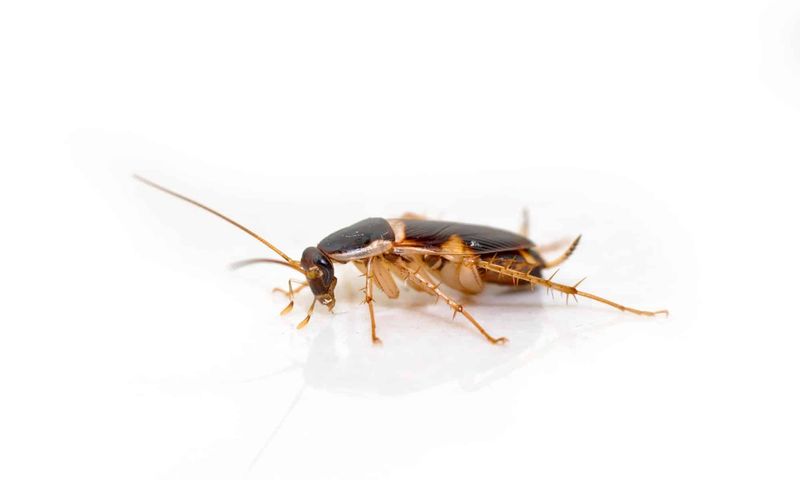
Step outside on a warm Texas evening and you might catch a small gecko frozen near your porch light, eyes locked on a moth circling overhead.
Those little lizards are hunting, and yes, cockroaches are sometimes on the menu.
But before you start recruiting an army of geckos to solve your roach problem, there is something worth knowing: a gecko on your wall is a welcome guest, not a guaranteed exterminator.
Here is what the science actually says, and how to make your porch a place geckos want to be without accidentally making things worse.
Geckos May Eat Roaches, But They Do Not Replace Pest Control
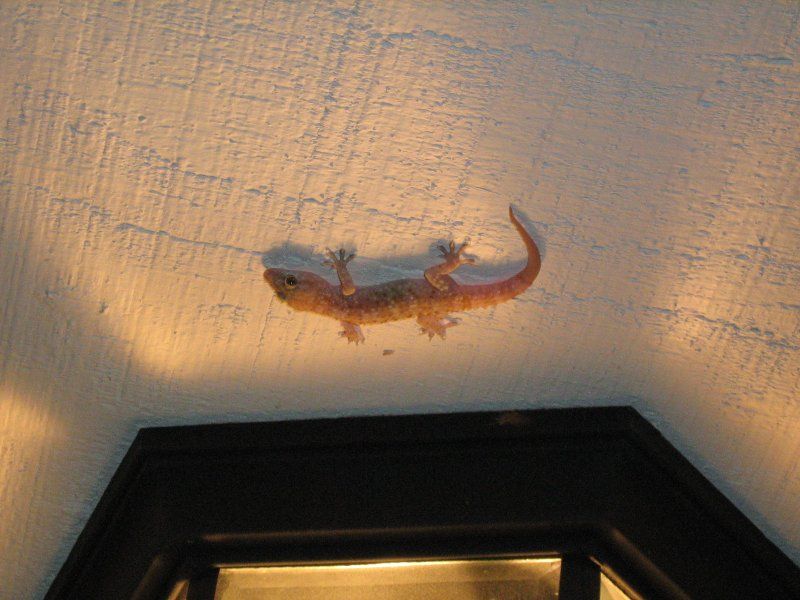
Plenty of Texas homeowners have watched a gecko snatch something off the wall and thought, “Good, one less roach.” That instinct is not wrong, exactly, but it is not the whole picture either.
Texas A&M AgriLife Extension confirms that house geckos are nocturnal hunters commonly found near porch lights, windows, cracks, and crevices, and that cockroaches are among the insects they may eat.
But “may eat” is doing a lot of work in that sentence.
A stomach-content study of Mediterranean house geckos found a broad diet that leaned heavily on grasshoppers, crickets, moths, and isopods.
Cockroaches showed up, but they were not the dominant prey group.
That research also found that what a gecko eats depends on its size and where it perches: larger geckos go after bigger prey, and geckos higher on walls catch more flying insects while ground-level geckos eat more crawlers.
So the gecko near your light may be eating moths all evening and never touch a single roach.
No published study measures whether a porch gecko population actually lowers the number of cockroaches in or around a Texas home.
The cause-and-effect headline is appealing, but the evidence does not back it up that cleanly.
What the evidence does support is this: keeping your porch reasonably suitable for geckos that already live nearby may add a thin layer of natural insect predation, and that is genuinely worth something.
The practical goal is to make the porch usable as habitat without deliberately creating a bigger insect problem.
Geckos are a bonus, not a control plan.
For actual roach problems, sanitation, exclusion, and targeted treatments still do the real work.
Identify the House Gecko on Your Texas Porch

Not every gecko clinging to your siding is the same animal, and knowing which one you have changes how you think about it.
Two introduced species are most commonly associated with Texas buildings.
The Mediterranean house gecko, Hemidactylus turcicus, is generally about 4 to 5 inches long and easy to recognize by its bumpy or warty skin and pale, mottled coloring that almost looks translucent under a light.
The common house gecko, Hemidactylus frenatus, runs a bit larger at 3 to 6 inches, has smoother skin, and sports a more elongated snout.
Both species are introduced, meaning they arrived from somewhere else and established themselves around human structures.
The Texas Invasive Species Institute notes that the ecological effects of Mediterranean house geckos remain uncertain, with some concern about resource competition but no long-term negative effect firmly established. “Introduced” or “non-native” is the most accurate label, not “invasive pest” and not “harmless native helper.”
Regional presence matters here.
Mediterranean house geckos are documented across much of East and South Texas and are strongly linked to developed, urban areas.
Coverage thins out in West Texas and the Panhandle.
If you live in the Hill Country or farther west, your porch gecko situation may look very different from what a neighbor in Houston or San Antonio sees.
One animal to keep separate from this conversation is the Texas banded gecko, Coleonyx brevis.
Texas Parks and Wildlife identifies it as a native Texas species associated with rocky upland habitats in South Texas, not a suburban wall-climber.
Do not assume that gecko is a house gecko or encourage it with porch lighting designed for introduced species.
Use Existing Porch Lighting Without Manufacturing More Pests
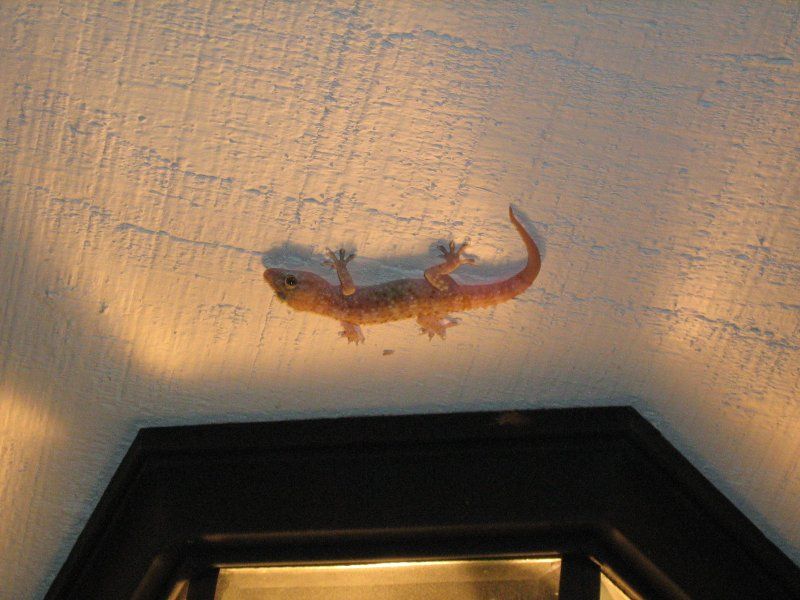
Here is where it gets interesting.
Geckos do not actually chase light the way moths do.
What happens is simpler: artificial light pulls insects in, and geckos follow the food.
Your porch light is essentially running a pop-up buffet every evening, and the geckos have figured out the schedule.
Texas A&M AgriLife Extension describes house geckos as commonly found near porch lights and windows precisely because that is where insect activity concentrates at night.
Keeping an existing light running during evening hours, especially near a solid wall with cracks or ledges nearby, gives any geckos already in the area a reason to show up.
That is a reasonable, low-effort step.
What you should not do is install brighter or additional lights just to pull in more insects hoping more geckos will follow.
More insects near your porch is not a win.
Pest-prevention design guidance notes that artificial light concentrated near building entrances can draw pest insects toward the structure itself, which is the opposite of what you want.
Excessive artificial light also affects broader wildlife behavior in ways that are not fully understood.
No source reviewed here establishes a universally best bulb color, brightness level, or lighting schedule for attracting geckos.
Some people have heard that warm-toned or yellow bulbs attract fewer insects, which could mean less gecko food, while cooler bulbs pull in more.
The honest answer is that the research does not settle this for gecko attraction specifically.
Work with the light you already have, keep it near a sheltered wall, and leave the rest alone.
Make the Porch More Suitable With Shelter and Clean Moisture
Geckos need more than a meal.
They need somewhere to hide during the day and a way to stay hydrated, especially through the kind of dry stretches that bake Central Texas and the Hill Country from June into October.
Making your porch a little more livable for them does not require a construction project.
The shelter side is straightforward.
Texas A&M AgriLife Extension notes that geckos use cracks, gaps, spaces behind downspouts, and areas beneath eaves as daytime refuges.
If your porch already has those features, do not seal them just for tidiness.
A small stack of stable flat pavers or a piece of loose bark placed near the wall, but not against the foundation where it could invite termites or moisture problems, may offer additional cover.
Citizen-science gecko research from the Natural History Museum confirms that tight, stable crevices and structural gaps are the features geckos actually use.
No specific size or spacing has been tested for Texas porches, so keep any additions modest.
Water is trickier.
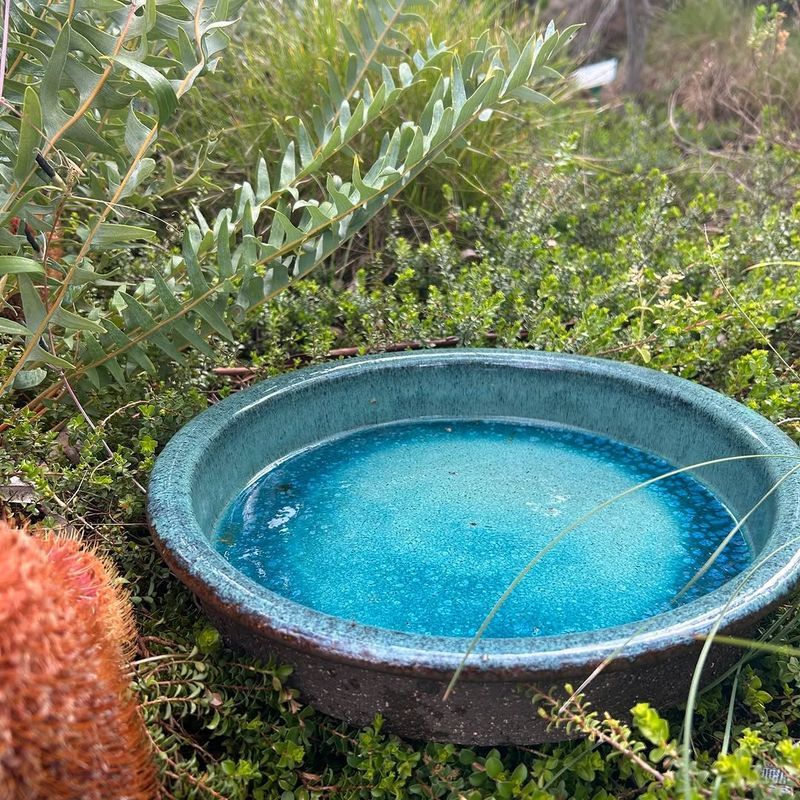
A shallow dish can help make a site more usable during dry weather, but standing water is a mosquito nursery.
Texas Parks and Wildlife general wildlife guidance recommends keeping water features no deeper than 3 inches and cleaning them frequently.
That advice applies to wildlife water broadly, not geckos specifically, but it is a sensible standard.
Refresh the water every day or two, scrub the dish weekly, and dump it entirely if mosquito larvae appear.
Think of these steps as removing small barriers, not building a gecko resort.
A gecko that finds shelter and water near a reliable light may linger.
One that does not may just keep moving.
That is the honest range of outcomes.
Do Not Feed Geckos or Use Risky Porch Shortcuts
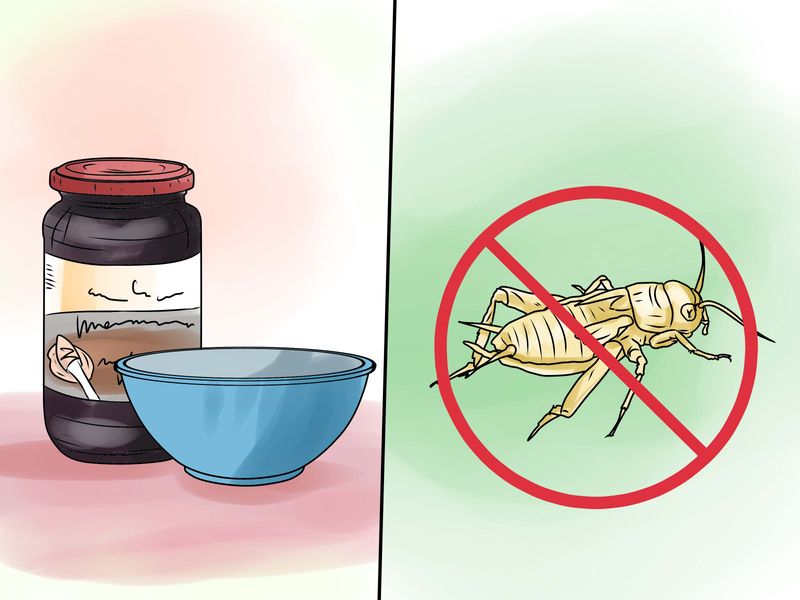
Some of the advice floating around online about attracting geckos can genuinely backfire, and a few suggestions are outright unsafe.
The most common bad idea is leaving food out.
Live crickets, feeder roaches from a pet store, pet food left on the porch, table scraps near the door, any of it can attract far more than a gecko.
Texas Parks and Wildlife warns that feeding wildlife can attract rodents and other unwanted animals, create sanitation risks, spread disease, and contribute to unhealthy population increases.
Releasing live feeder insects outdoors also risks introducing or spreading non-native species.
You could end up with a rat problem while waiting for more geckos to show up.
Do not do it.
Mothballs come up in online discussions as a way to either attract or repel geckos.
Extension guidance on gecko and lizard repellents is clear that mothballs become dangerously toxic to people and pets at concentrations high enough to affect wildlife.
They are not a porch tool under any circumstances.
Glue boards are another shortcut to avoid.
Texas A&M AgriLife Extension states directly that glue boards catch and kill geckos without allowing humane release.
If you place them for roaches and a gecko wanders across, that gecko is not coming back.
Keep glue traps indoors and away from areas where geckos move.
Broad insecticide spraying around the porch to “feed the geckos” by creating a pile of dead insects is also a bad plan.
It can remove the live prey geckos actually hunt, expose non-target wildlife to chemicals, and Texas A&M notes that no pesticides are registered for gecko control anyway.
Stick to targeted, label-approved treatments for specific pests, and let the geckos find their own food.
Match the Roach Problem to the Right Control Plan
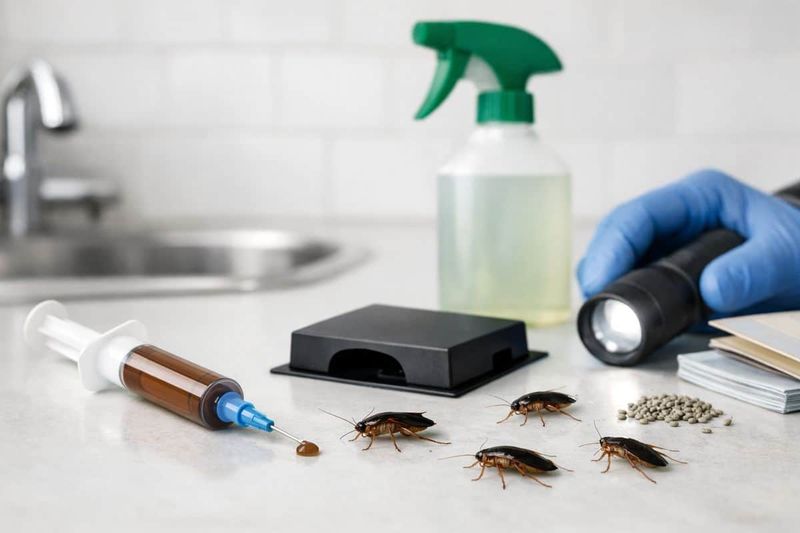
Cockroaches are not one problem.
They are at least two very different problems depending on where they are showing up, and the fix for one does not work for the other.
Outdoors, the roach you are most likely to encounter around a Texas porch, water meter box, compost pile, or potted plant in recent years is the Turkestan cockroach.
Texas A&M AgriLife Extension describes Turkestan cockroaches as primarily outdoor insects associated with leaf litter, concrete cracks, and organic debris.
A porch gecko may encounter these roaches or their nymphs, especially the ones moving along the ground near your foundation.
That is genuinely useful, even if it is not guaranteed.
Indoor cockroaches, particularly German cockroaches, are a completely separate situation.
They breed inside, they multiply fast, and a gecko hunting on your wall outside does not reach them.
Do not let a porch gecko make you feel comfortable about roaches you are seeing inside the kitchen or bathroom.
CDC guidance on asthma control notes that cockroach allergens can worsen asthma symptoms in sensitized people, making an indoor infestation a genuine health concern, not just a nuisance.
For indoor roaches, the response is sanitation first: remove food crumbs, pet food left overnight, trash, moisture sources, clutter, and cardboard hiding spots.
Then seal the gaps.
Repair weather stripping around doors, caulk around pipes and electrical penetrations, and check soffits and window frames.
When treatment is needed, EPA guidance recommends using monitoring traps to confirm what you have and where, then applying tamper-resistant bait stations according to the label, placed away from children and pets.
If a gecko actually gets inside, Texas A&M recommends capturing it gently with a container and releasing it back outside, then sealing the gap it used to enter.
A gecko indoors is not a pest control strategy.
It is just a gecko that needs a way out.
The good news is that with the right setup outside and the right habits inside, your porch can be a genuinely better place, even if the geckos get most of the credit.