
The Texas Groundcover That Stays Cooler Than Gravel When The Heat Turns Brutal
Follow us on Google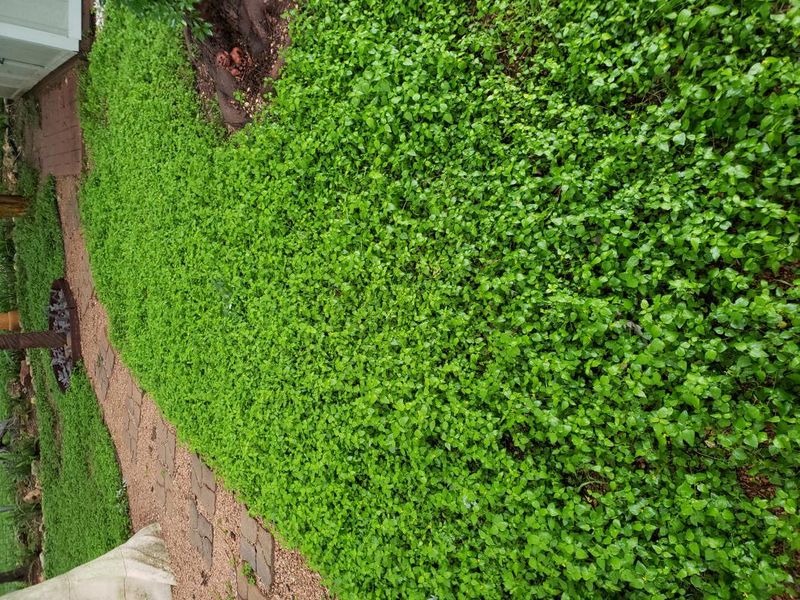
Step outside on a July afternoon in Central Texas and the gravel in your side yard is practically glowing.
You have probably wondered if there is something living, something green, that could take its place without demanding a sprinkler system and a prayer.
There is, and it has been growing wild in the shade of live oaks across Texas for a long time.
The plant is called horseherb, and in the right spot it can give you a softer, cooler-feeling patch of ground instead of that sun-baked rock.
The Likely Plant Is Horseherb
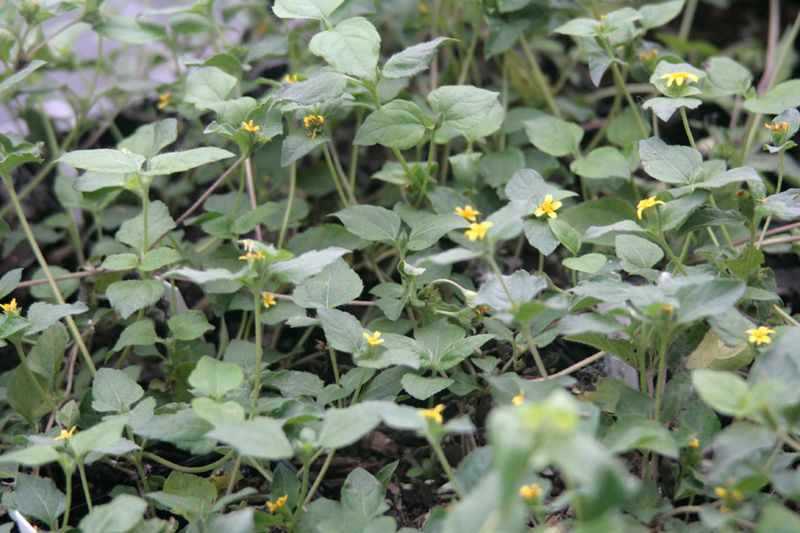
Horseherb, known botanically as Calyptocarpus vialis and sometimes called straggler daisy, is a low-growing Texas native that most people walk right past without noticing.
Its trailing stems creep along the ground, rooting wherever a node touches soil, and the whole plant builds a mat that typically reaches 8 to 10 inches tall with a spread of roughly 1 foot per plant.
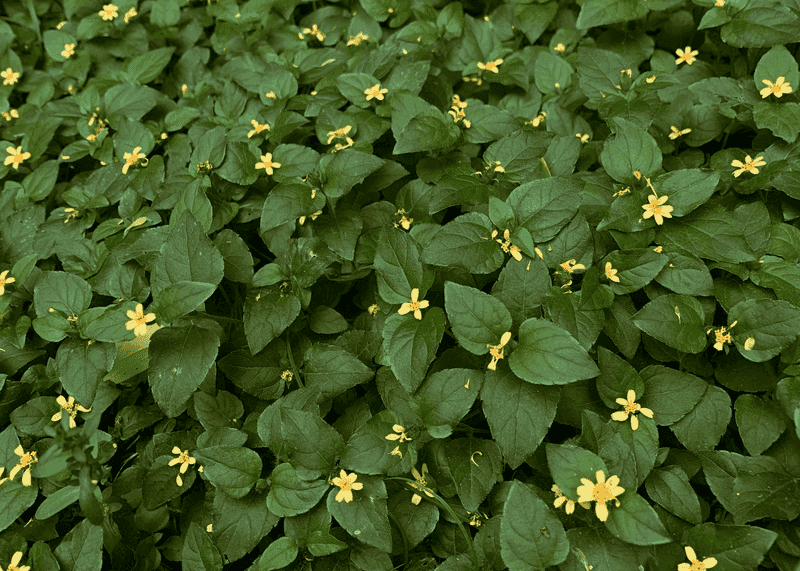
Small yellow daisy-like flowers appear from March through November, which means it stays in bloom for most of the year.
According to the City of Austin plant guide for horseherb, it performs especially well in dry shade or part shade, carries very low water needs once established, and tolerates some foot traffic.
Texas SmartScape describes it as a dense mat-forming groundcover that can be mowed about every four weeks to keep it tidy.
Neither source calls it zero-maintenance or zero-water, and that distinction matters in a Texas summer.
The honest version of the title’s promise is this: a healthy, well-hydrated horseherb patch can feel softer and cooler than sun-heated gravel in a suitable low-traffic spot.
No study reviewed here directly measures horseherb against gravel under identical Texas conditions, so this is a likely sensory effect in the right setting, not a statewide guarantee.
It is also not a lawn substitute for dog runs, play areas, or any path that gets repeated daily foot traffic in the same narrow line.
The Native Plant Society of Texas profile on Calyptocarpus vialis notes that seed is rarely commercially available, so most gardeners start from plugs, divisions, or rooted cuttings.
That is actually good news because it means establishment is straightforward once you find a source.
Why A Green Surface Can Feel Cooler
Living plants pull water up through their roots and release it through their leaves as vapor, a process called transpiration.
That release of moisture takes heat energy with it, which is why standing near a green garden on a hot afternoon feels different than standing next to a gravel driveway.
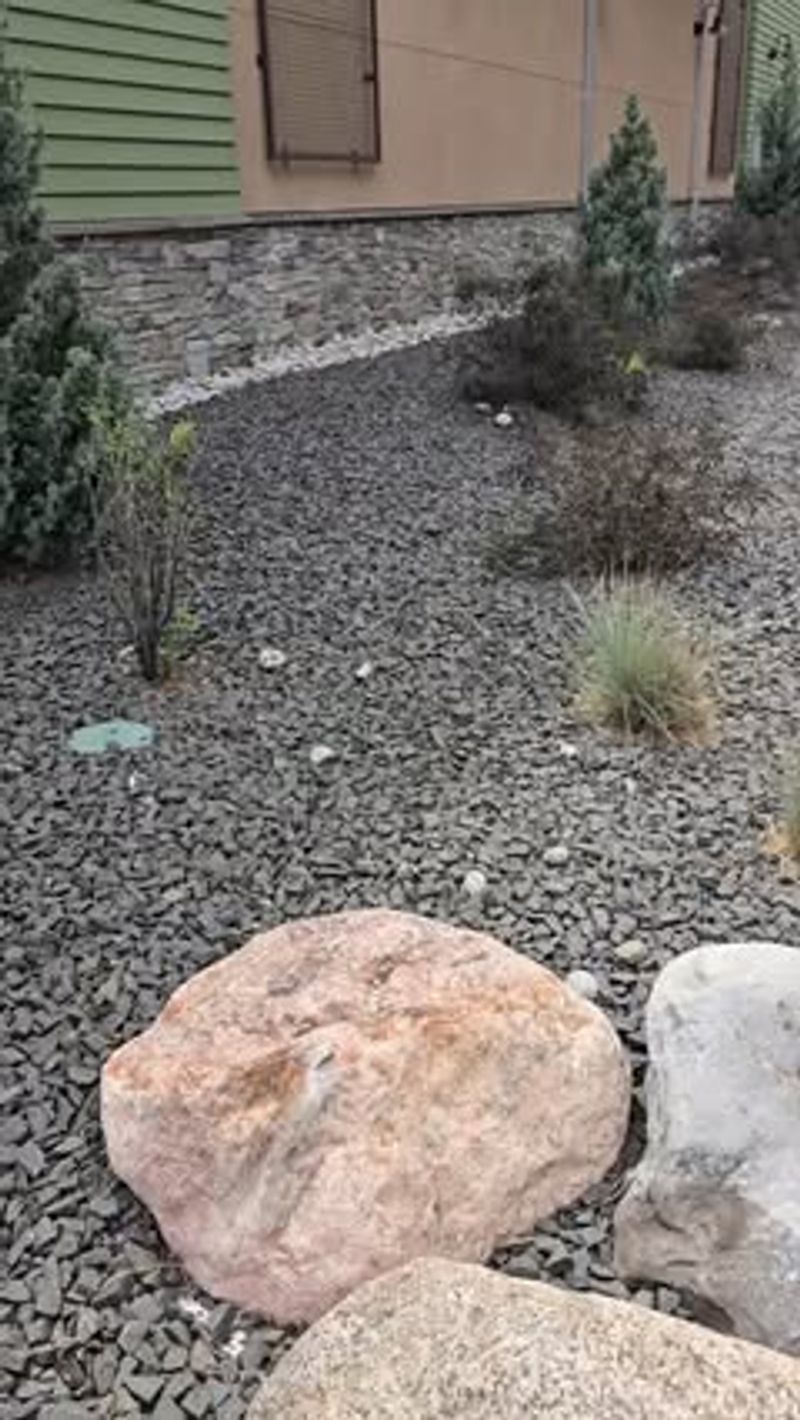
The gravel absorbs solar radiation, stores it, and radiates it back at you long after the sun has moved.
A three-year study comparing turf, gravel, asphalt, concrete, lava rock, and pine bark found that turf had the lowest surface temperature among the materials tested, while nonvegetated surfaces ran hotter because they lacked evaporative cooling.
Separately, Texas A&M guidance notes that air a few inches above turf or groundcovers can run 12 to 15 degrees Fahrenheit cooler than air above asphalt or concrete.
That comparison involves turf and pavement, not horseherb and gravel specifically, so it describes a general tendency rather than a measured result for your particular side yard.
Gravel is not a single material with one fixed temperature.
Color, size, depth, moisture content, surrounding shade, nearby walls, air movement, and time of day all shift the reading.
Research on gravel mulch found that gravel layers can elevate surface temperatures during high-radiation summer weather and push warmth into multiple soil depths.
White gravel reflects more sunlight than dark gravel, and shaded gravel behaves differently than gravel baking under a west-facing wall at 3 p.m.
Drought-stressed horseherb loses much of this cooling potential.
A dormant or thinning patch has less active leaf area, which means less transpiration and less of that softening, cooling effect.
Green and hydrated is the key phrase here, and that depends on your site, your season, and how much water you put in during dry stretches.
Give The Mat A Low-Traffic Job
Here is where a lot of people set themselves up for disappointment.
They read “tolerates foot traffic” and picture a path they walk every single day, or a zone where the dog cuts the same corner at a run.
That is not what horseherb is built for.
Both the Texas SmartScape entry for horseherb and the City of Austin guide describe moderate or some foot-traffic tolerance, which translates to occasional crossings, not a daily commuter route.
Repeated footfall along a single narrow line will thin the mat, expose soil, and invite weeds.
Dog runs, children’s play areas, and well-worn barefoot paths through the kitchen door to the grill are all the wrong jobs for this plant.
Mowing helps keep the mat at a manageable height and gives the planting a tidier look.
Mow to about 3 to 4 inches every four weeks during the growing season if you want a more manicured appearance.
The flowers are small and cheerful, but they do attract bees and other pollinators, which is genuinely good for the yard and genuinely something to think about before going barefoot.
A Texas Master Gardener horseherb profile notes that the plant spreads by runners and rooting stems and can become weedy if left unmanaged at the edges.
Contain it with a mower line, a simple edging strip, or a gravel path border so it stays where you want it.
If you do want to test the barefoot-cool feeling, pick a clean, low-traffic patch, check it carefully for fire ants, scorpions, sharp gravel edges, and glass before you step, and treat it as a sensory experiment rather than a safety guarantee.
Establish It Before The Worst Heat
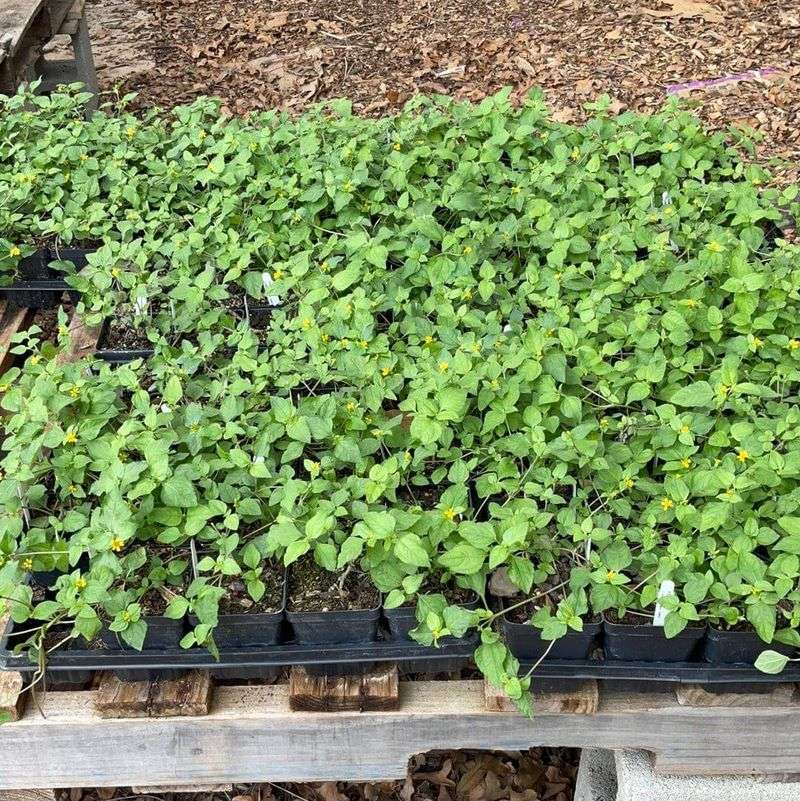
Timing the planting correctly is probably the single biggest factor in whether your horseherb patch takes hold or limps along.
Putting small plugs into dry, compacted soil during a July heat dome is asking for trouble.
Spring, from roughly late February through April in North and Central Texas, gives the plants a milder window with better soil moisture and a longer runway before summer arrives.
Fall, from September through October, is another solid window when soil temperatures are still warm enough for root growth but the brutal midday heat has backed off.
Start by removing competing weeds thoroughly.
Horseherb will fill gaps where grass has already thinned, but it does not push out healthy, established competition on its own.
Loosen compacted soil with a fork or a broadfork to improve root penetration, but avoid tilling so deeply that you create a loose, erosion-prone bed, especially on a slope.
Good soil contact when you press the plugs in is more important than perfect soil amendment.
Plugs, divisions, and rooted cuttings are your main sourcing options because the Native Plant Society of Texas notes that horseherb seed is rarely commercially available.
The same source describes propagation from 3-to-4-inch stem cuttings that may root in water in about 1 to 2 weeks.
That is useful organizational plant-profile guidance, not a replicated university trial, so treat it as a practical starting point rather than a guaranteed timeline.
Space plugs about 12 inches apart and press them firmly so the root zone makes contact with surrounding soil.
Texas A&M AgriLife Extension gardening guidance consistently emphasizes good soil contact and consistent moisture during establishment as the foundation for any successful planting.
The mat will knit together over one to two growing seasons if you give it that early support.
Water For Establishment And Recovery
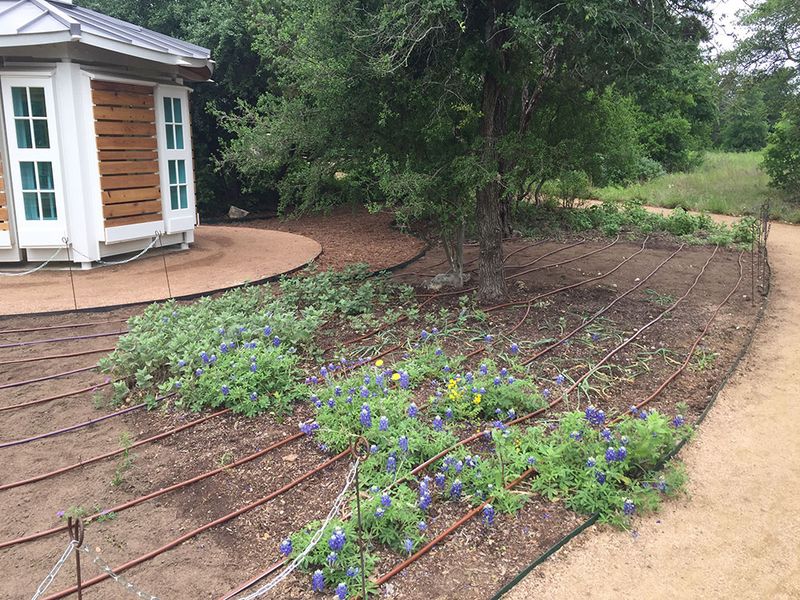
New horseherb plants need consistent moisture while their roots are exploring the surrounding soil.
The goal during the first four to six weeks is to keep the root zone evenly moist without keeping it waterlogged.
Check soil moisture by pushing a finger or a probe about 1 inch below the surface.
If it feels dry at that depth, water.
If it still feels damp, wait another day and check again.
Texas A&M AgriLife Extension watering guidance recommends wetting the soil to about 6 inches deep rather than sprinkling lightly and frequently.
Light sprinkling encourages shallow roots that struggle when the surface dries fast in summer heat.
A deeper, less frequent soak pushes roots down where soil stays cooler and holds moisture longer.
Sandy soils in East Texas or along parts of the Gulf Coast drain fast and may need checks every day or two during a dry stretch.
Heavy blackland clay in North and Central Texas holds water longer but can crack and shed runoff when it gets bone dry, so timing matters there too.
Drip irrigation or a soaker hose laid through the planting keeps water where the roots are and reduces evaporation from the soil surface.
Once the mat is established, horseherb is genuinely low-water, but not zero-water.
During a long dry stretch, it may curl, thin, or go partially dormant.
A dormant patch provides less active leafy cooling than a green, hydrated one, which connects directly back to the original promise.
Research on vegetated versus nonvegetated surfaces makes clear that evaporative cooling depends on active plant water use.
Recovery after rain or irrigation is usually reliable, but prevention is easier than rescue during a Texas drought.
Match Horseherb To The Texas Site
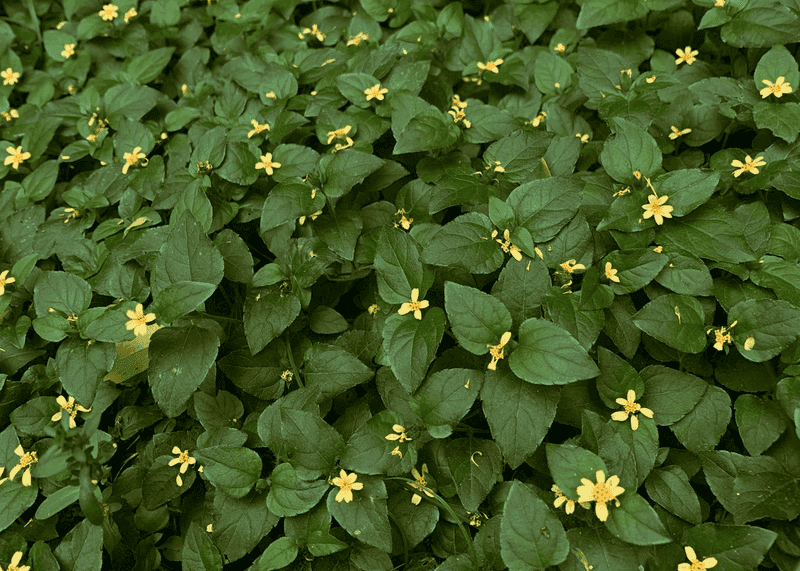
Texas is not one climate, and horseherb does not perform the same way from Amarillo to Brownsville.
In North and Central Texas, where blackland clay holds some moisture under tree canopies and temperatures are brutal but not quite as relentless as further south, horseherb is at its most defensible.
Dry shade under live oaks, cedar elms, or pecan trees is genuinely its sweet spot.
Filtered light at the edge of a tree canopy or a structure that blocks the worst afternoon sun gives the plant what it needs to stay green and active through most of the summer.
The City of Austin plant guide describes horseherb as semi-evergreen, which is an honest description for the Austin area but does not mean year-round green coverage statewide.
In the Hill Country and West Texas, shallow alkaline soil, caliche layers, relentless wind, and extended drought can push the plant into sparse coverage or summer dormancy.
It may recover after rain, but it will not look like the lush mat you see in a shaded Austin garden.
Along the Gulf Coast and in South Texas, the heat tolerance is useful, but humidity, occasional flooding, hurricane-force winds from June through November, and surprise freezes add layers of stress.
Drainage matters as much as shade in those areas.
The Native Plant Society of Texas notes that horseherb does not crowd out or kill established grass.
It tends to fill areas where grass has already thinned or given up, which makes it a good candidate for those bare patches under trees where nothing else wants to grow.
Before planting, assess drainage, sun exposure, soil type, and how much foot traffic the spot actually receives across all four seasons.
The Texas Urban Landscape Guide from AgriLife Extension encourages matching plant selection to site conditions rather than forcing a plant to adapt to the wrong spot.
That advice applies here more than almost anywhere.
Consider Frogfruit For A Different Site
Some Texas yards do not have a tree.
Some side yards face west and take reflected heat off a brick wall all afternoon.
Some spots flood for a day after a heavy rain and then bake dry for two weeks.
For those conditions, frogfruit deserves a serious look.
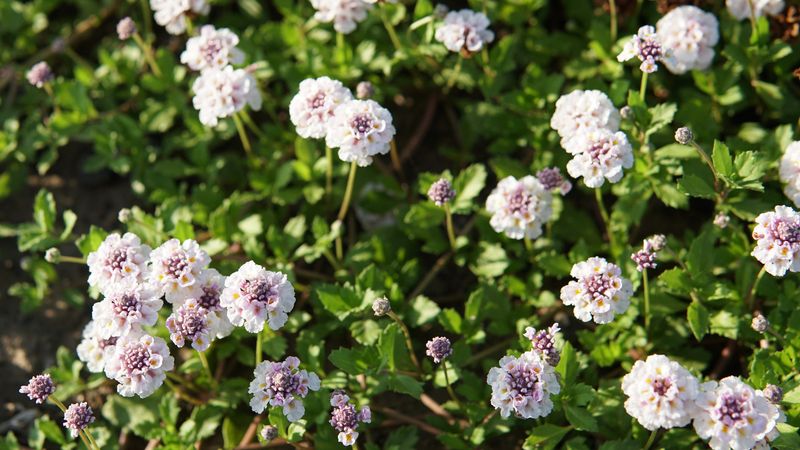
Frogfruit, Phyla nodiflora, is a low creeping or trailing perennial that Texas SmartScape describes as extremely drought-tolerant and capable of handling both flooding and reflected heat.
It works well between stepping stones and can handle more sun than horseherb typically manages in the Hill Country or West Texas.
Its small white and pink flowers attract pollinators too, which means bees will visit, and that is worth thinking about for any low-growing plant you plan to walk near.
The available sources do not include a direct side-by-side performance trial comparing horseherb with frogfruit under identical Texas conditions.
Local conditions decide which one fits your site better, and in many North and Central Texas yards with partial shade, horseherb may actually be the more comfortable choice.
In a full-sun, reflected-heat, or occasionally wet area, frogfruit may be the more suitable option.
Neither plant is a magic solution on its own.
Stepping stones through either groundcover are a smart addition for any path that gets regular use, because they protect the plant and give you a stable surface.
Treat the groundcover as a living carpet between those stones rather than the walking surface itself.
That framing keeps expectations realistic and the plants healthy.
Layer Other Heat-Management Choices
Horseherb is one layer of a cooler yard, not the whole answer.
The biggest temperature difference in most Texas backyards comes from shade, and a well-placed live oak or cedar elm can drop ground-level temperatures more than any groundcover choice alone.
Reducing reflected heat from light-colored concrete walls, pale paving, or a white gravel border also matters, because those surfaces bounce heat back at everything around them.
Mulch plays a supporting role that many homeowners underestimate.
Texas A&M Forest Service mulching guidance recommends a 2-to-3-inch layer of natural-colored wood chip mulch in tree areas and warns against impermeable plastic beneath plantings, which blocks water and air from reaching roots.
Natural-colored mulch stays cooler than white rock, which can intensify strong sunshine, or black rock, which absorbs and holds heat aggressively.
If you are using landscape fabric, check whether the product is actually permeable, because fabric permeability varies widely by product, and even permeable fabric can restrict root-zone conditions for a living groundcover depending on how it is installed.
Texas A&M AgriLife Extension mulching guidance supports approximately 4 inches of mulch for garden beds, though that depth should not be pushed directly against plant crowns or tree trunks.
Soil moisture conservation from mulch keeps your horseherb greener longer during dry stretches, which keeps its cooling potential working.
Stepping stones through any groundcover planting protect the plants and give you a clear path without beating a bare trail through the mat.
None of these measures, taken together or separately, guarantee the coolest possible yard.
What they do is stack the odds in your favor, and on a Texas afternoon in August, that is enough to make the back porch feel like somewhere you actually want to be.