
What To Do When An Opossum Starts Visiting Your North Carolina Yard At Night
Follow us on Google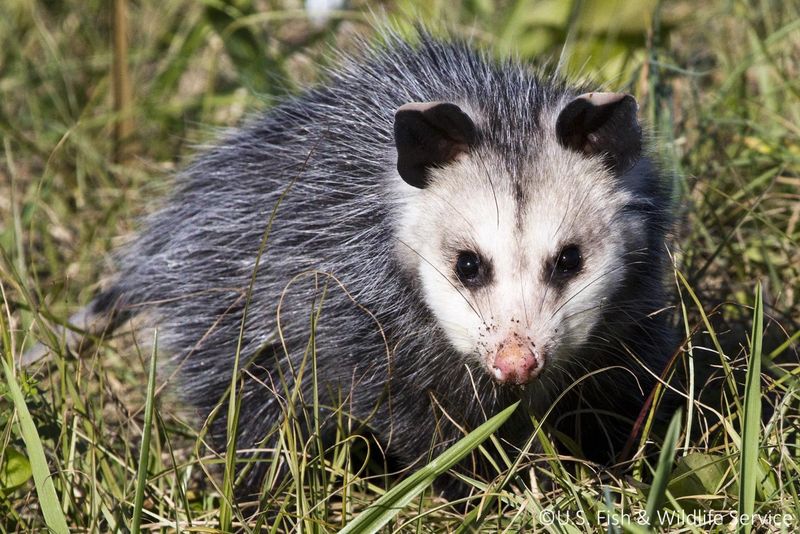
You step out to grab the dog’s water bowl around nine at night and freeze. Something gray and low-slung is moving along the fence line, unhurried, like it owns the place.
That is a Virginia opossum, and it is doing exactly what opossums do after dark in North Carolina yards. Knowing what is normal, and what actually needs your attention, makes the whole thing a lot less alarming.
A Nighttime Visitor Usually Needs Space
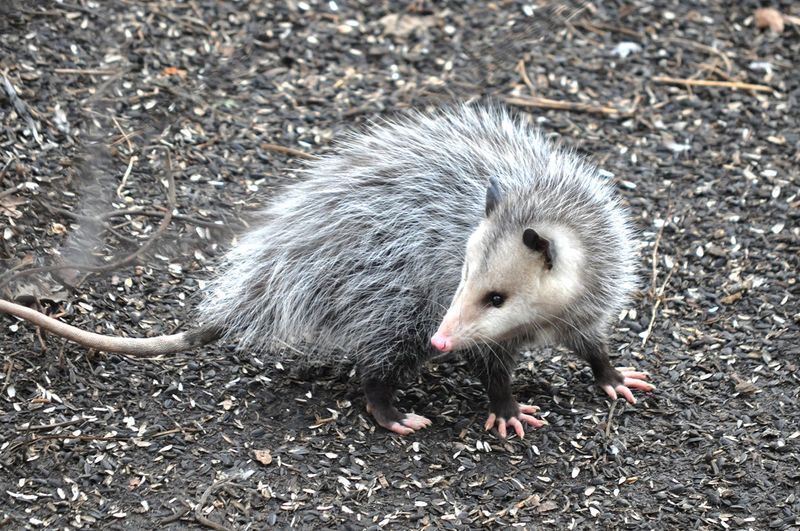
Catching a glimpse of something moving through the yard after dark can set the heart racing, but slow down for a second before doing anything. The animal crossing your patio is almost certainly a Virginia opossum, Didelphis virginiana, and it is North Carolina’s only marsupial.
Animal Diversity Web’s species account confirms that Virginia opossums are generally solitary, terrestrial, and nocturnal, becoming active around dusk and staying active until dawn. That gray shape in the flashlight beam is not a sign that something has gone wrong.
Opossums are opportunistic feeders that move through residential areas when food, water, or shelter are nearby. One animal passing through a yard on a Tuesday night is ordinary wildlife behavior, not an emergency.
NC Wildlife’s opossum guidance is clear that mere presence is not grounds for removal. The threshold that actually matters is property damage or entry into a building, and that comes later in this article.
Your immediate job is simple: keep children and pets inside or at a safe distance, watch from the porch if you are curious, and leave the animal alone. Do not corner it, chase it, or try to pick it up.
Opossums that feel trapped may hiss, bare their teeth, or go completely still, which is the famous defensive behavior people call “playing possum.” None of those reactions require you to intervene. Give the animal room, and it will almost always move on within minutes.
Remove The Food And Shelter Invitations
Here is the honest reason an opossum keeps showing up: your yard is offering something worth the trip. Opossums are omnivores with a wide appetite, and a typical North Carolina backyard can read like a buffet after dark.
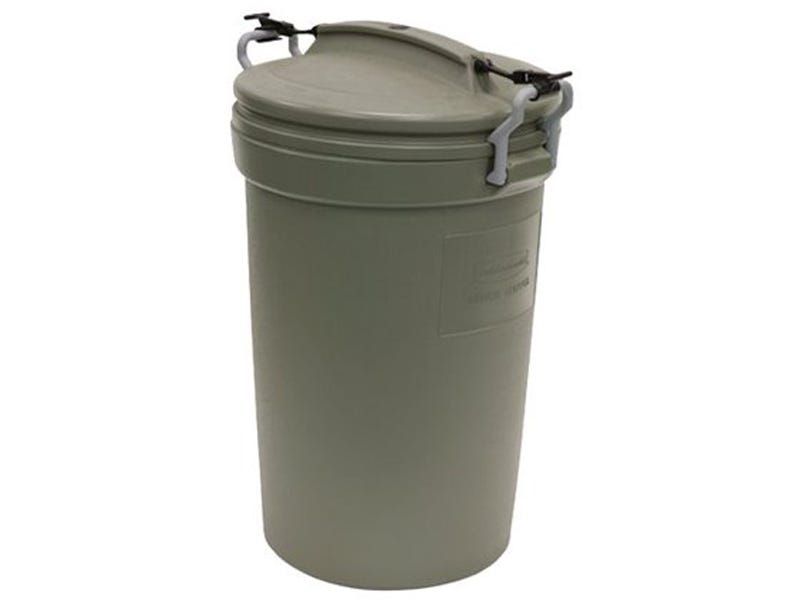
Pet food left on the porch, an unsecured trash can, fallen figs or apples, an open compost bin, or poultry feed sitting in an accessible feeder can all draw a hungry animal in night after night.
UGA Extension’s guide to resolving nuisance wildlife conflicts frames prevention as the first and most effective tool: remove what attracts wildlife before reaching for any other solution. Bring pet bowls indoors before sunset.
Use trash cans with tight-fitting lids or bungee cords. Rake up fallen fruit every evening during peach and fig season, which hits the Piedmont and Coastal Plain hard through July and August.
Secure your compost in a lidded bin rather than an open pile.
NC State Extension’s wildlife chapter recommends advance management and integrated practices to reduce conflicts before they start. That same thinking applies to shelter.
Crawlspaces, gaps under decks, open sheds, and unlatched garage doors give opossums exactly the dry, dark resting spots they look for. Closing those gaps, after confirming no animal is inside, removes the invitation without any confrontation at all.
Think of it as tidying up the welcome mat rather than declaring war on a wild neighbor.
Protect Pets And Poultry Before Dark
Dogs are curious creatures, and an opossum that gets cornered by one is going to defend itself. That is a bad outcome for everyone involved.
CDC guidance on pets and wildlife recommends observing wild animals from a distance and keeping pets from making contact. After dark in a North Carolina yard, that means keeping dogs leashed, staying outside with them during bathroom breaks, and not letting them roam a fenced yard unsupervised if opossums are moving through regularly.
NC Wildlife’s wildlife problem FAQ recommends that dogs be leashed or kept within a dog-proof fence to prevent wildlife encounters. A large dog chasing an opossum can injure it, and a cornered opossum may scratch or bite before going still.
Neither result is what you want on a quiet Wednesday evening. Supervision is genuinely the simplest fix.
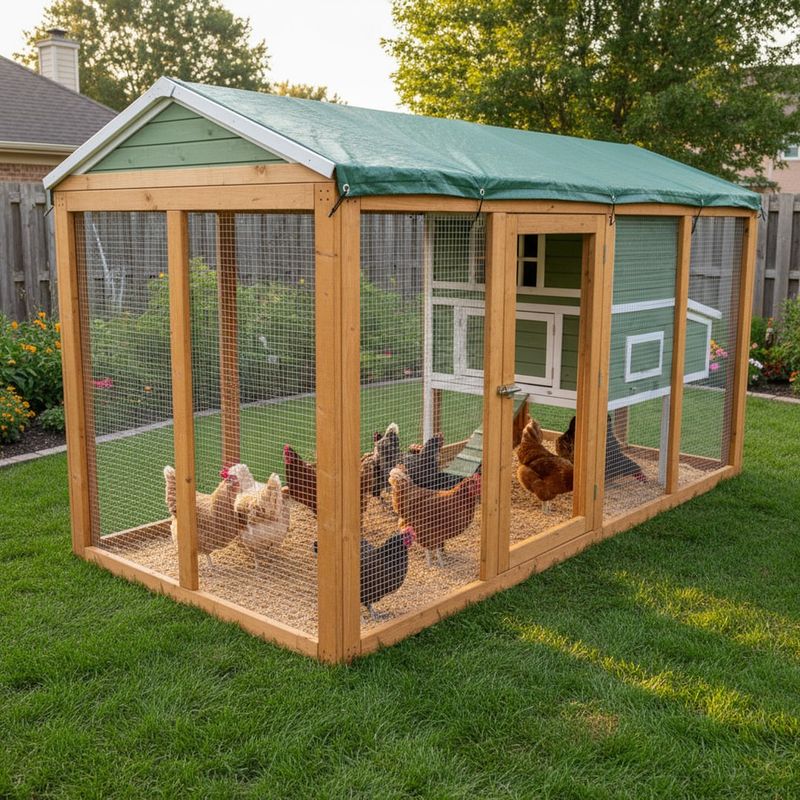
Chickens and small livestock need a harder line of defense. NC Wildlife notes that opossums may eat chicken eggs and young chicks, so a flimsy or poorly latched coop is a real vulnerability.
The recommendation is a fully enclosed pen built from sturdy materials with mesh no larger than 1 inch, a secure latch, and a solid roof. Lock birds in before dusk, every evening, not just when you have seen an opossum recently.
Poultry feed stored inside the coop overnight is also an attractant, so move it to a sealed container in a separate area. Good barriers protect both your flock and the opossum from an encounter that neither party wanted.
A Den Changes The Plan
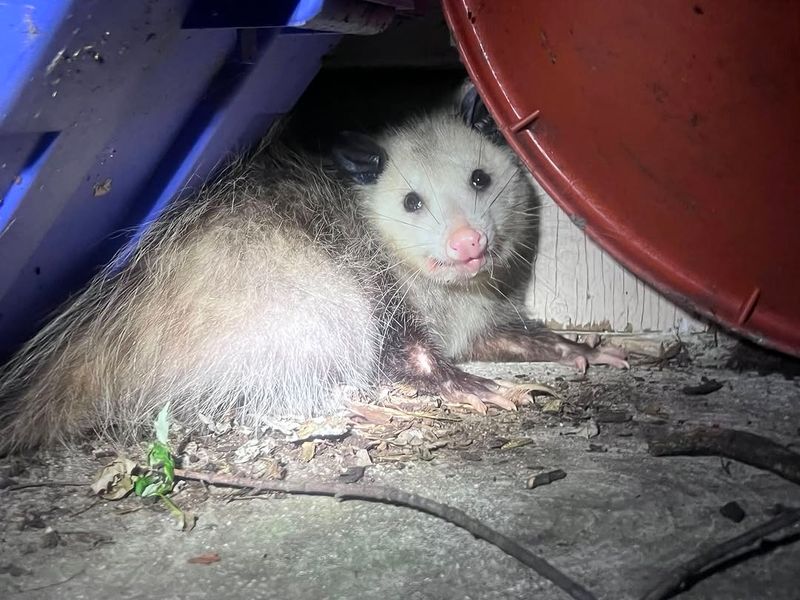
Finding an opossum passing through the yard is one thing. Finding signs that one has settled under your deck or porch is a different situation, and it calls for a slower, more careful response.
The instinct to grab a board and nail the gap shut right away is understandable, but acting too fast can make things significantly worse.
Before anything else, inspect from a safe distance. Look for tracks, droppings, or disturbed soil near the opening.
Watch the space at dusk for a few evenings to get a sense of whether the animal is actually using it. UC ANR’s pest notes on opossums outline the risk plainly: sealing an active den can trap an adult inside or, worse, separate a mother from young that cannot survive on their own.
Virginia opossums breed from January through July in North Carolina, so young may be present for much of the warmer half of the year.
The safe sequence is inspection first, then humane exclusion or professional removal when the space is confirmed empty, then sanitation to clean up any droppings or nesting material, and finally permanent closure of the access point. That last step matters because a new animal can move into the same spot if the gap stays open.
When young are involved, when the animal has accessed an attic or crawlspace, when there is contamination, or when you genuinely cannot tell whether anyone is home, call a licensed professional. NC Wildlife’s licensed Wildlife Control Agent directory connects homeowners with professionals who can handle exclusion, sanitation, and repairs correctly.
Do not use mothballs, poison, glue traps, or any improvised effort to drive the animal out. Those approaches are hazardous and unreliable, and they do not solve the underlying access problem that will attract the next visitor.
Separate Defensive Behavior From A Health Emergency
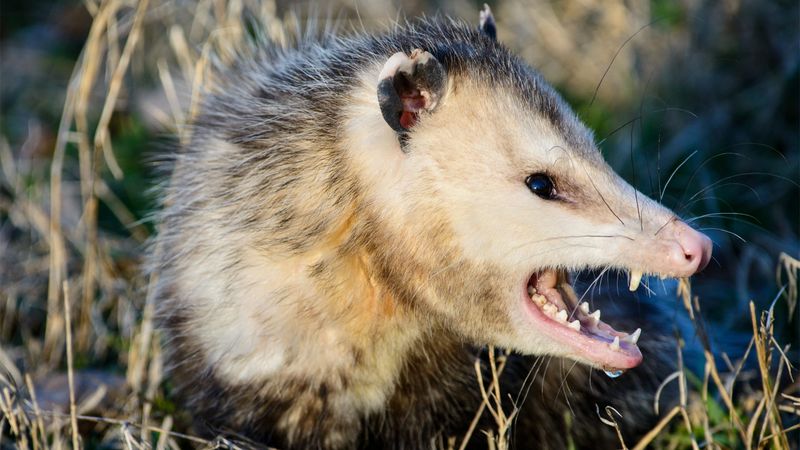
An opossum that hisses at you, bares its teeth, drools, or goes completely limp is not necessarily sick. Those are normal stress responses for an animal that feels cornered or threatened.
The frozen, mouth-open posture that looks alarming is actually an involuntary reaction, not a choice, and the animal will usually recover and walk away once it feels safe. Seeing any of those behaviors from a wild opossum should not automatically send you searching for a rabies hotline.
That said, the medical picture deserves a careful explanation. NC Wildlife’s opossum guidance notes that opossums are not classified as rabies-vector species in North Carolina.
NC DHHS rabies control guidance is equally clear that any mammal can contract rabies, so the classification is not a guarantee. The practical takeaway is that you should not handle a wild opossum, not because every one of them is dangerous, but because wild animals generally should not be handled, and you cannot diagnose illness from defensive behavior alone.
Watch for signs that go beyond defensiveness: an animal that is staggering, circling, active in full daylight without apparent cause, or visibly injured. Those are the signals that point toward a genuine problem.
A sick, injured, or orphaned opossum should go to a wildlife rehabilitator, an animal control agency, or NC Wildlife, not to a licensed Wildlife Control Agent, whose role is property damage and exclusion rather than animal care.
Animal Diversity Web and CDC wildlife guidance both recommend keeping distance and avoiding contact with wild animals. If a bite or scratch does happen, wash the wound immediately and thoroughly with soap and running water, then contact a health-care provider or your local public-health authority right away for a proper exposure assessment.
Do not wait to see if symptoms develop.
Know When North Carolina Allows Professional Removal
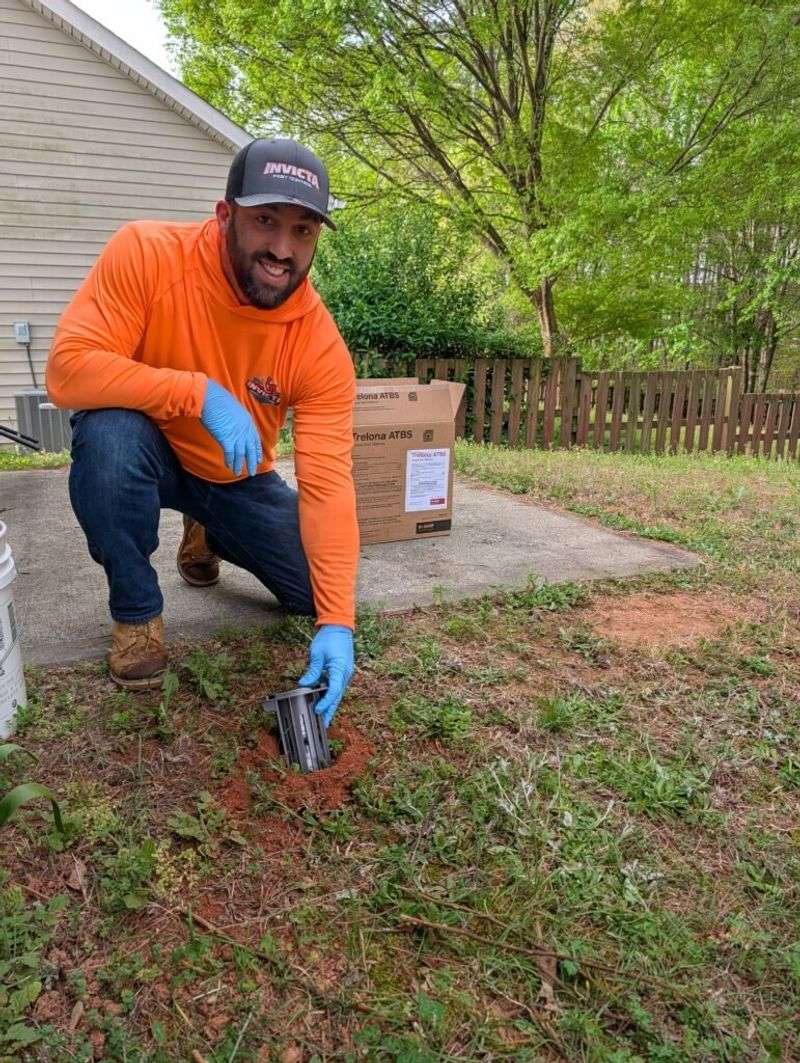
Most opossum visits do not require a phone call to anyone. But a few situations genuinely do, and knowing the difference saves time, money, and frustration.
The practical threshold in North Carolina is not “I saw it again last night.” The threshold is damage, building entry, an active or uncertain den, contamination, or a need for exclusion, sanitation, or structural repairs.
NC Wildlife’s wildlife problem resource is direct on this point: an animal cannot be removed simply because someone dislikes seeing it around the neighborhood. A licensed Wildlife Control Agent can legally and effectively help when the animal is causing property damage or has entered a building.
Those professionals can handle trapping, exclusion, sanitation, habitat modification, and repairs in ways that actually solve the problem rather than temporarily relocating it.
Relocation deserves a careful look before anyone assumes it is the kind solution. NC Wildlife’s FAQ on wildlife problems warns that relocation can cause high mortality, spread disease to new areas, fail because of the animal’s homing instinct, and simply move the conflict to someone else’s yard.
Releasing wildlife on public lands, roadsides, parks, or game lands is not allowed. If a licensed agent does relocate an opossum, it must go to private property with the landowner’s permission.
The more reliable path is removing the attractants, closing the access points after confirming vacancy, and calling a licensed professional when the situation is beyond a straightforward prevention fix. NC Wildlife’s licensed-agent directory is the right starting point, not a hardware-store trap and a distant county road.
Getting the right help the first time is genuinely the faster solution.
Do Not Turn An Opossum Into A Tick-Control Plan
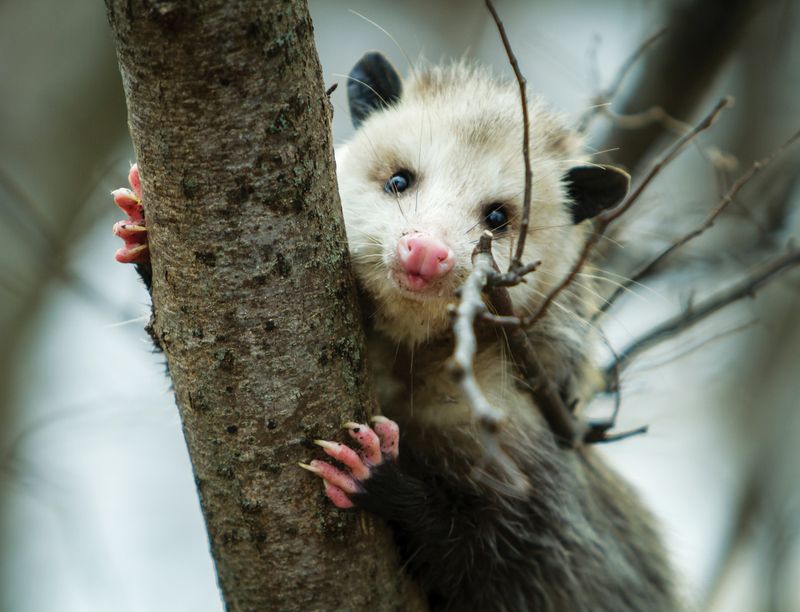
Somewhere along the way, opossums picked up a reputation as tick-eating machines, and the number that keeps circulating is hard to ignore: one opossum eating thousands of ticks every week. It sounds like a perfect reason to leave the porch light off and let the wildlife do the work.
The problem is that the science behind that number does not hold up as a reliable yard-level promise.
A 2021 peer-reviewed study examined stomach contents from 32 Virginia opossums collected in the field and found no ticks or tick parts in any of them. The researchers concluded that ticks were not a preferred food item and cautioned against treating older laboratory observations as proof of natural population-level tick control.
Illinois Extension’s reassessment of the opossum-tick relationship echoes that caution and points out that attracting opossums with food can also draw raccoons, rodents, and other animals you probably did not plan to invite.
So do not feed or bait opossums in hopes of cutting your tick count. That strategy is not supported by current field research, and it trades one problem for several others.
Actual tick management in a North Carolina yard involves checking people and pets after every time outside, keeping grass mowed, clearing leaf litter from high-traffic areas, and talking to a veterinarian or public-health professional about appropriate prevention products. NC State Extension’s wildlife guidance supports integrated habitat management as the practical foundation for reducing pest pressure over time.
An opossum that wanders through on a warm Carolina night is not a pest and not a hero. It is a wild animal doing its own thing, and the proportionate response is the same one that works for almost every ordinary yard visitor: set sensible boundaries, remove what attracts conflict, and let the animal pass.