
Skip Crape Myrtle And Plant These North Carolina Natives Where Summer Color Still Matters
Follow us on Google
By mid-July in North Carolina, the patio is hot, the air feels thick, and a lot of yards start looking tired.
That is when crape myrtles usually grab attention, but they are not your only path to long summer color.
Several native plants handle our muggy heat, surprise storms, and tricky soils with less fuss.
Pick the right ones, and your yard can stay colorful while feeding pollinators and feeling more alive for the rest of summer.
1. Summersweet
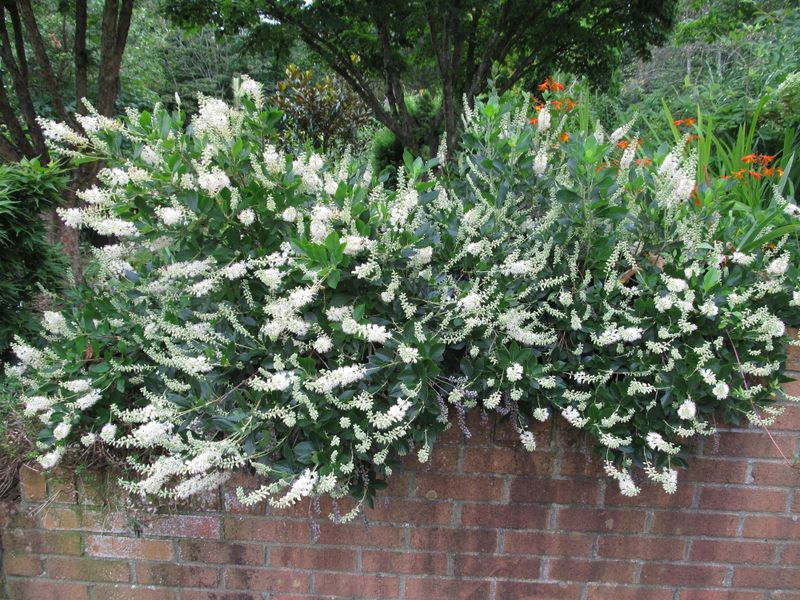
Late July is when many shrubs seem to clock out, but Summersweet, Clethra alnifolia, is just getting started.
You notice it first by scent.
On a sticky North Carolina evening, the flowers carry a sweet, spicy fragrance that makes a porch corner feel useful again instead of tired.
Here is why it earns a spot over crape myrtle.
Summersweet blooms in July and August, right when many Piedmont gardens are flat on color, and it does it without begging for hard pruning or a perfect site.
NC State Extension notes that it handles moist soil well, which matters if your yard has one of those spots that stays damp for 2 or 3 days after every storm.
Expect most types to reach 3 to 8 feet tall and about 4 to 6 feet wide, with the heaviest bloom in full sun to part shade.
Plant it 4 to 6 feet from walkways or windows, and give it about 1 inch of water a week during its first growing season if rain falls short.
In the Coastal Plain or Sandhills, mulch 2 inches deep to help hold moisture, but keep mulch a few inches off the stems.
Deer usually leave it alone, pollinators do not, and by fall the leaves turn a warm yellow.
That is a lot of payoff from one shrub.
2. Buttonbush
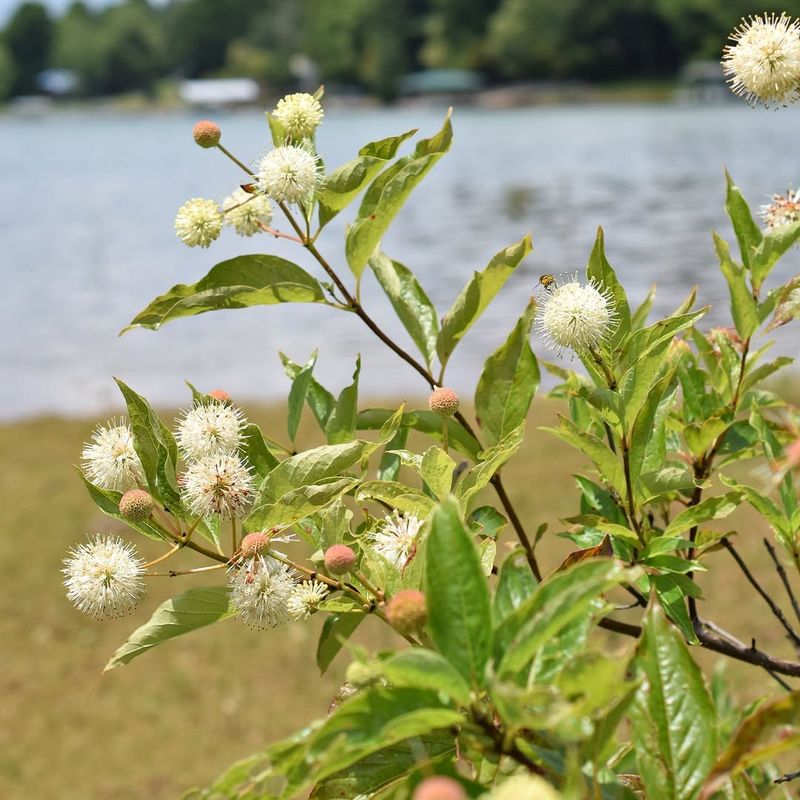
Most people stop and stare the first time they see Buttonbush in bloom.
Cephalanthus occidentalis does not make ordinary flowers.
It throws out white round blossoms like little pin cushions, and in the middle of a hot summer yard, that odd shape feels like a small surprise.
The trick with this plant is placement.
Buttonbush shines where other shrubs sulk, especially in low spots, rain gardens, pond edges, and places that stay wet after North Carolina afternoon storms.
It blooms from roughly June into September, which gives you a long color window during the muggiest stretch of the year.
In the wild and in home landscapes, it supports butterflies, native bees, and other pollinators that keep the yard busy in the best way.
Many plants sold for wet soil look plain, but this one brings real personality.
Give it room, because mature plants often reach 5 to 12 feet tall and 4 to 8 feet wide.
In the mountains, choose the sunniest moist spot you have.
In the Coastal Plain, it can take full sun if roots stay damp.
Water weekly through the first year, then let the site do more of the work.
If your yard has a soggy headache you keep trying to fix, Buttonbush turns that problem into one of the prettiest parts of the landscape.
3. American Elderberry
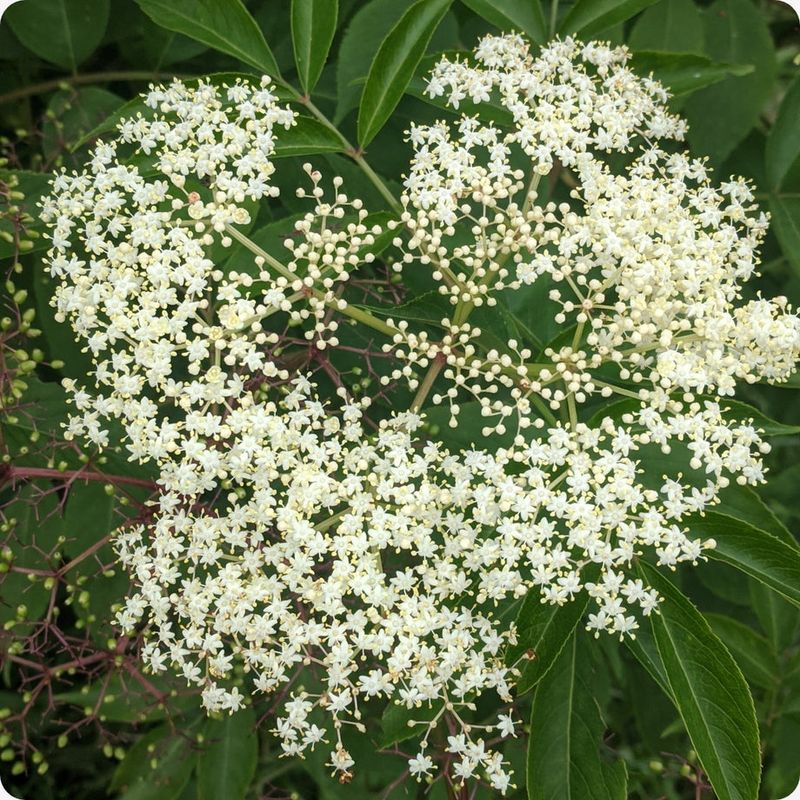
For a plant that gives back more than once, American Elderberry is hard to beat.
Sambucus canadensis starts with broad, creamy flower clusters in early summer, and by late summer those same clusters shift into dark berries that birds seem to spot before you do.
What makes it different from the others on this list is the edible harvest, with a sensible warning attached.
The berries are used cooked in syrup, jelly, or pies, but raw plant parts are not for casual snacking.
In North Carolina, elderberry works especially well along fence lines, at the back of a sunny border, or in that loose zone between lawn and woods where many homeowners want something softer than another line of evergreens.
It flowers best with at least 6 hours of sun, and a mature shrub often lands around 6 to 12 feet tall and wide.
Many Piedmont gardeners like it because it handles clay better than fussier shrubs if you loosen a planting hole 2 times as wide as the root ball.
In sandy coastal soil, add compost so water does not race away.
During dry spells, aim for about 1 inch of water per week.
You get flowers, fruit, bird activity, and a screen that feels informal instead of stiff, which is a pretty good trade for a plant that asks so little.
4. Oakleaf Hydrangea
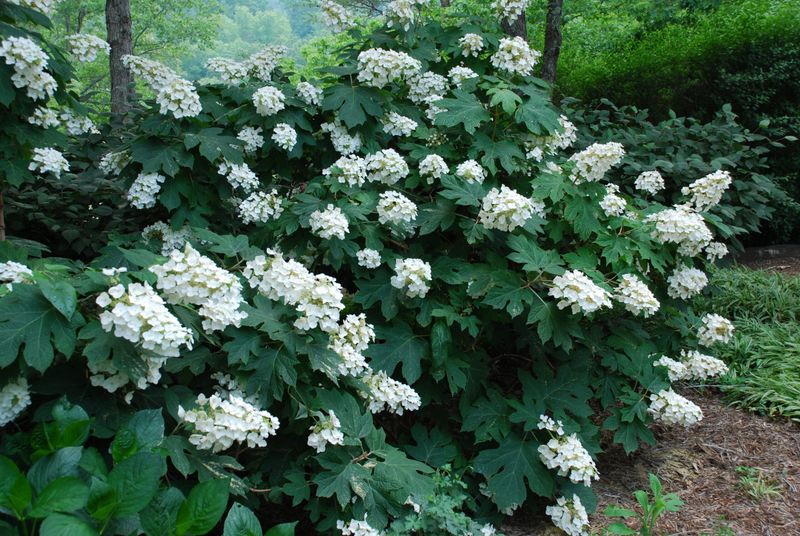
Shade is where a lot of summer color plans fall apart.
Oakleaf Hydrangea, Hydrangea quercifolia, solves that problem with big white flower clusters that glow even when the sun slips behind the trees and the rest of the bed goes quiet.
Unlike crape myrtle, which wants full sun and often gets hacked back too hard, oakleaf hydrangea has a calmer rhythm.
It blooms on old wood, which means next year’s flower buds form on stems that are already there, so prune only right after flowering if you must prune at all.
In North Carolina, it is especially useful on the east side of a house, under tall pines, or in bright shade where afternoon sun can be harsh.
Depending on the variety, expect 3 to 8 feet tall in many home landscapes, though larger forms can push beyond that.
Space plants 5 to 8 feet apart, keep mulch about 2 inches deep, and water deeply every 7 to 10 days during dry weather in the first year.
In the mountains, morning sun is fine.
In the Piedmont and Sandhills, afternoon shade helps preserve leaves through 90 degree heat.
The flower heads age from white to pink to tan, fall color can turn burgundy or bronze, and the peeling bark carries the plant through winter.
It feels like getting 3 seasons from one native shrub.
5. Virginia Sweetspire
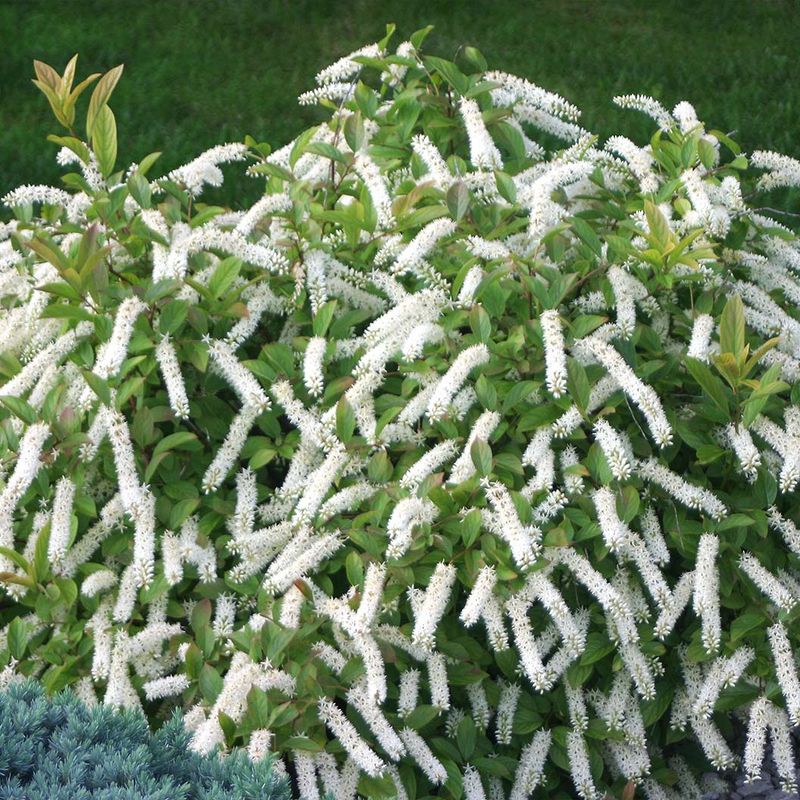
A narrow side yard or sloped bank can make summer planting feel like a compromise.
Virginia Sweetspire, Itea virginica, is the kind of shrub that slips into those awkward spaces and still looks graceful, with arching stems and white flower clusters that move lightly in the breeze.
Its bloom usually peaks from late spring into early summer, so it starts a little earlier than some others here.
That might sound like a drawback, but here is where it gets useful.
In North Carolina landscapes, sweetspire bridges the gap between spring azaleas and the harder heat of midsummer, and the foliage stays neat long after the flowers pass.
It also tolerates wetter soil than many foundation shrubs, which matters in red clay yards where runoff collects near patios, downspouts, or low steps.
Mature plants often grow 3 to 5 feet tall, with some selections spreading wider over time.
Plant it in full sun for the best fall color or part shade for easy maintenance, spacing plants 4 to 6 feet apart.
If you want a tighter look, choose compact forms and cut out a few older stems every 2 or 3 years after bloom.
Along the coast, it handles humidity well.
In the Piedmont, it can soften hard edges and help with erosion on gentle slopes.
It is not flashy in a loud way, but it makes a yard look settled, cooler, and more put together.
6. Swamp Rose Mallow
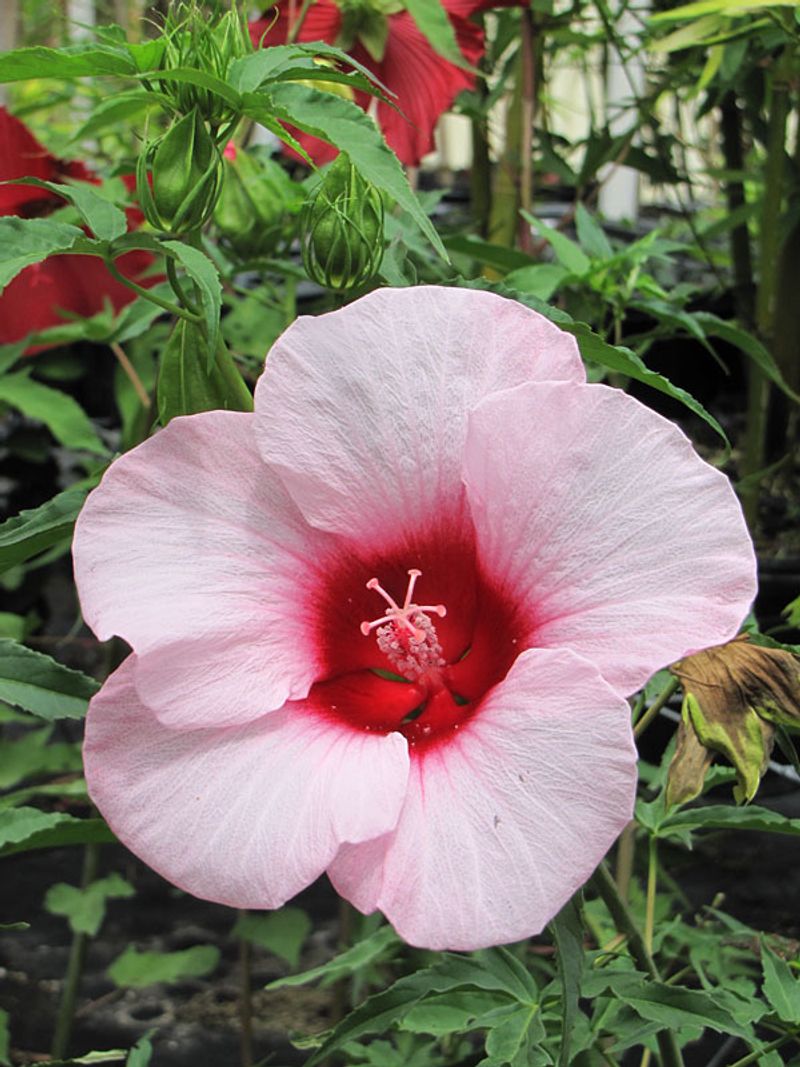
If you want the bold bloom look people chase with tropical plants, Swamp Rose Mallow brings it without asking you to pretend North Carolina is Florida.
Hibiscus moscheutos throws dinner-plate-size flowers, often 6 to 10 inches across, right into the hottest stretch of summer.
That big-flower effect is its whole reason for being on this list.
While crape myrtle gives you clouds of smaller blooms up in a tree canopy, swamp rose mallow puts giant flowers where you can see them from a porch chair, a driveway, or the grill.
Flower colors range from white to blush to deep pink, often with a red eye in the center, and bloom time usually runs from July into September.
It loves moisture and can handle periodic flooding, so it is a smart hero for rain gardens and low sunny spots in the Coastal Plain or Piedmont.
Set plants 3 to 4 feet apart in full sun, and do not panic when they wake up late in spring.
Many gardeners think it is gone, then it rises once soil warms.
Cut old stems down in late winter, leaving 6 to 8 inches so you do not damage emerging shoots.
During dry weeks, water deeply once or twice.
Hummingbirds and pollinators show up fast, and suddenly that difficult wet patch looks like the star of the yard.
7. Joe-Pye Weed
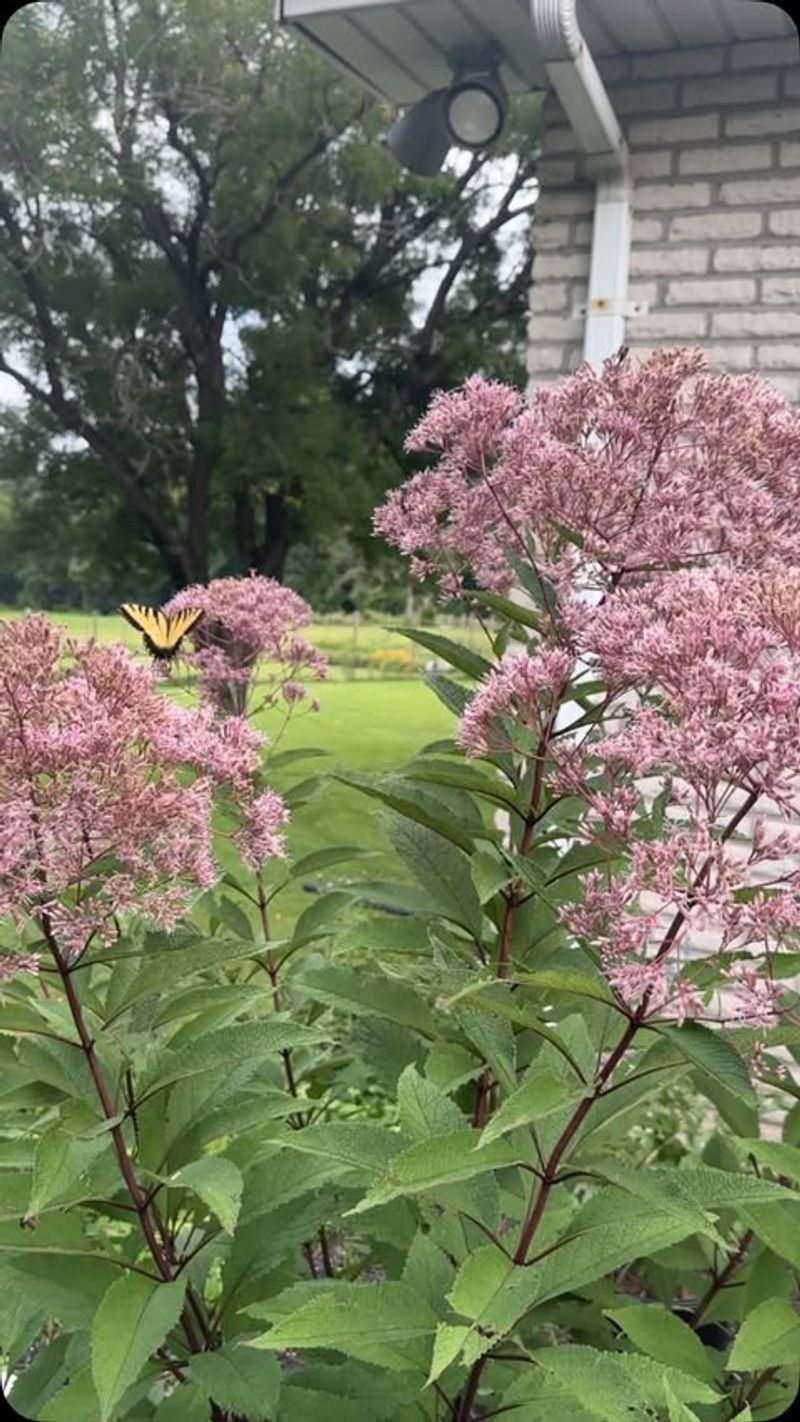
Calling Joe-Pye Weed a weed is one of gardening’s worst branding mistakes.
In late summer, when the air in North Carolina still feels like warm soup and butterflies are working every flower they can find, Eutrochium species stand tall with dusty pink bloom clusters that seem to pull the whole yard together.
Choose this plant when you want height, movement, and habitat all at once.
Depending on the species and cultivar, Joe-Pye weed can grow from about 3 feet to 7 feet tall, with bloom usually peaking from July into September.
That timing matters because it lines up with heavy pollinator activity, including migrating monarchs later in the season.
NC State Extension often recommends matching plant to site, and that advice is spot on here.
In the mountains and Piedmont, give it full sun to light shade and evenly moist soil.
In sandy coastal areas, extra organic matter helps keep roots from drying too fast.
Plant it 2 to 4 feet apart, stake only if your site is extra rich or shady, and cut stems back in late winter.
Near a fence, beside a shed, or at the back of a wide bed, it acts like a soft screen instead of a hard wall.
You get color, bees, butterflies, and a garden that still has some lift when August tries its best to flatten everything.