
Why North Carolina Gardeners Still Need To Start Broccoli In Early August For Solid Fall Heads
Follow us on Google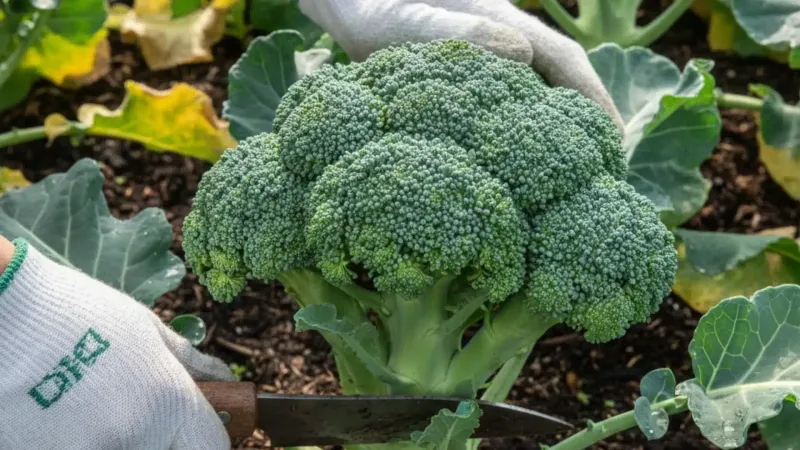
Broccoli (Brassica oleracea var. italica) is one of those vegetables that rewards gardeners who pay close attention to the calendar.
For many Piedmont and eastern North Carolina gardeners, setting out transplants in early August gives plants enough time to grow strong before cooler fall weather arrives and heads can form.
That timing is not a statewide rule, and it does not guarantee a perfect harvest, but it genuinely improves your odds.
Read on to find out whether early August is the right window for your corner of North Carolina and what it takes to make a fall crop worth the effort.
Early August Helps Some Gardeners Beat The Heat
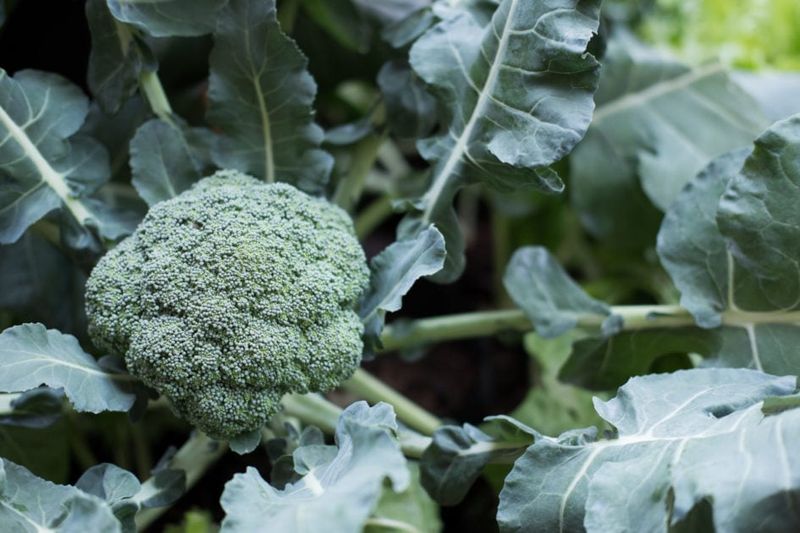
Setting out fall broccoli transplants in early August is a sound target for many Piedmont and eastern North Carolina gardeners, but it is not a deadline every person in the state needs to follow.
The goal is straightforward: get transplants established while the soil is warm, so the plant builds leaves and roots before cooler fall weather arrives and head formation can begin.
Miss that window by too many weeks, and the cool temperatures needed for a tight crown may show up before the plant is ready to use them.
For Piedmont gardeners, NC State Extension home-garden guidance places the target for crops with roughly 60 to 80 days to maturity around August 1.
Eastern North Carolina has a broader commercial fall-planting window running August 1 through September 15.
Both figures are starting points, not guarantees, and your actual date should shift based on your region, your cultivar’s maturity, whether you are using nursery transplants or seedlings you started yourself, and your local conditions that season.
If conditions cooperate, a fall harvest broadly from mid-October through November is a realistic goal for many gardeners who plant on this schedule.
NC State home-garden production guidance places fall broccoli harvest in roughly that range, with main heads potentially followed by smaller side shoots.
Both outcomes depend on region, cultivar, weather, water, and plant health, so treat them as something to work toward rather than something to count on.
Early August gives you a better shot, not a sure thing.
Heat Grows Leaves But Cooler Weather Forms Heads
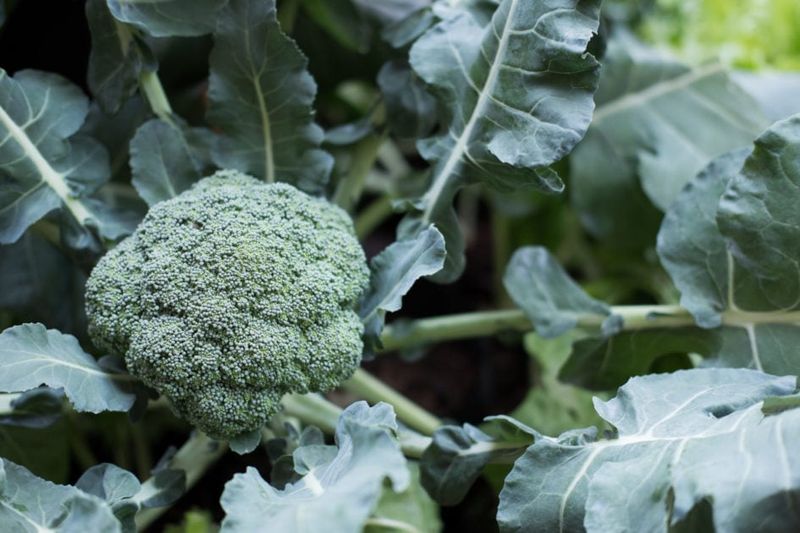
Broccoli is a cool-season crop with a two-part life.
The plant is genuinely happy to push out big leaves during warm August days, building the root system and canopy it will need later.
But the part you actually want to eat, the dense green crown, forms most reliably once temperatures moderate into a cooler range.
NC State’s broccoli production guidance identifies an optimal head-development range of 54 to 68 degrees Fahrenheit and warns that higher temperatures cause poor head formation.
University of Minnesota Extension reports that sustained heat around 86-degree days and 77-degree nights can actually prevent crown formation altogether.
North Carolina’s Piedmont and eastern regions run plenty of days above that threshold in August, which is exactly why the timing matters.
Planting early does not erase the heat.
What it does is give the plant more growing time so that when temperatures finally drop into that favorable window, the plant is already large enough to channel its energy into a head rather than spending those precious cool weeks just catching up on leaf growth.
Think of it as buying yourself a longer runway.
The plane still needs the right weather to lift off, and a heat wave during head formation can still produce loose, deformed, or absent crowns even on a well-established plant.
Early timing reduces that risk; it does not eliminate it.
Your Region Changes The Planting Date
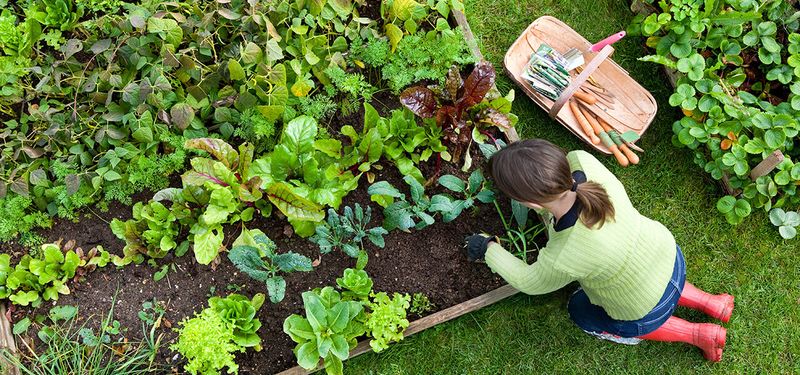
Before you mark August 1 on the calendar, figure out which part of North Carolina you are actually gardening in.
The Piedmont is a reasonable place to use early August as a fall-broccoli transplant target for crops with roughly 60 to 80 days to maturity.
That is what NC State Extension’s home-garden guidance suggests for the region, and it lines up with the logic of giving a 70-to-80-day crop enough time to mature before hard frost.
Eastern North Carolina gardeners have a broader window.
NC State’s broccoli production publication lists August 1 through September 15 as a commercial fall-planting range for that region.
That range reflects the milder fall temperatures along the Coastal Plain, where first frost arrives later.
Coastal Plain home gardeners may find they have a little more flexibility than their Piedmont neighbors, though local conditions and cultivar choice still matter.
Mountain gardeners face a different situation entirely.
NC State’s commercial broccoli guidance does not broadly recommend fall broccoli planting in western North Carolina, and for good reason.
Elevation pushes first frost dates earlier, sometimes dramatically so, and a single August 1 transplant date can easily put a 70-day crop in the ground too late for a reliable harvest at higher elevations.
The same NC State guidance notes that dates in western areas may run 10 to 20 days earlier than Piedmont targets, depending on location and elevation.
If you garden in the mountains, lean on your local frost dates, regional planting calendars from NC State, and your county Extension office rather than any single statewide date.
A protected, lower-elevation mountain site may offer more flexibility, but that is a local call, not a promise.
The practical takeaway: treat early August as a useful regional anchor for the Piedmont and eastern areas, adjust from there based on your frost dates and cultivar, and do not let a headline date override what your own location actually demands.
Know Whether You Are Planting Seeds Or Transplants
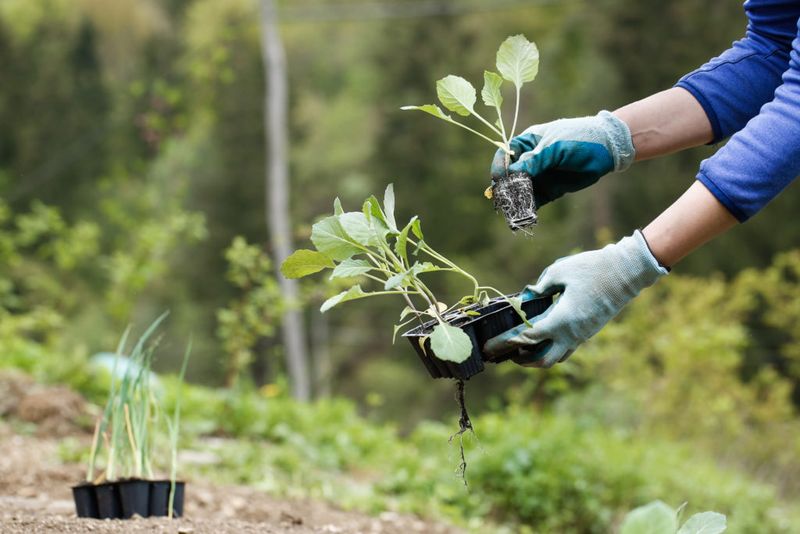
“Start broccoli in early August” can mean very different things depending on your method, and mixing them up can put you weeks behind before you realize it.
The three paths are nursery transplants you buy ready to go, transplants you grew yourself from seed in a protected space, and direct-seeded broccoli sown straight into the garden bed.
Nursery transplants are the most forgiving option for an early-August target.
You pick up stocky, already-established plants and put them in the ground, skipping the seed-to-seedling phase entirely.
If you are growing your own transplants from seed, the timeline works differently.
NC State’s broccoli production guidance says transplants are generally ready for field planting about 4 to 5 weeks after seeding.
That means if you want to set out homegrown transplants in early August, your seeds should go into trays or pots in late June or early July, not August.
Direct seeding into the garden bed is also possible during the fall window, but it adds time and uncertainty.
A seed-started plant in the field needs to germinate, establish, and grow to transplant size before it can even begin the countdown to harvest.
Check your seed packet or plant tag carefully, because some varieties list days to maturity from transplanting while others count from seed.
NC State’s central planting calendar lists broccoli transplants at 70 to 80 days to harvest, which is a useful benchmark but still varies by cultivar and conditions.
Knowing your method before August arrives keeps you from losing weeks you cannot afford to lose.
Give Stocky Plants Room And Steady Water
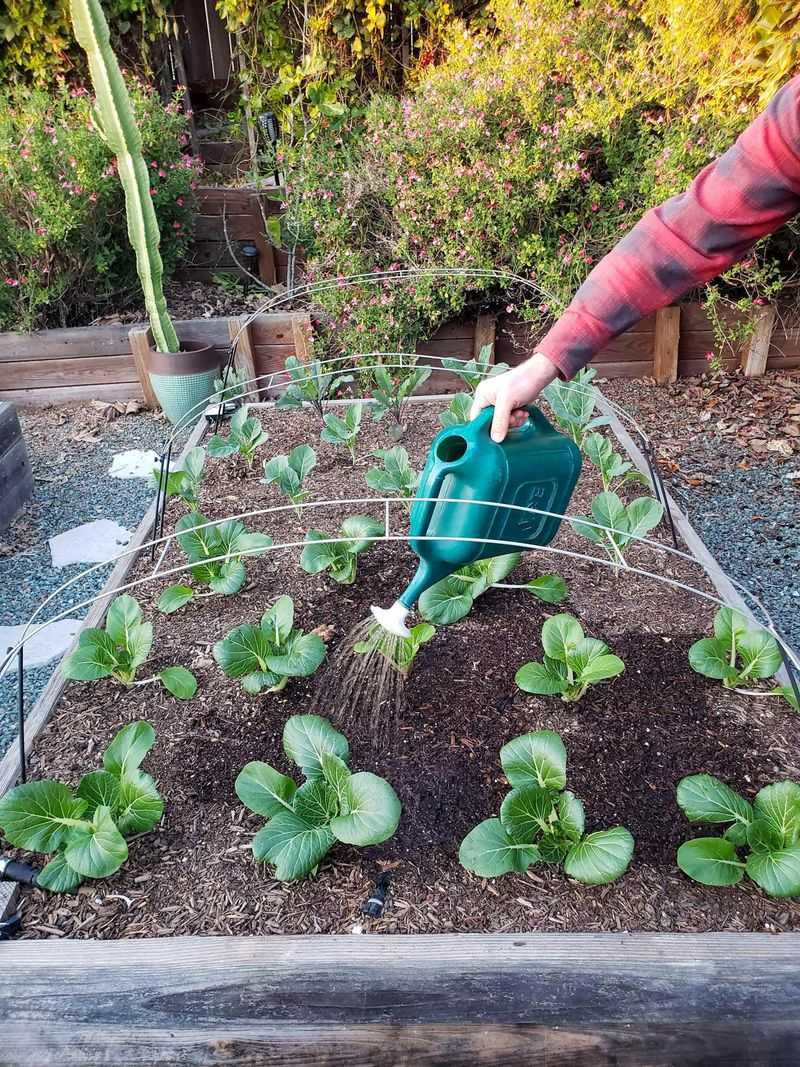
Choosing the right transplant matters as much as choosing the right date.
Look for stocky, compact plants with a good root system rather than the tallest or most leafy option on the shelf.
Lanky transplants that have been sitting too long in small cells often struggle more during the transition to garden soil.
NC State Extension home-garden guidance recommends hardening off transplants before planting and setting them out in the evening or on a cloudy day when practical.
That simple habit cuts down on wilting and gives roots a gentler start.
Spacing is one of those details that actually changes what you harvest.
NC State home-garden production guidance recommends 18 inches between full-sized broccoli transplants.
Crowding plants together to save space can reduce head size and cut down on airflow between plants, which matters in North Carolina’s humid late summer.
NC State’s small-space garden guidance lists 15 to 18 inches as its range, so if you are working in a tight bed, 15 inches is the floor, not a target to go below.
Water is where many late-summer plantings quietly fall apart.
August heat pulls moisture out of soil fast, and a newly transplanted broccoli seedling with a small root ball has almost no buffer.
NC State’s production guidance gives a broad requirement of 1 to 1.5 inches of water per week, adjusted for rainfall, soil type, and local conditions.
Drip irrigation delivers water where roots need it without wetting the foliage, which helps keep disease pressure lower.
Frequent overhead watering, especially late in the day, can increase the risk of fungal problems on leaves and developing heads.
A 2-to-3-inch layer of mulch around plants slows soil moisture loss and moderates soil temperature during those first hot weeks after transplanting.
Use A Soil Test Instead Of A Heavy Nitrogen Dose
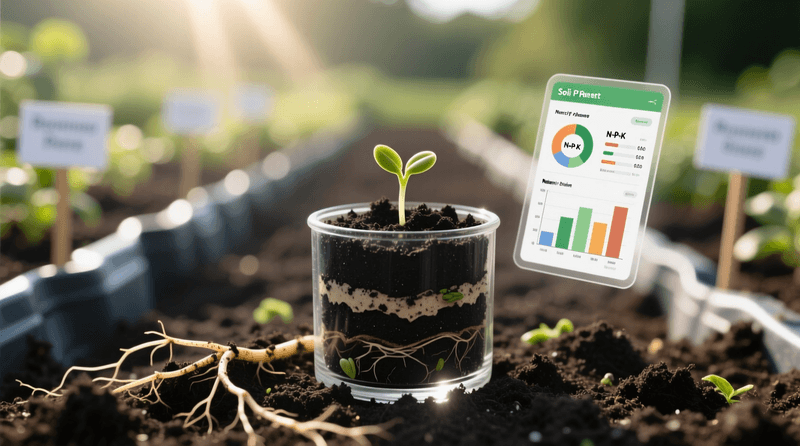
The idea that dumping extra nitrogen on broccoli will force bigger heads is understandable, but it does not hold up in practice.
Excess fertilizer can push rapid, weak leafy growth without improving head quality, and it can create other problems in the soil over time.
A soil test is the more reliable starting point.
NC State’s broccoli production guidance identifies a preferred soil pH of 6.0 to 6.5 for the crop.
Outside that range, even well-applied fertilizer is less effective because nutrient availability shifts with pH.
NC State’s general production guidance mentions nitrogen applications at roughly three and six weeks after planting as broad timing benchmarks, but those figures come from commercial production contexts.
Home gardeners should follow the fertilizer recommendation from their actual soil test results and the product label rather than translating commercial rates directly into backyard amounts.
NC State Extension’s home-garden handbook reinforces the soil-test approach for fall vegetables broadly.
North Carolina’s Cooperative Extension offices offer affordable soil testing, and the resulting report tells you specifically what your garden needs rather than what a generic prescription assumes.
Utah State Extension’s brassica planting guidance similarly cautions against over-relying on nitrogen as a head-size fix.
Balanced fertility supports healthy growth, but it cannot compensate for heat stress, drought, poor timing, pest damage, or disease pressure.
Think of a soil test as the foundation; everything else you do in the garden builds on it.
Timing Does Not Replace Variety And Scouting
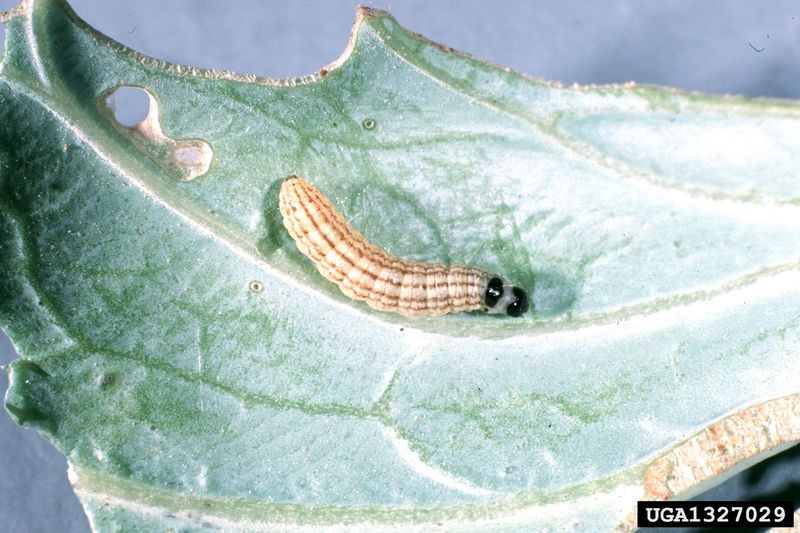
Getting your transplants in the ground on the right date is genuinely helpful, but it does not protect you from everything that can go wrong between August and harvest.
A well-timed crop can still produce a poor crown if the wrong combination of heat, moisture stress, disease, and pests hits at the wrong moment.
Cultivar choice is the first place to build in some insurance.
NC State’s broccoli cultivar guidance notes that North Carolina’s short planting windows, rapid temperature swings, and high disease pressure during humid periods shape which varieties perform reliably here.
Choosing a variety that has been evaluated for North Carolina conditions gives you a meaningful head start over picking whatever is on the shelf.
Pests are a real antagonist in any fall brassica planting.
NC State’s guide to pests of crucifers identifies cabbageworms, diamondback moth larvae, flea beetles, harlequin bugs, and cabbage maggots as common problems on broccoli in North Carolina.
Regular scouting, meaning actually looking at your plants a few times a week, lets you catch problems before they get ahead of you.
Hand removal works well for caterpillars when populations are small.
Row covers installed at transplanting can exclude some flying insects, but they need to be sealed at the edges and lifted carefully to avoid trapping pests underneath during weeding.
NC State’s broader vegetable pest resource and the NC Extension insect control guide both support scouting and targeted treatment over routine preventive spraying.
If a pest problem warrants a treatment, follow the product label, application rate, and preharvest interval exactly.
Crop rotation from one season to the next also helps reduce the soil-borne disease and pest buildup that makes each successive brassica planting harder.
Utah State Extension’s brassica production problems guide notes that uneven moisture during early head formation can cause leafy growth inside heads, rough surfaces, brown buds, or small crowns, problems that no pest spray can fix after the fact.
Harvest Tight Buds And Expect Flexibility
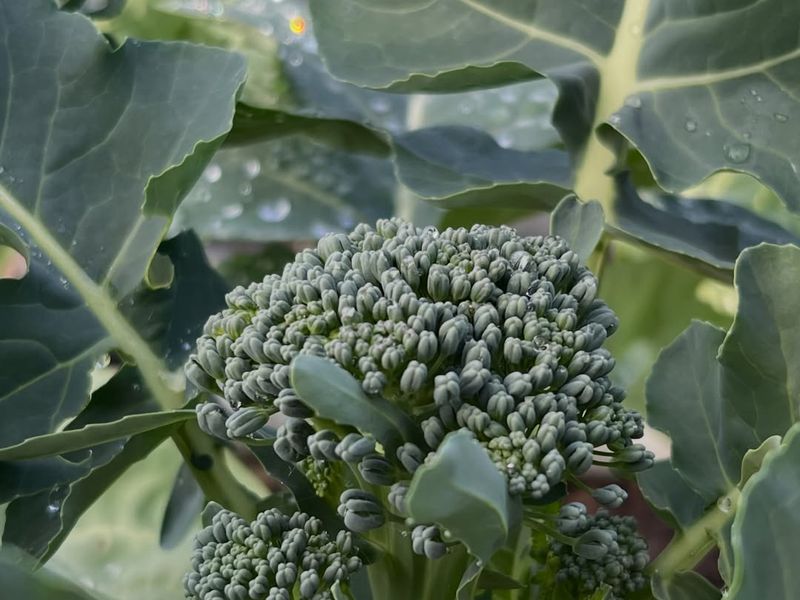
The harvest cue for broccoli is straightforward once you know what to look for.
Cut the central head while the individual flower buds are still tight, compact, and uniformly green.
Once buds start to loosen, yellow, or open into flowers, the head quality drops quickly and the flavor follows.
NC State home-garden production guidance uses about 3 inches wide as a practical example for main-head harvest size, though that is a reference point rather than a universal rule for every cultivar.
Cutting the central head can encourage the plant to push out smaller side shoots from the leaf axils below the cut.
Those side shoots, typically 1 to 2 inches across, may extend your harvest over several additional weeks.
Whether you get a generous flush of side shoots or just a few depends on the cultivar, the weather after the main harvest, and how much growing season remains.
Treat them as a potential follow-up, not a guaranteed second crop.
NC State’s broccoli production guidance notes that properly acclimated broccoli can tolerate brief periods near 20 degrees Fahrenheit, which is reassuring for fall gardeners who worry about a light frost ending the season early.
Growth does slow noticeably below 41 degrees, though, so do not expect rapid side-shoot development once nights turn consistently cold.
For much of the Piedmont and eastern North Carolina, a harvest window broadly from mid-October through November is plausible when conditions cooperate, but local weather, cultivar maturity, and planting date all shift that range.
Acting according to your region and your actual conditions will serve you better than treating any single date as a statewide promise.
A fall broccoli head you grew yourself, harvested on a cool November morning, is a genuinely satisfying thing.