
11 North Carolina Perennials That Multiply Themselves Every Time You Divide And Replant
Follow us on Google
You step out onto the porch on a cool October morning, coffee in hand, and notice one flower clump has swallowed half the bed. That is not a problem in North Carolina.
That is free plants waiting to happen. Some perennials grow so eagerly that every time you split them, you walk away with three or four new starts for empty corners of the yard.
Here are 11 that reward a shovel and a little nerve.
1. Dwarf Crested Iris
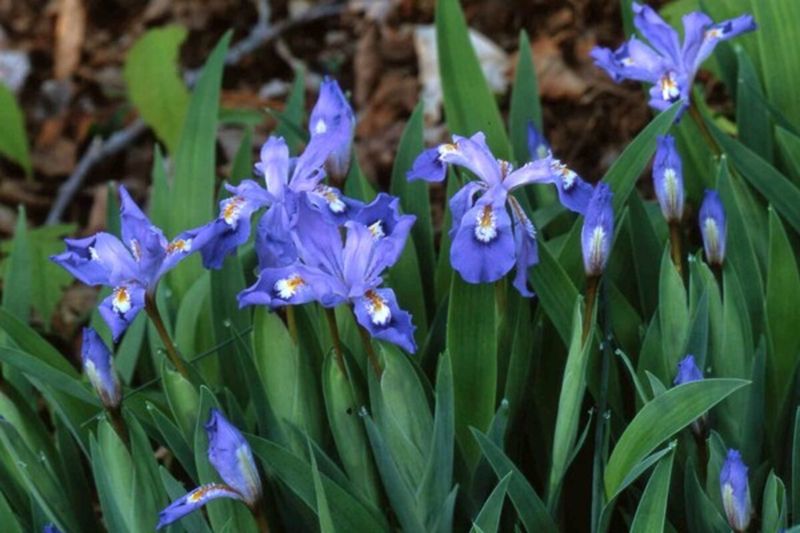
Tucked into the dappled shade of a Piedmont woodland, a low mat of little blue flowers can catch you off guard in early spring. Dwarf Crested Iris (Iris cristata) is a North Carolina native that stays just 4 to 9 inches tall and knits itself into a soft groundcover.
Here is the part that surprises folks. It spreads by shallow underground stems called rhizomes that sit almost on top of the soil.
Late summer or early fall, gently dig a clump and you will find the pieces practically falling apart in your hands.
Break them into sections, each with roots and a fan of leaves, and replant 6 to 12 inches apart. It wants rich, moist, well-drained ground but it genuinely tolerates dry shade, a spot most plants sulk in.
One clump becomes a carpet in a couple of seasons. That is a lot of blue for one afternoon of work.
2. Bearded Iris
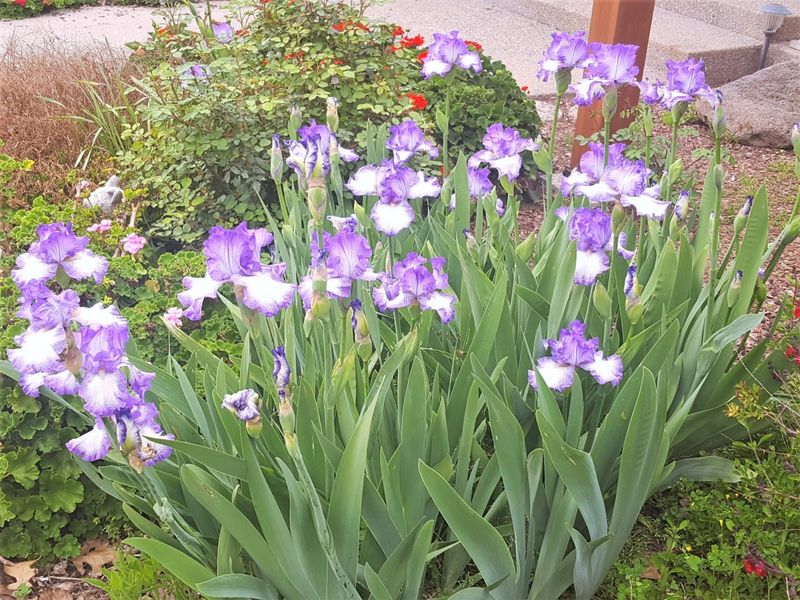
Ruffled, dramatic, and impossible to ignore, bearded irises show off from April through June in nearly every color you can name. Bearded Iris (Iris germanica) ranges from 8-inch miniatures to giants topping 40 inches.
They grow from thick, fleshy rhizomes that crawl sideways across the soil. That habit is exactly why they multiply so well.
Every few years the middle of the clump stops blooming, which is the plant asking you to divide it.
Do the job in mid to late summer, right after the show ends. Dig the clump, snap the rhizomes apart, and keep each piece with one healthy leaf fan and roots.
Replant in full sun with the rhizome tops barely covered or even exposed. In our humid Piedmont soil, burying them deep or piling on mulch invites rot.
Leave them to sunbathe and they will thank you with more blooms and more plants.
3. Bee Balm
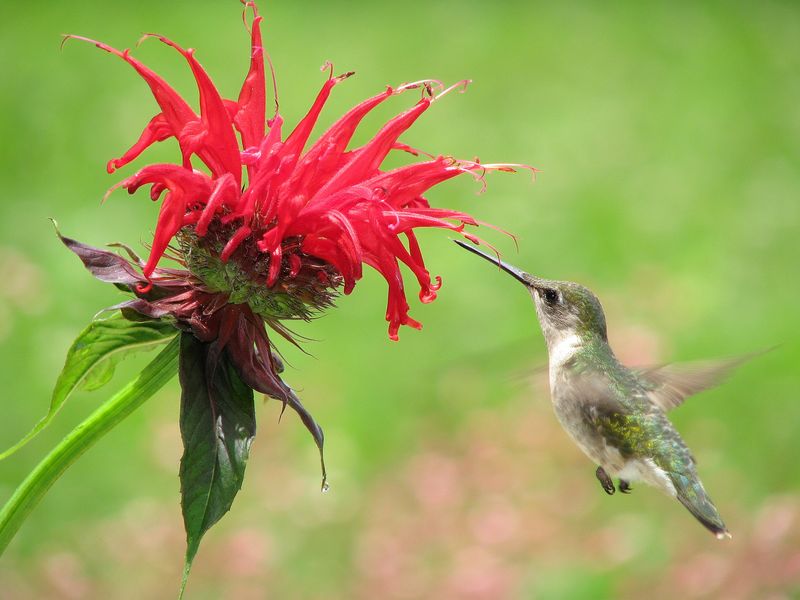
Late June, a ruby-throated hummingbird hovers at a shaggy red flower and you realize the buzz around the bed never stops. Bee Balm (Monarda didyma, and its native cousin Monarda fistulosa) pulls in hummingbirds, butterflies, and bees like a diner at lunch rush.
A member of the mint family, it grows 3 to 4 feet tall and travels by underground runners, forming cheerful colonies. That travel habit means the center can die out after a couple years, leaving a hollow ring.
Divide every two to three years in fall or early spring. Dig the spreading root mass and simply pull it into chunks, each with roots.
Replant in moist, well-drained soil in sun or part shade. If you garden in the heavier clay common in western North Carolina, work in some soil conditioner first.
You get more pollinator fuel and a healthier plant in one move.
4. Garden Phlox
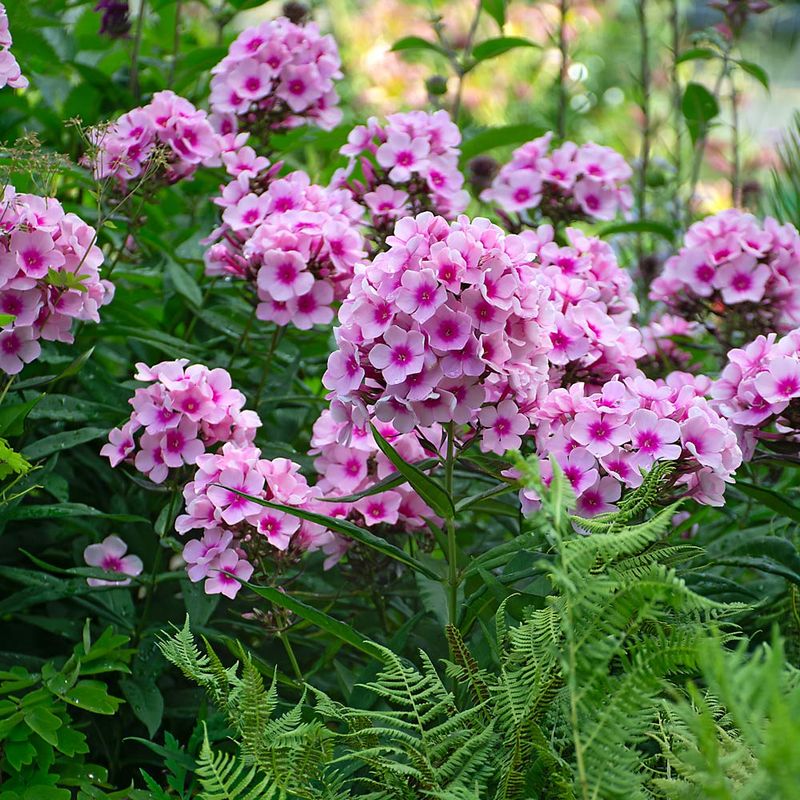
The sweet scent hits you before you see it, drifting across the yard on a warm July evening. Garden Phlox (Phlox paniculata) stands 2 to 4 feet tall with fat clusters of pink, purple, and white blooms from midsummer into fall.
Butterflies love it and so do cottage-garden dreamers. But there is a catch in our climate.
Muggy North Carolina summers can dust the leaves with powdery mildew, a white coating that shows up when air cannot move.
Dividing solves two problems at once. Split the clumps every few years in spring or fall, and give each new division healthy roots and stems.
Replant in moist, fertile soil spaced 18 to 24 inches apart. That spacing lets air flow and keeps the mildew at bay.
More plants, more fragrance, fewer white leaves.
5. Black-eyed Susan
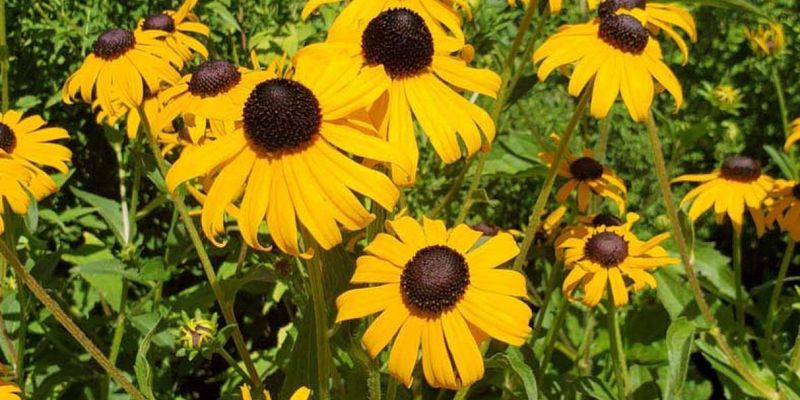
By late August the whole back fence line can glow gold, and you did not plant half of it. Black-eyed Susan (Rudbeckia hirta and R. fulgida) is generous to a fault, self-seeding and creeping by rhizomes into drifts of sunshine.
Plants run 1 to 4 feet tall with dark, domed centers ringed in yellow or orange. This native shrugs off Piedmont heat, taking full sun with a little afternoon shade if summer turns brutal.
It grows happily in red clay or sandy loam as long as drainage is decent. When clumps crowd, divide every three to four years in spring or fall.
Dig the whole plant, split it, and drop divisions wherever you want more color. Bees and butterflies work the blooms all season, and come fall the goldfinches cling to the seed heads and feast.
Leave a few standing for them.
6. Tickseed
Some plants pout in poor soil. Tickseed does the opposite.
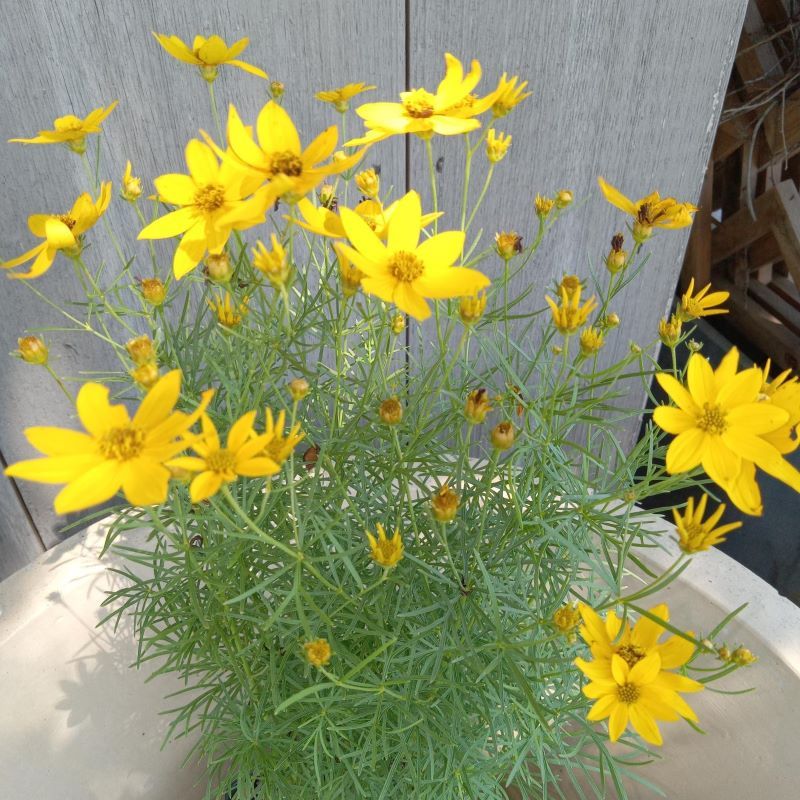
Threadleaf Tickseed (Coreopsis verticillata) and its bigger-flowered cousin Coreopsis grandiflora throw up clouds of small yellow daisies over fine, feathery leaves, 2 to 3 feet tall.
They spread reliably by rhizomes and handle drought, heat, and North Carolina humidity once they settle in. Blooms roll from late spring clear through late summer.
Here is where it gets tricky in a good way. Rich soil makes them floppy.
They actually want lean, well-drained ground, even sandy or rocky spots that stump other plants.
Divide every two to three years to keep them tight and blooming. Dig the clump and pull the sections apart for replanting.
It is about the lowest-effort way to fill a hot, dry strip with color that lasts.
7. Blazing Star
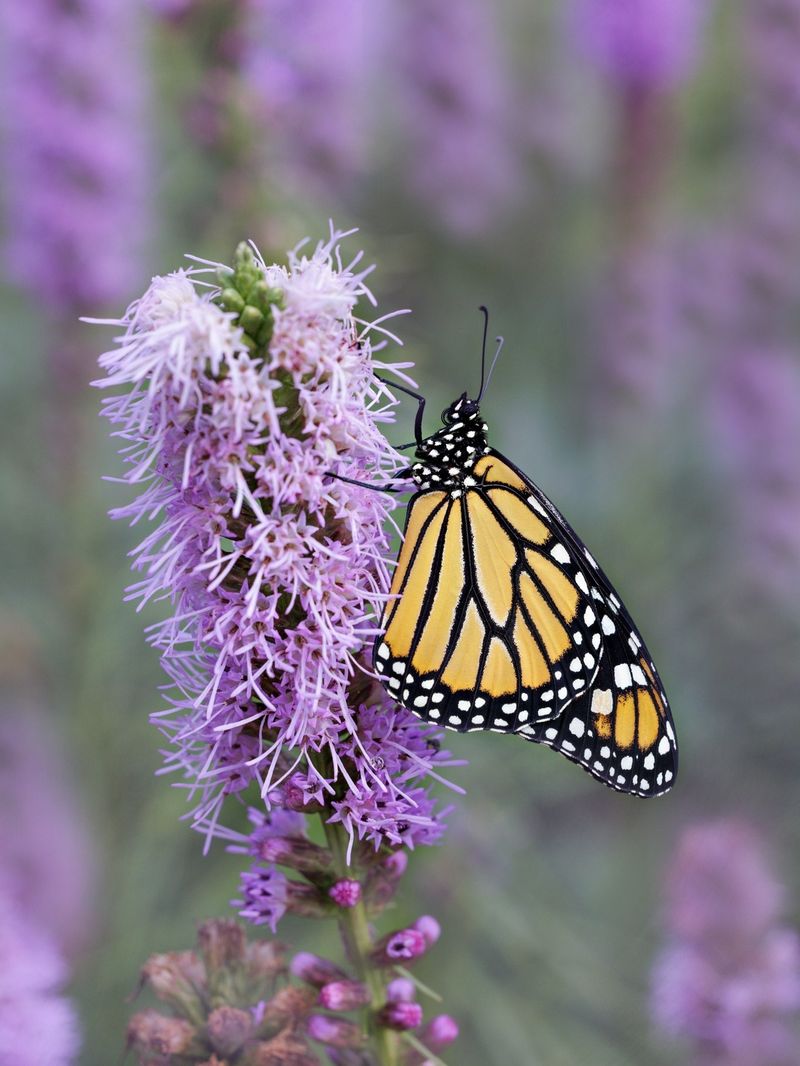
Picture a purple bottle brush pointed at the sky, covered in butterflies, and you have blazing star. Blazing Star (Liatris spicata) is a North Carolina native that sends spiky flowers 3 to 6 feet high from grassy foliage in summer.
The blooms open top-down, which is backward from most flowers and part of its charm. Monarchs, bees, and hummingbirds treat it like a rest stop, especially handy as fall migration builds.
You will find it wild in moist meadows across the Coastal Plain and Piedmont. It grows from underground corms and can self-seed, but dividing the root structures in spring or fall multiplies it faster.
Give it full sun to part shade and average to moist soil that drains. What it will not forgive is sitting wet through winter, so pick a spot that sheds water.
Space new starts about 12 inches apart and let them spike up.
8. Daylily
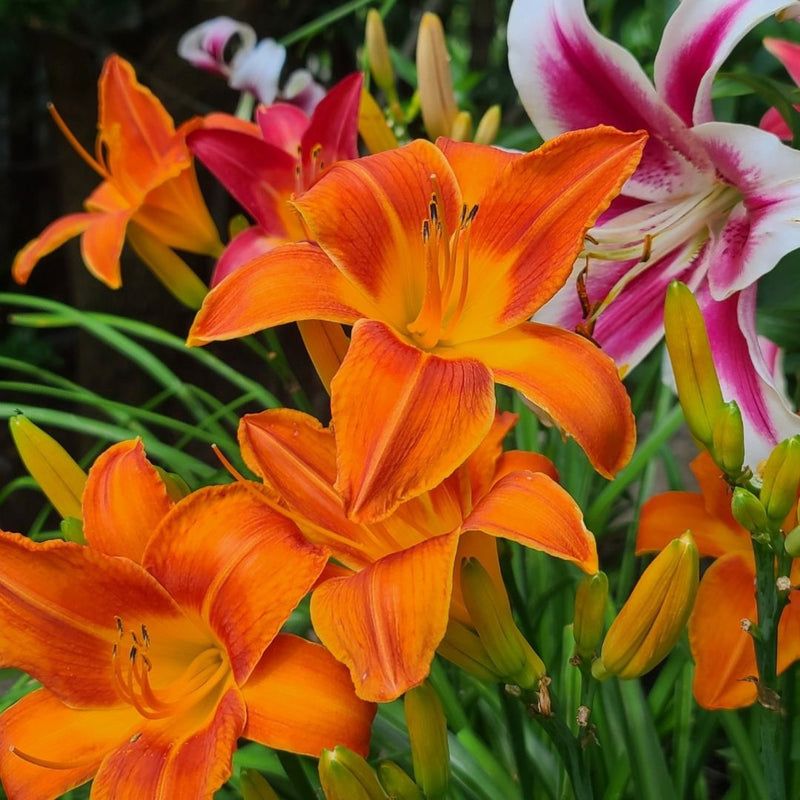
Ask any North Carolina gardener for a plant that survives neglect and multiplies anyway, and daylilies come up first. Daylily (Hemerocallis spp.) runs 1 to 4 feet tall depending on the type, in every color but true blue.
Each bloom lasts a single day, yet a healthy plant pumps out so many buds you get weeks of flowers. They genuinely love our climate, wanting at least 6 hours of sun and well-drained soil with some organic matter.
Those thick, fleshy roots grip slopes and fight erosion, which makes them a smart pick for that awkward bank by the driveway. Divide every 4 to 5 years to keep them vigorous.
Late summer or early fall after blooming works best, or early spring. Dig the clump, split it into fans, and make sure each piece keeps roots and foliage.
One overgrown clump can hand you a dozen new plants.
9. Hosta
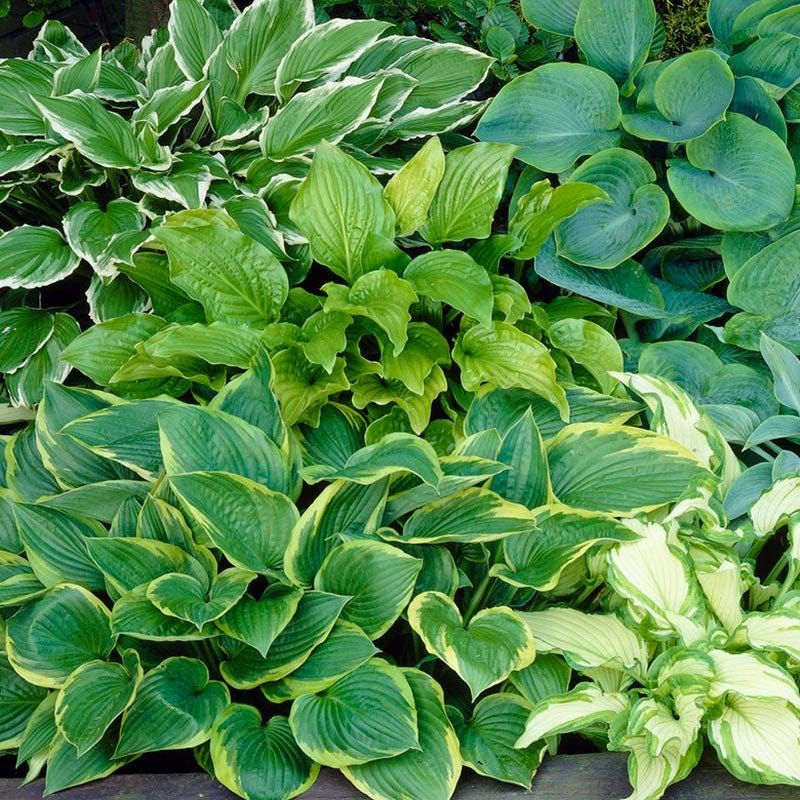
That shady strip along the north side of the house where nothing seems happy is exactly where hostas take over. Hosta (Hosta spp.) earns its keep on foliage, not flowers, with leaves ranging from tiny dwarfs to platter-sized giants in green, gold, and blue.
Clumps expand steadily by rhizomes, quietly filling space year after year. In North Carolina they do best in morning sun and dappled shade, since our fierce afternoon sun scorches the leaves, blue types especially.
Give them moist, slightly acidic soil with organic matter and good drainage. Soggy winter ground rots the crown, so avoid low wet pockets.
Divide every 3 to 5 years in early spring as the new leaves, called eyes, push up. Slice sections off a big clump with a sharp shovel or lift the whole thing and pull it apart.
Replant at the same depth, crown about 1 inch below the soil line.
10. Shasta Daisy
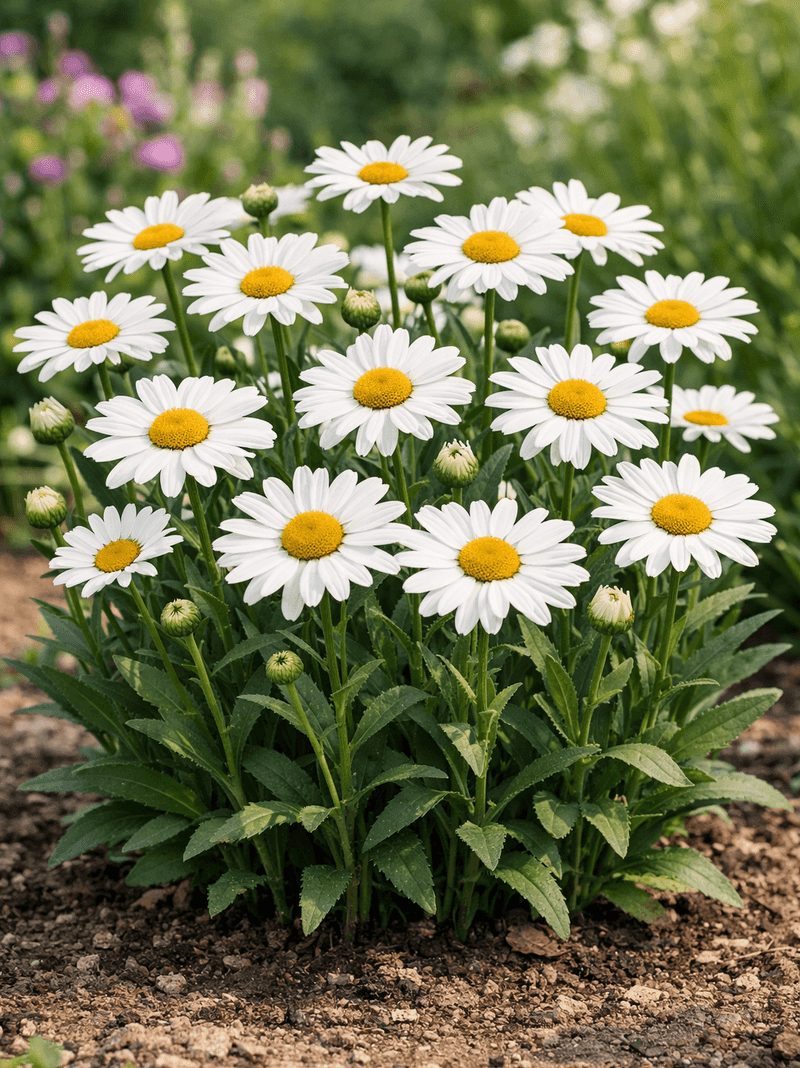
Nothing says plain, honest summer like a white daisy with a yellow eye. Shasta Daisy (Leucanthemum x superbum) grows 2 to 4 feet tall and 1 to 3 feet wide in tidy upright clumps that bloom from early to late summer.
Bees and butterflies drop in all season, and the flowers cut beautifully for a jar on the kitchen table. They want full sun to part shade and average to dry soil rich in organic matter.
Wet feet in winter is their weakness, so drainage matters more than fussing. To keep the flowers coming and grow your stash, divide every two to three years in spring or fall.
Dig the mature plant, split it into smaller clumps, and be sure each keeps roots and some leaves before replanting. It is a cheerful, forgiving perennial that pays you back for the shovel work.
11. Autumn Joy Sedum
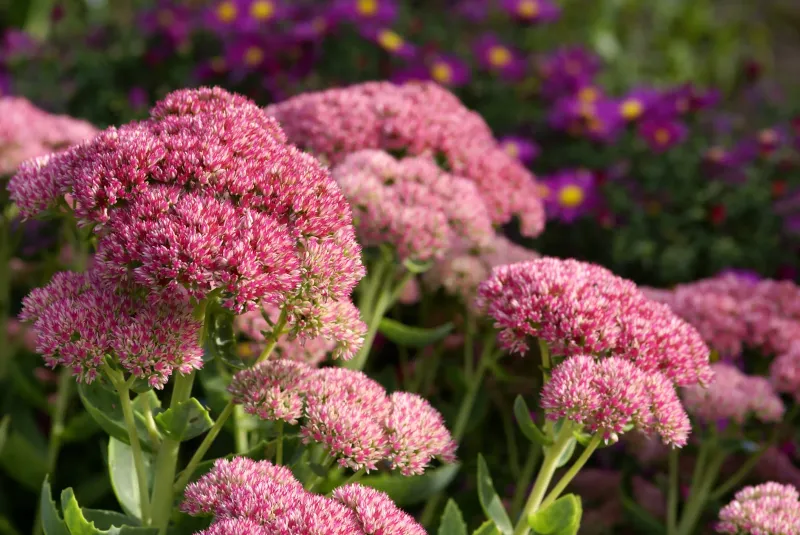
When the rest of the garden is winding down in September, one sturdy plant is just getting started. Autumn Joy Sedum (Hylotelephium spectabile ‘Autumn Joy’) stands 1.5 to 2.5 feet tall and wide with thick, succulent leaves.
Rose-pink flower clusters open in August and slowly deepen to coppery red through October. Butterflies, bees, and hummingbirds crowd the blooms for a late-season meal, which matters as fall pollinators fuel up.
It genuinely thrives in full sun to light shade and wants well-drained, even gravelly soil on the lean side. Too much rich ground makes the stems flop open in the middle.
Drought and salt tolerant, it works from the coast to the mountains. Divide every three to four years in spring, or take it even easier and root stem cuttings by sticking them straight in the ground.
It is honestly hard to fail with this one.