
Tired Of Hydrangeas That Wilt By Noon? These 8 Florida Perennials Bloom Right Through The Summer Heat
Follow us on Google
You step onto the patio after breakfast, and the air already feels heavy with the promise of another scorching Florida day.
Your hydrangeas, so full of life last week, already droop before the coffee goes cold.
It is a frustrating dance, watching delicate blooms wilt by noon no matter how much you water them.
But you do not have to keep losing that fight.
Florida’s long humid summers, intense sun, and sudden downpours simply demand tougher plants.
So here are eight perennials that stay perky and bright when the heat refuses to quit, turning your sun-drenched yard into a nonstop show.
1. Firebush Brings Bold, Hummingbird-Friendly Hues
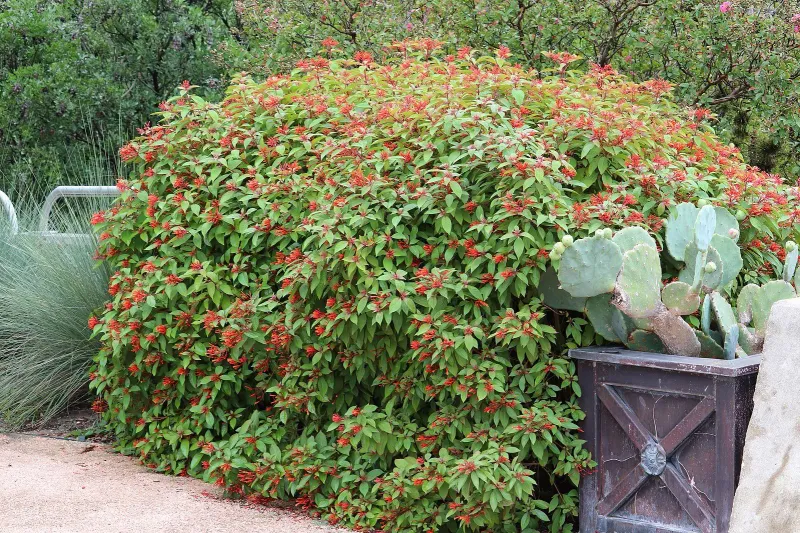
You have probably spotted this fiery beauty lining a roadside or brightening a neighbor’s yard, radiating color when everything else has given up.
Many Central Florida gardeners know Firebush, Hamelia patens, as a true workhorse that returns year after year.
Here is where it gets interesting.
Firebush actually loves the heat.
It is native to Florida and built for our intense sun and humidity.
Those orange-red tubular flowers are a beacon for hummingbirds and butterflies, pouring out nectar from late spring until the first frost.
The plant genuinely peaks when summer does.
The common mistake is pruning too hard.
Firebush blooms on new growth, but constant heavy trimming can actually reduce its flower power.
Aim for light shaping through the season.
In North Florida, where a hard freeze near 28 degrees can knock it back to the ground, cut it down in late winter and let it resprout from the roots.
Give it full sun for the heaviest bloom, and space plants 24 to 36 inches apart for a dense hedge.
Once established, it shrugs off drought and handles most well-drained sandy or limestone soils.
You will genuinely miss the hummingbird traffic when the season ends.
2. Blanket Flower Paints The Landscape With Sunset Tones
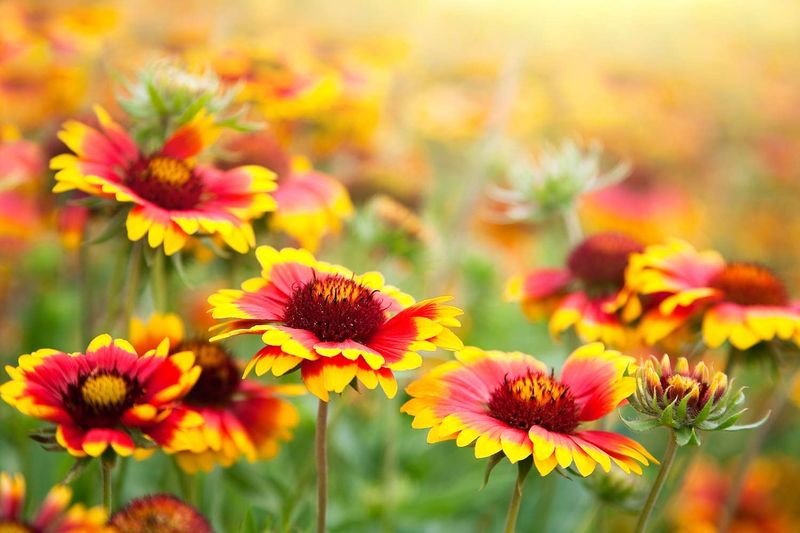
Picture a patch covered in cheerful daisy-like blooms that look like a permanent sunset.
That is the everyday magic of Blanket Flower, Gaillardia pulchella, a favorite along both Florida coasts.
You might expect such delicate-looking petals to buckle under the sun.
They do the opposite.
Some people write it off as short-lived, and that is the twist.
Blanket Flower is a prolific self-seeder, scattering fresh plants season after season.
It has naturalized beautifully across the state and loves heat, humidity, and even salty coastal air, which makes it a natural for Atlantic Coast gardens.
Plant it in full sun, at least six hours of direct light a day.
It prefers well-drained sandy or loamy soil and actually performs better in poor ground than rich beds, so skip the fertilizer.
Water new plants until roots take hold, then only when the top two inches of soil feel dry.
Leave some spent blooms to go to seed and it will replant itself.
Your reward is red, orange, and yellow color rolling from spring straight through fall, no fuss required.
3. Pentas Deliver Continuous Starbursts Of Color
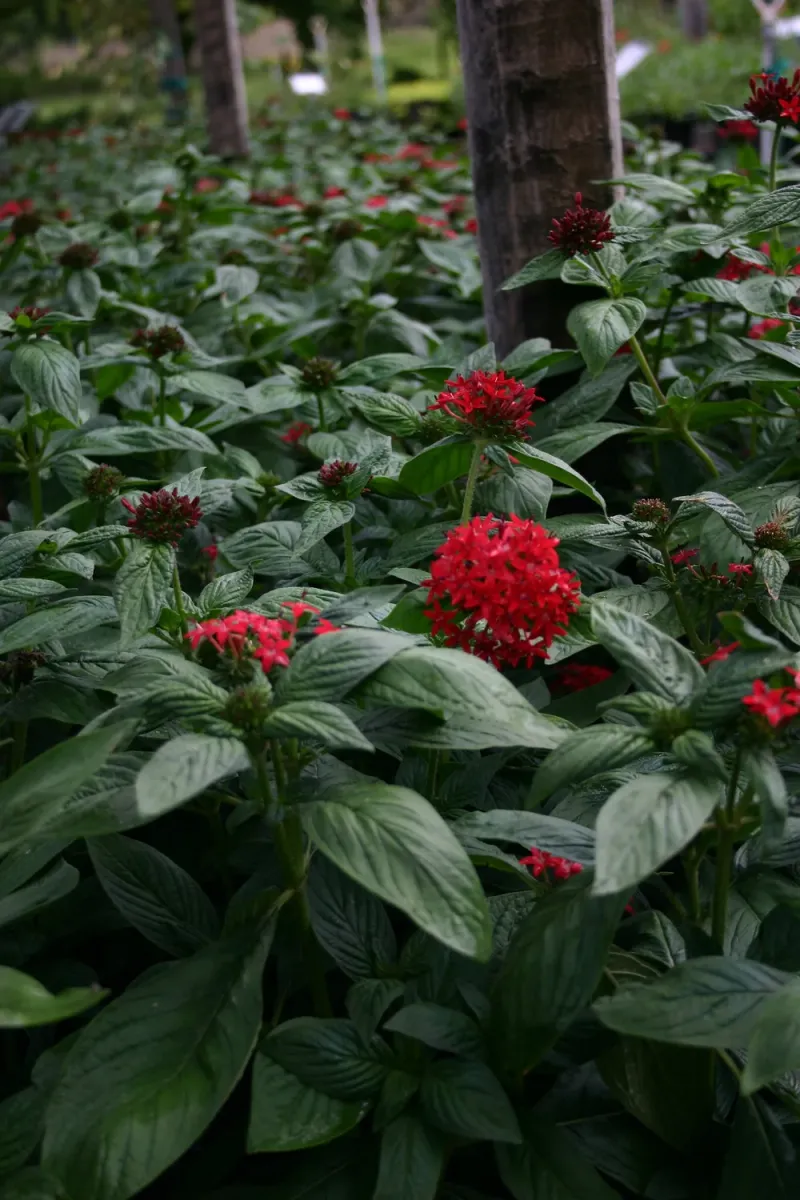
Want a plant that brings butterflies right to your doorstep and keeps the show going?
Many gardeners reach for Pentas, Pentas lanceolata, but worry those little stars are too dainty for a relentless Florida summer.
They are tougher than they look.
Pentas are genuine pollinator magnets, pulling in swarms of butterflies and hummingbirds with clusters of red, pink, white, lavender, and purple blooms.
In Central and South Florida they bloom almost nonstop from spring through fall, and often year-round in the warmest zones.
They stand tall at high noon when other flowers fold.
Give them full sun, though they tolerate a little afternoon shade.
They like well-drained, fertile soil.
Once established they handle some drought, but steady moisture keeps the blooms coming, so water deeply when the surface dries out.
Space plants 18 to 24 inches apart in beds, closer in pots for a fuller look.
In North Florida a hard freeze may cut them back, but they often push new growth from the roots in spring.
Set a chair nearby and watch the traffic.
It is genuinely better than television.
4. Mystic Spires Blue Salvia Defies Heat With Azure Spikes
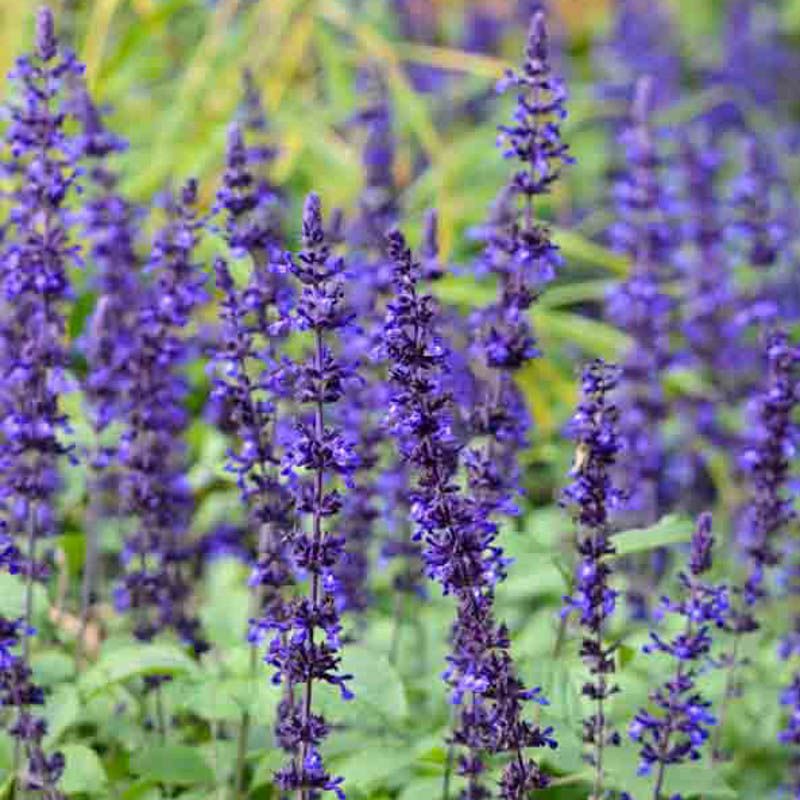
You love those elegant blue spikes of salvia, but you assume the color will scorch and fade under Florida’s glare.
Fair worry.
Most delicate flowers do not last through our humid heat.
Mystic Spires Blue salvia, Salvia longispicata x farinacea ‘Mystic Spires Blue’, breaks the pattern.
This compact cultivar pushes blue-violet blooms from late spring right up to the first frost, and nearly year-round across warmer Central Florida.
It laughs at high heat and humidity and stays perky when its neighbors sag.
Hummingbirds, bees, and butterflies flock to the spikes, yet deer usually walk on by.
Pick a spot with full sun, six hours minimum.
It adapts to most soils, but sharp drainage is genuinely the key.
Once rooted in, it prefers to dry out a bit between drinks rather than sit in soggy ground, so do not overwater.
It stays a manageable 18 to 30 inches tall and 18 to 24 inches wide, perfect for borders or containers.
Space plants roughly 14 inches apart for a mass planting that reads like a blue ribbon across the yard.
Dependable blue is harder to find than you would think.
5. Lanceleaf Coreopsis Offers Sunny Yellow Resilience
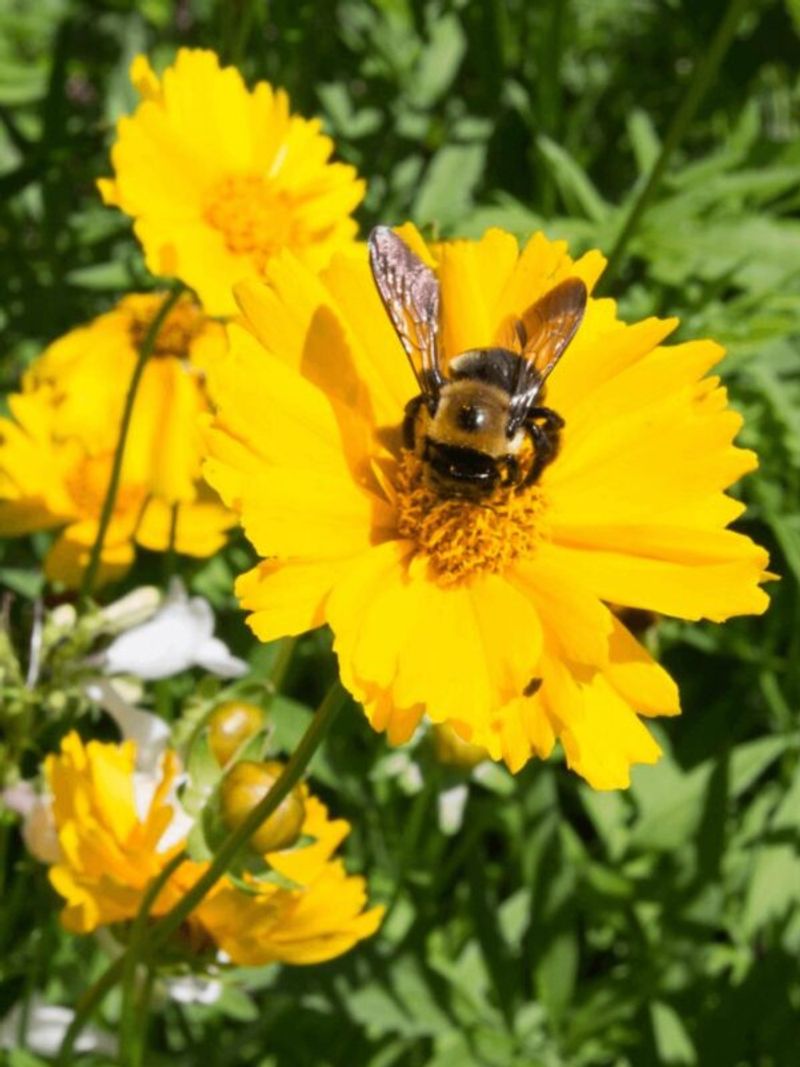
Wildflowers get overlooked for formal beds, dismissed as too messy or too temporary.
Florida’s state wildflower, Lanceleaf Coreopsis, Coreopsis lanceolata, quietly proves that thinking wrong, especially through the summer heat.
It is no fragile field flower.
Coreopsis is a tough, drought-tolerant perennial suited to Florida’s sandy soil and hammering sun.
It shows up most across North Florida, but its adaptability has earned it a place in gardens statewide.
Bright, daisy-like yellow blooms open in late spring and keep going through the warm months, feeding butterflies and other pollinators.
Holding its vigor through a dry spell is genuinely what sets it apart.
Plant it in full sun and well-drained soil.
It is not picky about soil type and actually prefers lean ground over rich beds.
New plants need regular water to root, then mature clumps want very little, so ease off the hose.
The Florida ecotype often stays around 6 to 8 inches tall while garden varieties reach 12 to 24 inches.
Pests and disease rarely bother it.
You get cheerful yellow with almost no effort, which is the kind of deal every Florida yard needs.
6. Tropical Sage Blooms With Energetic Red Flags
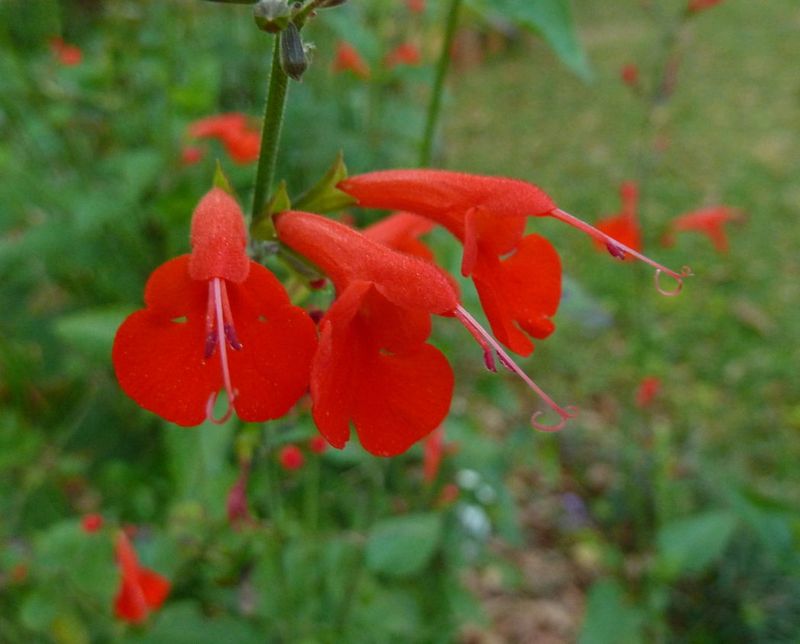
Some plants demand attention, and Tropical Sage, Salvia coccinea, waves its red flags all summer long.
Yet gardeners hesitate, figuring a bloomer this bold must be high maintenance or destined to flop and turn leggy.
The real story is stamina.
This Florida native, also called Scarlet Sage, throws up spikes of bright red, pink, or white tubular flowers that thrill hummingbirds, butterflies, and bees.
Across Central and South Florida it can bloom year-round in mild winters, running from spring through the peak of summer heat and into fall.
It simply outlasts the competition.
Put it in full sun for the fullest flowering, though it takes partial shade in stride.
It handles well-drained sandy to rich soils and a wide range of pH.
Established plants shrug off drought, but they appreciate a drink during long dry stretches, and morning wilt is your cue to water.
It grows 2 to 4 feet tall and looks best kept near 2 to 3 feet with light pruning, which also keeps fresh blooms coming.
Space plants about 24 inches apart.
The hummingbirds will genuinely thank you for it.
7. Firespike Adds Architectural Drama And Long-Lasting Red
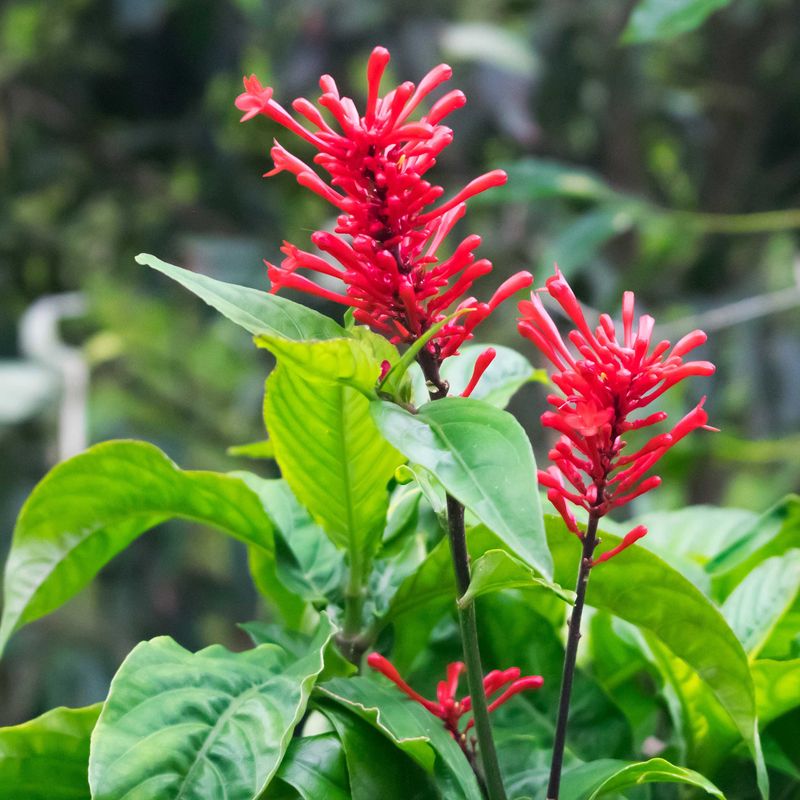
You want a different kind of drama, something with striking form and deep color that still holds up to a Florida summer.
Firespike, Odontonema strictum, catches the eye with its bold upright spikes, but its tropical look makes people wonder if it can take the heat.
Here is the turn.
Firespike grows hard through the summer and often carries flowers during the whole growing season, then puts on its biggest show in late summer, fall, and even winter in warmer zones.
Native to Central America, it has settled comfortably into Florida landscapes, offering red or purple tubular blooms that hummingbirds and butterflies cannot resist.
It is genuinely built for our humid summer.
Choose full sun for the best flowering, though it accepts partial shade and even makes a good choice for a brighter shady corner.
It is easygoing about soil, from sandy to loamy and acidic to alkaline.
Regular water supports lush growth once it is established.
Plants can reach 4 to 6 feet tall, so give them room and space them 24 to 36 inches apart.
Prune a few times through the season if it gets leggy.
Few plants deliver this much vertical presence.
8. Spotted Bee Balm Offers Unconventional Charm And Pollinator Power
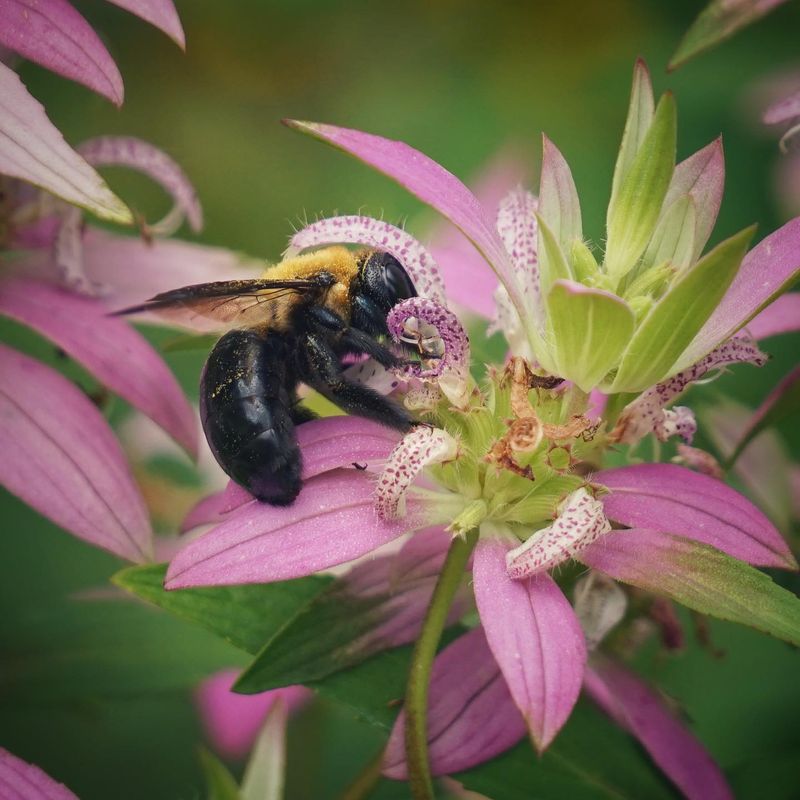
Something about stacked, unusual flowers makes a garden feel truly your own.
Spotted Bee Balm, Monarda punctata, delivers exactly that, with creamy, purple-spotted blooms rising in tiered whorls above soft pinkish bracts.
It is a Florida native, yet plenty of gardeners have never met it.
Its charm runs on two engines, a long bloom and a strange, lovely look.
This short-lived perennial or biennial flowers from late spring through early fall, drawing native bees, honeybees, butterflies, hummingbirds, and even helpful predatory wasps.
Better yet, it prefers dry, sandy conditions, which makes it a natural for the Panhandle and Gulf Coast.
Brush past and the aromatic foliage releases a scent, a quiet bonus most plants do not offer.
Plant it in full sun with well-drained sandy soil, because it genuinely dislikes wet feet.
Once established it handles drought and needs only occasional water during long dry spells, though the first season calls for regular irrigation to build strong roots.
It grows 1 to 3 feet tall with about a foot of spread, forming neat clumps that drift modestly by runners and self-seeding.
Deer and rabbits mostly leave it alone.
Stand back and let the pollinators find it, and they will, all season long.