
These Pennsylvania Natives Smother Weeds On A Slope Without A Drop Of Chemicals
Follow us on Google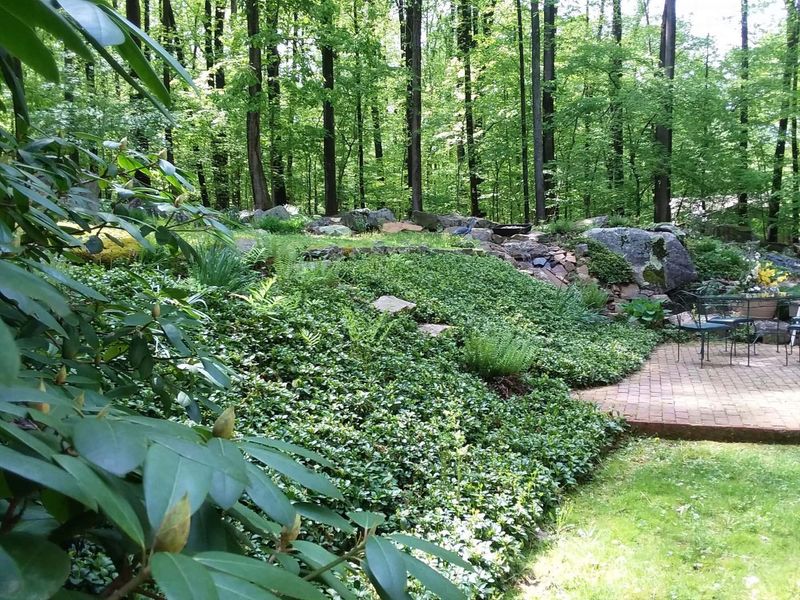
You step onto your Pennsylvania slope on a muggy August afternoon, the sun beating down, and you spot them again.
Those stubborn weeds are muscling out your prized plants and mocking every hour of work you put in.
You’re tired of the battle, and honestly, you do not want to reach for a chemical spray.
Imagine instead a slope that keeps itself neat and green, a living blanket of native plants that smothers weeds without a single drop of herbicide.
That dream is closer than you think, and it works right here in the Laurel Highlands, the Delaware Valley, and even the rocky soils of the northern tier.
1. The Problem With Bare Soil On A Slope
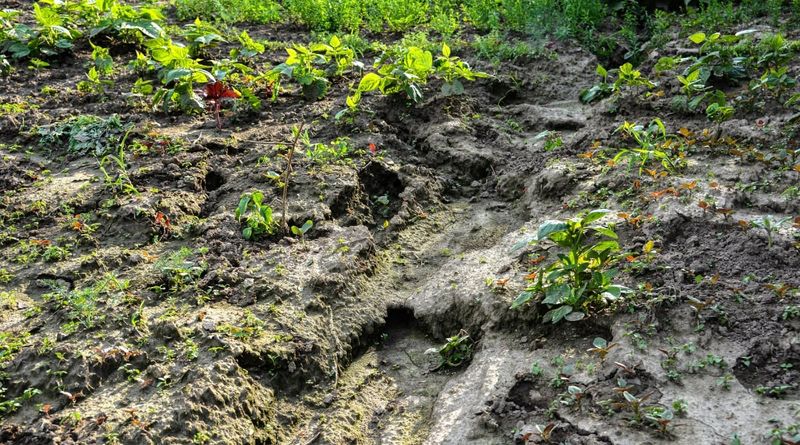
A bare slope is an open invitation for trouble, a fact many western Pennsylvania gardeners understand intimately.
When summer thunderstorms roll through, sending water racing down a hillside, that exposed soil washes away and takes your nutrients with it.
You might reach for landscape fabric or plastic.
But plenty of experienced gardeners come to regret that choice.
Those synthetic layers can actually increase erosion over time, and weeds grow right through them the moment the edges lift.
Here is the turn.
The best defense is not a barrier, it is a living groundcover with roots that knit the soil together like a web.
Pennsylvania’s freeze-and-thaw winters and sudden downpours punish anything that sits still, so you want plants that spread and hold.
Choose species that form a dense canopy above and a tight root mat below.
Plant them close, mulch them well, and let them do the fighting.
The soil stops sliding, the weeds lose their footing, and you get back the weekends you once spent yanking crabgrass.
Your slope becomes a quiet hero instead of a chore.
2. Pennsylvania Sedge Is A Quiet Workhorse
Picture a shady spot under mature oaks or maples on the Allegheny Plateau, where grass sulks and weeds move right in.
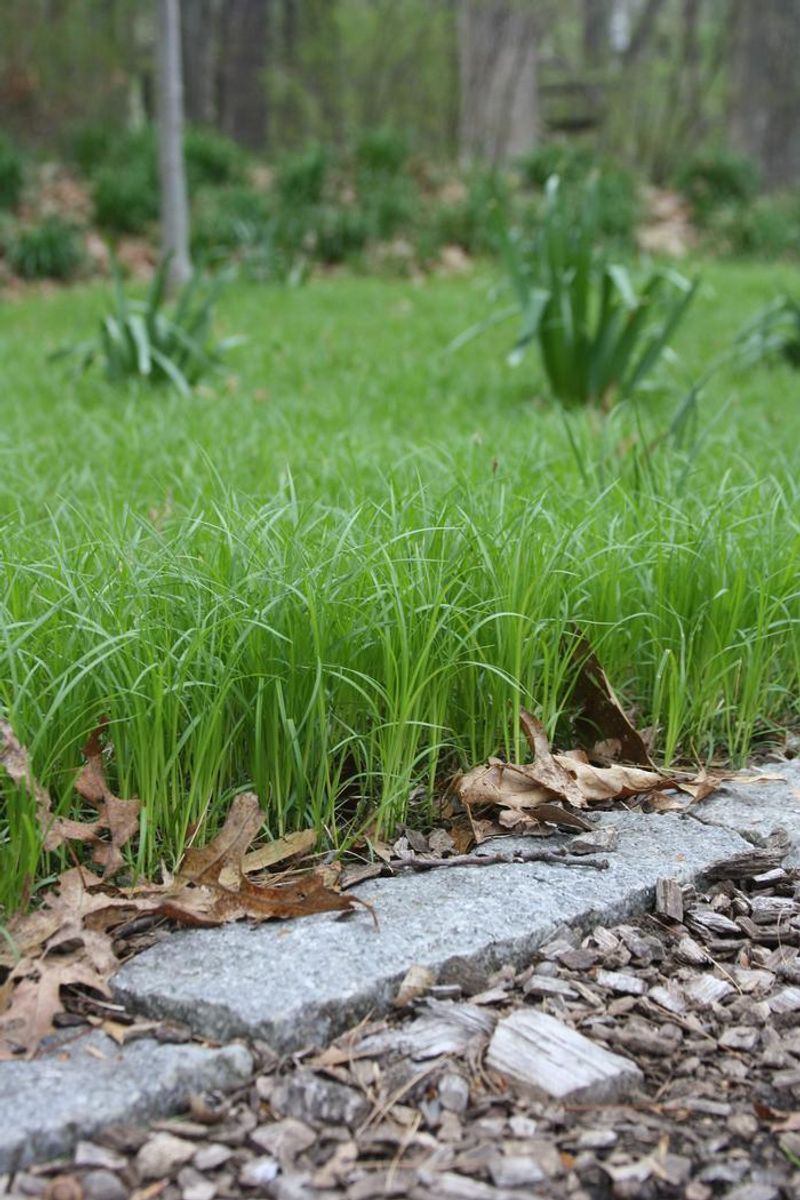
Here is where Pennsylvania sedge (Carex pensylvanica) steps in and turns a headache into a soft green carpet.
This grass-like native grows about six inches tall and spreads steadily by underground stems called rhizomes.
It genuinely prefers dry to medium, well-drained soil, thriving in the part shade to full shade where turf grass simply gives up.
Plant it in spring or early fall so the roots settle before summer heat or deep cold arrives.
Space plugs about 12 inches apart and let them knit together.
Once established, it asks for almost nothing, and deer tend to walk right past it.
You do not even have to mow if you do not want to, a slope of sedge just waves gently and stays low.
When that fine-textured green wave fills in, weeds find no daylight and no room.
You get a lawn alternative that actually behaves itself, and you get your Saturdays back.
3. Wild Ginger Spreads A Leafy Carpet
Rich, moist soil on a shaded slope near a stream, maybe in the central valleys, begs for something broad-leaved and lush.
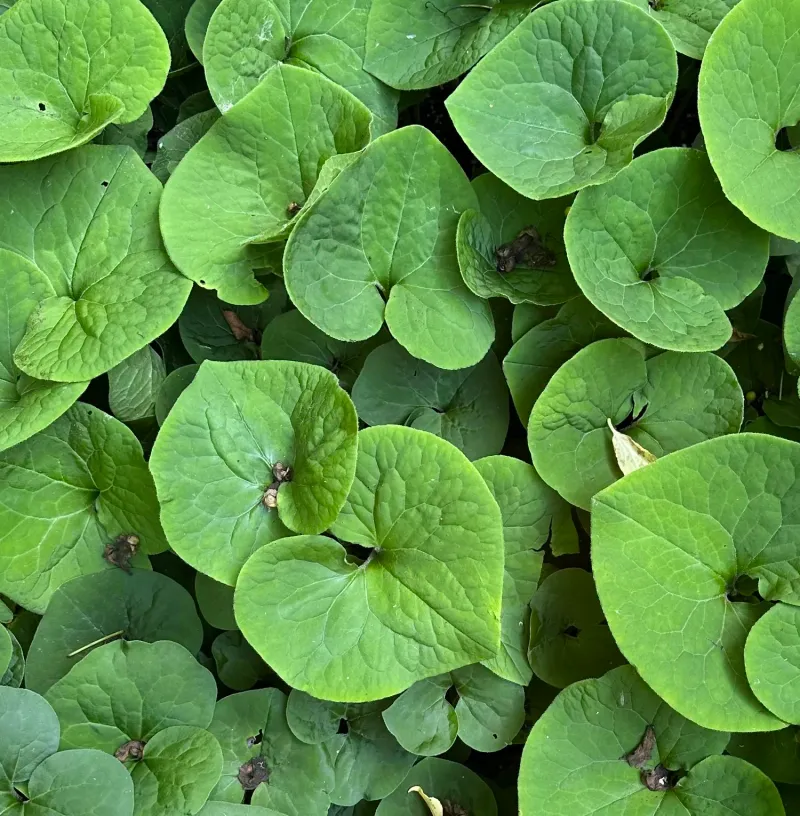
Wild ginger (Asarum canadense) answers with heart-shaped leaves that overlap into a dense, deciduous carpet.
Growing 6 to 12 inches tall, this native prefers part shade to full shade and moist, well-drained ground.
It spreads by rhizomes and works like a living mulch, shading out weed seedlings before they ever get going.
It is a polite colonizer, not a bully, so it fills a bank without swallowing the neighborhood.
One honest limit worth knowing, heavy clay that stays soggy can shorten its life, so loosen and drain those southeastern Pennsylvania clay slopes first.
In early spring, look low and you will find tiny reddish-brown flowers hiding under the leaves, a sweet secret most people never notice.
When the colony finally closes ranks, the bare dirt disappears and so do the weeds.
Your shaded slope reads as intentional and calm, which is exactly the look you were after.
4. Golden Ragwort Brings Brilliant Spring Color
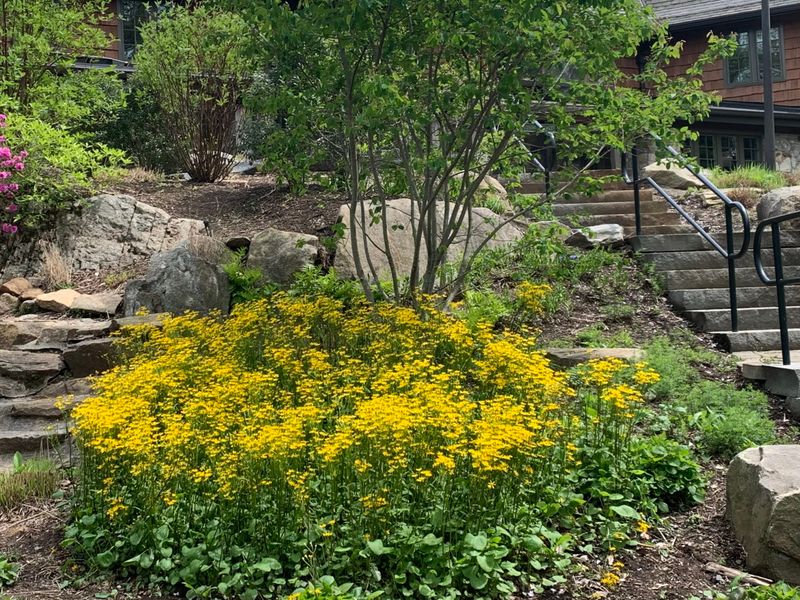
Say your slope in southeastern Pennsylvania catches sun in the morning and shade by afternoon, and you want cheer plus weed control in one plant.
Golden ragwort (Packera aurea) is the adaptable native that genuinely pulls double duty.
It handles full sun to part shade and shrugs off average to wet soils, which makes it a rare fit for those tricky spots.
In mid-spring it throws up cheerful yellow, daisy-like flowers that light up the whole bank.
After the bloom fades, the wide basal leaves stay put as a dense, semi-evergreen mat that crowds weeds out.
It spreads by both seed and runners called stolons, so it colonizes fast and stays ahead of trouble.
Fair warning, in a spot it loves, golden ragwort can spread aggressively, so give it a large bank where that vigor is a gift rather than a problem.
Deer and rabbits usually leave it alone too.
When those golden flowers paint your hillside each April, you will know a plant is out there working the weed shift for free.
5. Moss Phlox Handles The Sunniest Spots
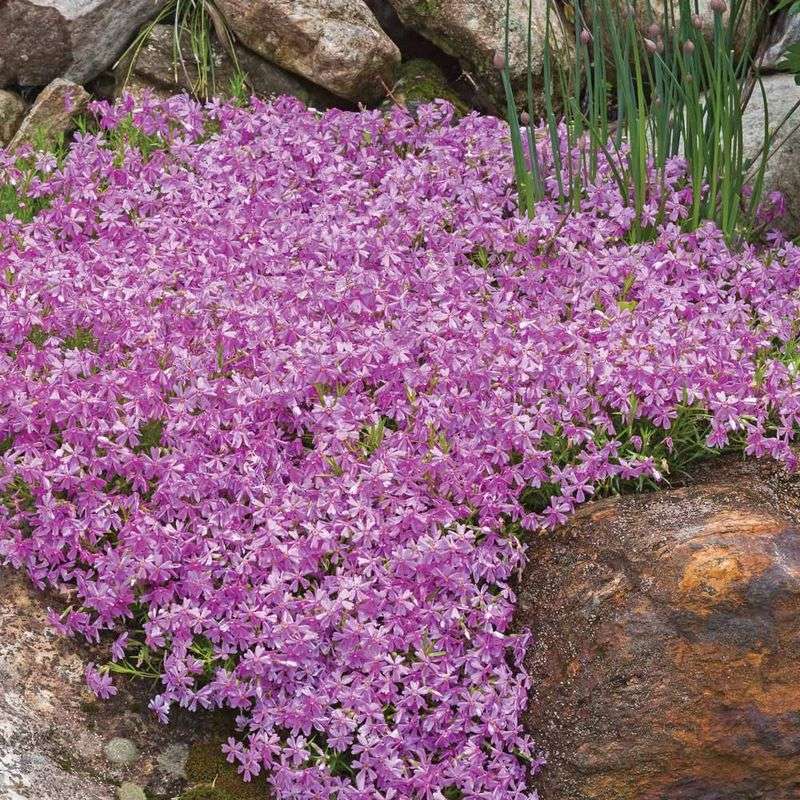
Got a baking, rocky slope with thin, poor soil, the kind common across northern Pennsylvania?
Most groundcovers quit on you there.
Moss phlox (Phlox subulata) does the opposite, it genuinely thrives on neglect and full sun.
This low, evergreen perennial forms a dense mat that can spread up to two feet wide, quickly stitching bare ground shut.
In early spring it explodes into white, pink, purple, or blue flowers so thick you can barely see the leaves.
Once the show ends, the needle-like foliage stays green through summer and fall, holding the line against weeds.
It is remarkably drought and heat tolerant, which matters during Pennsylvania’s humid summers and the dry stretches that sneak in between downpours.
Deer tend to skip it, another quiet win.
If you want a tidy look, you can shear it lightly right after bloom and it bounces back fuller.
When your sunny slope glows with color in April, you will realize you installed a defense system that just happens to be beautiful.
6. Little Bluestem Secures Open Ground
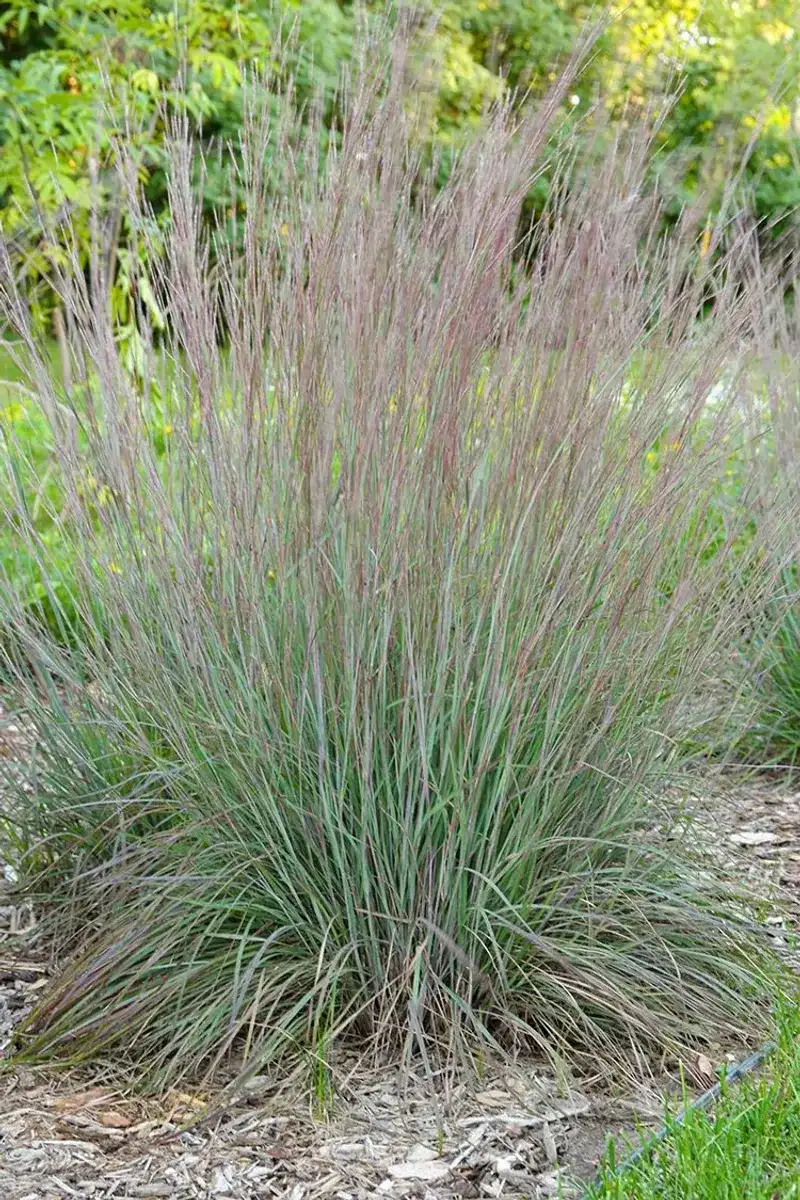
Open, sunny slopes in the shale-based soils of central and western Pennsylvania call for something with a little height and a lot of grit.
Little bluestem (Schizachyrium scoparium) is that native grass, standing two to four feet tall in tidy upright clumps.
Its blue-green summer blades turn a warm coppery bronze in autumn, so the slope earns its keep long after other plants fade.
That fibrous, deep root system is the real hero here, gripping shale and clay to stop erosion cold.
Though it grows in clumps, little bluestem reseeds gently and fills the gaps between plants over a couple of seasons.
Set plugs 18 to 24 inches apart in spring or early fall for the fastest cover.
Once rooted, it is remarkably drought tolerant and needs almost no fussing, just a single cut back in late winter.
Birds pick at the seed heads through the cold months, so you get movement and life on the bank even in January.
Watch it sway in the wind and you will feel the slope is genuinely held.
7. Pair Bloom Times So Weeds Never Get A Window
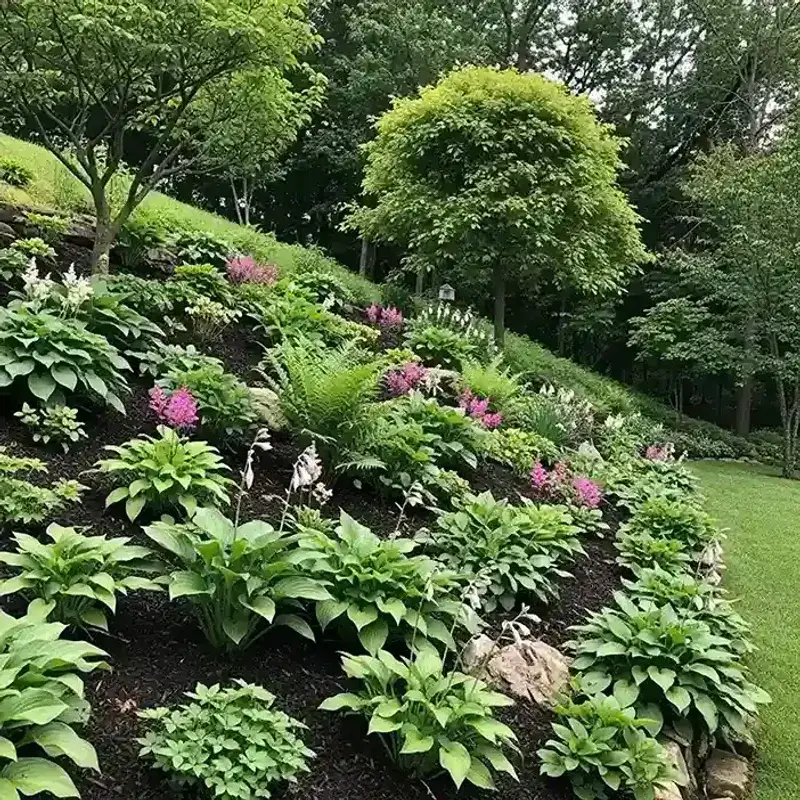
A common myth says one perfect plant will handle a whole slope by itself.
It rarely works that way.
Weeds are opportunists, and they pounce on any bare gap in the calendar, especially early spring before your main groundcover wakes up.
The fix is to layer species that peak at different times.
Moss phlox and golden ragwort cover the early-spring window, wild ginger and Pennsylvania sedge hold the shady middle season, and little bluestem carries the show into fall and winter.
Plant them in drifts rather than scattered singles, grouping five to seven of one kind together so each colony closes ranks fast.
Keep spacing tight, around 12 to 18 inches, so the canopy overlaps within two growing seasons.
This is not a magic solution, it is one strong layer of a bigger plan that also includes good mulch and a little patience.
When the calendar always has something growing and shading the ground, weeds simply never find their opening.
You end up with a slope that looks composed in every season, and that steady green feels genuinely earned.
8. How To Make Them Truly Thrive
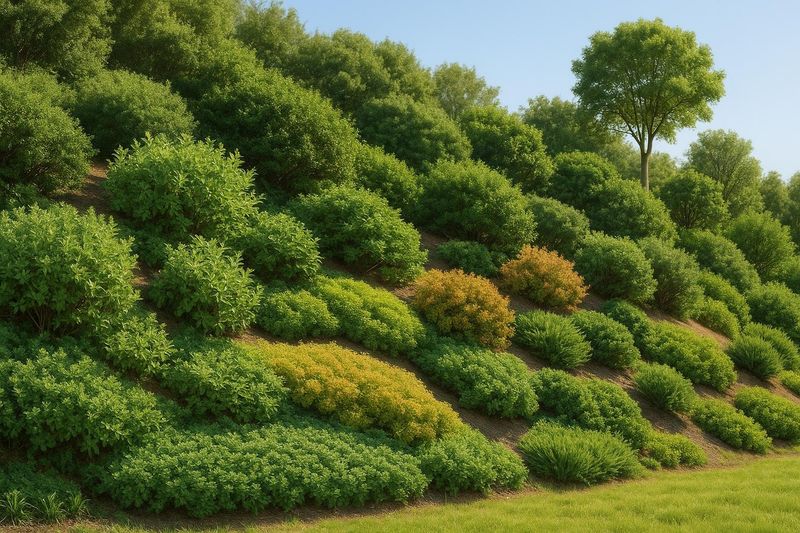
Choosing the right plants is only step one.
Proper planting is what lets them smother weeds with almost no effort from you later on.
Start by getting a soil test through Penn State Extension so you actually know your pH and texture before you dig.
Pennsylvania soils swing wildly, from rocky glacial till in the north to heavy clay in the southeast to fertile limestone in some valleys.
Most native groundcovers want well-drained ground, so amend and loosen as your test suggests.
Clear existing weeds and grass first, roots and all.
On very steep banks, pin down biodegradable coir or plant-fiber netting to hold soil while roots take hold.
Plant in spring or early fall, spacing 12 to 24 inches apart depending on how wide each species spreads.
Then lay at least two inches of organic mulch, wood chips, shredded bark, or composted leaves, which suppresses weeds immediately and locks in moisture.
Water to about one inch per week through that first growing season.
After year one, most natives only need a drink during long dry spells, and the slope finally starts taking care of itself.
9. The First Weed-Free Summer You Barely Lifted A Finger
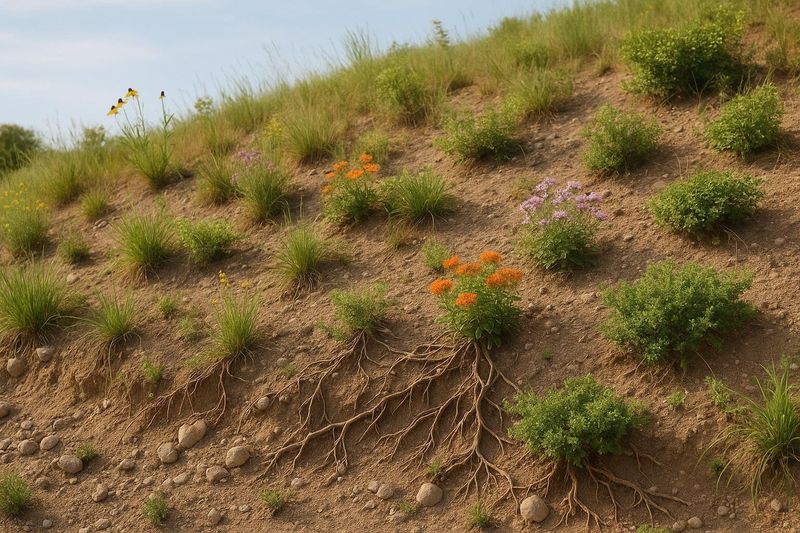
Fast forward one full season.
You walk out on a muggy July evening, iced tea in hand, and the slope that used to shame you is a smooth sweep of green holding steady.
The sedge has closed in under the maples, the little bluestem catches the low sun, and the bare dirt that fed your weeds is simply gone.
You did not spray a thing, and you barely weeded either.
That is the quiet reward native groundcovers offer across Pennsylvania, from the Poconos down to the Delaware Valley.
They ask for water and patience up front, then they establish themselves for free, year after year, spreading a little wider each spring.
You will still pull a stray dandelion now and then, honesty matters, this is a living system, not a force field.
But the daily grind of fighting a hillside is over.
Native pollinators drift through the flowers, birds work the seed heads, and the soil stays put through the next big thunderstorm.
Stand there a minute and take the credit, because that calm, green slope is genuinely your doing.