
The Venomous Critters Hiding in North Carolina Leaf Piles on Warm Late-Fall Afternoons
Follow us on Google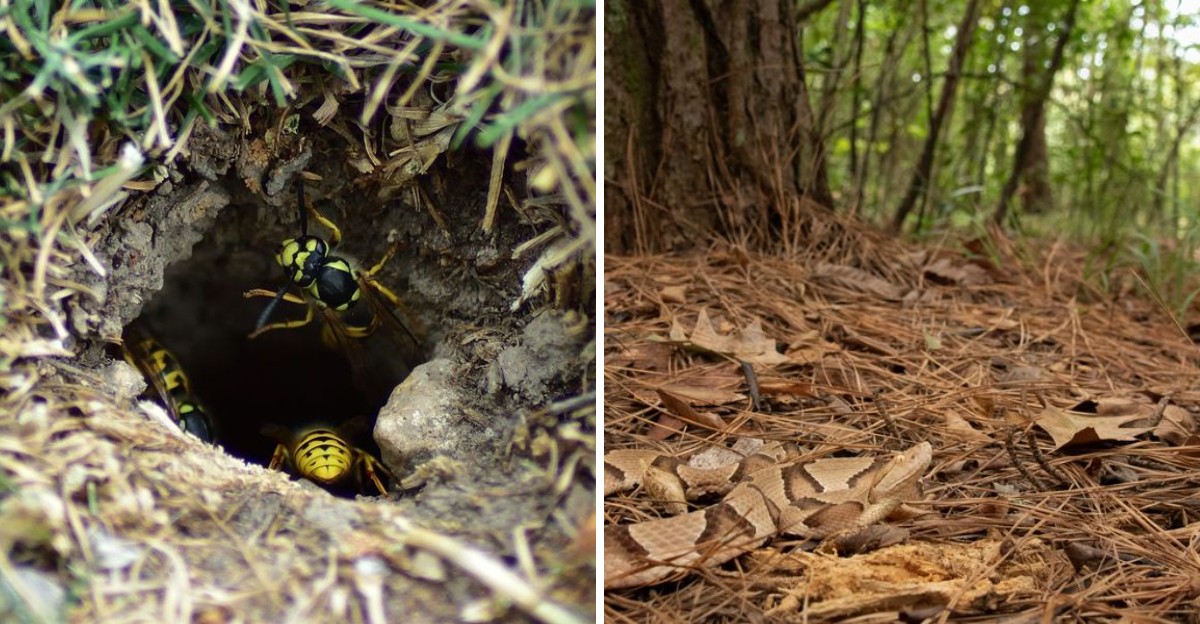
You grab the rake on a 68-degree November afternoon, sun warm on your neck, oak leaves crunching under your boots. Then a pile at the edge of the yard shifts, just slightly, and you freeze.
In North Carolina, those cozy leaf mounds can shelter copperheads, black widows, yellow jackets, and a few other venomous neighbors looking for warmth before winter. Here is who might be hiding in there, and how to finish your yard work safely without turning the whole yard into a war zone.
1. Copperheads Are the Leaf Pile Champions of North Carolina
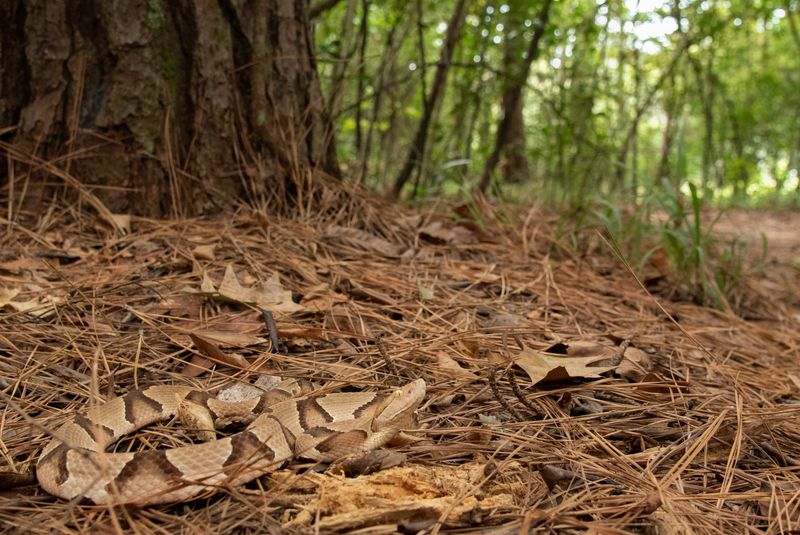
Copperheads (Agkistrodon contortrix) account for the large majority of venomous snakebites in North Carolina. And a leaf pile is basically their dream house.
Those chestnut hourglass bands look almost exactly like dappled oak and maple leaves.
Here is the trick they play. A copperhead usually stays still and trusts its camouflage instead of fleeing.
On warm late-fall afternoons, often in the 60s and low 70s, they come out to soak up heat before heading to winter dens, sometimes resting right in or beside your piles.
Most bites happen when a hand or foot lands too close, or when someone tries to kill the snake. So rake with a long-handled tool, wear boots and thick gloves, and never scoop leaves by hand.
Keep piles at least 20 to 30 feet from doors, patios, and play areas.
If you spot one, simply back away and give it room. It will usually move on, and it eats the mice and voles you do not want either.
That quiet standoff, handled calmly, is genuinely a win for everyone.
2. Black Widows Love the Pile You Forgot About
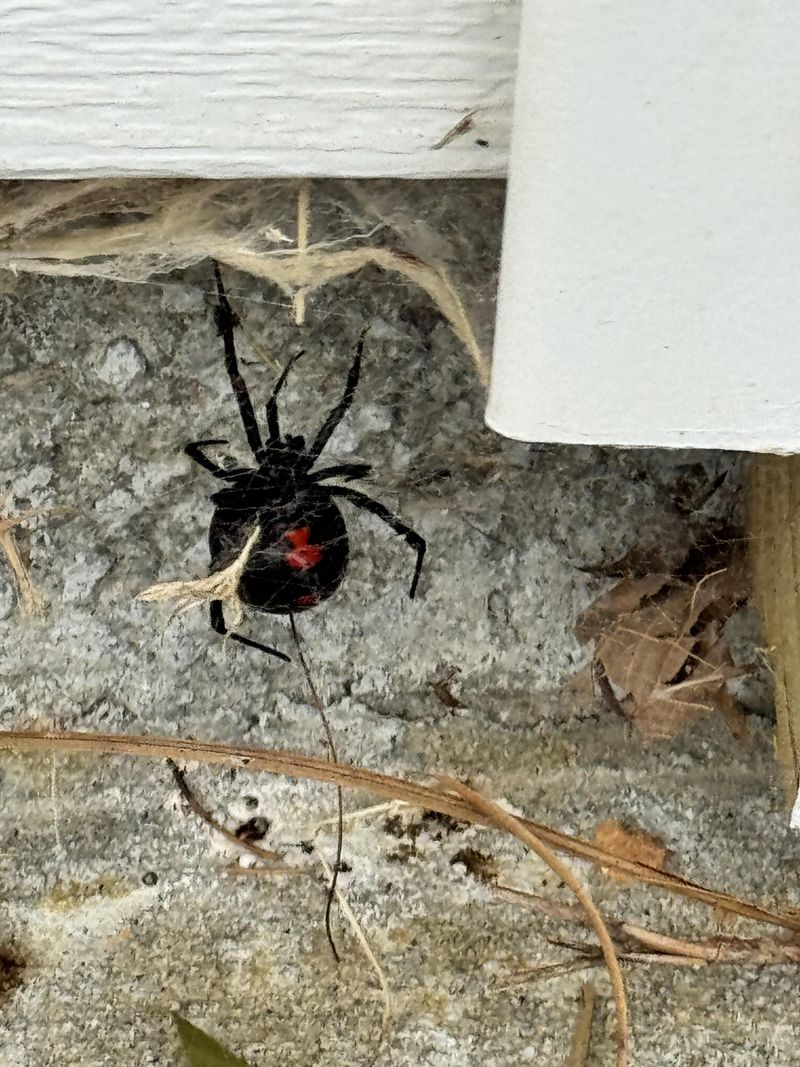
The fresh pile you raked yesterday is not the worry. The one that has sat untouched since October is.
Black widows (Latrodectus mactans and Latrodectus variolus) want quiet, sheltered clutter, and an old pile next to pavers or firewood fits perfectly.
The female is glossy black, roughly 1.5 inches with legs, with a red or orange hourglass underneath. Her web looks messy and tangled, built low to the ground.
She is shy, not aggressive, but she bites when squeezed or when her web gets torn apart.
A bite can bring muscle cramps, belly pain, and nausea, so get medical care right away. Your simple defense is sturdy leather gloves every single time you lift leaves, wood, or forgotten pots.
One easy habit makes a big difference. Shake out gloves and boots left in the shed before you put them on.
3. Yellow Jackets Can Still Be Guarding Underground Nests

You might think stinging season ended with summer. It did not.
Eastern yellow jackets (Vespula maculifrons) build underground nests that peak in late summer and fall, often with several hundred to around 1,000 workers.
Leaves drift right over the nest entrance, so you never see the hole. Rake across it and the whole colony can pour out, and unlike honey bees, each one can sting again and again.
As natural food gets scarce, they also get pushier around cookout sodas.
Before raking a spot, stand still for a minute on a warm afternoon and watch for wasps flying in and out of one point on the ground. If you find one, flag it and skip that area.
For nests near walkways or play sets, NC State Extension and many pros recommend professional help.
Patience also works. Most colonies collapse after the first hard frost, leaving only new queens to overwinter.
4. Southern Unstriped Scorpions Live Here Too
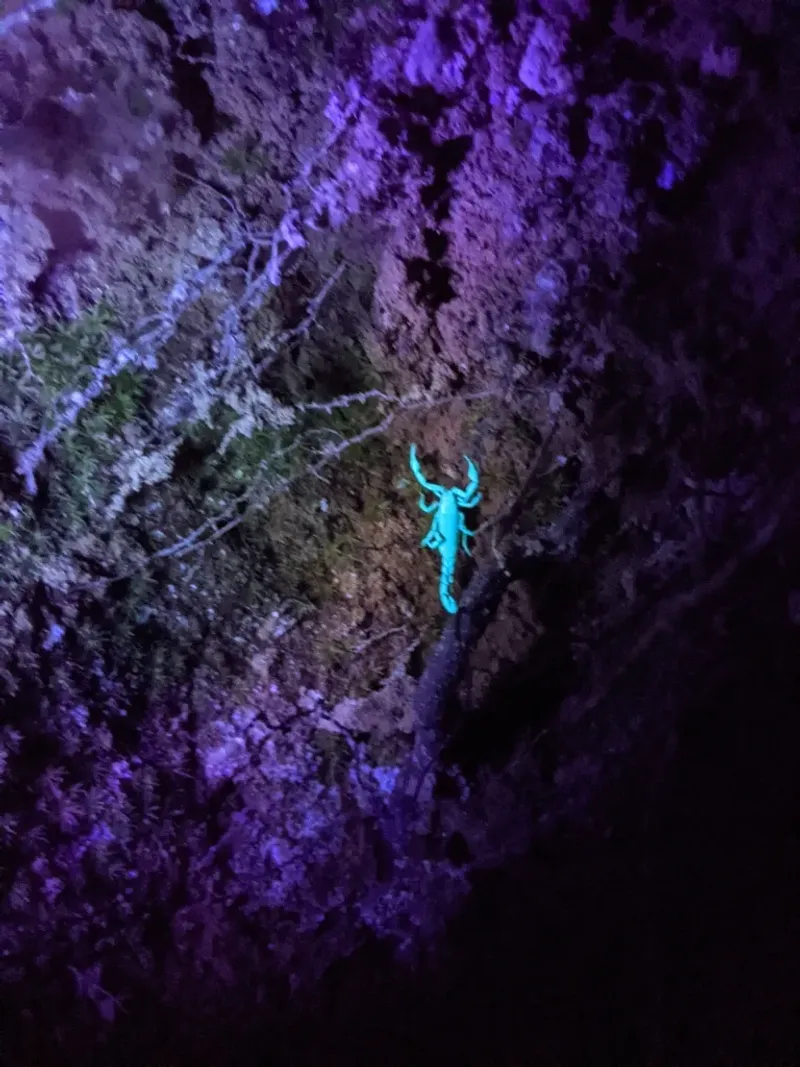
Yes, North Carolina has a native scorpion. Most people are honestly shocked to learn it.
The Southern unstriped scorpion (Vaejovis carolinianus) lives mainly in the mountains and foothills, hiding under leaves, rocks, and logs.
It is small, usually 1 to 2 inches, dark reddish-brown, with little pincers and a curled tail. It hunts at night and spends days tucked in cool, sheltered spots.
As fall cools things down, some wander toward crawlspaces and basements.
The sting hurts about like a bee sting, with swelling and redness, but it is not considered dangerous to healthy people. Wear gloves when moving yard debris, shake out shoes left outside, and seal foundation gaps.
Think of it as a tiny mountain neighbor with a cranky temper. Respect it and it stays out of your way.
5. Pygmy Rattlesnakes Hide in Sandhills and Coastal Plain Leaves
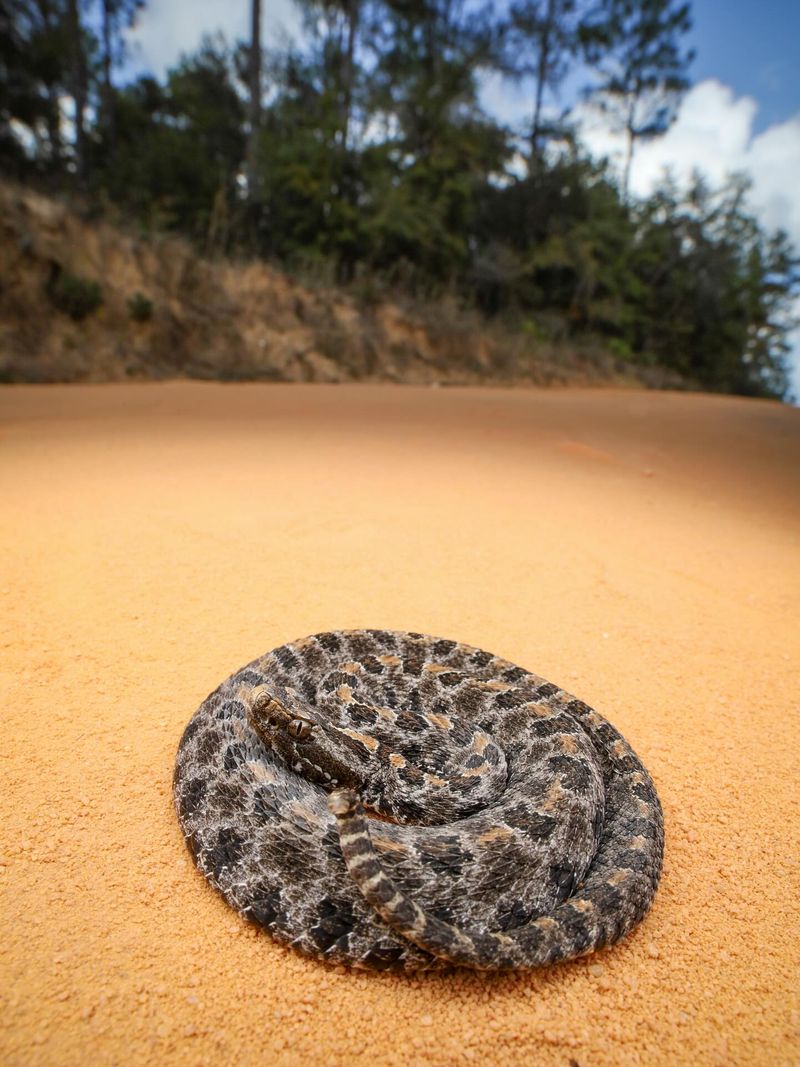
Picture a rattlesnake you cannot hear. That is the pygmy rattlesnake (Sistrurus miliarius), usually just 12 to 18 inches long, found mostly in the Sandhills and southern Coastal Plain.
Its rattle is so tiny it sounds like a buzzing insect, if you hear it at all. Gray with dark blotches, it disappears into pine straw and leaf litter on sandy soil.
As days cool, it seeks protected spots like your pile.
Bites are painful and need prompt medical care, especially for kids and older adults. It is not aggressive, but it will strike when stepped on or grabbed.
Rake slowly, look before you reach, and keep children from jumping into piles that have sat for days.
The pygmy rattlesnake is also a species of concern in the state, so leave it be. A slow rake and a sharp eye protect you both.
6. Brown Recluses Are Rarer Here Than Rumors Say
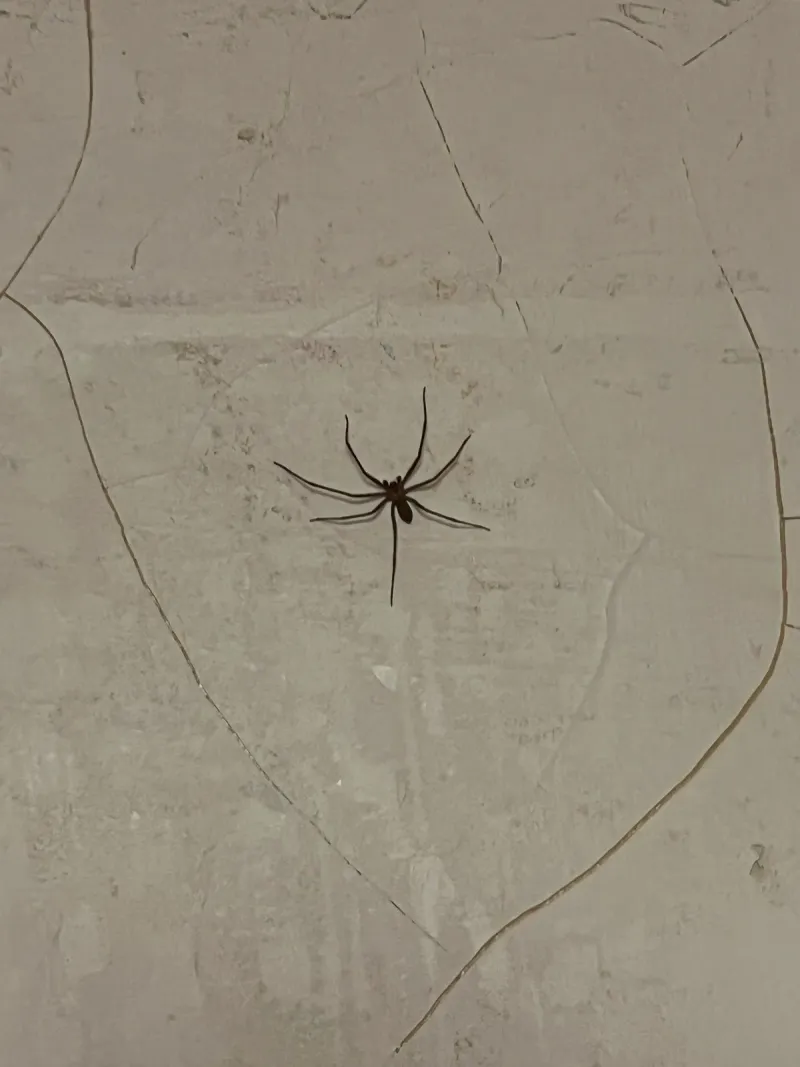
Here is a myth worth retiring. Brown recluses (Loxosceles reclusa) are not common across most of North Carolina.
NC State Extension notes their native range barely reaches the state, and most spiders people call recluses are harmless lookalikes.
A true recluse is plain tan, about 1/4 to 1/2 inch in body length, with six eyes in three pairs instead of eight. The violin mark on its back is unreliable, since other spiders have similar markings.
Occasionally one hitches a ride in boxes or furniture from other states. So it is still smart to shake out stored clothes and wear gloves in cluttered sheds.
But in your Piedmont or Coastal Plain leaf pile, it is very unlikely.
That is genuinely good news. One less thing to worry about on rake day.
7. Centipedes Bite Rarely but Startle Everyone
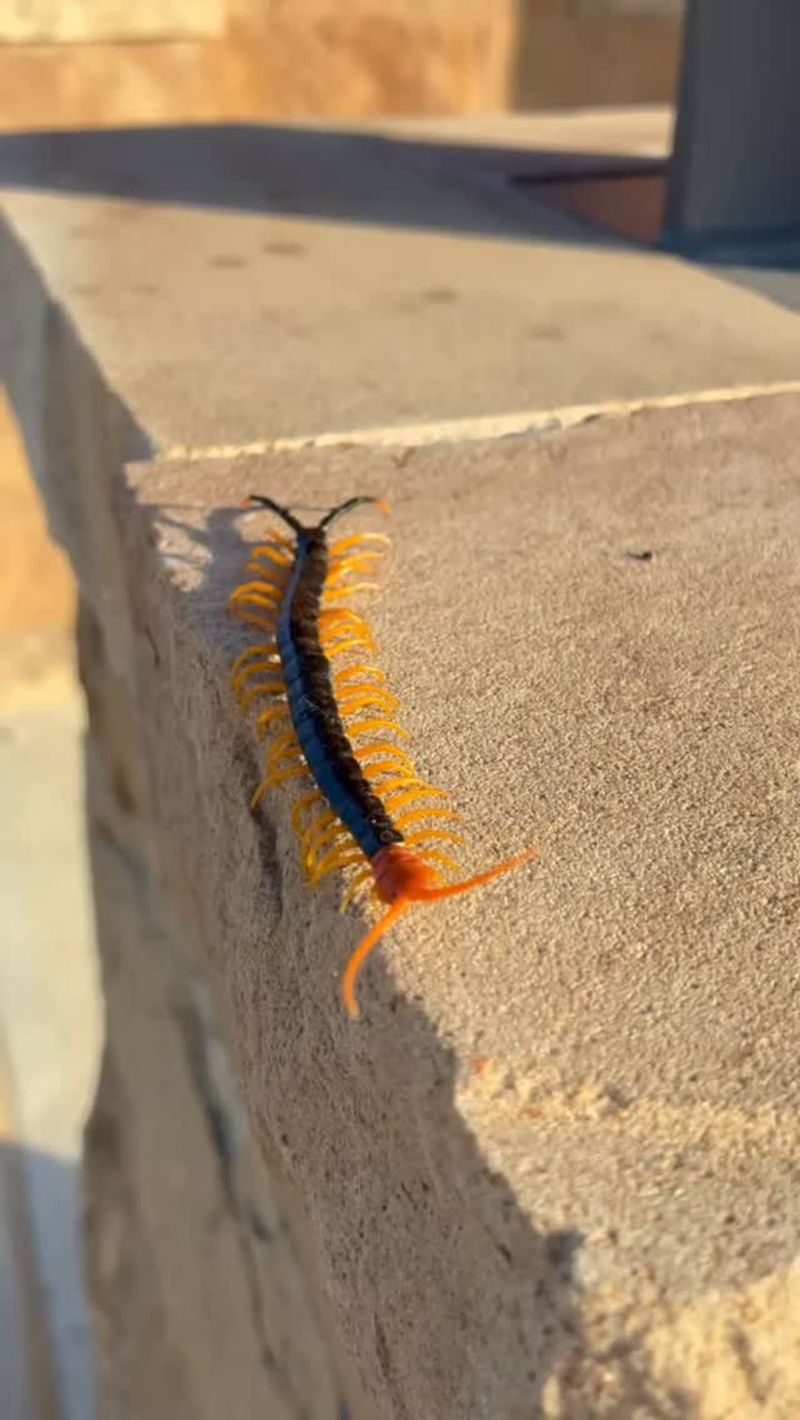
You lift a damp wad of leaves and something with far too many legs sprints off. Centipedes love moist leaf piles, especially after a rainy week in the Piedmont.
They do carry mild venom for catching insects. Most bites from local species feel like a bee sting at worst, and house centipedes (Scutigera coleoptrata) usually cannot even break skin.
Here is the upside. Centipedes eat roaches, silverfish, and other pests, so outdoors they are actually helpful.
Keep leaves and mulch a few feet off your foundation to stop them moving inside, and wear gloves when handling wet debris.
Fast, creepy, and secretly on your team. Let them run.
8. Smart Leaf Habits Keep Family and Wildlife Safe
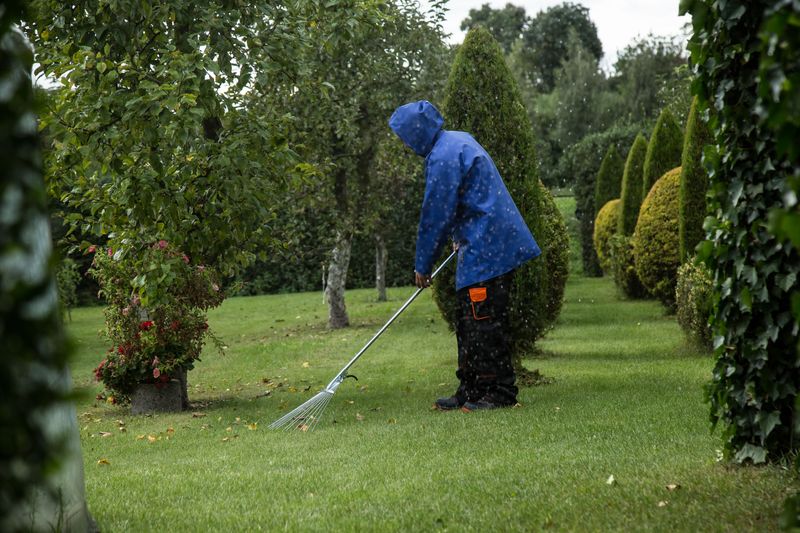
You do not need to bag every leaf to stay safe. Leaves also shelter fireflies, overwintering butterflies, and box turtles, so the goal is smarter placement, not a bare yard.
Move leaf piles at least 20 to 30 feet from doors, patios, and play spaces, ideally along a back fence line or into a compost bin. Rake in daylight, wear boots and leather gloves, and use a long-handled rake.
Keep firewood stacked off the ground and away from the house.
Before kids jump in, rake a fresh pile that same afternoon. And seal cracks around the foundation before real cold arrives.
Do that, and your leaves become habitat instead of hazard. Your late-fall afternoons stay calm, and your yard stays alive.
