
The Only Porch Plant You Need In Texas To Keep Mosquitoes Off Your Evening
Follow us on Google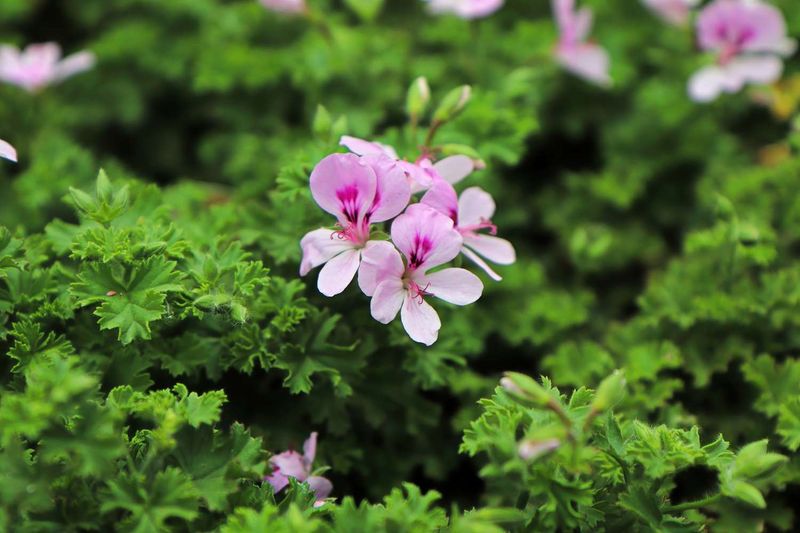
Somewhere between the first sip of sweet tea and the second swat at your arm, the promise of a relaxing Texas porch evening falls apart.
A lot of gardening advice floating around social media says one plant is all you need, and it is a tempting idea.
But the research tells a different story, and knowing it can actually make your evenings outside a whole lot better.
Here is what the science says about that popular porch plant, and what genuinely works alongside it.
The Commonly Marketed Mosquito Plant Falls Short
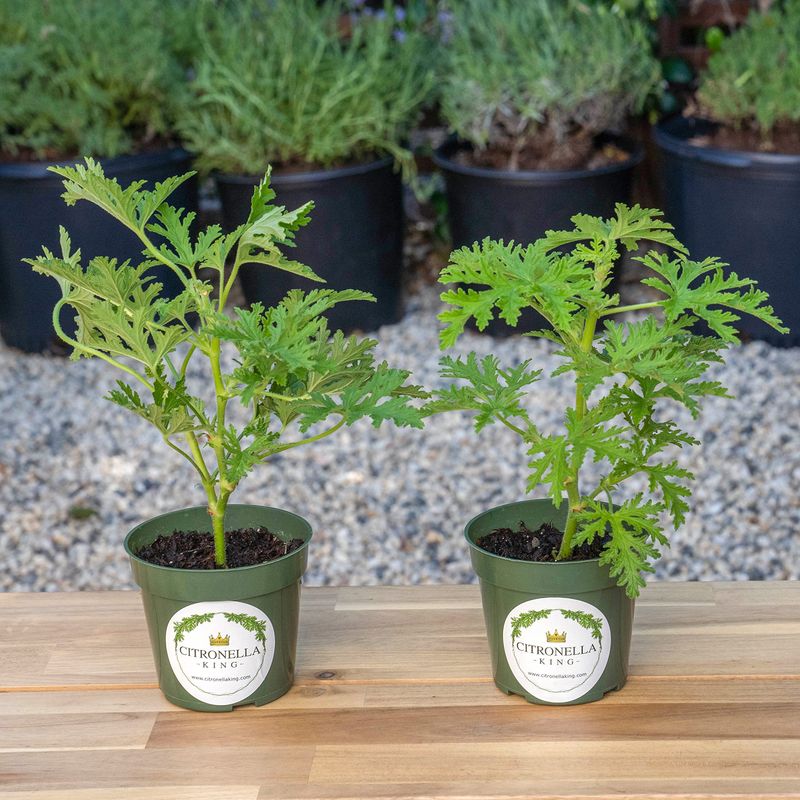
Walk into almost any Texas garden center in late spring and you will spot a leafy, lemon-scented plant with a little tag that reads “mosquito plant.” The plant most often marketed for this claim is citronella-scented geranium, or Pelargonium citrosum.
It smells pleasant when you brush against it, it looks tidy in a container, and the promise printed on that tag is hard to resist: set it on your porch and mosquitoes stay away.
Many Gulf Coast and Central Texas homeowners have bought one, or three, hoping for a summer of bite-free evenings.
The problem is that controlled field research has not backed up that promise.
An earlier field study on Pelargonium citrosum found no significant reduction in mosquito landings near the plant compared with areas that had no plant at all.
DEET, tested in the same research, reduced biting by more than 90 percent for up to 8 hours.
That is a meaningful gap.
A more recent test pushed even harder.
A 2026 field study published in the Journal of Medical Entomology evaluated citronella-scented geranium and prostrate rosemary across urban and rural sites for 16 weeks.
Neither plant reduced mosquito captures compared with untreated controls.
Researchers even mechanically damaged the plants to release more volatile oils, and mosquito activity still did not drop.
A formulated metofluthrin spatial repellent tested in the same study reduced captures by 43 to 89 percent, proving the test could detect a real effect when one existed.
That result does not mean the plant is worthless on your porch.
It means the plant cannot carry the whole job.
Treat it as a fragrant ornamental and build your mosquito routine around measures that actually have field evidence behind them.
Why A Smelly Leaf Is Not A Repellent Zone
Here is where it gets tricky.
Many people assume that if an oil smells strong enough to notice, it must be strong enough to push mosquitoes back.
That is not how volatile chemistry works outdoors.
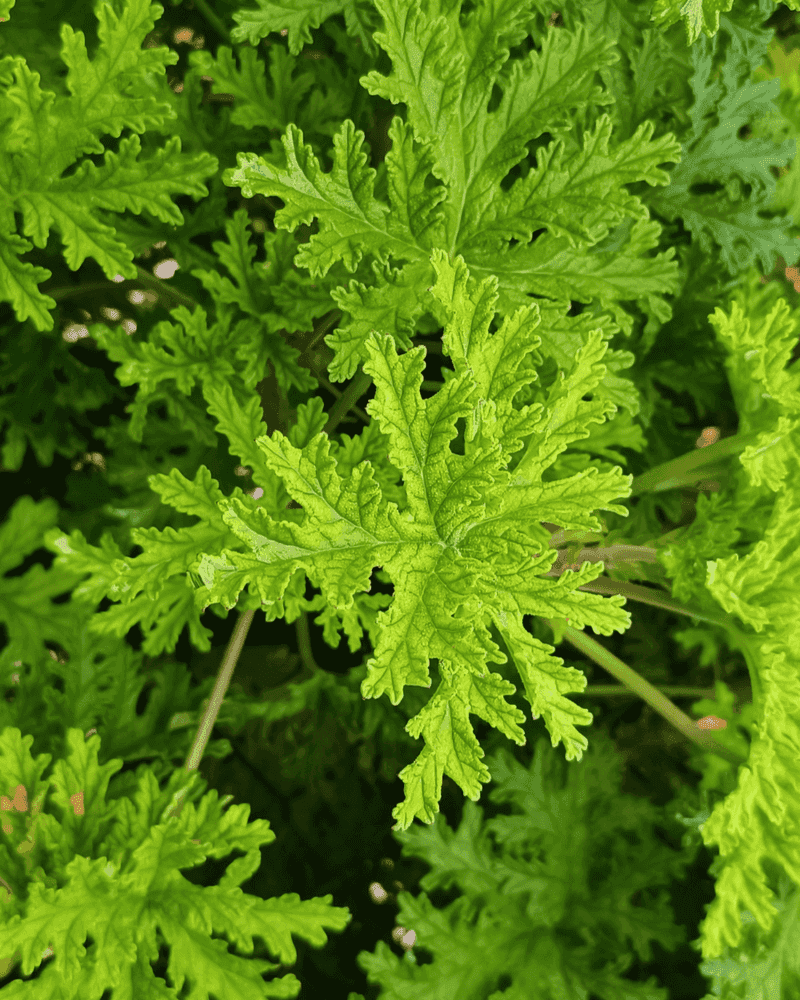
Living plants release aromatic compounds continuously, but at very low concentrations.
On a breezy Texas porch, those compounds disperse almost immediately.
The 2026 Journal of Medical Entomology field study noted that intact plants generally release volatile compounds at concentrations too low to create a protective odor zone at realistic outdoor distances.
Your nose is far more sensitive than a mosquito’s navigational threshold requires.
Laboratory studies do sometimes show plant-derived compounds repelling mosquitoes.
But those experiments typically use extracted essential oils, damaged tissue, diffusers, or topical formulations at controlled concentrations.
A systematic review of plant-based repellents against Anopheles mosquitoes found that most positive results came from formulated or extracted preparations, not from undamaged potted plants sitting near people.
Candles and diffusers are a separate conversation.
Research comparing botanical repellent products found that citronella diffusers outperformed citronella candles, but performance still varied with active ingredient concentration, release method, airflow, placement, and distance from the person.
Those are formulated products engineered to release compounds at useful rates.
A potted plant is not.
Citronella-scented geranium is also a different plant from citronella grass.
EPA identifies commercial citronella oil as oil distilled from Cymbopogon nardus or Cymbopogon winterianus, both true citronella grasses.
Pelargonium citrosum is a scented geranium.
It carries a similar aroma, but it does not produce commercial citronella grass oil simply by sitting in a pot.
The name on the garden-center tag blurs a real botanical distinction.
Keep The Geranium As An Ornamental Extra
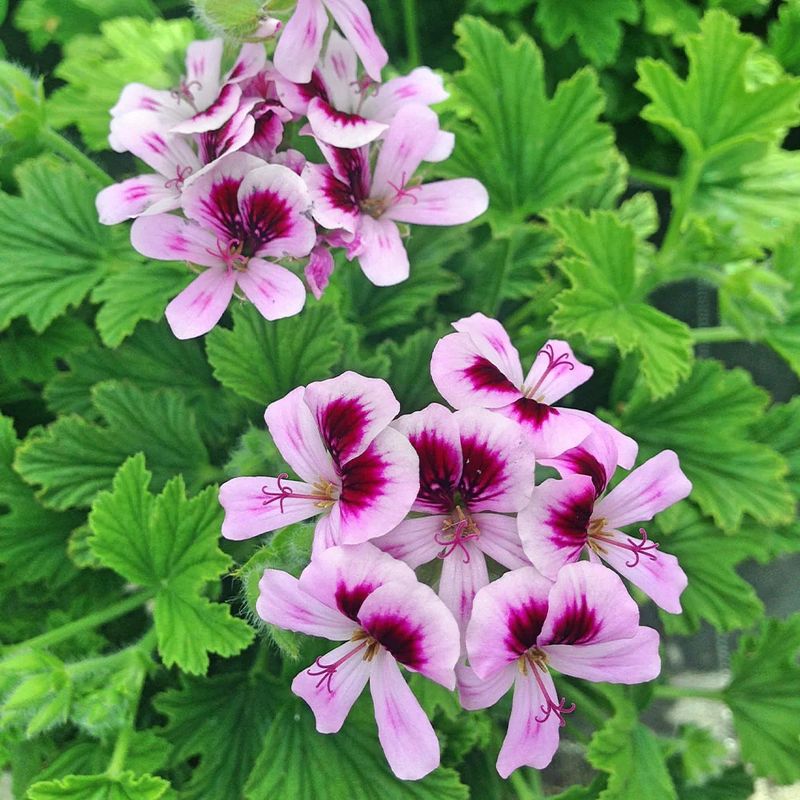
None of that field research means you should toss the plant.
Citronella-scented geranium is genuinely pleasant to have around.
The leaves release a bright, lemony scent when touched, the plant fills a container nicely, and it holds up well through a hot Texas summer if you give it decent drainage and some afternoon shade in the hottest regions.
The honest framing is this: treat it as a fragrant ornamental that happens to smell like something mosquitoes dislike in concentrated form.
Enjoy it for what it actually is rather than what the tag promised.
Many Hill Country and San Antonio-area gardeners keep it in a pot near the door simply because it smells good when guests brush past it on the way in.
Texas is not one climate, and that matters for container plants.
Conditions shift dramatically from the Panhandle, where hard freezes arrive reliably each winter, to the Lower Rio Grande Valley, where frost is rare.
The Texas A&M AgriLife Earth-Kind Plant Selector lets you filter by region so you choose plants suited to your specific conditions rather than guessing from a generic tag.
In colder parts of Texas, including North Texas and the Panhandle, treat citronella-scented geranium as a seasonal container plant.
Bring it indoors or provide frost protection before temperatures drop into the low 30s Fahrenheit.
Texas A&M Aggie Horticulture guidance consistently emphasizes that the state’s sharply different regions and microclimates require locally matched plant choices rather than statewide prescriptions.
Keep the geranium for fragrance and good looks, and let the next few sections carry the mosquito-control load.
Make Water Control A Weekly Porch Habit
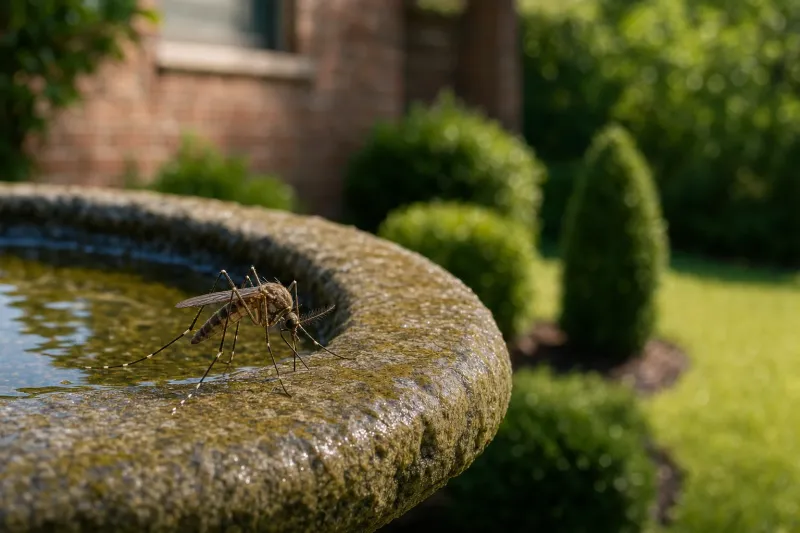
Mosquitoes need water to reproduce, and they do not need much of it.
A bottle cap holding water for 7 days can produce a new generation.
That fact makes weekly water management a foundational measure, one that addresses the problem at its source rather than trying to push adult mosquitoes away after they have already arrived.
CDC guidance on mosquito control at home recommends dumping, covering, or scrubbing water-holding items at least once a week.
The weekly scrub matters because mosquito eggs can stick to the walls of containers and survive even after the water drains.
A quick rinse is not enough.
Run a brush along the inside of any saucer, bucket, or birdbath before refilling.
Your checklist should include flowerpot saucers, buckets, children’s toys, birdbaths, clogged gutters, pool covers, tarps, trash can lids, and any storm debris left by the last rain.
In East Texas, where summer afternoons bring frequent downpours, debris accumulates fast.
Along the Gulf Coast, a single afternoon thunderstorm can refill every container you emptied that morning.
Do not assume that a dry spell means no breeding water.
Irrigation, occasional rain, or runoff from a neighbor’s yard can leave containers holding water even during an otherwise dry stretch.
Check after every watering session, not just after rain.
CDC larvicide guidance recommends a Bti product only for standing water you cannot remove or cover, such as a rain barrel or a low spot that holds water for days.
Bti is a naturally occurring bacterium that kills mosquito larvae without harming people, pets, or most beneficial insects.
But it must be used exactly according to its label, at the rate and frequency specified, and only in the situations the label describes.
Texas A&M AgriLife Extension’s mosquito control guide reinforces that breeding-site elimination is a core part of any home mosquito program.
Getting this step right every week takes about 10 minutes and costs nothing.
That is a better return than any plant tag has ever delivered.
Protect Your Skin With A Labeled Product
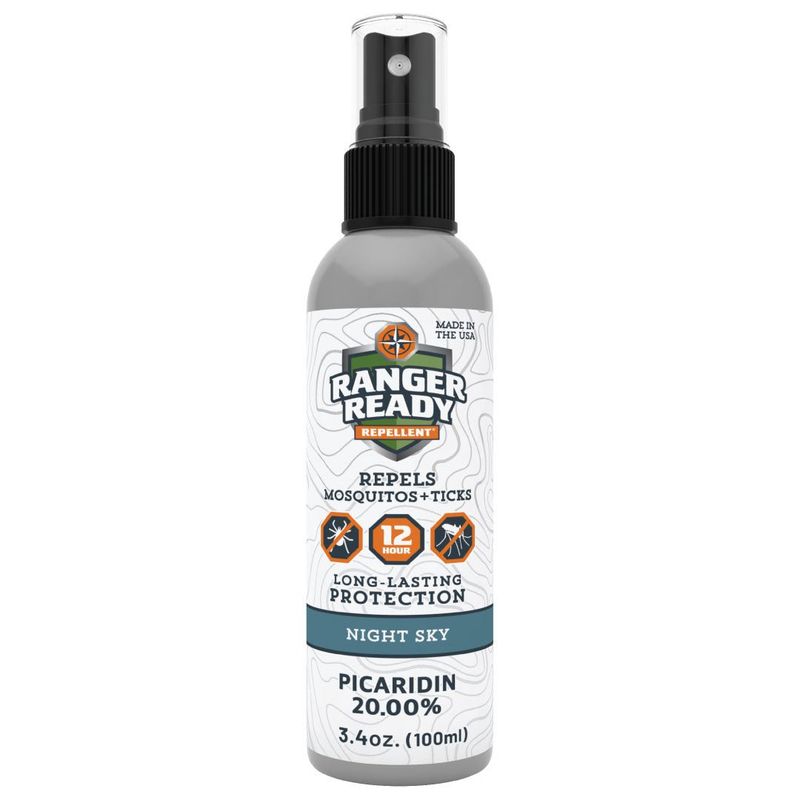
Water removal handles the breeding problem.
Personal repellent handles the adult mosquito that flew in from your neighbor’s yard, the drainage ditch two blocks away, or the retention pond at the end of the street.
These are two different exposure routes, and they each need their own solution.
CDC guidance on preventing mosquito bites recommends EPA-registered repellents containing one of these active ingredients: DEET, picaridin, IR3535, oil of lemon eucalyptus (OLE), para-menthane-diol (PMD), or 2-undecanone.
Each of these has been evaluated by EPA for both safety and effectiveness when used according to the product label.
One distinction deserves a clear sentence on its own.
Pure, unformulated essential oil of lemon eucalyptus is not the same thing as an EPA-registered OLE or PMD repellent product.
CDC Yellow Book guidance on arthropods specifically notes that OLE and PMD products should not be used on children younger than 3 years.
Read the label before applying anything to a child.
Some people reach for a more natural-feeling option and consider rubbing crushed citronella geranium leaves on their skin.
Skip that approach entirely.
The National Pesticide Information Center’s citronella fact sheet notes that citronella oil can irritate skin and cause allergic reactions in some people.
A living plant has not been validated as a safe or effective topical repellent.
EPA explains that some plant-oil-based products are exempt from full registration under minimum-risk rules, but those products have not necessarily been evaluated for effectiveness.
Registered products have.
Apply your labeled repellent before you sit down outside, follow the reapplication schedule on the label, and wash it off when you come inside.
That routine costs about 60 seconds and gives you protection the geranium simply cannot.
Use Airflow And Products With Realistic Expectations
Mosquitoes are weak fliers.
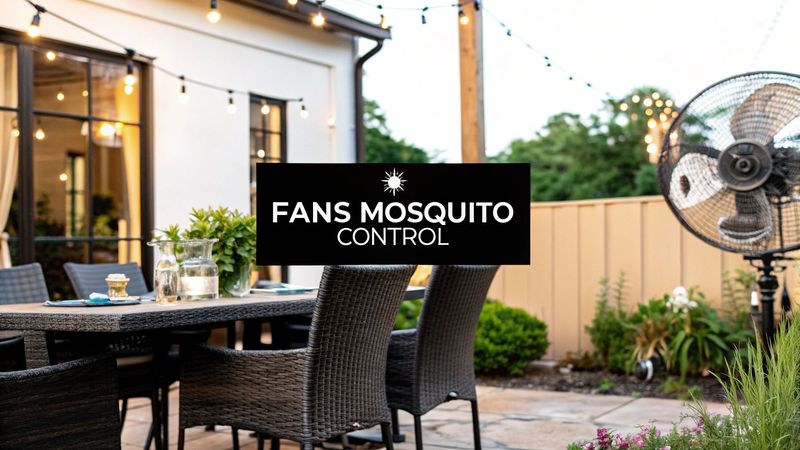
A steady breeze of about 1 mile per hour is enough to make flight difficult for them, and a stronger current can push them away from your seating area almost entirely.
University of Illinois Extension notes that sitting near an oscillating fan can reduce bite pressure near a chair because mosquitoes struggle to navigate in moving air.
Position the fan so it blows across your body and toward the open edge of the porch, not just circulating air above you.
This is a comfort measure and a bite-reduction layer, not a barrier that stops every mosquito.
Citronella candles and diffusers belong in the same realistic category.
Research comparing botanical repellent products found that performance varied substantially by active ingredient, release method, airflow, placement, and distance.
A candle burning 6 feet away in a crosswind offers much less protection than one placed between you and the direction mosquitoes are approaching.
Texas A&M AgriLife Extension describes citronella candles as a short-term deterrent for outdoor use, not a mosquito-proof solution.
Use them thoughtfully and close to your seating, and they may contribute something.
Do not expect them to cover the whole porch.
Bug zappers are a popular purchase but a poor investment for mosquito control.
Mosquitoes are not strongly attracted to ultraviolet light, so zappers tend to kill moths, beetles, and other beneficial insects more efficiently than they kill mosquitoes.
University of Illinois Extension guidance on managing mosquitoes at home notes that outdoor fogging can kill adult mosquitoes temporarily, but new mosquitoes move in quickly, and broad applications can affect non-target insects including pollinators.
Both tools have narrow, specific uses.
Neither solves the underlying problem the way weekly water removal and labeled repellent do.
Build A Texas Porch Routine Around Local Conditions

Putting this together into a real routine starts with accepting that Texas mosquito pressure is not uniform.
Aedes mosquitoes, including the Asian tiger mosquito common in East Texas and along the Gulf Coast, bite aggressively during the day.
Culex species tend to be more active around dusk and into the night, which is exactly when most porch evenings happen.
Local drainage, shade, irrigation patterns, and nearby standing water can matter more than anything you place beside your chair.
Texas A&M AgriLife Extension emphasizes that effective mosquito management requires several coordinated methods because no single action addresses every exposure route.
Build your routine around that reality rather than looking for one fix.
Here is what a repeatable weekly routine looks like.
Inspect every water-holding container on and around your porch, dump or scrub anything holding water, and check again after irrigation or rain.
CDC recommends making water removal a weekly habit regardless of recent rainfall, because irrigation and runoff refill containers faster than most homeowners expect.
Position your fan to blow across your seating area.
Apply your CDC-recommended EPA-registered repellent before you sit down, not after the first bite.
Keep your citronella geranium in its pot for fragrance and appearance.
None of these steps has been tested together as one guaranteed package, and promising a mosquito-free porch would overstate what the research actually shows.
What you get instead is a set of evidence-informed layers, each addressing a different part of the problem, that extension entomologists consistently recommend over any single-plant shortcut.
Most Texas evenings, that routine is enough to let you finish your sweet tea in peace.