
The Native Texas Prairie Plant That Vanished Under Pavement And Is Quietly Coming Back
Follow us on Google
Picture a wildflower so small you could cover it with a coffee mug lid. For decades, scientists thought Texas prairie dawn was gone for good.
Then it turned up again in Harris County in 1981. Its story is a real Texas comeback tale, with some honest cautions along the way.
A Tiny Flower Nearly Slipped From The Record
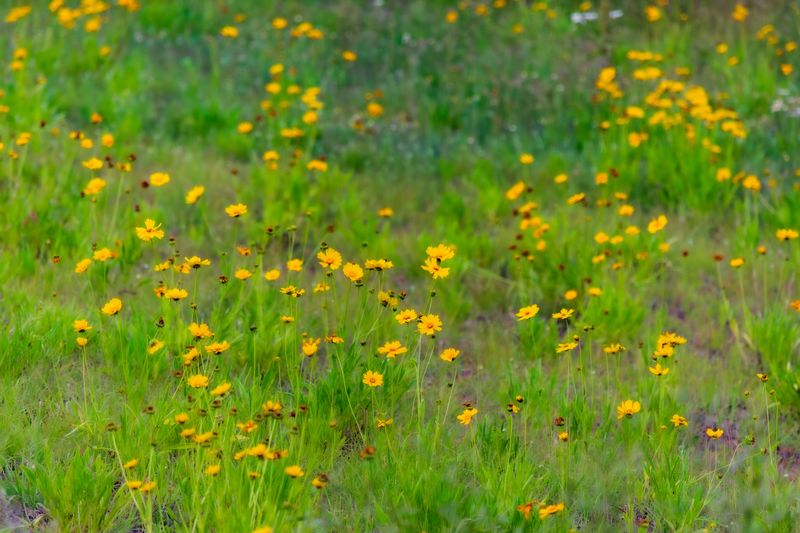
Texas prairie dawn, known to botanists as Hymenoxys texana, is a tiny annual wildflower. It stands only a few inches tall, so you could walk right past it and never know.
For a long stretch of history, nobody seemed to find it. No known collections were recorded after 1900, and the plant came to be considered probably extinct.
Think of a name quietly crossed off a list.
Then came a surprise. In 1981, the flower was rediscovered in Harris County.
Texas Parks and Wildlife Department’s account of the prairie dawn tells that part of the story, and the record is a good reminder of how much quiet nature can hide close to a big city.
We do not know every detail of why it went unrecorded for so long. The written record does not name a single cause, so it is better to say only what is documented.
Plants can go unseen for many reasons, and this one is small, seasonal, and picky about where it grows.
Here is the part that keeps the story honest. Rediscovery did not end the danger.
Texas prairie dawn is still listed as endangered at both the federal and state level, so the wonder comes with a careful kind of pride.
Finding a plant again is a gift. Keeping it around is the longer job, and it is still underway.
A Specialist Of Saline Slick Spots
Most Texas wildflowers want sun and decent soil. Texas prairie dawn is pickier, and its taste is strange.
It lives in sparse, slightly saline, compact sandy or loamy patches that people often call slick spots.
These spots look almost bare. Grass does not crowd in thickly, and the ground is firm.
You will often find the plant near small natural mounds, as U.S. Fish and Wildlife Service species information describes.
The flower itself reaches about 6 inches tall at most. It blooms roughly February through April, then sets seed in spring and finishes its year.
A blink in the calendar, and the show is over.
Here is where gardeners should slow down. Ordinary garden soil is not this habitat.
A bag of typical prairie seed mix does not recreate it either, and a lawn turned into a meadow is a different thing altogether.
Texas Parks and Wildlife Department’s listed plant page notes that the species is tied to a small set of Texas counties, including Fort Bend, Gregg, Harris, Trinity, and Waller. It is not a statewide garden plant.
Some plants are specialists, and that is the whole point of them. This one has made a living in the plain spots others skip.
Development Threatened Its Habitat, Not Pavement Alone
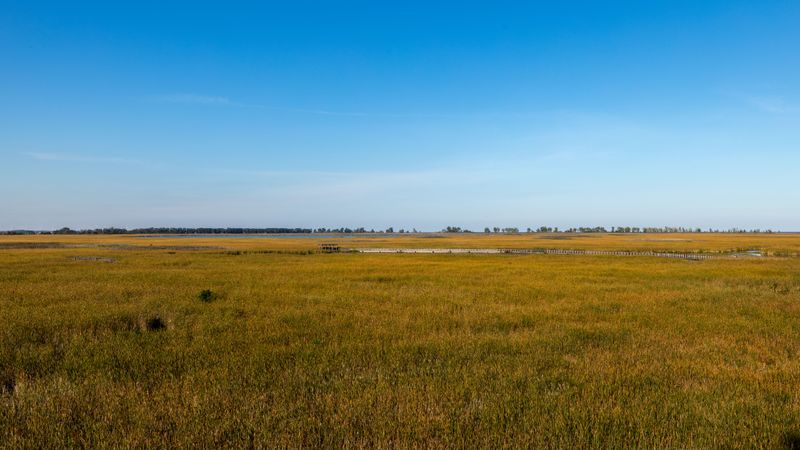
The headline says pavement, and that is shorthand. It points at something real, but it is not the whole story, so here is the plain version.
Sources describe development as a major threat. Building projects destroyed many places where the plant once grew, and a Texas Parks and Wildlife Department newsletter says as much about its occurrences around the Houston area.
But the records do not say pavement alone made the plant vanish. They do not name a last-known site or a single moment when it disappeared.
Anyone who tells a tidy story like that is guessing.
What the documents do support is simpler. Habitat loss and habitat destruction have been steady pressures on a plant that needs very particular ground.
When a slick spot is leveled, filled, or built over, the flower has nowhere else to go.
A Texas Parks and Wildlife brochure on conservation in Houstonlandia also shows that conservation work has happened in the very region that has grown so fast.
So think of pavement as a stand-in for all the ways land changes. The plant did not lose to one thing.
It lost room, little by little, in places it could not easily replace.
The Known Range Expanded, But Recovery Is Not Established
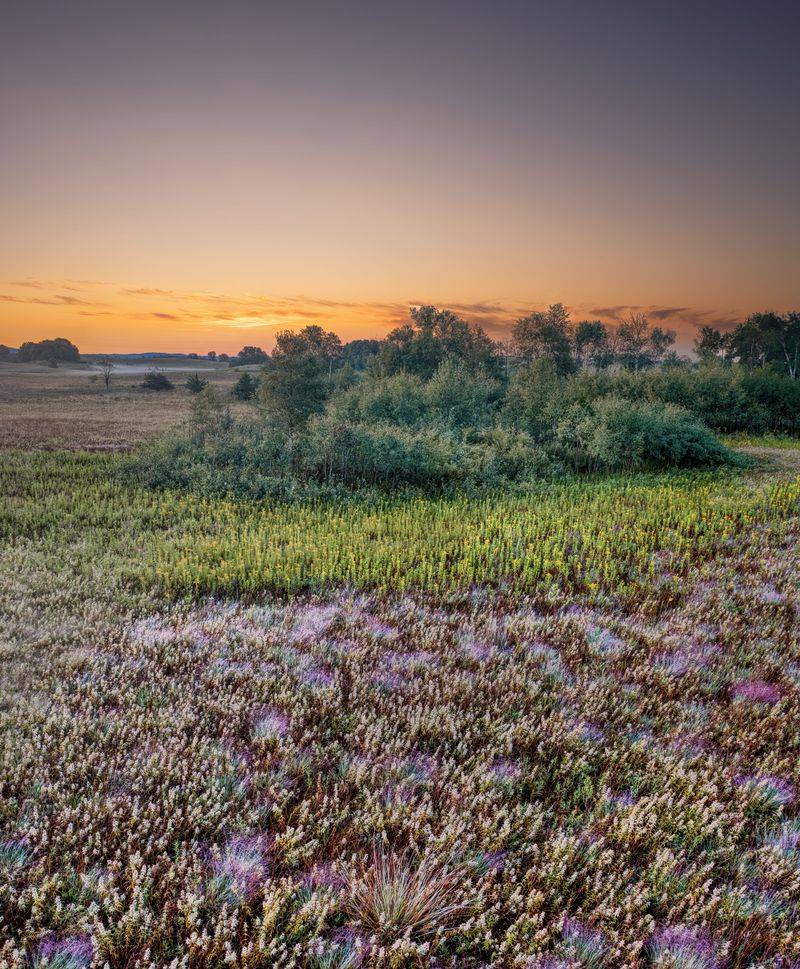
Here is the hopeful part, told carefully. In its 2022 review, the U.S.
Fish and Wildlife Service described more than 16 distinct populations of Texas prairie dawn.
The known range has also grown. The 2022 federal five-year review notes populations west into Waller County and north into East Texas.
More searching has turned up more plants than anyone knew about.
Now the honest limit. Finding the plant in more places is not the same as saying there is more of it overall.
The review does not claim that numbers are climbing, and it documents some sites that are inactive or declining.
Please do not line this count up against older tallies and call it a trend. Earlier reports used different snapshots and different terms, so the numbers cannot be compared as a simple before and after.
The bottom line is clear. The review recommended no change in status, so the flower remains endangered.
Texas Parks and Wildlife lists it as state endangered, and it is also federally listed.
A bigger map is good news. It is just not the finish line.
Conditions Differ From Site To Site
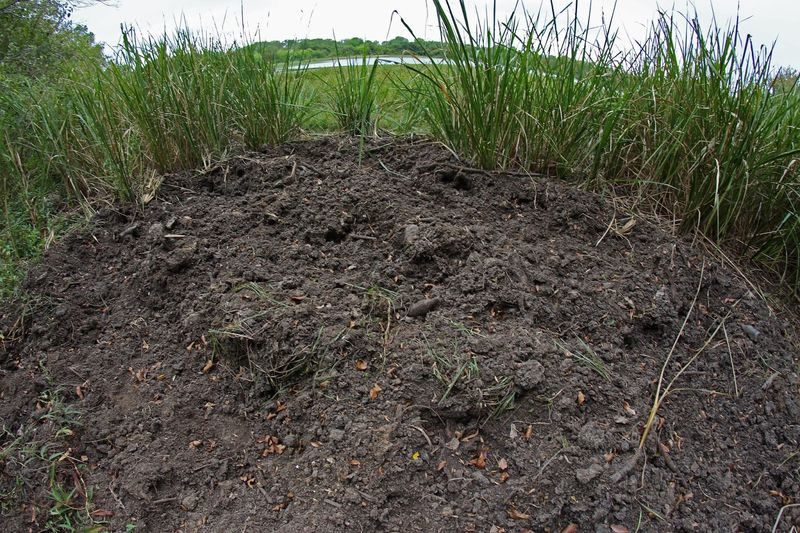
No two prairie dawn sites are quite alike. Some are doing well, and some are struggling, and the difference is often right there on the ground.
The 2022 federal review describes self-sustaining populations at some protected or managed places. That is encouraging.
Other sites face trouble. Competing vegetation can crowd out a small annual, feral hogs can tear up soil, flooding can wash things out, and inadequate management lets problems grow.
Each site has its own mix of troubles.
Weather adds another twist, and it does not push in one direction. According to U.S.
Fish and Wildlife Service species information, cool, wet winters can favor stronger flowering.
But drought can reduce plants, and so can prolonged wet conditions and flooding. Gulf Coast gardeners know how quickly a Texas season can swing from parched to soaked.
So a good year at one site says little about the next site over. A bad year somewhere else does not mean the whole species is failing either.
That unevenness is why this story calls for patience. The flower is a small gambler, and each spring the ground deals it a different hand.
Habitat Management Requires Care
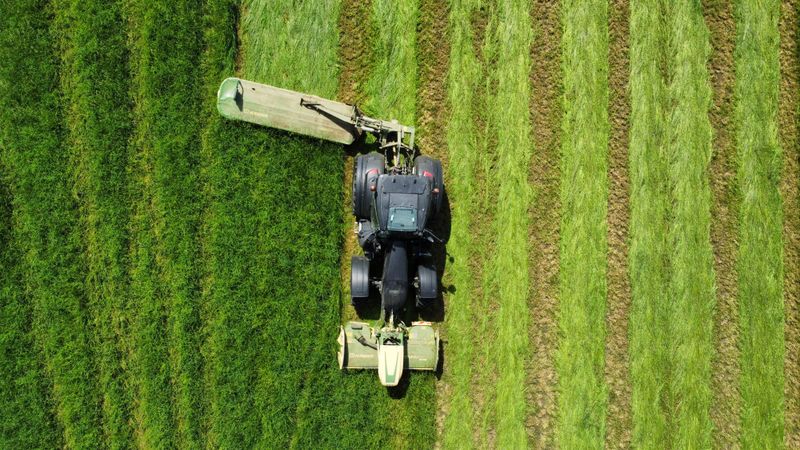
Protecting land is only the first step. Keeping a slick spot healthy takes ongoing, site-specific care, and that care looks different from place to place.
Conservation managers use a few tools. The 2022 federal review notes that controlled mowing outside the flowering season can reduce competition from taller plants.
It also warns that deep soil disturbance can be harmful. The plant depends on that firm, sparse ground, and digging it up can wreck the very conditions it needs.
Here is the key point for homeowners. Those are not instructions for your yard or for a field you think might hold the plant.
They are decisions made by trained people who know a particular site.
Restoration and management efforts are underway, and that is genuinely good news. Still, they do not cancel out the habitat loss and degradation that continue elsewhere.
So the work is a bit like tending a very old, very fussy clock. Skilled hands can keep it ticking, but one wrong twist can stop it.
If you ever suspect a plant on your own land, the kindest move is a hands-off one.
Support Native Gardening Without Planting This Flower
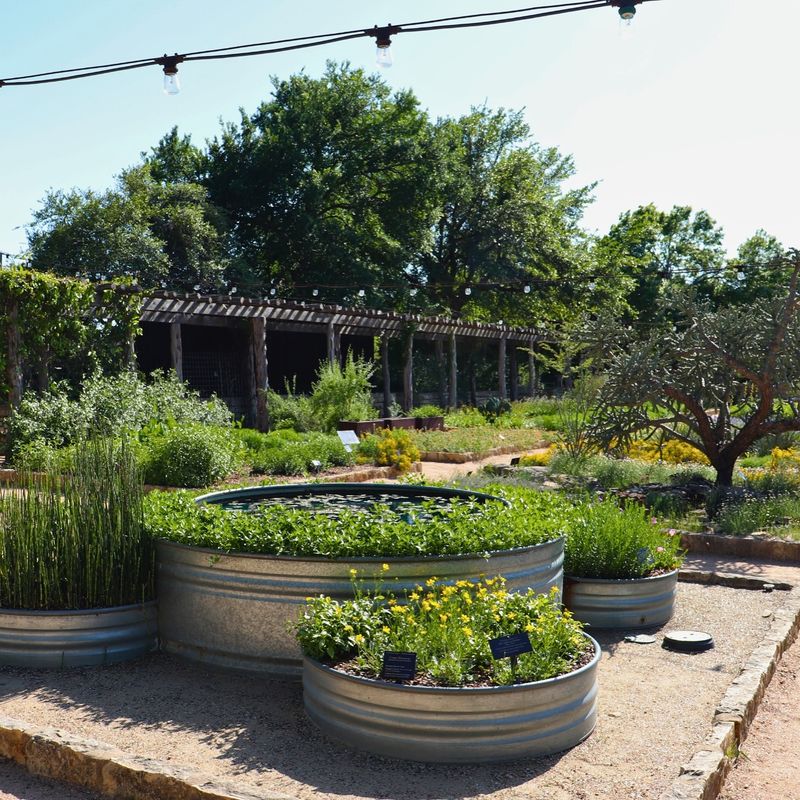
You can still do something good from home. Start with regional native gardening, which helps pollinators and local wildlife across Southeast Texas.
The Coastal Prairie Conservancy’s 9 Natives program offers guidance for yards, schools, and neighborhoods in that region. It supports native gardening in general.
Be clear about what that means. Planting natives does not recreate the saline slick spots this flower needs, and it is not a proven way to bring back its populations.
It is simply a good habit with its own rewards.
Do not collect, plant, or move Texas prairie dawn. If you think you have found it, leave the plant and the soil undisturbed.
Then contact Texas Parks and Wildlife or the U.S. Fish and Wildlife Service for guidance.
TPWD’s species protection basics explain that collecting listed native plants from state public land requires a permit, and that commercial activity involving them on private land is restricted. A photo from a respectful distance is a fine way to share what you saw.
You can find more on the plant itself in federal species information.
Some wildflowers are best loved by leaving them alone.
