
The Native Texas Plants That Bring Horned Lizards Back To Yards Where They Vanished
Follow us on Google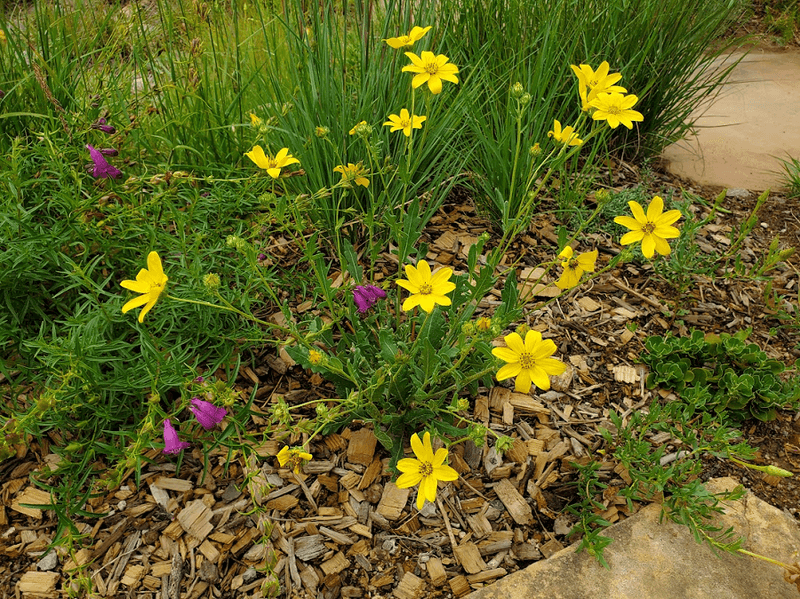
You step outside before breakfast, the patio already warm under your bare feet, and you realize you have not seen a horny toad in years. Plenty of Texans remember chasing those spiky little lizards as kids, and they’ve quietly disappeared from about 30 percent of their old range across Texas.
The good news is that the right native plants can help bring them back, because they feed the red harvester ants that make up 70 to 90 percent of a horned lizard’s diet. Here are eight plants that can turn your yard into a place where that childhood memory walks back in.
1. Little Bluestem Builds The Seed Pantry Harvester Ants Crave
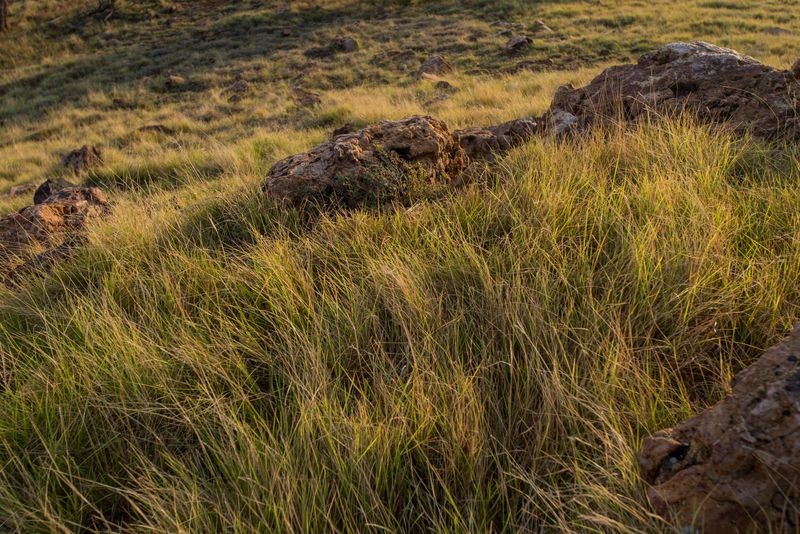
Picture a grass that turns the color of a new penny every fall and feeds ants all winter. Little bluestem (Schizachyrium scoparium) is that quiet hero, and it grows nearly everywhere in Texas, from blackland clay to East Texas sand.
Here is why it matters. Red harvester ants live on seeds, not sugar or garbage, and bunchgrasses like this one drop thousands of small seeds right where foragers travel.
Ant trails can stretch up to 200 feet from a nest, so a few clumps scattered across your yard genuinely add up.
Plant it in spring or fall, spacing clumps 18 to 24 inches apart so bare soil shows between them. Water deeply once a week for the first summer, then mostly let rain handle it.
It is not a magic fix by itself. But it is the backbone of the whole buffet, and every other plant on this list leans on it.
2. Sideoats Grama Is The State Grass With A Lizard Job
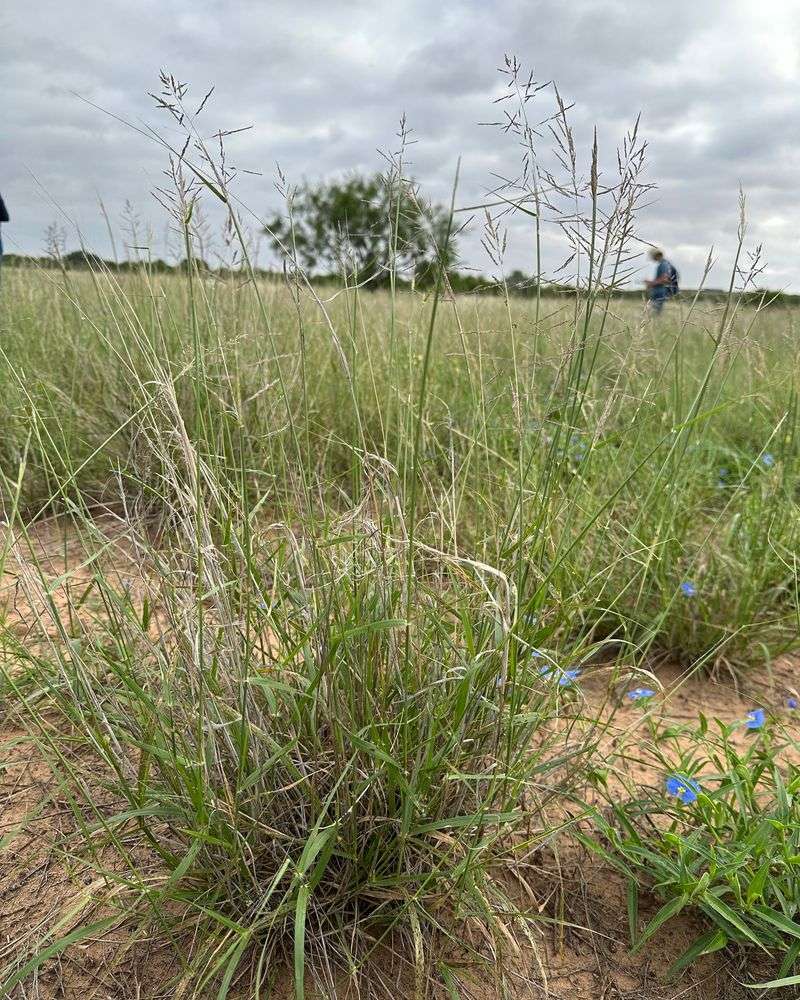
Most people walk right past the official state grass of Texas without knowing it. Sideoats grama (Bouteloua curtipendula) hangs its seeds along one side of the stem like tiny flags, which is exactly how it got the name.
Those dangling seeds fall easily, and harvester ants haul them home by the hundreds. The grass also handles shallow caliche in the Hill Country and West Texas, soil that makes most lawn grasses give up by July.
Sow seed at about 1 pound per 1,000 square feet in early spring, once soil warms past 60 degrees. Rake lightly and do not bury it deeper than a quarter inch.
Once it settles in, it shrugs off 100 degree stretches. You get a tough, low-water patch that actually feeds something.
3. Buffalograss Gives West Texas Yards A Lawn Ants Can Use
Myth: if you want horned lizards, you have to tear out your whole lawn. Not so, especially in the Panhandle and West Texas.
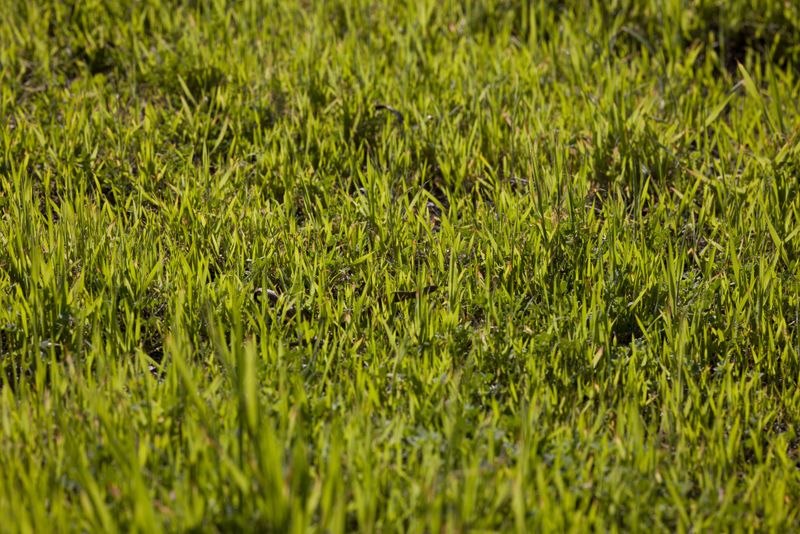
Buffalograss (Bouteloua dactyloides) is a short native turf that stays around 4 to 6 inches tall and needs a fraction of the water St. Augustine demands. It forms a thin, open mat, so sunlight hits the soil, and that warm ground is where horned lizards bask on cool mornings.
Pair it with blue grama (Bouteloua gracilis) for extra seed.
Plant plugs 12 inches apart in late spring. After it fills in, water about 1 inch every two to three weeks in summer, or less if rain shows up.
Your water bill drops, the mower rests, and the yard starts looking like home to a lizard again.
4. Mexican Hat Keeps Seeds Coming Through The Hottest Months
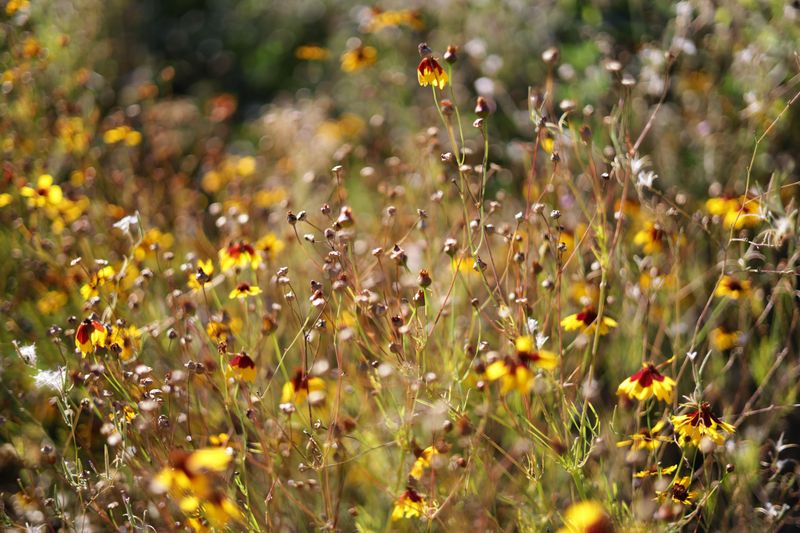
Spiky, cheerful, and a little silly looking, Mexican hat (Ratibida columnifera) blooms from late spring well into fall. Its petals droop like a sombrero brim around a tall brown cone.
That cone is the real prize. It ripens into a column packed with seeds, and it keeps doing so when grasses slow down in midsummer heat.
So when ants need food most, this wildflower is still open for business.
Scatter seed in fall, September through November, across bare spots in full sun. It handles clay, caliche, and sand, so it works across most of Texas.
Leave the spent heads standing instead of tidying them. That small bit of patience is genuinely what keeps the pantry full.
5. Engelmann Daisy Feeds Ants Early When Little Else Does
Spring is a hungry season. Harvester ants wake up and start foraging well before summer grasses set seed.
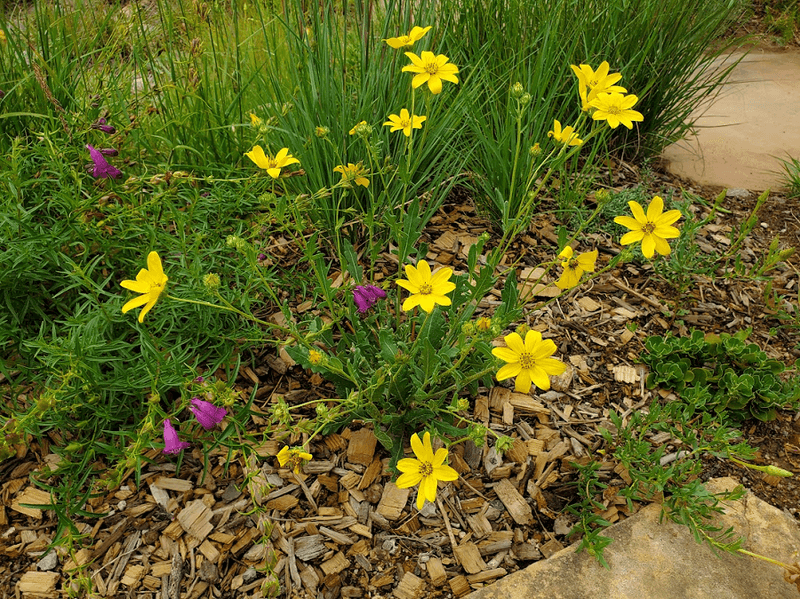
Engelmann daisy (Engelmannia peristenia) fills that gap. Its yellow blooms open in early spring and set seed by late spring, right when colonies are rebuilding.
The deep taproot, a single thick root that dives straight down, lets it ride out dry spells in Central and South Texas.
Plant transplants in fall or sow seed in October. Space them about 18 inches apart and water every 10 days until established.
Think of it as the breakfast course. Without it, your yard serves dinner but skips the first meal of the year.
6. Winecup Thrives In Blackland Clay Where Others Struggle
If you garden on sticky North Texas clay, you know the struggle. It cracks in August and turns to glue after a downpour.
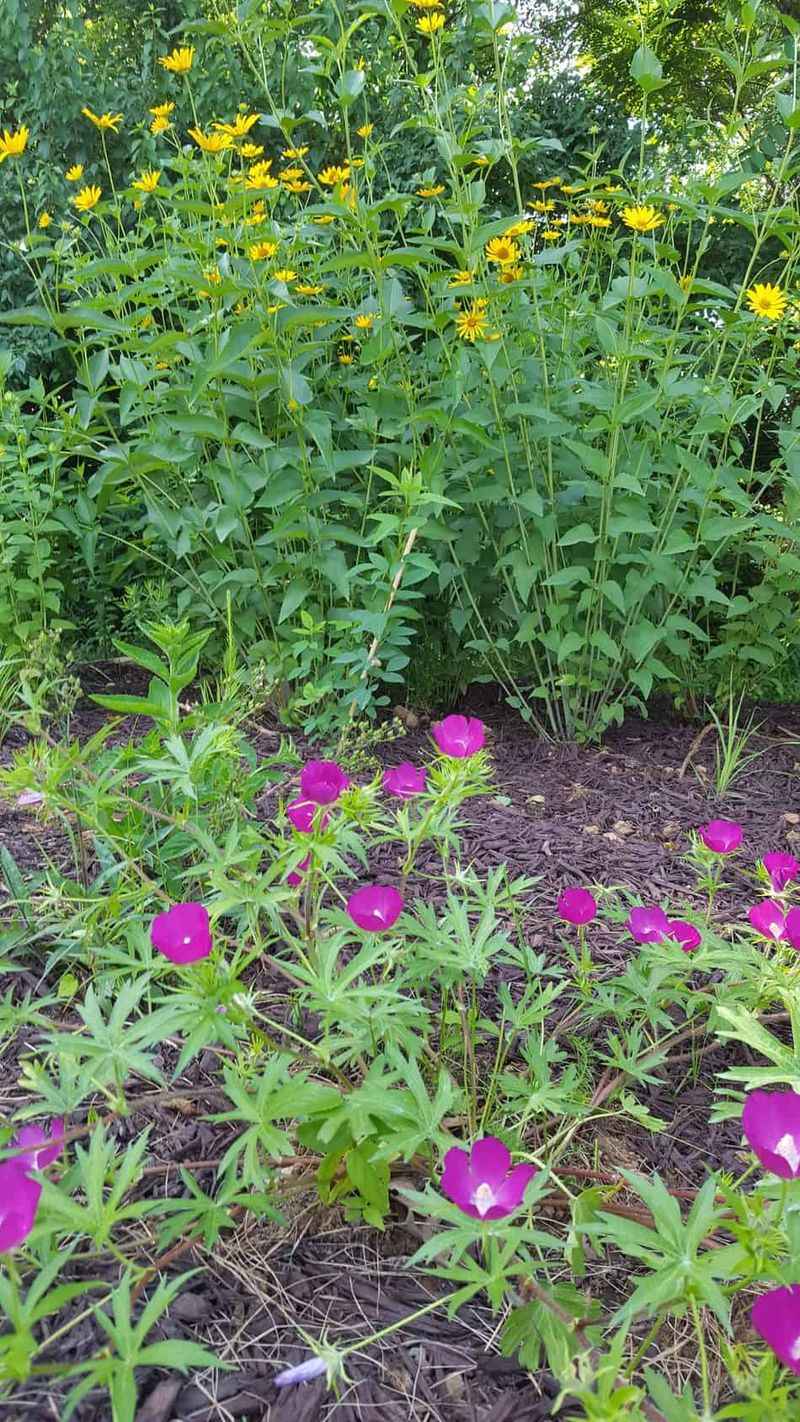
Winecup (Callirhoe involucrata) does not mind. This low, sprawling wildflower opens magenta cups in spring and sets seeds that ants carry off, and it never gets tall enough to shade out bare basking spots.
It stays under 12 inches, spreading about 3 feet wide.
Plant in fall in a sunny, well-drained spot, maybe on a slight slope. Do not overwater, since the root rots in soggy soil.
It is a small plant doing a big job, a low carpet of color that leaves room for lizards to sun.
7. Texas Sage Gives Lizards Shade To Escape Afternoon Heat
Horned lizards are not built for 105 degree afternoons. They bask in the morning, then need a cool hideout fast.
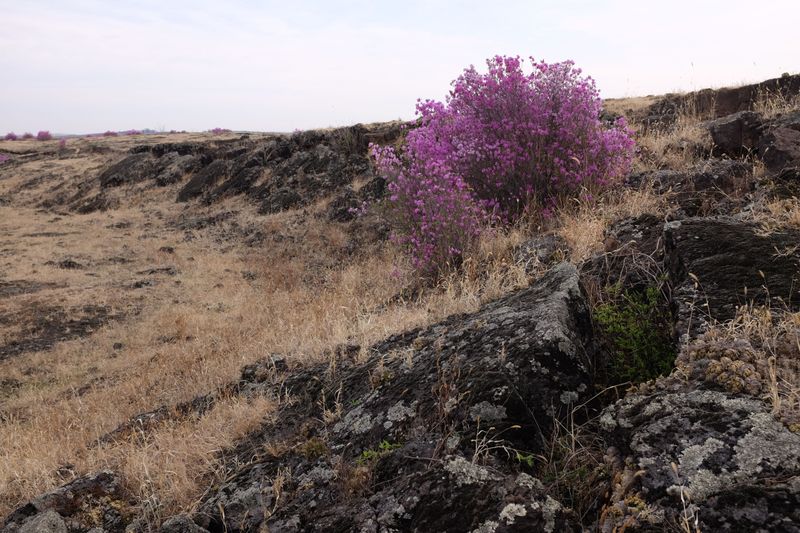
Texas sage (Leucophyllum frutescens) is that hideout. Its silver, open branches cast dappled shade close to the ground, and lizards slip underneath when heat spikes.
It does not feed ants much, which is honestly its point on this list. It is the porch, not the kitchen.
Plant shrubs 4 to 6 feet apart along the edge of open patches. Texas A&M AgriLife Extension rates it highly drought tolerant once established, so water deeply only during long dry stretches.
After rain it bursts into purple bloom. Neighbors will notice, and only you will know who is sleeping under it.
8. Bare Ground Between Plants Finishes The Whole Habitat
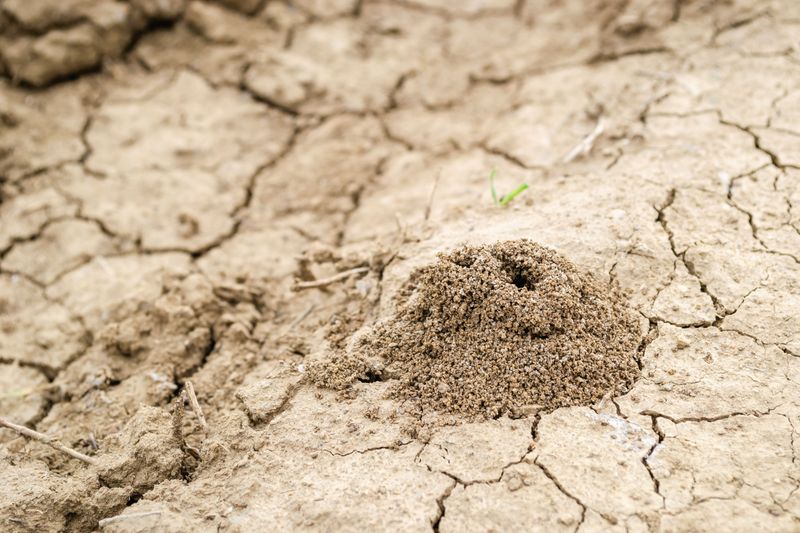
Here is where it gets tricky. The final ingredient is not a plant at all, it is the empty space between them.
Harvester ants clear circles 3 to 6 feet wide around their nests, and horned lizards hunt along those sunny lanes. Fire ants, the real antagonist here, push harvesters out, and broadcast pesticides wipe out both.
Texas A&M AgriLife Extension suggests treating individual fire ant mounds with baits rather than spraying the whole yard.
So leave a few sunny spots open, getting 6 to 8 hours of light, and skip mulch there. Let harvester mounds be, since they rarely bother people who leave them alone.
It will not happen overnight. But one warm morning you may spot a small spiky shape on that bare patch, and you will know you made room for it.
