
The Edible Florida Plants Homeowners Grow Along Driveways Instead Of Crape Myrtles
Follow us on Google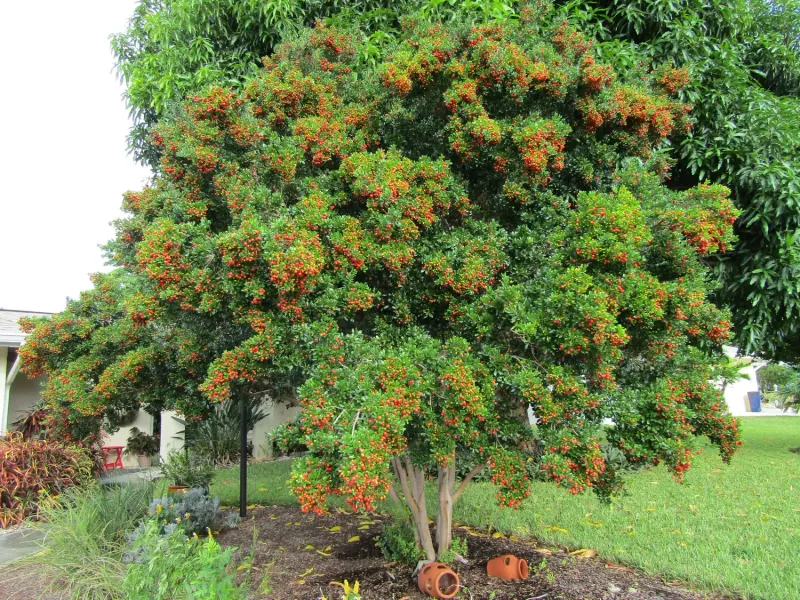
You step onto the patio after breakfast and the air already feels heavy, a thick Florida hug promising another sweltering day.
You glance toward the driveway, where your crape myrtles look tired again, spotted leaves and blackened bark staring back at you.
Many of us love a flowering tree along the drive, but crape myrtles bring a yearly battle with mold, scale, and disease.
What if one tough Florida native could give you curb appeal, feed the birds, and hand you a snack too?
It can, and here is how it works.
1. A Florida Native Steals The Show: Simpson’s Stopper
The hidden hero for your Florida driveway is Simpson’s Stopper, or Myrcianthes fragrans.
Homeowners from the Panhandle down through Central Florida and all the way to the Keys are treating it as a genuinely superior alternative to crape myrtles.
Here is where it gets good.
Unlike many non-native picks, this evergreen evolved to handle Florida’s long humid summers, intense sun, sudden downpours, and winter dry spells.
You will find it growing wild in coastal hammocks and along inland ridges, proof it belongs here.
Its dense form and upright habit make it perfect for lining a drive, offering a soft screen without the constant pampering.
So instead of fighting your landscape, you actually get to enjoy it.
2. Escaping The Endless Crape Myrtle Battle
Let us be honest about crape myrtles.
Beautiful in bloom, but they turn into trouble magnets in Florida.
Powdery mildew leaves white splotches, and Cercospora leaf spot drops leaves early after heavy rain, leaving your tree sparse and sad.
Then there is the scheming antagonist.
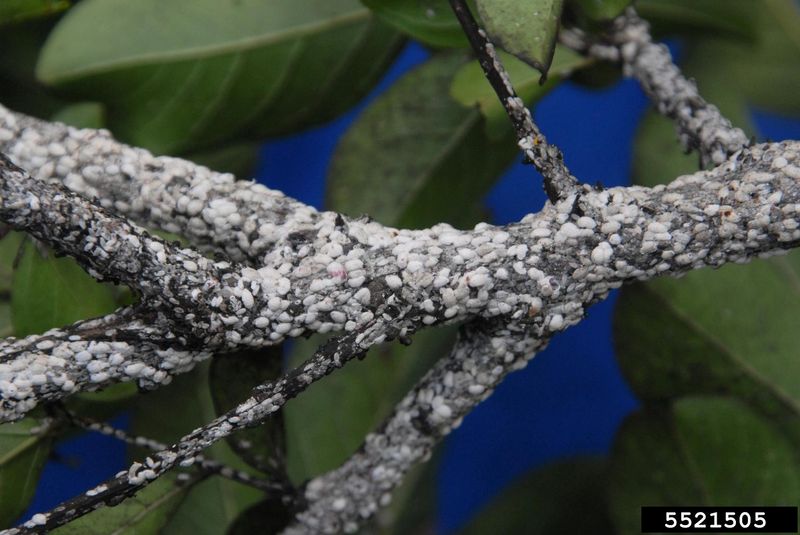
Crape myrtle bark scale, an invasive pest, has spread through the Southeast including South Florida since 2021.
These tiny insects secrete sticky honeydew that feeds black sooty mold, robbing the tree of both looks and blooms.
And do not forget crape murder, the harsh chopping many well-meaning gardeners inflict, leaving ugly knuckled stubs and weakened trees.
Simpson’s Stopper sidesteps all of it with strong pest and disease resistance.
You genuinely stop treating and start relaxing.
3. Hardy And Adaptable Across Florida’s Zones
A truly Florida-friendly plant has to handle everything from the cooler Panhandle to the year-round warmth of the Keys.
Simpson’s Stopper thrives across USDA zones 8b through 11, so it fits nearly the whole state.
In North Florida, established plants shrug off occasional hard freezes down to about 25 degrees Fahrenheit.
In South Florida, it soaks up tropical heat without complaint.
That is real range for one shrub.
Soil is where many plants get fussy, but not this one.
Most of Florida runs acidic sandy soil, with sandy loam in parts of the Panhandle and shallow limestone in the Keys.
Simpson’s Stopper grows happily in sandy, calcareous, or slightly alkaline ground, tolerating brief poor drainage while preferring well-drained spots.
From the Gulf Coast to the Atlantic, it just works.
4. A Feast For Wildlife And Your Family
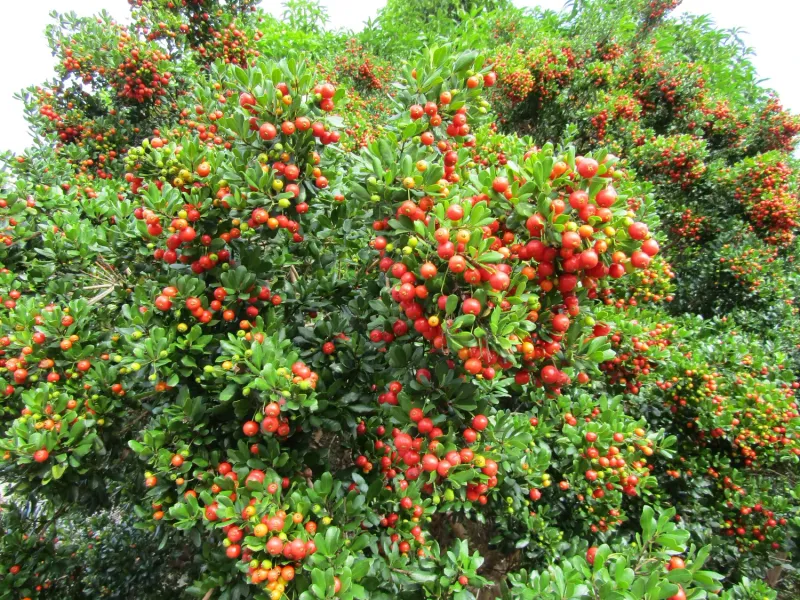
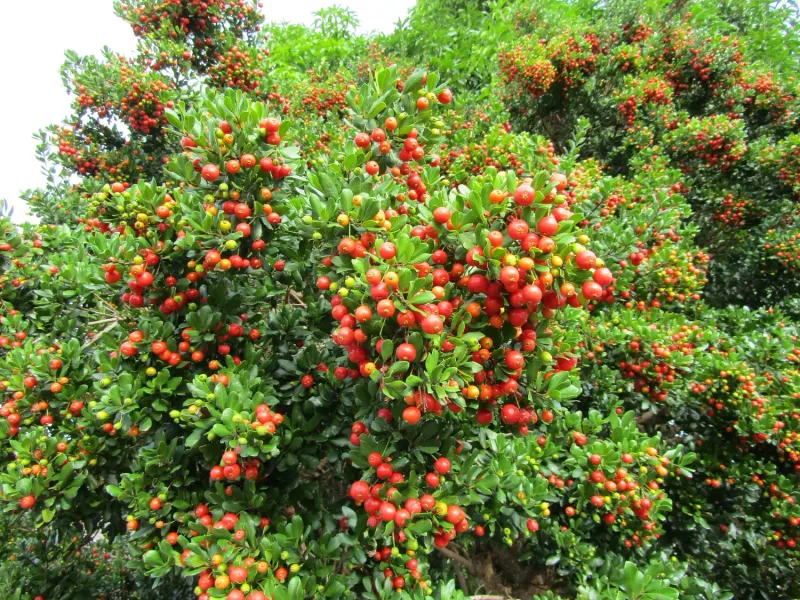
Picture small round berries ripening to bright red or orange-red in late summer and early fall, often hanging in pairs.
The sweet, mealy pulp is genuinely edible, with a mild citrus-like flavor you can eat fresh or turn into jelly.
Skip the seeds though, they run bitter.
Those berries are not just for you.
Mockingbirds, blue jays, and cardinals all crowd in for the fruit, putting on a lively show right outside your window.
The party starts earlier in the year, too.
In spring, delicate fragrant white flowers cover the plant, drawing butterflies and bees.
Planting one Simpson’s Stopper builds a tiny living habitat by your driveway, and that quietly connects your yard to the larger Florida landscape.
5. Sculpting Your Driveway Sanctuary
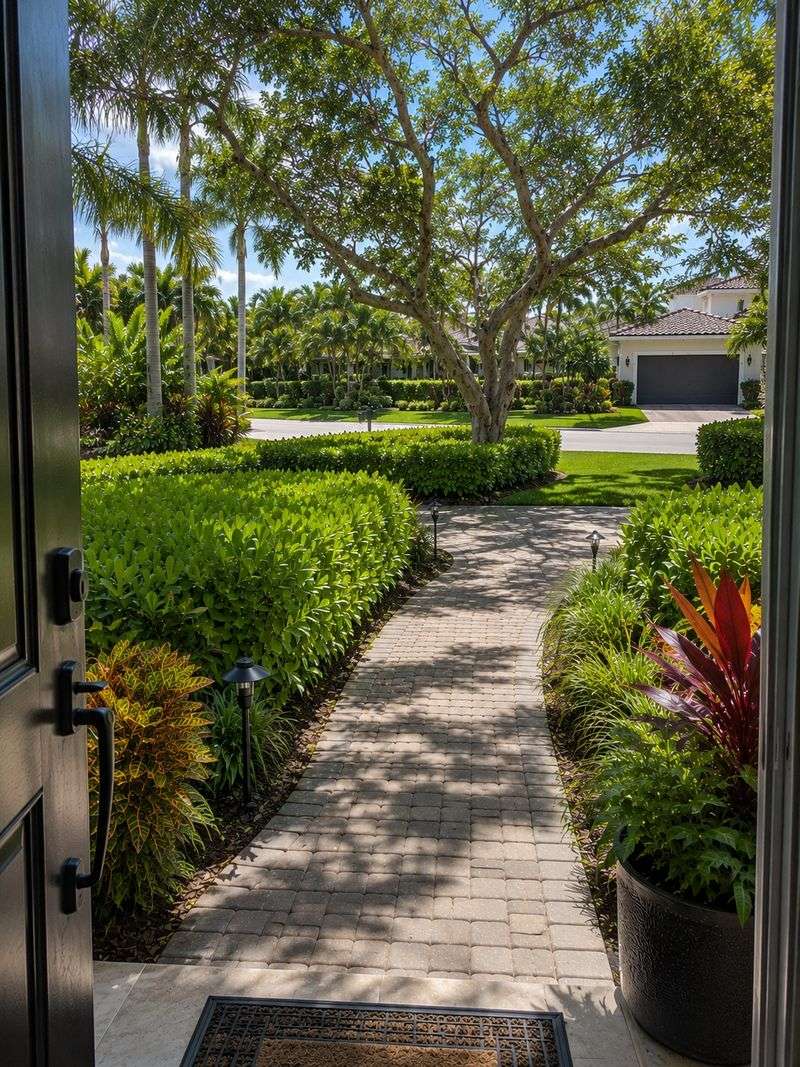
Imagine a driveway framed by lush evergreen foliage that stays tidy without heavy pruning.
Simpson’s Stopper delivers exactly that as a slow to moderate grower, adding roughly one foot of height per year, so it will not outrun you.
You have options.
Light shearing keeps it a refined hedge at 6 to 8 feet, or you let it climb to a natural multi-trunked tree of 10 to 20 feet, sometimes 30 in ideal spots.
There is even a Compacta cultivar that holds around 5 feet for tight corners.
Spacing makes the screen work.
For a dense hedge, set plants 3 to 5 feet apart, and for standalone specimens, allow 5 to 10 feet.
Dig a hole twice as wide as the root ball and just as deep.
Thoughtful placement gives your entrance a purposeful, polished look.
6. Thriving Through Florida’s Extremes
Florida weather swings hard, from scorching sun to torrential downpours to the occasional brush with a tropical storm.
A driveway plant has to take it all, and Simpson’s Stopper genuinely does.
Once established, it is remarkably drought-tolerant through long dry spells.
In its first year or two though, water deeply so the soil stays moist to a depth of at least 6 to 8 inches, then let the top few inches dry before watering again.
That habit keeps root rot away.
Salt spray sinks many coastal plants, but this one is a hero along both the Gulf and Atlantic, holding high salt tolerance for beachside yards.
It also handles wind well once mature, standing up to strong gusts.
You plant it, then you worry less.
7. What Else Actually Helps Your Florida Landscape Thrive
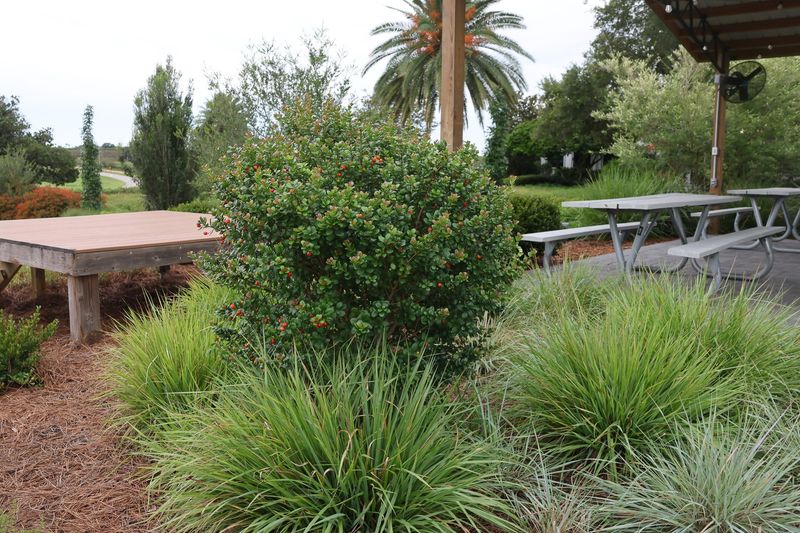
Picking a champion like Simpson’s Stopper is a strong first step, but a thriving yard comes from managing the whole ecosystem.
Florida-Friendly Landscaping principles, like watering efficiently and fertilizing only when needed, genuinely make the difference.
Deep, infrequent watering builds stronger roots than shallow daily sprinkles, which only grow weak surface roots.
Most established plants, including Simpson’s Stopper, do well on about three-quarters to 1 inch of water per week during dry stretches, from rain or irrigation.
Walk your yard now and then to catch stress or pests early, even though this shrub rarely gives you trouble.
When something looks off, your local UF/IFAS Extension office offers expert, region-specific advice, and it has helped many Central Florida gardeners through cold snaps and new pests.
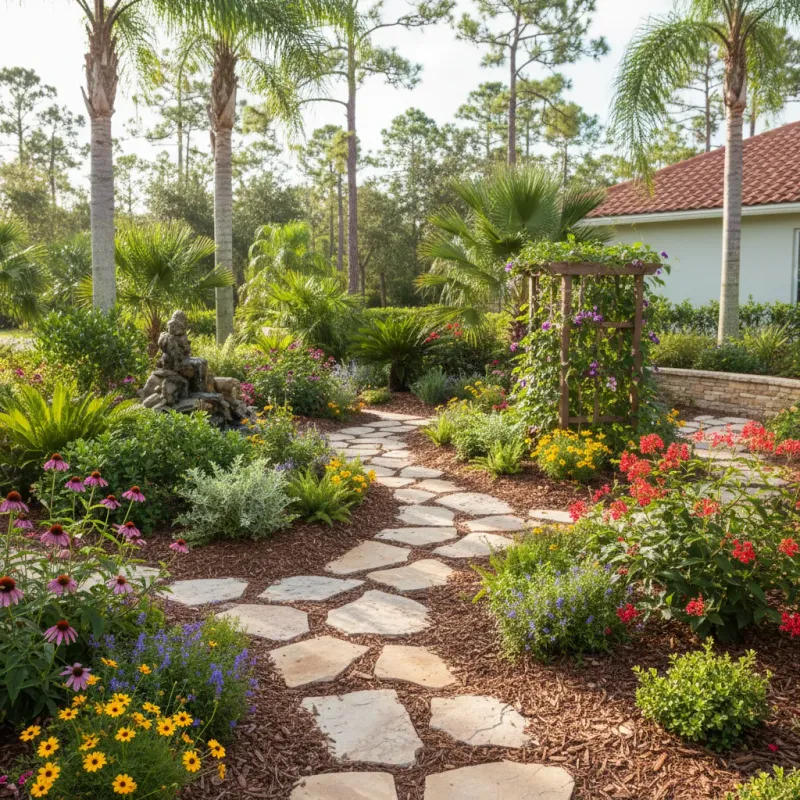
Pair it with coontie, Zamia integrifolia, at the base and muhly grass, Muhlenbergia capillaris, behind it.
You end up with a resilient, edible entrance and a quiet sense of pride.