
Plant These Pennsylvania Native Perennials Now In Your Worst Soil And Watch Them Thrive
Follow us on Google
You step into your Pennsylvania yard on a humid August afternoon, and there it sits, that bare patch of stubborn soil that mocks every green-thumb dream you have.
You have tried compost, you have tried watering, and still nothing takes hold.
But here is the good news.
A handful of tough native perennials actually prefer that miserable ground, and they come back free year after year with almost nothing from you.
Let’s meet the quiet heroes that thrive where everything else quits.
1. Wild Quinine Makes Hard Work Easy
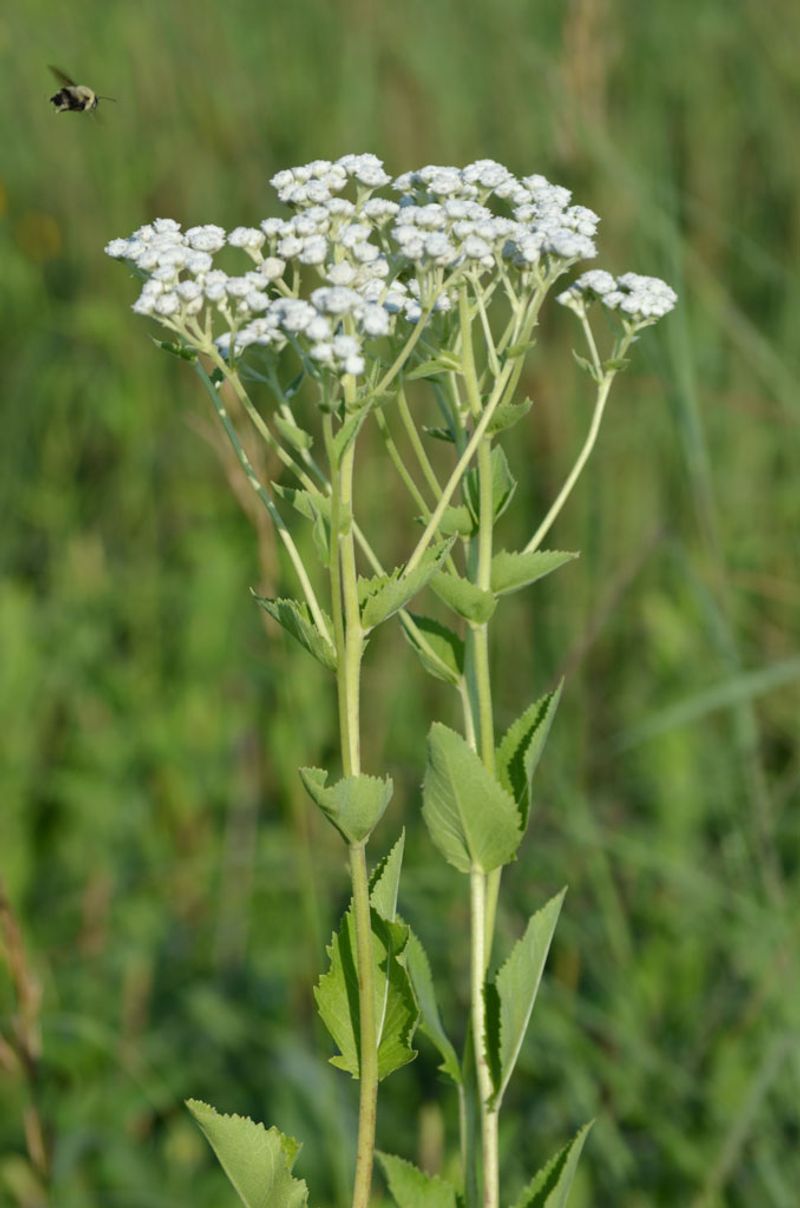
You have probably walked right past this one, its old-fashioned name calling up dusty remedies instead of garden beauty.
But Wild Quinine (Parthenium integrifolium) is a champion for the spots that break your heart.
It stands 2 to 4 feet tall, with stout stalks rising from rosettes of rough, toothed leaves.
It does not just survive poor soil, it thrives in rocky, sandy, or heavy clay sites, so long as drainage stays decent.
Once established, it laughs off the dry spells that hit between those sudden Pennsylvania thunderstorms.
The secret is a deep, fibrous root system that anchors it firmly and holds slopes together, a real bonus on eroding ground.
Clusters of small white flowers, like miniature cauliflower heads, bloom from May through September, feeding native bees and butterflies for about eight weeks.
Deer avoid it because the leaves are bitter and rough, another win for you.
Plant these in full sun, spaced 2 to 3 feet apart, then mostly leave them alone.
They will reward you with steady bloom and a sturdy presence, no coddling required.
2. Goldenrods Are Garden Gold For Tough Sites
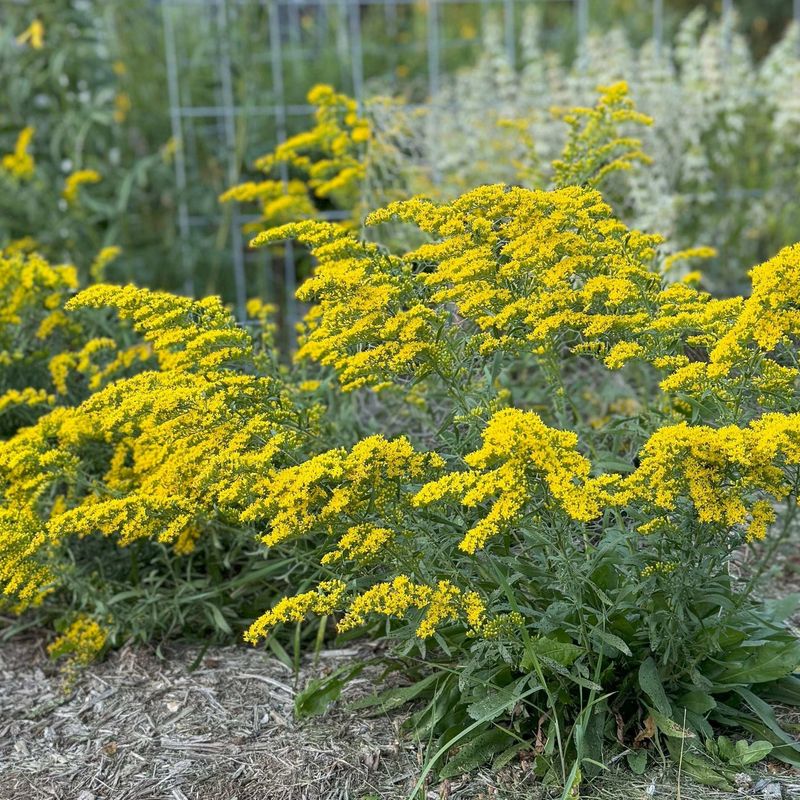
Most folks unfairly lump every goldenrod together, picturing aggressive roadside weeds and blaming them for fall sneezes they never caused.
But among the many native species, real garden gems hide in plain sight.
Gray Goldenrod (Solidago nemoralis) and Early Goldenrod (Solidago juncea) genuinely prefer drier, poorer, less fertile ground.
These are not the rampant spreaders you fear.
They stay shorter, often 1 to 2 feet, forming tidy clumps rather than taking over the whole bed.
They tolerate dry, clay, or rocky conditions, and once established they shrug off drought.
Come late summer into fall, they light up your yard with bright yellow blooms, a crucial late-season nectar source for monarchs fueling their long trip south.
Plant them in full sun, about 18 to 24 inches apart, especially in spots that get baked by the afternoon heat.
That is where they actually shine, bringing life to ground where other plants simply gave up.
Fewer trips with the hose, more visitors buzzing around.
Your worst corner suddenly earns its keep.
3. Foxglove Beardtongue Embraces Diversity
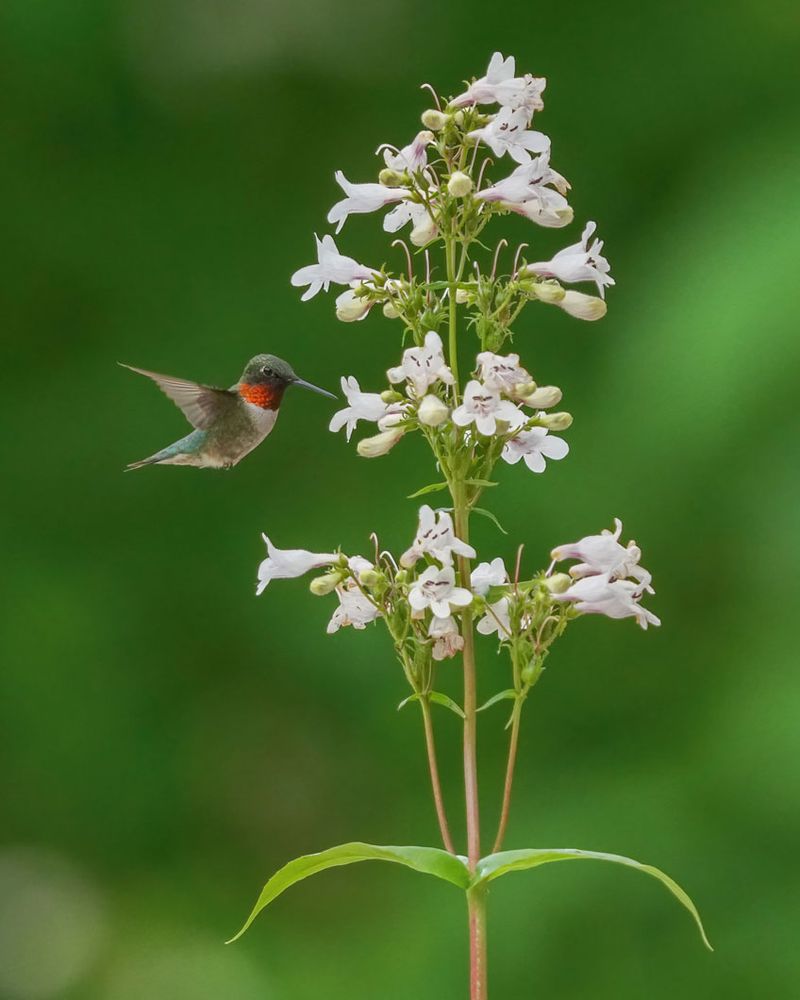
Here is where it gets tricky.
Several plants get called beardtongue, but the one you want for genuinely tough spots is Foxglove Beardtongue (Penstemon digitalis).
This elegant perennial adapts easily, thriving in full to partial sun and all sorts of well-drained soils, from sandy loams to heavier clay.
It handles poor ground and drought once its roots take hold, which makes it a smart pick for a low-fuss landscape across the central valleys or the Allegheny Plateau.
But be honest about the limit.
Heavy clay with poor winter drainage can rot the roots, so give it some basic drainage and it stays happy.
You will watch strong, upright stems climb 3 to 5 feet, topped with showy panicles of white to pale pink tubular flowers in May and June.
Those snapdragon-like blossoms pull in long-tongued bees, bumblebees, and hummingbirds, turning a dead corner into a buzzing spectacle.
Deer and rabbits tend to pass it by, a welcome relief.
Plant them 1 to 2 feet apart and they form beautiful clumps, adding vertical drama and a steady pollinator feast.
4. Mountain Mint Brings The Buzz
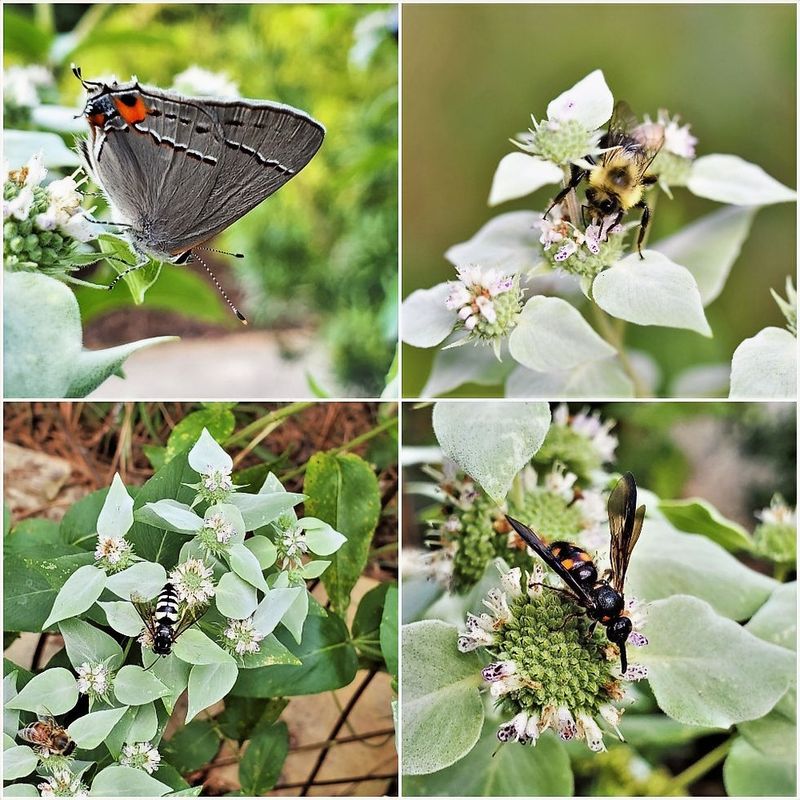
If you want a pollinator magnet that is also tough as old boots, meet Mountain Mint (Pycnanthemum species).
Several kinds are native to Pennsylvania, and all of them earn a spot in a challenging bed.
Clustered Mountain Mint (Pycnanthemum muticum) stands out.
The flowers are small, but silvery bracts wrap around the white to lavender blooms and create a soft, glowing texture from July through September.
It is one of the most visited plants in pollinator studies, drawing a dizzying crowd of bees, butterflies, wasps, and flies, even in trials at the Penn State Southeast Agricultural Research and Extension Center.
These mints grow in full sun to part shade and tolerate a wide range of poor soils, clay included.
Once established, they handle those hot, humid summers with ease, growing 2 to 3 feet tall in bushy clumps.
They spread by shallow rhizomes, but nowhere near as aggressively as the mint in your kitchen garden.
Deer and rabbits steer clear of the strong, minty scent.
Keep the spread in check by slicing the roots with a shovel each spring, and it stays exactly where you planted it.
5. Blazing Star Shines In Dry Clay
Many southeastern Pennsylvania gardeners fight heavy clay that turns to concrete in summer and stays soggy all winter.
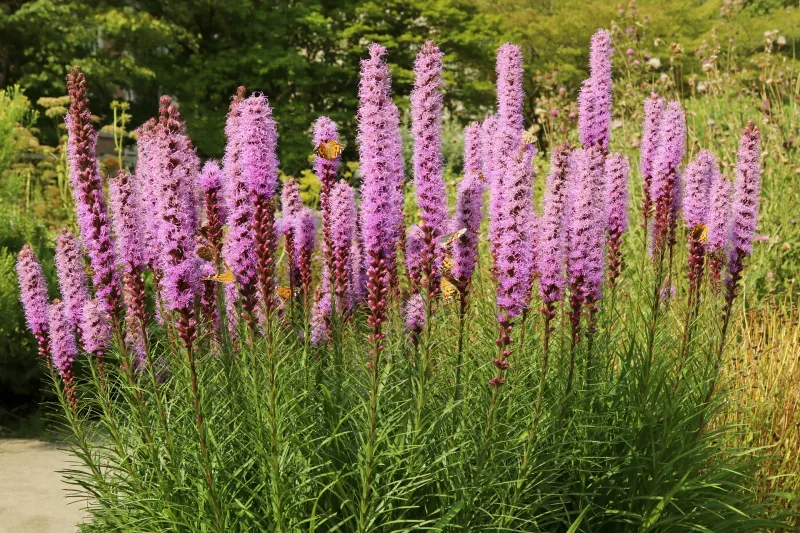
Dense Blazing Star (Liatris spicata), also called Gayfeather, offers a dramatic answer to that exact misery.
It genuinely tolerates poor soil, heat, humidity, and drought, and it will even handle heavy clay.
There is one important catch.
It will not survive standing wet feet through winter, so drainage matters.
If your clay pools with water in the cold months, tuck it into a slightly raised bed or a spot where moisture drains away.
You will love the vertical punch it brings, tall spikes of rose-purple flowers, sometimes white, opening from the top down between July and September.
Those feathery plumes reach 2 to 6 feet, perfect for the back of a border or a naturalized meadow patch.
Butterflies, bees, and hummingbirds flock to it, and deer usually leave it be.
Plant the corms in spring or fall, spacing them 1 to 2 feet apart in full to partial sun.
A little planning up front, and that soggy clay corner finally does something worth watching.
6. Milkweeds Offer More Than Monarchs
You know milkweed as the must-have for monarchs, but several Pennsylvania natives also shrug off lousy soil like it is nothing.
Common Milkweed (Asclepias syriaca) proves the point, tolerating extremes and fussing little about soil type or pH.
It even accepts some wet ground, though it generally prefers average to well-drained soil in full sun to part shade.
This robust perennial climbs 4 to 6 feet and spreads by rhizomes, so give it room or be ready to manage its enthusiasm.
Fragrant pink to white flower clusters bloom June through August, sweetening the summer air.
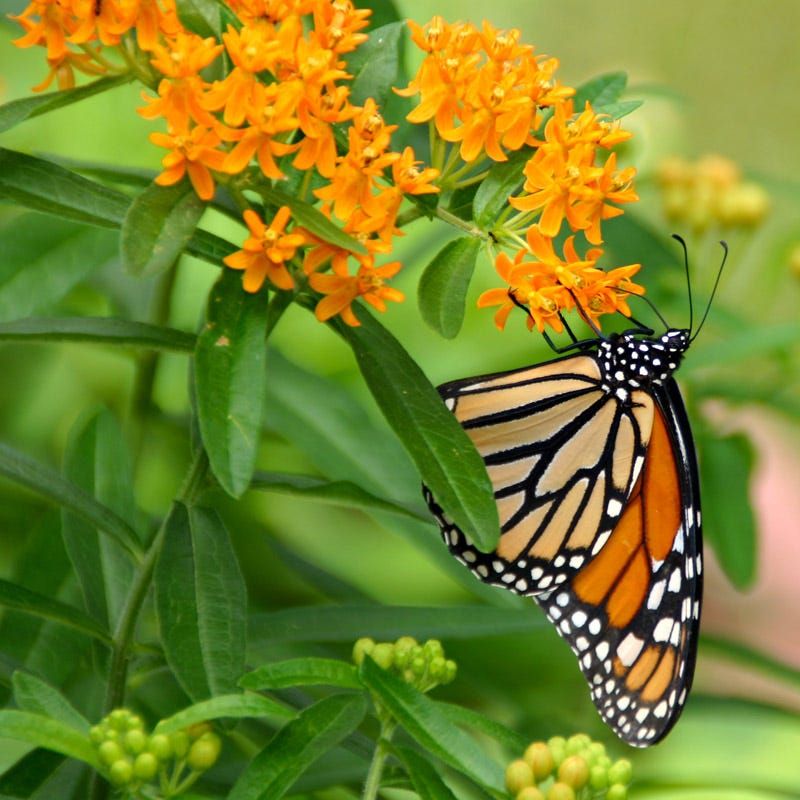
For drier, poorer, sunny spots, Butterfly Weed (Asclepias tuberosa) is genuinely spectacular.
Unlike its cousin, it carries no milky sap and demands dry to medium, well-drained soil, showing off real drought grit.
Growing 1 to 3 feet tall, its vivid orange to yellow flowers glow from June to September, pulling in monarchs and a whole crowd of other butterflies.
Plant these a generous 1 to 3 feet apart in full sun for good airflow and sturdy growth.
Two plants, one job, and both feed the migration you want to protect.
7. New England Aster Sustains Fall Beauty
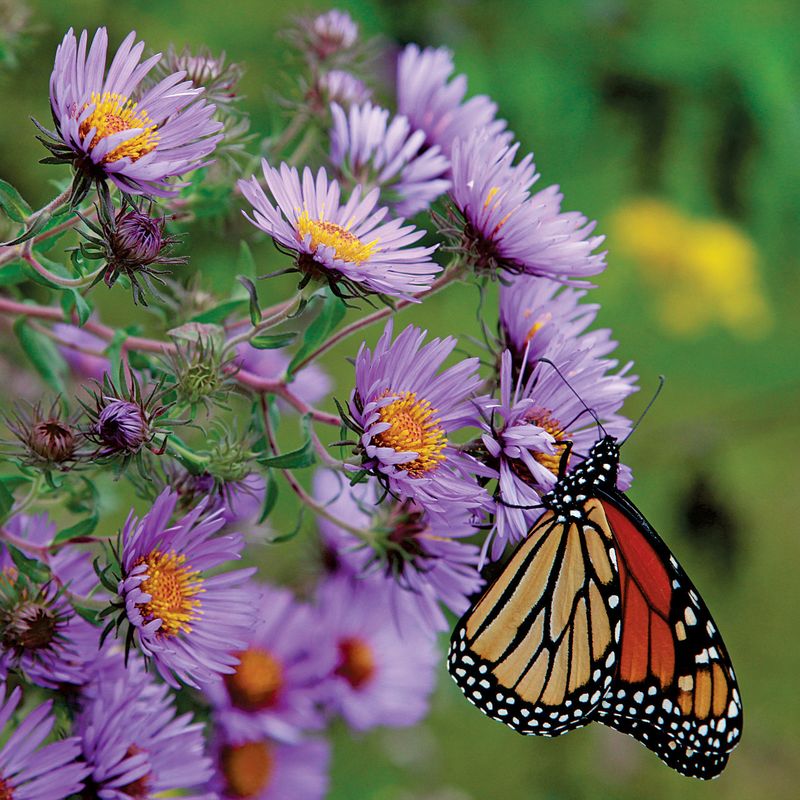
When the season turns chilly and most blooms fade, New England Aster (Symphyotrichum novae-angliae) steps up and keeps the buffet open for migrating butterflies and bees.
Many western Pennsylvania gardeners lean on it for exactly that reason.
It tolerates dry and clay soils, making it a strong pick for tough spots that otherwise look bare come autumn.
It leans toward well-drained, slightly acidic ground, but its flexibility is the real selling point for a busy homeowner.
You will get a big show of purple to pink flowers with yellow centers, opening from September into late fall.
These asters can stretch 3 to 5 feet, a gorgeous backdrop when you pair them with goldenrods.
Prefer something bushier and shorter?
Cut it back by about one-third in mid-summer before it blooms, and it fills out instead of flopping.
Plant New England Aster in full sun to light shade, giving it at least six hours of direct light for the best flowering.
Space them 1 to 2 feet apart for airflow, which genuinely matters in Pennsylvania’s muggy stretches.
Your last warm porch evenings get a purple sendoff.
8. Black-Eyed Susan Cheering Up Dry Spots
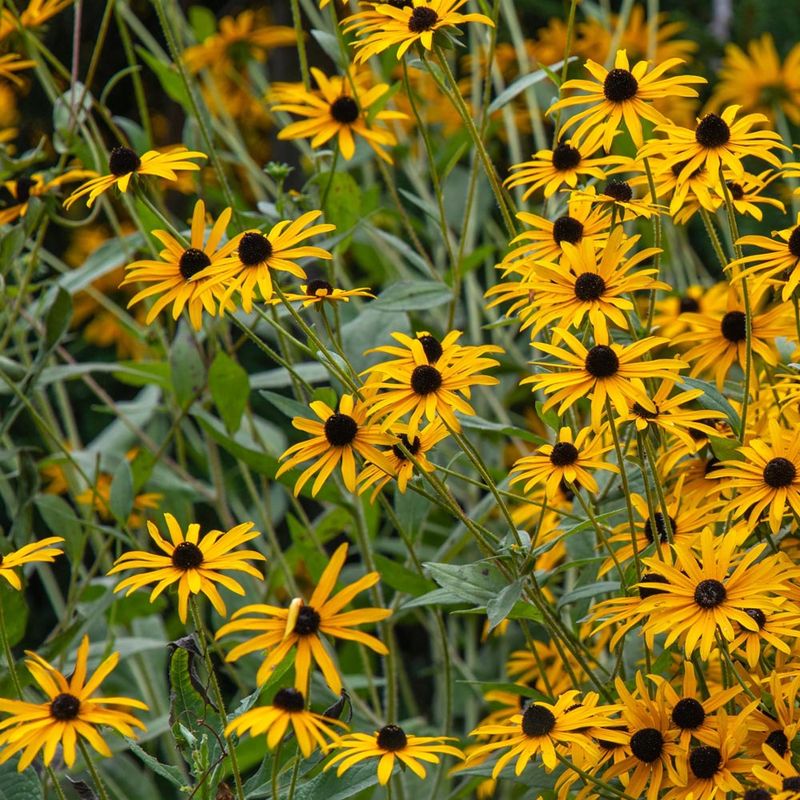
Everyone grins at the cheerful face of a Black-Eyed Susan (Rudbeckia hirta), and here is the payoff, this Pennsylvania native is a true workhorse that thrives in some of the worst soil you can throw at it.
Gardeners around the Lake Erie region trust it to handle rocky, sandy, and downright poor ground, even riding out drought once established.
It is the answer for that brutal hell strip along the driveway, where poor drainage and winter salt spray defeat almost everything else.
Golden-yellow flowers with dark centers burst out from summer into fall, a steady dose of sunshine.
Technically a biennial that often behaves like a short-lived perennial, it self-seeds so readily you get a fresh supply of plants with no effort at all.
It grows best in full sun, reaching 1 to 3 feet, handy for mass plantings or weaving among other tough natives.
Sow seeds in late spring or early summer, or set out small plants, giving each about 1 foot of room.
Bees and butterflies sip the nectar, and birds pick at the seed heads deep into winter.
9. Eastern Bluestar Offers A Gentle Touch
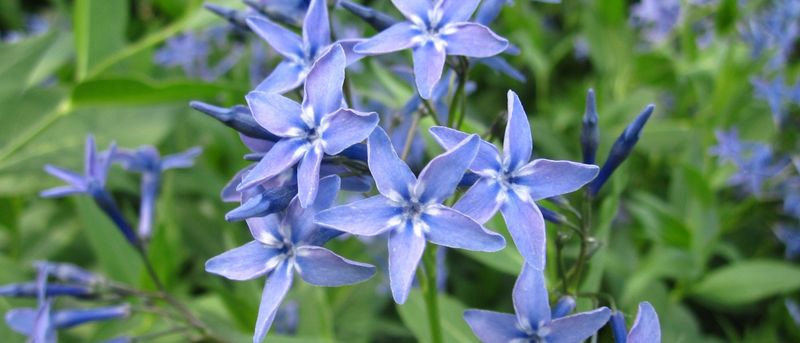
For a plant with refined manners that still toughs it out, Eastern Bluestar (Amsonia tabernaemontana) belongs on your list.
It leans toward moist, well-drained soil, yet it adapts surprisingly well and tolerates poor ground too.
Its secret weapon is a deep taproot, which lets mature plants ride out dry spells with impressive calm, even after a long humid Pennsylvania summer.
In May and June, delicate blue, star-shaped flowers open against willow-like green foliage, a soft, quiet contrast that never shouts.
The plant forms upright clumps 2 to 4.5 feet tall with a similar spread.
It thrives in full sun but manages partial shade, though too little light can leave it floppy and reaching.
Deer generally pass it by, which makes it a low-stress addition to many yards.
Plant these beauties 24 to 36 inches apart in spring, and you get more than one good week.
You get spring blue flowers, lush summer green, and a stunning golden-yellow fall finish that closes the garden year in style.