
Five Reasons To Top Your Tomato Plants Now So The Fruit You Have Ripens Before The Cold
Follow us on Google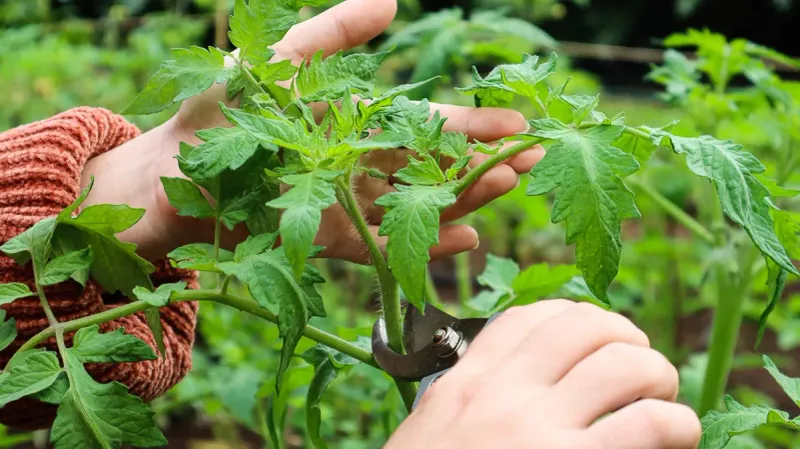
It is late August, and you are standing in the garden at dusk, coffee cooling in your hand, staring at a plant loaded with green tomatoes.
The first frost is creeping closer, and those tomatoes are running out of time.
Here is the fix your neighbors already know about.
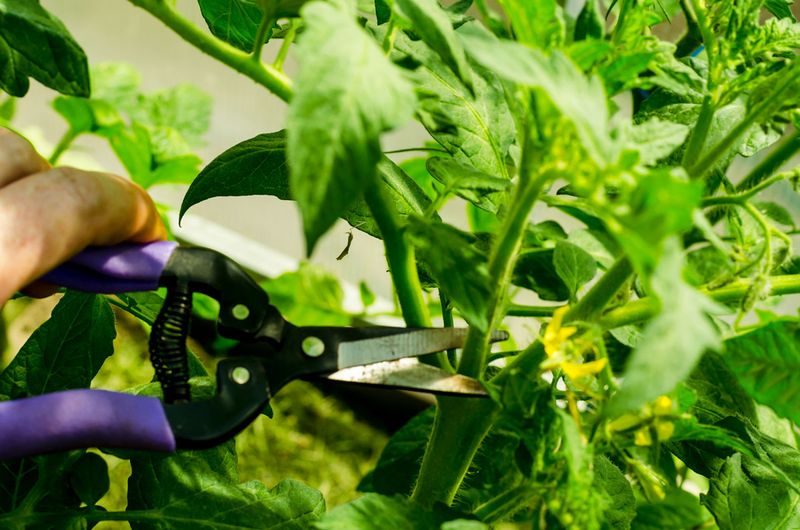
Topping, which just means snipping off the main growing tip, tells the plant to stop chasing new growth and finish the fruit it already has.
Do it now, and you can still get a real harvest before the cold shuts everything down.
1. The Plant’s Energy Focuses On The Fruit Already Set
Picture your tomato plant as a worker juggling too many jobs at once.
It is trying to grow taller, push out new leaves, open fresh flowers, and ripen the fruit already hanging on the vine.
With the season shrinking, most of those new flowers will never become anything you can eat.
Topping settles the argument.
When you cut off the main growing tip, the plant stops pouring sugar into new vines and blossoms.
That energy swings back toward the tomatoes already formed.
Timing matters here.
A tomato flower usually needs about six to eight weeks to become a ripe fruit, and smaller cherry types take four to six weeks.
If frost is only a month out, those late blossoms are wasted effort.
So you redirect the plant, gently.
Instead of spreading itself thin, it puts its remaining runway into finishing what it started.
That is the whole point of topping this late in the year.
2. Bigger, More Flavorful Tomatoes Develop
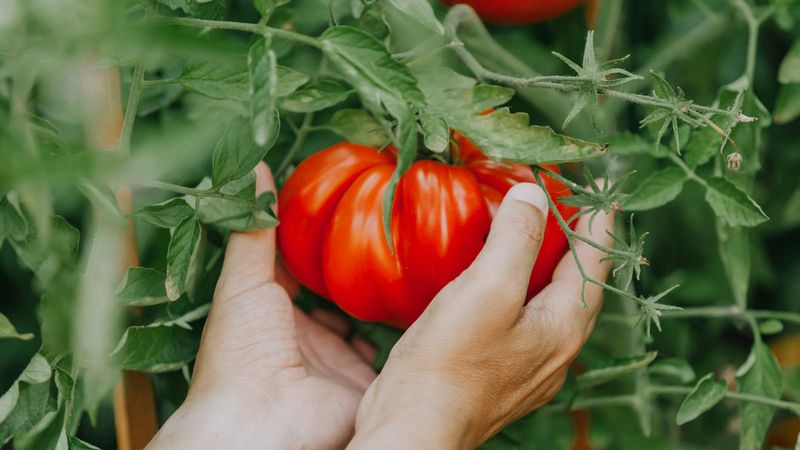
Many gardeners chase that one perfect tomato, heavy in the hand and sweet enough to eat like an apple.
Topping tilts the odds your way for the last crop of the year.
Think of it like a limited budget.
When the plant has fewer mouths to feed, it can spend more on each one.
The green tomatoes still on the vine get a bigger share of the water and nutrients moving up the stem.
That concentrated support tends to show up in size and taste.
Fruit often finishes plumper, and the flavor deepens instead of staying watery and flat.
None of this is magic, and topping alone will not rescue a badly stressed plant.
But paired with steady watering, it gives your remaining tomatoes their best shot at being the ones you actually remember come winter.
3. Improved Airflow And Better Light Reach The Fruit
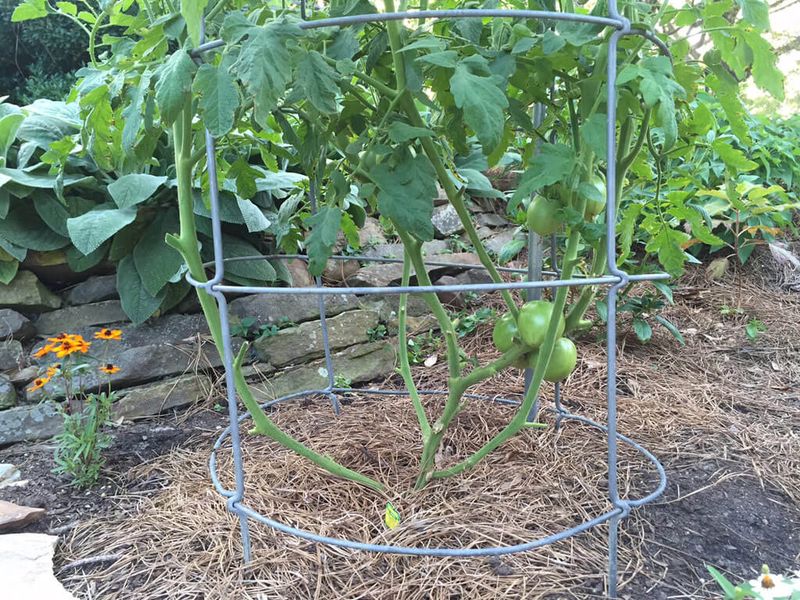
By late summer, a tomato patch can look like a small jungle.
Vines tangle over the cage, leaves pile on leaves, and the fruit hides somewhere in the shade.
Cutting back the top growth opens that mess up.
More light slips down to the lower and inner fruit.
Tomatoes do not strictly need direct sun to ripen, warmth does most of the work, but an open canopy still helps the process along.
The bigger win is airflow.
A crowded, still plant traps humidity, and that is exactly what late-season fungal trouble like blight loves.
Spores splash up from the soil onto packed lower leaves and spread fast.
Better circulation keeps the foliage drier, which makes the plant a less welcoming home for those diseases.
Purdue Extension notes that good spacing and air movement are among your first defenses against tomato blight.
Topping is one layer of that, not the whole wall.
4. Reduced Plant Stress Leads To A Healthier Harvest
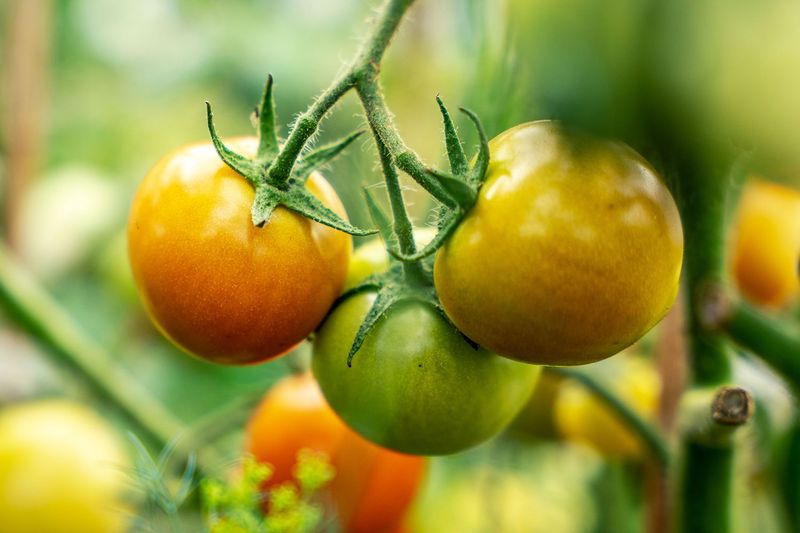
Your tomatoes have been grinding all season.
They have fought heat, hungry bugs, and swings in the weather, and by late summer many show it with yellowing leaves and a tired, ragged look.
Asking an indeterminate variety of Solanum lycopersicum, the kind that keeps climbing until frost, to also crank out new growth right now is a heavy load.
That constant push wears the plant down when it can least afford it.
Topping lightens the job.
The plant trades sprawling expansion for one clear goal, ripening the fruit already on board.
A calmer plant handles cool nights and a sudden pest flare-up better than a stressed one.
Healthier plants tend to hand you better fruit, and that is really the payoff sitting on your kitchen counter.
5. Tidier Plants Make Harvesting And Cleanup Easier
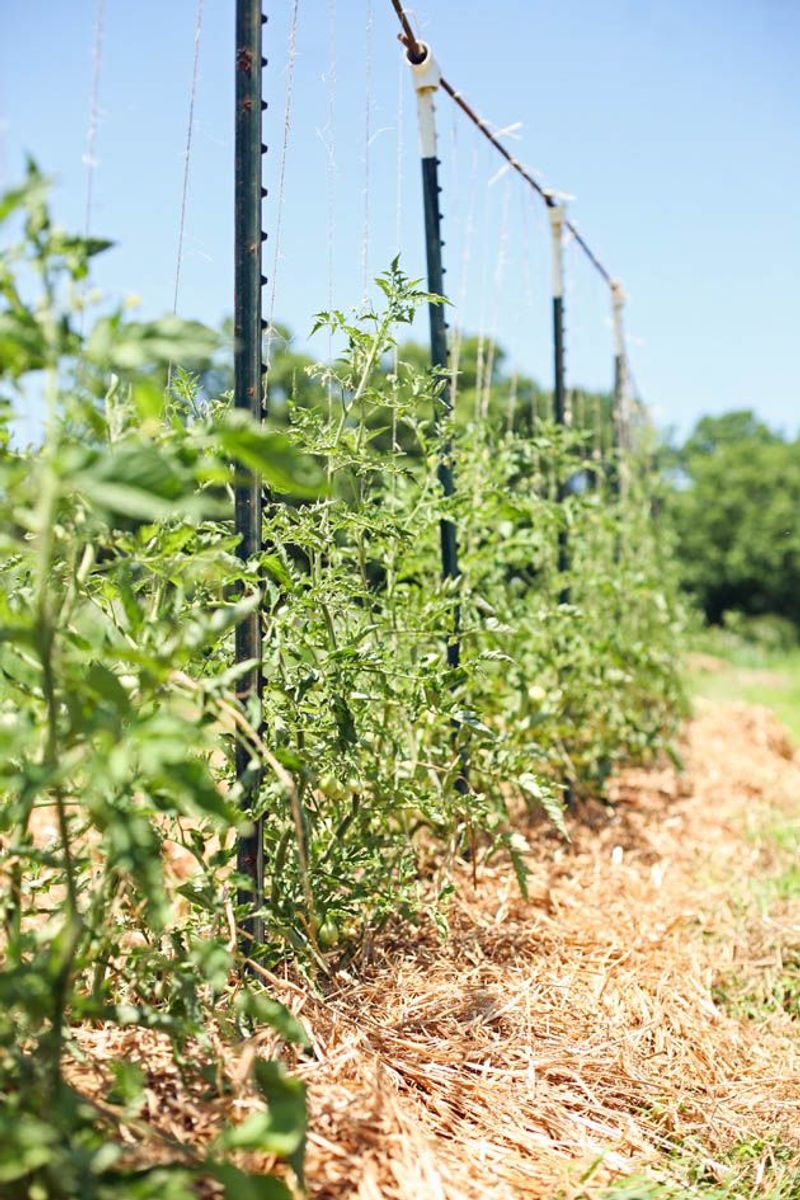
Be honest about how the tomato bed looks by early September.
Vines flop over the supports, and hunting for a ripe one feels like reaching into a hedge.
Topping brings order back.
Snip the uppermost growth, and those ambitious vines finally stay put.
The plant turns compact and easy to walk around.
You spot ripe fruit faster, so fewer tomatoes rot unnoticed deep in the tangle.
When the last days arrive and it is time to clear the bed, a tidier plant makes that chore quick instead of dreaded.
Aim to top indeterminate plants about 30 days, or four to six weeks, before your average first frost.
Across much of the country that lands in September, though warmer southern gardens may wait until late September or early October.
Check your local date through your Cooperative Extension office, since it shifts by region.
Leave a few leaves above the top fruit cluster to guard against sunscald.
Tomatoes ripen best between 68 and 77 degrees Fahrenheit and slow way down below 54, so this one small cut can mean a last, sweet handful of homegrown fruit before the cold arrives.