
13 Soft Pink Perennials Pennsylvania Gardeners Love For Effortless Cottage Style
Follow us on Google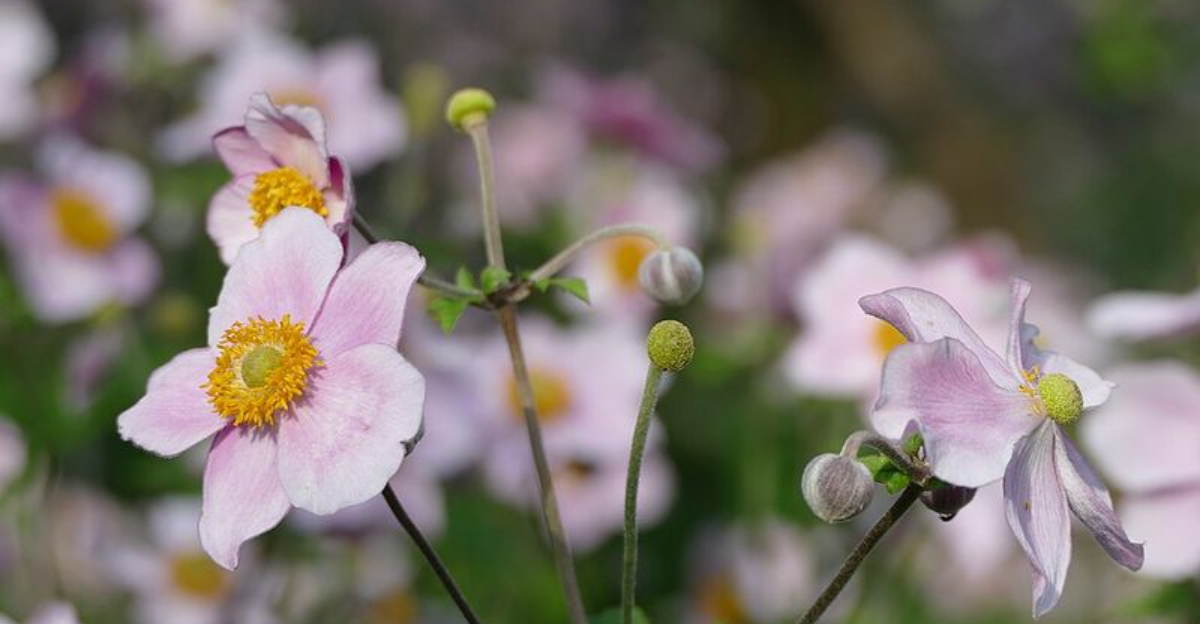
Soft pink blooms have a way of making a Pennsylvania garden feel settled, romantic, and surprisingly easy to pull together. If you love that relaxed cottage look, the right perennials do most of the styling for you year after year.
These favorites handle local seasons well, pair beautifully with classic whites and purples, and give beds a gentler look than brighter hot-pink flowers. Here are the soft pink standouts gardeners keep coming back to when they want charm without constant fuss.
Astilbe
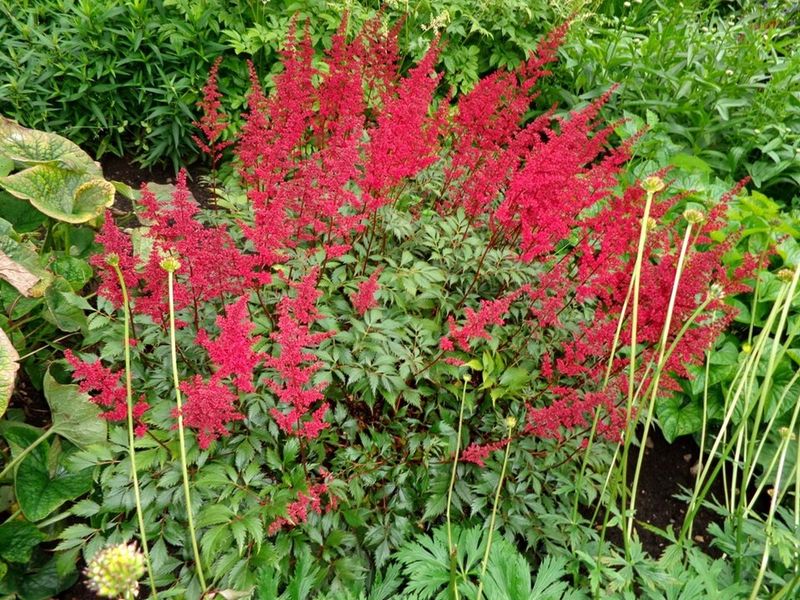
Feathery bloom spikes bring an airy softness that cottage gardens need, especially in those half-shaded Pennsylvania spots where many flowering plants sulk. You get color, texture, and a graceful upright shape without asking the bed to sit in full sun all day.
That makes this one especially useful along porches, under open trees, or beside a north-facing fence.
Moisture matters more than fussing, so plant it in soil that stays evenly damp and add compost before setting it in place. A light mulch helps during sticky summer stretches, and you will notice the foliage stays fresher when roots do not bake.
Soft pink varieties look especially pretty beside blue hostas, white foxgloves, and pale green lady’s mantle.
After flowering, the plumes often keep a faded elegance that still works in a relaxed border, so you do not need to rush outside with pruners. If you want bigger clumps in a few years, divide in spring when new growth appears.
For a garden that feels layered and calm instead of flashy, this one quietly earns its space every season.
Peony
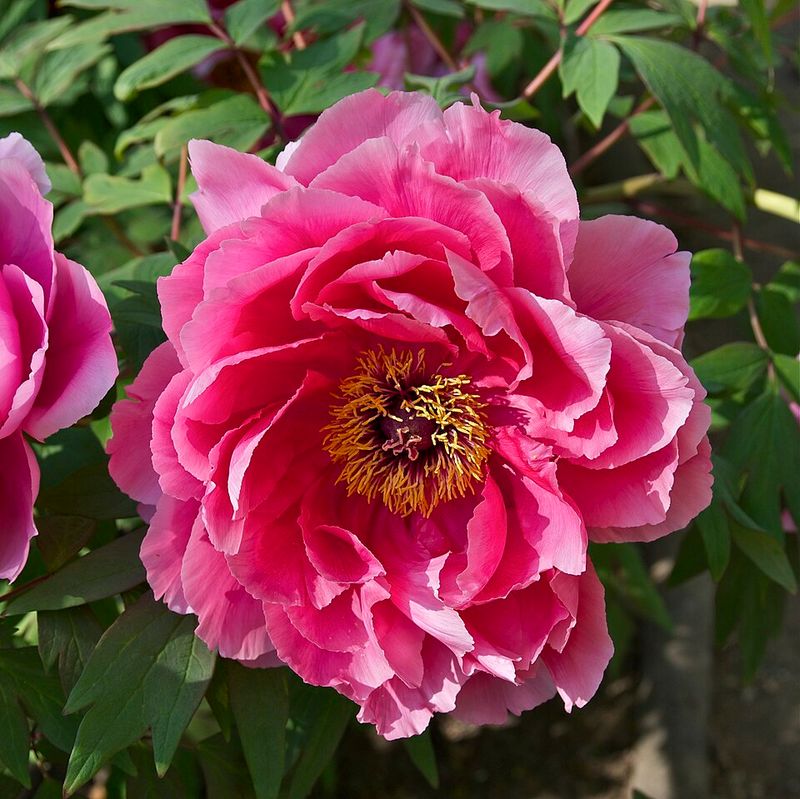
Nothing creates old-fashioned romance faster than big, soft pink peony blooms opening in late spring just as the garden starts feeling generous. The flowers are opulent, but the plant itself is surprisingly steady once established, which is exactly why so many Pennsylvania gardeners keep adding more.
You plant it with patience, then enjoy decades of performance from the same clump.
Sun is the secret to strong stems and reliable flowering, so give it at least six hours and avoid burying the eyes too deeply. Rich, well-drained soil helps, and a ring support tucked in early can keep heavy blossoms upright after rain.
Pale blush varieties look especially refined beside iris, nepeta, and the fresh green flush of emerging perennials.
When blooms finish, the foliage still contributes structure, so this is not a one-week wonder if you place it thoughtfully. Ants on the buds are normal and do not harm the plant, which saves you from unnecessary worry.
If you want a cottage border to feel collected, sentimental, and beautifully grounded, few plants do that better than a dependable pink peony.
Hardy Geranium
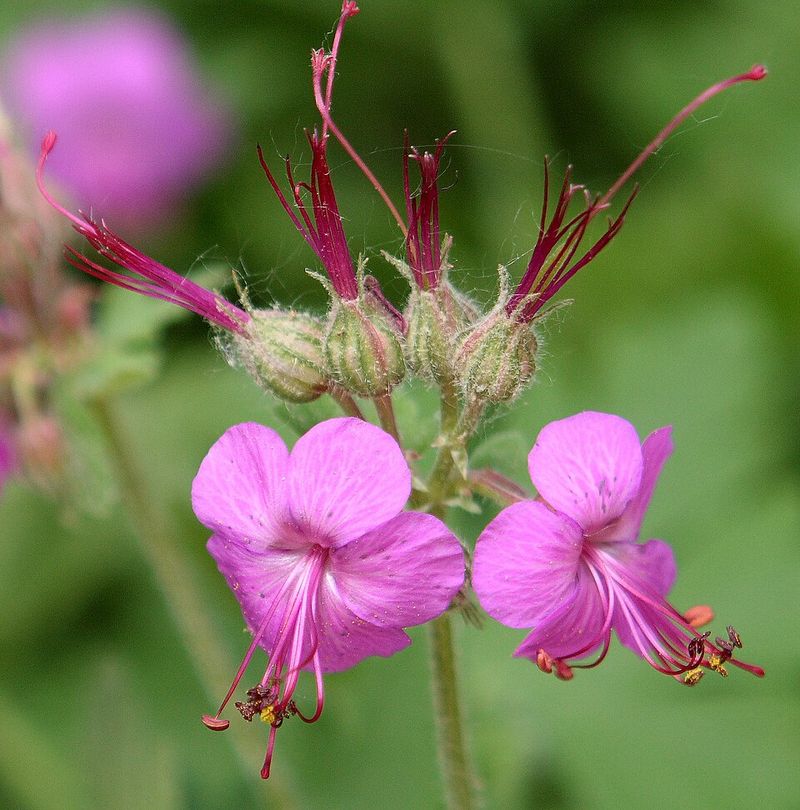
A cottage garden always looks more relaxed when something is weaving gently between taller plants, and this dependable perennial does that job beautifully. Soft pink hardy geraniums form mounds that soften hard edges, fill awkward gaps, and keep a border from looking stiff.
In Pennsylvania gardens, that easy, spreading habit makes them useful from spring through much of summer.
Give it sun to part shade and soil that drains reasonably well, then let it settle in and start doing the visual stitching for you. It pairs naturally with roses, peonies, salvia, and even shrubs because the flower shape feels delicate without disappearing.
If it gets tired after the first flush, a light shearing often encourages fresh foliage and a neater second act.
Many gardeners love showy stars, but this is one of those steady background performers that actually makes the whole composition work better. Soft pink forms keep the look gentle and avoid the harsher contrast bright magenta can create.
When you want a bed to feel connected, welcoming, and casually full instead of carefully engineered, this plant earns a permanent place.
Japanese Anemone
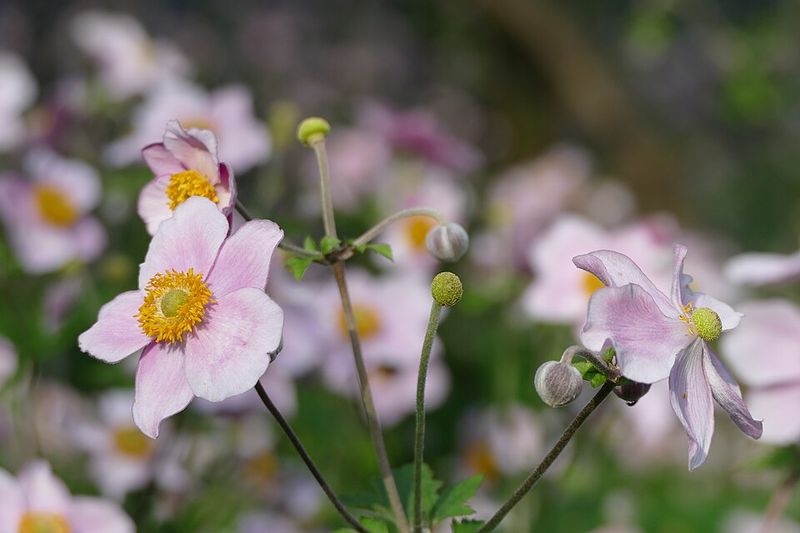
Late summer can leave borders looking tired, which is why these airy pink blooms feel so valuable when many spring favorites are finished. Tall, wiry stems lift flowers above the foliage and create that loose, dancing movement cottage gardens wear so well.
In Pennsylvania, they often carry the border into early fall with a freshness that feels almost effortless.
Part shade suits them beautifully, especially where morning sun and afternoon protection keep petals from looking worn during hot spells. Soil should stay evenly moist while plants establish, and a mulch layer helps roots ride out dry weeks.
Once happy, clumps expand steadily, so give them room near shrubs, ferns, or later-blooming asters.
Soft pink selections are especially useful if you want a gentler transition into autumn than saturated reds and oranges provide. Their simple flowers mix naturally with ornamental grasses, sedum, and hydrangeas, creating a border that looks relaxed rather than rehearsed.
If your garden always seems to lose steam by August, this perennial adds exactly the kind of calm, lasting color that keeps the whole scene feeling alive.
Bee Balm
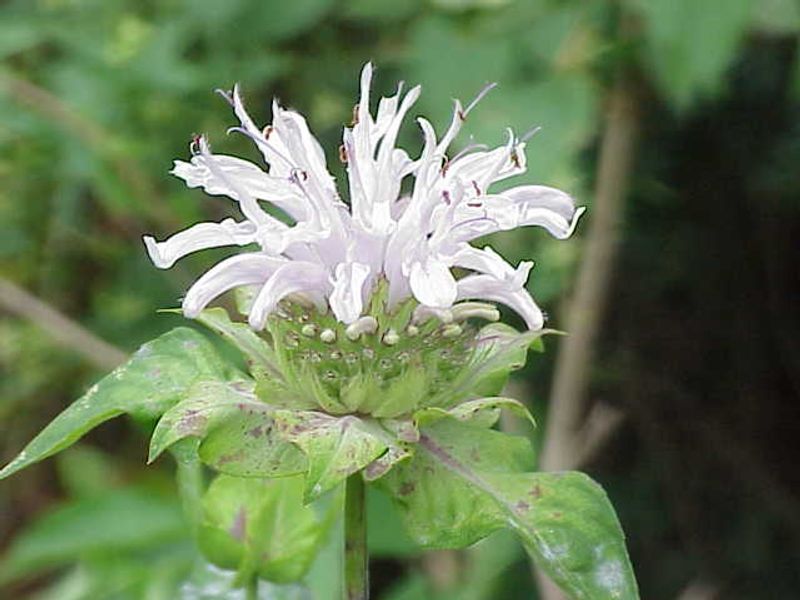
Pollinators notice this plant before most people do, and that lively summer traffic adds energy to a cottage garden instantly. Soft pink bee balm brings the same shaggy charm as brighter varieties but with a gentler color that blends more easily into romantic borders.
In Pennsylvania, it thrives well enough that many gardeners treat it as a reliable midsummer anchor.
Good air circulation makes the biggest difference, so avoid cramming it tightly into an overcrowded bed if powdery mildew has been a problem before. Full sun gives the strongest bloom show, though a little afternoon shade can help in hotter spots.
Pair it with phlox, yarrow, echinacea, and ornamental grasses for a border that looks abundant without feeling chaotic.
Deadheading extends the display, but even when the flowers age, the plant still contributes height and a slightly wild softness that suits cottage planting. Hummingbirds and bees will keep visiting, which makes the whole garden feel more animated day to day.
If you want flowers that read as cheerful, useful, and not overly polished, soft pink bee balm gives you all three with very little drama.
Garden Phlox
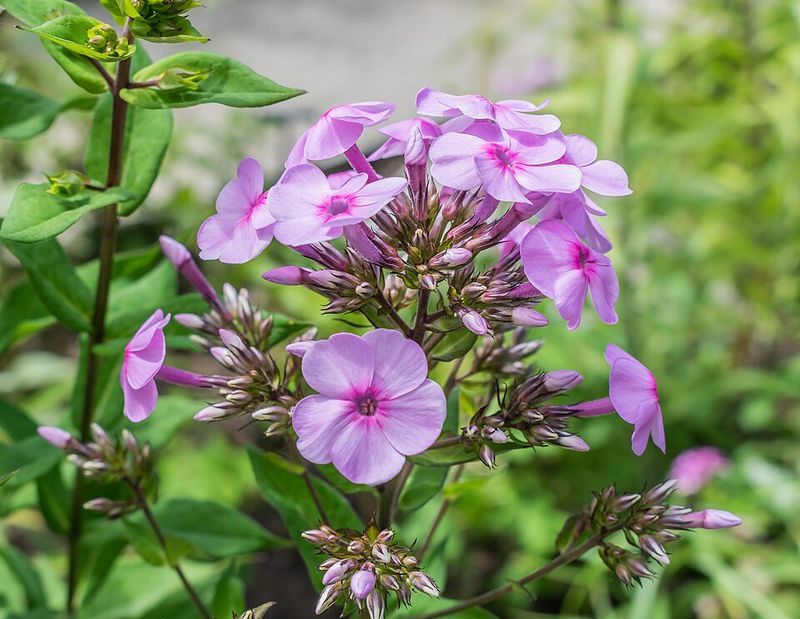
Summer borders feel incomplete without at least one tall, fragrant perennial rising above the middle layer, and soft pink garden phlox fills that role beautifully. The flower clusters are generous, the color is easy to mix, and the scent adds another reason to linger outside.
For Pennsylvania gardeners chasing a classic cottage look, this plant often becomes a repeating favorite.
Choose a mildew-resistant variety if possible, then give it sun, decent spacing, and watering at the base rather than overhead. Rich soil helps stems stay strong, and pinching in late spring can encourage bushier growth if you want slightly shorter plants.
Soft blush tones blend especially well with white daisies, lavender-blue catmint, and silver foliage.
Because the blooms arrive when the garden is fully active, they tie together earlier and later performers in one easy sweep of color. Butterflies visit constantly, which turns a still border into something you actually want to sit near and watch.
If your planting needs height, fragrance, and that unmistakable old-garden feeling without complicated maintenance, soft pink phlox is one of the smartest additions you can make.
Bleeding Heart
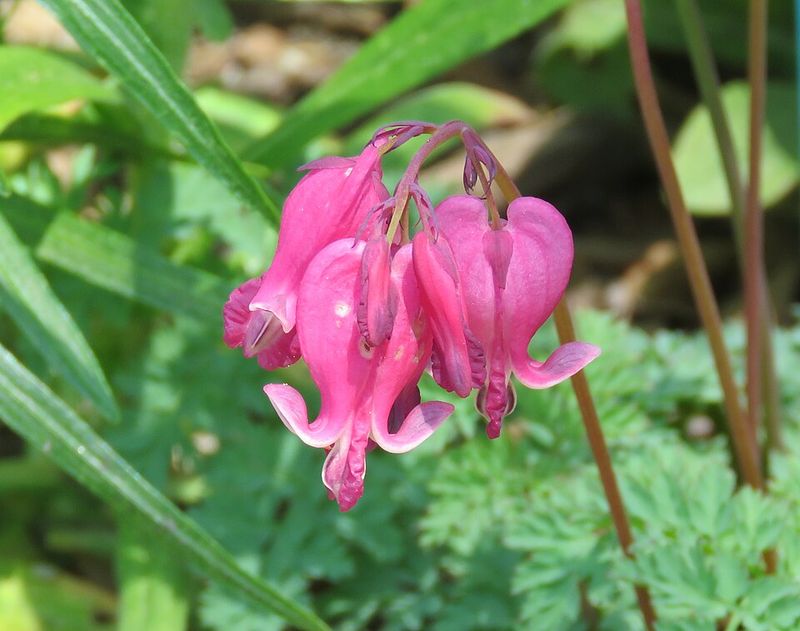
Spring shade can be tricky, but those arching stems lined with dangling pink hearts solve the problem with very little effort. The effect is tender and old-fashioned, exactly what a cottage garden needs when it is waking up after winter.
In Pennsylvania, this perennial is especially welcome near woodland edges and cool foundation beds.
Morning sun with afternoon shade keeps it happiest, and soil rich in organic matter helps the plant settle in quickly. It enjoys consistent moisture during active growth, so compost and mulch go a long way toward keeping foliage fresh.
Try it with pulmonaria, hellebores, hostas, and ferns for a layered spring scene that feels calm and collected.
By summer, the plant may fade back, which is not a flaw if you plan ahead and tuck later-emerging companions nearby. Hostas or hardy geraniums can cover the gap and keep the border looking intentional instead of empty.
If you want your garden to have those memorable little moments that make guests stop and smile, few plants deliver that softer, sweeter presence as naturally as a pink bleeding heart.
Dianthus
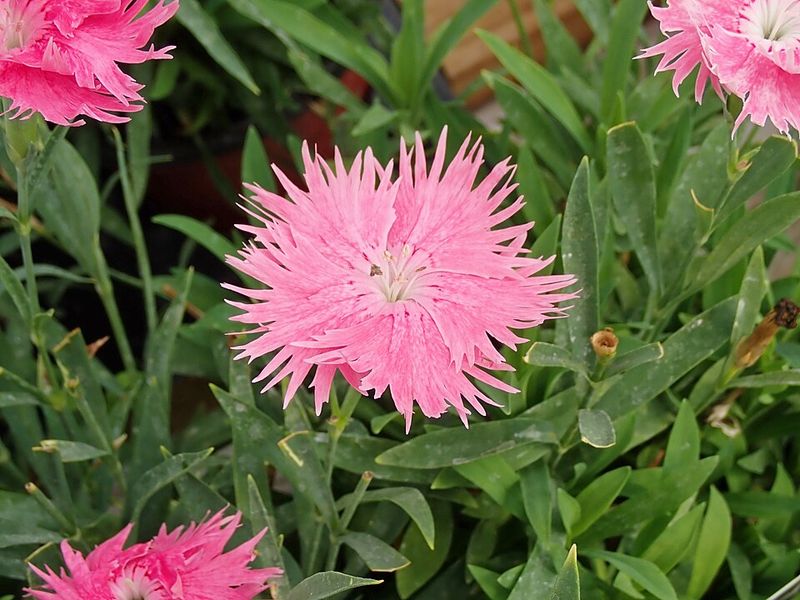
A tidy front edge makes a cottage garden feel inviting rather than messy, and this low perennial handles that job with charm. Soft pink dianthus offers neat blue-green foliage, lightly fringed flowers, and a spicy clove scent that surprises people leaning in for a closer look.
In Pennsylvania gardens, it works especially well along paths, stone borders, and raised beds.
Sharp drainage matters more than pampering, so place it where winter wet will not sit around the crown for too long. Full sun keeps growth compact and flowering generous, while deadheading can encourage more blooms beyond the first flush.
Pale pink forms pair beautifully with creeping thyme, lavender, and small roses for an easy old-fashioned mix.
Because the plant stays relatively compact, it helps organize larger, looser perennials without fighting for attention. That balance is useful when you want the border to feel informal but still readable from the walkway or patio.
If your beds need a dependable finishing touch that brings fragrance, structure, and soft color in a small package, dianthus is one of the easiest ways to add cottage polish.
Coneflower
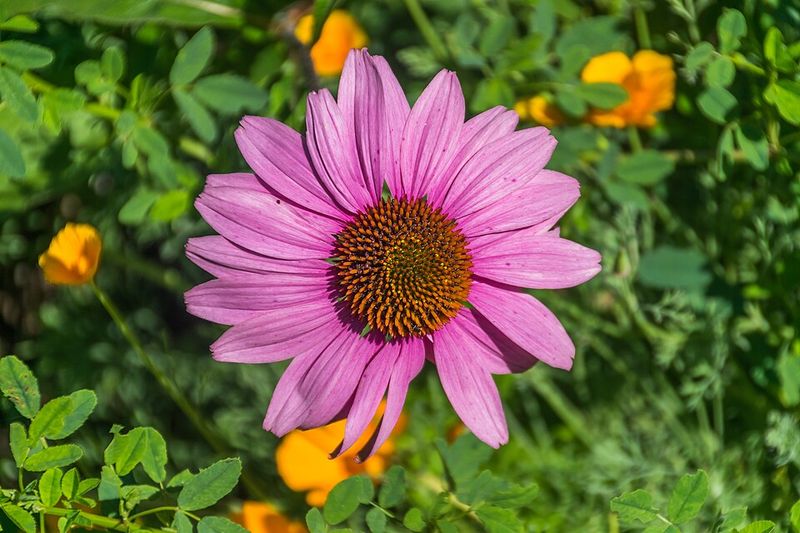
Few perennials work harder through summer heat than coneflowers, and the softer pink forms bring a more romantic mood than standard purple shades. You still get the sturdy stems, prominent centers, and pollinator appeal, but the color slides more easily into a cottage palette.
That combination makes them especially useful in sunny Pennsylvania borders that need staying power.
Plant them where drainage is good and sunlight is generous, then resist the urge to overwater once established. They are happiest when roots go deep, and crowded, soggy conditions usually create more trouble than occasional dryness.
Soft pink varieties look lovely with Russian sage, yarrow, salvia, and ornamental grasses for a relaxed, layered effect.
Leave some seed heads standing if you enjoy goldfinches visiting later in the season, because the garden gains another kind of beauty after flowers fade. Their upright habit also helps anchor looser companions that might flop or wander.
If you want a plant that keeps blooming, supports wildlife, and still feels gentle enough for a romantic border, pale pink coneflowers are easy to trust.
Yarrow
Flat flower clusters can be exactly what a mixed border needs when everything else is spires, cups, and mounded shapes. Soft pink yarrow adds that useful contrast while keeping the overall mood light, airy, and comfortably informal.
Pennsylvania gardeners often appreciate it most in sunnier, drier spots where fussier perennials would ask for more attention.
Lean soil and good drainage usually produce stronger plants than overly rich conditions, which is refreshing if your garden includes a few rougher areas. Full sun is nonnegotiable for the best form, and a midseason trim can encourage tidier rebloom.
Blush and shell-pink selections sit beautifully beside lavender, nepeta, roses, and silver foliage without overpowering them.
The ferny leaves keep texture going even when flowers are between flushes, so the plant contributes more than one brief highlight. Pollinators show up often, and cut stems last nicely indoors if you like bringing the garden inside.
If you need something that reads as soft and cottage-like but can also handle heat, dryness, and a bit of benign neglect, pink yarrow is a smart answer.
Hellebore
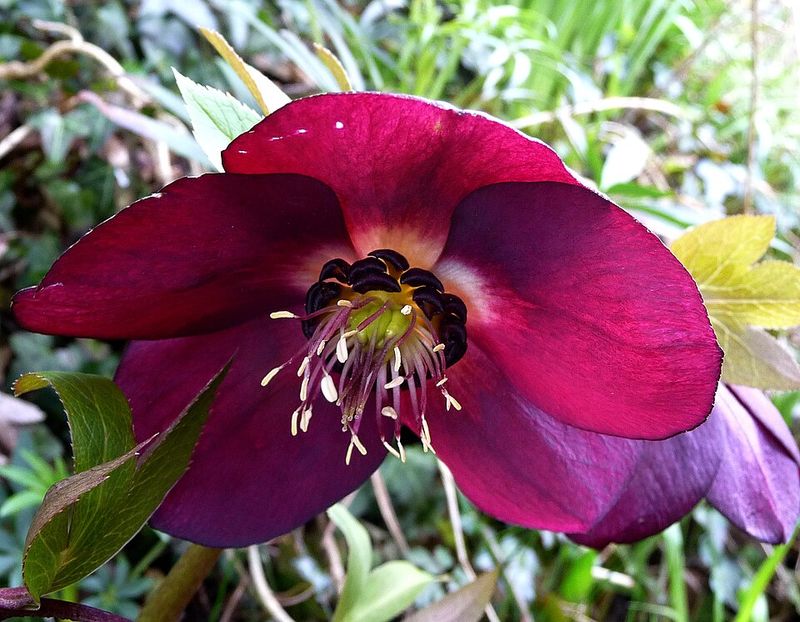
Late winter and early spring feel much less bleak when nodding pink hellebore flowers appear while most of the garden is still barely awake. Their muted shades suit cottage gardens beautifully because the blooms look refined rather than flashy.
In Pennsylvania, they are especially valuable near entrances, paths, or windows where you can actually notice those early flowers.
Part to full shade works well, especially under deciduous trees where winter sun reaches the plants before leaves emerge. Rich, well-drained soil with organic matter helps them settle, and once established they ask for very little beyond occasional cleanup of old foliage.
Soft pink cultivars pair naturally with snowdrops, ferns, hostas, and spring bulbs for a calm layered effect.
The leathery evergreen leaves continue carrying the bed after bloom, which gives you structure during seasons when softer perennials disappear entirely. Deer tend to leave them alone too, a practical advantage many gardeners appreciate more every year.
If your border needs a dependable plant that opens the season with quiet color and keeps earning its space afterward, hellebore is hard to beat.
Turtlehead
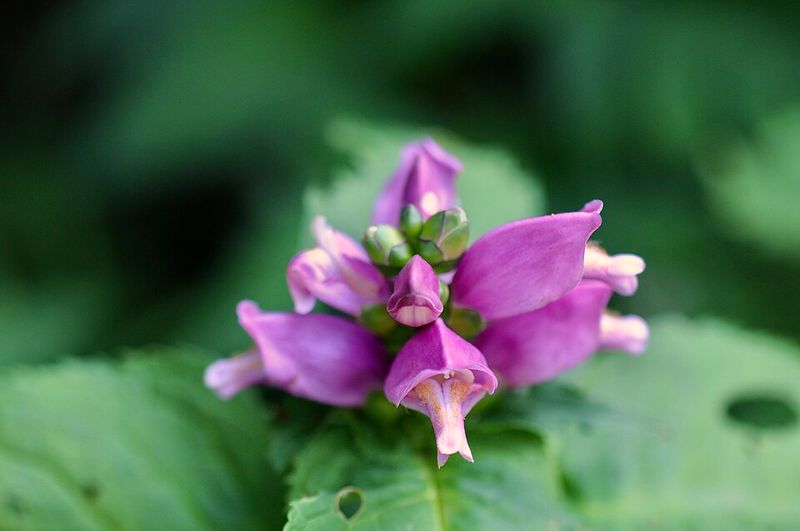
Moist spots can feel limiting until you find a perennial that actually prefers them, and this one turns that challenge into an asset. Soft pink turtlehead brings upright stems and distinctive snapdragon-like flowers just when many gardens are starting to look a little tired.
For Pennsylvania gardeners with heavier soil or a rain garden edge, that reliability is especially useful.
Part sun to light shade suits it well, and consistent moisture keeps the clump looking substantial instead of stressed. It is a natural partner for astilbe, joe pye weed, blue flag iris, and late-season grasses where a border needs vertical punctuation.
The soft pink shades feel gentle enough for cottage planting even though the stems have a nice sturdy presence.
Because the habit is orderly, it helps organize looser plantings and gives the eye a place to rest. Bees appreciate the flowers, and the late bloom window extends color without relying only on mums or annual fillers.
If your garden includes that awkward damp corner you keep meaning to improve, pink turtlehead can make it feel intentional, graceful, and fully part of the overall design.
Stonecrop
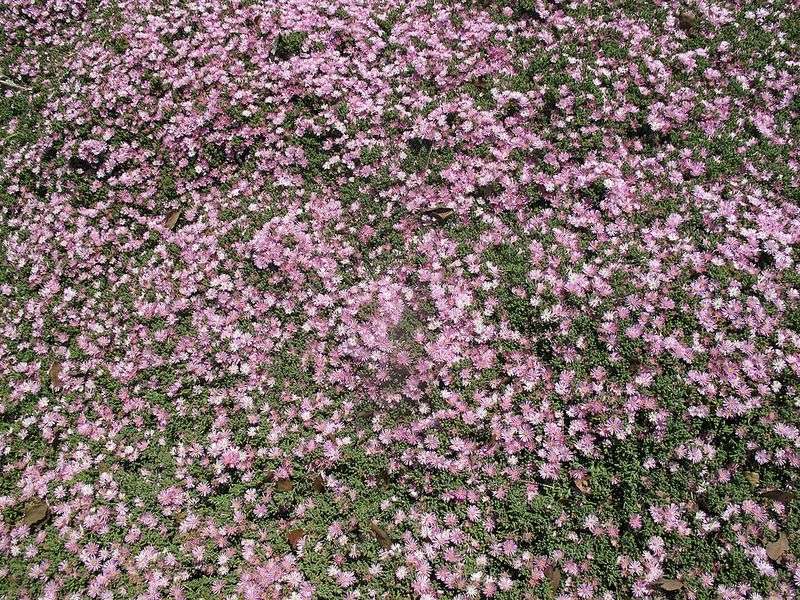
By late summer, a border needs plants that still look composed during heat, dry spells, and the general fatigue of the season. Soft pink stonecrop answers that need with succulent foliage, sturdy stems, and flower heads that deepen gently as weeks pass.
In Pennsylvania cottage gardens, it bridges summer into fall without asking for much beyond sunlight and drainage.
Place it in full sun and avoid overly rich soil if you want the stems to stay upright instead of flopping wide. The emerging buds already add interest before color develops, which makes the plant useful for a long stretch of the year.
Soft pink forms combine especially well with ornamental grasses, asters, Russian sage, and pale coneflowers.
Once the blooms mature, pollinators arrive in earnest, and the dried seed heads can remain attractive well into winter. That long season of usefulness is exactly why so many gardeners rely on it to keep borders looking finished after spring stars have disappeared.
If you want a perennial that supports a relaxed cottage mood but still handles tougher conditions with confidence, soft pink stonecrop is an excellent choice.