
11 Purple Perennials That Thrive In Massachusetts Cooler Climate Yards
Follow us on Google
Massachusetts yards ask a lot from perennials. Winters can bite, spring can stall, and summer still brings enough heat to test anything planted in the wrong spot.
If you want reliable purple color that comes back stronger instead of fussier, these perennials earn their place. Each one handles cooler New England conditions well and gives you practical beauty you can count on year after year.
Catmint
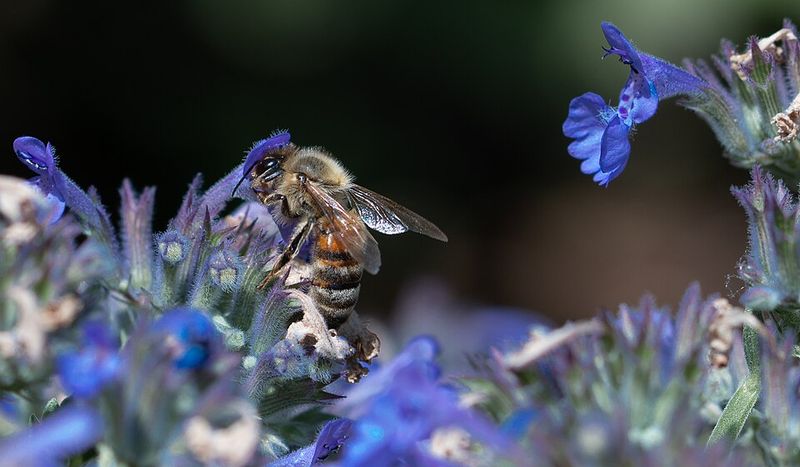
Few plants earn their keep as easily in a Massachusetts yard as this long-blooming favorite. The soft purple spikes start early, keep going with a quick trim, and handle the region’s temperature swings better than many fussier border plants.
You get color, movement, and a relaxed look that works beautifully near walkways or mixed with roses, peonies, and ornamental grasses.
Full sun gives the best flowering, but a little afternoon shade can help in hotter inland spots. Well-drained soil matters more than rich soil, so avoid soggy areas that stay wet after spring thaw.
After the first major flush fades, cutting the plant back by about one third usually encourages a tidy mound and another round of bloom.
Pollinators notice it immediately, which is useful if you are trying to support bees without creating a high-maintenance bed. Deer and rabbits usually leave it alone, another bonus for suburban gardens.
If you want a dependable purple perennial that looks generous without demanding constant attention, this one is hard to beat in cooler New England landscapes.
May Night Salvia
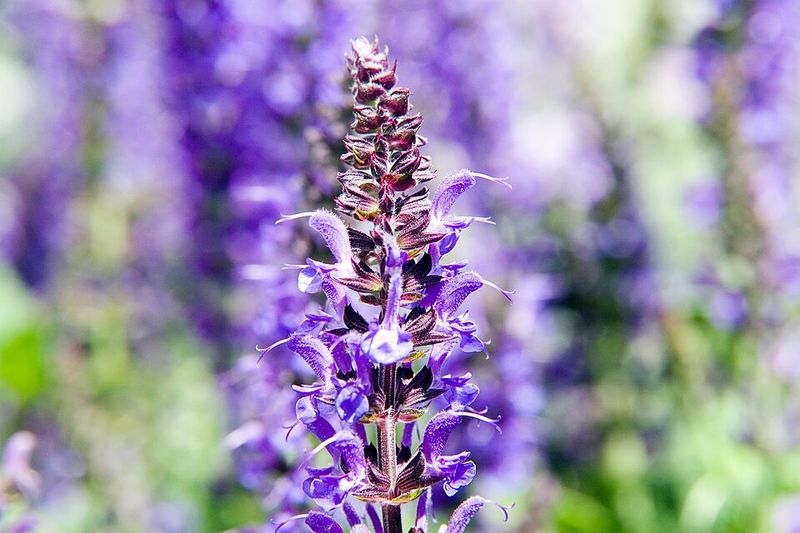
Strong vertical color can be hard to find in a perennial bed, especially when spring bulbs fade and summer flowers have not fully arrived. This reliable salvia fills that gap with rich violet spikes that stand above tidy foliage and make neighboring plants look more polished.
In Massachusetts, it handles winter cold well and starts the season with a clean, structured presence.
A sunny site is the key to sturdy stems and heavy bloom, so give it at least six hours of direct light. Soil should drain reasonably well, because crowns dislike sitting in winter wet.
Once the first flush fades, snipping spent stems often brings on another respectable show, and the clump stays compact instead of sprawling across the border.
Bees absolutely crowd these flowers, which makes the plant useful beyond its color value. It pairs nicely with yellow daylilies, pale pink peonies, and silver foliage if you want contrast that still feels calm.
For gardeners who like a perennial that behaves itself, comes back reliably, and delivers a saturated purple tone without drama, this is one of the smartest choices for cooler climate yards.
Lavender
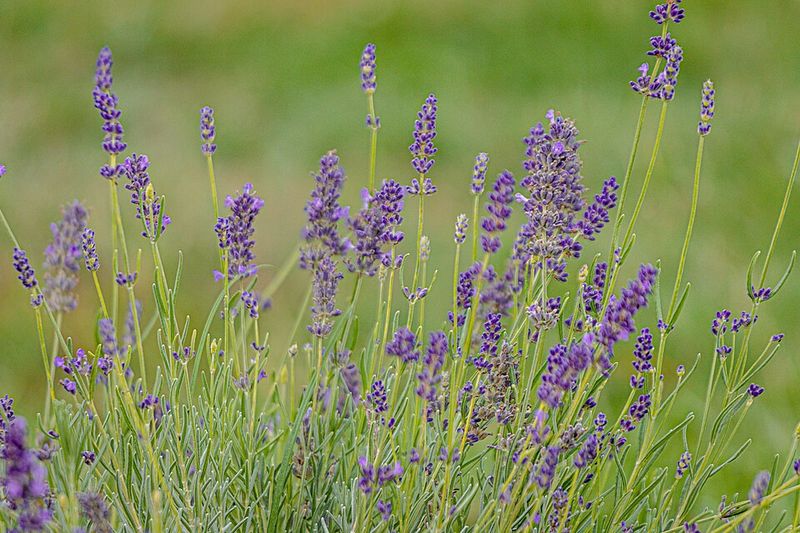
That classic fragrance is reason enough to grow lavender, but in a Massachusetts yard, success depends on treating it more like a Mediterranean shrub than a thirsty perennial. Purple flower spikes rise above silver foliage and bring a crisp, clean look that stands out beautifully against stone, mulch, and evergreen backdrops.
The key is choosing a hardy variety and giving it conditions that stay dry, bright, and airy.
Full sun is nonnegotiable if you want compact growth and abundant flowers. Soil must drain quickly, especially during winter, so raised beds, gravelly amendments, and slopes all help more than extra fertilizer ever will.
Spring pruning should be light and careful, cutting only into green growth, because hard cuts into old wood can weaken the plant or leave bare patches.
In coastal and central Massachusetts gardens, lavender often performs best where snow cover insulates roots and cold winds are less severe. It looks excellent lining a path, softening the edge of a patio, or mixed with catmint and salvias for a long purple sequence.
If you have a sunny, lean, well-drained spot, this plant offers beauty, scent, and structure in one hardworking package.
Siberian Iris
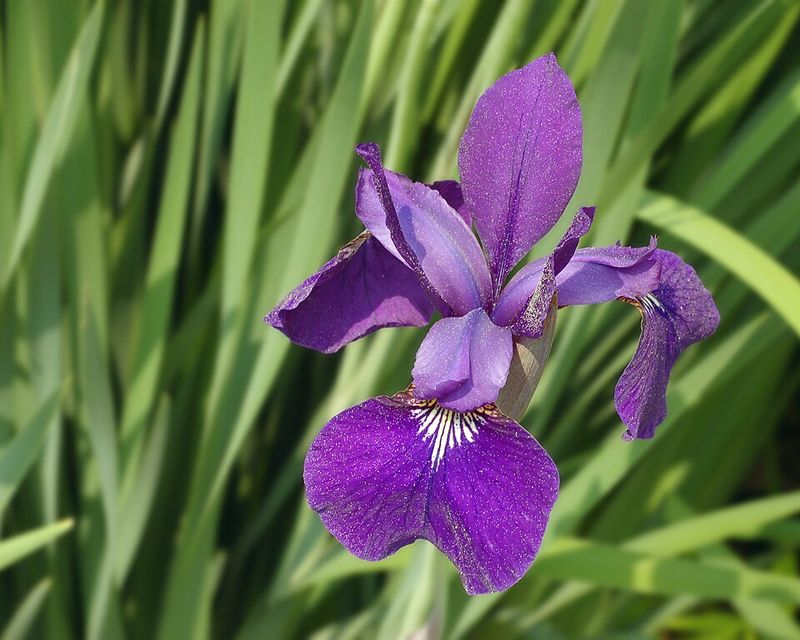
Graceful foliage and elegant flowers give this iris a lighter feel than many bold spring perennials. The purple blooms appear in late spring to early summer, often right when a Massachusetts border needs a fresh burst of color after tulips and daffodils fade.
Even when flowers are gone, the fine, upright leaves continue adding structure that reads neat rather than stiff.
Moist but well-drained soil suits it best, which makes it useful near downspouts, rain gardens, or lower spots that dry gradually instead of instantly. Full sun encourages the strongest flowering, though part sun can still work if the site gets several bright hours daily.
Unlike some bearded irises, this one is generally easier to maintain and less fussy about dividing.
Clumps slowly expand and can be split every few years when bloom declines or the center thins. The flowers combine beautifully with lady’s mantle, alliums, and peonies, especially if you like a soft cottage style with a cooler color palette.
For gardeners who want purple blooms without a lot of pest issues or flop, this perennial offers one of the cleanest, most dependable looks for New England yards.
Bearded Iris
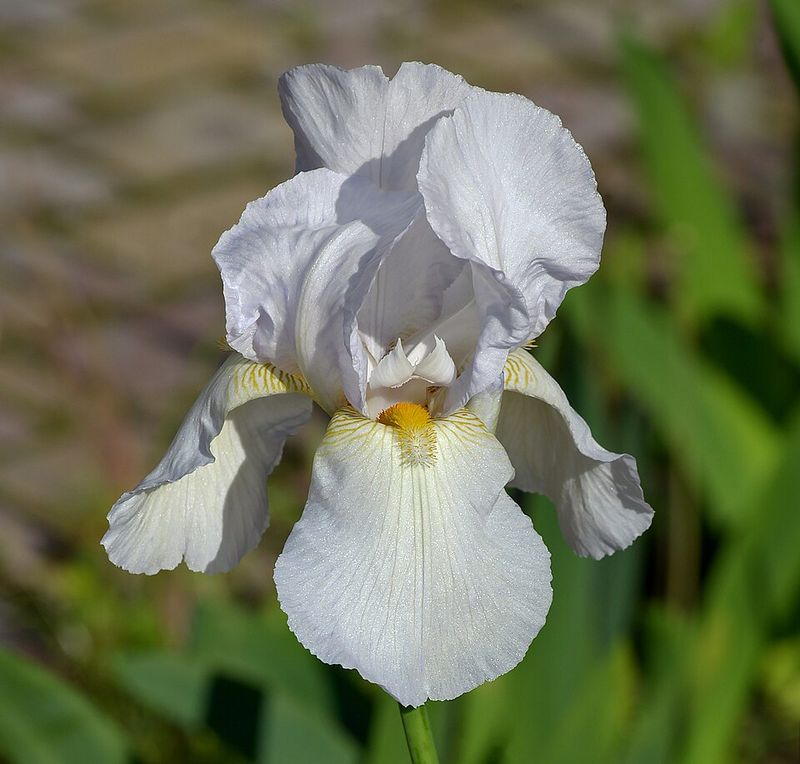
Ruffled blooms with rich royal tones can make a spring border feel instantly more intentional. This classic iris thrives in Massachusetts when planted where sun is abundant and drainage is sharp, giving you dramatic flowers without asking for much summer care.
The upright, sword-like foliage also adds a strong architectural line that helps anchor lower, mounded plants nearby.
Rhizomes should sit close to the soil surface rather than being buried deeply, a small detail that makes a huge difference in flowering. Heavy, soggy ground is the main enemy, especially through winter, so raised beds or amended planting areas are worth the effort.
After bloom, removing spent stalks keeps the bed tidy while the leaves continue feeding next year’s show.
Dividing every few years helps maintain vigor and reduces overcrowding that can invite disease. The flowers pair beautifully with columbine, salvia, and peonies, and they stand out especially well against pale stone or dark mulch.
If you have a hot, sunny section of the yard that tends to dry out faster than the rest, this is exactly the kind of purple perennial that can turn that challenging spot into an advantage.
Balloon Flower
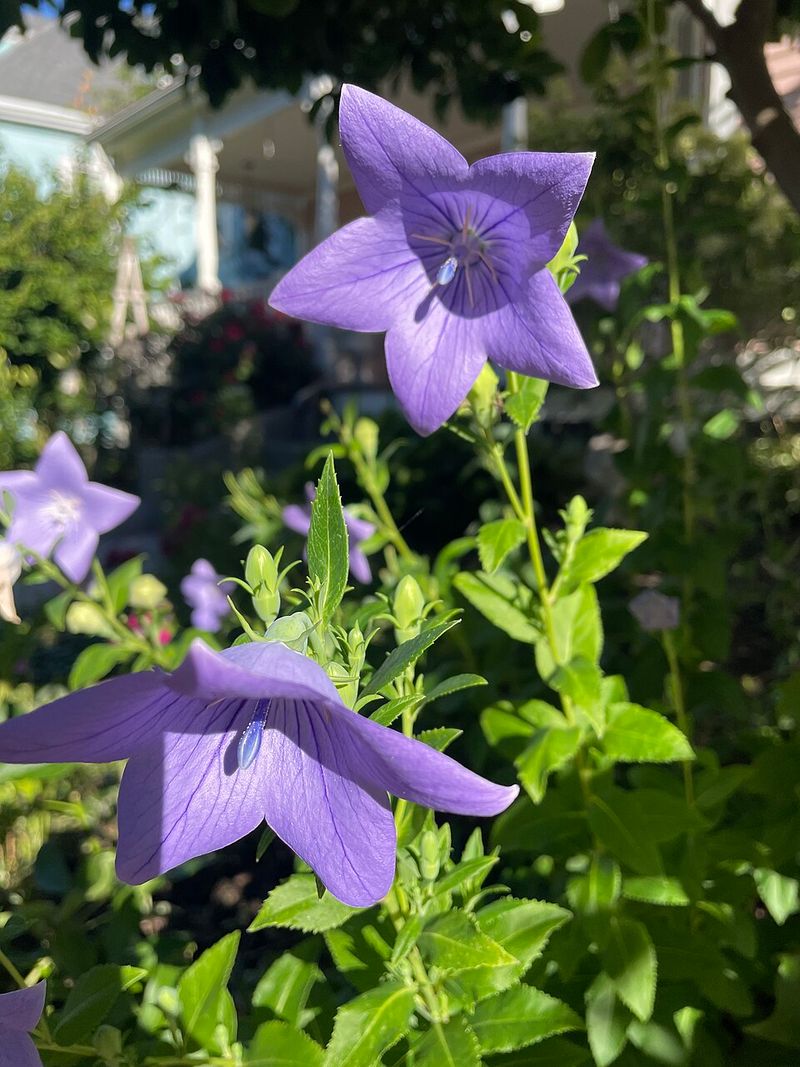
Watching the buds puff up before they open is half the fun of growing this charming summer bloomer. Once the balloon-like buds pop into starry purple flowers, the plant brings a playful but still tidy look to Massachusetts beds and borders.
It handles winter cold well, returns reliably, and fits nicely into spaces where you need upright color without aggressive spreading.
Sun to light shade works, though fuller sun usually means sturdier stems and heavier flowering. The crown dislikes being disturbed, so pick the planting spot carefully and avoid frequent moving or dividing.
Because new shoots emerge late in spring, marking the spot is smart, especially if you tend to tidy beds early and might accidentally dig where nothing appears to be happening.
Shorter varieties are excellent near paths, while taller selections blend easily with phlox, coneflowers, and black-eyed Susans. Deadheading can improve appearance, though the plant often keeps producing enough blooms to look attractive without constant fussing.
If your garden style leans practical with a hint of personality, this perennial delivers exactly that by offering good cold tolerance, uncommon flower form, and a clear purple note that feels fresh through the middle of summer.
Garden Phlox
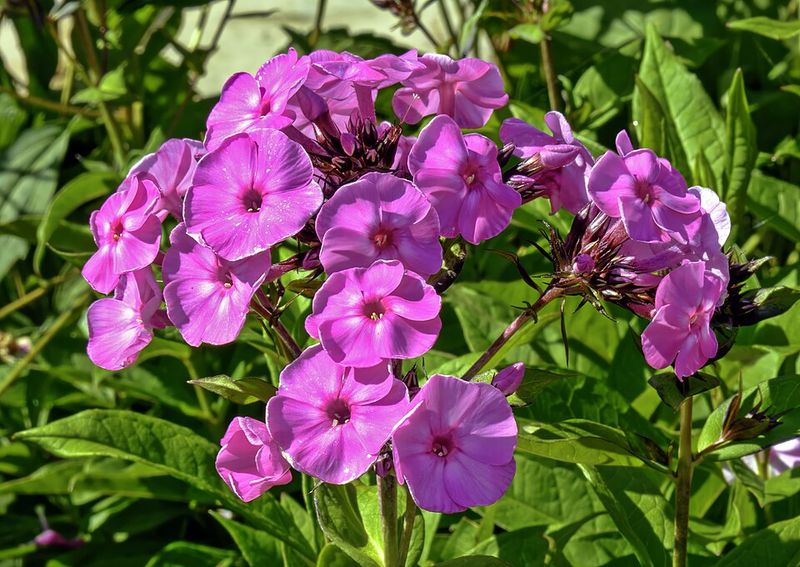
By mid to late summer, many borders start looking tired, which is exactly when this perennial steps forward. Tall stems carry generous clusters of purple flowers that brighten Massachusetts gardens at a time when early bloomers have already gone quiet.
The sweet fragrance is another advantage, especially if you plant it near seating areas, porches, or a path you use daily.
Good air circulation matters because humid spells can encourage powdery mildew, so spacing is not something to ignore. Newer resistant cultivars are worth seeking out, and full sun helps the foliage stay healthier and flowering more abundant.
Soil should hold some moisture without becoming swampy, since drought stress can shorten bloom and make plants look weary fast.
Pinching stems in late spring can create bushier growth and slightly later flowers, which is useful if you want to stagger color through the season. It combines beautifully with ornamental grasses, rudbeckia, and asters for a strong late-summer display.
If you want a perennial that gives real garden presence, feeds butterflies, and makes a border look fuller just when it most needs help, this purple-flowering staple deserves a spot.
Monkshood
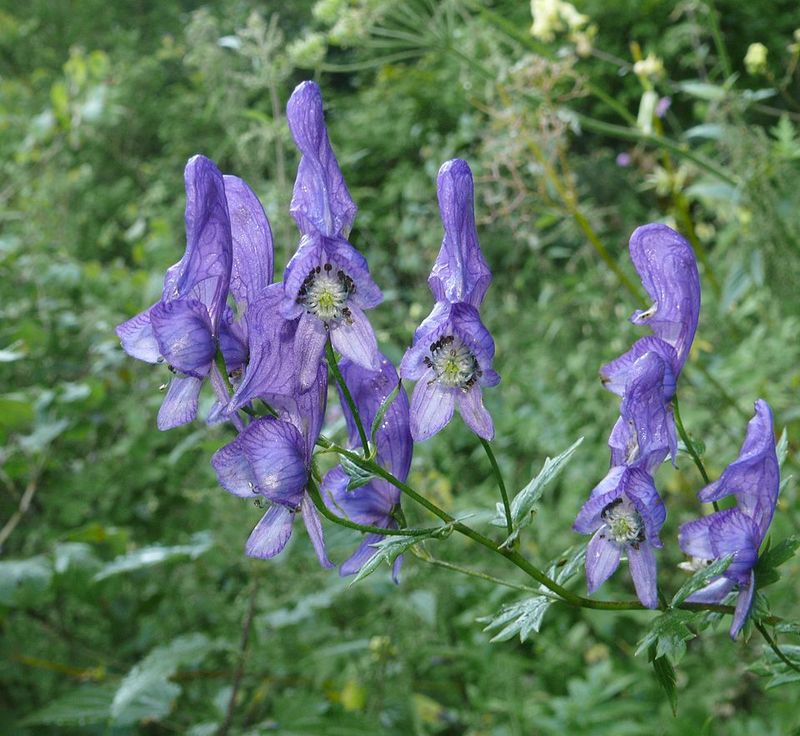
Deep purple flowers are especially valuable in shadier parts of a yard, where bright sun-loving bloomers often disappoint. This tall perennial brings dramatic hooded flowers in late summer to early fall, adding color to Massachusetts gardens when many woodland edges have settled into plain green.
Its strong vertical habit also helps lift plantings that can otherwise look flat by August.
Part shade and evenly moist soil suit it best, especially in locations protected from hot afternoon sun. Rich, humus-filled ground helps stems stay robust, and a bit of staking may be useful in exposed sites.
Every part of the plant is toxic, so placement matters if children or pets regularly play nearby, and gloves are wise during handling.
Used thoughtfully, it pairs beautifully with hostas, ferns, and anemones, creating a cooler color palette that feels refined rather than sleepy. Because it blooms later than many purple perennials, it solves a real design problem in New England gardens by extending the season without relying only on asters.
If you need height, late color, and dependable hardiness for a partly shaded bed, this perennial offers all three with impressive elegance.
Blue False Indigo
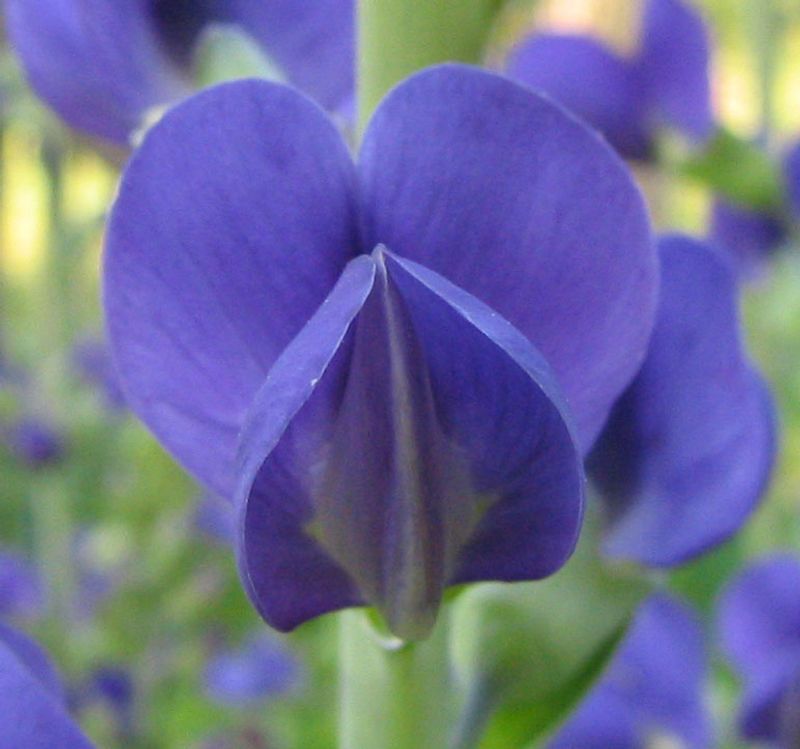
Mature clumps have a shrub-like presence that makes a border feel settled and substantial. In spring to early summer, upright spires of violet-blue to purple flowers rise above blue-green foliage and hold their own in Massachusetts gardens without constant dividing or pampering.
Once established, the deep root system helps the plant ride out dry periods better than many perennials with a softer look.
Patience is part of the deal, because young plants can take a few seasons to reach full size and impact. Plant it in full sun for the best shape and bloom, and choose the site carefully since moving mature clumps is not easy.
Average, well-drained soil is usually enough, and overfeeding tends to create excess foliage rather than better flowers.
After bloom, the seed pods add interest and can be left for texture if you like a slightly naturalistic style. The rounded habit works well with peonies, catmint, and ornamental onions, and it anchors lighter plants that might otherwise look scattered.
For gardeners who want a purple perennial with staying power and a strong backbone, this one delivers an impressive combination of hardiness, drought tolerance, and season-long structure in cooler New England landscapes.
Hardy Geranium
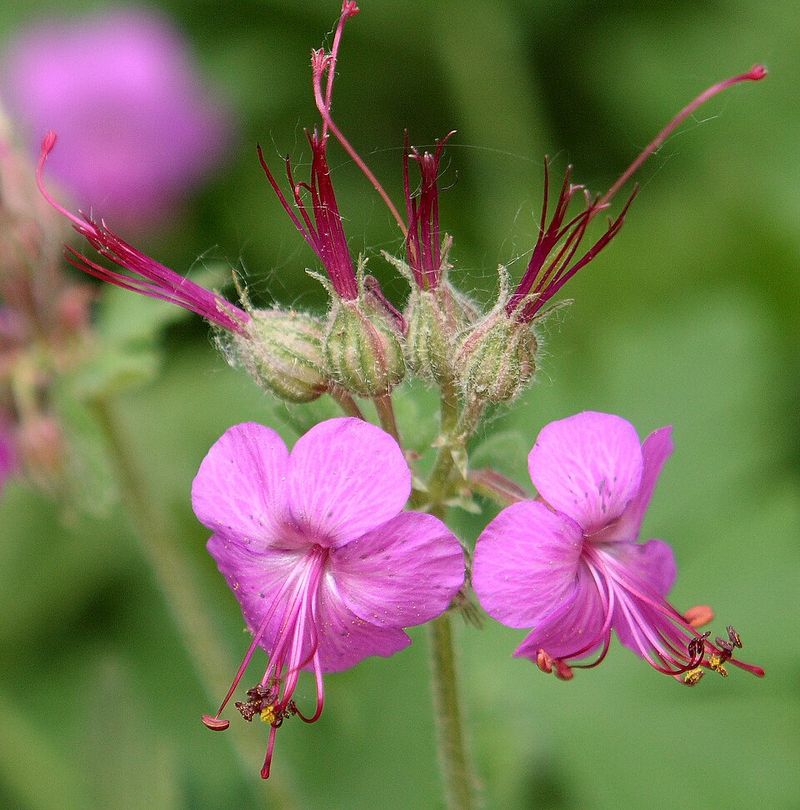
Low, mounding color can tie a border together, and this perennial does that job with very little complaint. Purple to violet flowers appear over a long period, weaving through neighboring plants and softening the front of beds in Massachusetts gardens.
The foliage often forms an attractive ground-hugging mass that helps suppress weeds and makes the planting look more finished.
Most hardy geraniums prefer sun to part shade, with some afternoon protection useful in hotter inland locations. Average soil is usually fine as long as drainage is decent, and established plants are more forgiving than their delicate name might suggest.
If flowering slows or the foliage starts looking tired after the first flush, a light shearing often refreshes the entire clump surprisingly quickly.
This is one of those perennials that works beautifully between stronger shapes like irises, peonies, and salvia, filling awkward gaps without stealing the whole show. Many varieties also color up nicely in autumn, giving you another layer of seasonal interest.
For gardeners who want a purple-flowering plant that behaves as both a bloomer and a practical living mulch, hardy geranium is an easy, reliable choice for cooler New England beds.
New England Aster
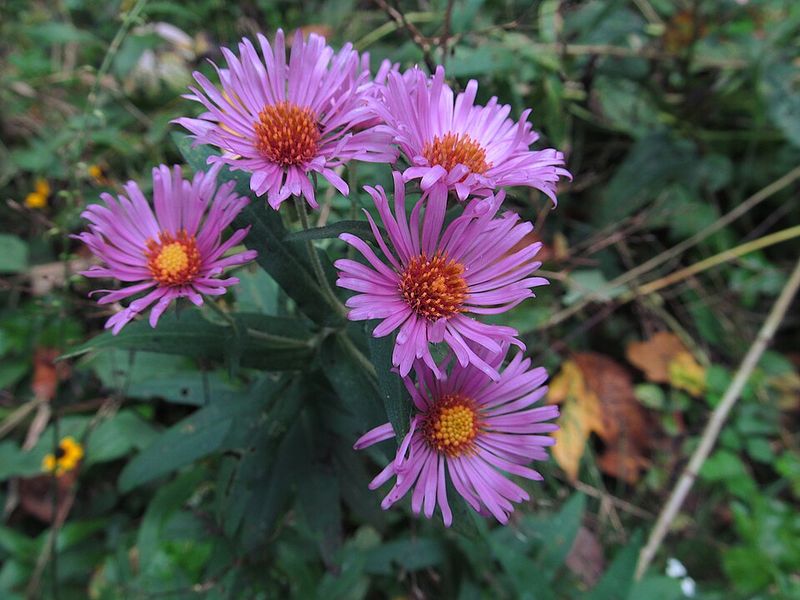
Fall color matters just as much as spring bloom if you want a yard that feels alive all season. This native perennial covers itself in purple daisy-like flowers late in the year, often right when Massachusetts gardens need a final strong performance before frost.
It also supports migrating pollinators, which gives it practical ecological value along with its obvious beauty.
Full sun is best, and moisture-retentive but reasonably drained soil keeps growth vigorous. Because stems can get tall, pinching them back in early summer helps produce bushier plants that are less likely to flop by autumn.
Good spacing improves air movement and keeps the planting looking fresher through the humid stretch of late summer.
The color pairs naturally with goldenrods, ornamental grasses, and sedums, creating a classic New England fall combination that feels grounded in place rather than imported. It is especially effective toward the back of a border where its height can create a strong seasonal backdrop.
If your garden fades after August and you want a purple perennial that restores energy, feeds wildlife, and handles cold winters with confidence, this native standout is one of the best investments you can make.