
Why Georgia Gardeners Are Growing More Evening-Blooming Flowers This Year
Follow us on Google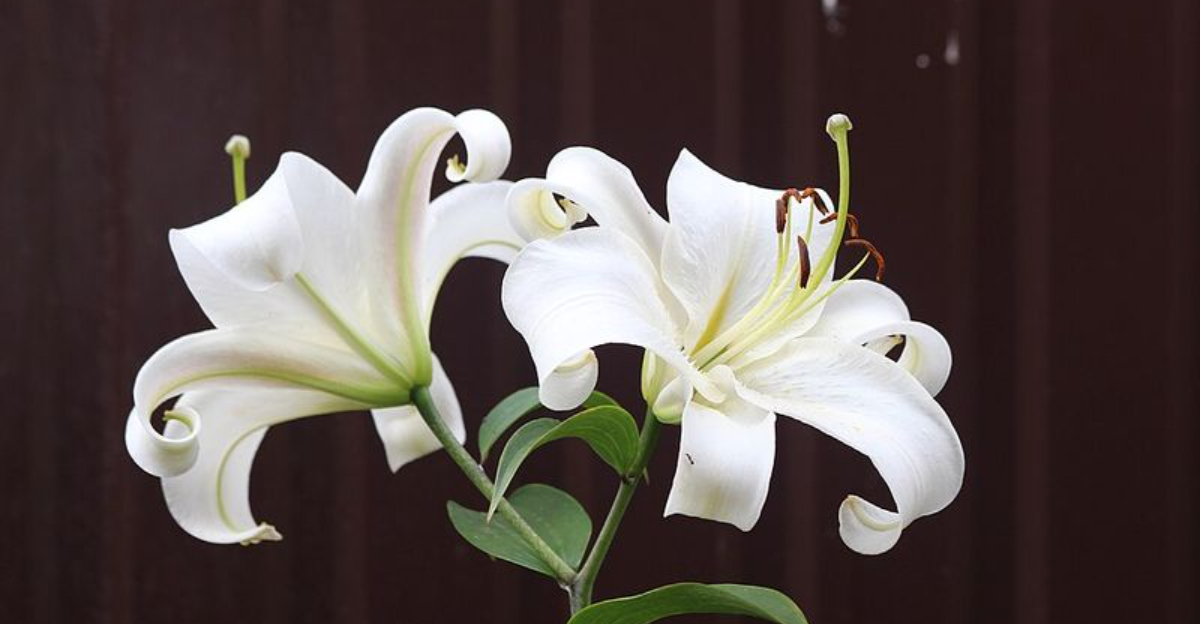
Georgia gardens feel different after sunset this year, and more homeowners are planning for that second shift of beauty. Warm evenings, longer outdoor gatherings, and a growing interest in pollinator-friendly planting have made night-blooming flowers far more appealing than they used to be.
These plants offer fragrance, movement, and color right when porches fill up and the heat finally eases. If your yard looks sleepy after dinner, this trend explains exactly why gardeners across the state are changing that.
Moonflower
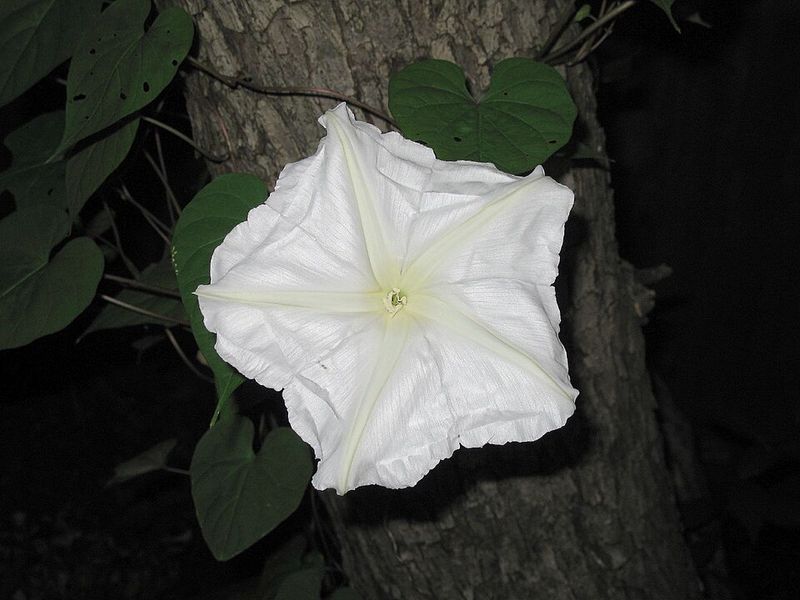
After a sticky Georgia day, few plants feel as rewarding as a vine that waits until evening to put on its best show. Moonflower opens large white blooms near sunset, so you actually get the payoff when you are outside enjoying the yard instead of rushing past it in the morning.
That timing alone makes it a smart fit for patios, fences, and mailbox trellises where people gather after dinner.
Heat does not bother this plant much once it is established, and Georgia gardeners appreciate anything that can handle long summers without acting fragile. The flowers also reflect porch light and moonlight beautifully, which gives a small space a brighter, calmer look without much effort.
If you want a simple way to make your yard feel more intentional at night, this vine does that quickly.
Rich, well-drained soil and steady moisture help it grow fast, and a sturdy support is essential because it can climb aggressively in peak season. Many gardeners place it near seating areas so the blooms become part of the evening routine.
If you have been wanting a night garden that feels dramatic without being fussy, this is often the first plant worth trying.
Four O’Clocks
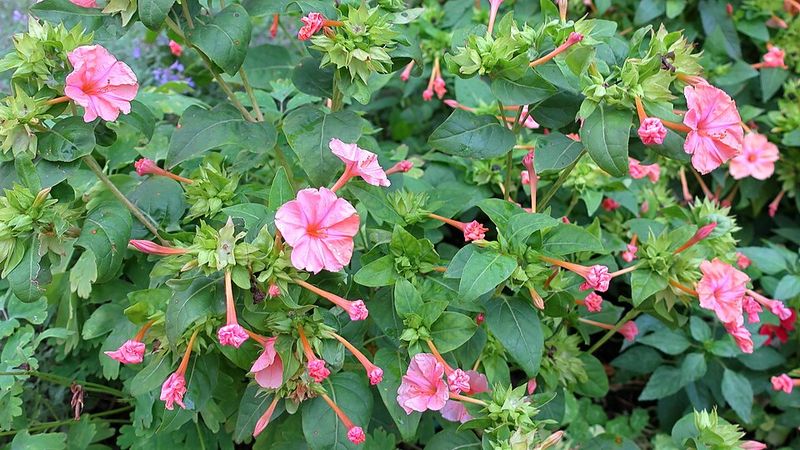
By late afternoon, this old-fashioned favorite starts waking up just as many other flowers are fading. Four o’clocks earn their name honestly, and that reliable schedule makes them especially useful for Georgia gardeners who want color later in the day without standing outside waiting for a surprise.
The trumpet-shaped blooms come in bright shades that still read clearly in soft evening light.
Another reason people are planting more of them this year is flexibility. They handle heat well, tolerate average soil, and often reseed enough to feel generous without becoming a chore.
If your yard includes a walkway, a front bed, or a casual border near the porch, they fill gaps fast and keep the garden from looking finished by noon.
Fragrance adds even more appeal once the air cools a little, and that matters when outdoor dinners and backyard chats stretch later into the evening. Gardeners who want a lower-pressure planting style appreciate how forgiving these plants can be.
A cluster near steps, seating, or windows gives you noticeable color and scent exactly when Georgia life moves outside, which is a big reason they are showing up in more gardens now.
Evening Primrose
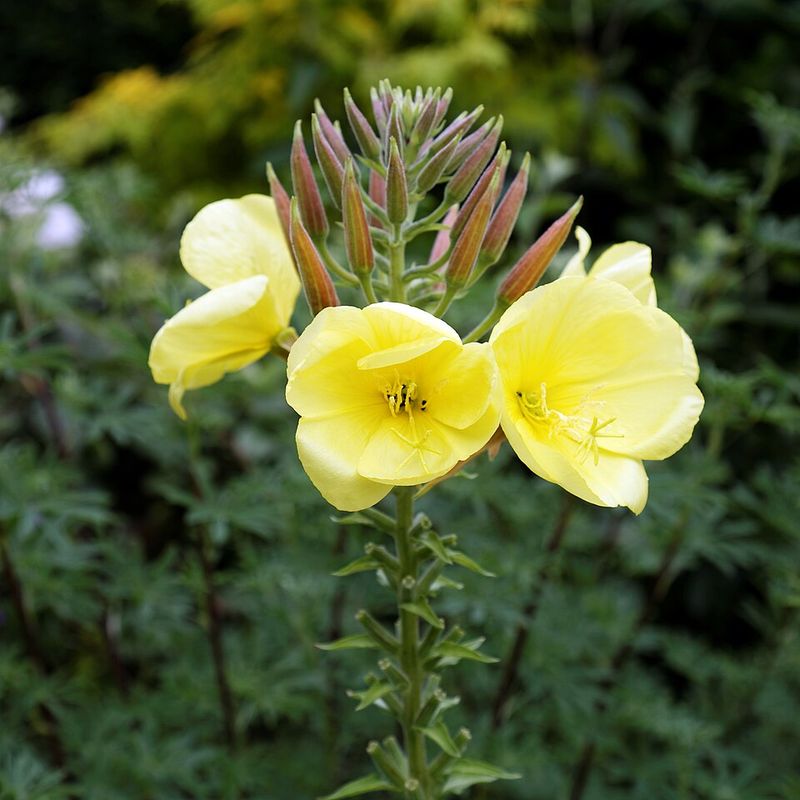
Some gardeners are choosing plants that feel a little less formal, and evening primrose fits that shift perfectly. Its soft yellow blooms open as the light drops, creating a gentle glow that works well in native beds, meadow-style borders, and relaxed cottage plantings.
In Georgia, that natural look feels especially right in yards where people want beauty without constant editing and trimming.
Pollinator support is another big reason this flower is getting more attention. Evening-active insects benefit from blooms that offer nectar after dark, and many gardeners are now thinking beyond daytime butterflies and bees.
If you are trying to make your landscape more ecologically useful, adding flowers with a nighttime role is a practical next step rather than just a pretty idea.
This plant also suits the current interest in lower-water gardening, especially once roots have settled in. Good drainage matters, but it generally asks for far less fuss than many showier ornamentals.
Tucked along a path or mixed among grasses, it gives the garden a second personality after sunset, and that extra layer of interest is exactly why Georgia homeowners who entertain outdoors are making room for it this season.
Night Phlox
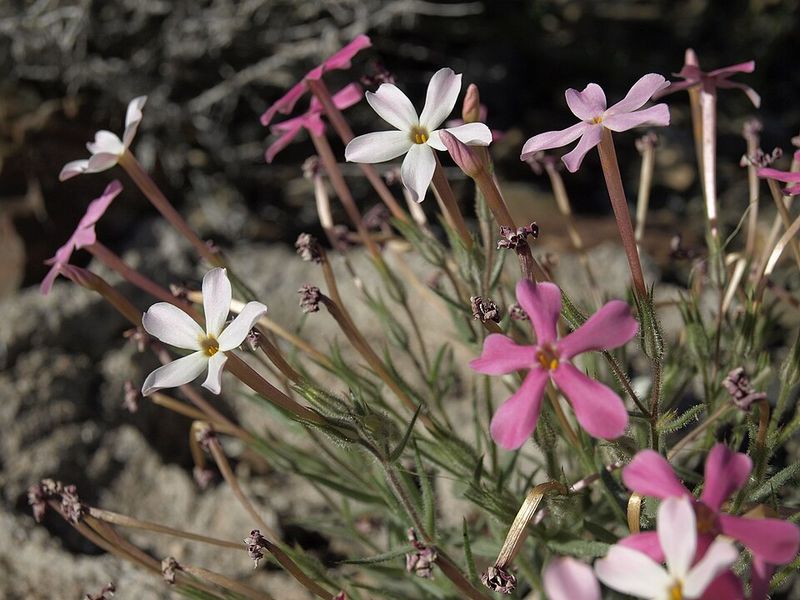
Fragrance has become a bigger priority for Georgia gardeners, especially in yards built around porches, patios, and short evening walks with the dog. Night phlox answers that need with a scent that becomes stronger after sunset, which means the plant contributes most when people are finally outside relaxing.
During the day it looks pleasant enough, but in the evening it suddenly earns its space.
That shift in performance makes it ideal for smaller properties where every planting choice needs to do real work. A flower that saves its best feature for nighttime helps the garden feel active longer, and that is appealing when summer heat keeps midday outdoor time brief.
You notice it most near doors, seating areas, or containers placed where the breeze can carry the fragrance.
Good drainage and regular watering help it perform well, and many gardeners treat it like a specialty accent rather than a broad filler. That is usually the right approach because a little goes a long way when scent is the main draw.
If your landscape looks fine in daylight but feels flat after dinner, adding a few strategically placed night phlox plants can make the whole space seem more welcoming and thoughtfully designed.
Angel’s Trumpet
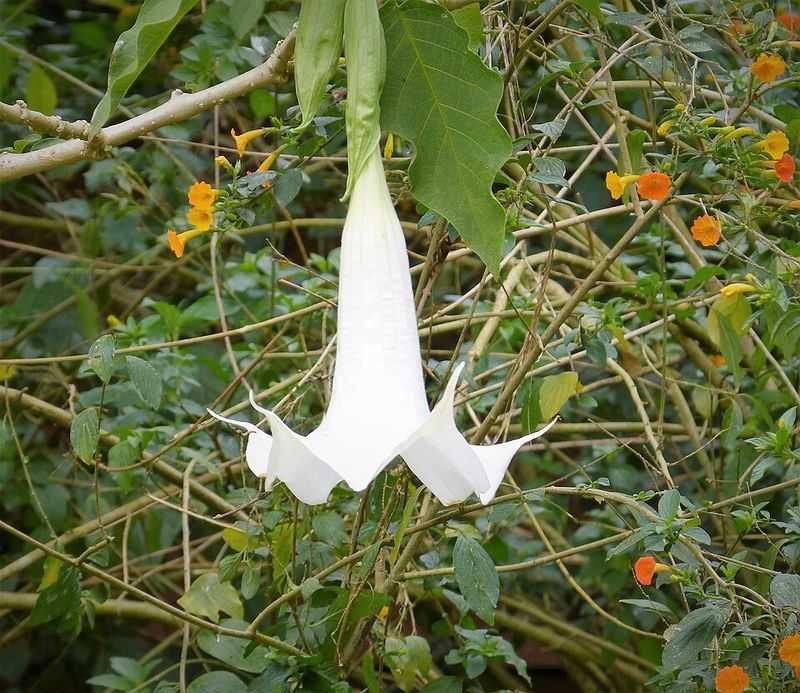
Drama matters more than people admit, and angel’s trumpet delivers plenty of it after sunset. Its large hanging blooms catch low light beautifully, so a single plant can anchor an evening seating area or make a side yard feel intentionally designed.
In Georgia, where long warm seasons support vigorous growth, that kind of impact is hard to ignore.
Gardeners are also drawn to the strong fragrance, which tends to intensify in the evening. When paired with a bench, a porch corner, or a poolside bed, it creates the sort of atmosphere people usually associate with boutique inns or vacation rentals.
That aspirational look is part of why more homeowners are adding it now as outdoor living spaces become a bigger priority.
Placement and caution are important because this plant can become large and all parts are toxic if ingested. Most gardeners use it as a specimen in protected spots with rich soil, regular water, and room to show off its shape.
If you have been wanting a flower that changes the mood of the garden once the sun drops, this one makes that point quickly, and it explains why evening-blooming plants feel less like a novelty and more like a design decision.
Tuberose
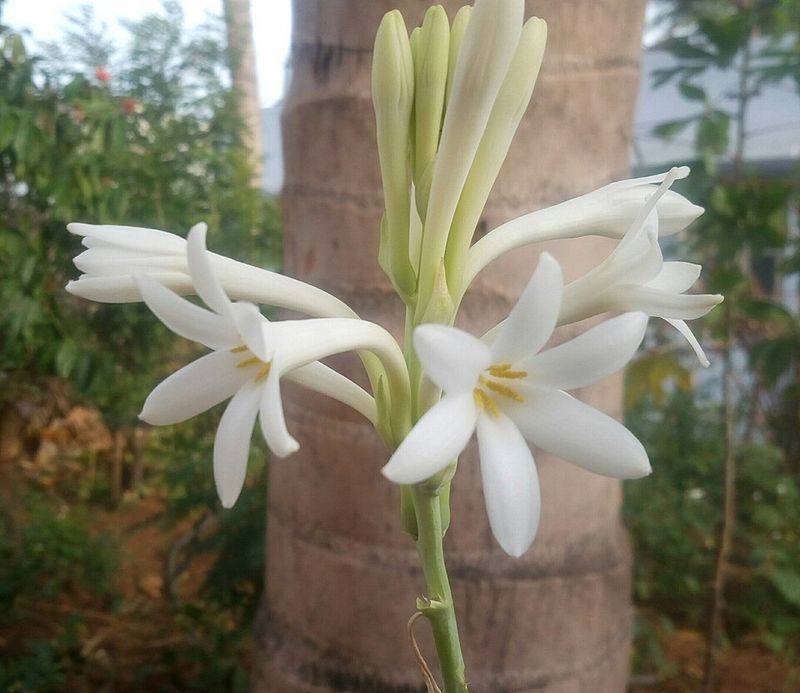
For gardeners who care as much about scent as color, tuberose feels especially timely. The white flower spikes look clean and classic in daylight, yet their real strength shows up after sunset when the fragrance becomes rich and noticeable across a patio or small courtyard.
That makes the plant a natural choice for Georgia homes where outdoor evenings are part of the routine for much of the year.
Another reason it is appearing more often is that people want cutting gardens to work harder. Tuberose gives you flowers for arrangements, but it also improves the landscape while standing in the ground, which is a satisfying two-for-one benefit.
Set near walkways or grouped in a bed near a deck, it creates a more layered experience than many daytime bloomers can offer.
Warm soil, sunshine, and consistent moisture help it perform best, so Georgia conditions can be a real advantage with proper drainage. Many gardeners start with just a few bulbs and quickly decide they want more because the evening fragrance changes how the whole yard feels.
If your goal is to make summer nights smell as good as the garden looks, tuberose earns its recent rise in popularity very easily.
White Gardenia
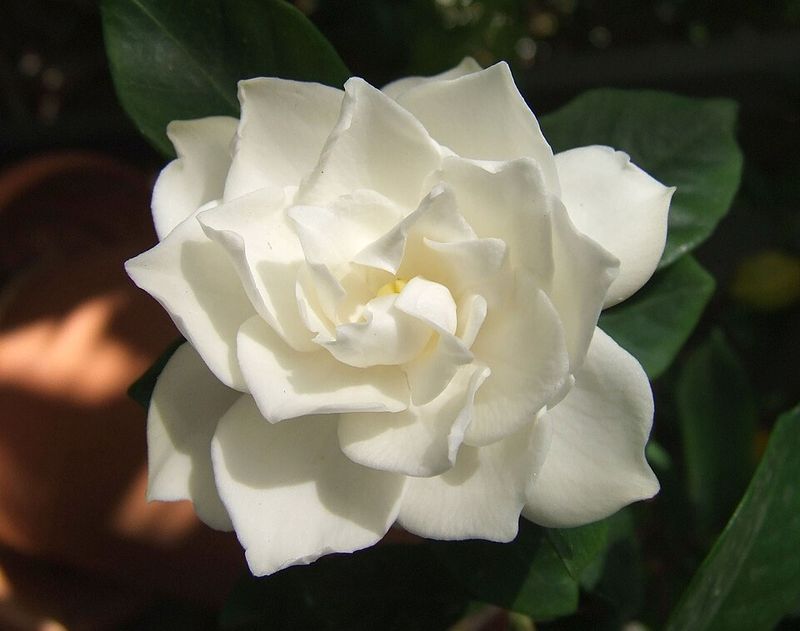
Classic plants are part of this trend too, and gardenia may be the clearest example. Georgia gardeners already trust it for Southern charm, but many are now placing it more deliberately where evening fragrance can be enjoyed from porches, paths, and open windows.
That design mindset turns a familiar shrub into a nighttime feature rather than just a traditional foundation planting.
White blooms also hold their presence after dusk better than many brighter colors do under fading light. That matters when you want the yard to look polished at eight o’clock, not only at noon.
A well-placed gardenia near an entry or seating area can make a modest landscape feel more memorable without adding complicated maintenance routines.
Good air circulation, acidic soil, and consistent watering are key in Georgia’s heat and humidity, especially to keep foliage healthy and buds developing well. Newer gardeners often appreciate that the shrub delivers a strong sensory payoff without needing a giant property or a formal garden plan.
If you have noticed more people talking about evening blooms this year, gardenia helps explain it perfectly because it combines nostalgia, fragrance, and after-dark beauty in a way that feels both practical and deeply personal.
Nicotiana

If your patio feels a little flat by dinnertime, nicotiana can change the mood fast. Its starry flowers start releasing more fragrance as the light fades, which makes sitting outside feel intentional instead of accidental.
In Georgia’s long warm season, that extra scent carries surprisingly well through humid air.
I also like that it looks soft and graceful without being fussy in the border. The pale blooms seem to glow at dusk, so you notice them exactly when daytime color starts disappearing.
Give it decent drainage, regular water, and a spot near a seating area, and you’ll understand why gardeners are making room for it.
Casa Blanca Lily
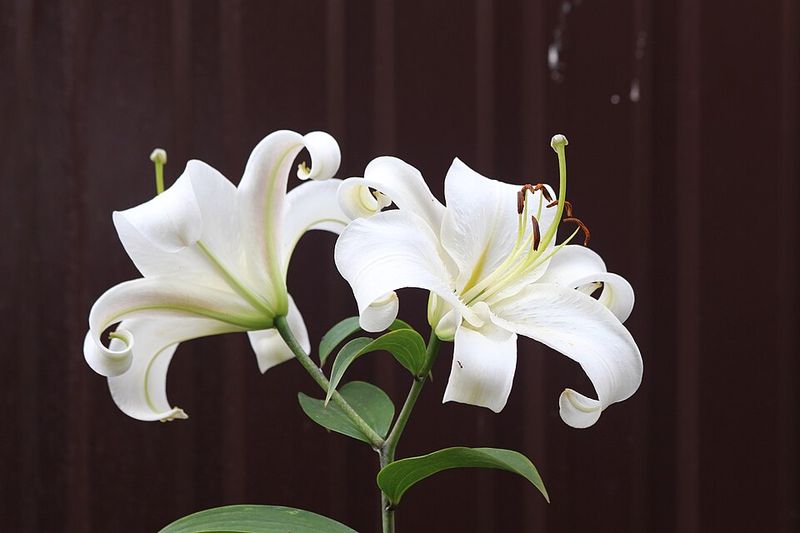
For gardeners who want evening drama without covering a fence or trellis, Casa Blanca lily earns its keep. The huge white blooms open with a clean, rich fragrance that feels almost tailor-made for warm Georgia nights.
Even a small clump can make a walkway or porch bed feel dressed up after sunset.
What makes it appealing is how polished it looks while still giving you that nighttime payoff. I think it bridges cottage garden charm and something a little more formal, which works in many Southern yards.
Plant bulbs where they get morning sun and good drainage, and the blooms will do the rest.
Night-Blooming Jasmine
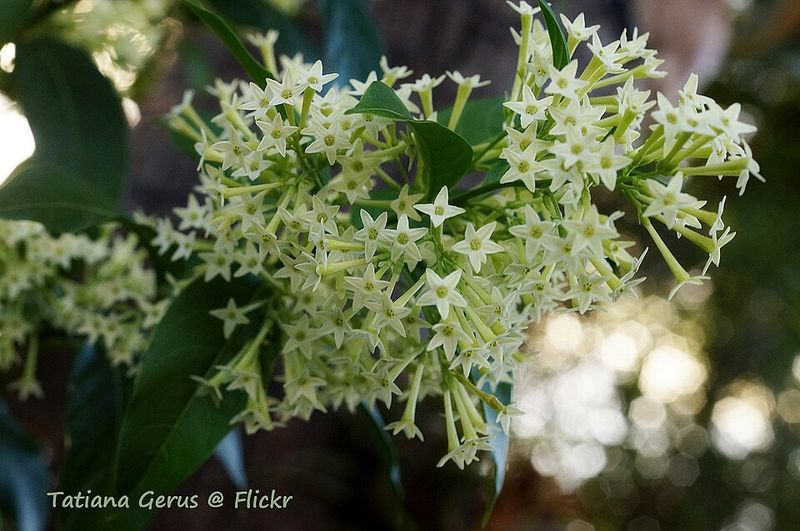
When neighbors talk about a plant perfuming the yard after dark, this is usually the one they mean. Night-blooming jasmine looks modest by day, then turns intense in the evening when its tiny flowers start pumping out scent.
In Georgia, where porch time stretches late into the year, that timing feels perfect.
You’ll want to place it carefully, because the fragrance is strong enough to define the space. I like it near a patio edge or open window, where the scent drifts in naturally.
Give it warmth, decent soil, and occasional pruning, and it rewards you with a backyard that feels more alive at night.