
10 Hardy Georgia Plants That Continue Looking Good Through Summer Heat
Follow us on Google
Georgia summers can make a beautiful yard look tired by July, especially when heat and humidity settle in for weeks. The good news is that plenty of plants keep their color, shape, and energy even when the forecast feels relentless.
If you want beds, borders, and containers that still look cared for in the hottest stretch of the season, these reliable picks are worth your attention. Each one brings staying power, good looks, and less stress for you when summer is at its toughest.
Lantana
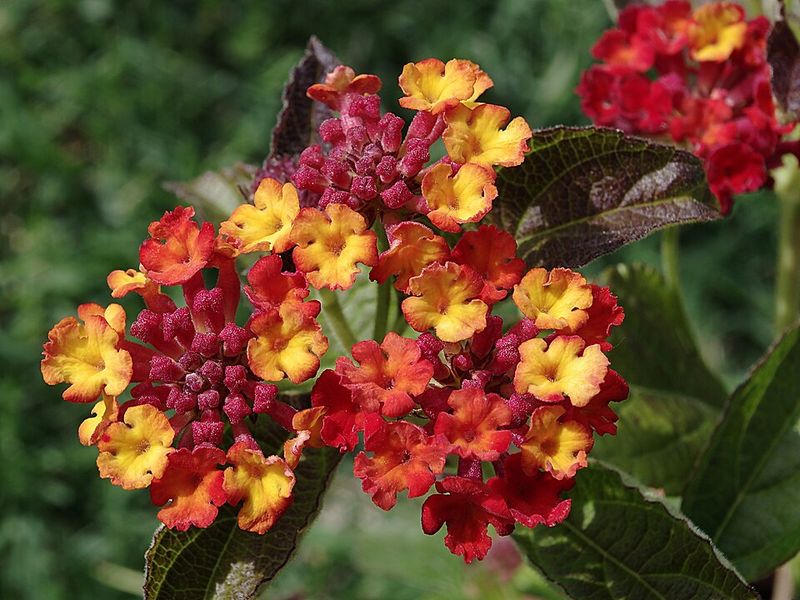
When a Georgia flower bed starts struggling in July, this one usually looks like it just got started. Bright flower clusters keep coming in hot weather, and the foliage stays tidy even when afternoon sun feels intense.
You get strong color without constant babying, which is exactly what most busy gardeners need.
Dry spells rarely bother it once roots are established, so watering chores stay manageable. I like it near walkways, mailboxes, and sunny borders where reflected heat can stress fussier plants.
Butterflies show up often, making the space feel active and cheerful instead of flat and overheated.
Good drainage matters more than rich soil, and overwatering causes more trouble than neglect. A light trim in midsummer helps it stay compact and keeps fresh blooms coming instead of turning leggy.
If you want one plant that makes your yard look intentional through the hardest part of the season, this is an easy yes for Georgia gardens.
Pentas
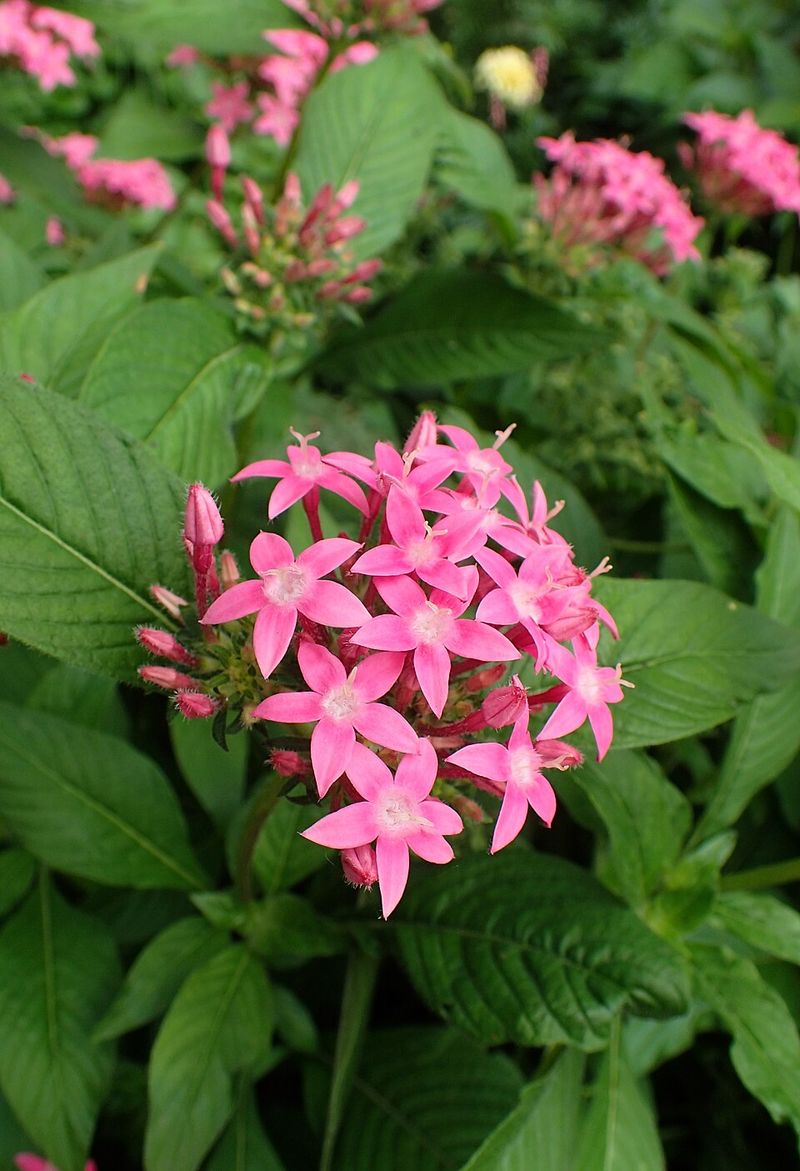
Few summer bloomers handle Georgia heat with this much grace while still looking polished. Starry flower clusters hold their color through humid afternoons, and the plants keep a neat, rounded shape that works in beds or large containers.
If you want reliable color near a porch or patio, this is one of the easiest ways to get it.
Butterflies and hummingbirds treat it like a regular stop, so the garden feels lively without extra effort from you. Full sun brings the heaviest flowering, though a little afternoon shade can help in especially hot spots.
I have seen pentas stay attractive when other annuals start stretching, fading, or simply giving up.
Consistent watering helps during establishment, but mature plants bounce back quickly after normal summer stress. Deadheading is helpful, not mandatory, which makes maintenance realistic for people who do not want daily chores.
For Georgia yards that need dependable color from late spring into fall, pentas earns its place with steady blooms and a surprisingly clean appearance.
Purple Coneflower
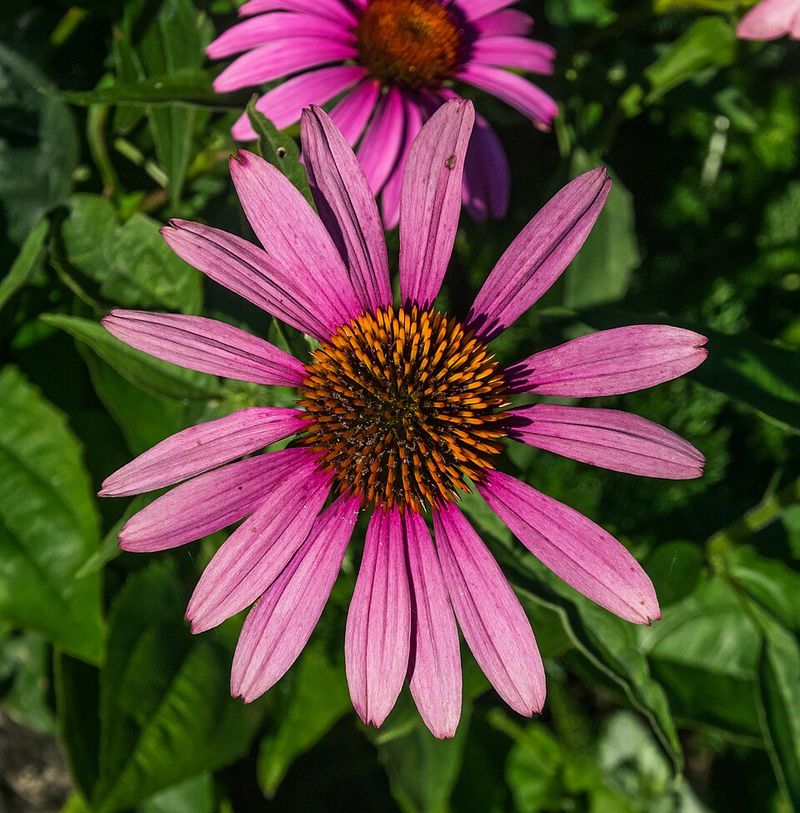
Summer gardens need structure as much as color, and this perennial gives you both. Strong upright stems hold daisy-like blooms above the foliage, so the planting still looks organized when heat makes softer plants flop.
That sturdy habit is a big reason it stays attractive deep into the season.
Pollinators love it, but the real advantage for many Georgia gardeners is its tolerance for sun, lean soil, and occasional dry weather. Once established, it asks for far less attention than thirstier perennials.
I especially like it mixed with ornamental grasses because the combination still looks good even after a week of brutal temperatures.
Leave spent blooms if you enjoy seedheads and extra texture, or deadhead lightly for a cleaner look and more flowers. Good drainage helps, especially in heavier clay that stays wet after thunderstorms.
If your goal is a planting that feels resilient instead of fragile, purple coneflower gives your summer beds a dependable backbone and keeps showing up when the weather gets rough.
Society Garlic
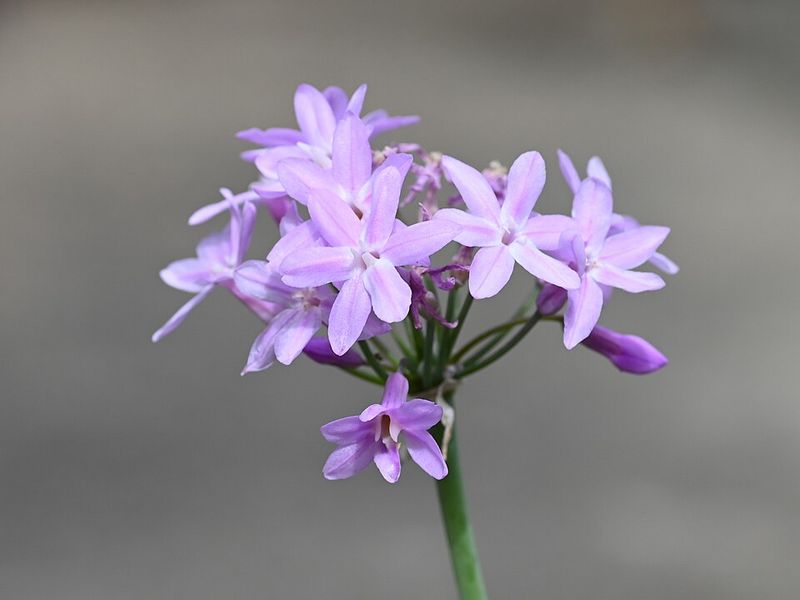
Not every summer plant needs huge flowers to make a border look sharp. Strappy blue-green leaves form neat clumps that stay attractive for months, and the lavender blooms rise above them with a clean, airy look.
In Georgia heat, that tidy habit can be more valuable than nonstop drama.
Hot pavement, reflected light, and lean soil do not intimidate it much once roots settle in. This makes it useful near driveways, sidewalks, and sunny foundations where other plants often look stressed by August.
I appreciate how it keeps its shape without constant trimming, especially in small front-yard beds.
Excellent drainage is the main requirement, and soggy soil is far more dangerous than dry conditions. Removing old flower stalks sharpens the appearance, but even when you skip that step, the plant usually stays presentable.
For gardeners who want something low fuss, heat ready, and just a little unexpected, society garlic brings steady beauty without demanding extra time during the hottest weeks.
Muhly Grass
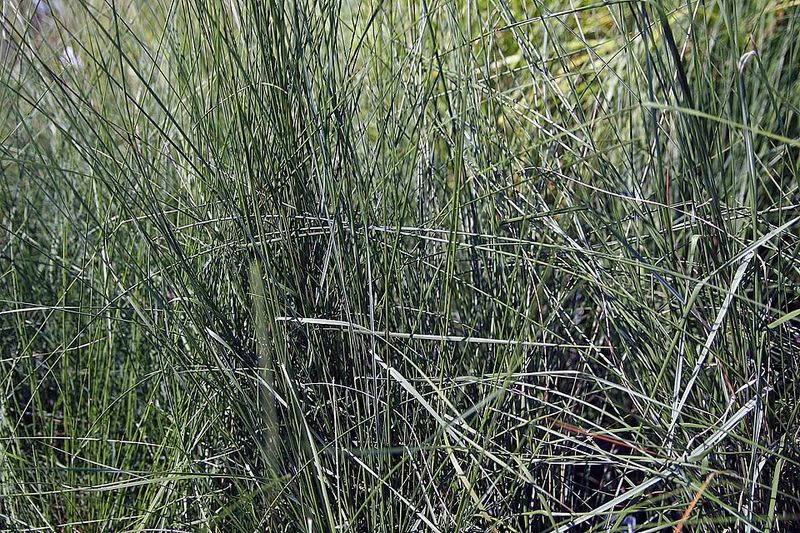
Texture can save a summer planting when flowers fade, and this grass proves it beautifully. Fine green blades stay elegant through heat, then airy pink blooms add a soft haze that catches evening light.
Even before flowering, the mounded form makes beds look intentional and finished.
Georgia gardeners often need plants that handle poor soil, reflected heat, and occasional drought without sulking. This one settles in and asks for very little, especially in full sun with decent drainage.
I like using it along driveways or at the edge of perennial beds where its shape balances bolder shrubs and flowers.
Give it room, because crowded placement hides the fountain-like habit that makes it so useful. A yearly cutback in late winter is usually enough to keep it looking fresh and vigorous.
If your yard needs something that stays composed in summer and still delivers a memorable show later, muhly grass is one of the smartest low-maintenance choices for Georgia landscapes.
Autumn Sage
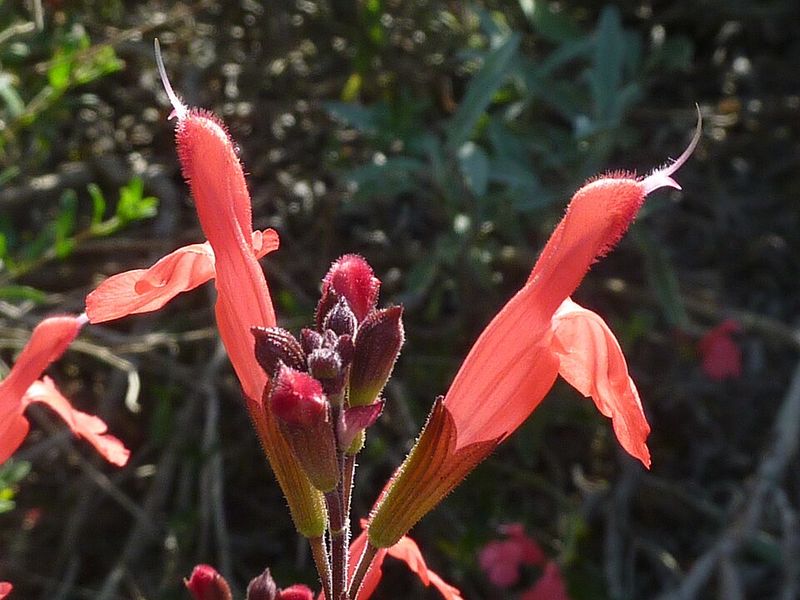
Some plants seem built for blazing afternoons, and this compact salvia is one of them. Small leaves stay neat, the habit remains mounded, and the flowers keep appearing in waves when many other bloomers slow down.
That steady performance makes a bed look cared for even during rough weather.
Hummingbirds notice it quickly, which adds movement and color without any extra work on your part. Full sun produces the best shape and strongest bloom cycle, especially in soil that drains well after summer storms.
I find it especially useful in mixed borders where you need a plant that bridges spring freshness and late-summer fatigue.
A light shear after the first heavy flush encourages new growth and prevents a tired, woody look. Avoid rich soil and overwatering, because too much comfort can actually reduce its best qualities.
For Georgia gardeners who want long bloom time, heat tolerance, and a shrub-like plant that stays pleasantly compact, autumn sage delivers more consistency than many flashier options.
Black-Eyed Susan
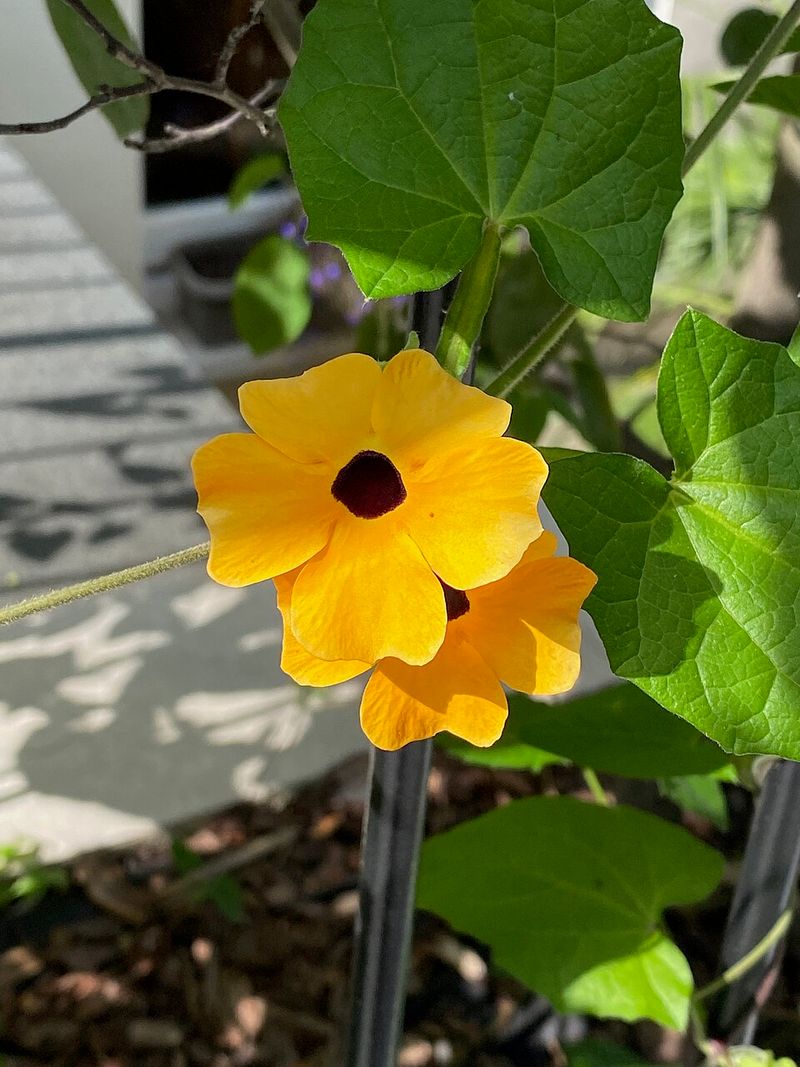
Golden flowers can brighten a tired summer border fast, and these cheerful blooms do exactly that. Dark centers give strong contrast, while the upright stems help the planting read clearly from a distance.
In Georgia heat, that bold color holds up better than many softer-toned flowers.
Once established, the plants tolerate sunny conditions and average soil with impressive stamina. They are especially effective in drifts, where repeated blooms create a fuller, more intentional look than a few scattered specimens.
I like pairing them with grasses or purple flowers because the yellow reads crisp instead of overwhelming.
Deadheading extends the display, but even fading blooms have some value if you enjoy a slightly natural look. Good air circulation helps keep foliage cleaner through humid weather, so avoid stuffing them into crowded beds.
If you need a perennial that can handle hot afternoons and still make the garden feel upbeat, black-eyed Susan offers dependable color with a lot less fuss than people expect.
Yaupon Holly
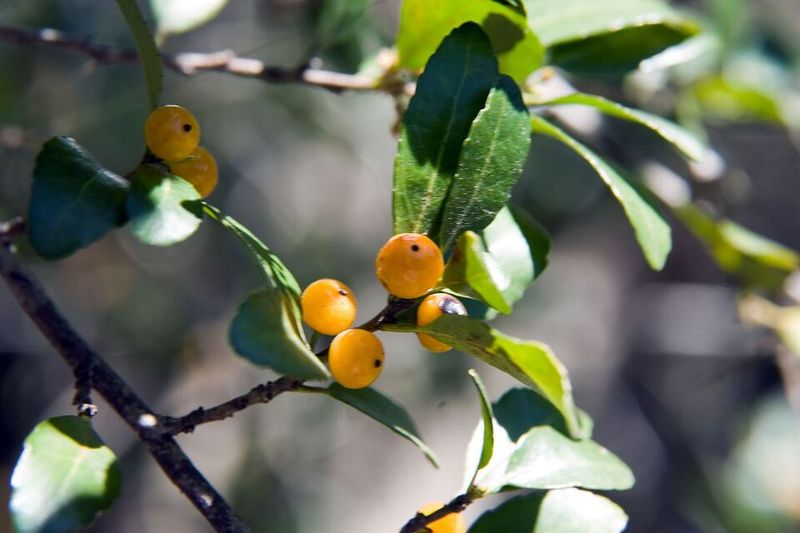
Flowers get plenty of attention, but strong evergreen structure is what keeps a yard looking good all summer. Small glossy leaves hold up beautifully in heat, and the plant maintains a dense, tidy presence even when nearby shrubs start looking worn.
That dependable green backdrop makes everything around it look better.
As a Georgia-friendly native, it handles humidity, sun, and a range of soil types with very little complaint. You can use it as a hedge, foundation plant, screen, or clipped accent, depending on the variety you choose.
I appreciate how flexible it is, especially in landscapes that need year-round shape instead of seasonal peaks and collapses.
Pruning is easy, but many selections naturally stay attractive without heavy shearing. Female plants can produce bright berries if a male is nearby, adding another season of interest beyond summer.
For gardeners who want something reliable, polished, and far less delicate than many evergreen shrubs sold at big box stores, yaupon holly is one of the smartest long-term choices.
Loropetalum
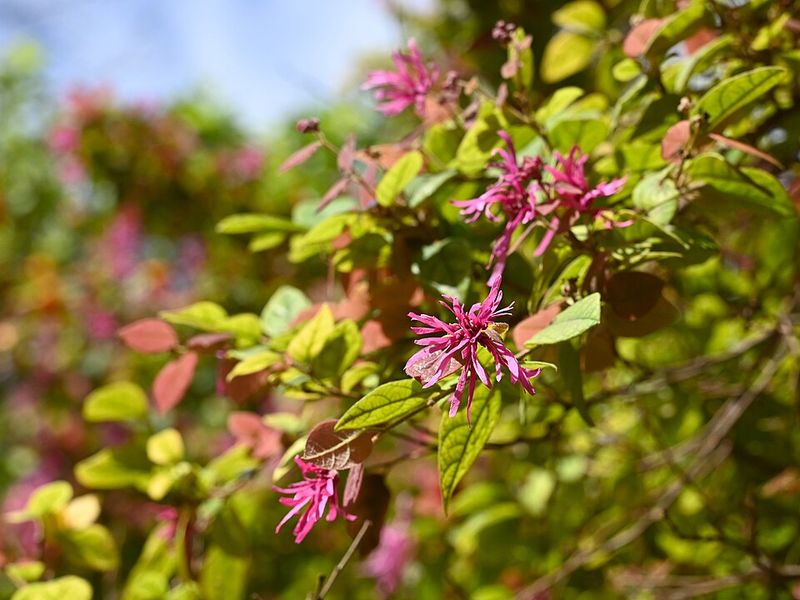
Foliage color matters in summer, and this shrub keeps the garden from turning into a sea of ordinary green. Deep burgundy or purple leaves hold their tone through heat, giving beds contrast even when flowering slows.
That alone makes it useful in Georgia landscapes that need visual interest all season.
Modern varieties come in sizes that fit foundation beds, mixed borders, or informal hedges, so placement is easier than it used to be. Full sun usually produces the richest leaf color, though some afternoon shade can help in very exposed sites.
I like it near lighter foliage or pale stone because the dark leaves read especially well in strong summer light.
Avoid planting it too deep, and make sure drainage is decent, especially in heavy clay. Occasional shaping after bloom is enough for most selections, while constant shearing can ruin the natural form.
If you want a shrub that stays handsome through the hottest months and gives your planting design some depth, loropetalum is a dependable way to get there.
Crape Myrtle
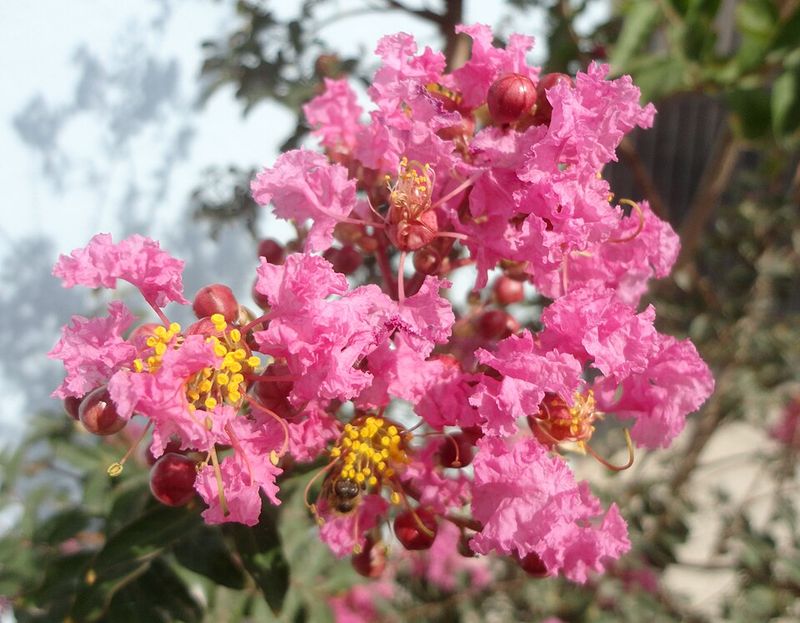
By the time Georgia heat peaks, this classic tree is often hitting its stride. Long bloom periods, handsome bark, and a sculptural shape keep it attractive well beyond a quick flush of flowers.
That combination of color and structure is hard to beat in a summer landscape.
Newer varieties offer better disease resistance and sizes that fit everything from tiny courtyards to larger lawns. Full sun is essential if you want strong flowering and a graceful form instead of sparse growth.
I think it works best where air can move around the branches, since crowded placement often leads to more mildew and a messier look.
Skip harsh topping, because proper pruning preserves the elegant branching that makes the plant so appealing. Once established, it tolerates heat and periodic dryness well, though regular water helps young specimens settle in faster.
For a Georgia yard that needs dependable summer color without looking temporary or fussy, crape myrtle remains a practical favorite that still earns its popularity.