
Why Florida Patios Feel Cooler With These Lush Tropical Plants Nearby
Follow us on Google
Step onto a Florida patio ringed with the right tropical plants, and the air can feel noticeably softer, shadier, and easier to enjoy. That cooler feeling is not just in your head – broad leaves, layered foliage, and moisture released by plants can change the comfort of a small outdoor space.
Smart plant choices also block reflected heat from walls, paving, and pool decks. If your patio feels bright but harsh, these picks can help it feel calmer, greener, and far more inviting.
Areca Palm
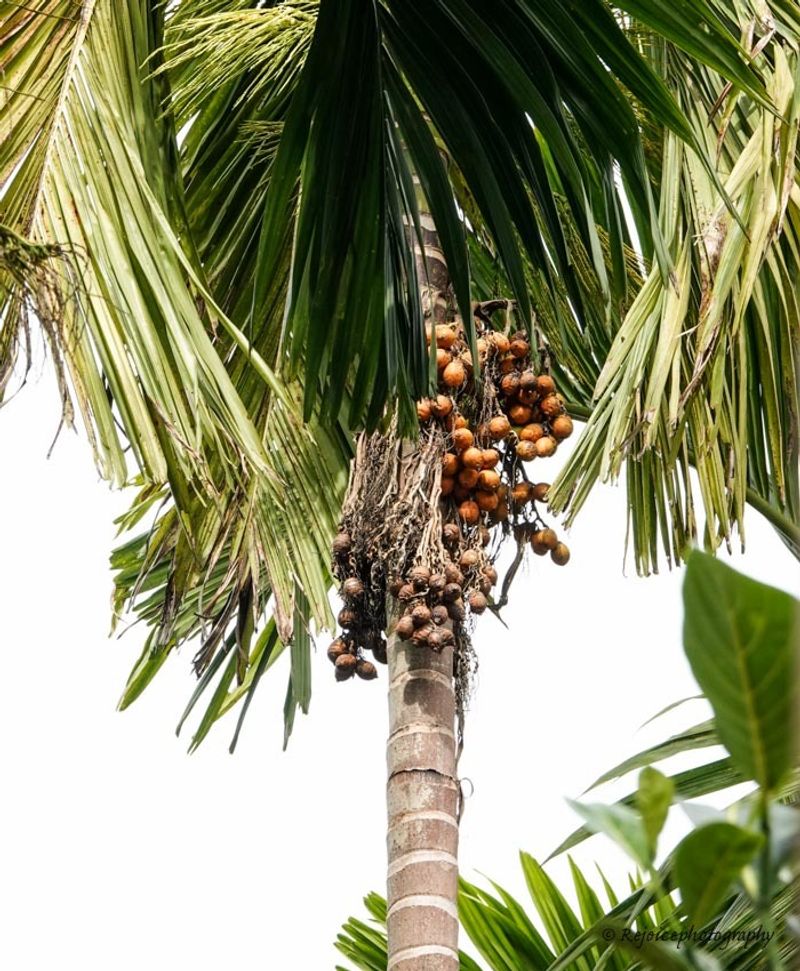
Nothing changes the feel of a hot patio faster than a ring of feathery fronds catching light and slowing the afternoon sun. Areca palm does that beautifully, creating a soft screen that cools the space visually and physically.
You get movement, shade, and a sense of privacy without making your seating area feel boxed in.
Because the canes grow in clumps, this palm works especially well in oversized containers or planted just beyond the patio edge. Place several together on the west or southwest side, where harsh sun lingers longest, and you will notice gentler light across pavers and cushions.
That matters in Florida, where reflected heat from hard surfaces can make a small patio feel much warmer than the air temperature.
Regular watering keeps the foliage full, which improves the cooling effect you are after. It also appreciates humidity, so coastal and central Florida conditions usually suit it well.
If cold snaps are rare in your spot, growth stays attractive for much of the year.
For the best look, pair areca palm with lower plants that hide the container rim and keep the base from looking sparse. A layered arrangement feels richer, shades more ground, and makes your patio read as a cooler retreat instead of a suntrap.
Lady Palm
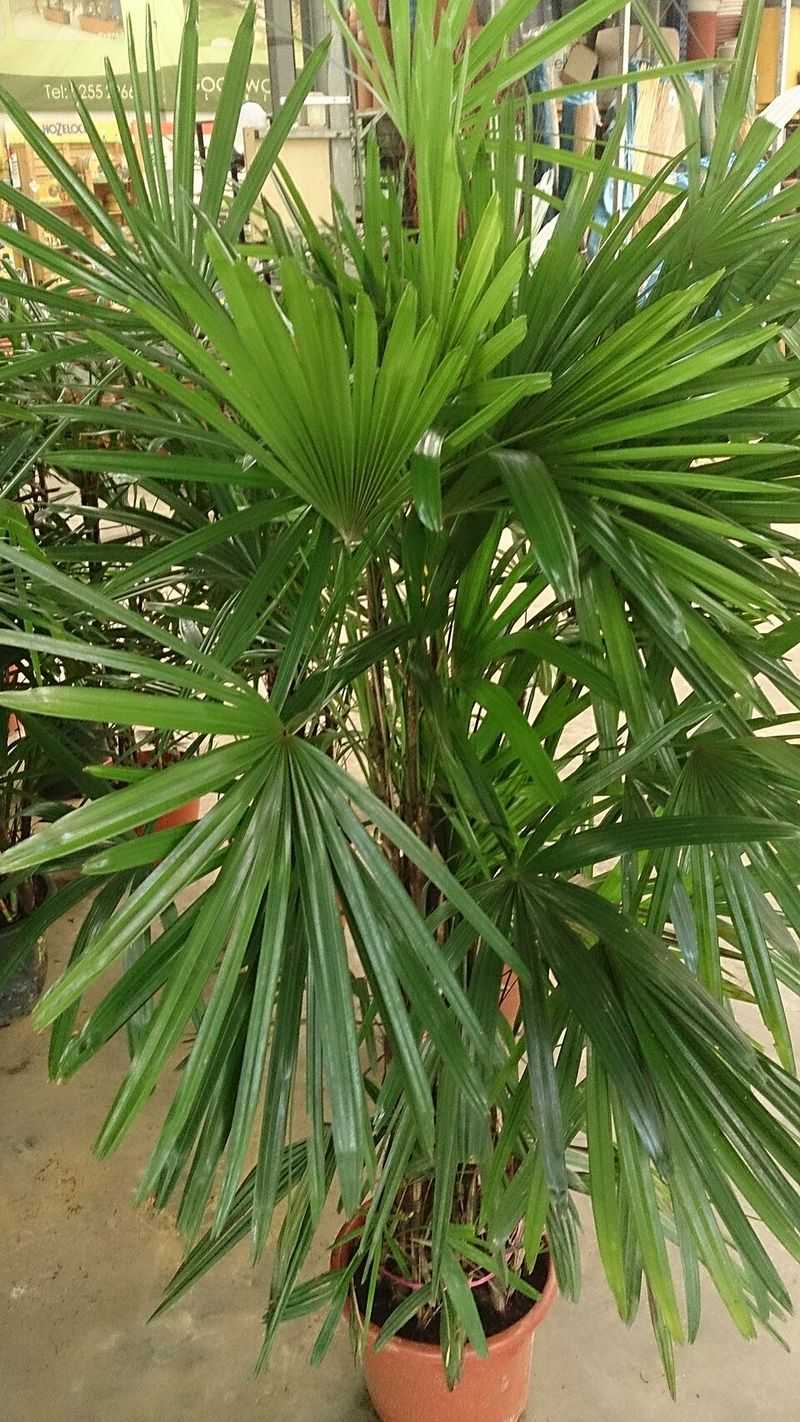
Dense foliage can make a patio feel cooler long before sunset, and lady palm is excellent at creating that effect in a polished, tidy way. Its fan-shaped leaves form a thick green wall that filters glare instead of simply blocking it.
That softer light makes chairs, tabletops, and surrounding stone feel more comfortable through long Florida afternoons.
This plant earns its place near seating because it stays refined rather than wild. You can line a narrow patio with several containers and gain privacy, shade, and a stronger sense of enclosure without sacrificing elegance.
In spots where reflected heat bounces off stucco or screen enclosures, that leafy buffer really helps.
Lady palm also handles partial shade beautifully, which makes it useful on covered patios that still receive bright indirect light. Keep the soil evenly moist, feed lightly during the growing season, and trim out older canes to maintain airflow.
A healthy specimen stays full from top to bottom, so the cooling visual effect remains consistent.
If you want your outdoor space to feel more like an intimate garden room, this is one of the easiest ways to get there. The texture is calming, the silhouette is upright, and the overall mood feels noticeably cooler and more relaxed.
Bird of Paradise
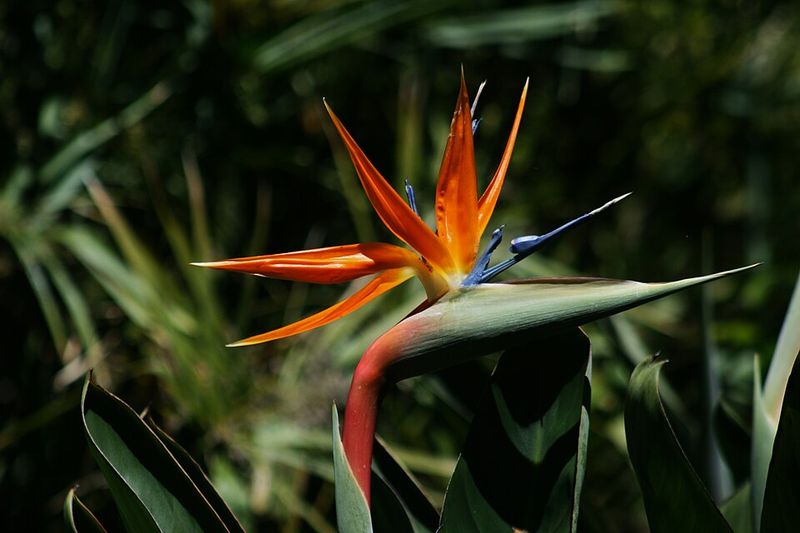
Broad leaves do serious work on a hot patio, and bird of paradise is one of the best plants for that job. The large paddle-shaped foliage catches intense light, throws bold shadows, and makes open areas feel less exposed.
You notice the difference most in late afternoon, when hard surfaces usually start radiating stored heat back at you.
Because the leaves rise high and spread wide, this plant is useful near corners, fences, and blank walls that reflect warmth. It also adds height without needing a tree canopy overhead, which helps on compact patios where every square foot matters.
Planted in the ground or in very large pots, it creates a tropical backdrop that feels substantial and cooling.
Florida gardeners appreciate how well bird of paradise handles heat and humidity once established. Regular water keeps growth strong, while occasional grooming removes wind-torn leaves and keeps everything looking intentional.
If your patio gets bright sun for much of the day, this plant usually responds with fuller coverage and better shading.
Use it where you want the strongest visual impact and a little drama. Set behind lounge chairs or an outdoor dining nook, it frames the space, softens glare, and makes the whole patio feel less stark and noticeably more comfortable.
Heliconia
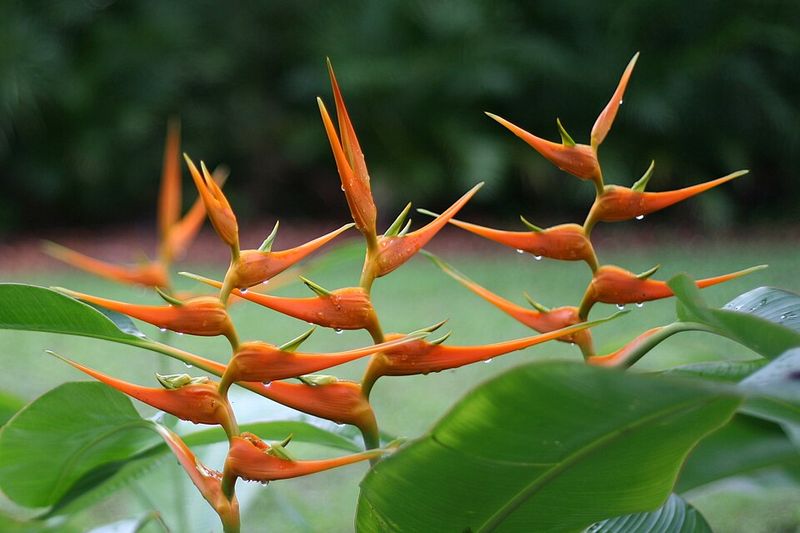
Few plants give you that immediate tropical cooling effect like heliconia, thanks to oversized leaves and fast, dramatic growth. The foliage forms a living screen that breaks up sun, wind, and reflected heat around seating areas.
If your patio feels exposed from the side, this is one of the smartest ways to create a softer edge.
Many Florida patios sit near fences, pool cages, or neighboring walls that trap warmth. Heliconia planted along those boundaries helps moderate the look and feel of that heat by covering hard lines with dense green mass.
Some varieties also bring striking blooms, but it is really the leafy volume that makes the biggest difference day to day.
Moist soil and regular feeding keep the clumps vigorous, especially during the warm rainy months when growth can be impressively fast. Give it enough space, because crowding reduces air movement and makes maintenance harder than it needs to be.
A tidy thinning once in a while keeps the patch attractive and breathable.
For a patio that needs privacy and a more sheltered atmosphere, heliconia works harder than many ornamental plants. It creates depth, softens harsh boundaries, and adds that cool, shaded feeling people often associate with older, well-established tropical gardens.
Ti Plant
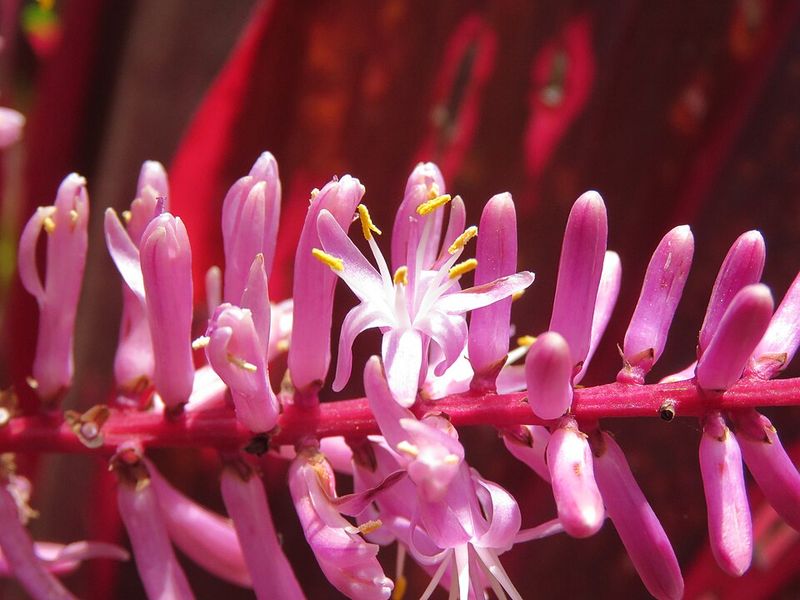
Color can cool a patio in a visual way, and ti plant proves that beautifully when rich burgundy or deep green leaves are placed around a seating area. The upright form adds presence without taking up too much floor space.
That makes it especially useful on smaller Florida patios where you need impact, shade layering, and color all at once.
While ti plant does not create the same canopy as a large palm, it excels in container groupings that soften hot corners and sunlit edges. Several pots clustered near a wall or entry help reduce that hard, baked look common on concrete and pavers.
The leaves also pair nicely with broader tropical foliage, giving your patio a more finished, cooler mood.
Protection from intense cold matters, but in much of Florida this plant performs well with filtered sun or gentle morning light. Consistent moisture keeps the foliage from crisping, and rich soil supports stronger color.
If direct afternoon exposure is severe, a little shelter will keep the leaves looking fresher.
Use ti plant when your patio needs personality as much as comfort. It brings contrast, structure, and a layered garden feel that makes the whole space seem more intentional.
Even a simple bistro corner looks calmer when those glossy leaves are nearby.
Shell Ginger
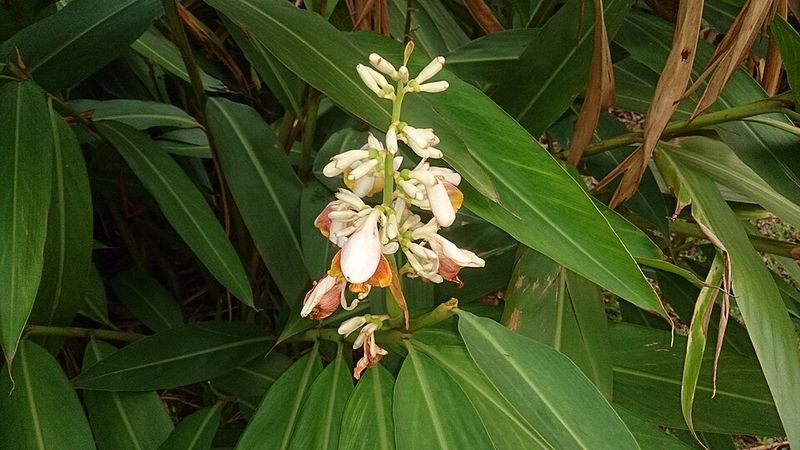
Soft filtered shade often comes from plants with generous leaves, and shell ginger is especially good at building that effect near patios. Its foliage catches light in wide, layered sheets that make bright spaces feel gentler and more sheltered.
The result is a patio that feels less glaring and more comfortable for lingering over coffee or dinner.
This plant works well along the perimeter where you need a medium-height screen instead of towering coverage. By planting shell ginger in groups, you can shield lower seating areas from side sun and reduce the harshness of nearby walls or fencing.
Variegated forms also brighten shady spots, which helps keep a patio from feeling closed in.
Florida heat and humidity usually suit shell ginger nicely, especially when the soil stays consistently moist. It appreciates protection from drying wind, so patios with some enclosure often produce the best-looking growth.
Removing older stems keeps the clump fresh and prevents the planting from becoming too dense.
If your outdoor area already has a few palms, shell ginger is a smart companion because it fills the middle layer. That layered planting is what creates the coolest feeling overall.
You are not just decorating the space – you are shaping light, softening heat, and making the patio easier to enjoy.
Monstera Deliciosa
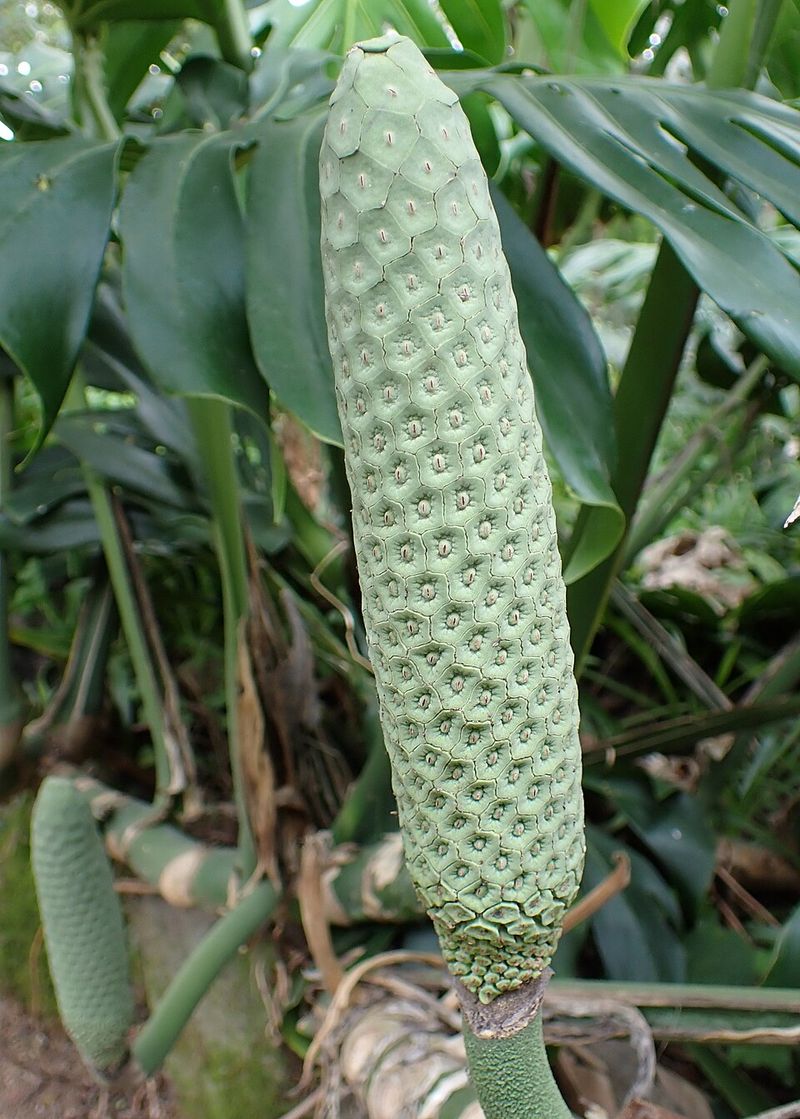
Shady corners become much more inviting when giant split leaves fill them with texture and depth. Monstera deliciosa brings that dramatic look while helping a patio feel cooler, softer, and less exposed to reflected brightness.
It is especially effective where morning shade or filtered light keeps the foliage broad and richly green.
On many Florida patios, the problem is not only direct sun but also the visual intensity of bare walls, railings, and paving. Monstera helps absorb some of that harshness by placing large leaf surfaces right where your eye lands.
In decorative pots, it can anchor a seating zone and create a refreshing, grounded feeling without needing a big footprint.
Because this plant loves warmth and humidity, it often settles in well once protected from extreme afternoon exposure. Give it rich soil, regular watering, and enough room for the leaves to spread naturally.
A support pole can help if you want upward growth, though sprawling forms look great in relaxed garden settings.
Pair it with finer textures such as palms or ferns for a layered effect that feels balanced rather than heavy. The contrast is what makes the whole arrangement work.
Your patio ends up looking cooler because every hard surface is visually interrupted by green, sculptural foliage.
Philodendron Xanadu
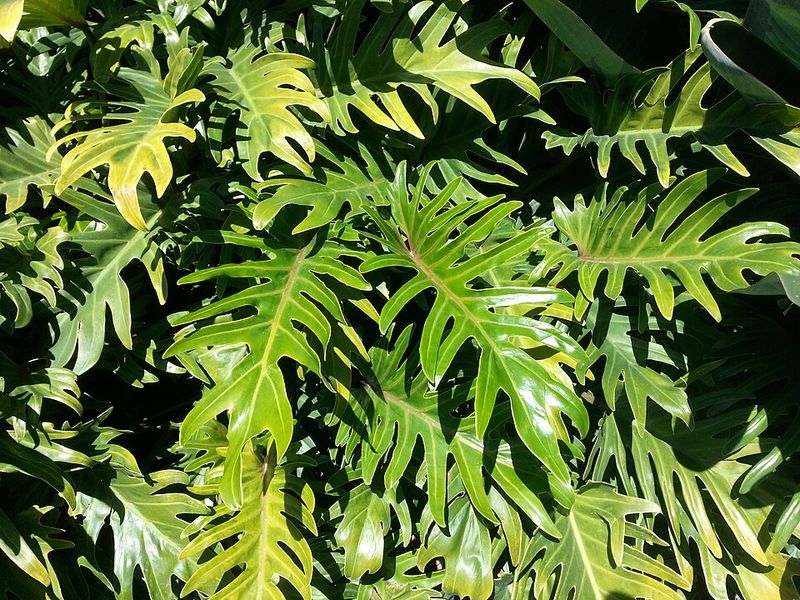
Full, mounded foliage near the ground can cool a patio more than people expect, especially when it covers exposed soil and interrupts hot paving edges. Philodendron Xanadu does that with dense, deeply cut leaves that spread outward in a generous, rounded form.
The shape reads neat and intentional, so you gain a cooler feel without creating a messy border.
This plant is useful in those awkward spaces where taller tropicals leave gaps around the base. Tuck Xanadu beneath palms, beside planters, or along the front of a patio bed, and it immediately makes the planting scheme feel more complete.
That extra layer matters because layered greenery shades more surfaces and visually lowers the heat of the whole area.
In Florida, filtered sun or bright shade usually produces the best foliage. Consistent water keeps leaves broad and glossy, while occasional cleanup prevents old growth from dulling the effect.
Because the plant stays compact compared with larger philodendrons, it is easy to maintain near seating and pathways.
Use it when your patio needs softness at eye level and around your feet, not just overhead. The result feels richer and cooler because every view includes textured green mass.
Even a sunny concrete edge looks less harsh when Xanadu spills beside it in healthy, full clumps.
Elephant Ear
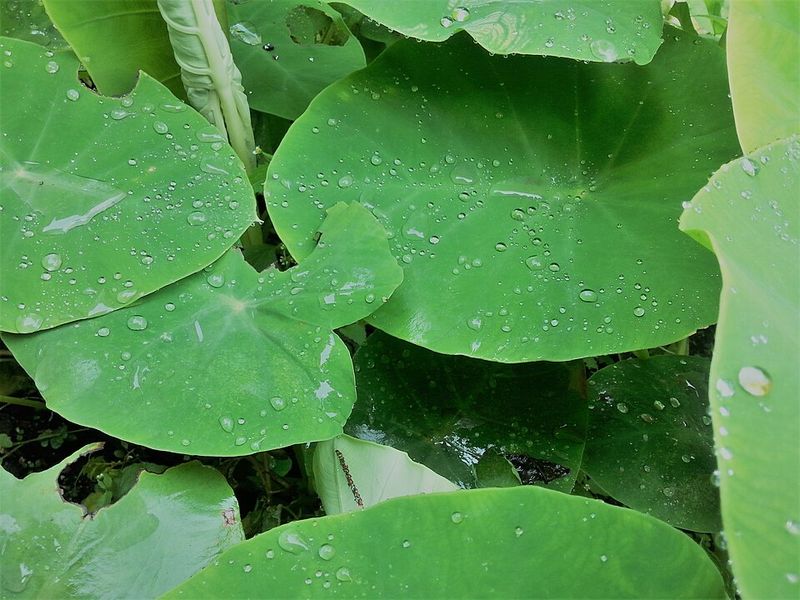
Huge heart-shaped leaves can make a patio feel cooler almost instantly, and elephant ear is one of the strongest plants for that visual and physical effect. The oversized foliage throws bold shadows, blocks glare, and gives small spaces a more sheltered atmosphere.
If your patio gets intense reflected light from a pool deck or pale pavers, this plant can soften that brightness fast.
Placement matters with elephant ear because the leaves are so dramatic. Use it where you want a statement near corners, privacy panels, or the edge of an outdoor dining spot, but leave enough room for airflow and movement.
A few well-positioned clumps often do more than a crowded row because each leaf can spread properly and cast broader shade.
Florida moisture and warmth are usually ideal, especially if the soil stays rich and evenly damp. In very sunny locations, afternoon relief helps prevent stress and keeps the foliage looking full instead of tattered.
Regular feeding during active growth encourages those oversized leaves that give the strongest cooling impression.
Pair elephant ear with finer textures so the planting does not become visually heavy. Palms, gingers, or low philodendrons work beautifully nearby.
The combination makes your patio feel layered, humid, and pleasantly shaded, like a space buffered from the hottest parts of the day.
Croton
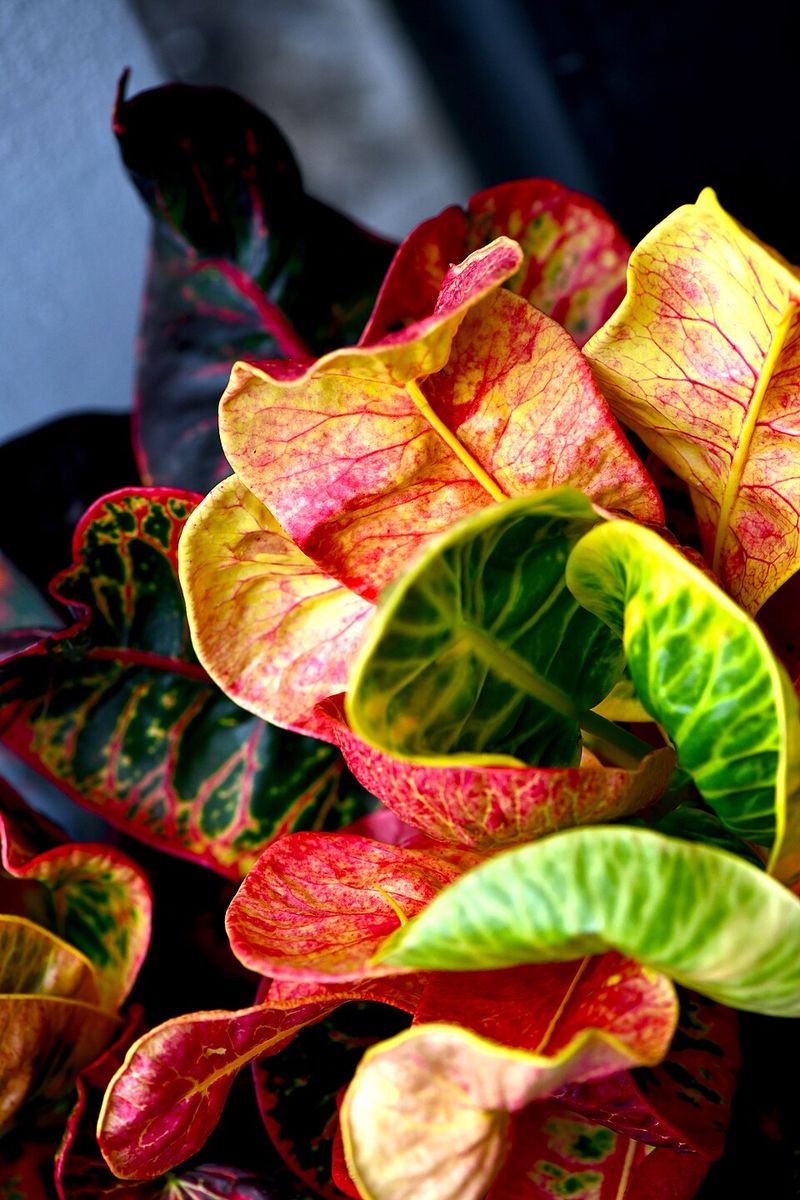
Bright sun does not always need more green to feel balanced – sometimes it needs strong color and dense foliage placed in the right spots. Croton gives you both, with thick leaves that hold up well in Florida warmth and tones that make patios feel designed rather than bare.
That extra visual richness softens the stark look of hot walls, railings, and paving.
Because crotons come in many sizes, they are easy to use as accents or small screens. Place them in containers beside seating, near entry points, or along sun-baked edges where your patio feels unfinished and overly exposed.
A clustered arrangement helps break up glare and gives the area a more sheltered, planted atmosphere.
Good light brings the best leaf color, but regular watering matters if heat is intense and container soil dries quickly. In especially windy spots, leaves can look rough, so some protection helps keep them handsome.
Florida gardeners often use crotons where they want year-round impact without relying on flowers to carry the scene.
Mix them with palms or broad-leaf plants to keep the color from feeling too sharp. The combination creates depth, shade layering, and a stronger sense of enclosure.
When the planting around a patio looks substantial, the whole space seems cooler, calmer, and much easier to settle into.
Clusia
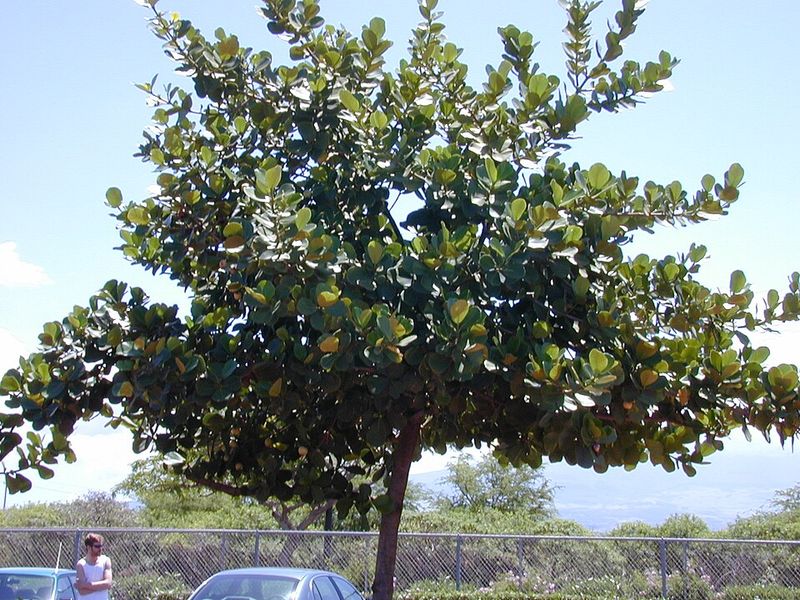
Glossy leaves and dense branching make a big difference when your patio backs up to a fence, road, or neighboring house. Clusia is excellent for creating a green buffer that cuts visual heat and gives outdoor rooms a more protected feel.
Once it fills in, the space feels less exposed to sun, wind, and the hard lines that make a patio seem hotter.
This plant works best as a living wall just beyond the sitting area, where it can screen views and soften reflected light from boundaries. Unlike loose, airy tropicals, clusia creates a solid backdrop that anchors furniture and defines the patio as its own zone.
That sense of enclosure often makes the space feel more comfortable before temperatures even change.
Florida conditions suit clusia well, especially in coastal and sunny sites where tougher plants are needed. It tolerates salt better than many tropical choices and responds nicely to regular shaping if you prefer a clean outline.
Keep young plants watered consistently until established, then maintenance becomes fairly straightforward.
If your goal is a patio that feels cooler because it is visually quieter and physically more sheltered, clusia is a strong pick. Pair it with softer foreground plants so the border does not feel too rigid.
The contrast gives you privacy, structure, and a calmer setting for everyday outdoor living.
Podocarpus
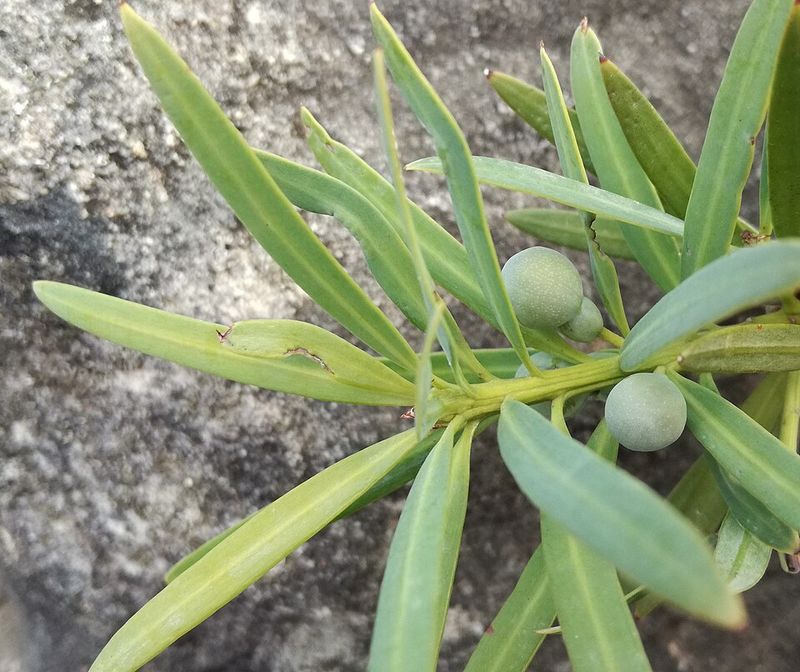
A patio can feel cooler when the surrounding planting has structure, and podocarpus provides that in a clean, versatile way. Its fine textured evergreen growth forms a dense screen that reduces visual clutter and softens heat bouncing in from nearby surfaces.
The effect is subtle, but it makes outdoor seating areas feel more sheltered and composed.
Unlike broader tropical leaves, podocarpus offers a refined backdrop that pairs easily with dramatic plants in front. Use it along property lines or behind containers to create a green wall without overwhelming the patio with bulk.
That stable background lets palms, gingers, and colorful foliage stand out while still contributing to a cooler overall mood.
Florida gardeners like podocarpus because it tolerates trimming well and adapts to many landscape styles. It can stay formal, relaxed, tall, or narrow depending on your space, which is helpful when patios sit close to walkways or screen enclosures.
Consistent watering while establishing is important, but mature plants are generally dependable.
If your patio already has strong sun but little definition, this plant can fix that quickly. It frames the space, quiets busy views, and creates the kind of green perimeter that makes a seating area feel intentionally protected.
That protection often reads as cooler, calmer, and easier to enjoy year-round.