
The Pennsylvania Flowers That Keep Blooming Long After Spring Ends
Follow us on Google
Spring gets the credit, but plenty of Pennsylvania flowers are just getting started when the weather turns warm. If your beds fade by June, a few smart plant choices can keep color going through summer and well into fall.
The best part is that many of these reliable bloomers handle Pennsylvania’s shifting weather without asking for constant attention. Here are the flowers that keep your yard looking alive long after spring bows out.
Purple Coneflower
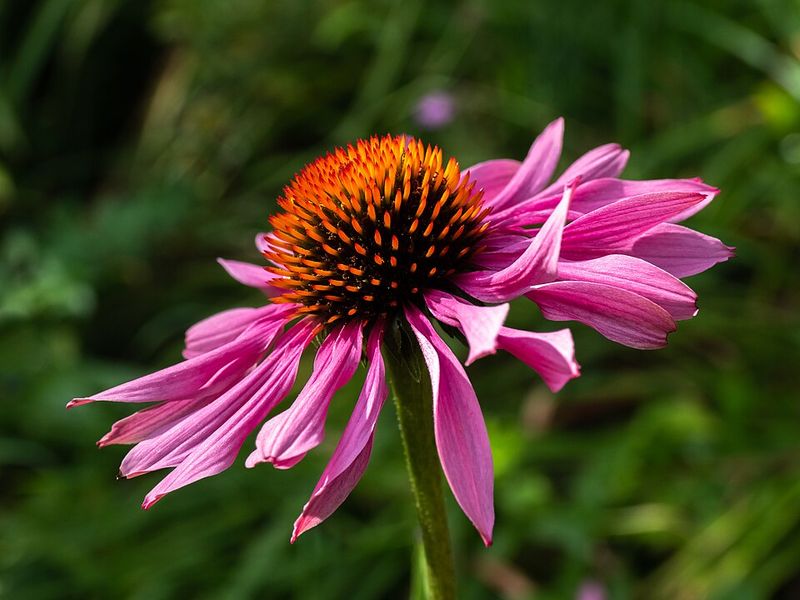
By midsummer, this sturdy native starts carrying the garden with confident color and a shape you notice from across the yard. Purple coneflower thrives in Pennsylvania because it handles heat, clay, humidity, and the occasional dry spell better than fussier plants.
You get weeks of pinkish purple petals, and the seed heads keep the bed interesting even after the blooms fade.
Full sun gives the strongest stems and heaviest flowering, though it can manage with a little afternoon shade. I always suggest planting it where airflow is decent, because crowded spots can invite mildew during sticky stretches.
Once established, it rarely asks for much beyond watering during extended drought and a bit of deadheading if you want extra bloom time.
Pollinators treat it like a dependable summer stop, so it does more than fill space. Bees work the centers constantly, and goldfinches often show up later for the seeds.
That makes it useful in a front border, a meadow style bed, or even a mailbox planting that needs to look good without babysitting.
If your goal is color from early summer into fall, few plants earn their spot more clearly. Pair it with black-eyed Susan, salvia, or ornamental grasses, and you will have a planting that keeps moving long after tulips and daffodils disappear.
Black-Eyed Susan
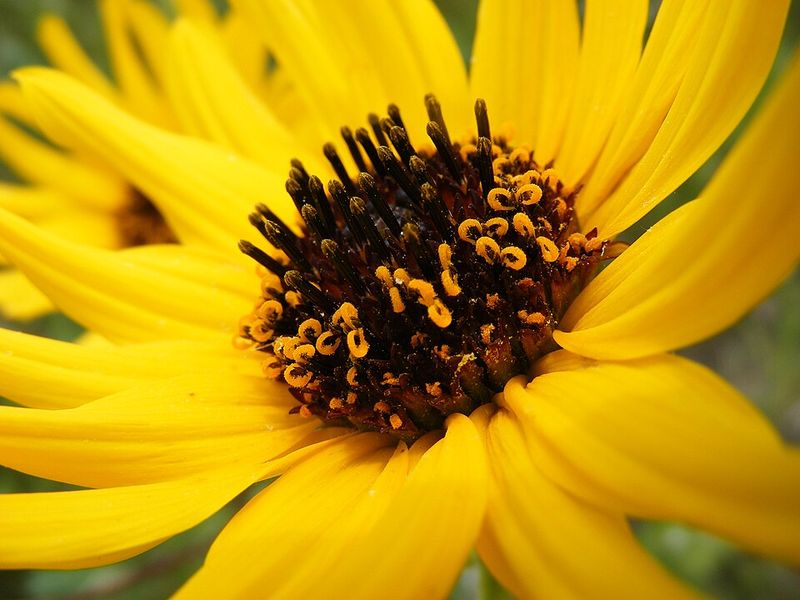
Just when many spring favorites start looking tired, bright yellow blooms step in and wake the whole garden back up. Black-eyed Susan is one of the easiest long blooming flowers for Pennsylvania, and it looks right at home in both tidy borders and looser native style plantings.
The daisy like flowers keep coming for weeks, often from July into early fall.
Sunny spots are where it shines brightest, especially in average well drained soil. It tolerates summer heat, occasional drought, and the kind of weather swings Pennsylvania gardeners know too well.
If you remove spent flowers every week or two, you usually get an even longer display and a neater looking clump.
There is also a practical side to planting it. Deer tend to leave it alone more often than tender bedding plants, and pollinators visit steadily through the season.
That makes it a strong choice near patios, walkways, or street facing beds where you want easy color that does not suddenly collapse in August.
For a fuller late season picture, combine it with purple coneflower, Russian sage, or sedum. The golden petals bring warmth to the entire border, and the dark centers give the planting enough contrast to feel polished without looking overly formal.
Bee Balm
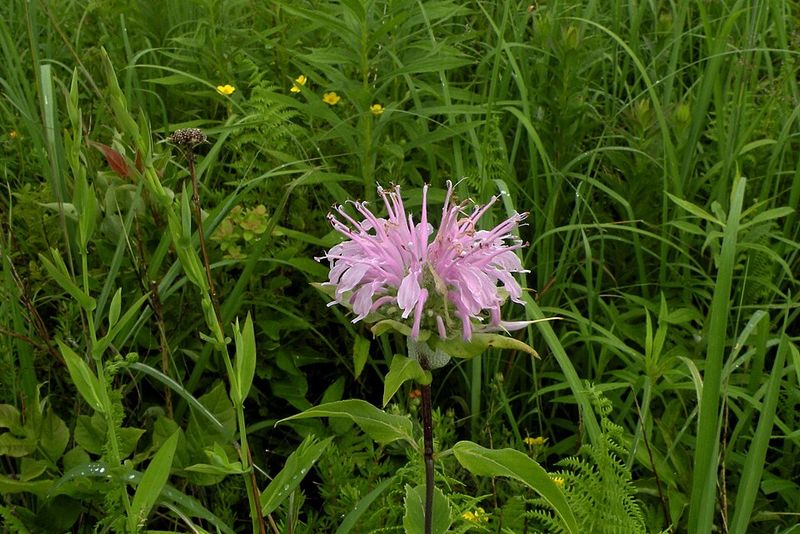
When the air turns warm and hummingbirds start making rounds, this plant becomes one of the liveliest things in the yard. Bee balm brings shaggy, firework shaped blooms in red, pink, purple, or lavender, and it flowers right through the heart of summer.
In Pennsylvania gardens, that color can bridge the gap between spring bulbs and fall asters beautifully.
Moist soil and good sun help it perform best, though some afternoon shade is welcome in hotter sites. I would give it room and airflow from the start, because crowded stems can develop powdery mildew during humid weather.
Newer mildew resistant varieties make life easier, especially if you like a cleaner look through late summer.
The real payoff is movement and sound around the flowers all day. Bees crowd the blooms, butterflies drift in, and hummingbirds often return again and again once they find it.
That constant activity makes a border feel less static, which matters when other plants are only offering leaves.
If a clump gets too enthusiastic after a few years, divide it in spring and spread the color around. Tuck it beside phlox, coneflower, or yarrow, and you get a planting that feels full, useful to wildlife, and reliably colorful long after the spring rush has passed.
Coreopsis
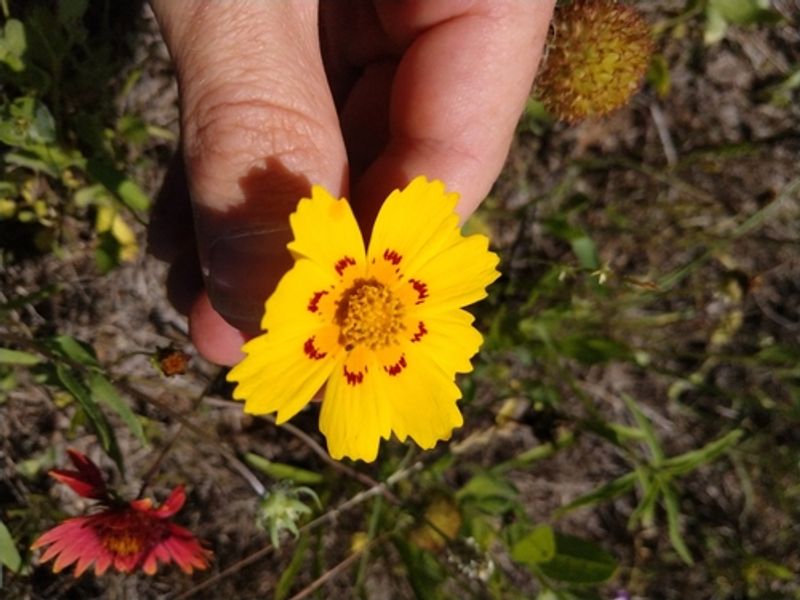
Few plants keep producing cheerful color with so little drama once summer settles in. Coreopsis covers itself in yellow, gold, or bicolored blooms for an impressively long stretch, often starting in early summer and pushing onward into fall if you keep it trimmed.
For Pennsylvania gardeners who want dependable performance, that kind of stamina is hard to ignore.
Sun is the big requirement, and decent drainage matters more than rich soil. In fact, overly fertile beds can make it floppy, which is why it often looks better in average ground where it can stay compact.
A quick haircut after the first heavy flush usually brings on fresh growth and another round of flowers.
The fine textured foliage also helps soften bolder plants nearby. It works especially well in front of taller perennials, where the bright blooms fill empty visual space instead of leaving awkward gaps.
If you have a hot curbside strip or a bed that dries out faster than expected, this is one of the smartest fillers to try.
Pollinators appreciate it, and deer usually do not find it irresistible. Pair it with salvia, yarrow, or black-eyed Susan for a border that keeps a sunny look well past June.
You end up with a garden that feels energetic without requiring constant deadheading or heavy feeding.
Garden Phlox
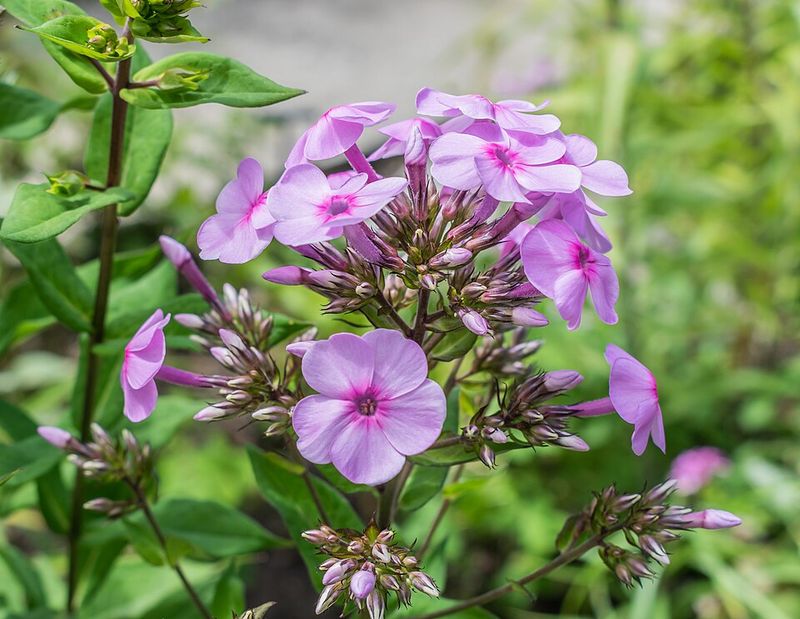
Late summer borders can feel flat until tall flower clusters rise above the rest and bring fragrance back into the picture. Garden phlox does exactly that, sending up generous heads of pink, white, lavender, or magenta blooms when many early performers are winding down.
In Pennsylvania, it often carries color from midsummer into early fall with the right care.
The key is giving it sun, steady moisture, and room for air to move. Humidity is part of life here, so mildew resistant varieties are worth seeking out if you want cleaner foliage later in the season.
I also recommend watering at the base instead of overhead, because wet leaves can make disease issues harder to manage.
Once it starts blooming, the fragrance adds another layer that many perennial beds lack. Butterflies notice it quickly, and the tall stems help anchor mixed plantings that otherwise look low and scattered by August.
It is especially effective behind shorter mounding flowers, where it creates structure without feeling stiff.
Deadheading spent trusses can prolong the show and keep things looking fresh. Combine it with bee balm, coneflower, or ornamental grasses for a border that reads as full and intentional.
If your summer garden needs height, scent, and color at the same time, this plant delivers all three.
Shasta Daisy
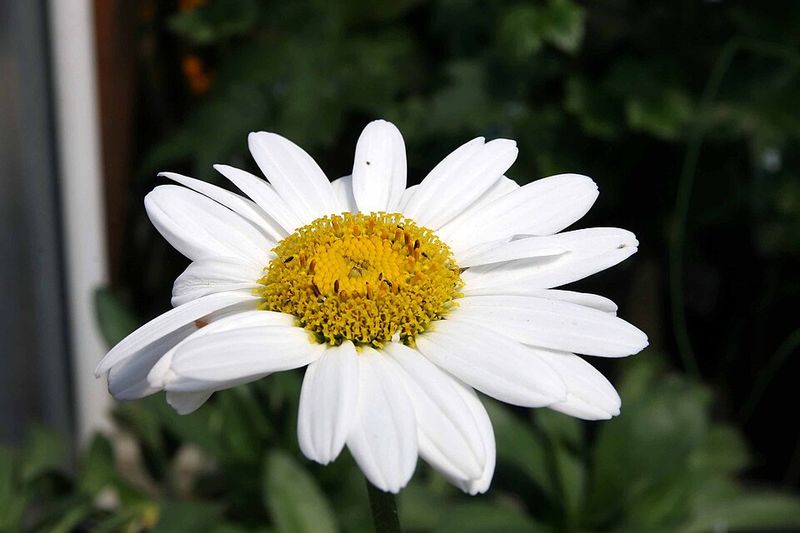
Clean white petals and sunny yellow centers bring a crisp look that never feels fussy in a summer bed. Shasta daisy starts blooming after many spring flowers fade, and with regular deadheading it can keep going far longer than people expect.
In Pennsylvania gardens, it is a reliable way to brighten borders that need a fresh midseason lift.
Full sun and well drained soil are the best setup, especially through humid spells. Heavy, soggy ground can shorten its life, so I would avoid low spots that stay wet after storms.
If the clumps begin to thin out in the center after a few years, dividing them in spring usually brings them right back.
Because the flower shape is so simple, it pairs easily with almost anything. The white blooms cool down hotter colors like orange and yellow, and they also sharpen softer palettes built around pinks and blues.
That flexibility makes it useful in cottage gardens, cutting beds, or more formal foundations where you want a tidy repeating plant.
It also earns points as a cut flower, since the stems hold well indoors. Plant it with salvia, coreopsis, or yarrow for a border that stays bright without looking chaotic.
When summer heat starts dulling the yard, these daisies have a knack for making everything feel freshly planted again.
Russian Sage
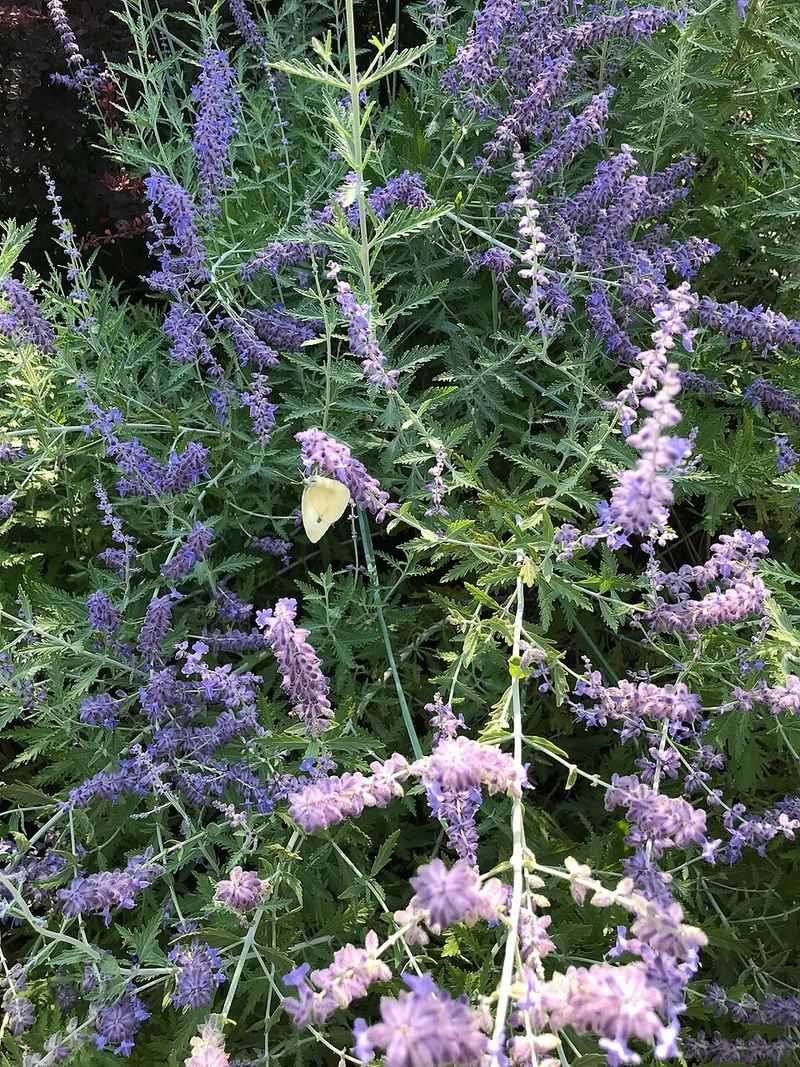
Airy lavender blue spikes can make a hot, dry planting look intentional instead of stressed. Russian sage blooms for a remarkably long stretch, often from midsummer into fall, and its silvery foliage keeps contributing even when flowers pause.
For Pennsylvania gardens with blazing sun or poor soil, it is one of the most forgiving late season performers.
Drainage matters more than pampering. This plant dislikes wet feet, especially in winter, so raised beds or sandy to average soil suit it best.
Once established, it shrugs off heat and short dry periods, which is exactly what you want near driveways, sidewalks, or any spot that bakes in July.
The texture is what makes it so useful in design. Fine stems and hazy flower clouds soften heavier plants like coneflowers and black-eyed Susans, creating a border that feels balanced rather than blocky.
Bees also work the blooms steadily, giving the planting a little motion when the air is still.
Cut it back in early spring rather than fall, since the structure looks good through winter and protects the crown. Give it room because mature plants can spread wider than expected.
If your goal is a low maintenance bed that keeps color going without constant watering, this is an easy yes.
Yarrow
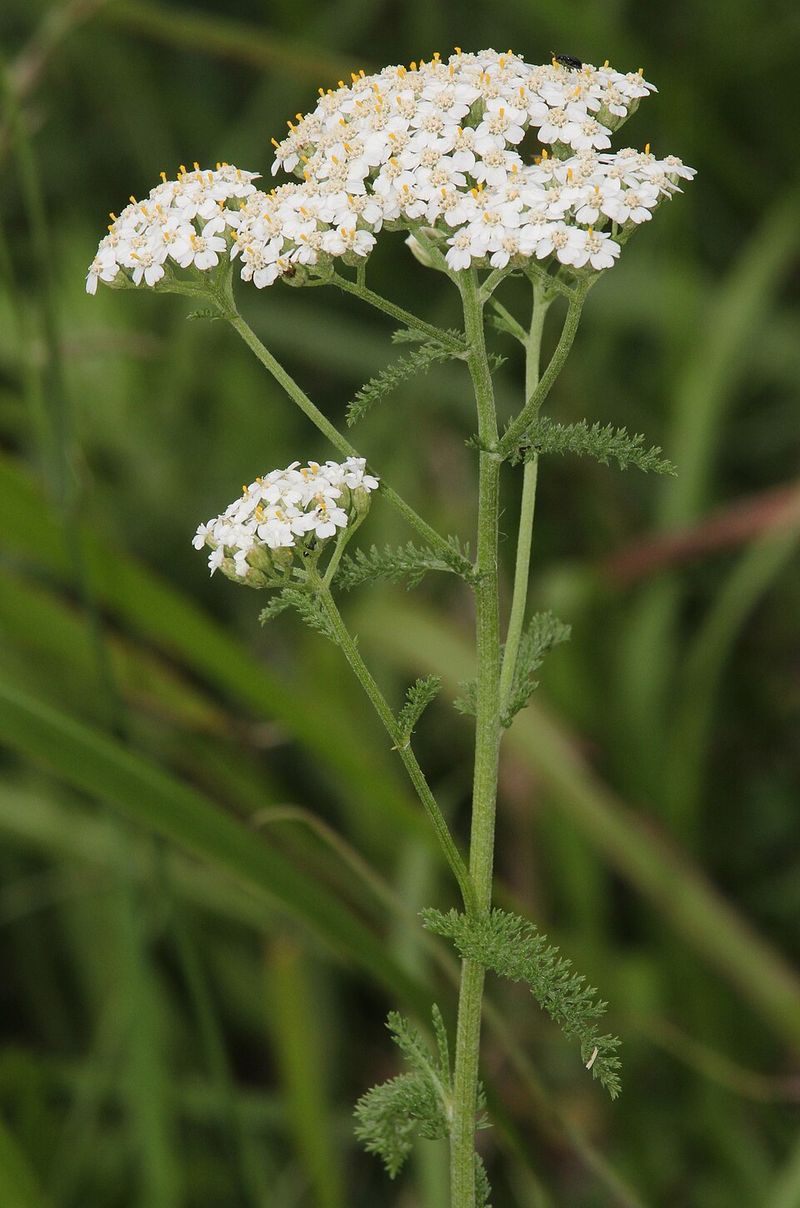
Flat flower clusters held above feathery foliage give this plant a practical, easygoing kind of beauty. Yarrow starts blooming in early summer and can continue for months when spent stems are trimmed back regularly.
In Pennsylvania, it earns attention because it tolerates heat, dry soil, and the kind of neglect that defeats thirstier perennials.
Sun is essential, and leaner soil often produces the strongest plants. Too much fertilizer can lead to floppy stems, so this is not a flower that benefits from extra feeding just because you have it on hand.
I like it most in spots where irrigation is limited, such as hell strips, gravelly borders, or open beds near the street.
Pollinators flock to the broad flower heads, and the foliage adds texture even before the first bloom opens. Color options now go far beyond pale yellow, so you can choose soft creams, warm apricots, or deeper reds depending on your palette.
That range makes it easy to fit into both native leaning and more polished garden designs.
Cutting stems for bouquets can actually encourage more flowers, which feels like a nice bonus. Pair it with salvia, coreopsis, or sedum for a border that stays attractive during the toughest stretch of summer.
When you want long bloom without constant maintenance, yarrow earns its keep quickly.
Salvia
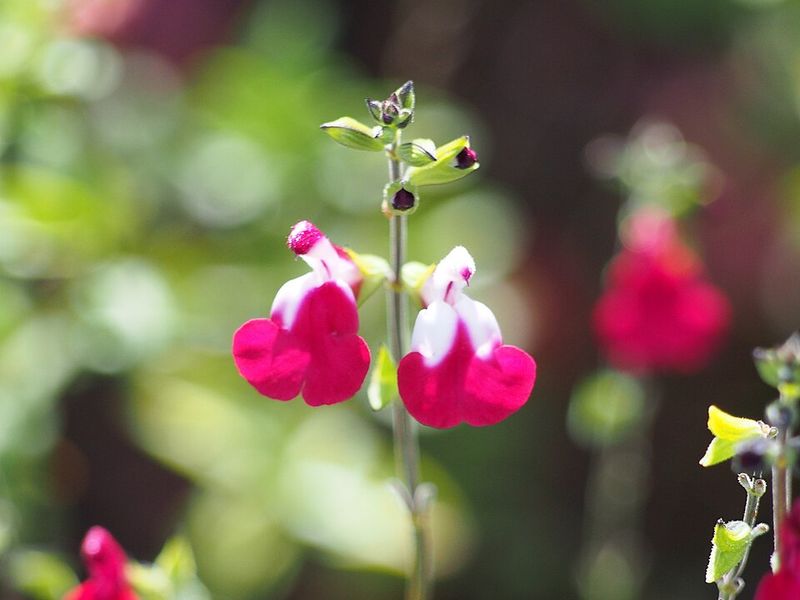
Spikes of blue, violet, pink, or white flowers bring a strong vertical note just when beds need structure after spring bulbs vanish. Perennial salvia is especially useful in Pennsylvania because it starts early, reblooms well, and handles summer conditions with far less fuss than many showier plants.
That means your border can keep a colorful backbone from late spring into fall.
Sun and good drainage are the basics, and most varieties prefer not to sit in soggy soil. After the first flush fades, a shearing often triggers another strong round of flowers, so this is one plant where a quick trim really pays off.
I recommend placing it near the front or middle of a bed, where the flower spikes stay visible instead of getting buried.
Bees absolutely love it, and deer usually leave it alone, which is a valuable combination. The compact foliage also stays tidier than many sprawling summer perennials, helping mixed beds look planned rather than overgrown.
If you have limited space, that neat habit can be just as important as bloom time.
It combines beautifully with roses, daisies, coneflowers, and ornamental grasses. Cooler flower colors also help balance hotter yellows and oranges that dominate midsummer borders.
For gardeners who want repeat bloom without complicated care, salvia is one of the smartest long season choices around.
Autumn Joy Sedum
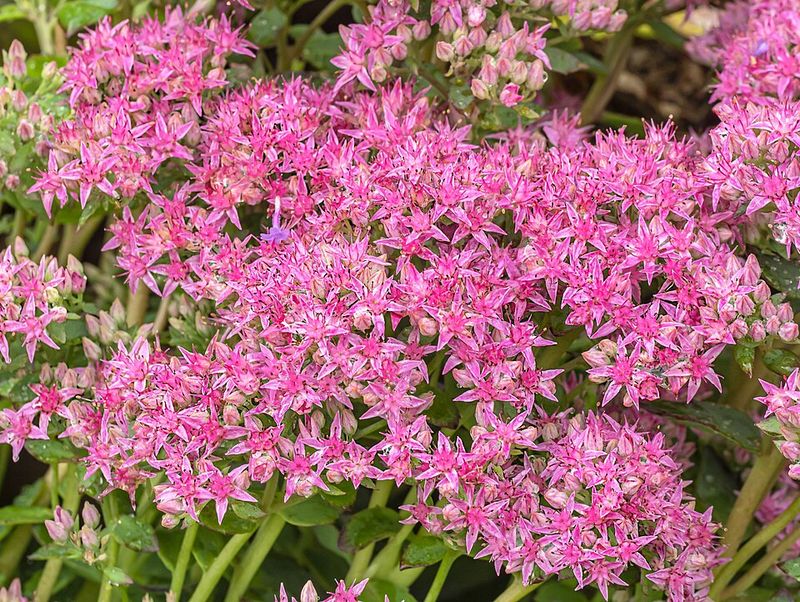
As summer starts leaning toward fall, thick succulent leaves and broad flower heads begin taking over the seasonal handoff. Autumn Joy sedum is famous for that late show, opening soft pink blooms that deepen to rosy bronze and copper as temperatures cool.
In Pennsylvania, it often looks fresh exactly when other perennials are fading or collapsing from humidity.
Dry to average soil and full sun keep it happiest. This is not a plant that wants rich conditions or frequent watering, which is part of its appeal for busy gardeners.
The stems stay upright best when the plant is not overfed, and the fleshy foliage gives the bed substance even before flowering begins.
Pollinators crowd the blooms in late summer, when nectar sources become more valuable. That timing makes it a smart addition if you want the garden to stay active instead of feeling like the season is winding down too early.
It also pairs well with ornamental grasses, whose movement contrasts nicely with sedum’s sturdy, architectural form.
Leave the seed heads standing after frost and they will continue adding texture into winter. You can cut them back in spring when new growth appears at the base.
For reliable late color with almost no drama, few plants finish the Pennsylvania garden year more gracefully.