
10 Low-Effort, High-Impact Plants For North Carolina Gardens
Follow us on Google
A great North Carolina garden does not have to demand your weekends. The right plants can handle heat, humidity, clay soil, and surprise cold snaps while still looking polished for months.
If you want color, texture, and curb appeal without constant fussing, these picks earn their space fast. Each one brings strong visual payoff with a care routine that feels refreshingly realistic.
Oakleaf Hydrangea
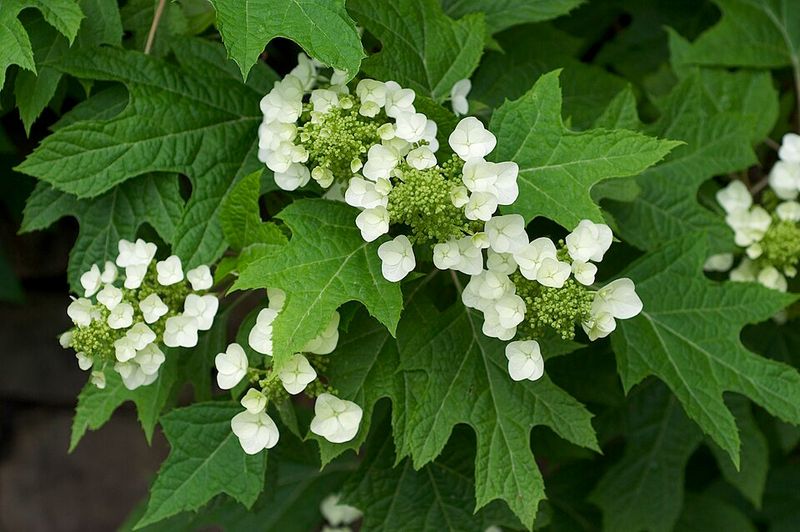
Big texture changes the whole feel of a yard, and this shrub delivers that without acting needy. In North Carolina, it handles humidity well and feels especially comfortable in morning sun with afternoon shade.
Once roots settle in, you are mostly watering during dry spells and enjoying the show.
Those long white flower clusters arrive in late spring and early summer, then slowly age into soft tan for extra season length. The foliage is just as valuable, with oversized leaves that give borders a grounded, substantial look.
Fall color can lean burgundy to mahogany, so one plant keeps earning attention long after bloom time ends.
I like this choice near foundations, woodland edges, or anywhere a blank wall needs softening. It also performs better than fussier hydrangeas in spots that are not perfectly pampered.
A shredded mulch layer, occasional deep watering, and light pruning after flowering are usually enough.
Mature bark peels attractively in winter, which means the plant still contributes when everything else looks tired. That four-season appeal makes it one of the smartest low-effort anchors you can add.
If you want a garden that looks intentional without constant tinkering, this shrub makes that goal feel realistic.
Purple Coneflower
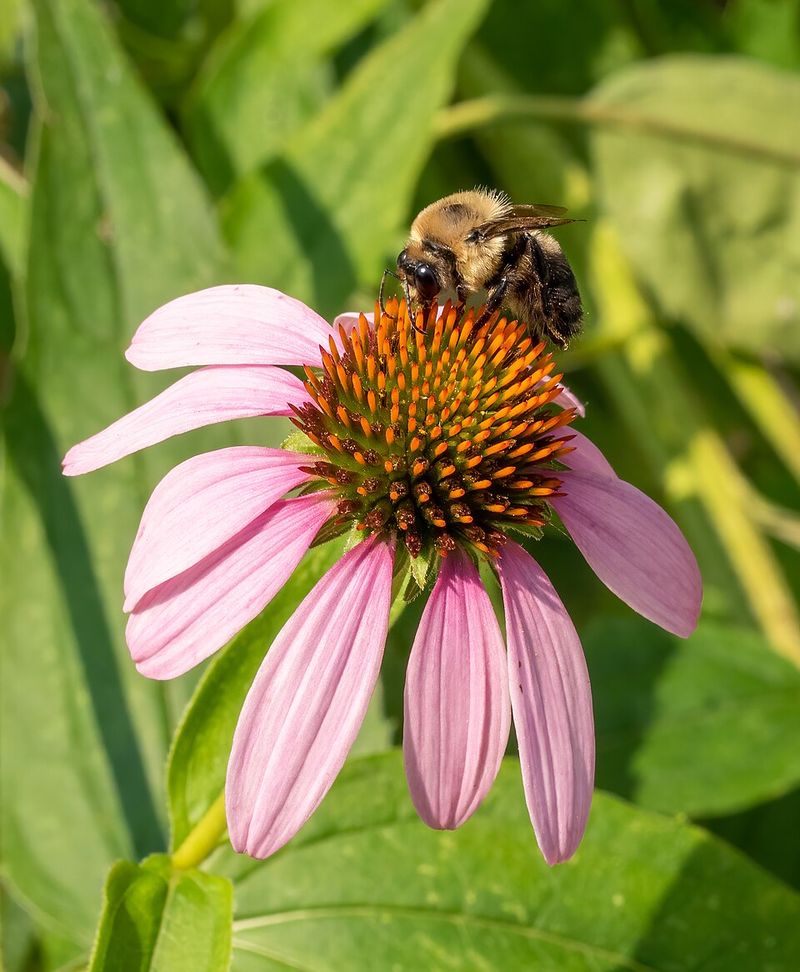
Reliable color matters when you do not want to replant beds every season, and this perennial is excellent at carrying the load. Purple coneflower thrives in North Carolina heat, laughs at humidity, and keeps blooming through summer with very little coaching.
Give it full sun and decent drainage, then let it settle into its rhythm.
The daisy-like flowers bring clear structure to a border, especially when grouped in drifts instead of scattered one by one. Butterflies show up quickly, and goldfinches often visit the seed heads later in the season.
That means you get movement and wildlife interest without building your whole yard around complicated maintenance.
Deadheading can stretch the bloom period, but even that step is optional if you like a slightly wilder look. I have seen it perform well in cottage gardens, mailbox beds, and simple foundation plantings where homeowners need strong color that does not collapse in July.
It also mixes easily with grasses and black-eyed Susans.
Cut it back in late winter or early spring, not the minute flowers fade, because the seed heads stay attractive. Established plants tolerate dry spells better than many flashy alternatives.
For a sunny North Carolina bed that needs stamina, beauty, and very little drama, this is an easy yes.
Black-Eyed Susan
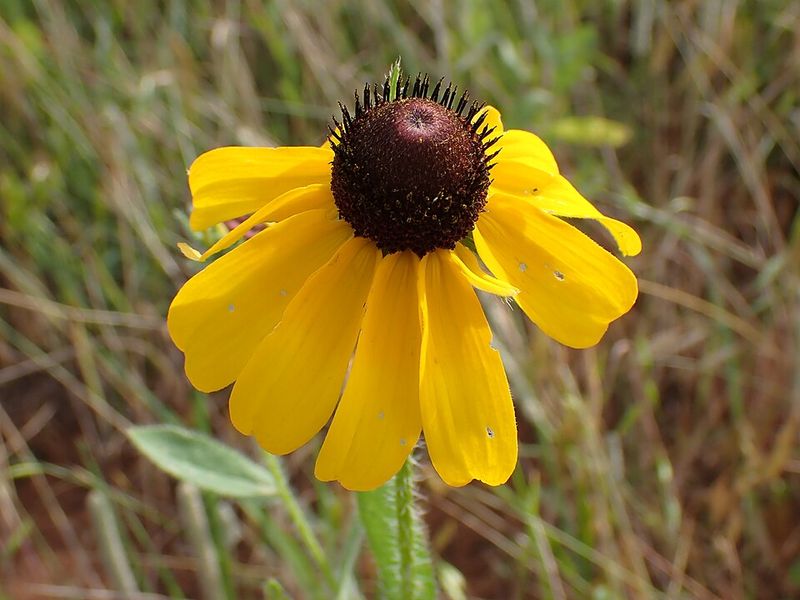
Strong summer color can carry an entire yard, and few plants do it more easily than this cheerful native-friendly favorite. Black-eyed Susan handles North Carolina heat with confidence and keeps blooming when more delicate flowers start looking tired.
In a sunny bed, it asks for little more than space, light, and occasional watering during long dry stretches.
Golden petals and dark centers create the kind of contrast that reads clearly from the street, which makes curb appeal effortless. Mass plantings look especially good along fences, driveways, and informal cottage borders.
Pollinators appreciate the blooms, and you get that busy, lively garden feel without micromanaging every stem.
Soil does not need to be perfect, which is good news if your yard leans clay or slightly neglected. Deadheading helps extend flowering, but leaving some blooms to set seed can encourage repeat appearances and support birds later.
I like pairing it with ornamental grasses because the combination looks full and balanced for months.
After frost, the dried seed heads still contribute texture instead of turning into an eyesore right away. A quick cutback in late winter is usually enough to reset everything.
If your goal is bright impact from a plant that does not punish inconsistency, this one deserves a front-row spot.
Coral Bells
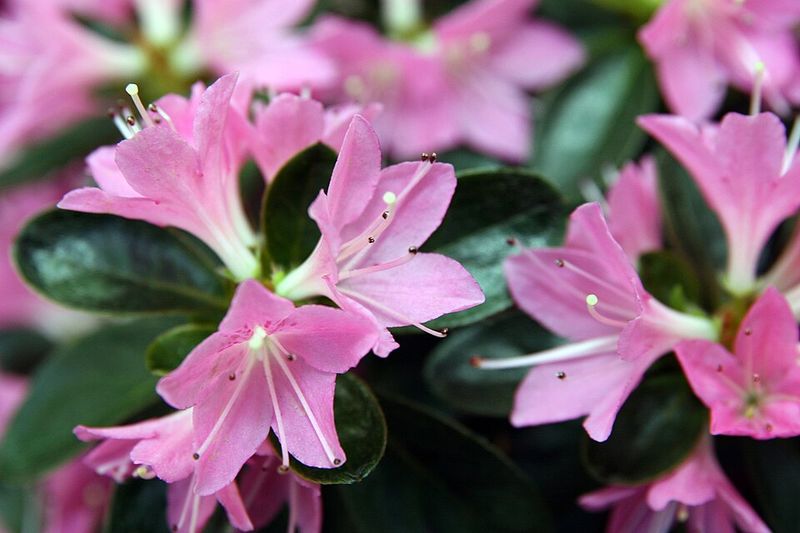
Foliage can do just as much design work as flowers, and this plant proves it in a very practical way. Coral bells give North Carolina gardeners dependable color in partly shaded spaces where many flashy bloomers struggle.
The leaves come in rich shades like plum, caramel, lime, and silver, so one planting can quietly upgrade a tired bed.
Because the mounds stay neat, they work beautifully along paths, under shrubs, or in containers near a front door. Small flower spikes appear above the foliage, but the real payoff is the leaf color holding steady through much of the year.
That makes maintenance simpler because you are not relying on a short bloom window.
Morning sun and afternoon shade usually keep plants happiest in hotter parts of the state. Good drainage matters more than constant pampering, and a light mulch layer helps protect roots from temperature swings.
I appreciate how easy they are to mix with ferns, hostas, and hydrangeas for a polished look that still feels relaxed.
Trim off worn leaves in late winter or early spring, and the fresh growth quickly improves the whole planting. Deer resistance is another useful bonus in many neighborhoods.
When you need low effort but still want beds to look intentional and layered, coral bells earn their keep year after year.
Creeping Phlox
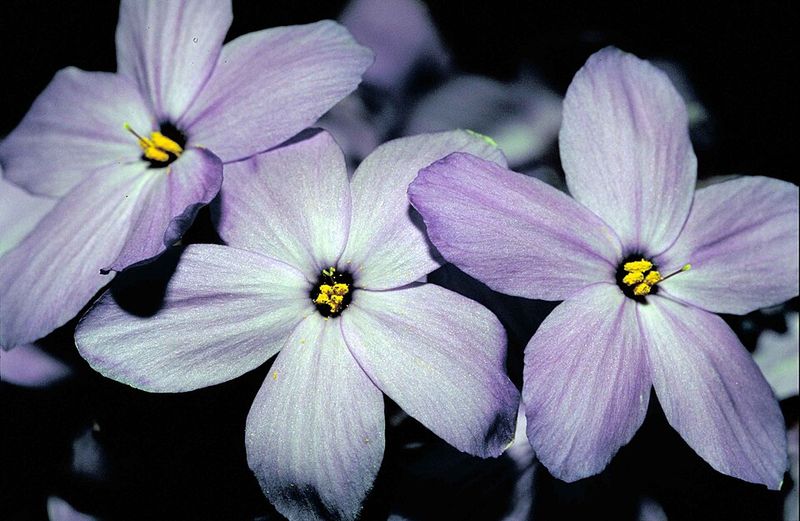
Groundcovers often solve more problems than they get credit for, and this one does it with serious spring color. Creeping phlox spreads into a dense mat that softens edges, covers slopes, and cuts down on weeds in sunny North Carolina spots.
When it blooms, the foliage nearly disappears under a blanket of pink, purple, blue, or white flowers.
That bloom display is dramatic enough to make even a small front bed feel thoughtfully designed. It looks especially good spilling over retaining walls, tucking between rocks, or filling the front edge of a border where bare mulch usually dominates.
Once established, it asks for far less care than annuals trying to create the same effect.
Good drainage is important, so raised areas and sloped sites suit it well. After flowering, a light trim keeps the mat tidy and can encourage denser growth without turning upkeep into a project.
I like it near walkways because the low habit keeps sightlines open while still delivering strong seasonal interest.
In milder winters, the evergreen or semi-evergreen foliage adds a little structure when other perennials disappear. That extra usefulness makes the plant feel like more than a one-season performer.
If you have a sunny problem area that needs beauty and weed suppression at the same time, this is a smart fix.
Switchgrass
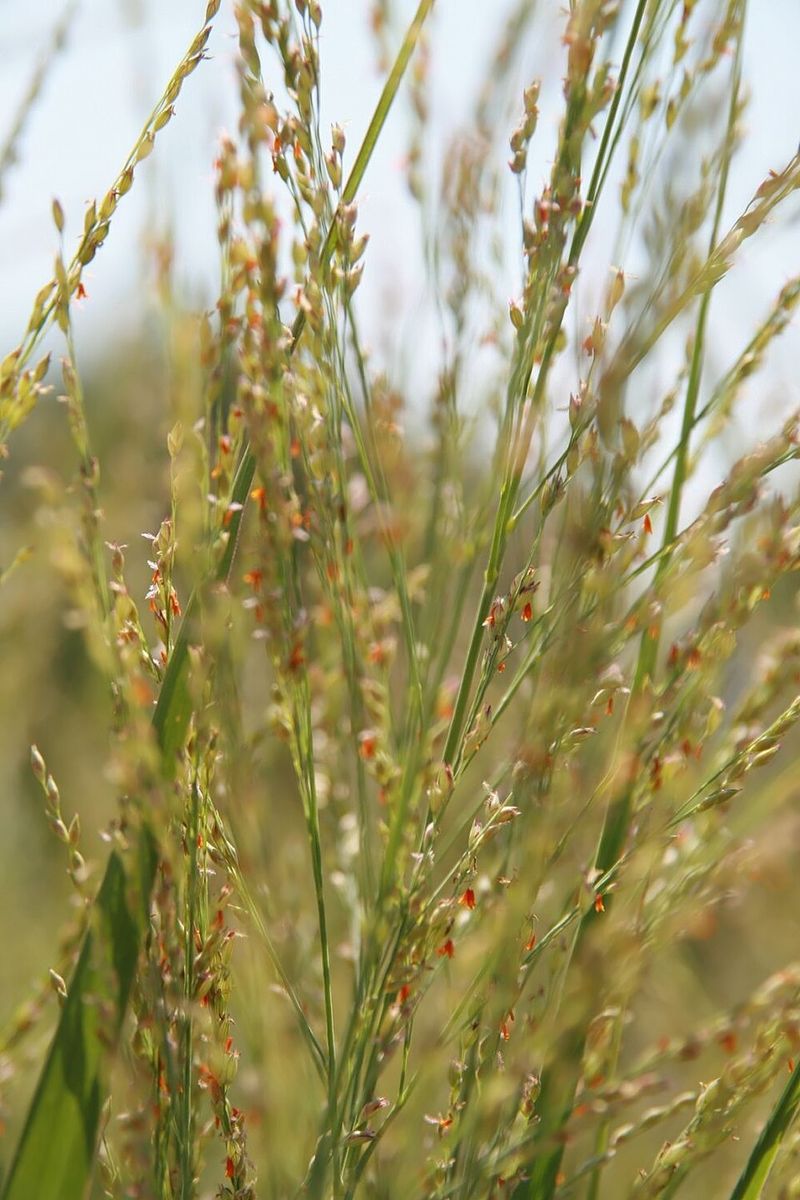
Structure is often what separates a forgettable yard from one that looks professionally planned, and this native grass provides it with almost no fuss. Switchgrass handles North Carolina weather swings well, from humid summers to occasional winter chill.
Once established, it is remarkably tolerant of drought and poor soil, which makes it useful in real-world landscapes.
The upright form gives beds a vertical element that flowers alone cannot provide. In summer, the foliage stays clean and tidy, then airy seed heads add movement above the clumps.
By fall, many varieties shift to warm gold or reddish tones, giving you another season of interest without reworking the planting.
Full sun brings the best habit, and a little room around each clump helps the shape show off properly. I like it in mixed borders, rain gardens, or paired with coneflowers and black-eyed Susans for a native-inspired look that never seems fussy.
It also offers habitat value, which is a practical bonus if you want a garden that supports wildlife.
Maintenance is refreshingly simple: leave it standing through winter, then cut it back before spring growth starts. Those dried stems and seed heads look beautiful in low light and frost.
For a high-impact plant that contributes height, texture, motion, and resilience, switchgrass is hard to beat.
Inkberry Holly
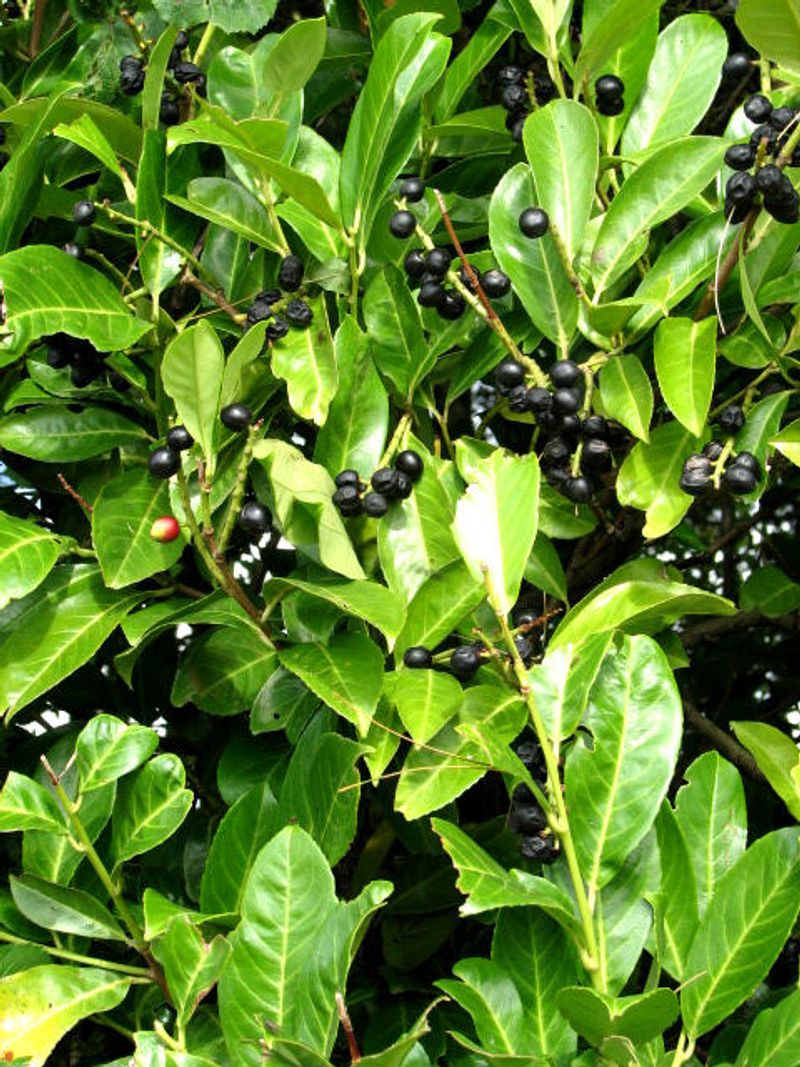
Evergreen structure keeps a garden from looking empty in winter, and this native shrub does that job without the stiffness of more formal options. Inkberry holly fits North Carolina landscapes especially well because it tolerates moisture better than many broadleaf evergreens.
That makes it useful in spots where other foundation shrubs start to sulk.
The dark green foliage creates a clean backdrop for flowering perennials, while the naturally rounded form keeps the planting from feeling rigid. You get year-round substance without constant clipping, which is a big win if you want a tidy look on a realistic schedule.
Newer compact cultivars also stay manageable in smaller suburban beds.
Sun to part shade works well, and mulch helps keep roots cool during summer heat. If a branch gets awkward, selective pruning is better than shearing because the plant looks more natural that way.
I like using it near entryways, along property lines, or mixed with hydrangeas and grasses for a softer four-season arrangement.
Female plants can produce black berries when a male pollinator is nearby, adding subtle wildlife value. Deer pressure may still vary, but the shrub generally holds up well compared with fussier choices.
For gardeners who want dependable evergreen presence without signing up for high maintenance, inkberry is a practical, handsome option.
Daylily
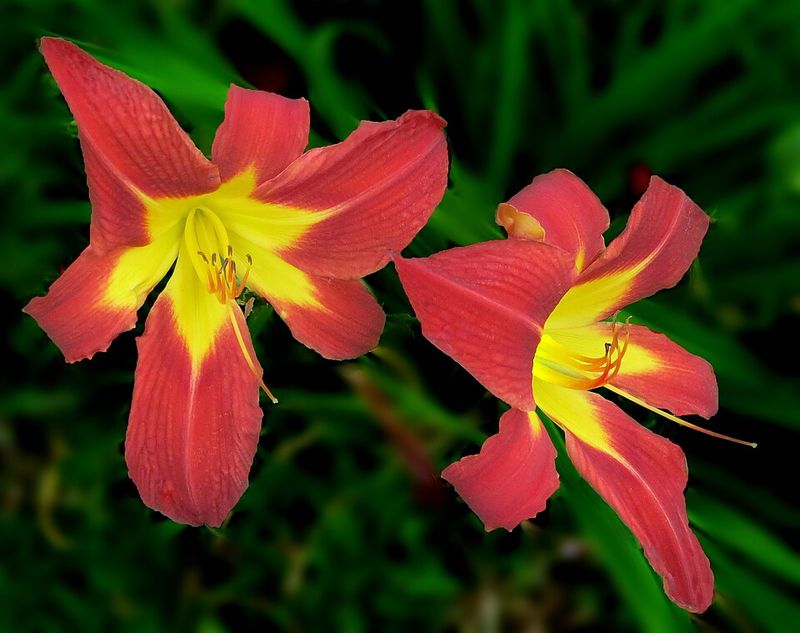
Color that returns year after year is hard to argue with, especially when the plant handling the job is this forgiving. Daylilies have long been popular in North Carolina because they tolerate heat, humidity, and average garden soil without much complaint.
Once planted in sun or light shade, they settle in quickly and ask for very little.
The flowers come in a huge range of shades, so it is easy to match your style instead of settling for one look. Even though each bloom is brief, established clumps produce so many buds that the display feels generous for weeks.
The strappy foliage also fills space nicely, helping beds look complete even between bloom cycles.
Dividing every few years can keep plants vigorous, but that task is more occasional than demanding. I like them in roadside beds, mailbox plantings, and tough side yards where irrigation may be inconsistent.
They are also helpful for beginner gardeners because success usually comes quickly, which makes the whole garden feel more encouraging.
Remove spent flower stalks if you want a cleaner appearance, though many people simply let the plants do their thing. Modern reblooming varieties can stretch the show even longer.
If you need a dependable perennial that looks bold without creating constant chores, daylilies still deserve their reliable reputation.
Autumn Fern
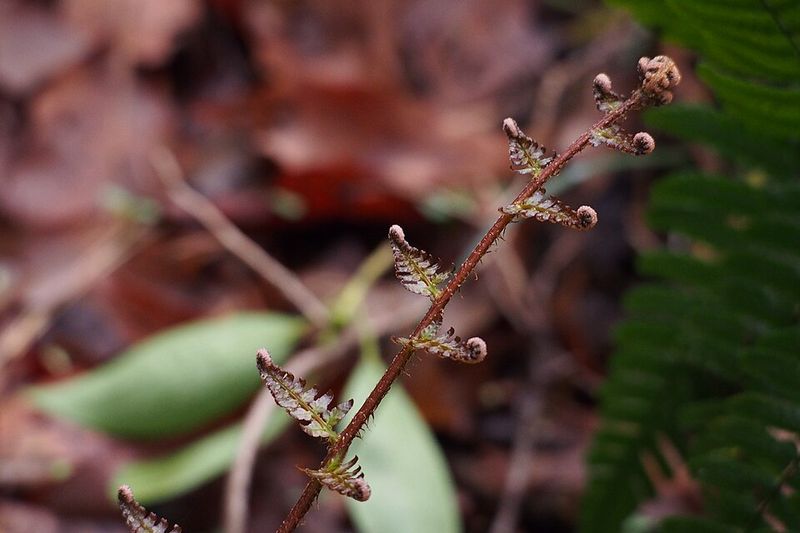
Shady corners often end up neglected, yet they can look rich and layered with surprisingly little effort. Autumn fern is a dependable choice for North Carolina gardens because it handles humidity well and stays attractive through much of the year.
Fresh fronds emerge in coppery orange to bronze tones, adding color where flowers are not always necessary.
As the season progresses, that new growth deepens to glossy green, creating a subtle but very useful contrast in woodland-style beds. The plant keeps a tidy, arching shape that works beautifully under trees, along shaded foundations, or mixed with coral bells and hostas.
That consistency means the area looks designed instead of forgotten.
Moist, well-drained soil helps it perform best, though established plants are more resilient than many gardeners expect. A layer of leaf mulch or compost suits it perfectly and mirrors the natural forest floor conditions it enjoys.
I find it especially valuable in places where summer annuals would require too much watering to be worth the trouble.
Cleanup is simple: remove winter-worn fronds before spring growth starts and let the plant refill its space. Deer resistance is often another welcome advantage in suburban yards.
For a polished shade garden that does not rely on constant bloom cycles, autumn fern adds calm, texture, and dependable visual depth.
Yaupon Holly
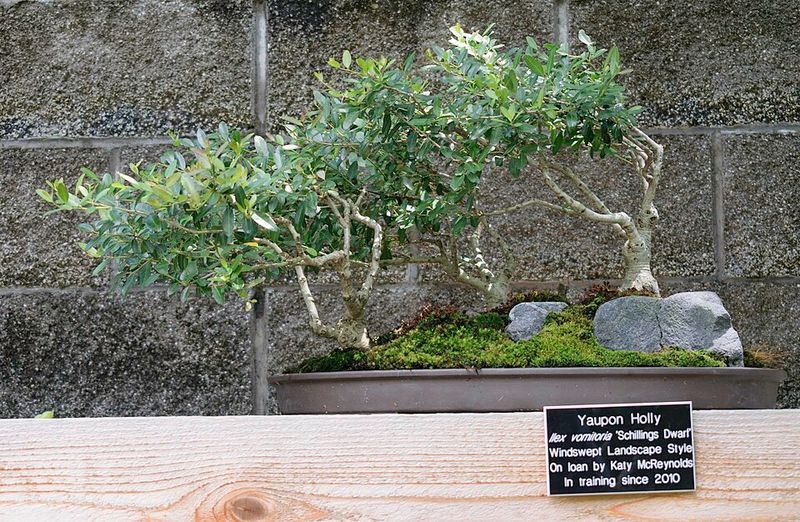
Few plants earn the word adaptable as honestly as this native evergreen. Yaupon holly performs across much of North Carolina, tolerating heat, humidity, pruning, salt exposure, and a range of soils with far less drama than many decorative shrubs.
That flexibility makes it one of the easiest ways to add year-round structure without creating a maintenance burden.
Depending on the variety, it can work as a clipped hedge, a natural screen, or even a small multi-trunk tree with a relaxed shape. Female plants produce bright red berries that stand out beautifully against winter foliage and attract birds.
The overall effect is strong but not fussy, which is exactly what many home landscapes need.
Full sun to part shade usually delivers the best growth, and established plants handle drought impressively well. I like using it where a foundation planting needs more backbone or where a property edge feels too exposed in winter.
Compact cultivars are especially useful if you want evergreen presence but do not want to fight constant size control.
Pruning is optional unless you are aiming for a formal look, and even then the plant responds well. That forgiving nature makes it a solid choice for busy homeowners.
When you want a North Carolina garden to feel grounded, evergreen, and noticeably more finished, yaupon holly is a dependable solution.