
Why Florida Homeowners Are Growing More Scented Plants Around Patios This Summer
Follow us on Google
Step onto a Florida patio in summer, and scent can matter as much as shade. Homeowners are paying closer attention to plants that do more than look good, especially varieties that release fragrance in heat, humidity, and evening air.
The right mix can make outdoor dinners feel calmer, help patios feel more private, and even keep seating areas smelling fresh after rain. If your outdoor space feels flat lately, these fragrant picks show why so many neighbors are planting with their noses in mind.
Star Jasmine
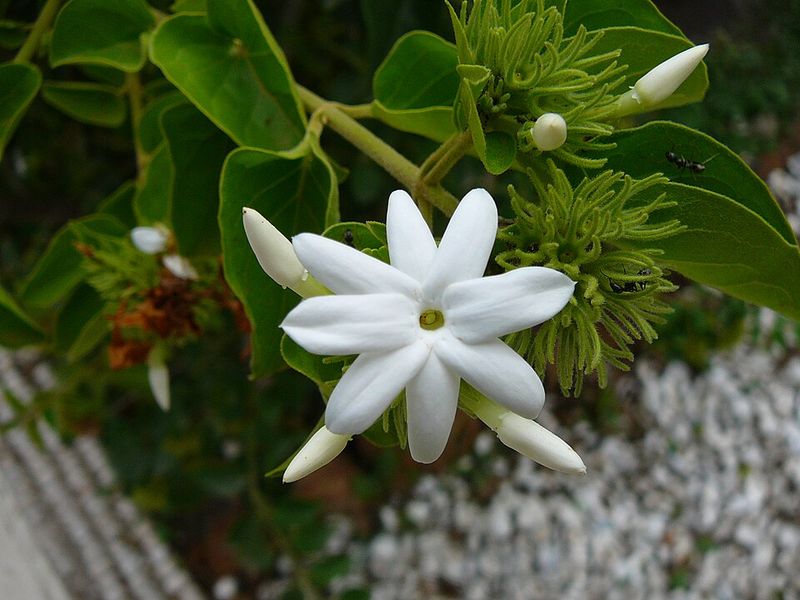
Warm evenings make fragrance travel farther, and that is exactly why star jasmine keeps showing up beside Florida patios. Its small white flowers release a sweet, clean scent that drifts across seating areas without feeling heavy or sugary.
When you want a plant to soften fences, screens, or pergolas, this vine does the job while adding a perfume people notice right away.
Heat and humidity do not usually bother it once established, which makes it practical for long summers. You can train it up a trellis, let it cover a privacy panel, or keep it clipped in large containers near a conversation set.
That flexibility matters when patios are compact and every square foot needs to work harder.
Good drainage is important, especially in places that get pounding afternoon rain. A few hours of sun helps flowering, though some protection from brutal late day exposure can keep leaves looking neater.
I like it near entry paths because brushing past the foliage makes the whole patio feel more intentional.
For homeowners who want beauty, privacy, and scent in one plant, this choice checks all three boxes. It gives patios a softer edge and makes ordinary summer nights feel noticeably better.
Gardenia
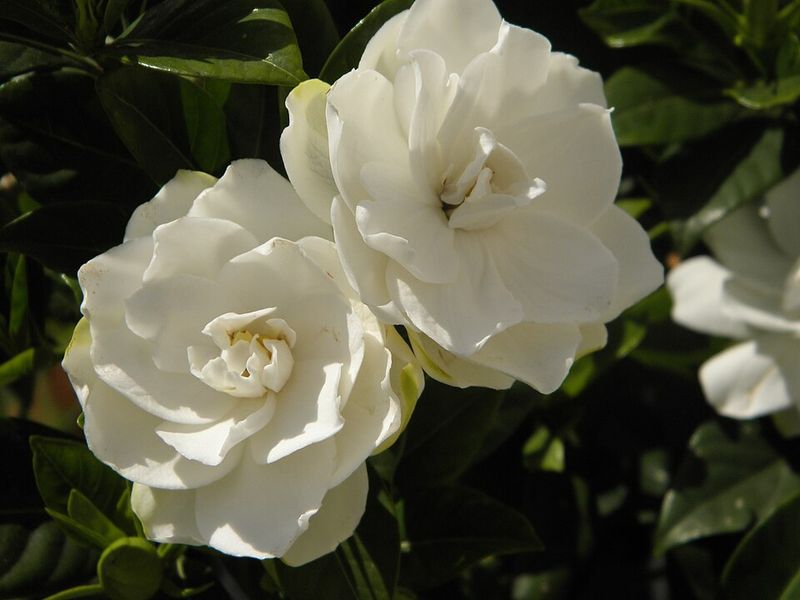
Few patio plants make people stop mid sentence the way gardenias do. Their creamy flowers carry a rich scent that feels classic, familiar, and strong enough to notice from several feet away.
Around Florida homes, that intensity works well near doors, dining corners, and lounge chairs where fragrance becomes part of the atmosphere.
Moisture and warmth can help gardenias thrive, but they are not carefree. They prefer acidic soil, steady watering, and enough light to bloom without scorching in harsh afternoon sun.
When planted in quality containers, it is easier to control drainage and feeding, which usually means healthier leaves and more reliable flowers.
A smart setup is placing one or two large pots where the scent can drift inward during the evening. That works especially well on screened patios or near windows that stay cracked after sunset.
You do need to watch for yellowing leaves, since poor nutrition shows quickly and can spoil the polished look.
Still, many Florida homeowners gladly make the effort because the payoff feels luxurious. A blooming gardenia near outdoor seating adds a kind of quiet elegance that decorative pillows and string lights simply cannot create on their own.
Sweet Alyssum
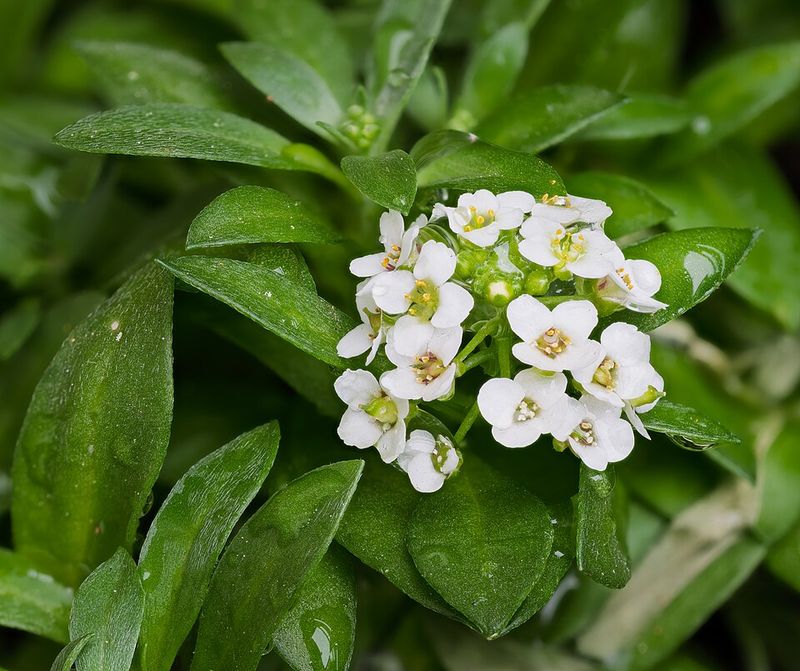
Not every patio needs a towering shrub to smell inviting, and sweet alyssum proves that point beautifully. Its tiny flowers create a light honey scent that feels airy rather than overwhelming, making it a smart choice close to tables, walkways, and container edges.
In Florida, homeowners often use it to soften hardscapes where larger fragrant plants would feel crowded.
Because it stays low, this plant works best as a filler around pots of herbs, citrus, or tropical foliage. The flowers spill gently over rims and pavers, giving the space a layered look without blocking breezes or sightlines.
That matters on patios where people want a calm, open feel instead of a wall of greenery.
Summer heat can be a challenge in the hottest parts of Florida, so it performs best with morning sun and some afternoon relief. Regular trimming keeps it blooming longer and prevents it from turning scraggly in humid weather.
I also like it near seating because the scent catches you in subtle waves instead of arriving all at once.
For anyone wanting fragrance on a small budget, this is one of the easiest ways to get it. A few flats can make planters feel fuller, softer, and far more memorable through the season.
Cuban Oregano
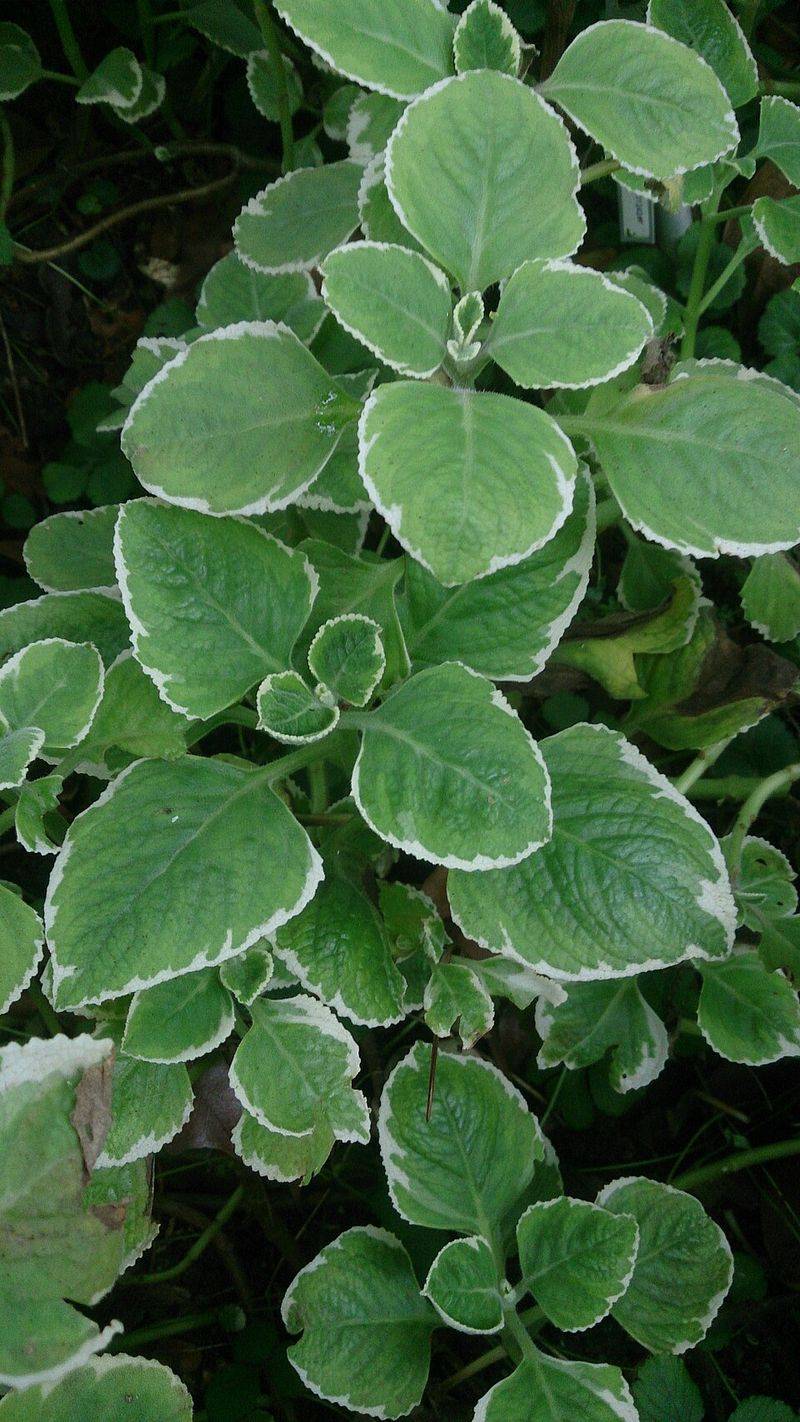
Sometimes the best patio fragrance comes from foliage instead of flowers, and Cuban oregano is a great example. Its thick, fuzzy leaves release a strong herbal scent when touched, especially after rain or when someone brushes past a pot.
That makes it ideal for Florida patios where people move in and out often and want fragrance on demand.
Humidity, heat, and bright light suit this plant well, though good drainage is essential. Because the stems trail and mound, it looks especially nice in raised planters, hanging baskets, or wide containers set along steps.
The soft texture also adds contrast next to harder surfaces like stone pavers, stucco walls, or metal patio furniture.
Another reason homeowners like it is how practical it feels. The leaves can be used in cooking in small amounts, and the plant is generally forgiving if watering is inconsistent for a few days.
If your patio gets intense afternoon sun, a little protection can keep the foliage from looking stressed.
This choice appeals to people who want a patio to feel casual, useful, and sensory at the same time. Instead of waiting for a bloom cycle, you get fragrance every time you touch the plant, which feels especially satisfying during busy summer evenings.
Plumeria
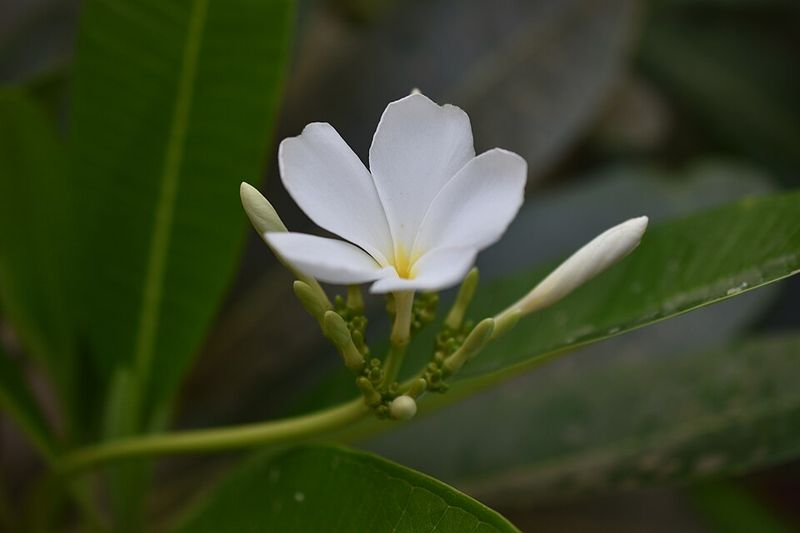
There is a reason plumeria makes patios feel a little like a resort. Its waxy flowers carry a tropical perfume that becomes more noticeable in warm evening air, which fits Florida outdoor living perfectly.
When homeowners want a statement plant that smells as good as it looks, this is often high on the list.
Container growing works especially well because plumeria likes excellent drainage and can be positioned for the best light. A sunny patio corner, pool deck edge, or spot beside a chaise lounge gives it room to stand out without crowding the seating area.
Even when not in bloom, the sculptural branching adds character that many smaller scented plants cannot match.
Because summer storms can arrive fast, sturdy pots help keep taller specimens stable. It is also smart to avoid overwatering, since soggy soil can cause problems quickly in humid weather.
I like how the blooms feel festive without looking fussy, which suits both modern and relaxed Florida patios.
For people who entertain outside, plumeria adds visual drama and fragrance in the same footprint. That balance is a big reason more homeowners are choosing fewer plants overall, but making sure each one brings a stronger sensory payoff.
Night-Blooming Jasmine
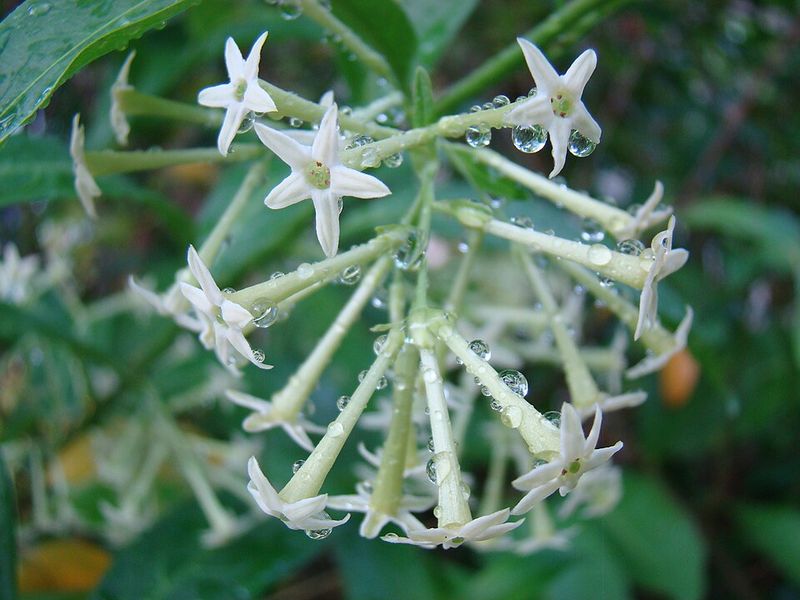
As the sun drops, few plants compete with the power of night-blooming jasmine. Its fragrance turns stronger after dusk, filling patios with a sweet scent that can reach far beyond the plant itself.
That evening performance is exactly why Florida homeowners place it near seating zones used for late dinners, quiet drinks, and weekend gatherings.
The flowers are not especially showy, so this plant is chosen mostly for the experience it creates. In warm climates, it grows quickly and can become a useful screen along patio edges, fence lines, or property boundaries.
That combination of privacy and fragrance makes it more functional than many ornamental bloomers.
Placement matters because the scent can be intense. A little distance from doors and bedroom windows is often smarter than tucking it directly beside the house.
Regular trimming also helps keep it dense and manageable, especially during rainy stretches when growth speeds up dramatically.
People who spend most of their outdoor time after sunset tend to appreciate this plant the most. Instead of relying only on candles or diffusers, they get natural fragrance carried through humid night air, making the whole patio feel cooler, calmer, and more alive after dark.
Lavender
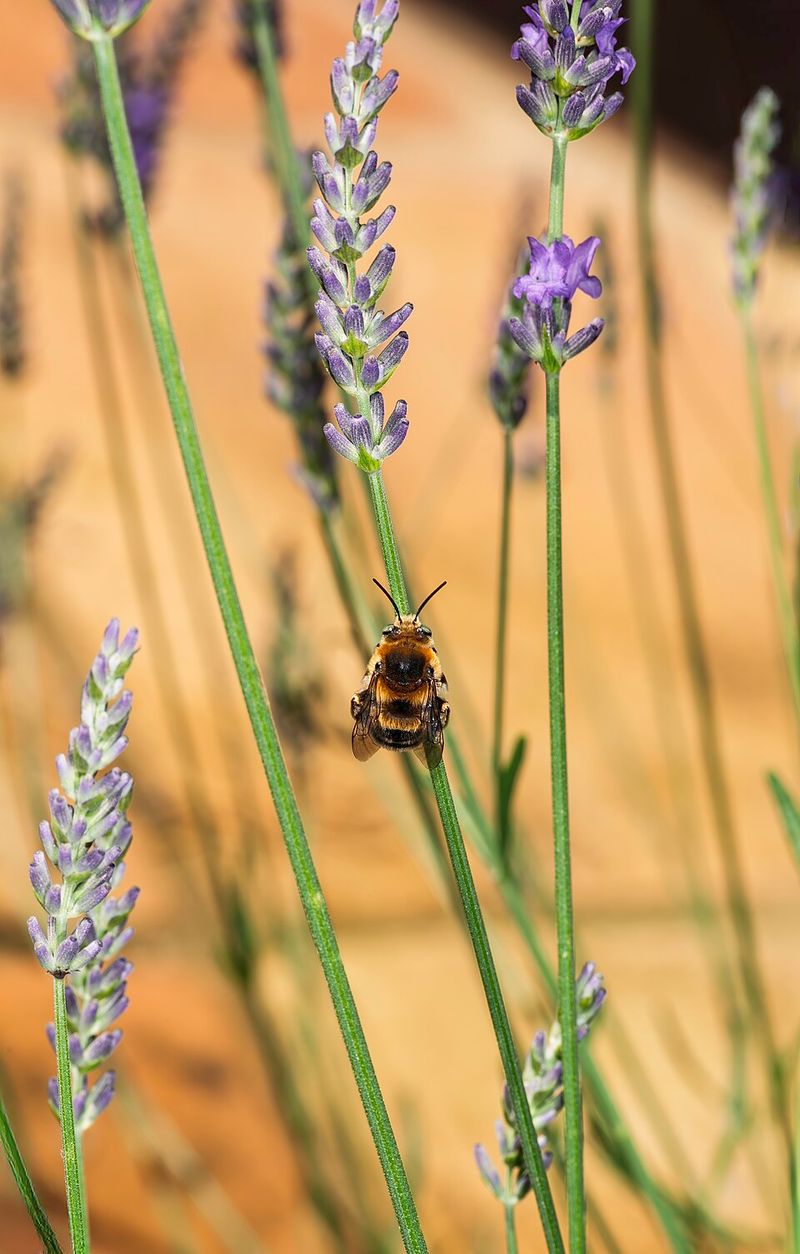
Lavender is not the easiest Florida patio plant, but that has not stopped homeowners from trying it in the right setup. The soft herbal fragrance feels clean and calming, which makes outdoor seating areas seem more polished and restful.
When it is grown in containers with excellent drainage, the plant has a much better chance of handling summer conditions.
Covered patios and spots with strong morning sun usually work best. Too much humidity trapped around the roots can lead to decline fast, so breathable pots, lean soil, and careful watering matter more here than in drier regions.
The reward is a scent many people already associate with relaxation, fresh linens, and quiet evenings.
Because the flowers and foliage both carry fragrance, even a small container can have impact. A pair of pots near a bistro set or beside patio steps gives structure without taking up much space.
I find lavender especially useful when a patio style leans coastal or Mediterranean and needs a plant that supports that look naturally.
Florida gardeners who succeed with it tend to treat it almost like a specialty feature rather than a filler plant. That mindset helps, and the result can feel wonderfully crisp amid more tropical, heavier smelling choices.
Lemongrass
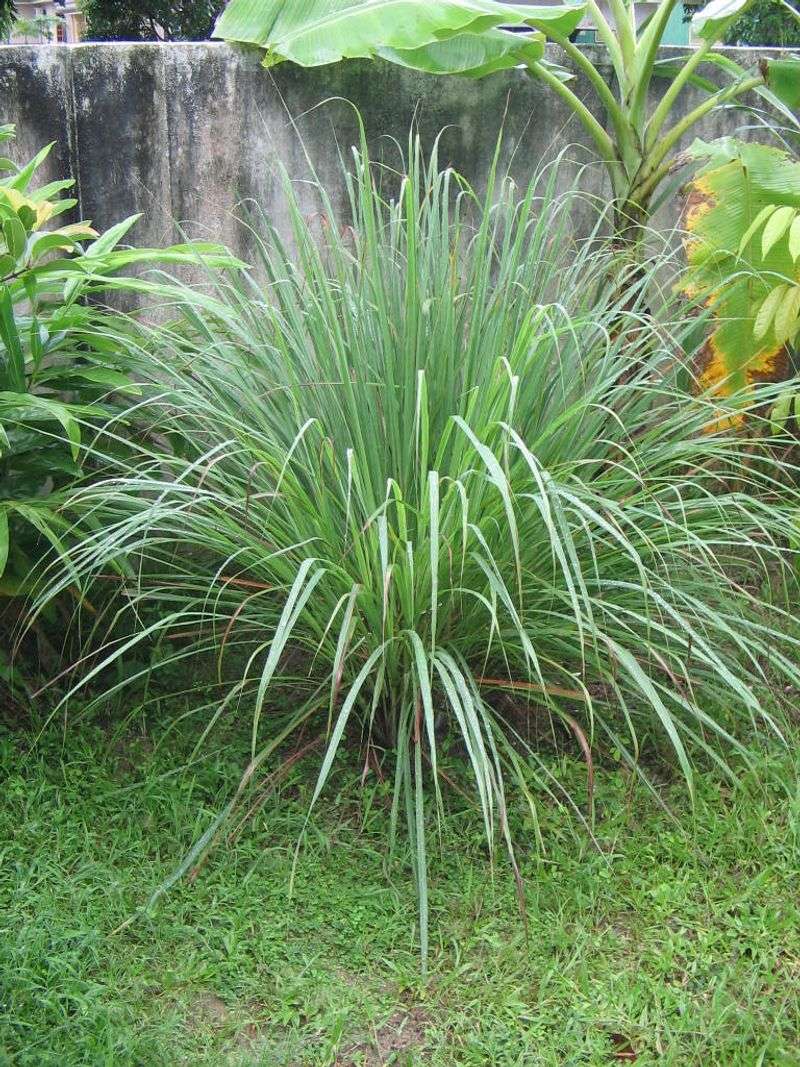
Fresh, citrusy scent is a big reason lemongrass keeps gaining patio fans across Florida. The blades release fragrance when touched, trimmed, or stirred by wind, giving outdoor spaces a cleaner, brighter feel than many floral plants.
Homeowners also like that it looks architectural, so it contributes to design as much as aroma.
In large containers or planted along patio borders, lemongrass forms tall fountains of foliage that create movement and partial screening. That can make dining areas feel more enclosed without blocking airflow, which is important in hot weather.
Since it thrives in warmth and sun, summer is the season when it really earns its keep.
Another practical benefit is its use in the kitchen. Cutting fresh stalks for soups, marinades, or tea gives the plant a dual purpose that many patio ornamentals lack.
Just keep the soil evenly moist and divide oversized clumps when growth becomes crowded.
Some people also appreciate that the strong lemony aroma contributes to a fresher feeling around outdoor seating, especially after storms. For a Florida patio that needs height, scent, and usefulness all at once, lemongrass is one of the most sensible additions you can make this summer.
Rosemary
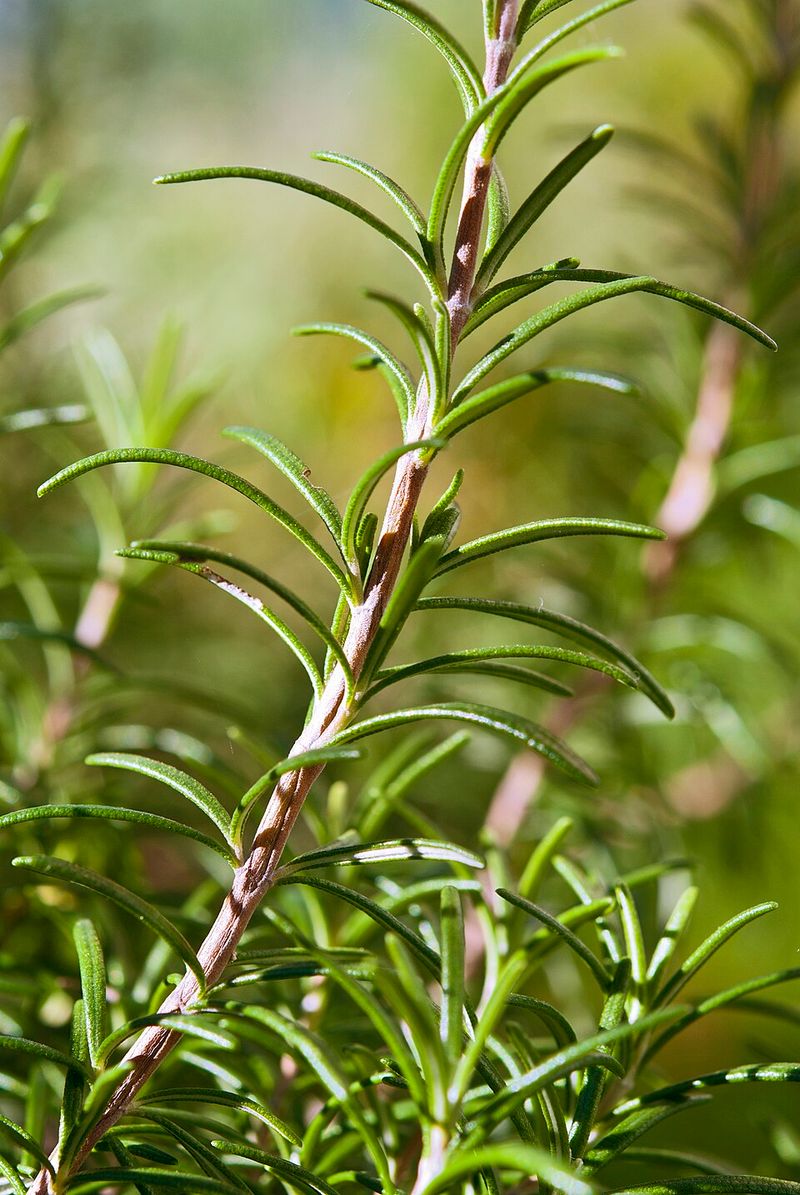
Rosemary brings a resinous, savory fragrance that feels especially good around outdoor kitchens and grilling areas. Instead of adding sweetness, it gives patios a dry, clean scent that pairs naturally with food, smoke, and warm evening air.
That makes it popular with Florida homeowners who use their patio as an extension of the kitchen.
Good drainage is the key to keeping it happy in humid climates. Containers often work better than heavy ground soil because excess water escapes faster after frequent summer rain.
Placed in a sunny location, rosemary can become a tidy shrub, a clipped accent, or a more relaxed, trailing plant depending on the variety.
The fragrance is strongest when the foliage is brushed, clipped, or heated by the sun. A pot beside the grill or near a path creates those moments naturally throughout the day.
I also like that it looks handsome year round, so the patio does not feel like it depends entirely on bloom cycles for interest.
For homeowners trying to balance beauty and practicality, rosemary hits a sweet spot. It scents the air, supports cooking, and gives planters a structured look that plays nicely with both tropical foliage and cleaner modern patio designs.
Heliotrope
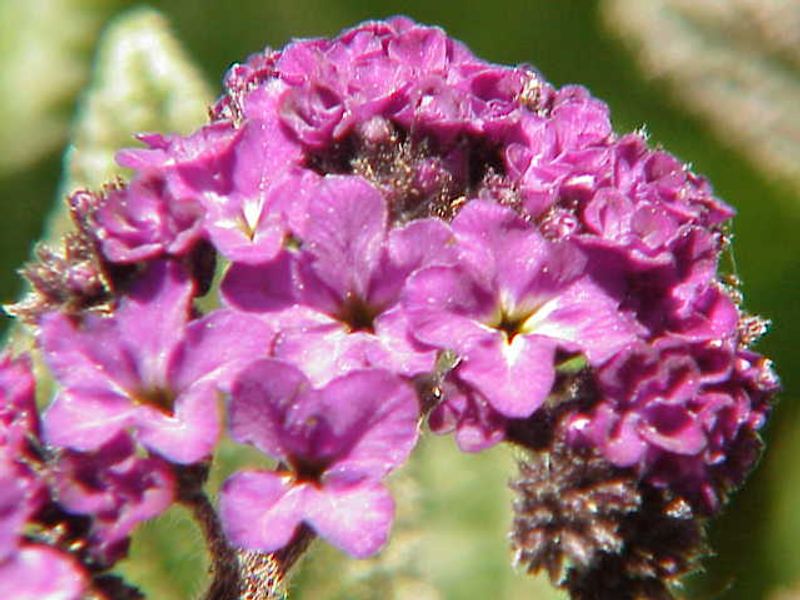
Heliotrope earns attention fast because its flowers smell softly sweet, often compared to vanilla or cherry pie. That nostalgic scent makes patios feel warmer and more welcoming, especially in spots where guests gather close to planters.
For Florida homeowners who want floral fragrance without relying on giant shrubs, it offers a more compact answer.
The deep purple blooms also bring color that reads well against pale pavers, white railings, and neutral outdoor furniture. In containers, heliotrope can be moved to catch the right balance of sun and shelter, which helps during intense summer stretches.
Consistent moisture is useful, but soggy soil is not, so a quality potting mix matters.
One of the best ways to use it is near eye level in elevated planters or on patio tables where the scent stays close. That placement turns a small plant into something guests actually comment on.
Deadheading spent flowers can also keep the display tidier and encourage continued blooming.
People often overlook heliotrope because it is less common than jasmine or gardenia, yet that is part of its appeal. It feels personal, a little unexpected, and perfectly suited to a patio designed for conversation rather than just curb appeal.