
11 Plants Georgia Gardeners Use To Make Outdoor Spaces Less Buggy
Follow us on Google
Georgia gardens can feel incredible right up until mosquitoes, gnats, and flies start claiming the patio as their own. The good news is that smart plant choices can help make your yard feel noticeably more comfortable without relying only on sprays and candles.
Many Southern gardeners tuck fragrant, useful plants near porches, paths, and seating areas to create a space bugs seem to like less. Here are the plants people across Georgia reach for when they want a prettier yard and fewer annoying visitors.
Citronella Grass
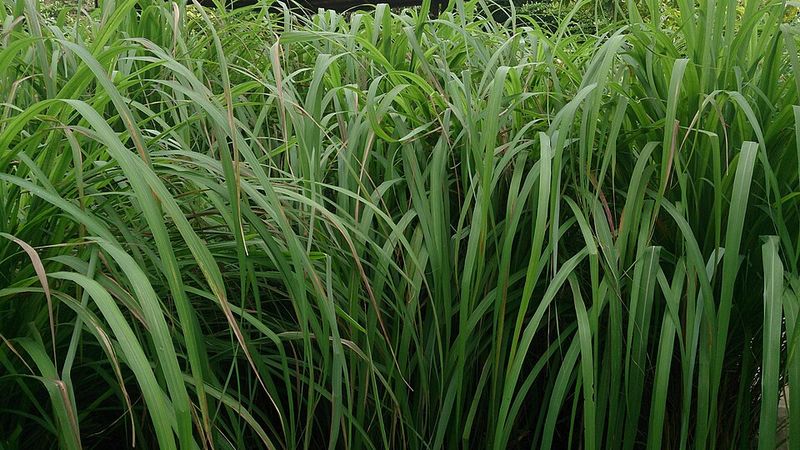
Placing this tall, citrus-scented grass near a patio can make the whole seating area feel fresher and a little less inviting to mosquitoes. Georgia gardeners often use it in large containers so the foliage can be brushed as people walk by, releasing more fragrance.
That simple placement trick matters because scent works best when it stays close to where you actually sit.
Hot, humid summers suit it well, especially with full sun and evenly moist soil that drains properly after heavy rain. In many parts of the state, it performs best as a warm-season container plant rather than something you expect to survive every winter in the ground.
Bringing pots closer to the house also makes watering easier during July heat.
For the strongest effect, group several plants instead of relying on a single pot by the door. Pairing it with fans, tidy mulch, and fewer pockets of standing water usually gives better results than any one plant alone.
You get a bold, grassy look that softens hardscape edges while supporting a more comfortable evening outdoors.
If your deck gets blazing afternoon sun, this is one of the easiest statement plants to try first.
Lavender
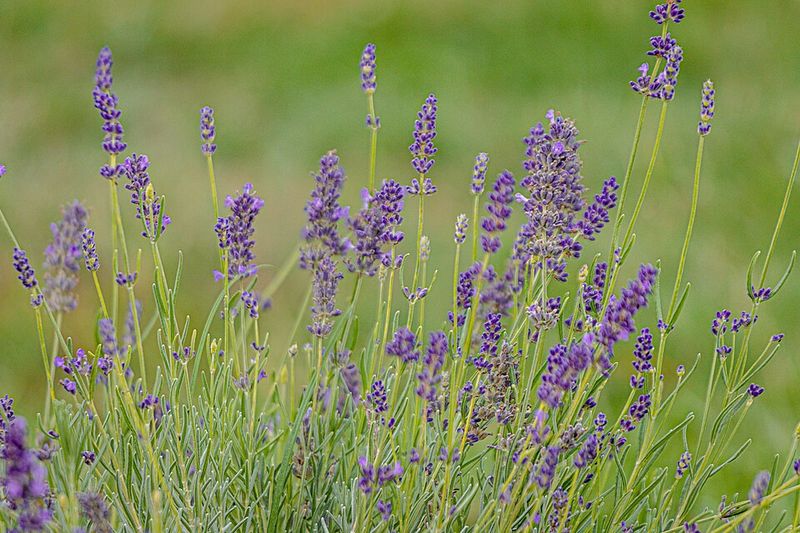
Nothing changes the mood of a walkway faster than the clean, calming scent of lavender rising in the heat. Many Georgia gardeners plant it near entryways, seating areas, and mailbox beds where its fragrance is easy to notice and where mosquitoes and flies may seem less welcome.
The color helps too, giving outdoor spaces a crisp, intentional look instead of a purely practical one.
Drainage is the real key in the South, because lavender dislikes soggy roots more than it minds summer sun. Raised beds, gravelly soil, and containers are often the difference between a plant that struggles and one that stays handsome through the season.
If your yard holds water after storms, a pot near the porch is usually the smarter move.
Regular trimming after flowering keeps it compact and encourages fresh growth instead of a woody, messy shape. Snipping stems for bundles or indoor sachets gives you another reason to keep the plant productive and neat.
That crossover between beauty and usefulness is why it keeps showing up in well-loved Georgia gardens.
Set a few plants near chairs, and the area starts feeling more polished, fragrant, and pleasantly less buggy at dusk.
Marigolds
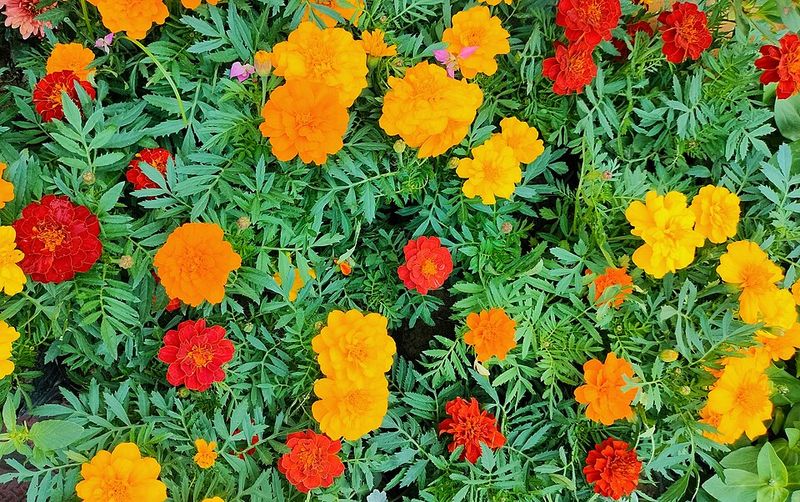
Bright marigolds do more than fill beds with color, which is why so many Georgia gardeners tuck them along vegetable rows and around patios. Their strong scent has made them a longtime favorite for spaces where people want fewer bothersome insects hanging around.
You also get nonstop color that can handle Southern heat better than many delicate annuals.
Full sun keeps them blooming hard, and regular deadheading helps the plants stay dense instead of leggy by midsummer. In Georgia clay, adding compost before planting usually improves drainage and makes roots happier during long wet stretches.
Smaller French marigolds are especially handy for edging paths, herb beds, and tomato plots.
These flowers work best as part of a layered strategy rather than a magic shield around the yard. Planting them in clusters creates a stronger visual and aromatic presence than scattering a few lonely starts around the landscape.
That clustered look also reads as intentional design, especially when repeated near steps, containers, or raised beds.
If you want something cheerful, inexpensive, and easy to swap each season, marigolds are one of the simplest bug-conscious choices.
Basil
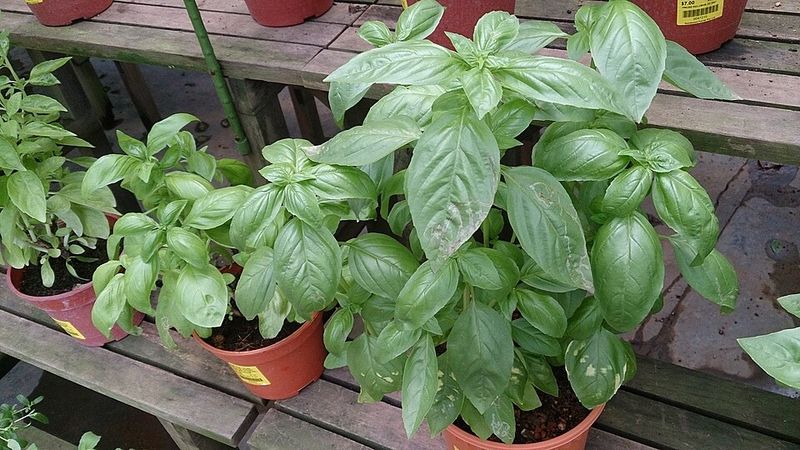
A pot of basil near the back door earns its keep quickly in a Georgia yard. The strong aroma is pleasant to people, useful in the kitchen, and often mentioned by gardeners trying to make outdoor eating areas less attractive to flies and mosquitoes.
Since it is already such a common summer herb, adding more rarely feels like extra work.
Warm weather pushes basil fast, especially with rich soil, consistent moisture, and at least six hours of sun. Containers are ideal because you can move them close to picnic tables, grilling areas, or porch steps where people gather at dusk.
Pinching flower buds also keeps the leaves tender and the plant producing longer.
Several pots grouped together are usually more effective and more attractive than one thin plant tucked in a corner. Many gardeners pair basil with tomatoes, marigolds, and mint so the whole area smells active and edible instead of purely ornamental.
That mix can make a small patio feel intentionally planted rather than randomly decorated.
If you cook often, this is one of the easiest bug-conscious plants to justify because dinner and the garden both benefit.
Rosemary
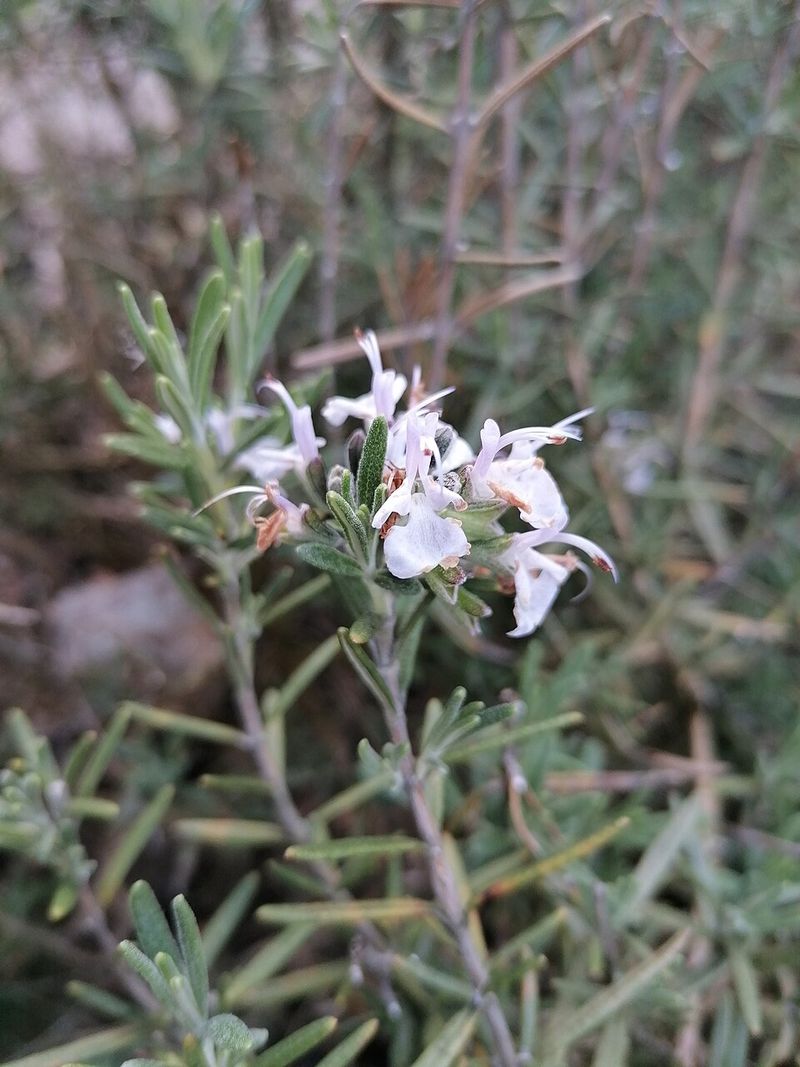
Few plants pull double duty as nicely as rosemary in a Georgia landscape. Its resinous scent, evergreen texture, and usefulness in cooking make it a smart choice for gardeners who want an outdoor space that feels polished while possibly discouraging mosquitoes and some flying pests.
Brushing past the foliage releases the fragrance immediately, which is why placement matters so much.
Sunny, well-drained spots are essential, especially in regions with heavy clay or frequent summer downpours. Near a walkway, steps, or the edge of a patio, rosemary stays close enough to people for the scent to be noticeable without demanding constant care.
Once established, it usually handles heat and dry spells better than softer herbs.
Pruning lightly after flushes of growth helps the plant stay dense instead of opening up in the center. Clipped stems can be tossed onto the grill or used in homemade bouquets, giving you another practical reason to keep it nearby.
That combination of structure and everyday usefulness is why it fits both formal and relaxed Southern yards.
For gardeners who dislike fussy annuals, rosemary offers a sturdier, more architectural option that still supports a less buggy hangout zone.
Lemongrass
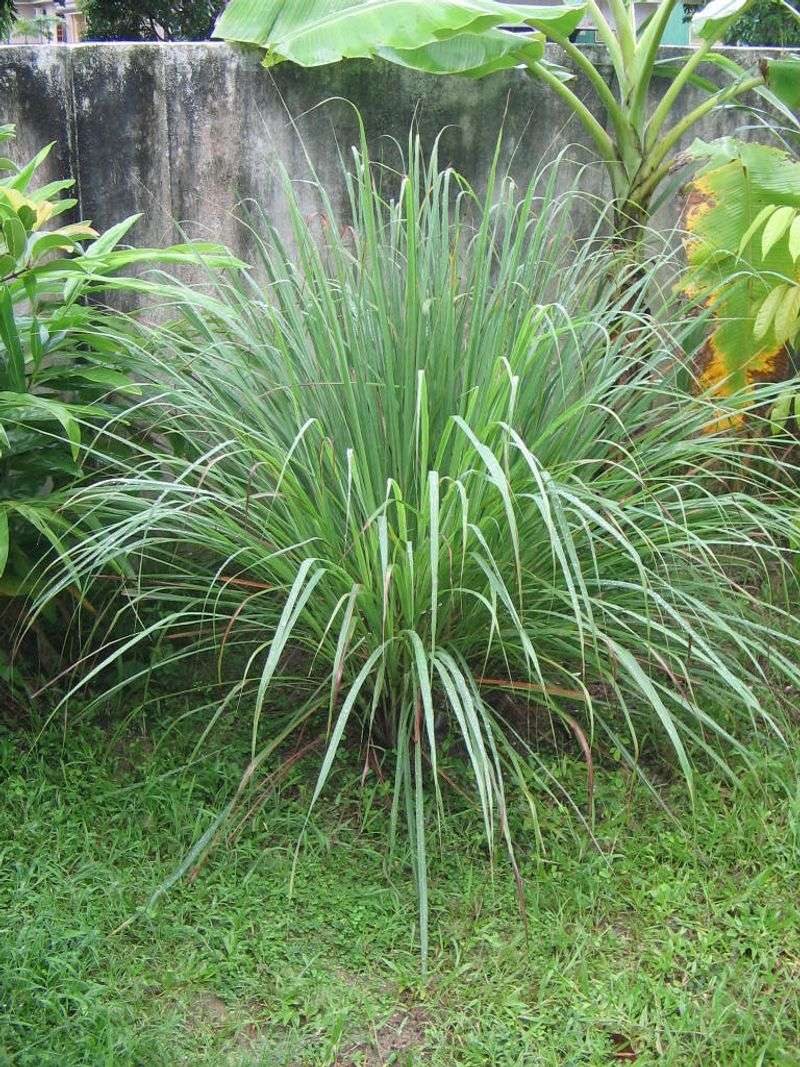
That sharp lemony scent is the main reason lemongrass keeps showing up in Georgia container gardens and patio borders. Gardeners like how it creates a big, tropical look while also being associated with helping make outdoor spaces less appealing to mosquitoes.
The plant feels decorative and useful at the same time, which is a hard combination to beat.
Heat is rarely a problem here, and full sun helps it bulk up quickly during summer. Because it forms large clumps, one plant can make a real visual statement beside a seating area or outdoor kitchen.
Good drainage is still important, especially in containers that can stay wet after thunderstorm season.
Cutting stalks for cooking encourages people to interact with the plant, and that brushing or harvesting releases more fragrance. A pair of matching pots by steps or on either side of a deck can frame the area beautifully while keeping the scent close to daily activity.
That sort of repeated placement usually looks cleaner than dropping one oversized clump in the middle of a bed.
If your goal is a practical plant with bold shape, strong aroma, and culinary value, lemongrass deserves serious space.
Catnip
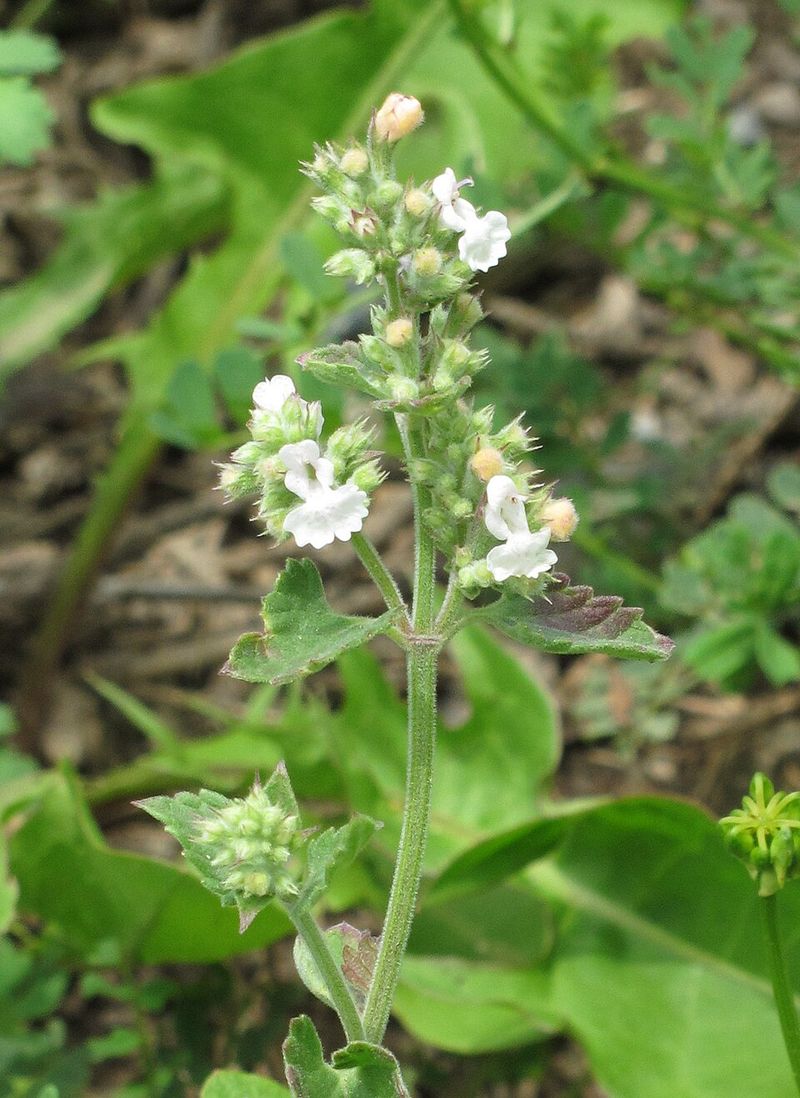
Surprisingly strong bug-repelling reputation is what puts catnip on many Georgia gardeners’ radar, even if they are not growing it for pets. The minty scent can help make lounging spots less pleasant for mosquitoes, and the plant itself is easy to grow once warm weather settles in.
It also brings a softer, informal texture to beds that need a little movement.
Sun to light shade works well, and average garden soil is usually enough as long as drainage is decent. Since catnip can spread and self-seed, many people keep it in containers or in a defined herb section where it stays easy to manage.
That extra control is especially helpful if neighborhood cats decide the plant is the best thing in your yard.
Frequent trimming keeps the stems from flopping and encourages a bushier shape with fresh aromatic growth. Snipped leaves can be dried, and the plant rebounds quickly through the long Southern growing season.
When it is grouped with basil, lavender, or rosemary, the area starts to feel intentionally scented instead of accidentally crowded.
If you want a less expected choice that still earns attention for usefulness, catnip is worth trying near sunny hangout spots.
Mint
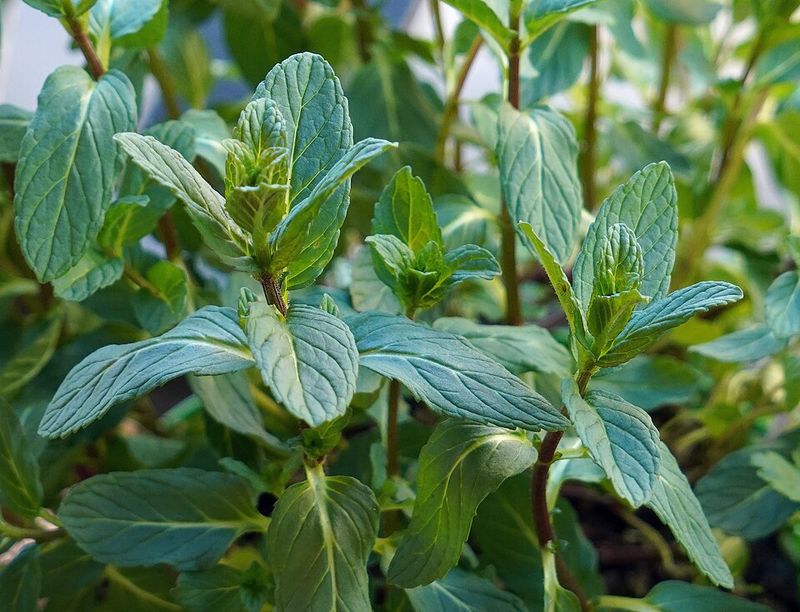
Fresh mint near a porch instantly makes the air feel cooler, even on sticky Georgia evenings. Gardeners often rely on that strong scent around seating areas because it can help make mosquitoes and flies less comfortable while giving you an herb that is genuinely useful every week.
It is also one of the easiest plants to refresh with a quick trim.
Containers are the best choice for most yards, since mint spreads aggressively once it gets comfortable in rich, moist soil. A pot near the grill, outdoor table, or steps keeps the aroma where people gather and prevents roots from taking over a flower bed.
Morning sun with afternoon relief works nicely during the hottest stretch of summer.
Regular harvesting keeps the plant dense, flavorful, and less likely to get stringy. Toss sprigs into iced tea, fruit salads, or a pitcher of water, and you suddenly have a practical reason to keep several containers close by.
That repeated use helps the foliage stay active and aromatic instead of becoming overgrown and forgotten.
For gardeners who like immediate payoff, mint offers fragrance, kitchen value, and a simple way to make outdoor corners feel more inviting.
Bee Balm
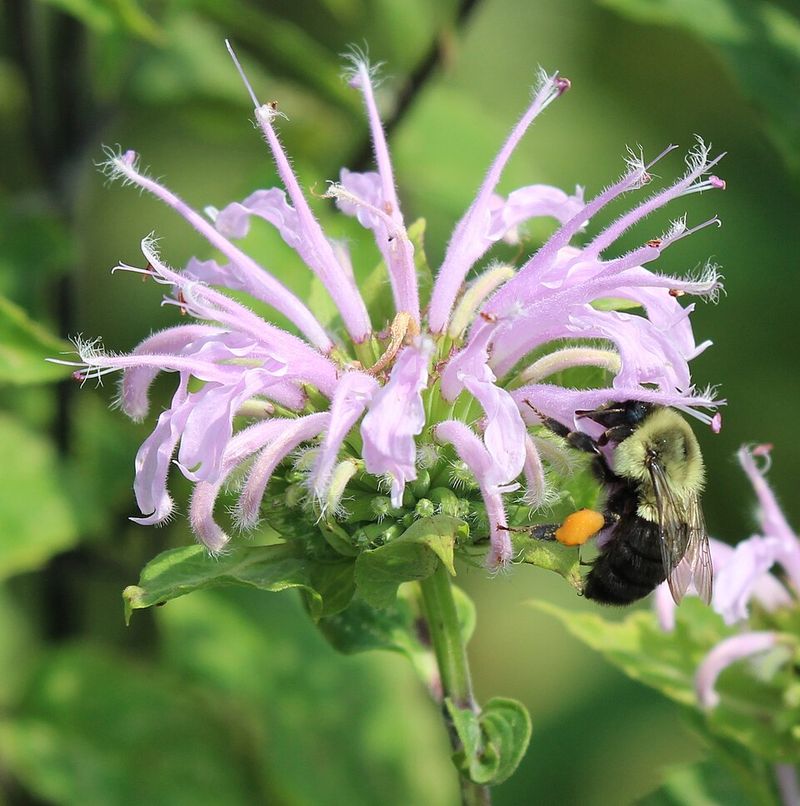
Colorful bee balm brings energy to a Georgia garden while adding a fragrant layer around porches and pathways. Its aromatic foliage is often included in bug-conscious plantings because gardeners appreciate any natural help around mosquitoes and other bothersome insects.
The flowers also make the yard feel alive, which is a nice trade for a little extra maintenance.
Morning sun and good air circulation are especially important in the South, where powdery mildew can show up during humid spells. Planting it with enough space between clumps helps leaves dry faster after rain and keeps the patch looking healthier through midsummer.
Rich soil with consistent moisture usually produces the strongest growth and best bloom display.
Deadheading extends the show, and dividing clumps every few years prevents the center from thinning out. Near a patio edge, the plant creates a casual screen of color and scent that softens fences, corners, and straight hardscape lines.
It works especially well in cottage gardens where a slightly full, informal look feels intentional.
If you want a bug-conscious plant that also feeds pollinators and brightens the yard, bee balm is one of the most satisfying choices.
Scented Geranium
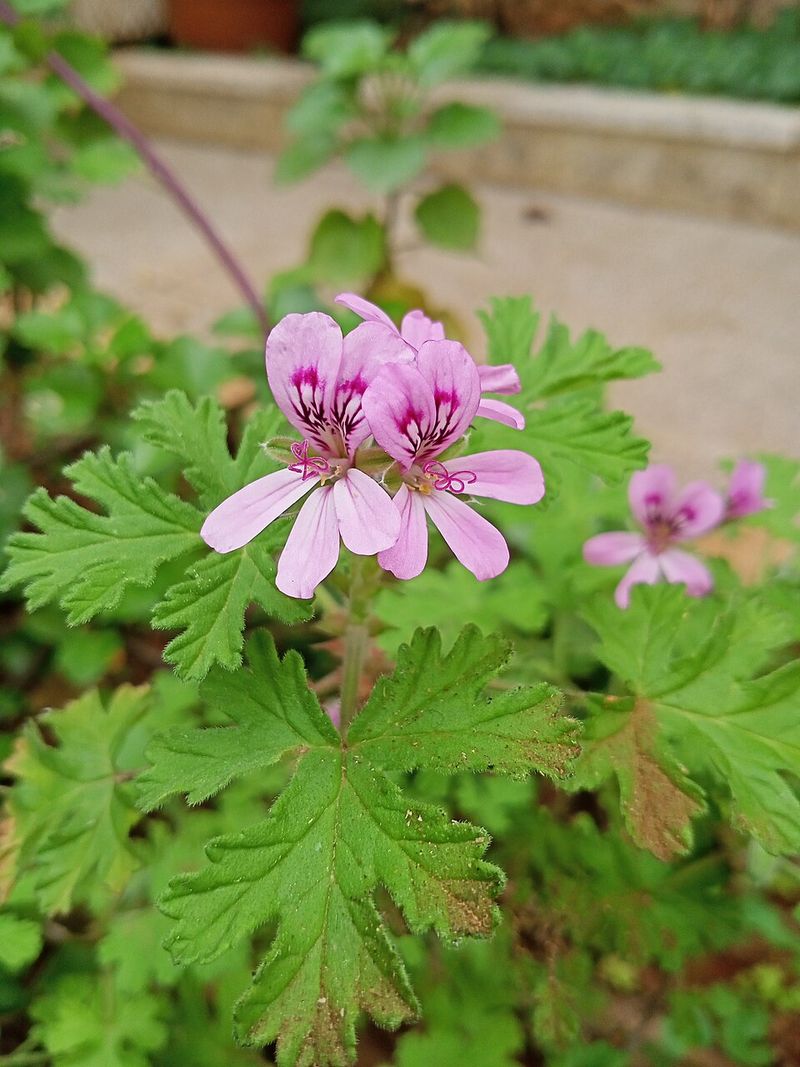
Fragrant foliage is the real draw with scented geraniums, not just the flowers. Georgia gardeners often place them in pots near doors, tables, and porch railings because the leaves release a noticeable scent when touched, and that can help make the space less inviting to mosquitoes.
The plants also look tidy enough to suit formal entries and casual patios alike.
Good drainage and plenty of sun keep them at their best, though a little afternoon shade can help in the hottest inland spots. Containers make care simpler because you can move the plants where people gather most and protect them when temperatures dip.
That flexibility is useful in a state where weather can swing quickly between seasons.
Pinching tips encourages fuller growth, and brushing the leaves whenever you pass by keeps the fragrance active. Some gardeners use matching pots on either side of a bench so the scent stays concentrated right where evening conversation happens.
It is a practical decorating move that feels more elegant than scattering citronella candles everywhere.
If your style leans classic and container-heavy, scented geraniums offer a polished way to add fragrance and support a less buggy setup.
American Beautyberry
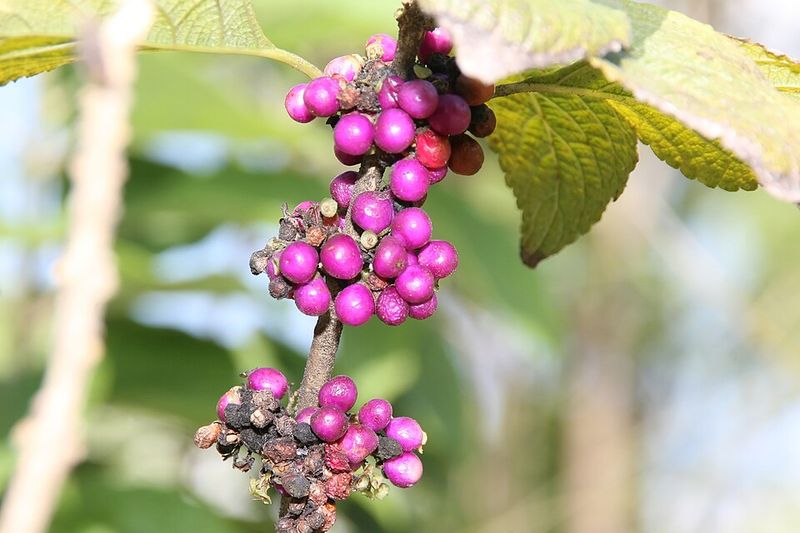
Native plants often earn their place by solving several problems at once, and American beautyberry does exactly that. Georgia gardeners value the shrub for its arching form, vivid purple berries, and long history of being associated with natural bug-repelling uses, especially when leaves are crushed.
It feels right at home in Southern landscapes, which makes it easier to fit into existing garden plans.
Part sun to light shade works well, and the plant tolerates Georgia’s heat and humidity without much fuss once established. Along a property edge or near a seating area with afternoon shade, it creates a soft, informal screen that adds privacy without looking stiff.
Seasonal pruning helps keep the shape balanced and encourages strong new growth.
Beautyberry is not a tiny patio herb, so it is best used as a structural layer in the wider landscape. Around decks, back corners, or transition spaces between lawn and woods, it helps create a garden that feels regionally grounded and thoughtfully planted.
Birds appreciate the berries later, giving the yard another layer of interest beyond its practical role.
If you prefer useful plants with a native Southern character, beautyberry is one of the smartest shrubs to consider.