
The Biggest Watering Mistakes Pennsylvania Gardeners Make As Temperatures Rise
Follow us on Google
Hot spells in Pennsylvania can turn a healthy garden stressful in just a few days, and watering habits that seemed harmless in spring suddenly cause real damage. Many struggling beds are not suffering from too little water alone – they are suffering from poorly timed, uneven, or wasteful watering.
If your tomatoes split, hydrangeas droop by lunch, or containers dry out overnight, a few common mistakes may be to blame. Spotting them early can save you water, money, and a lot of frustration during the hottest stretch of the season.
Watering Too Shallowly
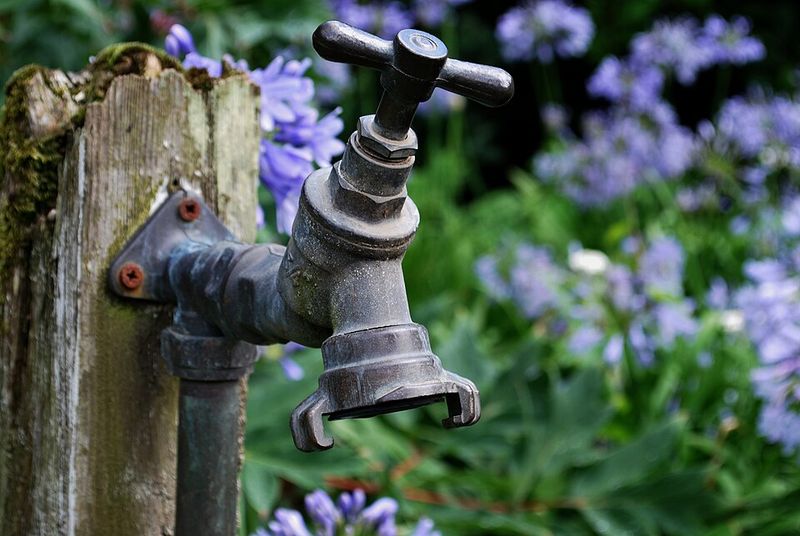
A quick sprinkle can make the top inch of soil look refreshed, but your plants often get almost nothing useful from it. In Pennsylvania heat, moisture evaporates fast from the surface, especially in raised beds, containers, and sunny borders.
Roots respond by staying near the top, where conditions swing from wet to dry within hours.
That shallow rooting pattern creates plants that look needy all summer. You water, they perk up briefly, and then they wilt again by afternoon because the deeper soil never received enough moisture.
Tomatoes, peppers, and newly planted shrubs are especially vulnerable when the root zone is trained to expect tiny, frequent drinks.
A better approach is watering slowly and long enough for moisture to sink several inches down. You can test this with a trowel or even a screwdriver pushed into the soil after watering.
If the ground is only damp on top, the session was too short.
Try aiming for fewer, deeper waterings instead of daily sprinkles. Soaker hoses, drip lines, and a gentle hose at the base of each plant work far better than a rushed pass with the nozzle.
Once roots chase water deeper, your garden usually becomes steadier and less dramatic during hot afternoons.
Watering in the Hottest Part of the Day
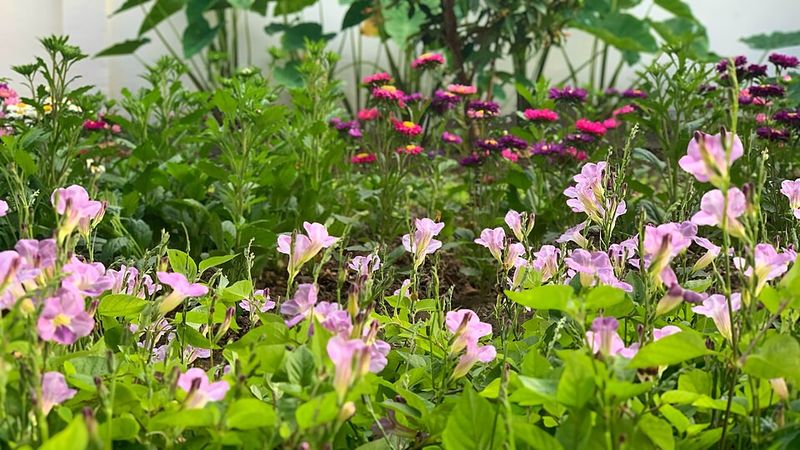
Midday watering feels logical when plants look stressed, but the hottest hours are usually the least efficient time to do it. Under strong sun and high temperatures, a noticeable share of that water evaporates before it can move into the root zone.
In many Pennsylvania gardens, the result is wasted effort and a higher water bill.
Leaves that appear limp at noon are not always begging for immediate irrigation. Many plants temporarily droop as a protective response to heat, then recover in the evening once temperatures fall.
If the soil below the surface is still moist, adding more water can actually push roots toward rot and other avoidable issues.
Early morning is typically the best window because the soil absorbs water before the day heats up. Plants enter the afternoon with moisture available, and foliage has time to dry if it gets splashed.
That matters for disease-prone favorites like tomatoes, phlox, bee balm, and cucumbers.
If you absolutely must water later, target the base of the plant instead of spraying everything. Keep the stream low and slow so less moisture is lost to heat and wind.
You will usually get better results from ten careful morning minutes than from twenty rushed minutes under the blazing sun.
Overwatering After a Heat Wave
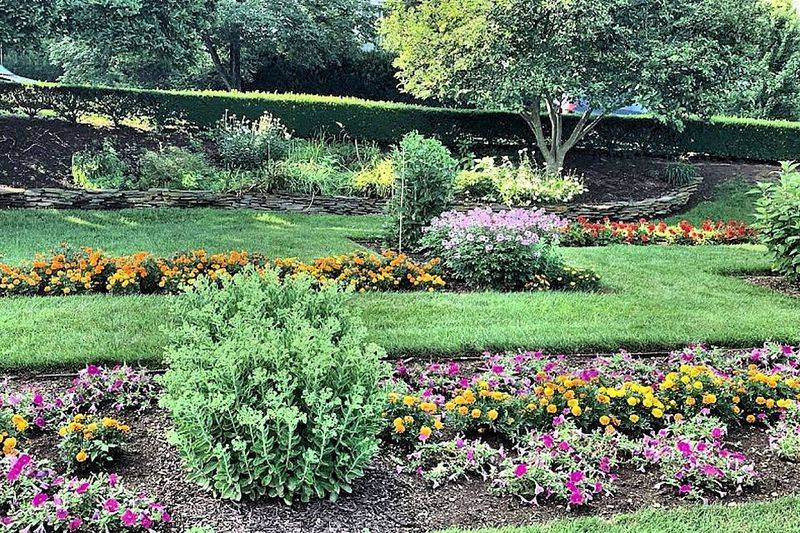
After several brutal days, it is easy to assume every tired plant needs a flood. That reaction often creates a second problem, because heat stress and dry-looking foliage do not always mean the soil is bone dry.
In Pennsylvania, heavy clay areas can still hold surprising moisture below the surface even when leaves look miserable.
Too much water pushes oxygen out of the soil, and roots need oxygen just as much as they need moisture. When that balance disappears, plants may yellow, stop growing, or collapse in ways that look confusingly similar to drought stress.
Gardeners then water again, thinking the first round somehow was not enough.
Before reaching for the hose, check the soil a few inches down with your finger, a trowel, or a moisture meter. If it feels cool and damp, wait.
If it is dry at root depth, water thoroughly and then give the plant time to respond instead of piling on more immediately.
This matters most with hydrangeas, annual containers, cucumbers, and young shrubs that send dramatic visual signals. A wilted look can make you panic, but roots usually tell the real story.
Treating every droop like an emergency often leads to root disease, stunted growth, and garden beds that never quite recover through the rest of summer.
Ignoring Soil Type
Not all Pennsylvania garden soil behaves the same, yet many watering routines assume every bed dries at an equal rate. Sandy soil drains quickly and often needs more frequent attention, while clay can stay wet much longer than the surface suggests.
If you water both areas on the same schedule, one side usually suffers.
Clay-heavy ground can become compacted and slow to absorb moisture, so water may run off before it sinks in. Then, because the top appears dry later, you may add even more, leaving the root zone overly saturated underneath.
Sandy spots create the opposite frustration because they seem impossible to keep evenly moist during extended hot weather.
Take time to learn which parts of your yard bake first and which hold moisture after rain. A simple soil test by touch can tell you a lot, and local extension resources can help you understand texture more precisely.
Once you know what you are dealing with, watering becomes far less guesswork.
Adjust the method as well as the schedule. Clay often benefits from slower application in repeated short cycles, while sandy beds may need mulch and deeper soaks more often.
Treating your whole landscape as one uniform system is a common mistake, and fixing it can improve plant health faster than buying any new fertilizer or gadget.
Relying on Rain Without Measuring It
A passing storm can make the garden look fully watered when it really got very little usable moisture. Summer rain in Pennsylvania is often uneven, brief, and surprisingly light once you measure it.
One bed may get a decent soaking while another, especially under trees or roof overhangs, stays mostly dry.
Without a rain gauge, it is easy to overestimate what nature delivered. Gardeners often skip irrigation for several days after a shower, only to find tomatoes splitting, lettuce bolting, or hanging baskets drying out fast.
The problem is not just the amount of rain, but how deeply it penetrated into the soil.
A simple gauge costs very little and removes a lot of guesswork. In general, many garden plants do best with about an inch of water per week, though containers and shallow-rooted plants may need more frequent attention.
Tracking rainfall helps you decide when to supplement rather than guessing based on wet leaves and darkened mulch.
Storm timing matters too. A half inch that falls in ten minutes can run off sloped beds and compacted ground, while a gentle overnight rain may soak beautifully.
Measuring and checking the soil afterward gives you a far clearer picture than listening to thunder and assuming the whole garden was taken care of.
Wetting the Leaves Instead of the Roots
Spraying the whole plant can feel satisfying, but roots are the part that actually needs most of the water. When moisture lands mainly on leaves, especially dense foliage, a good share never reaches the soil where it matters.
In warm Pennsylvania weather, that habit can also encourage fungal disease in already vulnerable plants.
Tomatoes, squash, cucumbers, roses, and bee balm are common examples. Wet leaves combined with humidity and limited airflow create ideal conditions for leaf spot, powdery mildew, and blight to spread faster than you expect.
A garden can look freshly watered in the moment and still be heading toward stress by the next afternoon.
Focus on watering low and slowly at the base of each plant. Drip irrigation, soaker hoses, or even a hose set to a gentle trickle are better choices than overhead sprays for most beds.
If you use a sprinkler, try doing it early enough that foliage dries quickly after sunrise.
There are exceptions, of course, especially for cooling newly seeded areas or rinsing dust from certain ornamentals. Still, for everyday summer watering, directing moisture into the root zone gives you more benefit per gallon.
Your plants stay steadier, disease pressure drops, and you stop paying for water that mostly decorated the leaves instead of feeding the plant.
Using the Same Schedule for Containers and Beds
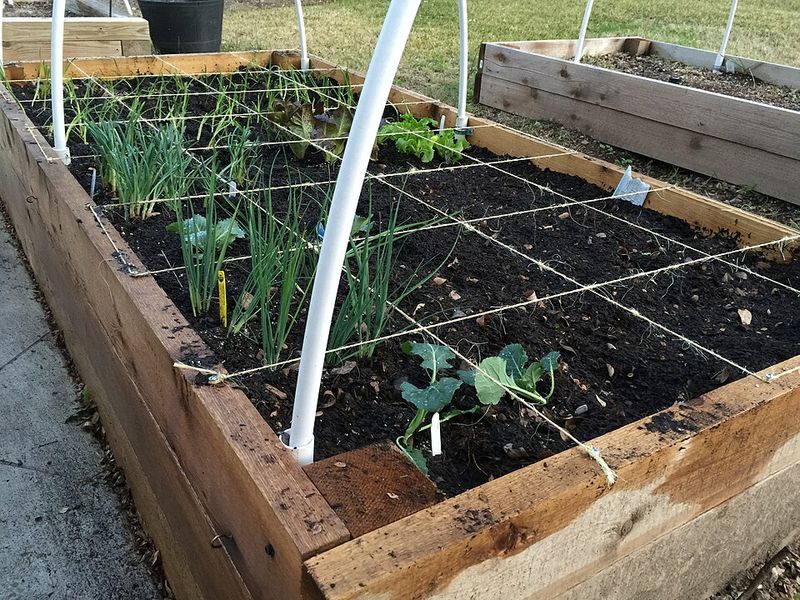
Container plants and in-ground plants may sit a few feet apart, but they do not play by the same watering rules. Pots heat up faster, dry out faster, and hold a much smaller reserve of moisture than garden soil.
During a Pennsylvania hot spell, a thriving patio planter can become stressed in a single afternoon.
Many gardeners accidentally under-water containers because they follow the same every-other-day routine used for beds. Others over-water garden beds because the pots nearby need attention morning and evening.
That mismatch is especially common with herbs, annual flowers, tomatoes, and peppers grown in dark containers on sunny patios.
Check pots daily, and on especially hot or windy days, check twice. Lift lightweight containers to feel how much water remains, or press a finger into the potting mix to gauge dryness below the surface.
For in-ground beds, use a deeper soil check and resist watering just because the containers looked thirsty.
Potting mix also behaves differently from native soil. It drains quickly, can become hydrophobic if allowed to dry too far, and often needs slow repeated watering to rehydrate evenly.
Separating your watering routine by plant type and growing situation is one of the simplest ways to reduce stress, prevent root problems, and keep your summer garden more consistent.
Skipping Mulch During Summer Heat
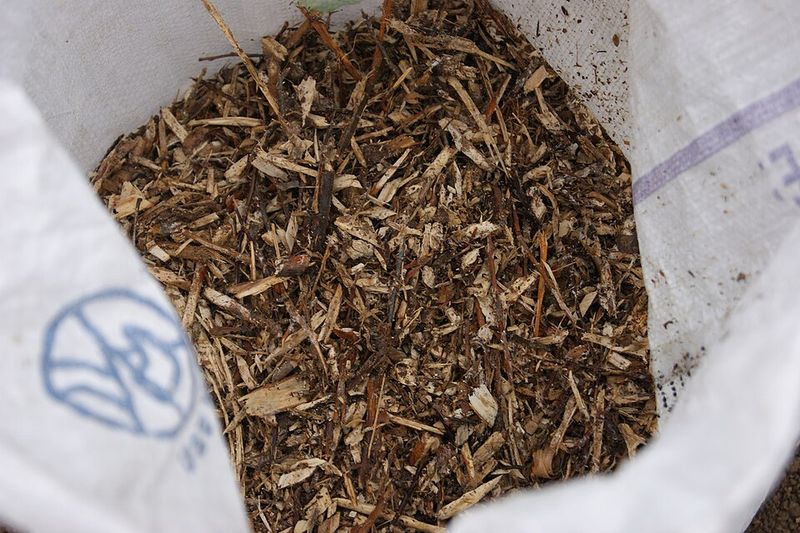
Bare soil loses moisture faster than many gardeners realize, especially when temperatures climb and the wind picks up. Without mulch, water evaporates quickly, the soil surface heats aggressively, and roots face sharper swings between wet and dry.
In Pennsylvania summers, that can mean more frequent watering and weaker plant performance even when you think you are keeping up.
Mulch acts like a buffer, slowing evaporation and helping the soil stay cooler through the hottest part of the day. It also reduces crusting, which improves water penetration during irrigation and summer rain.
Vegetable beds, newly planted shrubs, and perennial borders all benefit when the root zone is shielded from direct sun.
A two to three inch layer is often enough for many gardens. Shredded leaves, straw, pine needles, or bark mulch can work well, depending on the planting area.
Just keep mulch a little back from stems and trunks so moisture does not sit directly against the plant tissue.
Skipping mulch often creates a frustrating cycle. You water more often, the surface still dries rapidly, weeds steal additional moisture, and plants keep showing stress during hot afternoons.
Adding mulch is not a shortcut for proper irrigation, but it makes every watering session more effective and gives your garden a much better chance of staying steady through repeated summer heat waves.
Assuming Wilting Always Means Dry Soil
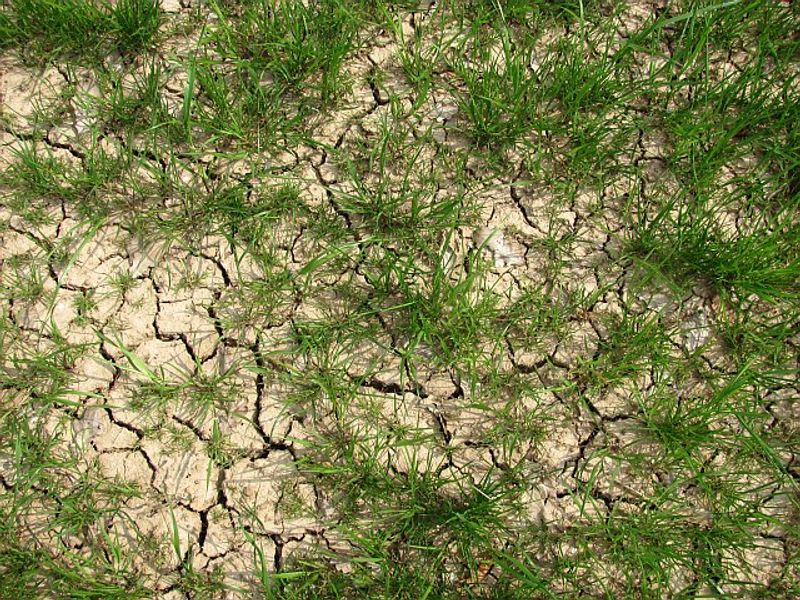
Wilting grabs your attention fast, but it is not a reliable signal by itself. Plants wilt from dry soil, yes, but also from heat stress, root damage, disease, transplant shock, and even overly wet conditions.
If you answer every droop with more water, you can make the real problem much worse.
Hydrangeas are famous for this in Pennsylvania summers. They may flop dramatically in afternoon heat and then recover by evening without any extra irrigation at all.
Vegetables can do something similar when temperatures spike, especially if they are holding fruit and trying to conserve moisture during the most intense part of the day.
Check the soil before acting. Push your finger several inches down, use a trowel, or rely on a moisture meter if you want a quicker read across multiple beds.
If the soil is still moist, hold off and watch how the plant behaves after sunset or early the next morning.
Pay attention to patterns rather than one dramatic moment. Persistent morning wilt, yellowing leaves, mushy stems, or a sour smell from the soil suggest a deeper issue than temporary heat stress.
When you learn to separate visual drama from genuine thirst, your watering decisions become smarter, your plants recover more reliably, and you stop chasing symptoms instead of solving the cause.
Forgetting Newly Planted Shrubs Need Extra Attention
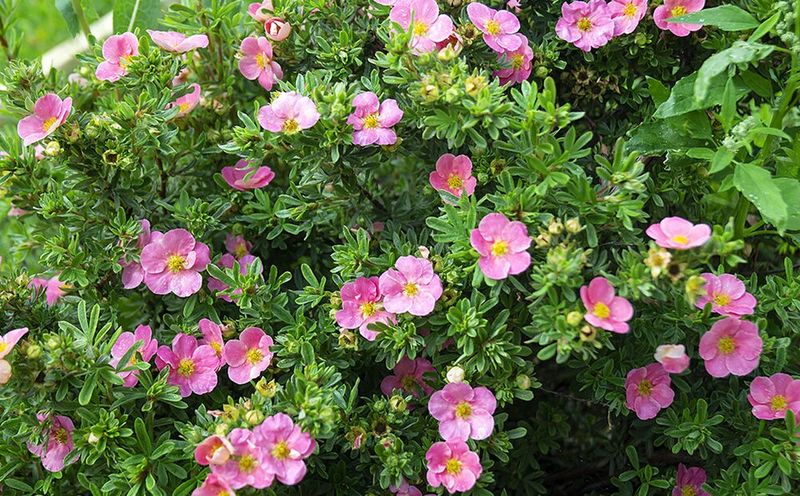
A shrub planted this spring may look settled in, but its roots are still working within a limited pocket of soil. As temperatures rise, that small root system can dry out much faster than established landscaping around it.
In Pennsylvania, a stretch of hot windy weather can stress new plantings before older shrubs show any sign of trouble.
Many gardeners assume a good initial watering is enough unless the leaves visibly collapse. Unfortunately, by the time a young shrub shows severe wilt or scorched edges, it may already be struggling to establish properly.
The first year, and often the second, is when consistency matters most.
Water deeply around the root ball and just beyond it so roots are encouraged to move outward. Do not rely only on lawn sprinklers, which often miss the amount and placement a young shrub really needs.
A mulch ring helps retain moisture, but keep it away from the stem and avoid creating a piled-up mulch volcano.
Check the soil every few days during hot weather instead of waiting for obvious distress. Dogwoods, hydrangeas, viburnums, and many evergreen shrubs appreciate close attention while they establish.
A little patience here pays off for years, because shrubs that root well early handle future Pennsylvania summers with far less fuss and a much better chance of healthy, balanced growth.
Watering Lawns and Garden Beds the Same Way
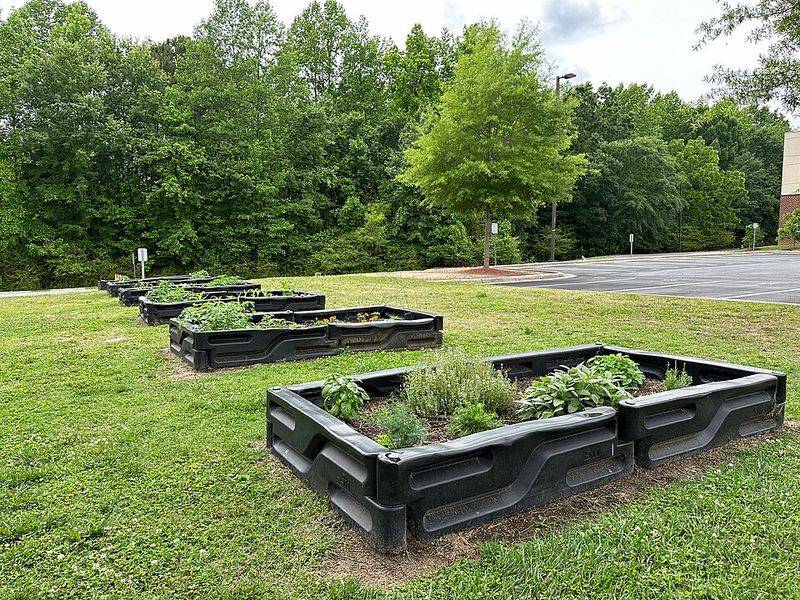
Lawns and garden beds are often connected to the same watering habit, but they should not be managed identically. Turf usually wants broader coverage and less frequent deep watering, while vegetables, annuals, and shrubs need targeted moisture delivered where roots can actually use it.
Treating everything the same often leaves one area thirsty and another overdone.
Sprinklers designed for grass tend to waste water on paths, fences, mulch, and leaf surfaces in nearby beds. They also encourage shallow rooting in ornamentals when used in short, frequent cycles.
Meanwhile, vegetables may receive inconsistent amounts because taller plants block the spray or the water never soaks deeply enough.
Separate zones whenever possible. A drip line or soaker hose in beds paired with a different schedule for the lawn gives you much better control during Pennsylvania heat.
Even if your setup is simple, watering beds by hand and keeping the lawn on a timer is often better than letting one sprinkler do every job poorly.
This distinction matters even more during dry spells when local water use becomes a concern. You can let grass go a bit less green without sacrificing the tomatoes, hydrangeas, or newly planted shrubs.
Once you stop forcing very different plants into one routine, the whole landscape becomes easier to manage and noticeably healthier through the toughest summer weeks.
Not Adjusting for Humidity, Wind, and Microclimates
A yard is rarely one uniform environment, even if it looks that way at first glance. A bed beside a brick wall, a windy corner near a driveway, and a shaded border under mature trees can all lose moisture at very different rates.
Ignoring those microclimates is one of the most common reasons watering still feels unpredictable in summer.
Pennsylvania weather adds another layer because humidity can be high one week and dry wind can dominate the next. Wind strips moisture quickly from leaves and soil, while reflected heat from patios, stone edges, and siding can push nearby containers or shrubs into stress sooner than expected.
The back garden may be fine while the front porch pots are already desperate.
Walk your yard during morning and late afternoon and notice which areas dry first. Containers on a sunny deck, vegetables in raised beds, and plants tucked under thirsty maples often need separate attention from cooler, sheltered sections.
A single timer setting or blanket routine rarely fits all of those conditions well.
Keep notes for a couple of weeks during hot weather and patterns become obvious. You will start to anticipate trouble spots instead of reacting after plants wilt or scorch.
That small shift, paying attention to exposure, airflow, and reflected heat, often saves more water than simply watering longer and hoping every corner of the garden needed the same thing.