
12 Long-Blooming Flowers That Keep North Carolina Gardens Looking Fresh Until Fall
Follow us on Google
North Carolina gardens can look tired by midsummer if you choose plants with a short bloom window. The good news is that plenty of flowers keep pushing out color through heat, humidity, and the long stretch to fall.
If you want beds, borders, and containers that still look lively in September, these reliable bloomers earn their space. Here are the flowers I would count on for steady color and fewer disappointing gaps.
Zinnia
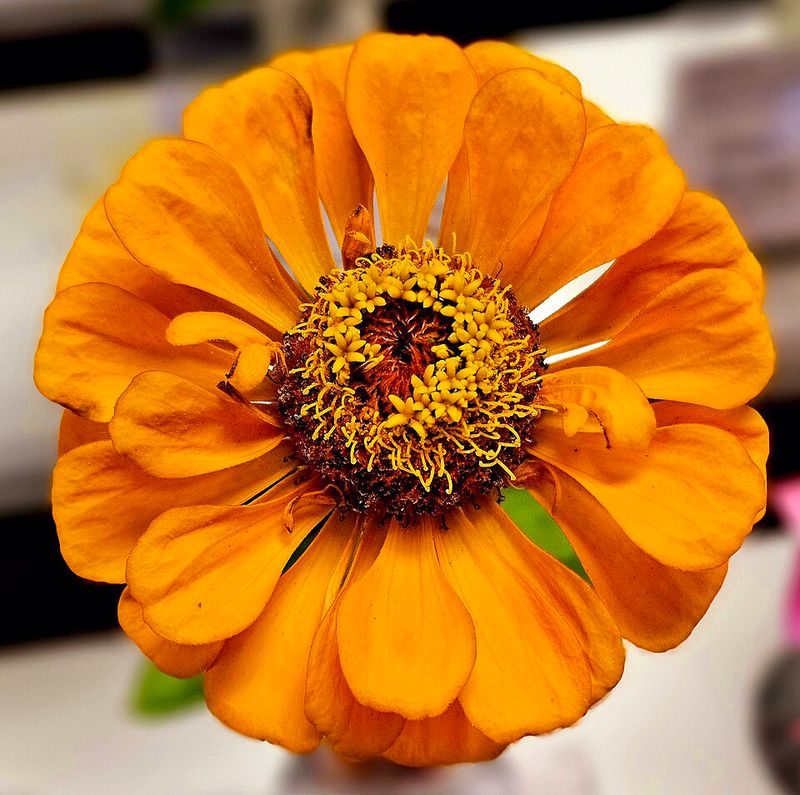
Few flowers earn their keep like zinnias when North Carolina heat starts pressing down. You get bright, cheerful blooms in nearly every color, and the plants keep producing if you cut them often.
That makes them perfect for gardeners who want both a lively border and a steady stream of bouquets for the kitchen table.
Full sun is the key, along with decent spacing so leaves dry quickly after summer humidity or rain. In our climate, mildew can show up if air circulation is poor, so I always skip overcrowding even when seedlings look tiny.
A quick deadheading session every few days keeps fresh buds coming instead of letting plants put energy into seed.
Short varieties work beautifully in containers, while taller selections shine in cutting beds and mixed borders. You can tuck them near basil, ornamental grasses, or dwarf sunflowers for a relaxed late-summer look that never feels stiff.
Pollinators love the open-centered types, especially butterflies that seem to visit all afternoon.
If you sow more seed every few weeks through early summer, the display lasts even longer. That simple succession trick keeps replacement plants ready when older ones begin to tire.
For nonstop color until frost, few annuals compete so easily.
Lantana
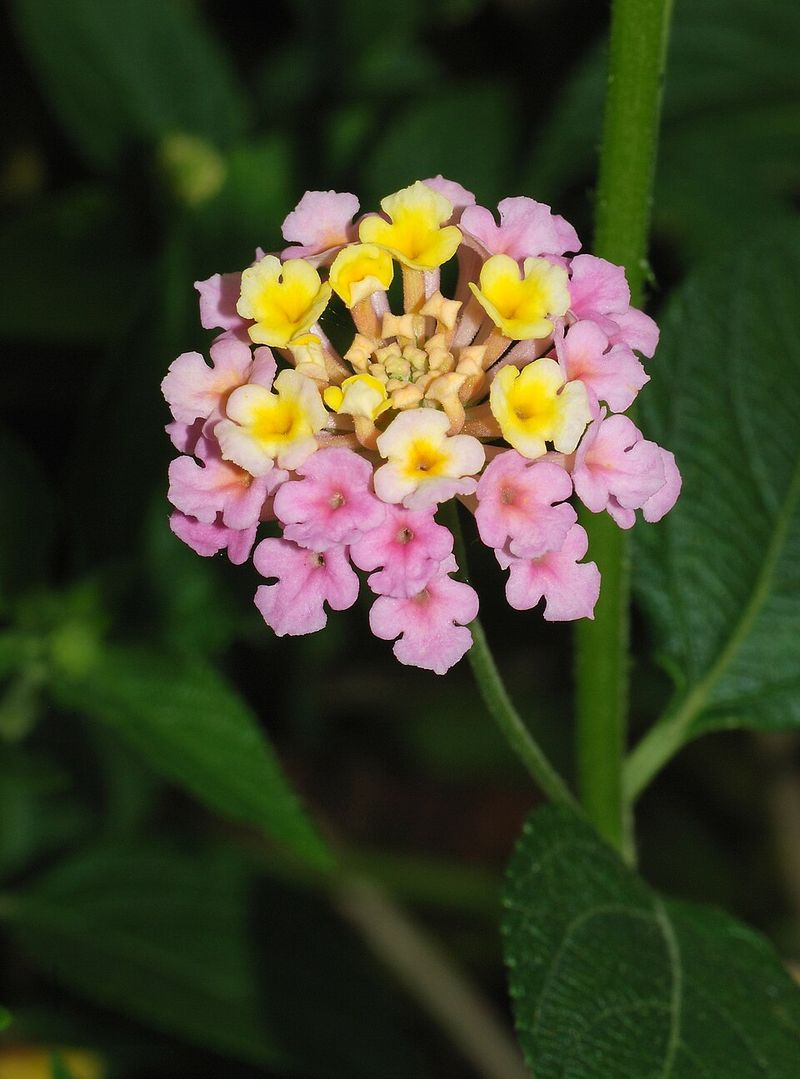
Hot, dry stretches do not bother lantana much, which is exactly why it deserves attention in North Carolina landscapes. The flower clusters keep appearing in bright citrus, red, pink, and lavender shades long after fussier plants have slowed down.
If you need dependable color for a mailbox bed or a blazing sidewalk border, this one makes life easier.
Full sun brings the strongest flowering, and well-drained soil helps roots stay happy during stormy weeks. Once established, plants handle drought impressively, so they are a smart pick for gardeners who cannot baby every bed with constant watering.
I like using them where reflected heat bounces off brick, gravel, or driveways.
Butterflies flock to lantana, which gives the garden movement as well as color. Trailing types spill nicely from containers, while upright forms work in mixed borders beside salvia, angelonia, or dwarf shrubs.
The foliage also has a slightly rugged look that holds up better than many soft-leaved annuals in midsummer.
Just be careful not to overfeed, since too much fertilizer can push leaves over blooms. A light trim in midseason often refreshes the shape and sparks another strong flush.
When September still feels like July, lantana keeps going without complaint.
Pentas
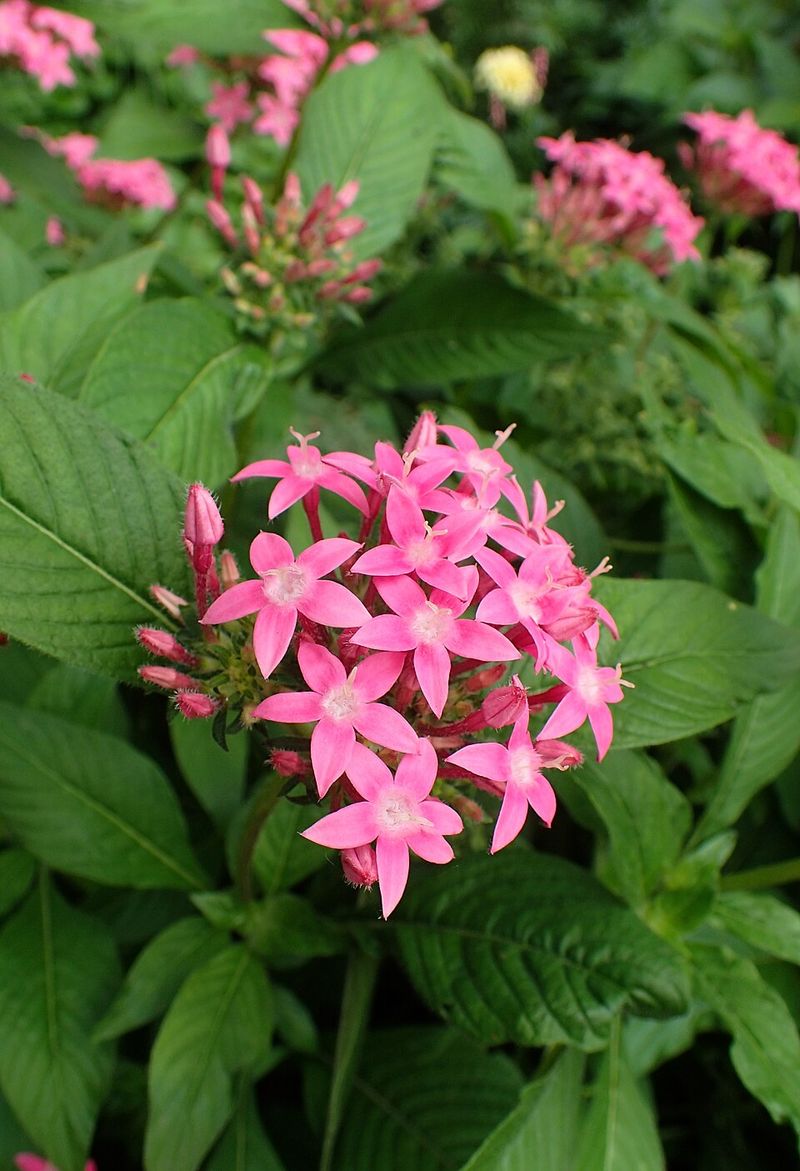
Starry clusters and nonstop color make pentas one of the most useful warm-season flowers for North Carolina gardens. It thrives in heat, tolerates humidity better than many annuals, and keeps flowering when summer feels endless.
Hummingbirds and butterflies notice it quickly, so beds planted with pentas rarely feel static.
Give it full sun for the heaviest bloom, though a little afternoon shade can help in especially intense inland spots. Rich but well-drained soil works best, and regular watering keeps growth steady without turning the plant leggy.
I have found that a light monthly feeding helps container-grown pentas stay dense and floriferous.
The color range is practical as well as pretty, with red, pink, white, and lavender tones blending easily into existing borders. Lower varieties fit neatly in the front of a bed, while taller ones can anchor mixed plantings with coleus, sweet potato vine, or dwarf cannas.
Because the flowers appear in rounded heads, they also soften sharper leaf textures nearby.
Deadheading is not always necessary, which is great if your maintenance time is limited. Still, clipping faded clusters now and then keeps everything looking polished and encourages another wave of buds.
For dependable summer-to-fall performance, pentas rarely disappoints.
Verbena
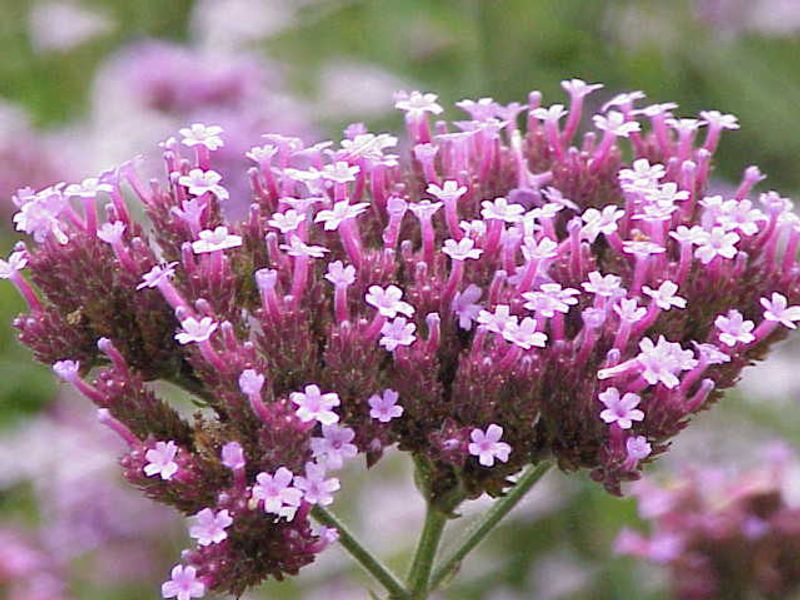
When a border needs color that spreads and fills gaps gracefully, verbena is hard to beat. The plant flowers heavily in warm weather and often keeps going right into fall if it gets enough sun.
North Carolina gardeners appreciate that persistence, especially in beds where spring annuals fade early.
Good drainage matters a lot, because verbena dislikes sitting in soggy soil after heavy rain. I usually place it in raised beds, rock-edged borders, or containers where water moves through quickly.
Six or more hours of direct sun helps prevent sparse growth and keeps the plant blooming instead of stretching.
Purple and violet forms are especially popular, but pink, red, and white choices also work beautifully in mixed plantings. Trailing varieties can soften the edge of pots, window boxes, and retaining walls, while mounding types fill front-of-border spaces with very little fuss.
Butterflies tend to visit regularly, which gives small garden spaces a bigger sense of life.
A light shearing in midsummer can revive plants that begin looking tired or open in the center. It feels bold the first time you do it, but the rebound is usually fast during warm weather.
For long color with a relaxed, slightly airy look, verbena is a strong choice.
Coreopsis
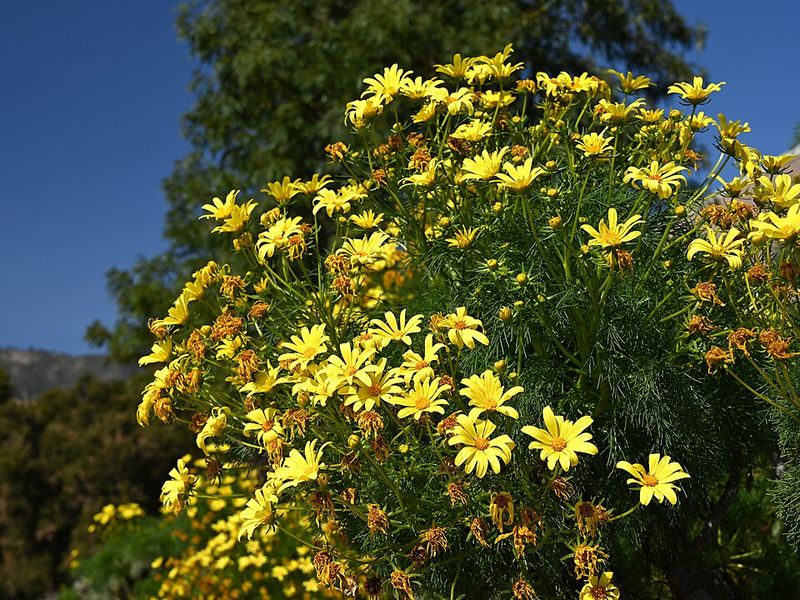
Bright, sunny coreopsis brings exactly the kind of easy color many North Carolina gardens need by June. Once it starts, the cheerful blooms can continue for months, especially if you trim spent flowers before seed set takes over.
The plant also handles heat well, making it useful in borders that receive relentless afternoon sun.
Most varieties prefer full sun and average, well-drained soil, not rich pampering. In fact, overly fertile conditions can make stems floppy and reduce the tidy look that makes this perennial so appealing.
I like planting it where irrigation is light, alongside other durable bloomers that do not mind a leaner spot.
Golden yellow remains the classic choice, but newer selections offer bicolors and softer tones too. Fine-textured foliage helps coreopsis mingle naturally with salvia, coneflower, black-eyed Susan, and ornamental grasses without creating a heavy block of color.
That airy habit is especially valuable in smaller front-yard beds where everything can feel crowded by midsummer.
If plants begin looking ragged in late summer, a quick haircut often encourages a cleaner flush of foliage and flowers. Divide clumps every few years to maintain vigor and spread the display around your yard.
For uncomplicated, season-long brightness, coreopsis consistently earns a spot.
Salvia
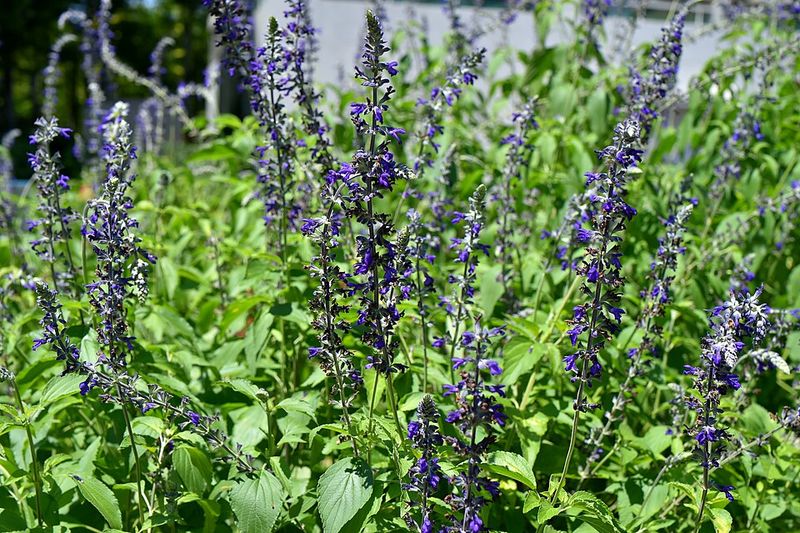
Strong vertical flower spikes give salvia a crisp, energetic look that lasts through much of the growing season. In North Carolina, many varieties bloom heavily in summer and continue into fall with only basic maintenance.
That staying power makes salvia one of the easiest ways to keep borders from looking flat once spring perennials are done.
Plenty of sun encourages the best flower production, though some types tolerate a bit of afternoon shade. Good drainage is essential, especially in areas where summer storms dump water faster than the soil can absorb it.
I have the best results when plants are not overwatered and are given room for airflow.
Blue and purple shades are common favorites because they cool down hot-looking beds filled with yellow, orange, or red flowers. Hummingbirds love many salvias, and bees visit constantly, so the garden feels active even on still days.
Taller forms work well in the middle of borders, while compact hybrids fit containers and smaller foundation beds nicely.
After the first big flush fades, cutting back spent stems often brings another strong round of blooms. A little compost in spring is usually enough, since heavy feeding can produce floppy growth.
For structure, pollinator value, and reliable repeat color, salvia is a smart long-season staple.
Angelonia
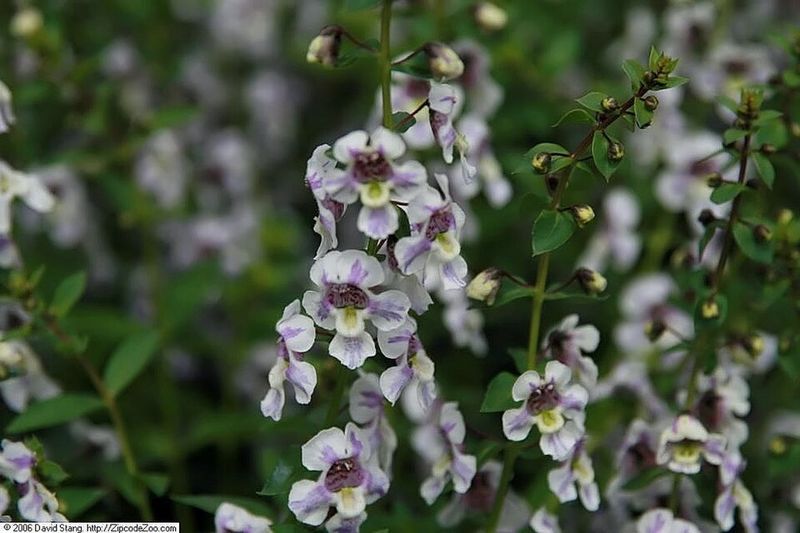
Heat, humidity, and long summer days suit angelonia surprisingly well, which is why it deserves more attention in North Carolina gardens. The flowers resemble tiny snapdragons and appear on upright stems for weeks without looking fussy.
If you want a polished planting that keeps color through August and September, this annual delivers.
Full sun keeps plants sturdy and bloom-heavy, though they appreciate consistent watering during dry spells, especially in containers. Unlike some annuals that collapse after a few steamy weeks, angelonia stays neat and upright with very little intervention.
That tidy habit makes it useful near entryways, patios, and walkways where a clean look matters.
Purple, pink, blue, and white forms mix easily with both bold tropical-style foliage and softer cottage-garden companions. I like pairing it with lantana, sweet potato vine, or calibrachoa in pots that need height without becoming top-heavy.
In beds, it can stand in for the vertical punch gardeners often expect from salvias or dwarf veronicas.
Deadheading is rarely necessary, which is a real advantage during the busiest gardening months. A light trim and feeding in midsummer can refresh plants if they start to look stretched after storms.
For long bloom and strong structure in sticky weather, angelonia is incredibly dependable.
Vinca
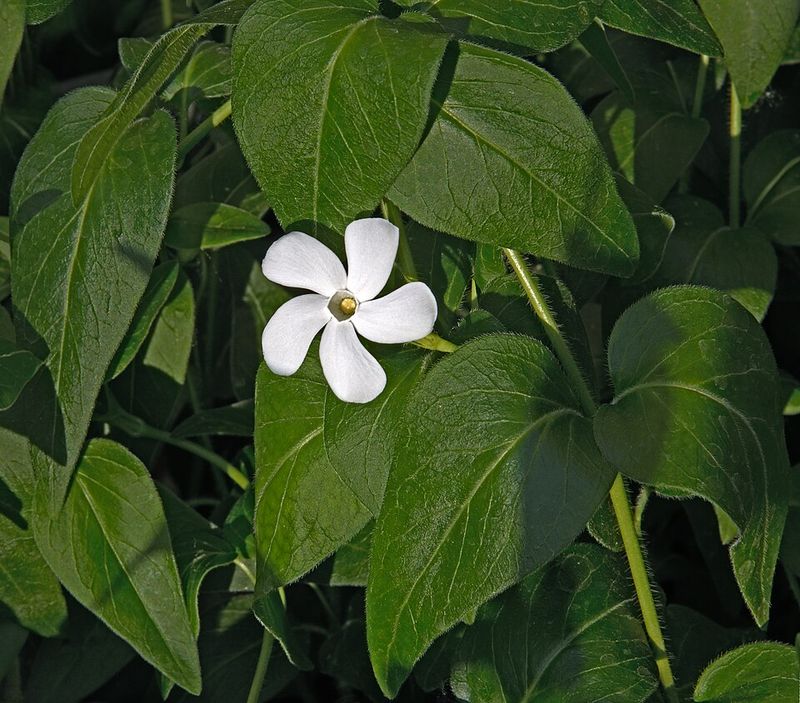
Steamy summers can flatten many bedding plants, but vinca tends to keep moving with impressive confidence. Glossy leaves stay neat, flowers keep opening in hot weather, and the plant rarely complains once it settles in.
For North Carolina gardeners dealing with sun-baked beds, that level of reliability is hard to ignore.
Good drainage matters more than rich soil, and full sun produces the strongest flowering. Vinca does not enjoy consistently wet conditions, so I avoid placing it where irrigation runs daily or clay stays soggy after storms.
In the right site, though, it becomes one of the easiest annuals to maintain through late season.
Modern varieties offer white, blush, rose, red, and bi-colored flowers, with sizes ranging from compact edging plants to larger mounding selections. That versatility makes vinca useful in foundation beds, curbside plantings, and containers that need a clean, uncluttered look.
It also combines well with spiky foliage and silver-toned leaves that sharpen the overall design.
Because the blooms are self-cleaning, deadheading is basically unnecessary, which saves time in larger plantings. Just keep an eye on overwatering, since too much attention usually causes more trouble than neglect.
When heat lingers into early fall, vinca still looks fresh and composed.
Black-Eyed Susan
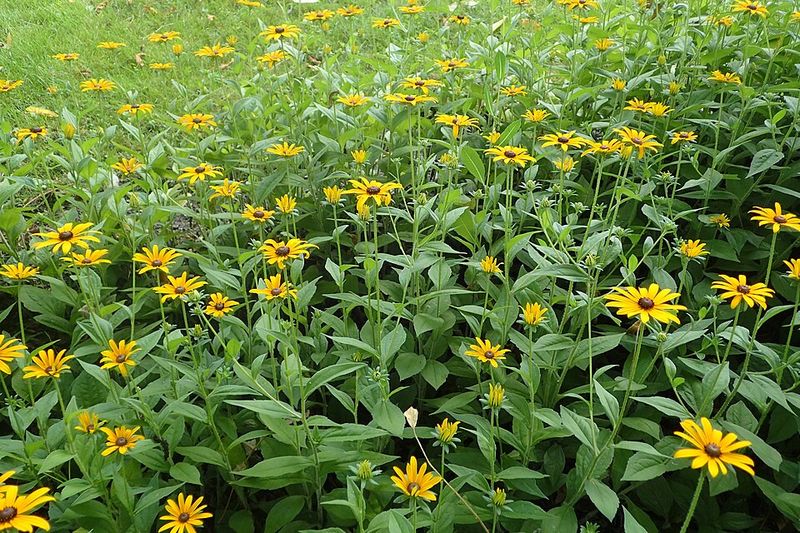
Golden petals and dark centers give black-eyed Susan a classic late-summer look that suits North Carolina beautifully. Once flowering begins, the display can carry strong color well toward fall, especially in sunny beds with decent drainage.
It is one of those plants that makes a garden feel cheerful even during the driest, hottest weeks.
Full sun keeps stems sturdy and flower count high, while average soil is usually enough for good performance. I like using it in areas that are not babied, because the plant often looks best when conditions are straightforward rather than overly rich.
Established clumps can also handle short dry spells better than many gardeners expect.
The warm yellow blooms pair naturally with ornamental grasses, purple salvia, blue asters, and coneflowers for a relaxed seasonal palette. Pollinators visit frequently, and seed heads later attract birds if you leave some standing into autumn.
That extra wildlife value adds interest after peak bloom has passed.
Deadheading extends the floral show, but you can also leave a few spent flowers for a looser, more naturalistic look. Every few years, divide crowded clumps to keep plants vigorous and blooming generously.
For a strong, dependable perennial that still feels lively in September, this one is a standout.
Gaura
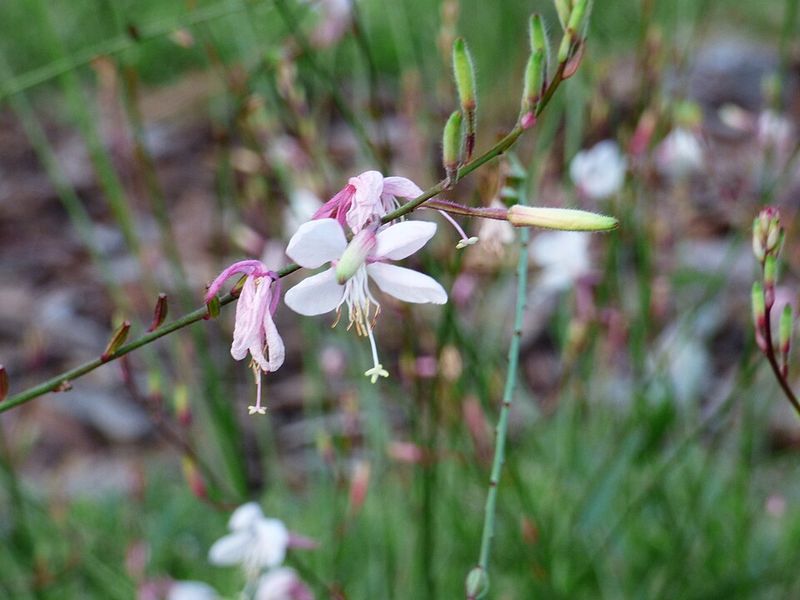
Airy stems topped with fluttering flowers give gaura a movement that heavier bloomers simply cannot match. In North Carolina gardens, it often starts strong in early summer and keeps sending up new wands well into fall.
That long performance is especially useful when borders need softness between bolder plants.
Sun and drainage are the main requirements, and too much fertilizer usually does more harm than good. Leaner soil keeps growth compact and helps stems stay from flopping all over nearby plants after a rainstorm.
I think gaura shines most in spots where the soil is not perfect and the heat is intense.
White and pink forms both work beautifully, especially beside coneflowers, salvias, coreopsis, and ornamental grasses. The small blooms read almost like butterflies at a distance, which gives the bed a light, floating texture even when flowers are not huge.
That quality makes gaura valuable in modern, cottage, and naturalistic designs alike.
If plants become too loose by midsummer, trim them back by about a third and they usually rebound nicely. Avoid wet winter soils if you are growing it as a perennial, since that can shorten its lifespan.
For graceful, extended bloom that never feels heavy, gaura is a great pick.
Calibrachoa
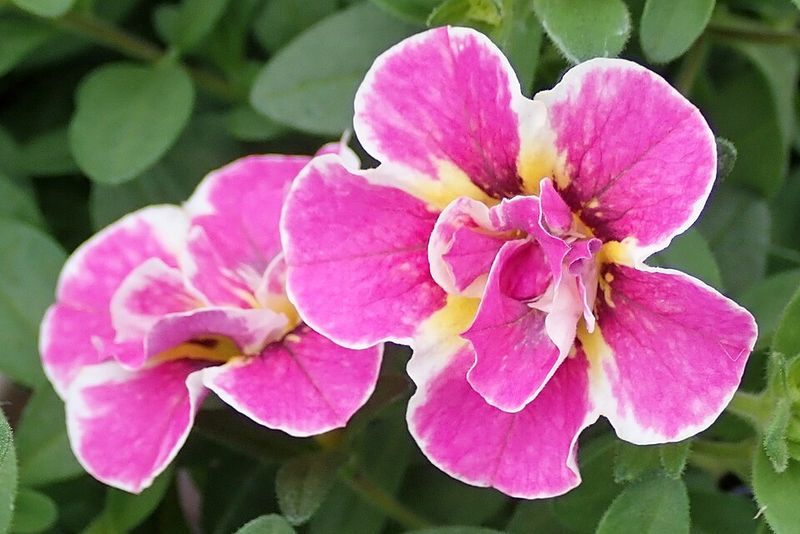
Containers can fade fast in North Carolina heat, but calibrachoa keeps baskets and pots looking freshly planted for months. Its small petunia-like flowers appear in huge numbers, creating a dense cascade of color from late spring into fall.
If you want a porch or patio to stay lively without constant deadheading, this plant earns serious consideration.
Full sun is ideal, though some afternoon shade can help in the hottest parts of the state. Consistent moisture matters more in containers than in beds, but drainage still needs to be excellent to prevent root problems during rainy stretches.
I also find that regular feeding is essential because heavy flowering quickly uses up nutrients.
The color range is enormous, from clear yellow and deep purple to striped, speckled, and sunset blends. That variety makes it easy to coordinate with house colors, container styles, or companion plants like sweet potato vine, verbena, and upright angelonia.
Trailing growth softens hard edges and gives even simple planters a fuller, more finished look.
When growth slows, a light trim and fresh fertilizer often restart the show within a week or two. Keep an eye on watering habits, since drought stress can reduce blooming quickly in summer.
For nonstop container color, calibrachoa is one of the best performers around.
Coneflower
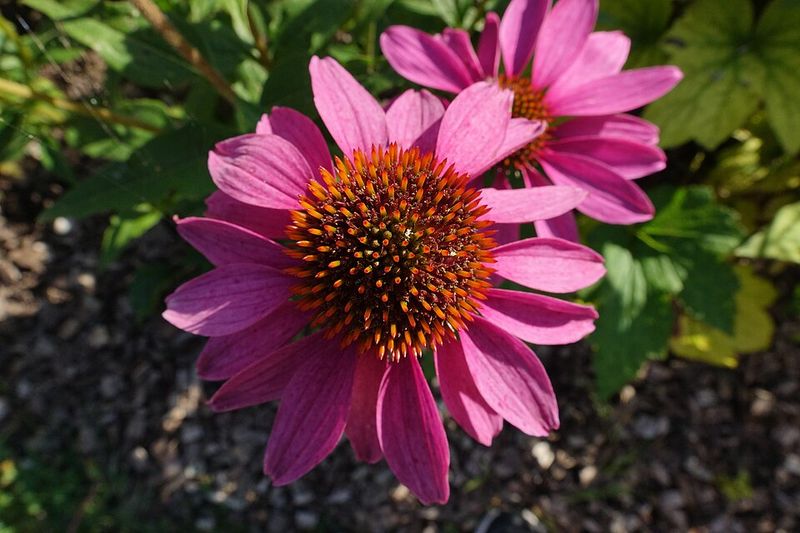
Few perennials handle North Carolina summers with as much staying power as coneflower. Large daisy-like blooms rise above sturdy stems for weeks, and newer varieties broaden the color range far beyond the classic purple.
If your goal is a bed that still looks intentional in late August, coneflower helps carry the whole scene.
Full sun produces the best flowering and strongest stems, while average to well-drained soil keeps plants happiest over time. Once established, coneflowers are fairly drought tolerant, which makes them practical for gardeners who cannot water constantly through every hot spell.
I avoid overfeeding them because rich conditions often create weaker, floppier growth.
Beyond their color, these flowers support bees, butterflies, and later even birds when seed heads are left in place. They mix easily with black-eyed Susan, salvia, gaura, and ornamental grasses for a long-season planting that feels cohesive instead of busy.
Shorter selections fit suburban borders nicely, while taller strains shine in more naturalistic spaces.
Removing spent flowers extends bloom, but leaving some heads for wildlife adds another layer of seasonal interest. Divide crowded clumps only when necessary, since mature plants often prefer being left alone.
For a dependable perennial with strong summer-to-fall presence, coneflower is hard to top.