
10 Pennsylvania Garden Plants That Look Expensive But Are Surprisingly Easy To Grow
Follow us on Google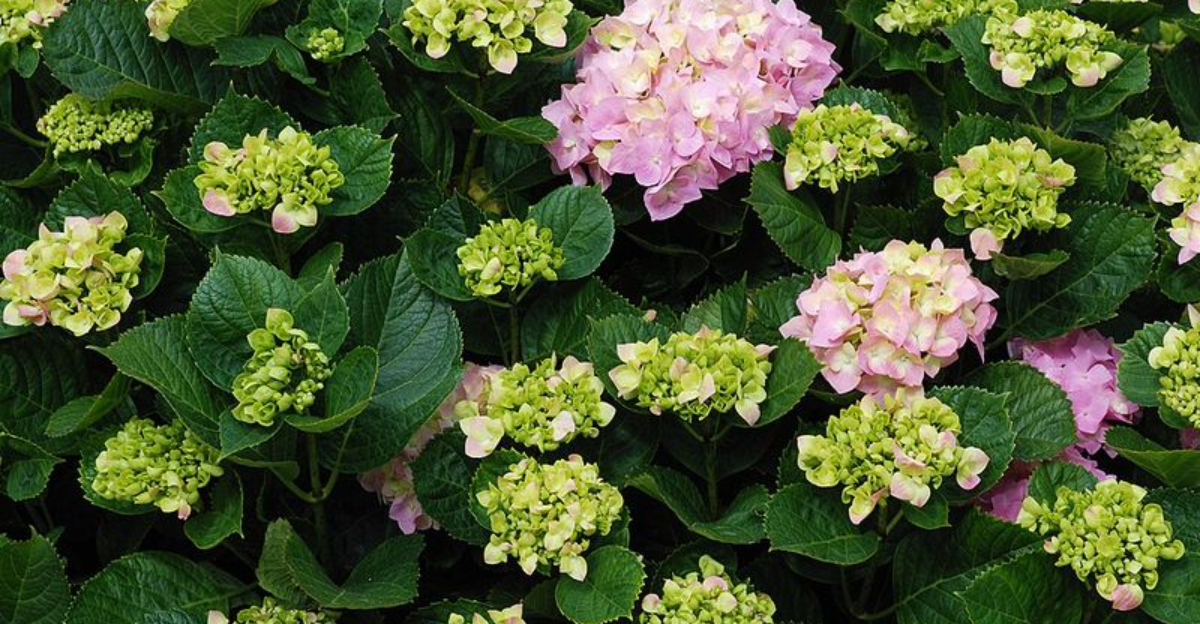
A polished garden does not have to come with a designer price tag or a weekend full of complicated chores. In Pennsylvania, plenty of plants deliver that high-end, curated look while asking for far less effort than their appearance suggests.
If you want borders, beds, and containers that look thoughtfully planted without becoming a second job, these picks make it wonderfully realistic. Each one brings strong visual payoff, dependable performance, and the kind of beauty that makes neighbors assume you hired help.
Peony
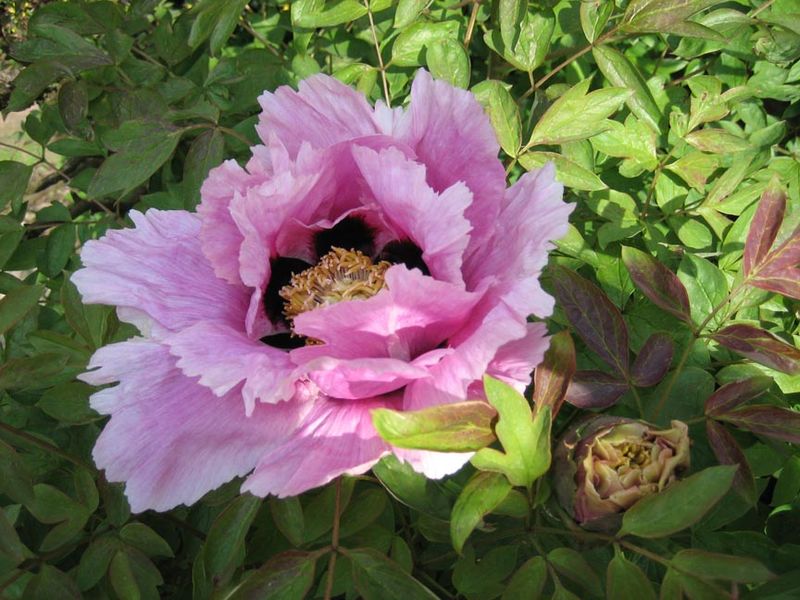
There is something about peonies that makes a garden feel established, graceful, and quietly expensive. Their oversized, ruffled blooms look like florist stems that belong in a wedding arrangement, yet the plants themselves are remarkably durable in Pennsylvania gardens.
Once planted in a sunny spot with decent drainage, they can thrive for years with very little intervention.
The main trick is getting the depth right, because the eyes should sit only slightly below the soil surface. Planting too deeply often leads to lots of leaves and very few flowers, which is a frustrating but avoidable mistake.
Beyond that, a little compost, occasional watering in dry weather, and support rings for heavy blooms are usually all they need.
Spring is when the real show begins, and it feels extravagant every single time. Thick buds open into huge blossoms that perfume the air and make even a small bed look thoughtfully designed.
The foliage also stays attractive after flowering, so the plant keeps contributing structure through summer.
If your goal is beauty without constant maintenance, this perennial earns its reputation. A peony asks for patience at first, then settles in and delivers dramatic flowers, reliable return, and that old-garden charm people often assume takes much more work.
Astilbe
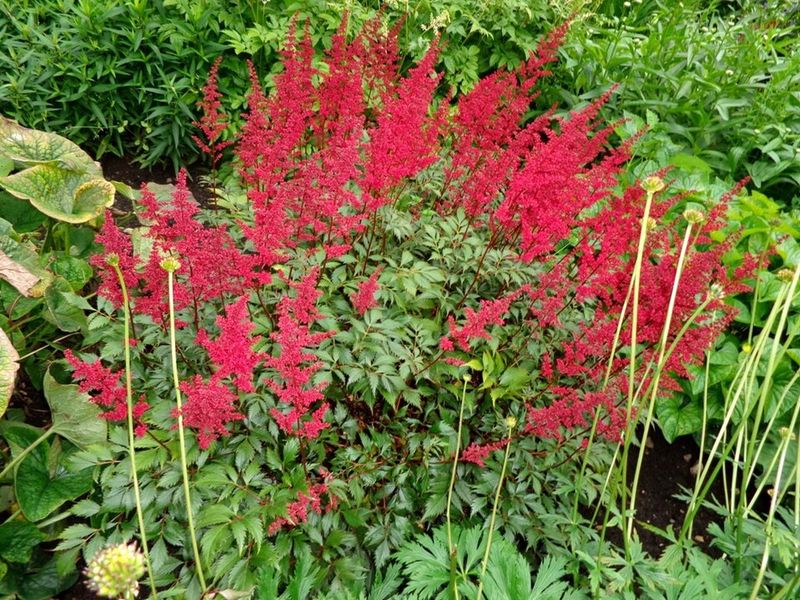
Shady spots can feel tricky, but astilbe makes them look intentional and surprisingly upscale. Its feathery plumes rise above fernlike foliage with a softness that reads more boutique garden than beginner planting.
In Pennsylvania, it performs beautifully in part shade and soil that stays consistently moist, making it a dependable choice for woodland edges and damp beds.
Regular watering is the biggest favor you can do for this plant, especially during hot stretches. When roots dry out too often, the leaves can crisp at the edges and the whole plant looks tired sooner than it should.
Add compost at planting time and mulch around the base, and maintenance stays refreshingly simple.
The color range is also useful if you like a layered, curated look. White varieties brighten darker corners, while rosy pinks and deep reds add that expensive contrast designers often chase in shaded borders.
Even after the flowers fade, the textured foliage keeps the space looking finished instead of empty.
Grouping three or five together creates the richest effect, almost like planted bouquets tucked through the garden. For anyone dealing with partial shade in Pennsylvania, astilbe is a practical shortcut to elegance.
It gives you height, texture, and romantic color without requiring constant dividing, deadheading, or expert-level attention.
Hellebore
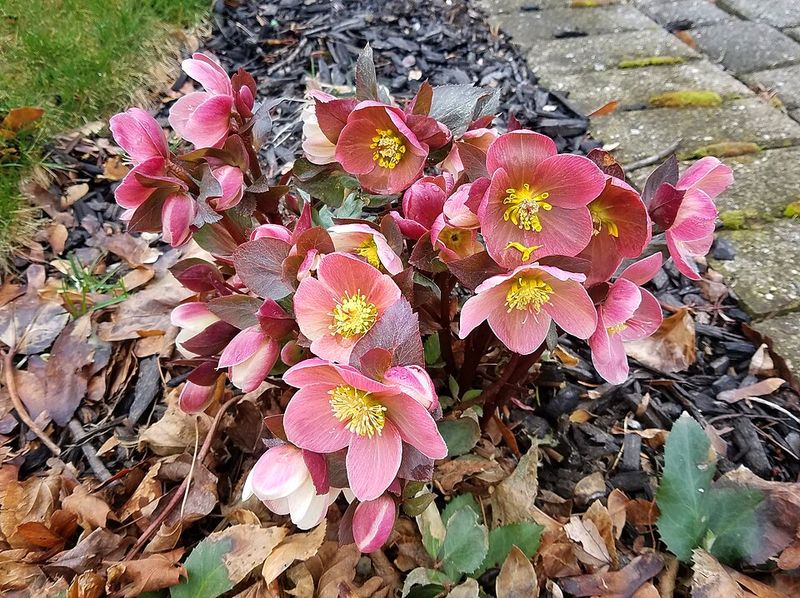
Cold-season interest can make a garden look far more sophisticated, and hellebores handle that job with impressive ease. Their nodding flowers appear when most beds still look half asleep, bringing creamy, plum, green, or dusky rose tones to Pennsylvania gardens in late winter and early spring.
That timing alone makes them feel special, like a hidden luxury planted by someone who really knows what they are doing.
Despite the refined look, these perennials are not needy. They prefer part shade, rich soil, and decent drainage, but once established they are surprisingly steady and tolerant.
Cutting away old leaves in late winter is the main cleanup task, and it takes only a few minutes per plant.
The flowers last for weeks, gradually changing color as the season moves along. Thick, leathery foliage stays attractive through much of the year, so you get value beyond bloom time.
Tucked near a walkway, under deciduous trees, or beside hostas, hellebores create that layered, collector-garden feel without asking for constant babying.
They are also useful in places where deer pressure makes other fancy-looking plants frustrating to grow. If you want beauty early, structure later, and very little fuss in between, hellebores are a smart investment.
Few perennials make a Pennsylvania garden look this polished while asking so little in return.
Hydrangea
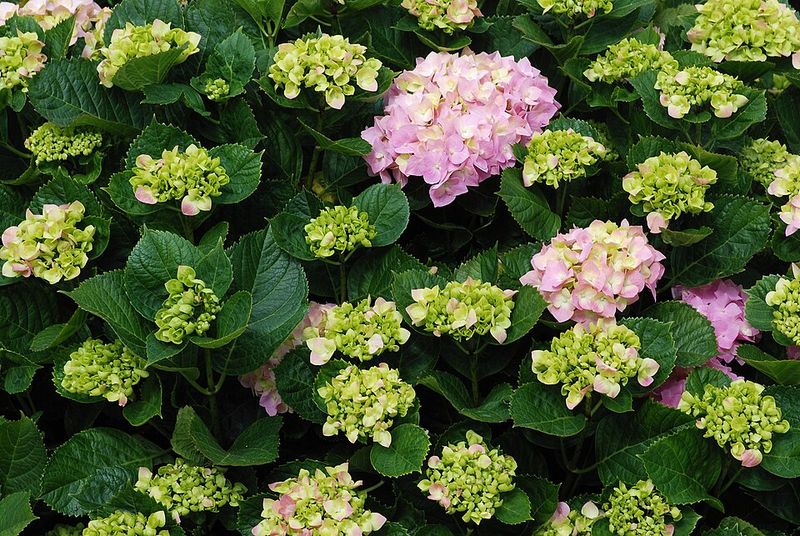
Few shrubs give a yard that polished, high-budget look faster than hydrangeas, and they are far easier to manage than many gardeners expect. In Pennsylvania, they settle in well when planted in morning sun with afternoon shade and evenly moist soil.
Bigleaf, panicle, and smooth types all perform nicely, so you can choose rounded mopheads or cloudlike white blooms depending on your style.
Good watering during the first season matters most, especially through summer dry spells. After that, a layer of mulch and a simple spring feeding usually keep growth strong without much fuss.
Pruning depends on the type, so checking the plant tag helps you avoid cutting off next year’s flowers by accident.
The effect feels instantly refined near a porch, along a fence, or anchoring a mixed border. Even one mature plant can make the whole space look planned and expensive, especially when the flower heads dry softly into autumn.
Color shifts from pink to blue can also feel like a fun bonus if your soil chemistry cooperates.
If you want reliable impact with very little drama, this is a smart place to start. A healthy hydrangea rewards basic care with oversized blooms, sturdy structure, and a garden presence that looks far more demanding than it really is.
Salvia
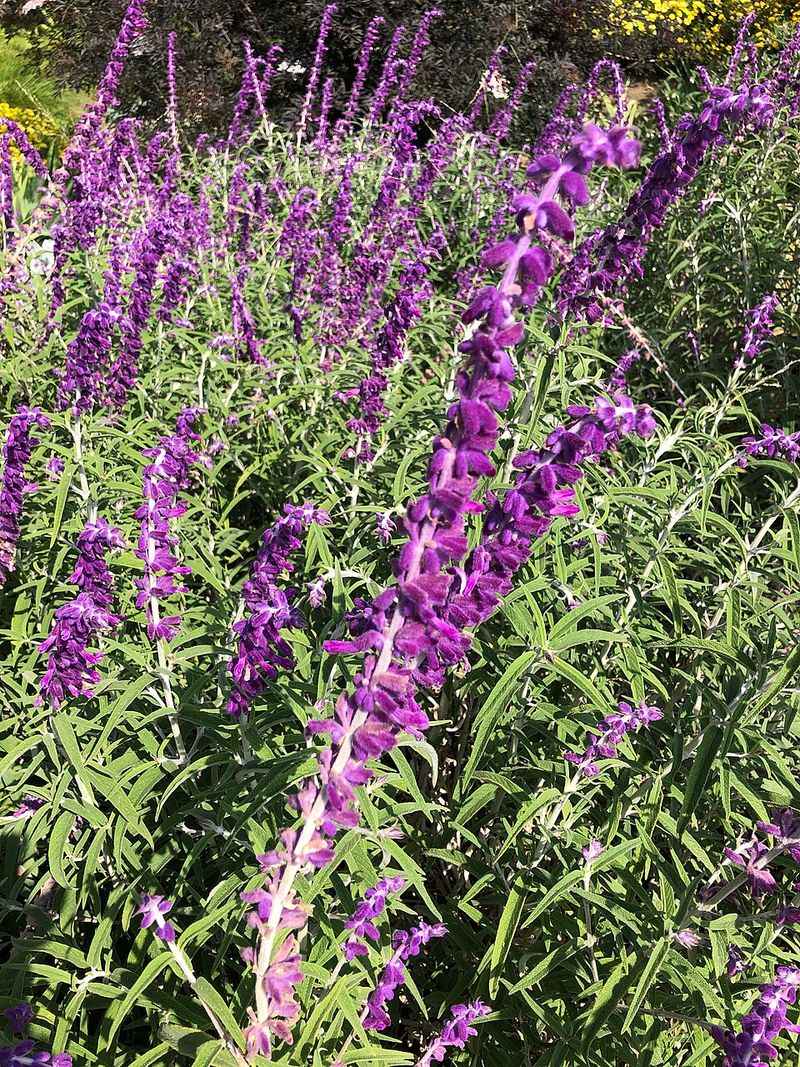
Spikes of salvia bring the kind of color rhythm that makes a border look professionally designed. The upright flowers in violet, blue, pink, or white weave beautifully through roses, catmint, and ornamental grasses, giving Pennsylvania gardens that layered, magazine-ready feel.
Better still, this perennial handles heat, average soil, and busy schedules with very little complaining.
A sunny site with drainage is the key to keeping it happy. Once roots are established, salvia is fairly drought tolerant and does not need pampering through every dry week.
Shearing spent blooms after the first flush often brings on another round of flowers, which is one of the easiest garden tasks you can do.
Pollinators love it, so the bed quickly feels lively as bees and butterflies move through the stems. The foliage often has a pleasant scent, and deer tend to leave it alone, which saves plenty of frustration.
That combination of color, structure, and resilience makes it especially valuable in front borders and sidewalk plantings.
Massing several plants together creates the richest effect, almost like purple brushstrokes across the garden. For a high-end look that does not demand much water or constant staking, salvia is hard to beat.
It offers long bloom time, reliable form, and crisp color without acting precious.
Coral Bells
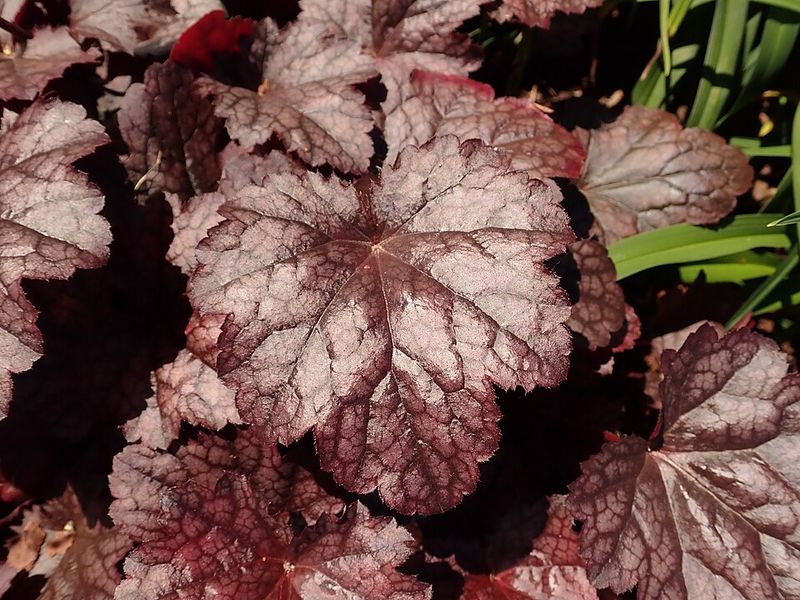
Foliage often does more to make a garden look expensive than flowers do, and coral bells prove that point beautifully. Their leaves come in rich shades of plum, caramel, silver, amber, lime, and near-black, which gives beds a collected, designer feel even when nothing else is blooming.
In Pennsylvania, they are especially useful for edging paths, filling containers, and stitching together sun to part-shade borders.
Good drainage matters, but beyond that they are refreshingly easy to live with. A little compost, steady moisture during establishment, and light cleanup in spring are usually enough to keep them looking sharp.
Small flower wands rise above the foliage in season, yet the real star is the leaf color holding steady month after month.
Mixing two or three contrasting varieties can make a simple bed look custom planned. They pair nicely with hostas, ferns, salvia, and hydrangeas, and they help soften the gaps that often make young gardens look unfinished.
Because the plants stay relatively tidy, they rarely need the kind of constant trimming that turns pretty foliage into extra work.
When you want lasting color without relying on nonstop blooms, coral bells are a smart answer. They bring texture, contrast, and a subtle luxury that makes ordinary borders feel more intentional with very little effort.
Clematis
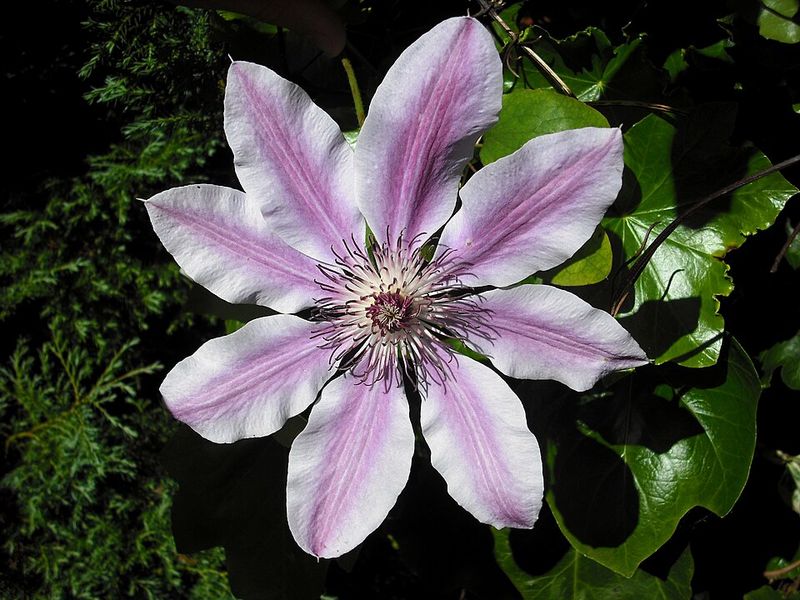
Vertical flowers can make even a modest yard feel custom designed, and clematis is one of the easiest ways to get that effect. The blooms look delicate and expensive, yet many varieties grow happily in Pennsylvania with surprisingly little maintenance.
Trained over an arbor, mailbox post, fence, or simple trellis, this vine adds height and polish without taking much ground space.
The old advice still works well: give it sun for the top and cooler conditions around the roots. A mulch layer or nearby low-growing plants help shade the base, while regular watering during establishment keeps growth steady.
Picking the right pruning group is helpful, but plenty of gardeners succeed simply by choosing a clearly labeled, easy-care variety and following the tag.
Flower size and color options are broad, so you can lean dramatic with deep purple stars or keep things softer with white and blush tones. Even one vine can turn a plain structure into a focal point, which is why clematis often makes a garden feel more expensive than it actually is.
The visual payoff is huge compared with the work involved.
For smaller Pennsylvania yards, this is an especially smart plant because it builds upward instead of outward. You get romance, color, and architectural interest from a plant that mostly wants support, sunlight, and a little patience.
Japanese Forest Grass
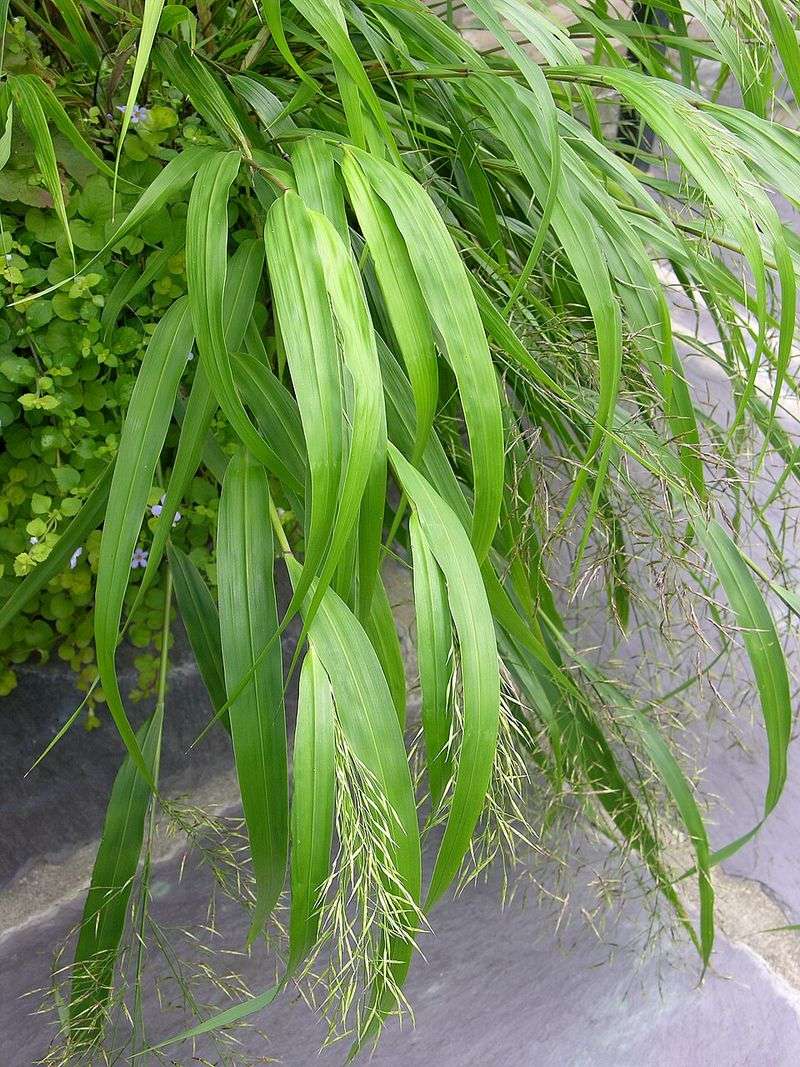
Movement in a planting bed can make the whole garden feel more refined, and Japanese forest grass does that with almost no effort. Its arching blades spill in soft mounds that catch light beautifully, adding the kind of texture you usually notice in professionally designed landscapes.
In Pennsylvania, it performs best in part shade with soil that stays evenly moist and rich in organic matter.
Unlike fussier ornamentals, this grass is mostly about placement rather than ongoing maintenance. Once it settles in, the care routine is wonderfully simple: water during dry stretches, mulch lightly, and cut back old growth before fresh blades emerge in spring.
That is a small price for a plant that instantly softens stone, brick, and hard edges.
Golden cultivars are especially effective for brightening darker corners and making nearby flowers stand out more. Planted along a path or beneath shrubs, the cascading shape creates a layered look that feels intentional and quietly luxurious.
It also pairs well with hostas, hellebores, and ferns, helping shade gardens look complete instead of patchy.
There is a calm elegance to this plant that photographs beautifully and reads as expensive in person. If you want a polished Pennsylvania garden without constant dividing or fussy grooming, Japanese forest grass gives you texture, motion, and designer style in a very manageable package.
Bee Balm
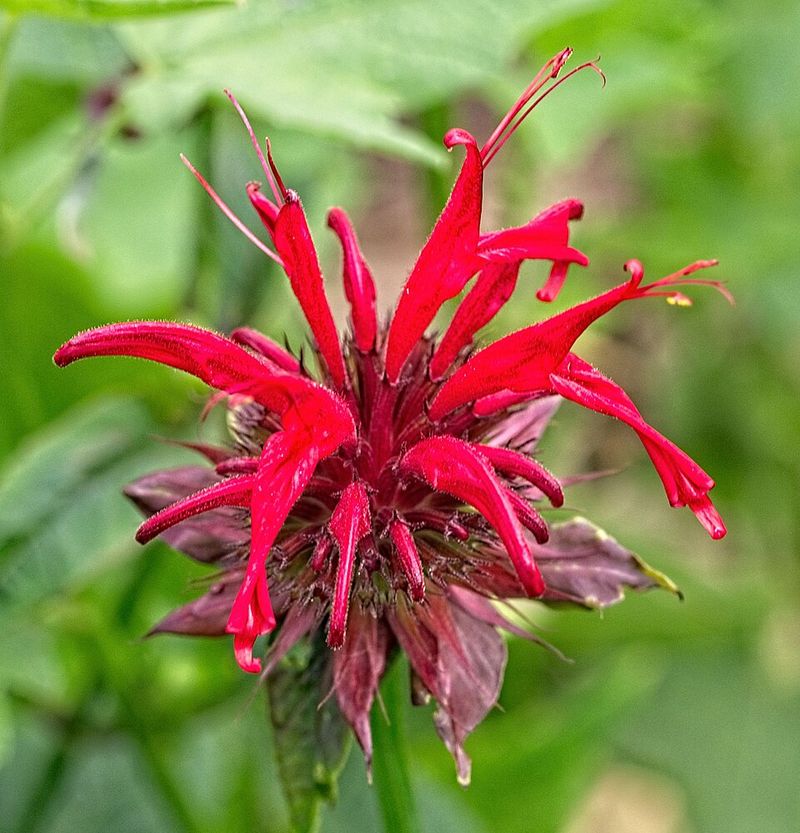
Bold summer color can look extravagant when it is planted with confidence, and bee balm delivers that effect fast. The shaggy blooms have a vivid, almost artistic shape that catches attention from across the yard, especially in shades of crimson, magenta, lavender, and soft pink.
In Pennsylvania gardens, it grows readily in sun and gives beds that full, generous look people often associate with mature cottage-style designs.
Good air circulation and resistant varieties help reduce powdery mildew, which is the main issue gardeners mention. Outside of that, this perennial is straightforward: plant it in decent soil, water it while young, and divide clumps every few years if they spread too enthusiastically.
Pollinators arrive almost immediately, and that constant movement adds another layer of garden charm.
Hummingbirds are especially fond of it, so patios and sitting areas benefit from having some nearby. The flowers also mix well with ornamental grasses, black-eyed Susans, and salvias, creating a rich planting that feels both lively and composed.
That big color presence makes it useful when a border needs impact without expensive annuals filling every gap.
Cutting back spent blooms can tidy the plant and sometimes encourage more flowering later in the season. For gardeners who want showy results, wildlife activity, and easy growth in Pennsylvania, bee balm offers a polished look with pleasantly manageable care.
Allium
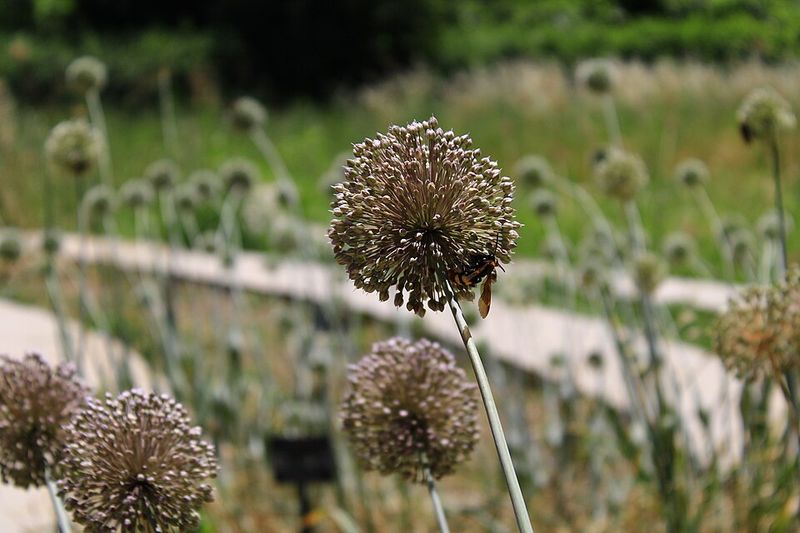
Round allium blooms have a sculptural quality that makes a planting look curated almost instantly. Floating above the border on tall stems, the flower heads read like living garden ornaments, especially in purple, white, and rosy tones.
Pennsylvania gardeners can grow many ornamental alliums easily, and the bulbs ask for much less than their elegant appearance suggests.
Planting happens in fall, which already makes them feel low effort because the work is done long before spring gets busy. They prefer sun and good drainage, and after that there is not much to worry about beyond resisting the urge to cut back foliage too early.
Those leaves help feed the bulb for next year’s display, even if they look a bit untidy for a short time.
Once the blooms appear, the effect is striking and architectural. They pair especially well with peonies, catmint, salvia, and early roses, rising above softer plants like punctuation marks in the design.
Even after the flowers fade, dried seed heads can look surprisingly attractive and extend the visual value.
Because bulbs return with so little seasonal work, alliums are a smart choice for gardeners who want sophistication without a maintenance spiral. A cluster planted in the right spot gives spring borders a crisp, high-end feel that far outweighs the simplicity of growing them.