
Why More Georgia Gardeners Are Swapping Boxwoods For Native Shrubs
Follow us on Google
Georgia gardeners are getting practical about what really thrives in Southern yards, and boxwoods are no longer the automatic choice. Rising pest pressure, unpredictable weather, and the desire for easier care are pushing many homeowners toward shrubs that already belong here.
Native options are proving they can look polished, handle the heat, and support local wildlife at the same time. Once you see how well they fit Georgia conditions, the swap starts to make a lot of sense.
Boxwoods struggle more in Georgia’s changing climate
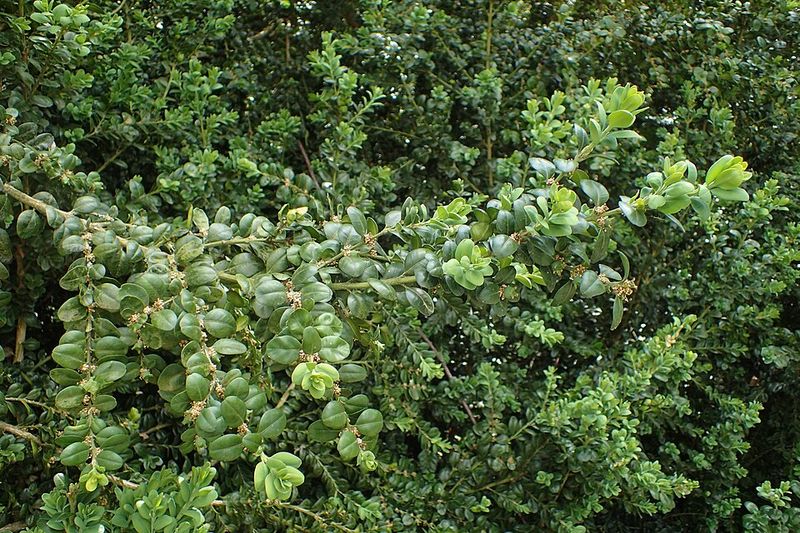
Across Georgia, many yards are asking boxwoods to perform in conditions they were never especially suited to handle. Long stretches of heat, sudden cold snaps, and high humidity create stress that builds quietly, then shows up as bronzing, thinning, and dieback.
You can baby them with extra care, but plenty of gardeners are deciding that effort no longer feels worthwhile.
Native shrubs enter the picture with a built in advantage. They evolved alongside the region’s weather patterns, soils, insects, and rainfall swings, so they tend to settle in faster and stay steadier through difficult seasons.
That matters when a foundation planting needs to look reliable in July, not just decent for a few spring weeks.
Many homeowners still want structure, neat lines, and four season presence. The good news is that native choices like inkberry, Virginia sweetspire, and oakleaf hydrangea can provide form without constant rescue work.
Instead of reacting to problems every few months, you get a landscape that behaves more predictably.
For busy households, that shift feels practical rather than trendy. When plants suit the site, you spend less time correcting stress and more time enjoying the yard.
That is a big reason native shrubs are replacing boxwoods across Georgia neighborhoods.
Native shrubs handle pests with less intervention
One major reason gardeners are moving on from boxwoods is simple: pest problems are exhausting. Boxwood leafminer, box tree moth concerns, mites, and decline issues can turn a tidy hedge into a monitoring project you never asked for.
If you are tired of inspecting leaves and second guessing every patch of discoloration, you are not alone.
Native shrubs usually do not promise total freedom from insects, but they often avoid the nonstop drama. Because they developed within local ecosystems, they are better matched to the checks and balances already present in Georgia landscapes.
That balance means fewer emergency treatments and less pressure to keep a spray schedule just to maintain appearances.
There is also a mental shift that many gardeners appreciate. Instead of viewing every insect as a threat, you start recognizing which visitors are harmless, beneficial, or simply part of a healthy yard.
Native shrubs support caterpillars, pollinators, and birds without collapsing the moment something chews a leaf.
That makes maintenance feel more reasonable. You can still keep a polished landscape, but it does not depend on constant intervention.
For homeowners who want beauty without turning gardening into pest management homework, native shrubs are an easy sell.
They fit Georgia soils better
Georgia soil can humble even experienced gardeners. In one neighborhood you might have hard red clay that holds water, while a few miles away the ground drains fast and turns dry quickly.
Boxwoods often demand more site correction than people expect, especially when drainage is imperfect.
Native shrubs tend to meet those conditions with less complaint. Species that naturally occur in the state have already adapted to local pH ranges, seasonal moisture changes, and the uneven fertility many suburban yards inherit after construction.
That does not mean you can ignore planting basics, but it does mean success usually starts on firmer ground.
Take summersweet for damp spots or sparkleberry and beautyberry for tougher areas with less pampering. Instead of forcing one traditional shrub into every bed, gardeners are learning to match plant to place.
That approach saves money on amendments, reduces replanting, and lowers frustration after heavy rain or a hot dry spell.
It also creates healthier roots, which support healthier plants over time. When shrubs settle naturally into Georgia soil, they need fewer corrections and bounce back faster from stress.
For homeowners who want landscapes that work with the yard rather than against it, natives are a sensible upgrade.
Wildlife value matters more than it used to
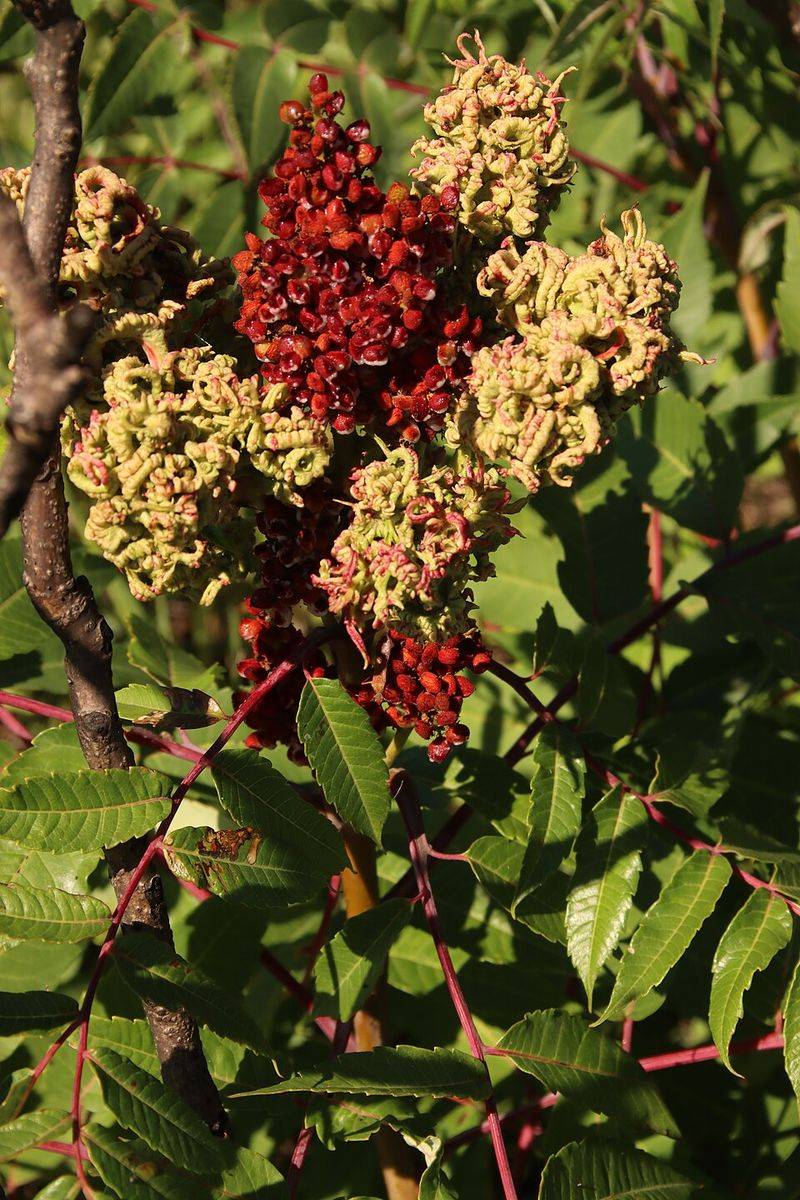
More Georgia gardeners want their landscapes to do something beyond looking neat from the street. A shrub border can now be expected to feed pollinators, shelter birds, and contribute to a healthier backyard food web.
Boxwoods, while useful for structure, offer relatively little compared with native shrubs that flower, fruit, and host insects.
That added value changes how people shop for plants. Beautyberry produces vivid berries that birds notice, Virginia sweetspire draws pollinators with fragrant blooms, and native hydrangeas create habitat while still looking refined near patios and entryways.
You are not giving up beauty when you choose these plants, you are adding a second job they perform well.
Families often notice the difference quickly. A yard with native shrubs tends to feel more alive because movement returns to the garden, from bees working flowers to birds hunting caterpillars for nestlings.
Even small suburban lots can become more interesting when shrubs support seasonal activity instead of acting as static filler.
That shift has emotional appeal as well as environmental value. Many gardeners like knowing their choices are helping local species without making the landscape look messy.
Native shrubs offer that balance, which is why they keep replacing boxwoods in thoughtful Georgia plantings.
Lower pruning needs are a huge selling point
Anyone who has maintained boxwoods for a few seasons knows the shape does not hold itself. To keep that formal look, regular clipping becomes part of the calendar, and missed timing can leave shrubs uneven or stressed.
Many Georgia gardeners are stepping away from that routine and choosing shrubs with naturally attractive forms.
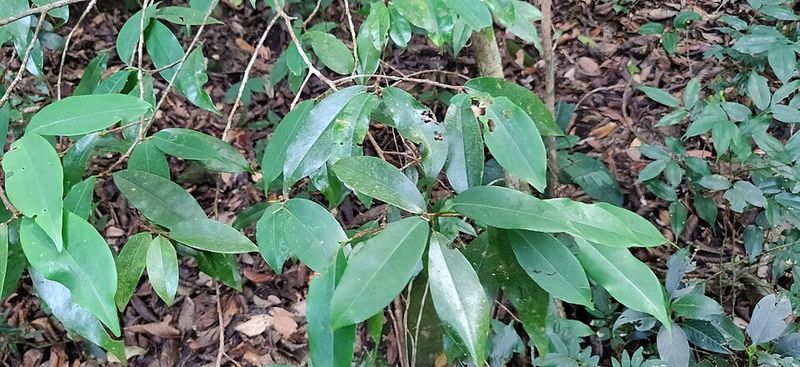
Native selections often look best with minimal pruning. Inkberry can provide evergreen presence without the constant shearing that boxwoods invite, while fothergilla and oakleaf hydrangea develop appealing shapes when allowed to grow more naturally.
That means less labor, fewer brown cut edges, and a softer look that still feels intentional.
This matters even more for people maintaining larger properties or multiple foundation beds. A landscape that requires only occasional thinning or size control is easier to manage through long summers and busy weekends.
You save time, and the plants usually stay healthier because they are not repeatedly pushed into unnatural outlines.
There is also more room for seasonal character. Flowers, berries, and fall color show up better when shrubs are not clipped into stiff geometry every few weeks.
For homeowners who want order without turning Saturday into hedge duty, native shrubs bring real relief.
Disease worries are pushing gardeners to diversify
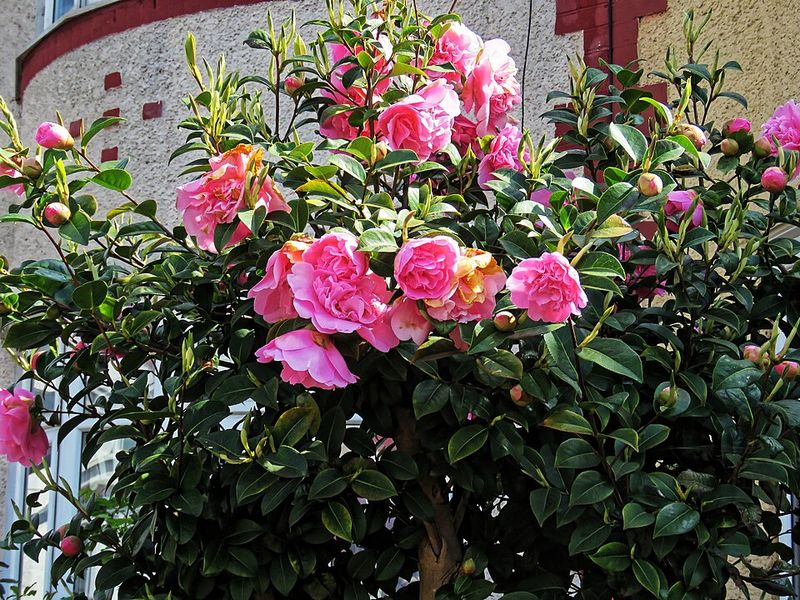
Planting long rows of one shrub used to feel safe because the look was predictable and easy to repeat. Now, more gardeners understand that heavy reliance on boxwoods can make a landscape vulnerable when disease or decline shows up.
Once several shrubs begin failing together, the cost and visual damage add up fast.
Native shrubs encourage a more diverse planting style, and that diversity is a practical defense. By mixing evergreen and deciduous species with different growth habits and bloom times, you reduce the chance that one issue wipes out an entire section of the yard.
The result usually looks richer too, especially through seasonal changes.
Garden centers and landscape designers in Georgia are responding to that concern by suggesting combinations instead of monocultures. A foundation bed might pair inkberry with dwarf yaupon holly, sweetspire, and oakleaf hydrangea for structure, flowers, and stronger resilience.
If one plant struggles, the whole design does not fall apart.
That flexibility appeals to homeowners who have already replaced failed boxwoods once and do not want a repeat. A diversified planting asks you to think differently, but it often pays off with lower risk and better visual interest.
Native shrubs fit that smarter strategy very well.
Native shrubs recover better after weather extremes
Georgia weather rarely stays gentle for long. A week of heavy rain can be followed by intense heat, and winter can still throw a sharp freeze into the mix.
Boxwoods often show stress after these swings, especially when roots sit too wet or new growth is hit at the wrong time.
Many native shrubs are simply better equipped for those resets. They have lived with regional weather patterns for generations, so they tend to rebound more confidently after storm damage, drought periods, or temperature whiplash.
That resilience does not make them indestructible, but it does reduce how often a rough season becomes a permanent setback.
Gardeners notice this most in mixed beds where native shrubs regain color and momentum while traditional boxwoods keep sulking. Virginia sweetspire can recover beautifully, and oakleaf hydrangea often pushes through stress with surprising grace once conditions stabilize.
That kind of bounce back matters if you want a yard that does not need replacing after every extreme spell.
It also changes how secure the investment feels. Shrubs are not cheap, and repeated losses get old quickly.
Choosing plants with a stronger natural response to Georgia’s weather gives homeowners more confidence that the landscape will still look good next year.
They still deliver a polished, designed look
A common hesitation shows up right away: people worry native shrubs will make the yard look wild or informal. That concern fades once they see how many regional plants can be used in clean, structured designs.
You can absolutely create crisp foundation plantings, defined borders, and upscale curb appeal without relying on boxwoods.
Design is really about form, repetition, texture, and scale, not about one traditional species. Inkberry offers evergreen mass, dwarf yaupon holly brings dependable shape, and native hydrangeas add strong leaves with seasonal flowers.
Used thoughtfully, these shrubs create the kind of order homeowners want while avoiding the rigid sameness that can make landscapes feel dated.
There is also more opportunity for character. Fall color, berries, fragrance, and subtle shifts in texture give a native planting visual depth that clipped boxwoods rarely provide.
A front entry can still look formal, but it feels warmer and more connected to the region.
That balance is winning people over in established neighborhoods and newer developments alike. Homeowners are realizing that polished does not have to mean traditional in the narrowest sense.
Native shrubs can look refined, intentional, and distinctly Southern without the maintenance baggage that often comes with boxwoods.
Gardeners want plants with a stronger sense of place
There is a design shift happening that goes beyond maintenance charts and pest reports. More homeowners want landscapes that actually look like they belong in Georgia, not plantings copied from a catalog that could be anywhere.
Native shrubs help create that sense of place because their texture, bloom timing, and seasonal character feel grounded in the region.
Oakleaf hydrangea is a perfect example. Its bold leaves, white flower panicles, and rich fall color feel unmistakably at home in Southern landscapes, especially under pines or near shaded porches.
The same is true for sweetspire along a woodland edge or beautyberry where late season color can carry a bed after summer flowers fade.
That regional identity often makes a yard more memorable. Instead of repeating the same clipped evergreen pattern seen on every block, gardeners can build spaces that reflect local ecology and still satisfy neighborhood expectations for order.
The result feels personal without becoming fussy or hard to manage.
For many people, that is the real appeal of moving past boxwoods. They are not just replacing one shrub with another, they are choosing a landscape that feels more connected to home.
Native shrubs make that connection visible in a very practical way.
The best replacements depend on the job each shrub needs to do
The smartest swaps happen when gardeners stop asking for a single universal replacement. Boxwoods have been used for hedges, foundation massing, formal accents, and low borders, so the right native substitute depends on the role you need filled.
Once that question is clear, the options become much more useful and much less overwhelming.
For evergreen structure, inkberry and dwarf yaupon holly are often strong candidates in Georgia landscapes. If you need flowers and seasonal color, oakleaf hydrangea, Virginia sweetspire, and fothergilla can bring more visual interest than boxwoods ever offered.
Damp areas may suit summersweet, while sunnier, tougher spots can work well with beautyberry or sparkleberry.
This is where local observation helps. Notice how much sun the bed gets, how quickly water drains, how large the mature plant can be, and how formal you want the finished look.
Matching those details beats choosing by habit, and it usually prevents the regret that comes from installing another shrub that never really fits.
That mindset explains why native shrubs are gaining momentum across Georgia. Gardeners are no longer asking what has always been planted there.
They are asking what will thrive there, look good, and demand less trouble over time.