
10 Native Trees That Handle Windy Coastal Florida Conditions Better Than Most
Follow us on Google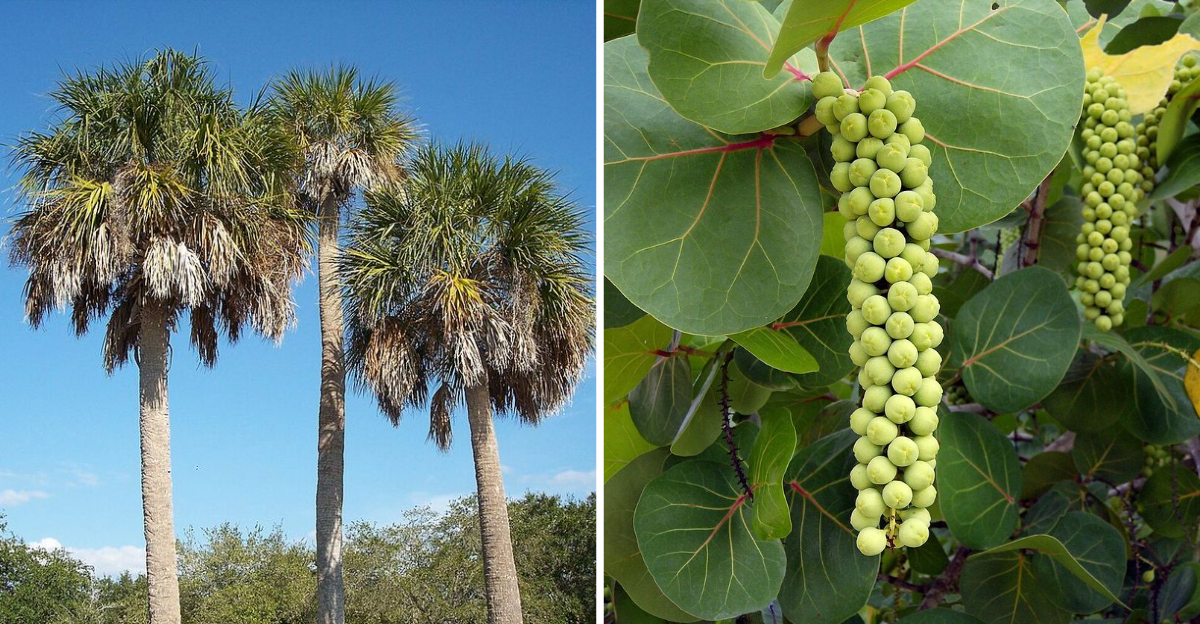
Coastal Florida can be brutal on trees, with salty air, sandy soil, and steady wind wearing down anything that is not built for the job. The good news is that plenty of Florida natives have already figured out how to thrive in exactly those conditions.
If you want a yard that looks good without constant replacement planting, these are the trees worth knowing. Each one brings its own mix of strength, shade, wildlife value, and storm-season reliability.
Live Oak
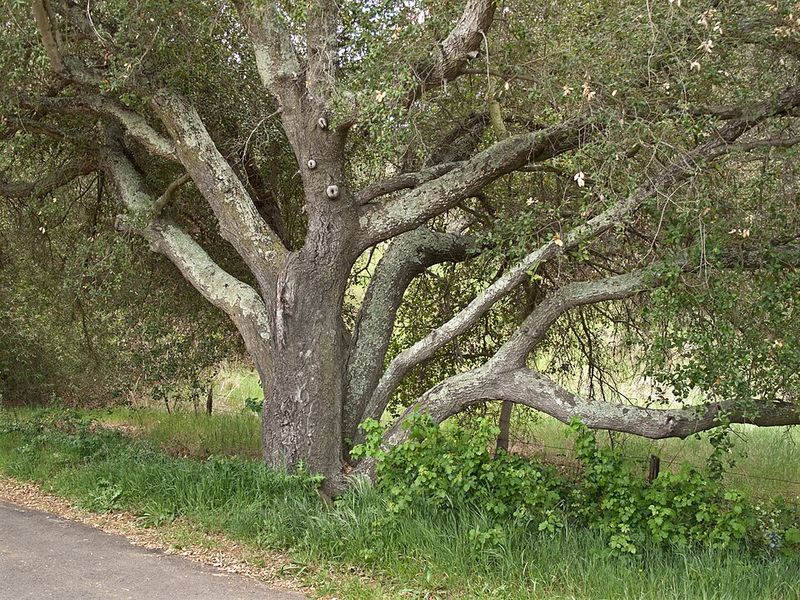
Few trees earn trust along the Florida coast like this one. Its massive, low-sweeping limbs and dense wood help it handle regular wind far better than many fast-growing ornamentals people regret later.
You get deep shade, a classic Southern silhouette, and a tree that often looks more grounded after a storm than everything planted around it.
Salt spray tolerance is moderate rather than extreme, so placement matters. I would give it some distance from the open surf and let buildings, dunes, or other plantings buffer the harshest salt.
Once established, it copes well with sandy soils if you water deeply during the first year and avoid overfertilizing, which can push weak, overly lush growth.
Pruning should focus on structure early, especially if you want strong scaffold limbs above a driveway or patio. You do not need to fuss over it constantly, but you should give it room, because crowding a live oak is a mistake that shows up years later.
If you want a long-term anchor tree that feels timeless and handles windy coastal conditions with surprising grace, this one is hard to top.
Sand Live Oak
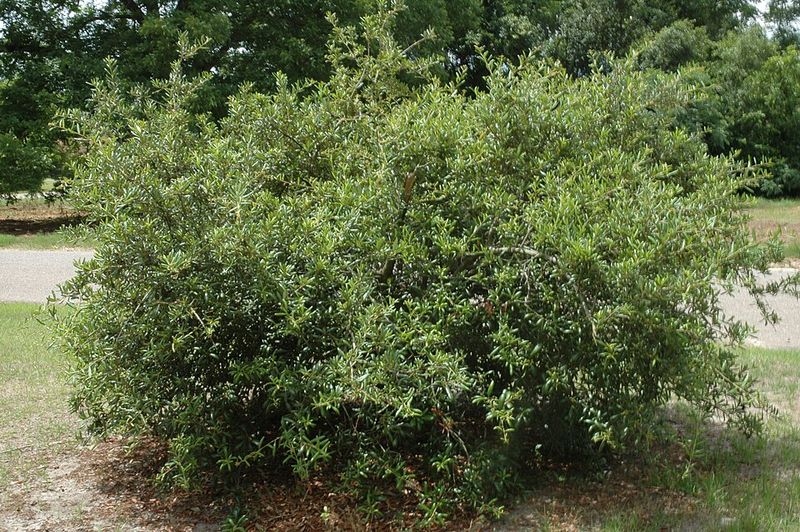
Smaller spaces near the coast often need a tree that can take wind without dominating the whole yard. This oak fits that role beautifully, keeping a denser, more compact form than its larger cousin while still bringing the same sturdy character.
It is especially useful where blowing sand, lean soils, and exposed conditions make fussy trees fail fast.
You will often see its branches naturally shaped by prevailing wind, which gives it a sculptural look that feels right at home near beaches and barrier islands. Because it stays lower and tighter, there is usually less chance of huge limbs overreaching roofs or power lines.
That makes it easier to manage in compact coastal neighborhoods where every planting choice has to earn its spot.
Establishment is straightforward if you resist the urge to baby it too much. Deep watering at first, wide mulch kept off the trunk, and minimal fertilizer usually produce better results than constant tinkering.
I like it as a screening tree, a small shade tree, or a naturalistic accent that looks as if it belongs there. For windy coastal Florida lots, it is one of the smartest native choices people overlook.
Southern Red Cedar
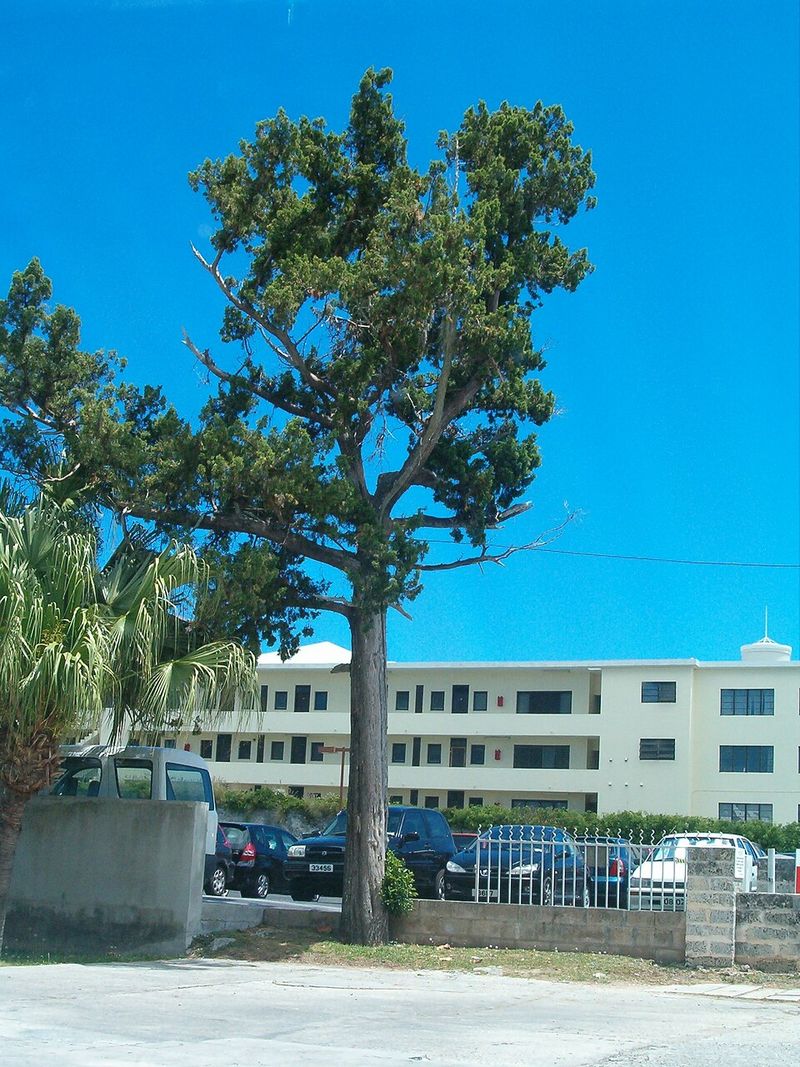
Need a native evergreen that stands up to wind and still looks neat year-round? This cedar has a naturally narrow, upright habit that works well where broad canopies feel too risky or too large.
Its flexible branching and tolerance for coastal exposure make it a dependable choice for privacy, habitat, and vertical structure in a breezy landscape.
Birds appreciate the berry-like cones, and that wildlife value is a real bonus if you want your yard to feel alive instead of staged. You also get better salt tolerance than many inland evergreens, especially when the tree is not planted directly in the harshest beachfront blast zone.
In sandy sites, it usually settles in well as long as drainage is decent and the root zone is not constantly overwatered.
The biggest mistake people make is crowding several too closely and then ignoring airflow. Give each one room to mature, and you will reduce stress and keep the lower canopy fuller for longer.
I also like using it as a wind filter rather than a solid wall, since that tends to work better in stormy weather. For coastal Florida properties that need a native screen with real toughness, this one deserves serious consideration.
Cabbage Palm
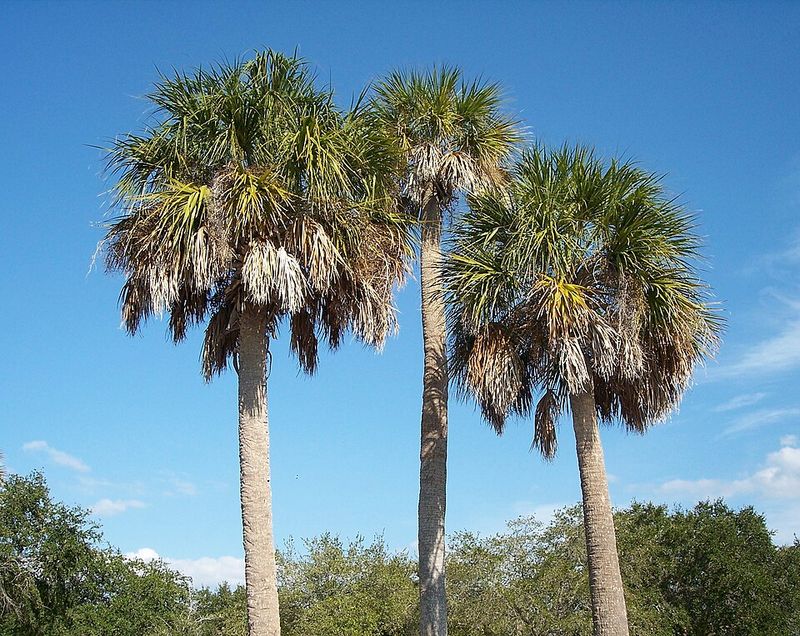
Sometimes the best answer for a windy coastal yard is not a broad shade tree at all. This iconic Florida native is built for exposure, with a flexible trunk and crown that can move with storms instead of fighting every gust.
That natural give is a big reason it remains one of the most reliable choices near salt, sun, and sandy ground.
You probably know it as the state tree, but its practical strengths matter more than the title. It tolerates poor soils, periodic drought once established, and salty conditions better than many homeowners expect.
In a front yard where turf struggles and sea breeze never seems to stop, a few well-placed cabbage palms can create height and rhythm without adding a high-maintenance headache.
Good planting technique matters, especially because palms are often installed poorly. Set it at the right depth, avoid piling soil against the trunk, and water consistently during establishment without turning the site soggy.
Old fronds can be left until they brown naturally, which helps the palm stay healthier and avoids the over-pruned look seen in many commercial landscapes. If you want a native that reads unmistakably Floridian and handles coastal wind with confidence, this one is an easy pick.
Slash Pine
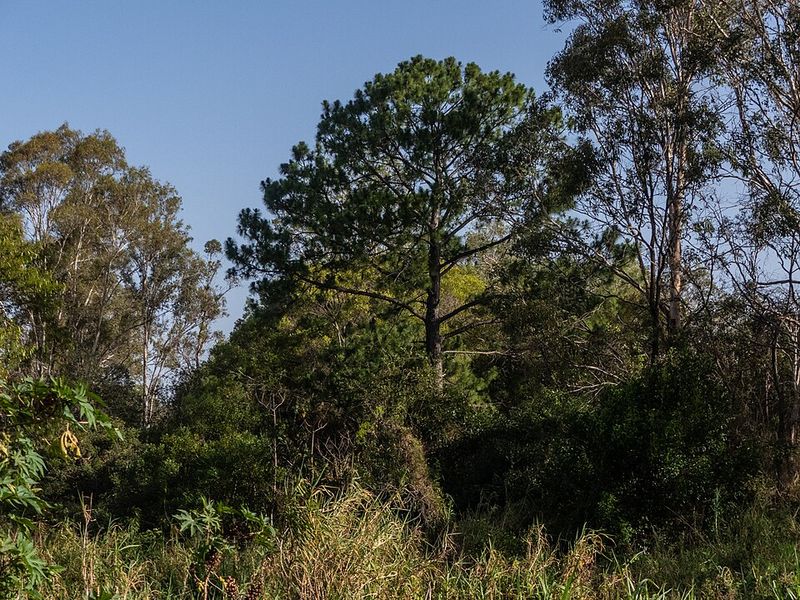
Fast enough to be useful and tough enough to earn respect, this pine performs well in many coastal Florida settings. It is native to flatwoods and adapted to sandy soils, heat, and regular wind, so it often handles conditions that make imported conifers struggle.
The airy canopy also lets light filter through, which can help the rest of your planting bed feel less cramped.
What makes it especially practical is its balance of speed and resilience. You can get height and screening sooner than with some slow-growing hardwoods, yet the tree still belongs in the local ecosystem and supports native wildlife.
Needles, cones, and bark texture give the landscape a more natural Florida feel, especially when paired with saw palmetto, muhly grass, or other coastal-friendly natives.
Placement is important because mature size and root spread deserve respect. I would not tuck one too close to a house and hope for the best, but I absolutely would use it to frame a property edge or soften a windy, open backyard.
Early care should focus on regular watering and keeping lawn equipment away from the trunk. If you want a native tree that establishes with reasonable speed and copes well with coastal wind, slash pine is a strong contender.
Sea Grape
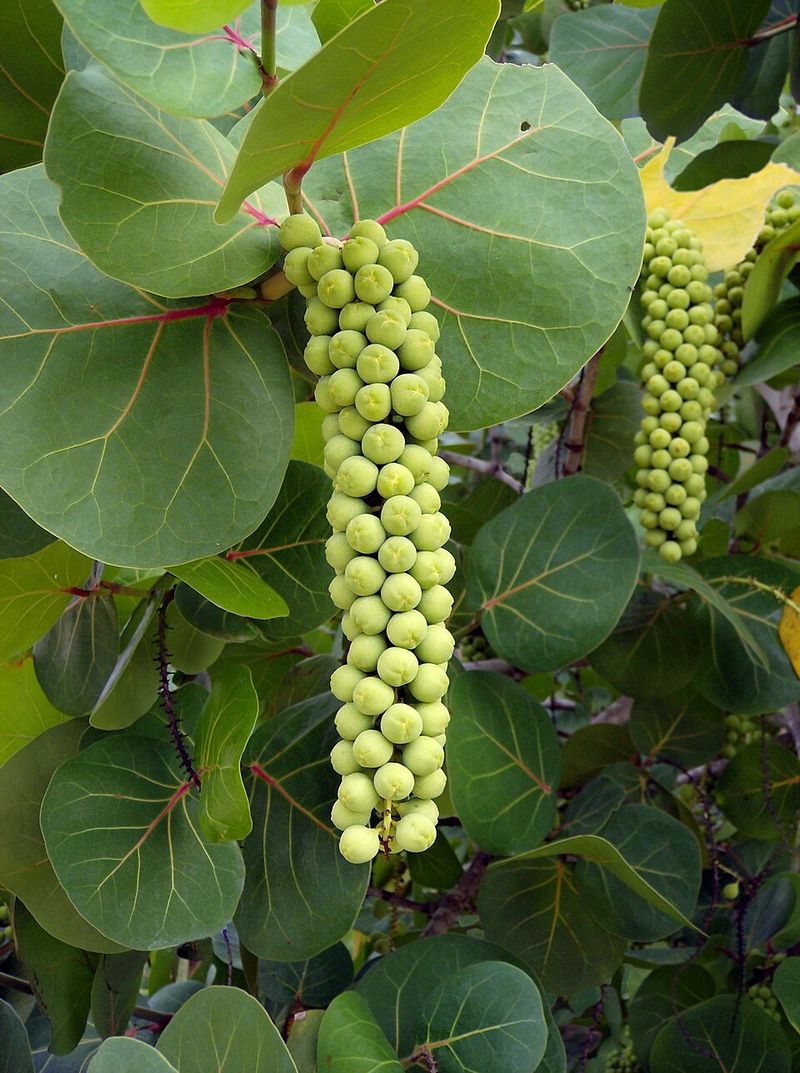
Close to the shore, few natives look more at ease than this broad-leaved coastal favorite. Thick, round leaves shrug off salt and sun, while the plant itself naturally forms a wind-shaped outline that feels perfect beside beaches and bays.
In the right spot, it can be a large shrub or a small tree, which gives you useful flexibility in design.
The leathery foliage is not just attractive – it is part of what makes this species so durable in exposed sites. You also get edible fruit for jellies if birds do not beat you to it, plus a tropical look that still belongs to Florida instead of feeling imported.
For homes dealing with reflected heat, drying winds, and sandy soil that drains fast, sea grape often settles in with less drama than many supposedly exotic alternatives.
Pruning is where you decide the final personality. Left looser, it becomes a fantastic screen or informal wind buffer; trained up, it can read as an artful specimen tree.
I like using it near patios where you want privacy but do not want a heavy, dark evergreen wall. Just protect young plants from extreme cold in the northern part of the state.
Along coastal South and Central Florida, this native is one of the most dependable options available.
Gumbo Limbo
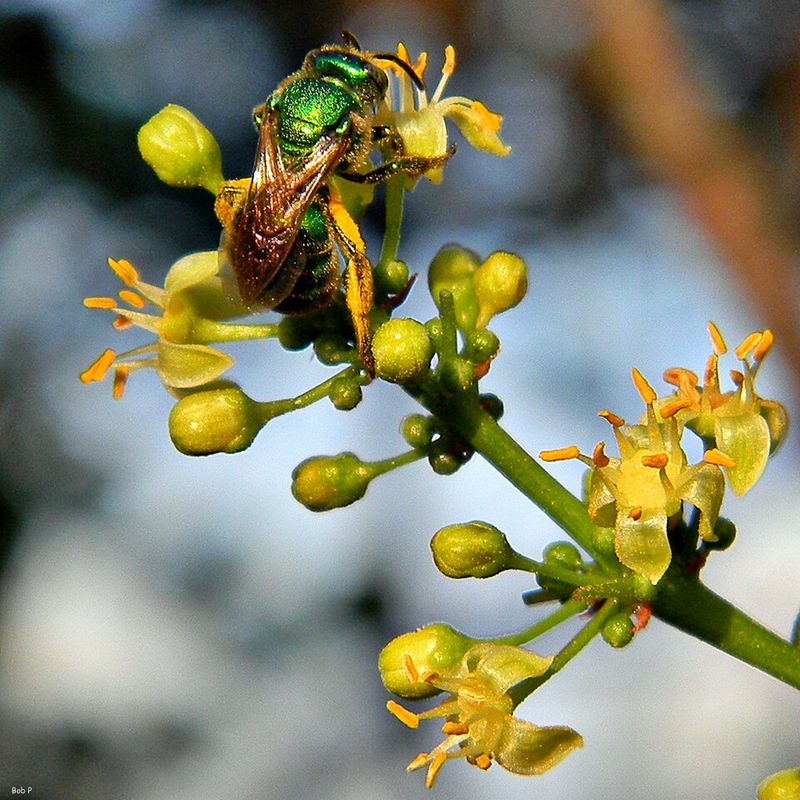
If your coastal property sits in South Florida, this tree deserves a close look. Its flexible wood and open branching help it ride out wind impressively well, and the peeling coppery bark adds year-round personality even when the canopy is not the star.
There is a relaxed, beachy quality to gumbo limbo that suits waterfront neighborhoods without feeling flimsy.
Salt tolerance is solid, especially in sites not directly blasted by the harshest surf. It grows fairly quickly, provides filtered shade, and supports a more tropical garden style while still being native to the region.
You can pair it with sea grape, pigeon plum, or marlberry and create a yard that looks cohesive instead of like a random mix from a nursery clearance table.
Because growth can be quick, early training matters. I would remove poorly attached limbs while the tree is young and let a strong framework develop before storm season becomes a real test.
It also appreciates decent drainage, so avoid low spots that stay wet for long periods unless the site naturally suits it. In frost-prone inland areas, it is less dependable, but in coastal South Florida it is a standout.
For warm, windy sites near the ocean, few natives combine character, speed, and resilience this effectively.
Dahoon Holly
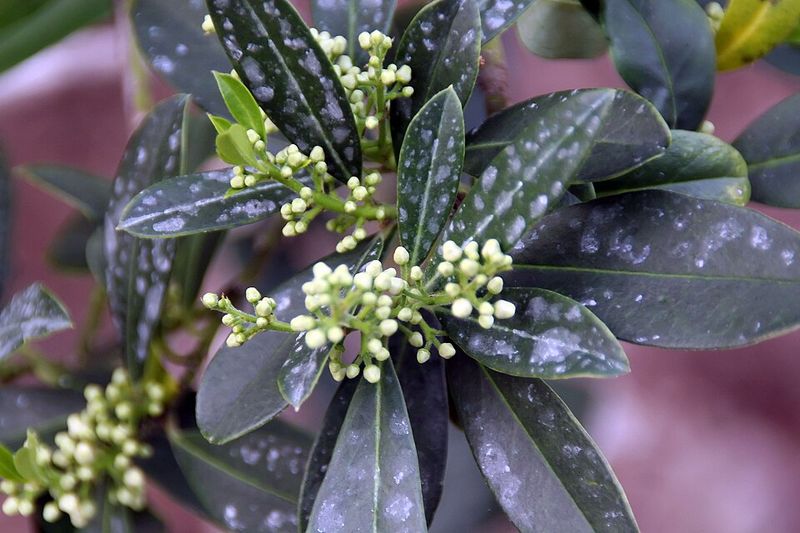
For a smaller evergreen tree that still feels refined, this holly is a smart coastal option. It handles wind better than many broadleaf evergreens, and its glossy foliage keeps the yard looking polished through every season.
Female plants also produce bright red berries that birds love, adding winter interest without any extra work from you.
One reason it performs well in Florida landscapes is its adaptability. It can handle wetter ground than many small trees, yet it also works in ordinary garden soil if drainage is decent and irrigation is not neglected during establishment.
In a coastal setting with occasional salt influence, it usually does best a bit back from the surf, where it still benefits from maritime moderation without taking the full force of direct salt spray.
This is a useful tree when you want height and privacy without the scale of an oak or pine. I like it near property lines, around patios, or as a soft screen outside windows where a huge canopy would be too much.
Light structural pruning can keep it tidy, but it generally does not demand constant shaping. If you want a native tree that supports wildlife, stays attractive year-round, and holds up well in breezy coastal Florida conditions, dahoon holly is an easy recommendation.
Simpson’s Stopper
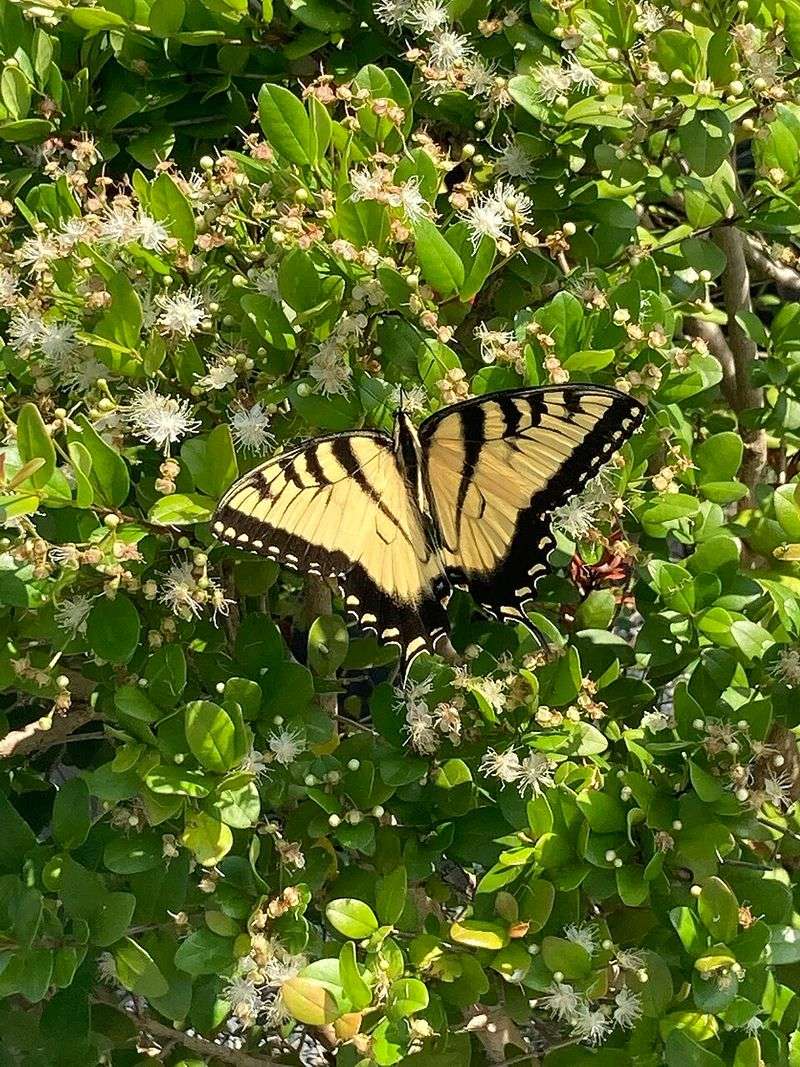
Not every coastal yard needs a towering canopy tree. Sometimes a dense, small native that can take wind, salt, and pruning is the better answer, especially near patios, pools, and tight side yards.
This South Florida species brings handsome bark, small glossy leaves, and a naturally tidy form that works in formal and informal designs alike.
The smooth mottled trunk is one of those details that people notice up close, making the tree feel more special than a standard hedge plant. Fragrant white flowers and colorful fruit add seasonal interest, and wildlife appreciates them too.
In protected to moderately exposed coastal sites, it performs especially well, and its compact habit makes it easier to fit into smaller lots where every square foot matters.
You can grow it as a large shrub, multi-trunk small tree, or clipped screen depending on your needs. I like giving it enough room to show off its branching and bark rather than shearing it into a box, but it is forgiving if you prefer a tighter look.
Water it consistently while it establishes, then back off to encourage deeper rooting. For coastal South Florida gardeners who want a native tree with real polish and wind tolerance, Simpson’s stopper is far more useful than its modest size suggests.
Wild Tamarind
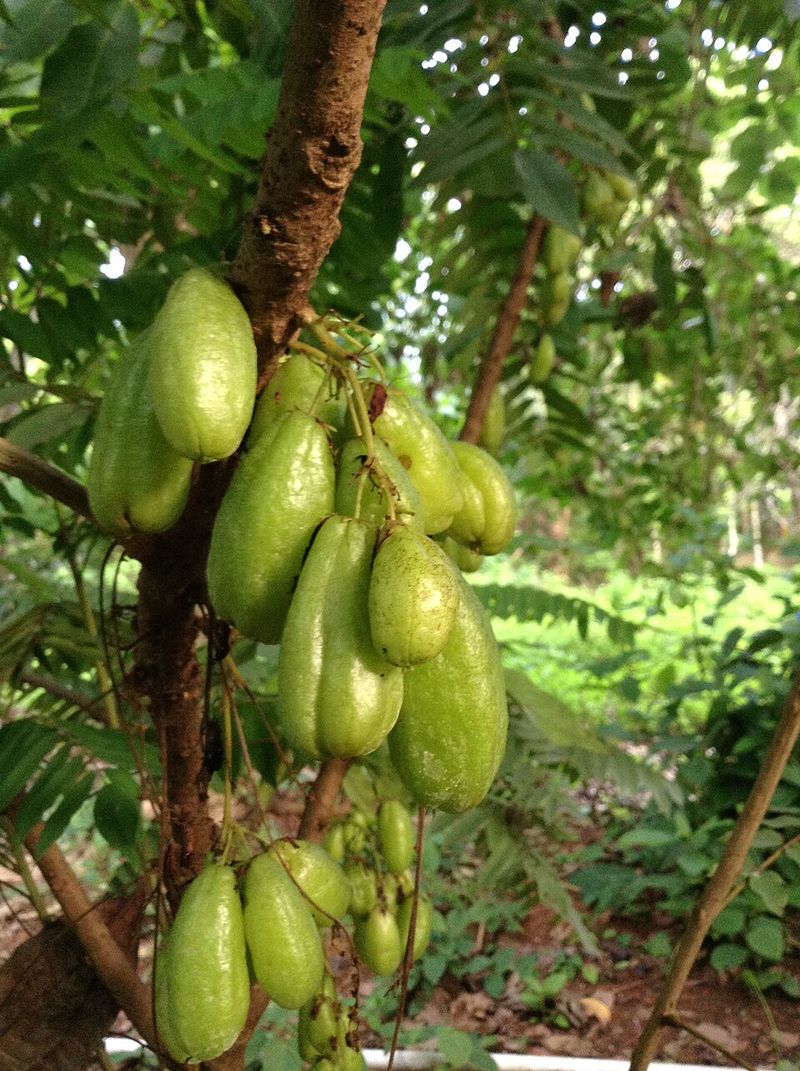
Airy canopies often cope with wind better than dense, top-heavy ones, and that is part of the appeal here. Fine-textured foliage lets gusts move through more easily, while the overall form brings light shade instead of a heavy, dark mass.
In coastal South Florida, it can be an excellent native choice for people who want a softer, more tropical look with real durability.
This species is especially useful in hot sites where reflected heat from pavement or walls can stress broader-leaved trees. It fits well in coastal hammocks and urban landscapes alike, and it pairs nicely with lower natives that appreciate dappled light rather than full shade.
Seed pods add another layer of interest, and the tree’s elegant branching can make a new landscape feel established sooner because it has so much visual movement.
It is not the tree most homeowners ask for first, which is exactly why it can be such a smart pick. I would use it where you want overhead softness near a patio, driveway, or courtyard, but still need something that can handle breezy exposure.
Early pruning for branch structure is worth the effort, especially in smaller residential spaces. In the right warm coastal climate, wild tamarind gives you native credentials, wind tolerance, and a graceful habit that stands apart from more predictable choices.