
12 Native North Carolina Flowers That Thrive With Almost No Attention
Follow us on Google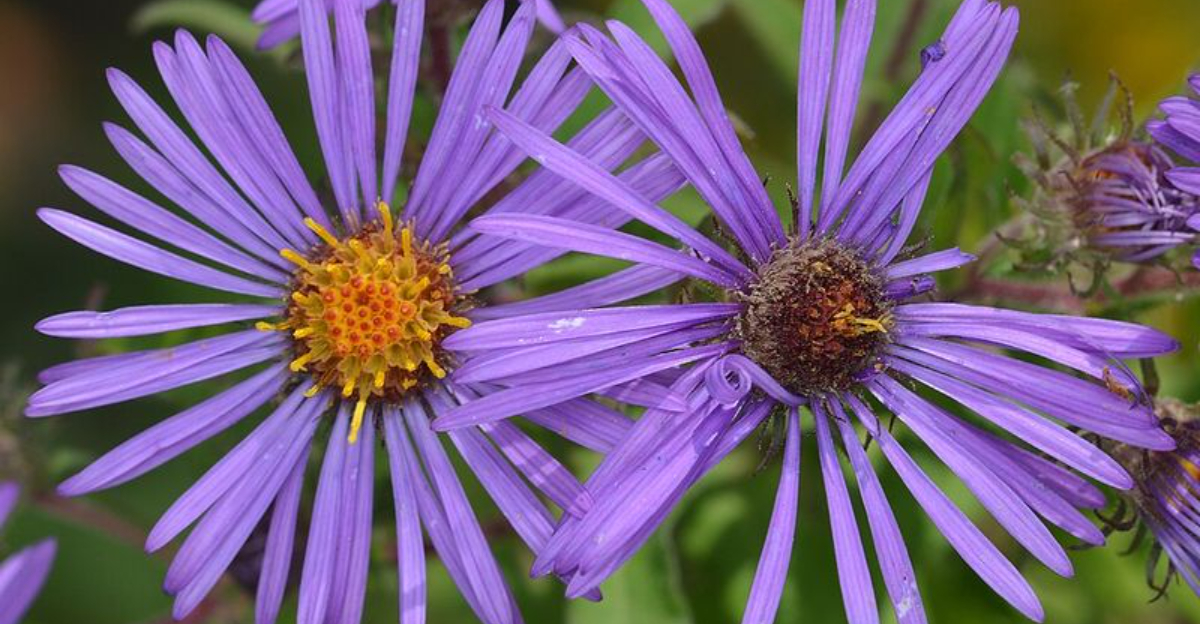
Some of the best flowers for a North Carolina yard are the ones that look beautiful without asking much from you. Native species already know how to handle the region’s heat, humidity, clay, and unpredictable dry spells, so they settle in fast and keep going.
If you want color, pollinators, and a more natural-looking landscape without a long weekend maintenance routine, these picks make that easy. You may be surprised by how much impact a few well-chosen plants can have.
Purple Coneflower
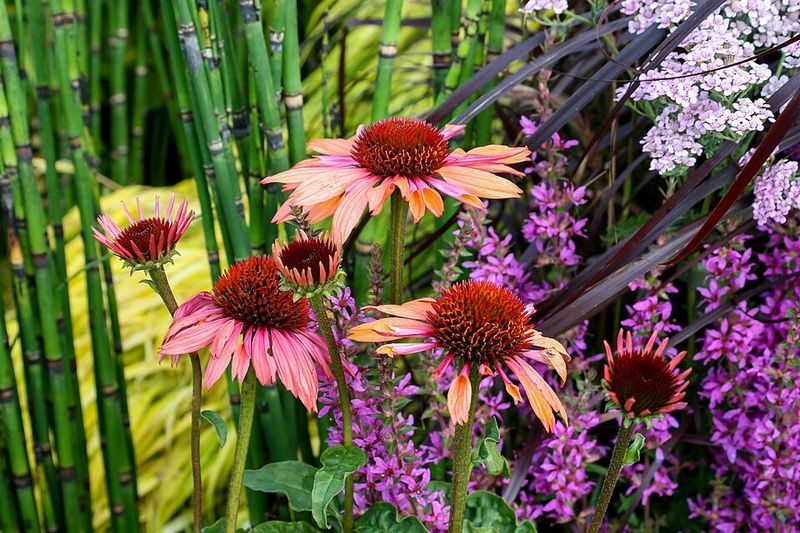
If you want a flower that can handle a little neglect and still look cheerful, this is one of the safest bets in North Carolina. Its strong stems, drooping purple petals, and spiky orange center bring structure to a bed long after fussier plants give up.
You can tuck it into a pollinator patch, a mailbox bed, or a sunny side yard and expect a reliable show.
Full sun gives the best bloom count, but average soil is usually enough once roots settle in. During the first season, water it regularly so it establishes well, then back off and let rainfall do most of the work.
Deadheading can extend flowering, though leaving spent cones in place adds texture and feeds birds later.
This plant also earns its spot because it handles summer heat without acting dramatic. Deer tend to pass it by, and butterflies visit often, which makes the garden feel busy in the best way.
If your yard has patches that bake in July, this flower often looks right at home there.
For an easy pairing, plant it near black-eyed Susan, native grasses, or bee balm for a loose, natural look.
Black-Eyed Susan
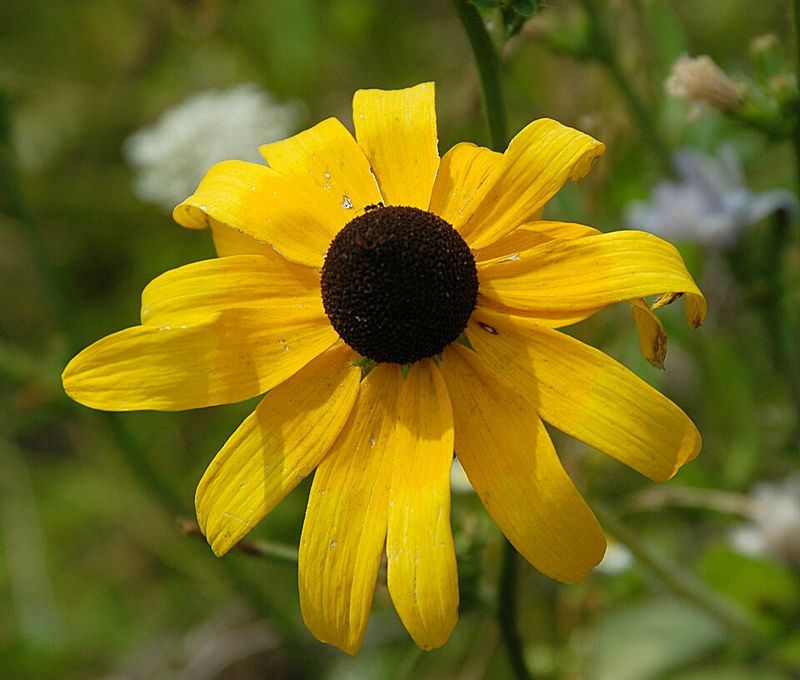
Bright yellow petals and dark centers give this native favorite a bold, sunny look that reads well from across the yard. It is the kind of plant that fills empty space quickly, softens fences, and makes a bed look intentional even when you have not spent much time on it.
In North Carolina, it performs especially well in hot, open spots where many other flowers start sulking.
Good drainage helps, but rich soil is not necessary for strong performance. After planting, give it enough water to establish, then let it prove how adaptable it really is.
You can deadhead for a tidier appearance, yet plenty of gardeners leave some blooms to age naturally because the seed heads add late-season interest.
Pollinators appreciate it, and that alone makes it useful beyond its color. Bees stop in regularly, butterflies follow, and birds may show up later for seed.
If you are trying to make a new garden bed look lively without babysitting every stem, this flower does a lot of visual heavy lifting.
Use it in drifts rather than single plants, and the effect feels fuller, brighter, and much more natural.
Butterfly Weed
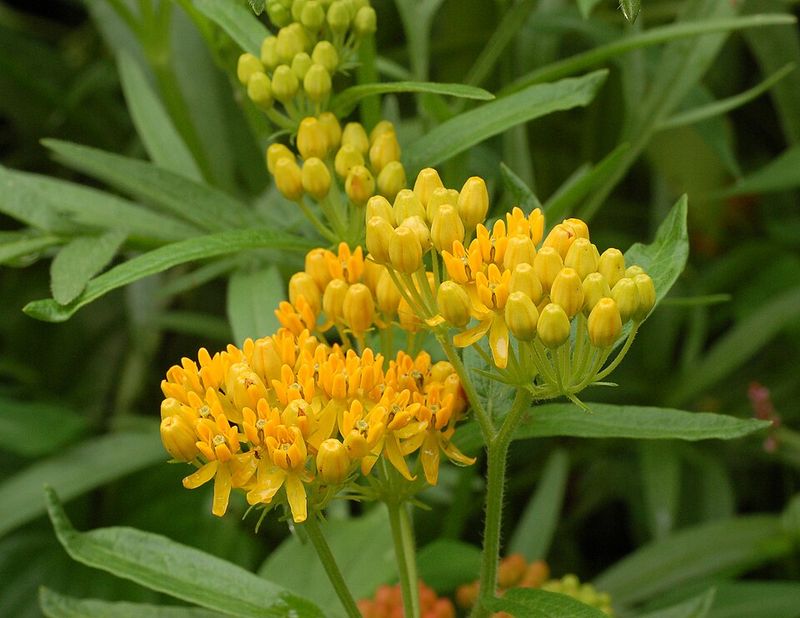
That rich orange color is hard to ignore, and the bonus is that it comes on a plant that really prefers you not to fuss over it. Dry, sunny spots in North Carolina are ideal, especially areas where other flowers complain by midsummer.
Once established, it handles heat admirably and often looks better because you resisted the urge to overwater.
This is a milkweed, so it matters for more than appearance alone. Monarch butterflies use it as a host plant, and many pollinators visit the nectar-rich blooms through the warmest part of the season.
The deep taproot helps it ride out dry stretches, but it also means transplanting mature plants is not a great idea.
Plant it where you truly want it to stay and give it patience during the first year. It can be slow to wake up in spring, so do not assume it failed and dig around searching for answers.
Once the stems rise, the plant usually settles into a dependable rhythm that asks for very little.
For a smart landscape move, place it near coneflowers or little bluestem and let the orange blooms punch through softer textures beautifully.
Bee Balm
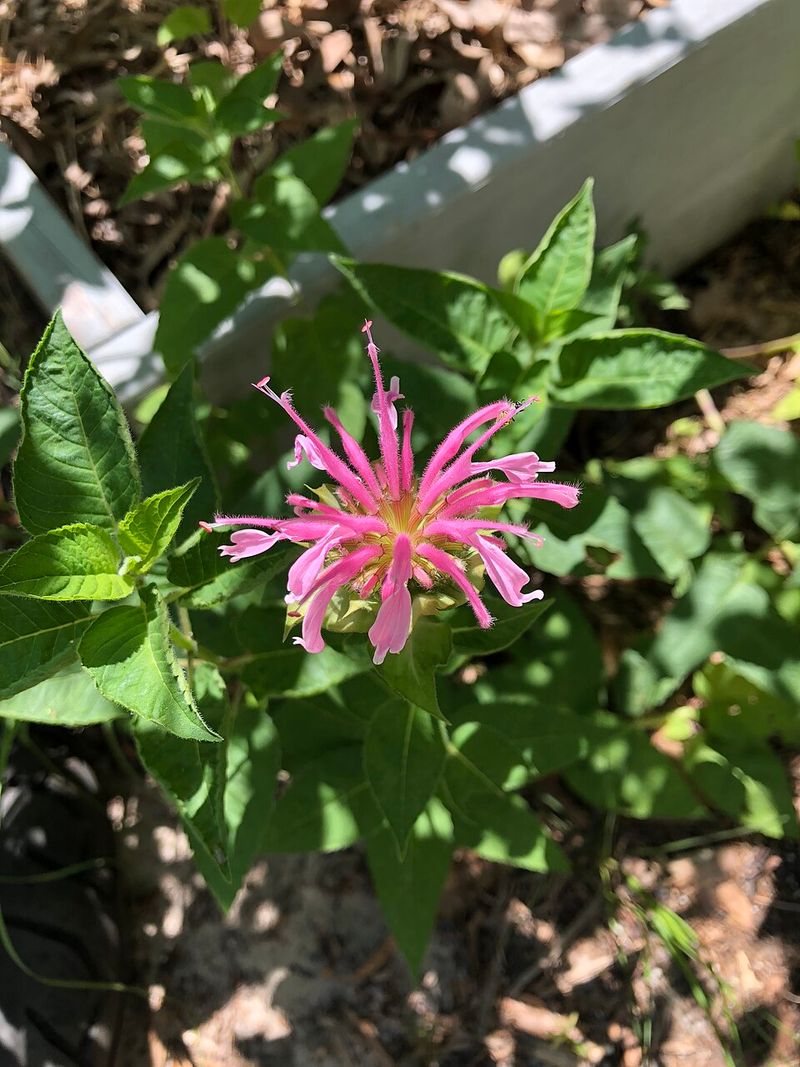
Few native flowers bring as much motion to a garden as this lively summer bloomer. The shaggy red, pink, or lavender flowers look almost electric when hummingbirds start visiting, and they stand out beautifully against green foliage.
In North Carolina gardens, it can be a dependable performer when planted where air moves well and the soil does not stay bone dry.
Morning sun with a bit of afternoon relief often keeps it happiest, especially in hotter inland areas. Regular moisture during establishment is helpful, but mature clumps can manage nicely with moderate care if they are not crowded.
Good spacing matters because it reduces mildew issues, which is one of the few problems this otherwise easy native can develop.
It spreads steadily, so you get more bloom power over time without buying more plants every season. That makes it useful for filling larger borders or creating a casual pollinator strip along a fence line.
The flowers also have that slightly wild look that keeps a planted area from feeling stiff or overdesigned.
If you want a yard that feels active and welcoming, this one earns space quickly. Divide crowded clumps every few years, and it will keep rewarding you.
Wild Columbine
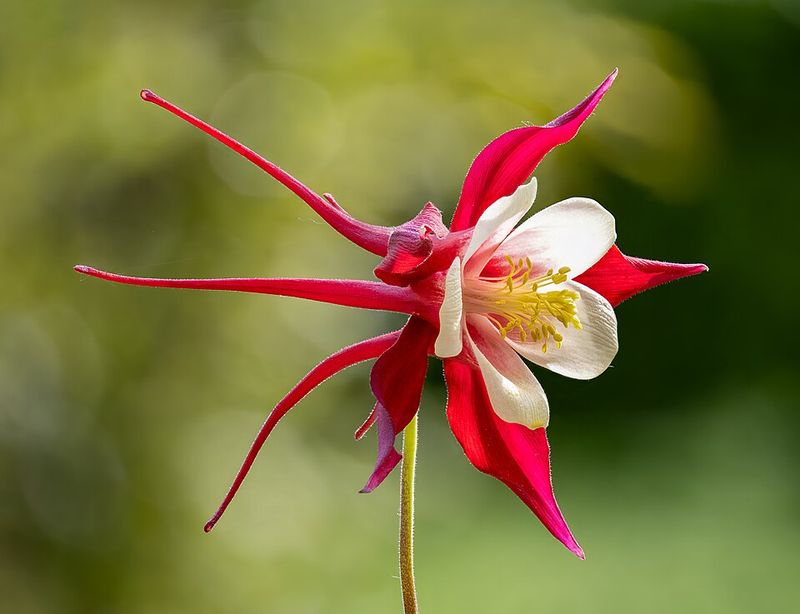
Spring gardens can feel a little sleepy until a plant like this starts ringing in color. The nodding red and yellow flowers have a delicate look, yet the plant itself is tougher than it appears, especially in North Carolina’s woodland-edge conditions.
It fits nicely into spaces with morning sun, filtered light, or bright shade where many sun-loving flowers would struggle.
Because it is native, it settles comfortably into average garden soil as long as drainage is decent. You will get the best results by avoiding soggy spots and letting leaf litter or light mulch mimic the woodland floor it naturally prefers.
Once rooted, it usually asks for little beyond occasional watering during very dry stretches.
Hummingbirds are drawn to the flower shape early in the season, which gives this plant extra appeal if you want your yard to feel lively before summer starts. It also self-seeds gently when happy, creating the kind of natural spread that looks charming rather than messy.
Seedlings are easy to move while small if they appear somewhere awkward.
Tuck it near paths, under open-branched shrubs, or beside ferns for a relaxed, layered look. It is a great answer for those half-shady places that seem hard to fill well.
Cardinal Flower
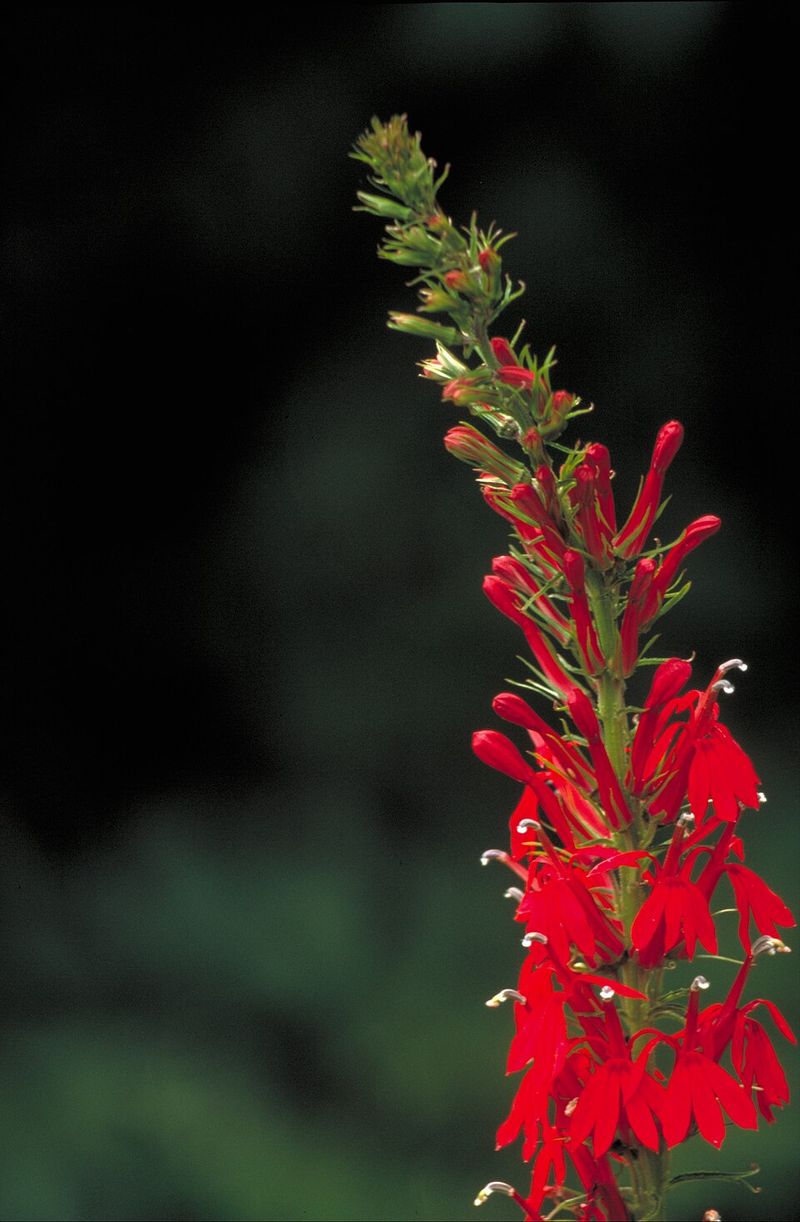
Nothing quietly fades into the background when these scarlet flower spikes appear. The color is intense, almost glowing in late summer, and it catches the eye even in partially shaded parts of the yard.
For North Carolina gardeners with a damp spot that needs personality, this native can feel like a lucky find.
Moist soil is the key to success, so think rain garden edges, low areas, or beds that stay evenly watered. It does best with some sun, though partial shade is often welcome during the hottest part of the day.
Unlike many thirsty flowers that require constant pampering, this one becomes surprisingly manageable when placed where moisture naturally lingers.
Hummingbirds treat it like a seasonal destination, which adds movement and excitement right when some summer plants begin to look tired. The upright form also works well as a vertical accent among mounded perennials or grasses.
If you garden near a downspout runoff area or pond edge, it can make that spot look intentional instead of problematic.
Short-lived as an individual plant, it often reseeds enough to maintain a presence year after year. Let a few seed heads mature, and you may find new plants appearing just where they are needed.
Blue Mistflower
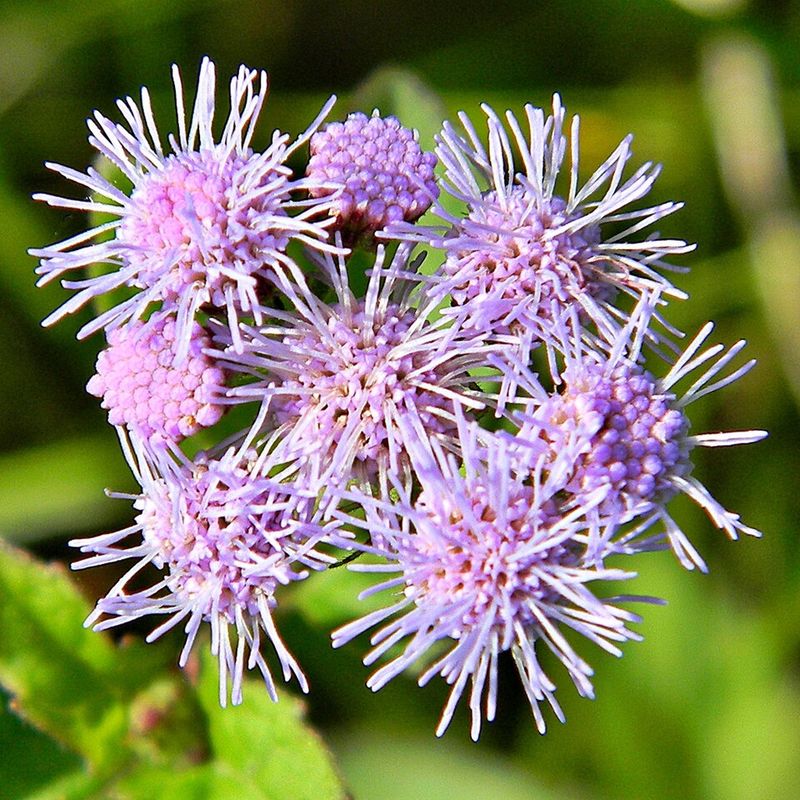
Late summer can be a frustrating time in the garden, especially when spring stars have faded and the heat has flattened everything else. This native steps in right then with airy clusters of soft blue flowers that seem to glow against green foliage.
In North Carolina, it is especially useful for keeping beds colorful when the season starts feeling tired.
Moist, well-drained soil helps it perform best, but once established it is not needy if planted in a sensible location. Sun to partial shade works, and a little afternoon protection can be helpful in hotter sites.
The plant spreads by rhizomes, so give it room or be prepared to thin it if you want stricter boundaries.
Butterflies love it, and that single trait often turns casual gardeners into loyal fans. When several land at once, the planting suddenly feels fuller and more animated without any extra effort from you.
Its texture is softer than many bold perennials, which makes it a smart partner for grasses, golden blooms, or darker foliage nearby.
If you have a bed that needs fresh energy after August, this one earns a spot quickly. It looks especially nice near paths where you can notice the color shifts and constant insect activity.
Blazing Star
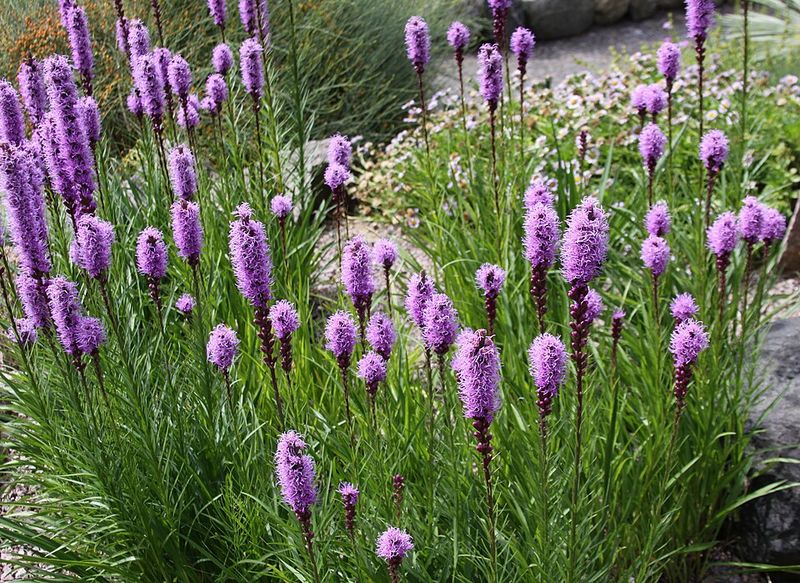
Vertical flower spikes can change the whole feel of a planting, and this native does that with very little trouble. The purple blooms open gradually along tall stems, creating strong lines that break up mounded shapes and lower groundcovers.
In a North Carolina garden, it is an excellent way to add height without bringing in something fussy or short-lived.
Sunny locations and well-drained soil give it the best start. After establishment, it tolerates heat and occasional dryness far better than its elegant appearance suggests.
You do not need rich soil or constant feeding, which is part of its appeal for gardeners who want a polished look without an intensive routine.
Butterflies and native bees flock to the blooms, and the flower spikes hold their own visually even from a distance. That makes the plant useful in larger beds, meadow-style plantings, and roadside borders where smaller flowers can disappear.
It also mixes well with coneflowers, black-eyed Susans, and warm-season grasses for a layered native display.
Leave the spent stems standing into fall if you like a little seasonal texture. The structure remains attractive, and the garden keeps some personality even after the brightest blooms have passed.
Woodland Phlox
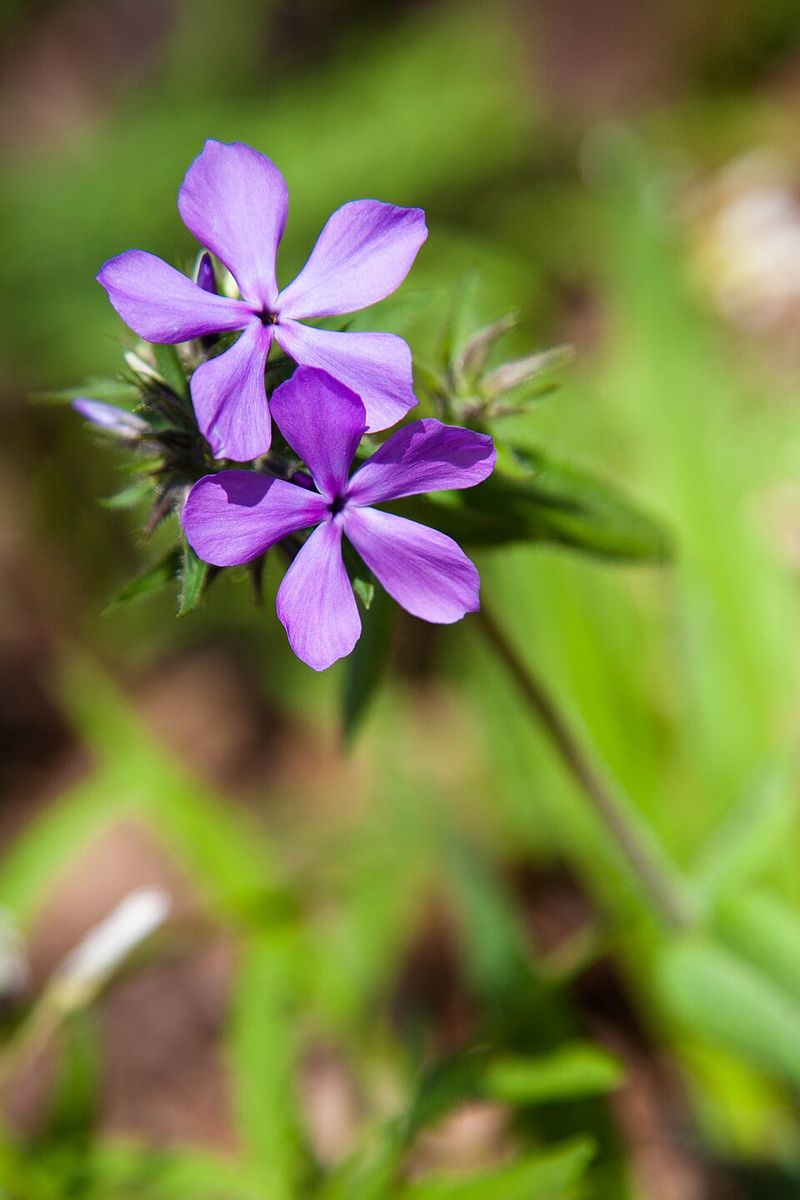
Shady or lightly shaded parts of the yard do not need to settle for plain green when this spring bloomer is an option. Soft blue, lavender, or pinkish flowers gather above tidy foliage and brighten woodland edges with a calm, natural look.
In North Carolina, it suits gardens that blend into trees, shrubs, or older landscapes with filtered light.
Humus-rich soil is helpful, but the real secret is keeping the site reasonably well drained and not baking hot. A little moisture during dry spring periods keeps blooming strong, yet the plant is not demanding once it is settled.
Because it stays relatively neat, it works especially well near walkways, under deciduous trees, or along the front of a shade border.
Pollinators appreciate the early nectar, and gardeners appreciate how easily it softens a planting scheme that might otherwise feel heavy. It has a gentle habit, so it combines nicely with ferns, columbine, or woodland sedges.
If you are trying to avoid a patchwork of high-maintenance annuals in shade, this native makes a smarter long-term choice.
Cut it back lightly after flowering if needed, but major intervention is rarely necessary. The overall effect is graceful, settled, and far more forgiving than many spring ornamentals.
Coreopsis
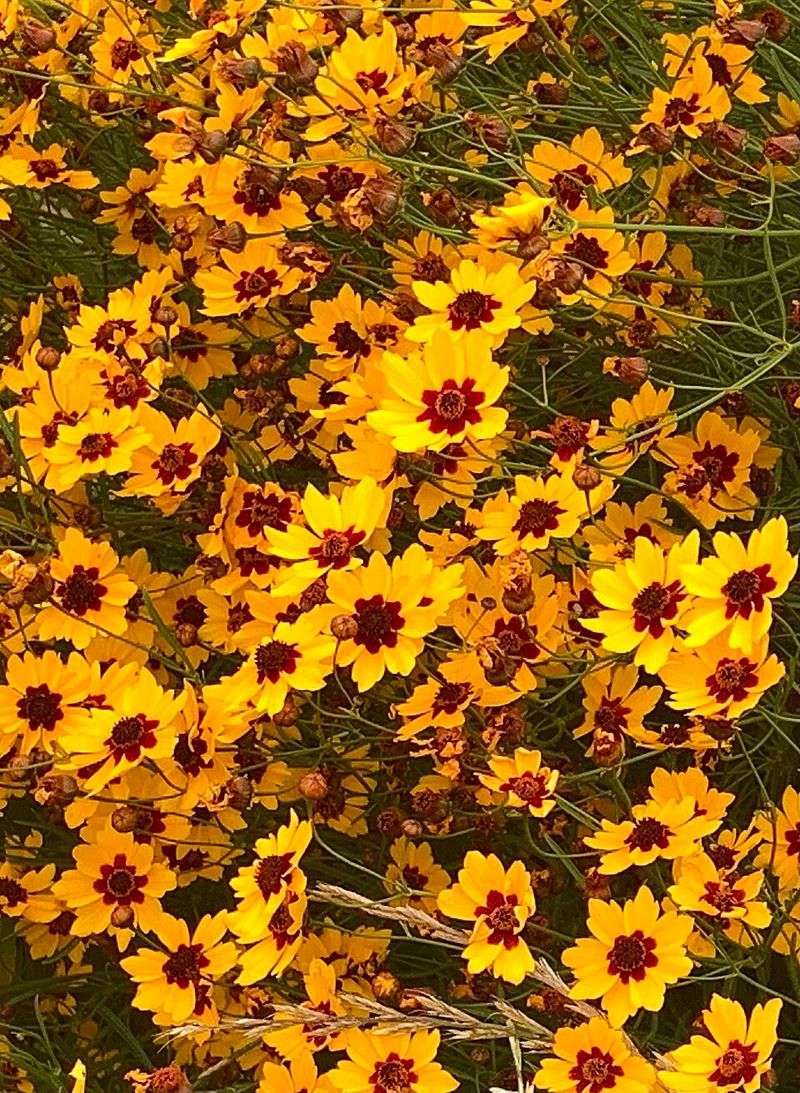
A bed filled with cheerful yellow flowers can make the whole yard feel brighter, and this native delivers that effect with minimal work. The daisy-like blooms appear generously and keep coming through warm weather, often long after more delicate plants have faded.
For North Carolina gardeners dealing with hot sun and average soil, it is a practical and attractive choice.
Most native coreopsis types thrive in full sun and tolerate dry conditions once roots are established. Overly rich soil can actually make plants floppy, so there is no need to overimprove the site.
A quick trim after the first heavy flush can encourage more bloom and keep the clump looking fresh without turning maintenance into a project.
Bees and butterflies visit regularly, which adds another reason to include it in front-yard beds or backyard pollinator strips. The flowers also pair well with purple and blue companions, giving you easy color contrast without much planning stress.
If you like a less formal garden style, scattered drifts look especially natural.
It is also a good option for people who forget to water on schedule. Once established, it tends to keep performing through the kind of hot stretches that make less adapted plants look exhausted.
Goldenrod
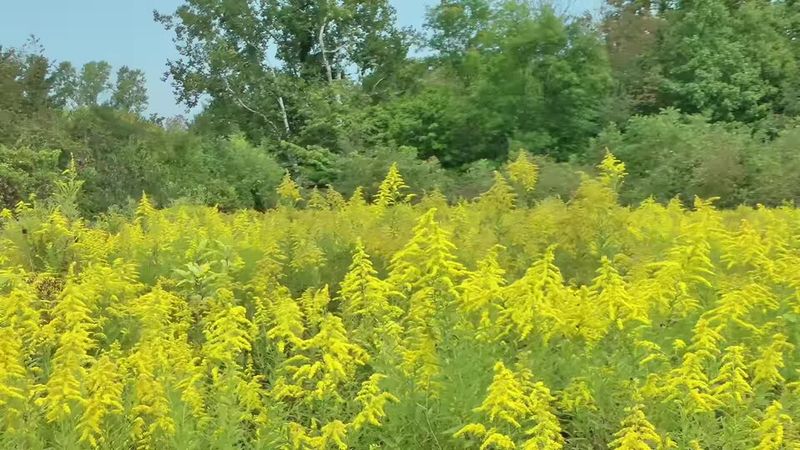
Many people blame this plant for fall allergies, but that reputation is badly misplaced and keeps a great native flower underrated. Its golden plumes light up late-season gardens just when summer color is winding down, and in North Carolina it grows with remarkable confidence.
If you need something sturdy, bright, and useful for wildlife, this is a strong candidate.
Most native goldenrods prefer full sun and average to dry soil, though some types handle more moisture. Choosing the right species for your conditions matters, especially if you want a tidy fit rather than an aggressive spreader.
Once established in the proper spot, it usually asks for very little beyond occasional division every few years.
Pollinators absolutely crowd these flowers in autumn, which makes the garden feel alive at a time when many landscapes start looking sleepy. The upright stems combine well with asters, grasses, and seed heads from earlier bloomers, creating an easy seasonal composition.
It is especially valuable if you want your yard to support insects late into the year.
Place it toward the middle or back of a bed where its height can work for you. The color is rich enough to stand out, but natural enough that it never feels forced.
New England Aster
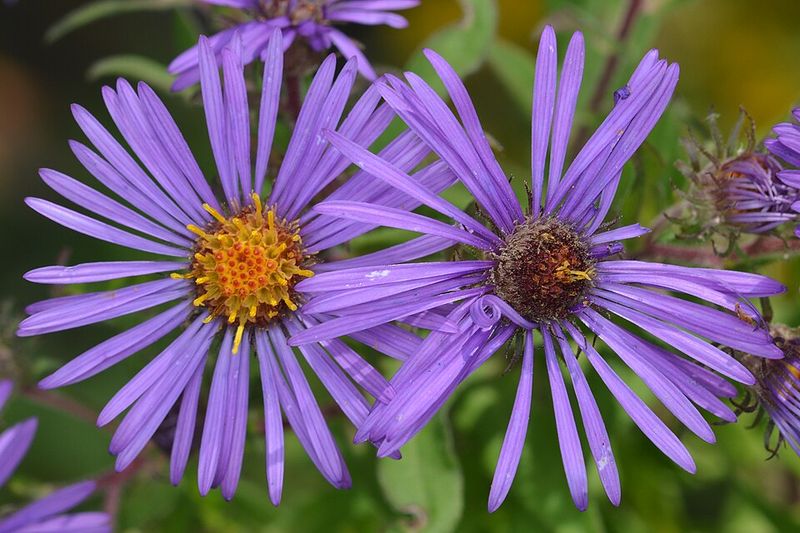
Fall gardens often need a second wind, and this native brings it with vivid purple or pink blooms that keep going when many flowers are finished. The bright yellow centers make the color pop even more, especially in afternoon light.
In North Carolina, it is one of the most rewarding ways to carry a garden into autumn without adding high-maintenance extras.
Full sun is ideal, though a bit of light shade is acceptable in hotter areas. Average garden soil works well if drainage is decent, and established plants handle normal dry spells better than many people expect.
Pinching stems in early summer can keep the plant bushier and slightly shorter, which is useful if you want a fuller, less floppy shape.
Late-season bees and butterflies rely on blooms like these, so the plant pulls real ecological weight while still looking generous and showy. It pairs beautifully with goldenrod, native grasses, and seed heads from summer flowers, creating that relaxed autumn look many gardeners want.
The overall effect feels rich, not overly manicured.
If your landscape tends to fade after August, this is a simple fix with lasting payoff. Give it room, let it settle in, and it will usually return stronger and more impressive each year.