
9 Gorgeous Shrubs That Outshine Hydrangeas In Georgia Gardens
Follow us on Google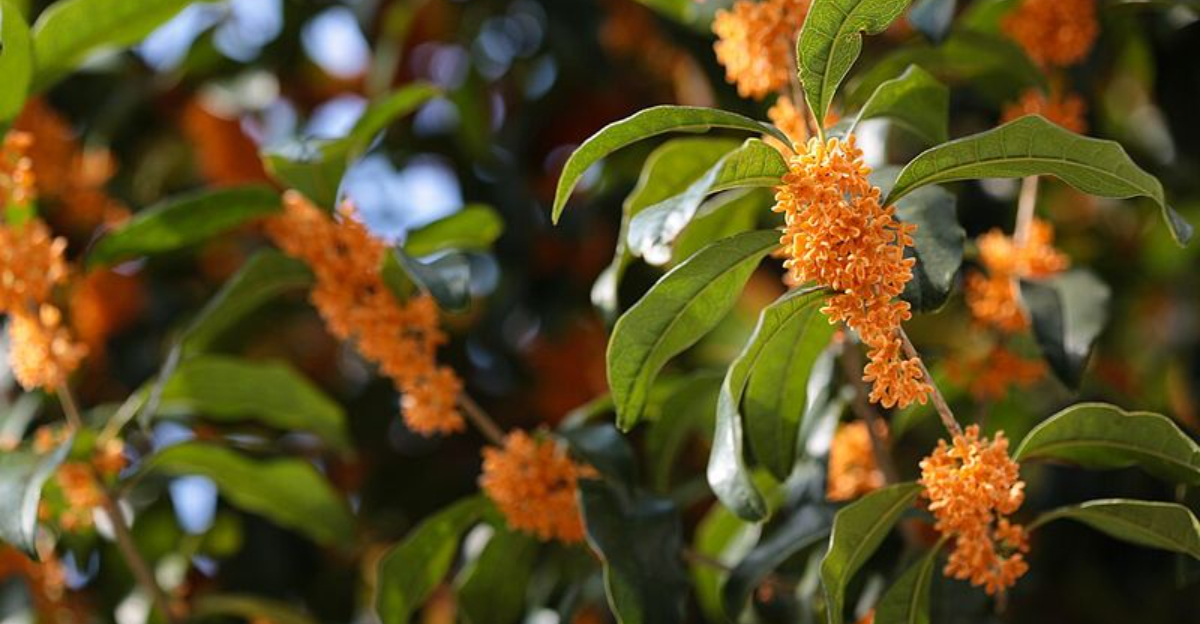
Hydrangeas get plenty of attention in Georgia, but they are far from the only shrubs worth planting. If your yard deals with sticky summers, red clay, spotty shade, or deer pressure, there are better performers waiting in the wings.
These standout shrubs bring longer bloom seasons, stronger structure, richer fragrance, or easier upkeep than many hydrangeas can manage. Once you see how well they handle Georgia conditions, you may start rethinking the most valuable space in your garden.
Gardenia
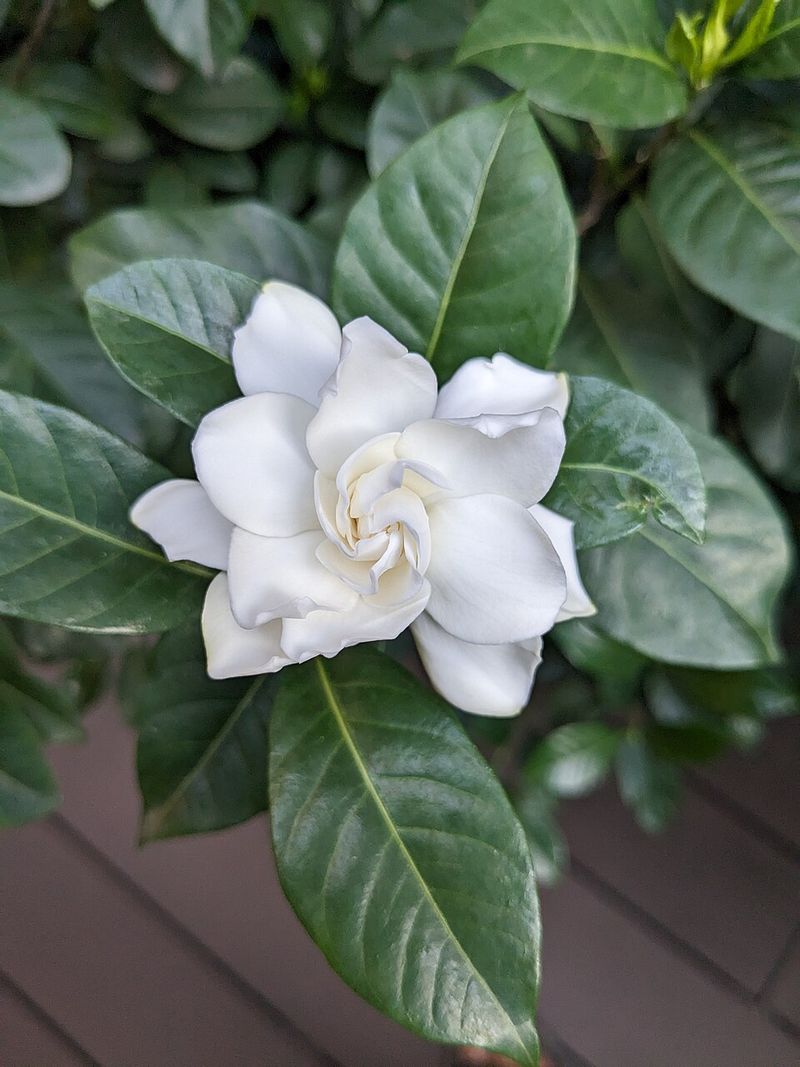
Few shrubs make a Georgia entryway feel more inviting than one filled with the scent of gardenia on a warm evening. The flowers look polished and expensive, but the plant itself can be surprisingly dependable when you place it well.
Give it morning sun, afternoon shade, and soil with good drainage, and you will usually get a much better show than a thirsty hydrangea in the same spot.
Heat and humidity rarely bother established plants, which is a big advantage in much of the state. I like using compact varieties near patios, porches, and walkways where the fragrance can actually be enjoyed instead of wasted in the back corner.
If your soil leans alkaline, add organic matter and use an acid-loving fertilizer so leaves stay richly green instead of fading yellow.
Pruning matters more than people think, because cutting too late removes next year’s buds. Shape lightly right after flowering, then let the shrub settle in and build its natural form.
Mulch helps roots stay cool during brutal summer stretches, especially in central and southern Georgia.
When a shrub can offer glossy foliage, perfume, and flowers that look fresh even in high humidity, it earns its place. That kind of steady beauty feels more rewarding than a brief hydrangea flush.
Loropetalum
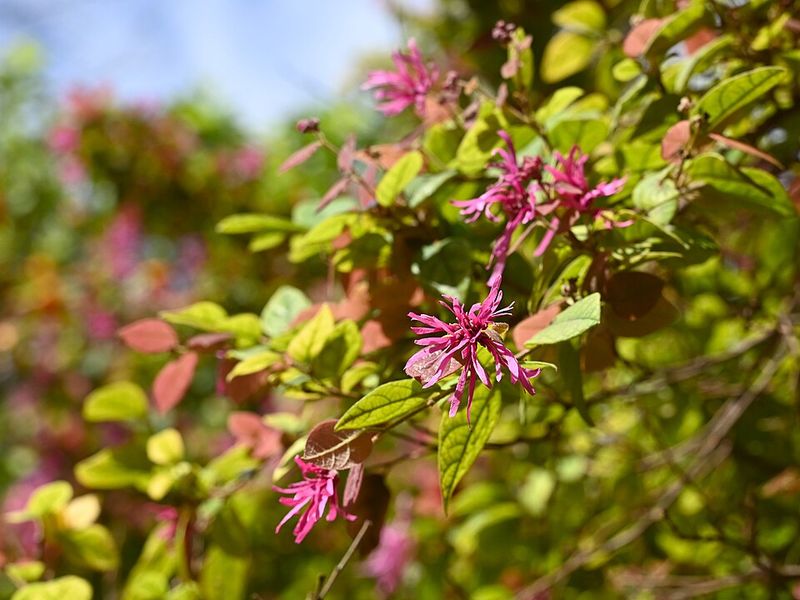
If your garden needs color even when nothing is blooming, loropetalum easily pulls more weight than hydrangeas. The foliage alone can carry a border, especially the deep burgundy varieties that hold their tone through Georgia’s long growing season.
Add those ribbon-like pink flowers in spring, and the whole shrub looks lively without feeling fussy.
Sun brings the best leaf color, but many selections still perform well in partial shade, which makes placement flexible. I often recommend it for foundation beds where homeowners want a stronger visual anchor than hydrangeas usually provide after their flowers fade.
In red clay, raised planting and loosened soil around the root ball can make the difference between a slow plant and a vigorous one.
Another reason this shrub stands out is structure. It keeps a dense, rounded habit that can soften corners, define pathways, or fill awkward spaces without constant babying.
Skip heavy shearing if you want the most natural look, and thin selectively after flowering instead.
Georgia summers do not usually rattle established loropetalum, and that reliability matters when the rest of the garden starts to look tired. For anyone who wants season-long foliage drama plus spring bloom, this choice often feels smarter and more stylish than hydrangeas.
Camellia sasanqua
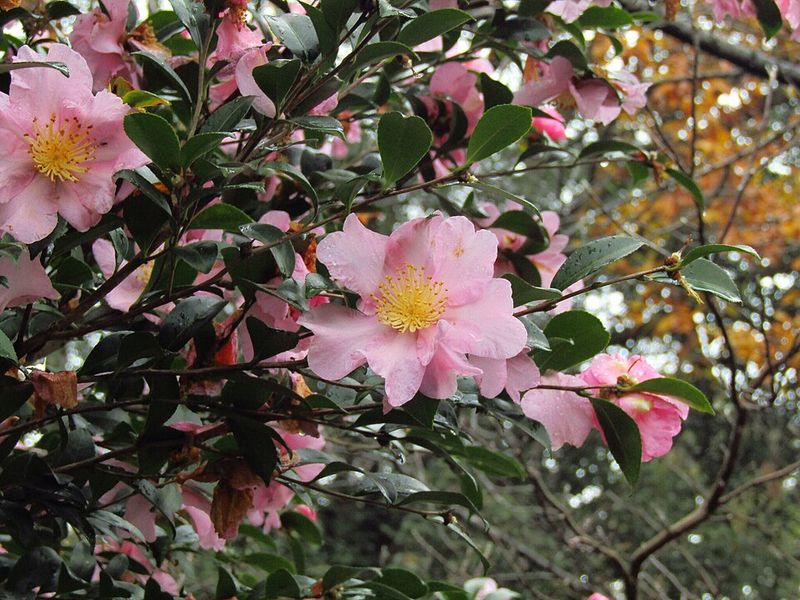
Fall color in Georgia does not have to come only from trees when camellia sasanqua is in the picture. As summer flowers fade and hydrangeas look tired, this evergreen shrub starts opening elegant blooms that carry the garden into cooler weather.
That timing alone gives it a serious advantage for anyone who wants beauty beyond late spring and early summer.
The foliage stays glossy year-round, so you are not left staring at bare stems for half the calendar. Place it where it gets morning sun and protection from harsh afternoon exposure, and the flowers usually last longer and look cleaner.
I especially like it along property lines and near seating areas, where the refined form adds privacy without creating a heavy wall.
Good drainage is essential in Georgia’s clay soils, so plant slightly high if you need to. Once established, sasanquas are fairly low maintenance, asking mainly for mulch, occasional shaping, and patience while they fill out.
Prune right after blooming if needed, but most varieties naturally develop a graceful outline.
There is also something refreshing about a shrub that peaks when most gardens are winding down. That quiet confidence, paired with evergreen structure and fall flowers, often makes camellia sasanqua more valuable than hydrangeas in real-world Southern landscapes.
Distylium
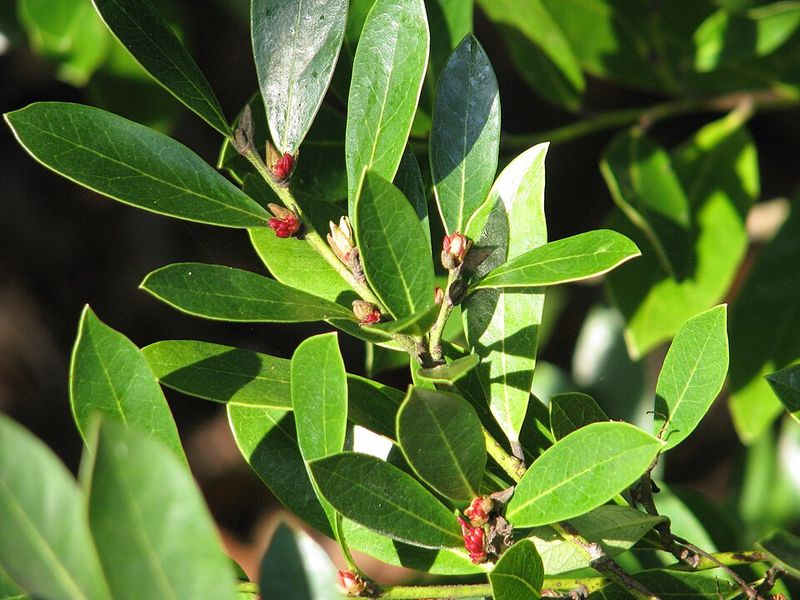
Plenty of gardeners want the polished look of an evergreen shrub without the constant disease worries that can come with older landscape staples. Distylium answers that need beautifully, offering dense blue-green foliage, a naturally neat habit, and impressive tolerance for Georgia’s heat.
It will not compete with hydrangeas on flashy flower clusters, but it often wins on every practical measure that keeps a garden looking good year-round.
This is the shrub I would choose for a front bed that needs to stay dependable through drought, humidity, and inconsistent care. It handles sun to part shade, rarely complains once established, and works well in both traditional and more modern designs.
Low, spreading varieties can replace tired foundation plantings, while larger selections create a broad, elegant mass without becoming unruly.
What makes distylium especially useful is how little correction it needs. You are not spending every season chasing wilt, dead stems, or flopped flowers after heavy rain.
Give it room to mature, improve drainage before planting, and resist the urge to shear it into a stiff box.
That easy confidence is worth a lot in Georgia gardens, where conditions can shift fast between soaking storms and intense dry spells. If hydrangeas feel like too much work for too brief a payoff, distylium is a smarter long-term investment.
Glossy Abelia
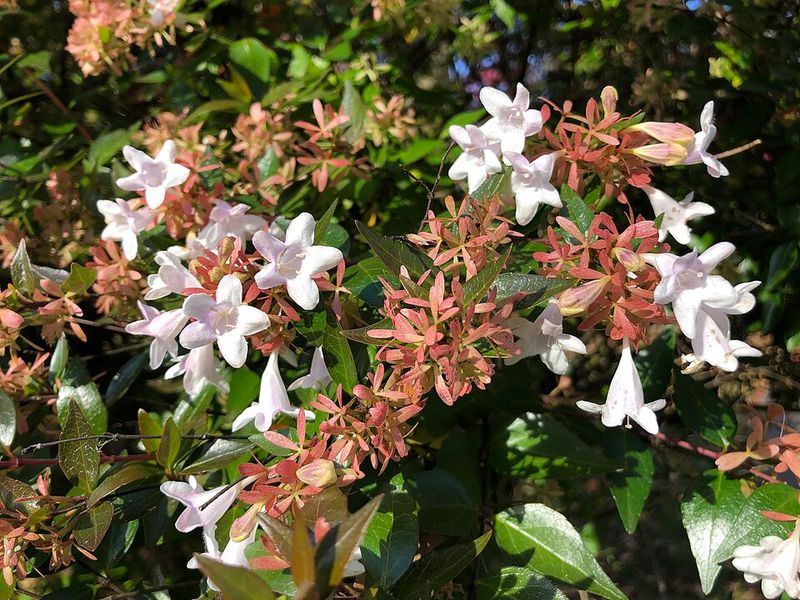
Long bloom seasons are hard to ignore, and glossy abelia delivers one of the best in a Georgia garden. Instead of giving you a short burst and then fading into the background, it keeps producing delicate pinkish white flowers for months.
That extended show, paired with graceful arching branches, can make hydrangeas seem oddly temporary by comparison.
Pollinators notice it too, which is a big plus if your yard feels quiet in summer. Bees and butterflies work the flowers steadily, while the foliage stays attractive and often picks up bronze or purplish tones as temperatures cool.
I like using abelia where you want movement and softness, such as along fences, near mailboxes, or mixed with evergreens that need a looser companion.
Another strength is adaptability. It handles heat, humidity, and average Georgia soils with less drama than many flowering shrubs, though better drainage always helps.
Light pruning in late winter or just after the main flush keeps it tidy, and older plants respond well to renewal thinning if they get woody.
Because it does not demand perfect conditions to look good, abelia suits real life better than some fussier options. For gardeners who want flowers, wildlife activity, and an easy habit all in one plant, this shrub often earns the spotlight hydrangeas usually get.
Virginia Sweetspire
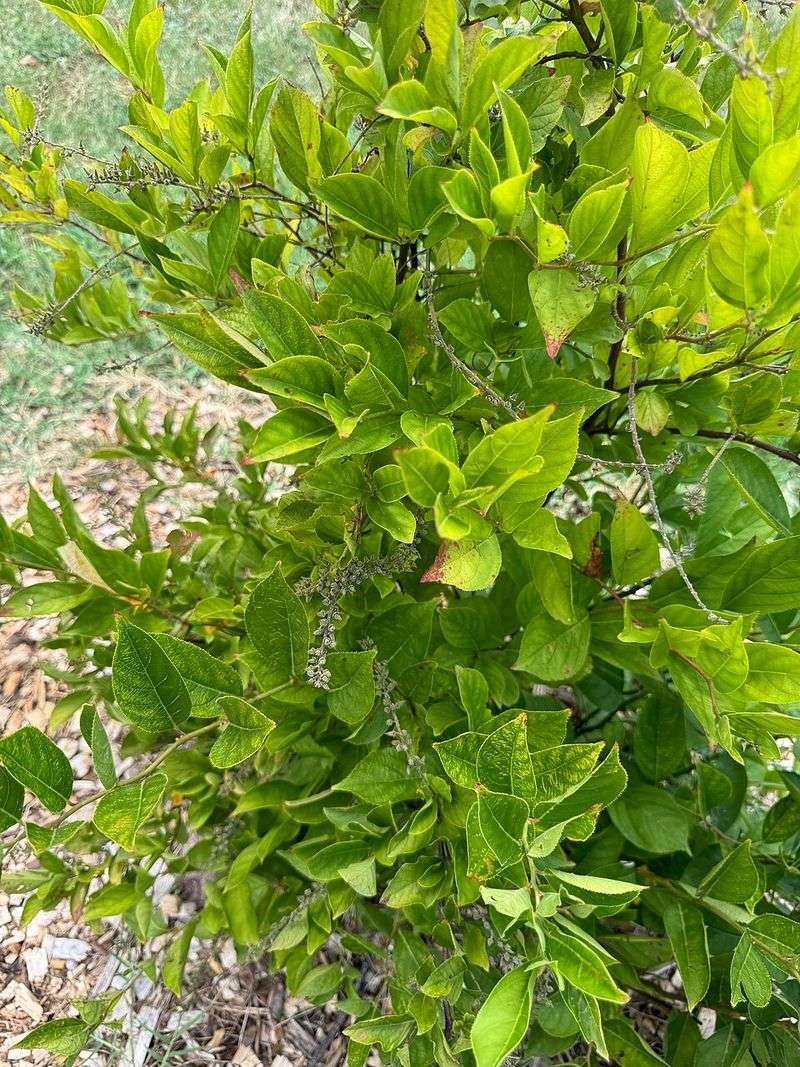
Native shrubs often fit Georgia gardens more naturally, and Virginia sweetspire proves that beauty and resilience can live in the same plant. In spring, its white flower spikes drape across the branches with a softer, more graceful effect than the heavy globes hydrangeas are known for.
Then fall arrives, and the foliage turns rich shades of red and orange that keep the show going long after many shrubs are finished.
This plant is especially useful in spots where moisture fluctuates. It tolerates wet periods better than many flowering shrubs, yet established plants can also handle ordinary dry spells once their roots settle in.
I think it shines along woodland edges, near downspouts, or beside paths where its arching habit can be appreciated up close.
Partial shade is ideal in much of Georgia, although it can take more sun if the soil does not dry out completely. A little mulch helps conserve moisture and keeps roots cooler through summer.
If the plant spreads by suckers more than you want, remove a few shoots in late winter and let the remaining framework fill in.
There is a relaxed, natural elegance to sweetspire that feels right at home in Southern landscapes. When one shrub can offer spring flowers, dependable form, and exceptional autumn color, it becomes very easy to rank above hydrangeas.
Tea Olive
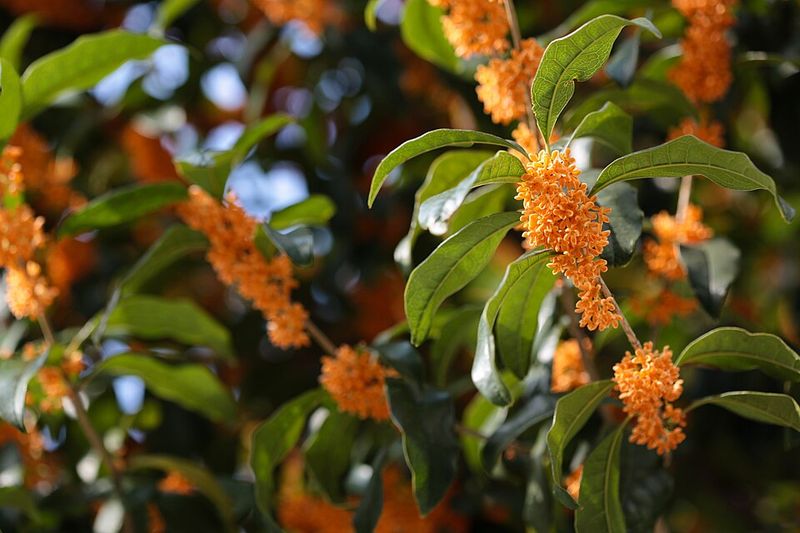
Fragrance changes the way a garden feels, and tea olive brings one of the most memorable scents you can plant in Georgia. The tiny flowers are not flashy from a distance, yet their sweet perfume travels beautifully through warm air and makes patios, porches, and front walks feel special.
Hydrangeas may offer size, but they rarely create that same sensory pull.
Because the blooms are small, this shrub relies on more than flowers to earn attention. The evergreen foliage is dense, handsome, and useful for screening, which means it keeps contributing even when not in bloom.
I often suggest planting it near doors or seating areas so you notice the fragrance every time you pass, instead of hiding it in the far edge of the yard.
Tea olive appreciates sun to partial shade and reasonably well-drained soil, though it is forgiving once established. In colder parts of Georgia, a protected location can prevent winter damage, especially for less hardy varieties.
Minimal pruning is best, since heavy cutting can spoil its natural shape and reduce blooming.
This is the kind of shrub that quietly wins people over. You may not notice every flower at first glance, but one breath near the plant usually changes your mind.
For lasting evergreen presence and unforgettable scent, tea olive easily outclasses hydrangeas.
Bottlebrush Buckeye
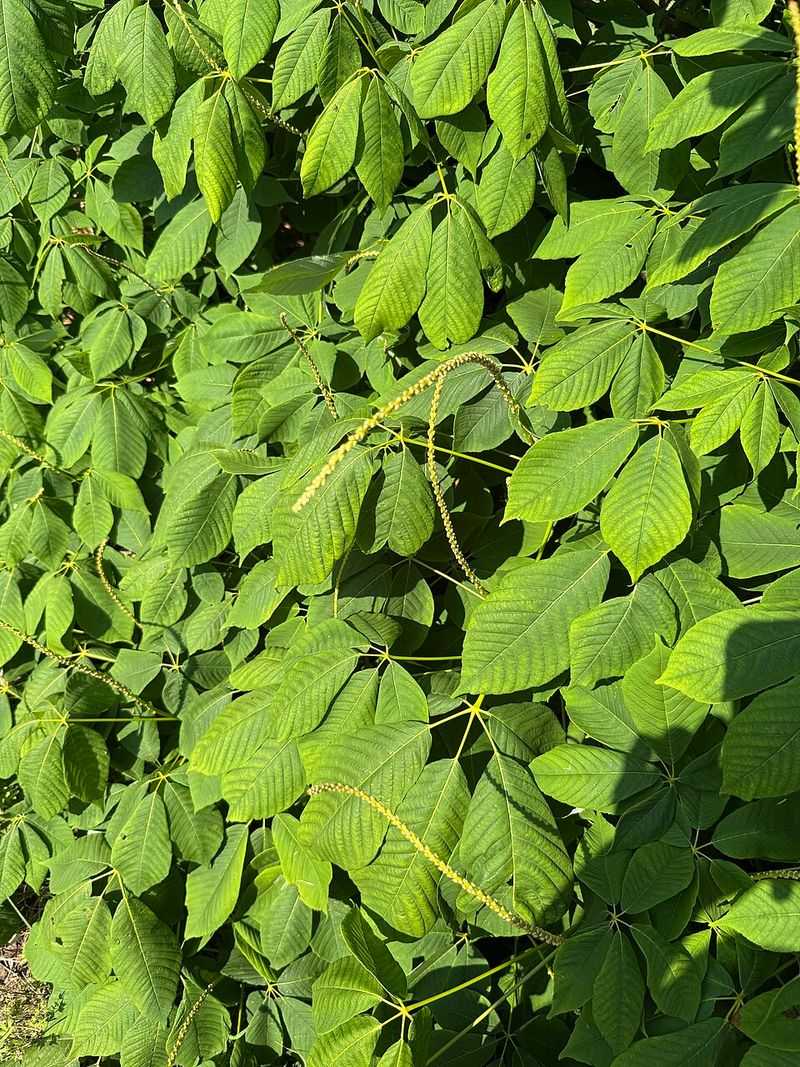
Shade gardens do not have to settle for bland foliage when bottlebrush buckeye is available. Its large leaves give beds a bold, almost tropical texture, and the upright white flower spikes in early summer look dramatic without appearing forced.
In the right woodland setting, it can easily steal attention from nearby hydrangeas.
North and central Georgia gardeners often have especially good luck with this shrub because it appreciates protection from harsh afternoon sun. Moist, rich soil helps it perform at its best, so adding compost before planting pays off quickly.
I like it at the back of a shaded border where the flowers can rise above lower plants and create a layered, natural look.
There is also strong seasonal interest after bloom. The leaves can turn yellow in fall, and the broad habit gives a bed real presence through much of the year.
Give it room, because mature plants spread wider than many people expect and look better when not crowded by smaller shrubs.
One practical note matters in family landscapes: seeds and plant parts are considered toxic if eaten, so placement should be thoughtful around pets and children. Still, for gardeners who want scale, texture, and standout flowers in shade, bottlebrush buckeye offers far more drama than most hydrangeas can manage.
American Beautyberry
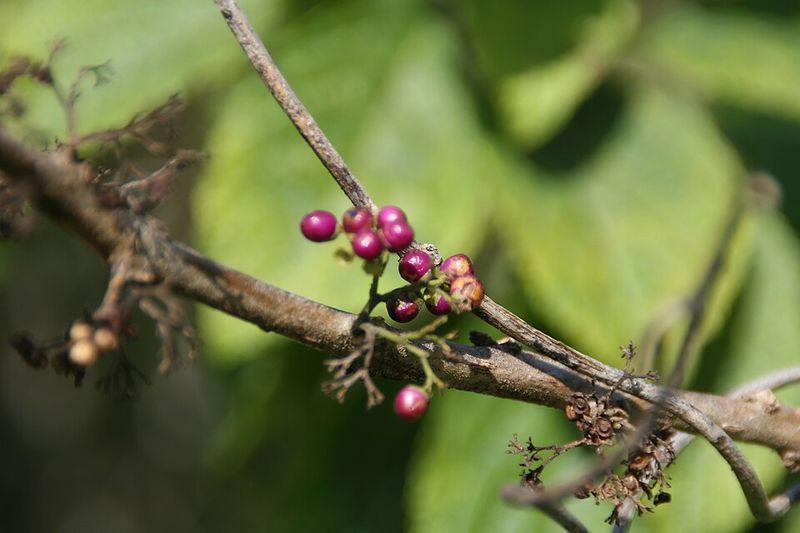
Color in fall can come from berries as easily as blooms, and American beautyberry proves it in spectacular fashion. After a fairly modest summer presence, the branches load up with tight clusters of electric purple berries that seem almost unreal against the foliage.
That surprise factor gives Georgia gardens something hydrangeas simply cannot match.
As a native shrub, beautyberry feels comfortable in many local conditions, especially in part shade with decent drainage. It also handles heat and humidity without much fuss, which makes it useful for gardeners who want strong seasonal interest but not constant maintenance.
I think it looks best in informal plantings, woodland edges, or mixed borders where the arching stems can lean naturally instead of being boxed into a formal shape.
Pruning is simple and forgiving. Many people cut it back hard in late winter to encourage vigorous new growth and a fuller form by summer.
The flowers are small and not the main attraction, but pollinators appreciate them before the berries take over the show.
Birds eventually enjoy the fruit too, adding life to the garden when many plants are slowing down. If your yard needs personality beyond the usual pink and blue hydrangea palette, beautyberry offers a wilder, more memorable kind of beauty that feels perfectly suited to Georgia.