
12 Compact Native Trees Perfect For Western North Carolina Mountain Yards
Follow us on Google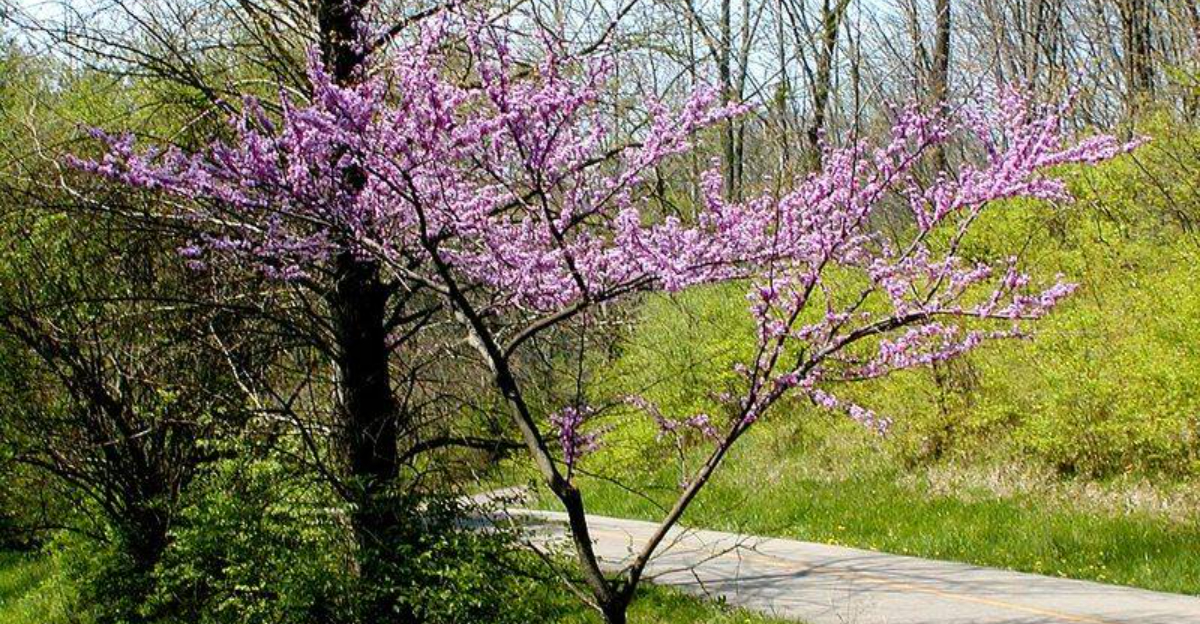
Mountain yards in western North Carolina can be beautiful and frustrating at the same time. Steep grades, shallow soils, deer pressure, and shifting light make tree choices feel more important than they do in flatter landscapes.
The good news is that plenty of native small trees already know how to handle these conditions, and they do it with real seasonal beauty. If you want something that fits a tighter space without fighting your site, these picks deserve a closer look.
Allegheny Serviceberry
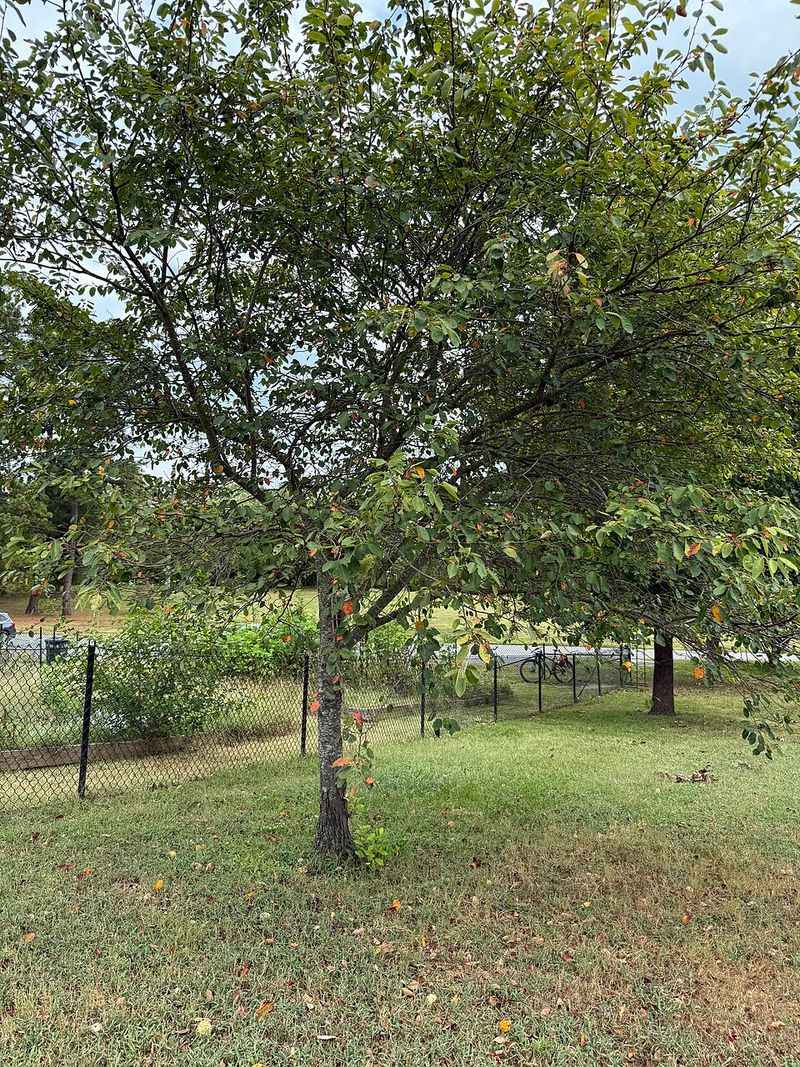
Early spring can feel bare in a mountain yard, so a small native tree that wakes up with bright white flowers earns its spot fast. Allegheny serviceberry gives you that lift without asking for a huge footprint, usually maturing in a tidy form that fits near patios, driveways, or woodland edges.
You will get the best shape and bloom in part sun to full sun, though it also handles light shade better than many ornamental trees. In western North Carolina, I would place it where drainage is reliable, because soggy roots and heavy clay tend to shorten its good looks over time.
Summer brings blue-black fruit that birds notice almost immediately, and the foliage stays refined instead of looking coarse or oversized in a small yard. Fall color shifts into warm orange and red tones, which helps this tree keep working long after the flowers are gone.
Pruning needs are minimal, and that matters if you want a landscape that feels manageable instead of needy. If your lot has a naturalistic feel, a sloped side yard, or filtered light from taller oaks, this is one of the easiest native trees to tuck in and appreciate for years.
Eastern Redbud
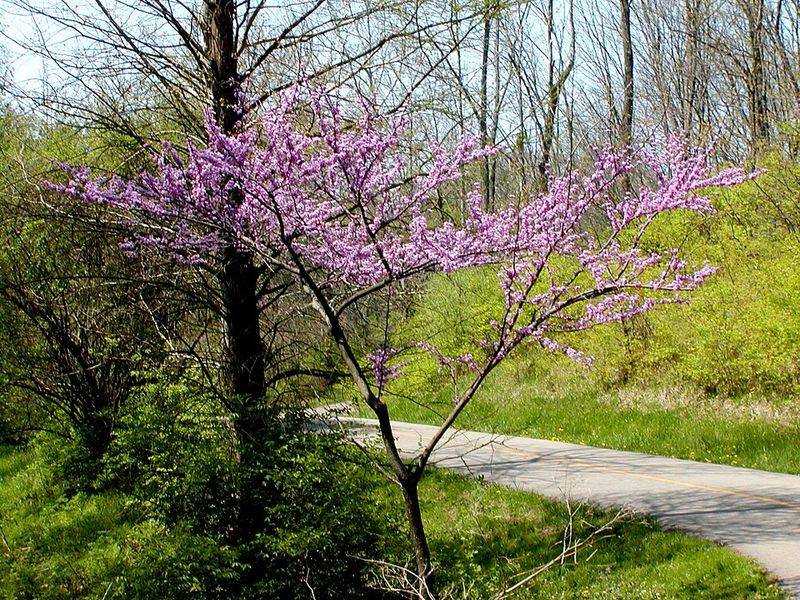
Nothing breaks up a gray mountain spring quite like clouds of rosy pink flowers along bare branches. Eastern redbud does that in a way that feels cheerful rather than flashy, and its modest size makes it especially useful for front yards, small lawn islands, or the sunny edge of a wooded property.
You will usually see the strongest flowering in full sun, but this tree also performs well with morning sun and afternoon shade, which suits many western North Carolina sites. Protection from harsh wind helps the canopy keep a fuller shape, especially on exposed ridges or corners near driveways.
Heart-shaped leaves give it a softer look through summer, and newer cultivars may tempt you, but the straight native species is often the safest long-term choice for local habitat value. Pollinators appreciate the early nectar, and the branching pattern looks attractive even in winter after leaves have dropped.
Because redbud stays relatively small, it works nicely near porches without swallowing the house in ten years. If your yard needs a tree that announces spring, supports native insects, and still feels easy to live with, this one makes a convincing case every single season.
Flowering Dogwood
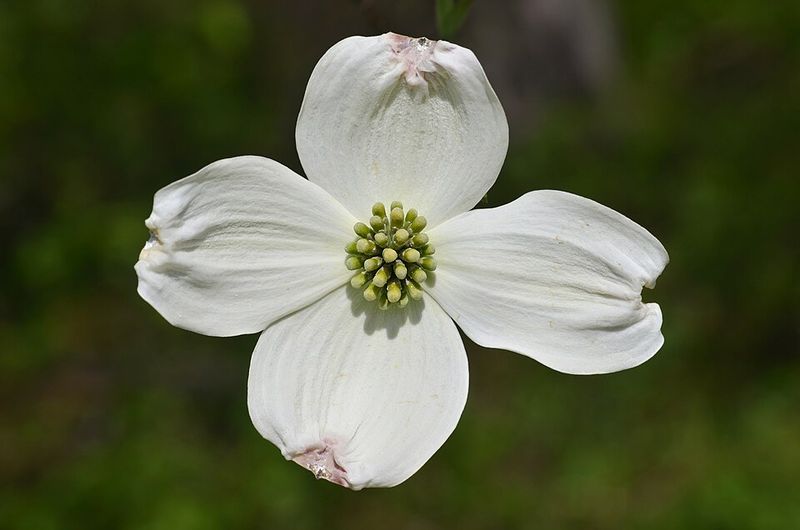
Layered branching, spring bloom, red fruit, and strong fall color make this one of the most rewarding small native trees you can plant. Flowering dogwood feels right at home in western North Carolina because it naturally belongs in the forest margins and filtered light conditions found across many mountain neighborhoods.
You will get the healthiest growth when it sits in morning sun or bright dappled shade with evenly moist, well-drained soil. Crowding it into hot reflected heat or compacted ground near a driveway can invite stress, which often shows up before people realize the site was the real problem.
In spring, the white bracts brighten shady corners, and by late summer birds start eyeing the red fruits. The horizontal branching gives it a graceful outline that looks good near native shrubs, boulders, or a simple mulch bed under tall hardwoods.
Good air circulation matters, so I would not wedge it into a tight foundation planting where leaves stay damp. If you want a tree that feels distinctly Appalachian, supports wildlife, and brings four seasons of interest without becoming oversized, flowering dogwood remains one of the smartest choices you can make.
American Hornbeam
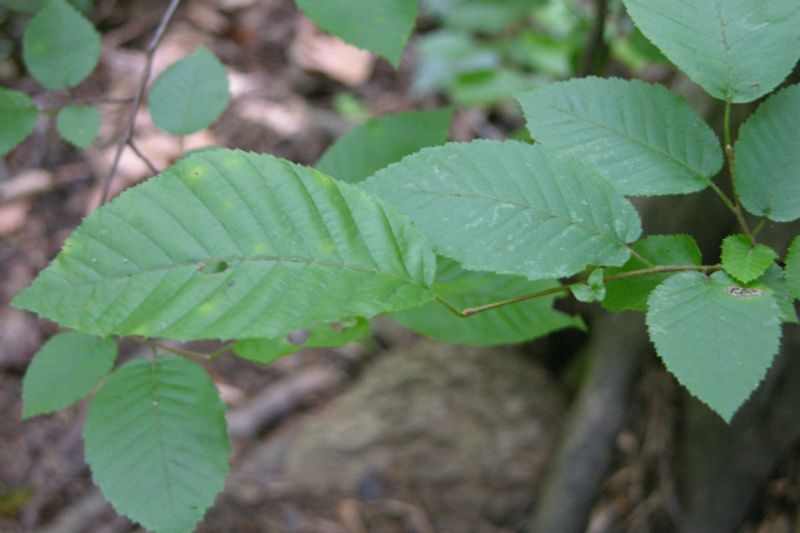
Some yards need a tree with subtle character instead of obvious flowers, and this is where American hornbeam shines. Its smooth gray bark looks almost sculpted, with a muscular trunk that adds winter interest long after showier plants have disappeared into the background.
You can use it in part shade, along a drainage swale, or on a woodland slope where many small ornamentals would sulk. Western North Carolina gardeners often appreciate how well it handles moisture compared with fussier choices, though it still prefers soil that drains rather than staying permanently waterlogged.
Summer foliage is clean, dense, and useful when you want privacy between neighboring lots without planting something massive. Fall color can lean yellow, orange, or red depending on conditions, and the overall effect feels refined rather than busy, which is helpful in smaller spaces.
Because growth is moderate, you are not signing up for constant pruning or future regret near walkways. If your property has a creekside feel, mature canopy trees overhead, or a shaded side yard that needs structure, this native understory tree offers durability and quiet beauty that tend to age very well.
Fringe Tree
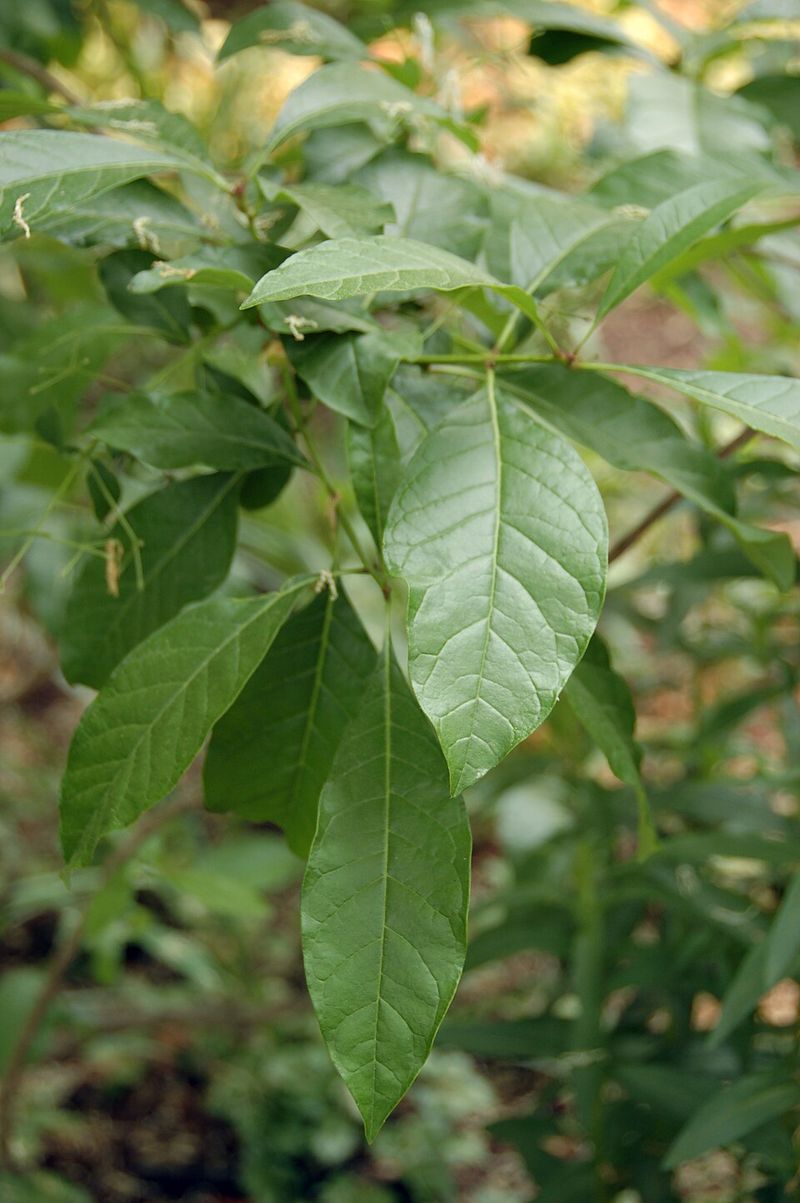
Late spring feels more interesting when a small tree suddenly covers itself in airy, fringe-like white flowers. Fringe tree has that surprise factor, yet its overall size stays friendly for compact yards, making it a smart option where you want a focal point without committing to a larger canopy.
You will usually get the best flower display in full sun to light shade, and good drainage is worth prioritizing on mountain properties. Once established, it handles typical western North Carolina conditions well, especially in spots that avoid the driest, hottest reflected heat near stone walls or broad asphalt surfaces.
The bloom has a soft, clouded look that pairs nicely with boulders, ferns, and informal native plantings. Female trees can produce blue-black fruit that birds appreciate, and the foliage remains neat through summer instead of getting coarse or ragged by midsummer.
This is also one of those trees that feels special without demanding constant attention, which makes a difference in real life. If your landscape leans woodland, cottage, or naturalized, fringe tree brings spring drama, wildlife value, and a manageable mature size that suits many mountain homes beautifully.
Witch Hazel
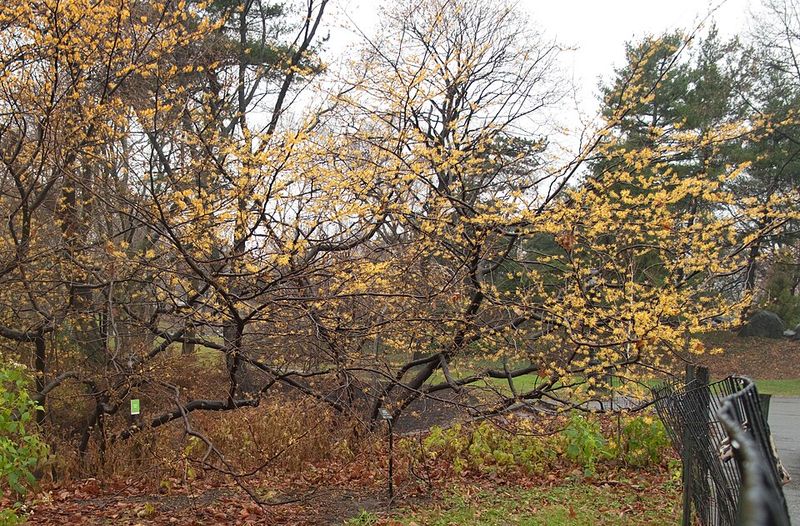
Most small trees have finished their show by fall, which is why witch hazel feels like such a clever choice. Just when the garden starts winding down, this native tree opens spidery yellow flowers that catch low autumn light and make a cool day feel a little more alive.
You can grow it in part shade or sun, though mountain gardeners often see the nicest habit where it gets some protection from harsh afternoon exposure. It appreciates organic, well-drained soil, and it fits naturally into woodland edges, side yards, or transitions between lawn and taller native shrub plantings.
The branching has a broad, open elegance that helps it read as a small tree rather than a bulky shrub when given room. Fall foliage adds another layer of color, and the unusual bloom timing gives pollinators and people something valuable when most landscapes have gone visually quiet.
Patience helps, because this is not a rapid grower built for instant impact beside new construction. If you want a yard that feels thoughtful through more than one season, witch hazel earns its keep with structure, scent, and an offbeat flowering schedule that always gets noticed.
Sourwood
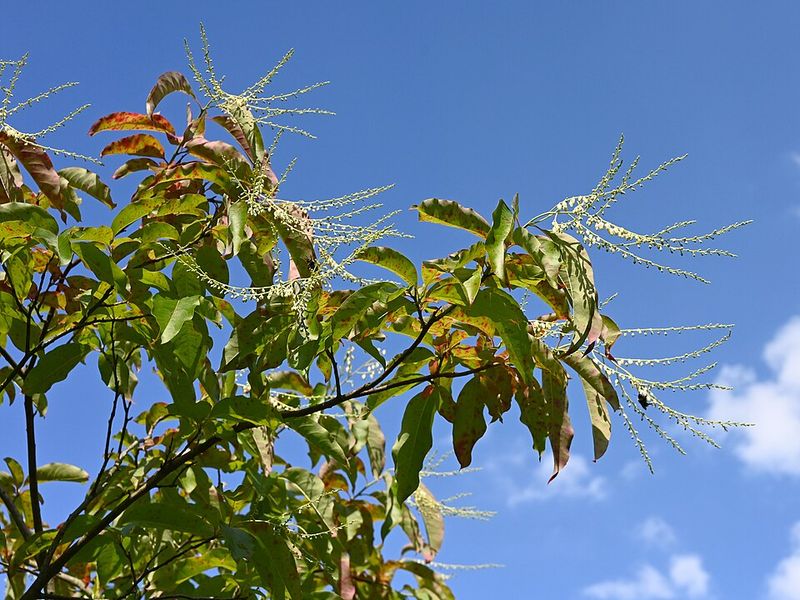
Summer flowering is surprisingly rare in small native trees, which gives sourwood a real advantage in mountain yards. Its drooping white flower clusters arrive when many spring bloomers are finished, and the tree stays narrow enough for tighter spaces if you give it a thoughtful starting location.
You will want acidic, well-drained soil, which conveniently describes many western North Carolina sites. Full sun to light shade works well, but avoiding heavily compacted fill soil is important, because sourwood tends to tell you quickly when its roots are not happy.
Bees absolutely love the flowers, and that alone makes it valuable near vegetable gardens, pollinator borders, or fruiting shrubs. Then fall shows off with brilliant red foliage that can stop you in the driveway, especially when backlit against darker evergreens or native woodland edges.
The branching remains graceful, and the overall texture feels lighter than many common yard trees, so it does not visually crowd a small lot. If your goal is a tree that supports pollinators, suits Appalachian conditions, and delivers serious autumn color without becoming oversized, sourwood deserves a top spot on your list.
Carolina Silverbell
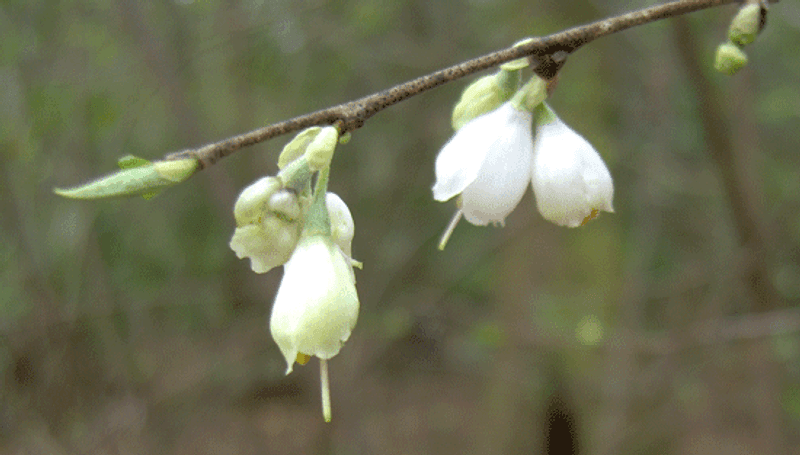
Few spring trees look as gentle and graceful as Carolina silverbell when its white bell-shaped flowers hang beneath the branches. That downward-facing bloom habit creates a softer display than upright flowering trees, and it fits beautifully in mountain yards that already have a woodland character.
You will get the best performance in rich, moist, well-drained soil with part shade or filtered sun. In western North Carolina, that often means the east side of a house, a slope above a streambed, or a lightly shaded garden tucked below taller hardwoods.
Its leaves are medium-sized and clean, which helps the canopy feel airy instead of bulky in a compact space. The form can be multi-stemmed or single-trunked, so you have some design flexibility depending on whether you want a more natural look or a tidier specimen near a path.
This is not the tree for exposed windy ridges or dry, baking lawn centers, and that is useful to know before planting. Put it in a cooler, sheltered pocket, and Carolina silverbell rewards you with elegant flowers, native habitat value, and a distinctly Appalachian presence that never feels forced.
Sweetbay Magnolia
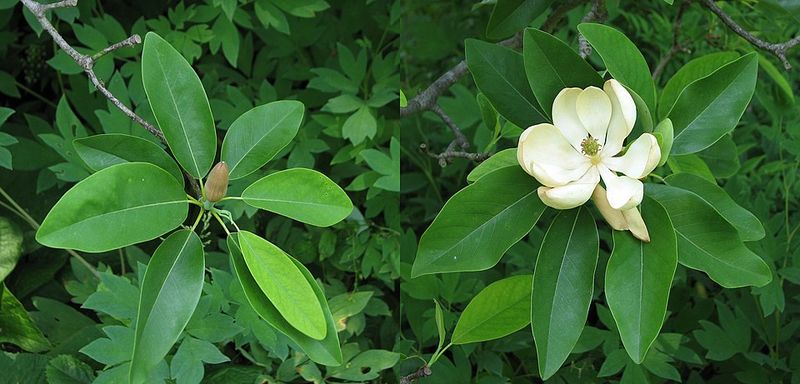
Fragrance can change the whole experience of a yard, and sweetbay magnolia brings that quality without the oversized habit of some magnolia relatives. The creamy white flowers open through late spring and summer, so you get a longer season of interest than many small native trees provide.
You can place it in sun or part shade, and it is especially useful in lower areas that stay a bit more evenly moist. Western North Carolina properties with a swale, rain garden edge, or sheltered backyard often suit it well, though established plants handle average conditions better than many people expect.
The leaves are glossy green above and silvery underneath, which creates movement and contrast when mountain breezes pick up. In milder spots it may hold some foliage longer, and its smooth habit works nicely near decks, bedroom windows, or outdoor seating where the scent can be appreciated.
Because it can be grown as a multi-stem tree, it adapts well to naturalistic designs and smaller planting beds. If you want something native that feels a little more polished than a typical woodland tree, sweetbay magnolia offers flowers, fragrance, and a manageable size that suits everyday living.
Blackhaw Viburnum
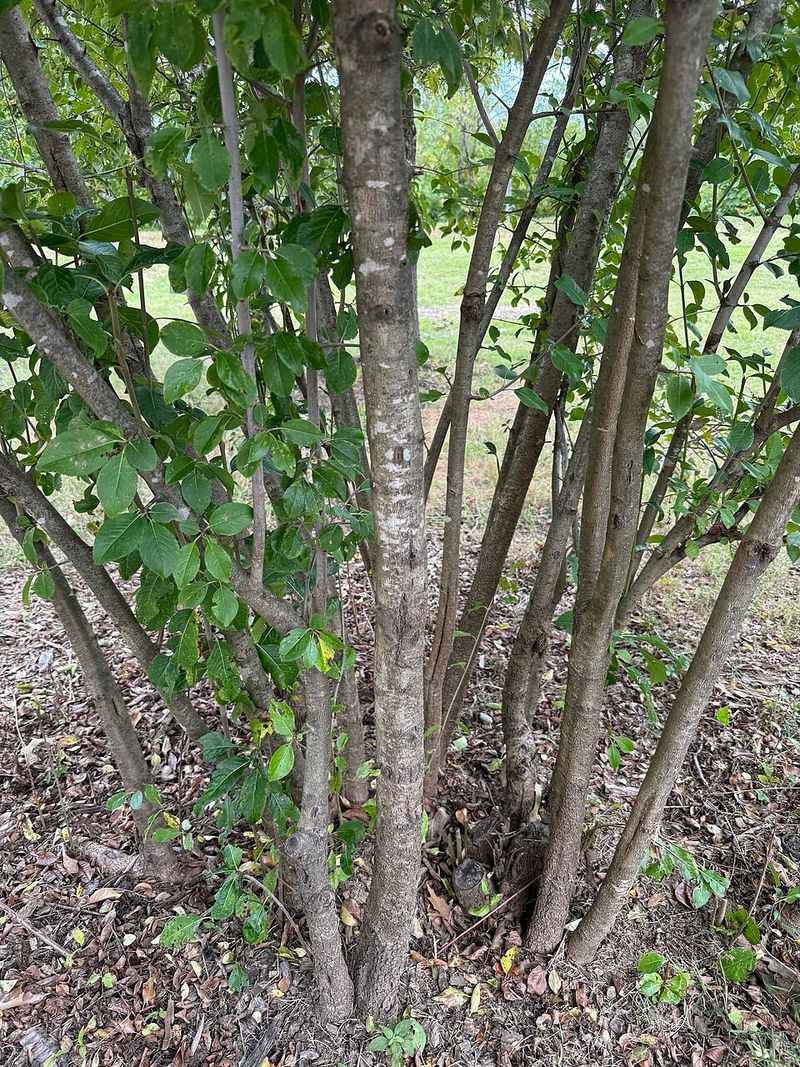
Not every great small native tree starts as a classic tree, and blackhaw viburnum proves the point. Often grown as a large shrub or trained into a small multi-stem tree, it fits compact mountain yards beautifully while still offering flowers, fruit, and strong seasonal color.
You will see clusters of creamy white flowers in spring, followed by blue-black fruit that birds quickly find. It handles a range of soils better than many flowering trees, which is helpful in western North Carolina where one side of a lot may be rocky and dry while another stays richer and moister.
Fall is where this plant often wins people over, with leaves shifting into red, wine, or purple shades that look especially rich against stonework and evergreens. The branching can be dense enough to add screening, yet the overall size remains manageable for side yards, corners, and foundation-adjacent beds.
Light pruning can help emphasize a tree form, but it rarely becomes a maintenance headache. If your space needs a native woody plant that is adaptable, wildlife-friendly, and more forgiving than fussier ornamental trees, blackhaw viburnum is a practical choice that still feels attractive in every season.
Striped Maple
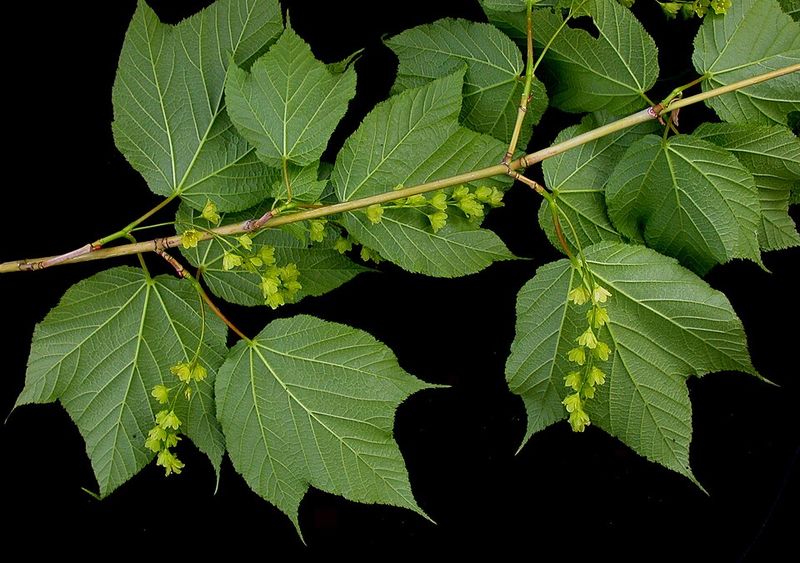
Shade can be the toughest condition in a mountain yard, especially under mature hardwoods where grass struggles and many ornamentals stretch awkwardly. Striped maple is one of the few native small trees that genuinely belongs in that setting, bringing character through foliage, bark, and a calm woodland presence.
You will recognize it by the green bark marked with pale vertical stripes, a detail that stands out in winter and early spring. It prefers cool, moist, sheltered conditions, so north-facing slopes, shaded ravines, and protected understory gardens in western North Carolina are often better choices than exposed sunny lawns.
The broad leaves create a tropical look without feeling out of place in an Appalachian landscape. Because the canopy stays relatively small, it layers nicely beneath taller trees and works well beside ferns, foamflower, native sedges, or a simple mulch path through a shaded side yard.
This is not the pick for hot, dry, windy sites, and it is better to know that upfront than try to force it. For the right location, striped maple offers an authentically regional feel and solves a problem many homeowners have, which is finding a compact tree that actually enjoys deep shade.
Possumhaw Holly
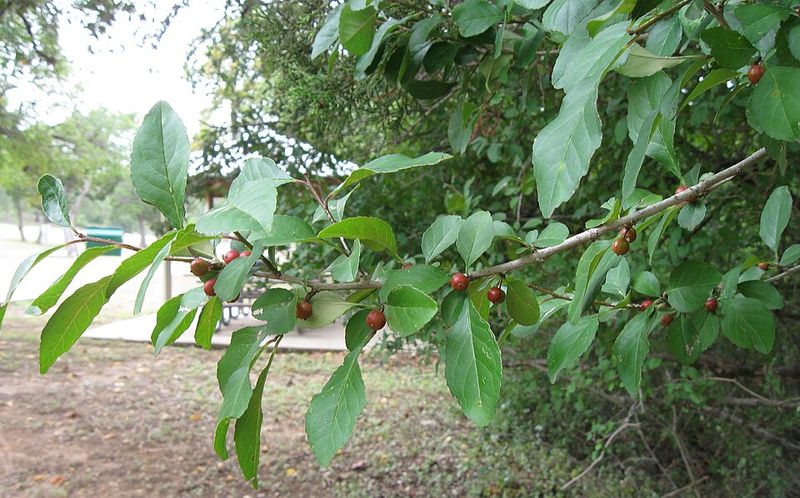
Winter interest matters more in the mountains because bare views last long enough for dull yards to feel especially empty. Possumhaw holly solves that with bright red berries on leafless branches, creating one of the best cold-season displays you can add to a smaller native-focused landscape.
You will need both a male and a female plant nearby for fruit, so planning ahead is part of the deal. In return, this small native tree handles sun to part shade and adapts to many soils, including spots that stay somewhat moist through winter and spring.
Its summer appearance is modest, which can actually help if you want a plant that supports wildlife without dominating the garden all year. Come late fall and winter, the berries suddenly become the star, looking especially striking near stone steps, dark mulch, ornamental grasses, or evergreen backdrops.
Because the form is airy and upright, it can fit near the edge of a patio or mixed border without overwhelming the space. If your western North Carolina yard needs color after leaves drop and flowers fade, possumhaw holly delivers a memorable native display right when most gardens need help.