
More North Carolina Gardeners Are Discovering The Benefits Of Lemongrass
Follow us on Google
Lemongrass is showing up in more North Carolina gardens for reasons that go far beyond its fresh citrus scent. Gardeners are finding that this bold, easygoing plant earns its space by handling heat, looking beautiful, and pulling double duty in the kitchen.
If you have been wanting an herb that feels practical and a little exciting, this one deserves a closer look. The best part is that it fits surprisingly well into both small backyard beds and larger Southern landscapes.
It Handles North Carolina Heat With Ease
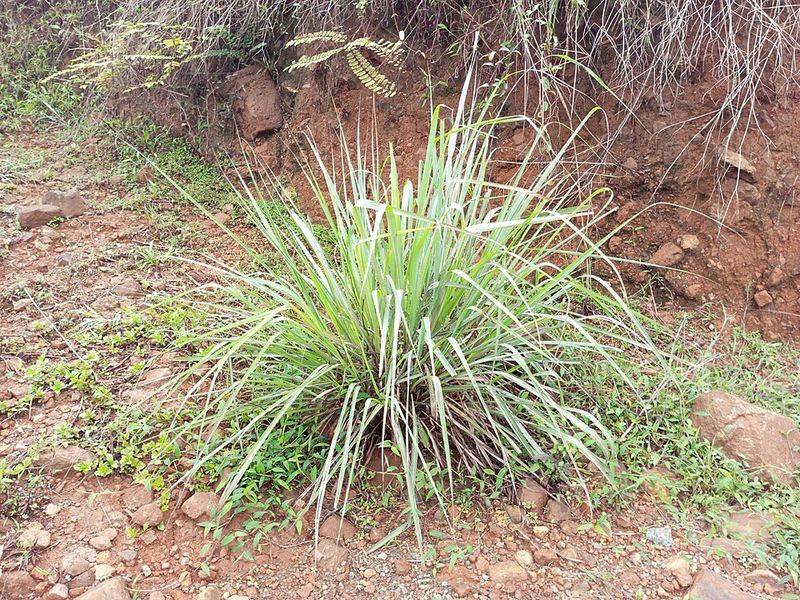
Summer in North Carolina can feel relentless, especially when the air turns heavy and many herbs begin to sulk. Lemongrass tends to meet that weather with surprising confidence, putting on strong growth when temperatures climb and the sun stays intense for hours.
If you have struggled with plants that look tired by July, this one often feels like a welcome change of pace.
Warm soil and regular moisture usually help it settle in quickly, and once established, the plant keeps pushing upward in neat, fountainlike clumps. Gardeners in the Piedmont and coastal plain often notice that it performs best in full sun with room for air circulation.
That matters in humid conditions, where crowded beds can invite unnecessary stress on more delicate herbs.
Another reason people keep planting it is simple reliability. During stretches when basil may bolt or cilantro disappears entirely, lemongrass still looks energetic and useful.
You can cut stalks for cooking, enjoy the movement of the foliage, and still have a handsome plant anchoring the bed.
For busy gardeners, that resilience feels practical. Instead of constantly replacing summer herbs, you get a plant that seems built for the season North Carolina delivers most consistently.
It Adds Bold Structure To Garden Beds
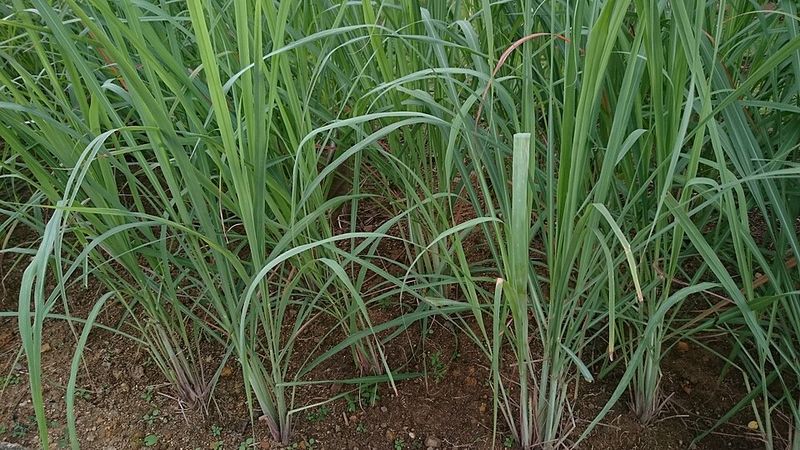
Not every edible plant brings real visual impact, yet lemongrass manages to do both jobs well. Its upright habit and arching blades create a strong shape that helps garden beds look intentional instead of scattered.
In a North Carolina yard where summer growth can quickly become messy, that kind of structure is genuinely useful.
Placed near lower herbs, the plant acts almost like a living focal point. The soft movement of the leaves catches wind beautifully, and the bright green color pairs well with purple basil, salvia, marigolds, and compact peppers.
You do not need a formal design background to make it work, because the clump naturally reads as organized.
Many gardeners also appreciate how easily it fits into mixed spaces. One season it can sit beside vegetables, and the next it can anchor a pollinator border or patio container arrangement.
That flexibility makes it a smart choice for people who like changing their layouts without starting over completely.
There is also a practical side to all that height. Lemongrass helps break up flat planting schemes, giving the eye a place to rest while making compact beds appear fuller, layered, and far more polished through the hottest months.
Fresh Stalks Make Home Cooking Better

Plenty of gardeners first plant lemongrass for the way it looks, then keep it because dinner improves. Fresh stalks have a cleaner, brighter flavor than the dried pieces that sit in store jars, and that difference comes through quickly in soups, marinades, teas, and curries.
When you can step outside and cut what you need, cooking starts to feel easier and more rewarding.
The lower stalks are the part most people use, and they carry a citrusy aroma with a subtle ginger note. A small amount can wake up chicken broth, rice, grilled shrimp, or a simple syrup for summer drinks.
If you like growing ingredients that actually get used instead of admired from a distance, this plant earns its keep.
Home cooks in North Carolina also like its timing. Lemongrass is at its best when tomatoes, peppers, eggplant, and cucumbers are crowding the counter, so it naturally fits the foods already coming out of a warm season garden.
That overlap encourages more from-scratch meals without extra shopping.
There is satisfaction in harvesting something uncommon and immediately turning it into dinner. Instead of buying specialty herbs that wilt in the refrigerator, you get fresher flavor, less waste, and a stronger connection between garden and table.
Its Citrus Scent Makes Outdoor Spaces Feel Fresher
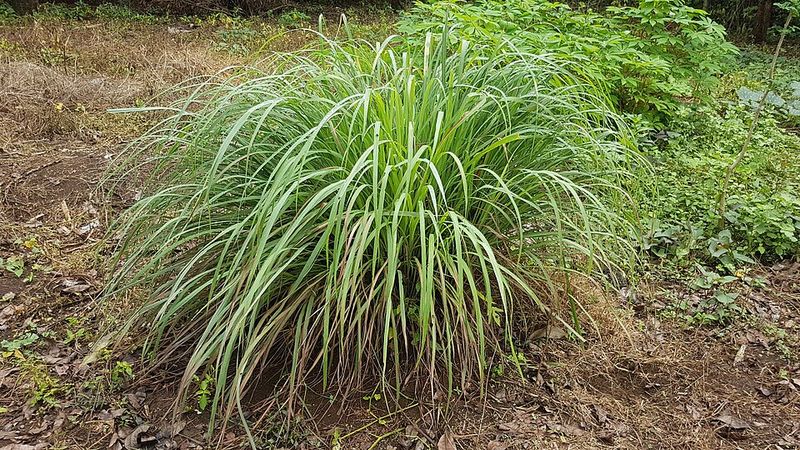
Some garden plants do their best work after you brush past them, and lemongrass is one of those quiet stars. A light touch releases a clean citrus scent that makes porches, walkways, and patio containers feel noticeably fresher.
In a humid North Carolina summer, that crisp fragrance can make the whole space seem less heavy.
It is especially appealing near seating areas where people naturally move around and interact with the foliage. Positioned by steps, along a path, or beside a back deck, the plant adds a sensory detail that flowers alone do not always provide.
That experience matters when you want a yard to feel inviting, not just productive.
Gardeners who entertain outside often appreciate how subtle the scent is. It reads bright and pleasant rather than perfumey, so it complements cookouts, evening drinks, and casual dinners without competing with food.
Even on ordinary weekdays, passing by it with a watering can gives you that quick burst of freshness.
There is a lifestyle benefit here that should not be ignored. When a plant makes your outdoor routine more enjoyable, you spend more time in the garden, notice problems earlier, and care for the space with more consistency through the long Southern growing season.
Container Growing Is Simple And Flexible
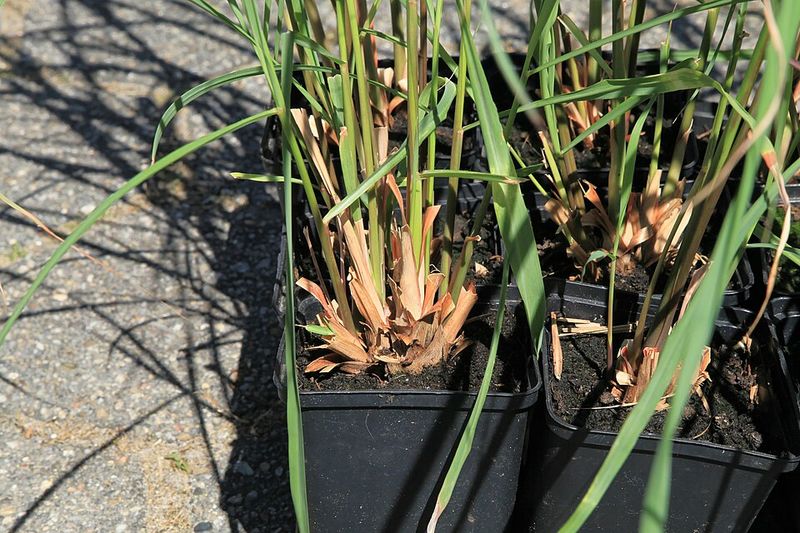
Not everyone has room for a dedicated herb bed, which is exactly why lemongrass keeps gaining fans. It grows very well in large containers, giving renters, townhouse gardeners, and patio growers a chance to enjoy a dramatic edible plant without needing much ground space.
That flexibility makes it especially appealing in fast-growing North Carolina neighborhoods where yard sizes vary widely.
A roomy pot with strong drainage usually does the job, and the plant responds quickly to warm weather. With regular watering and occasional feeding, it forms a dense, attractive clump that looks more substantial than many container herbs.
You can place it where it gets the most sun, then shift the pot slightly if your light changes through the season.
Container culture also helps gardeners control spread and simplify maintenance. Instead of digging a large clump from a crowded bed in fall, you already have it in a movable setup that can be overwintered more easily.
That matters in areas where winter temperatures may dip too low for plants left outside.
There is freedom in growing useful plants this way. If you like experimenting on a deck, beside a front entry, or near an outdoor kitchen, lemongrass offers strong looks, real harvests, and a surprisingly manageable routine.
Overwintering It Is Easier Than Many Gardeners Expect
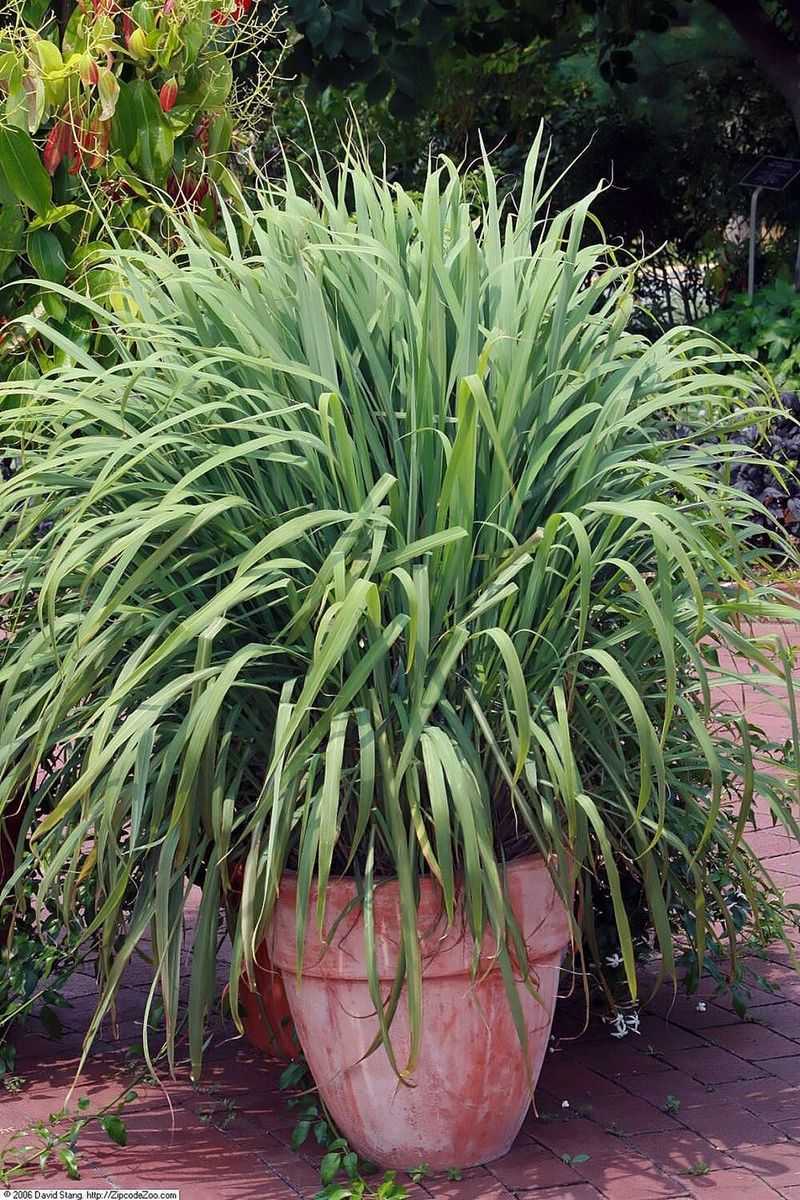
One reason gardeners hesitate with tropical plants is the assumption that winter care will be complicated. Lemongrass sounds fussy at first, but many North Carolina growers find it surprisingly manageable once they understand the basic routine.
Instead of treating it as disposable, they divide clumps, pot sections up, and carry them through the colder months with decent success.
Before frost arrives, a healthy plant can be dug and split into smaller pieces, each with roots attached. Those divisions settle into containers well, especially if trimmed lightly and placed in bright light indoors or in a protected porch space.
You are not trying to keep it in peak summer form, only alive and steady until warmth returns.
That simple approach saves money and gives you a head start next spring. Rather than searching for transplants again, you already have established pieces ready to move outside once nights warm up.
For gardeners who enjoy getting more value from each purchase, this is a satisfying habit to build.
It also changes how you think about the plant. Lemongrass stops being a one-season novelty and becomes part of your regular gardening rhythm, which makes trying it feel far less risky for new growers.
It Offers High Value For The Space It Uses
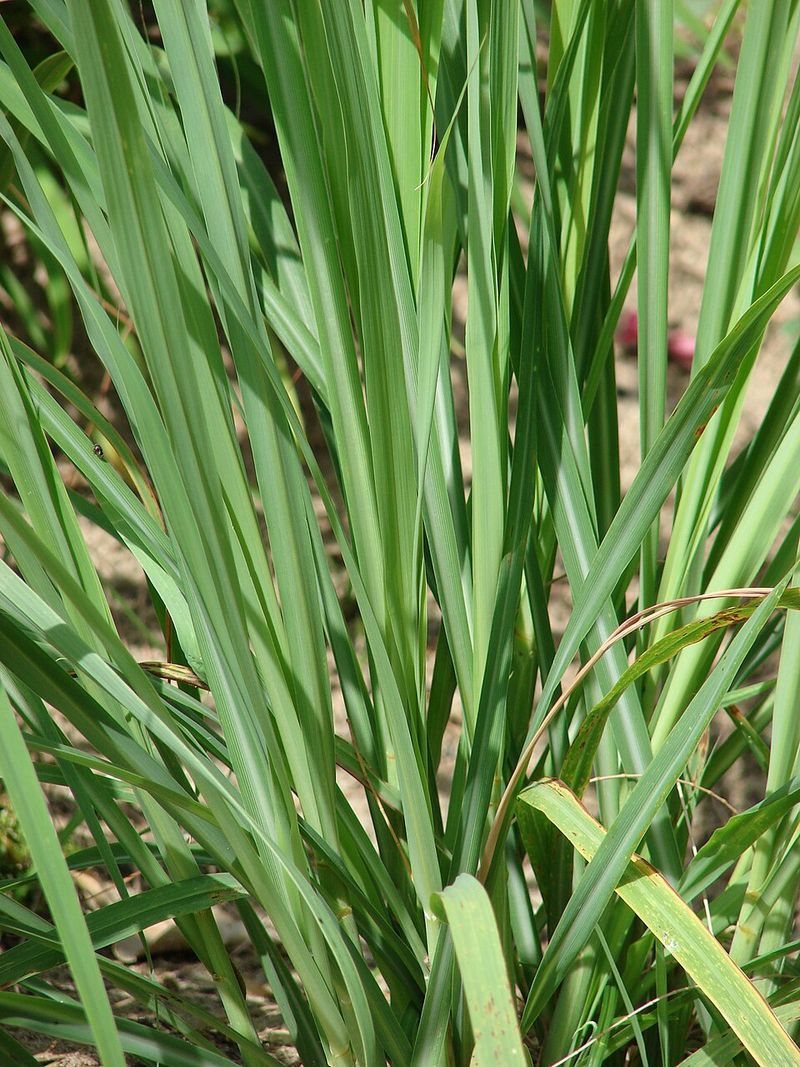
Space matters in every garden, so plants need to justify the room they take. Lemongrass earns that space by combining ornamental appeal, culinary usefulness, seasonal durability, and easy harvests in one substantial clump.
For North Carolina gardeners trying to make smart choices, that kind of multiuse performance is hard to overlook.
You are not planting it for a single brief bloom or one tiny cutting every few weeks. A healthy clump can provide repeated harvests during warm weather while still functioning as a bold visual feature in the bed or container.
That return feels especially good in smaller gardens where every square foot has to work hard.
There is also less frustration compared with some trendy herbs that demand constant babysitting. Once established in sun and watered consistently, lemongrass tends to stay attractive without endless pinching, staking, or pest management.
The result is a plant that gives a lot back for a fairly reasonable level of effort.
Gardeners often remember which plants made life easier and meals better at the same time. Lemongrass lands in that category, offering enough beauty, flavor, and reliability that many people who try one plant quickly decide they want more next season.