
10 Low-Maintenance Native Plants That Make Florida Front Yards Look Better In May
Follow us on Google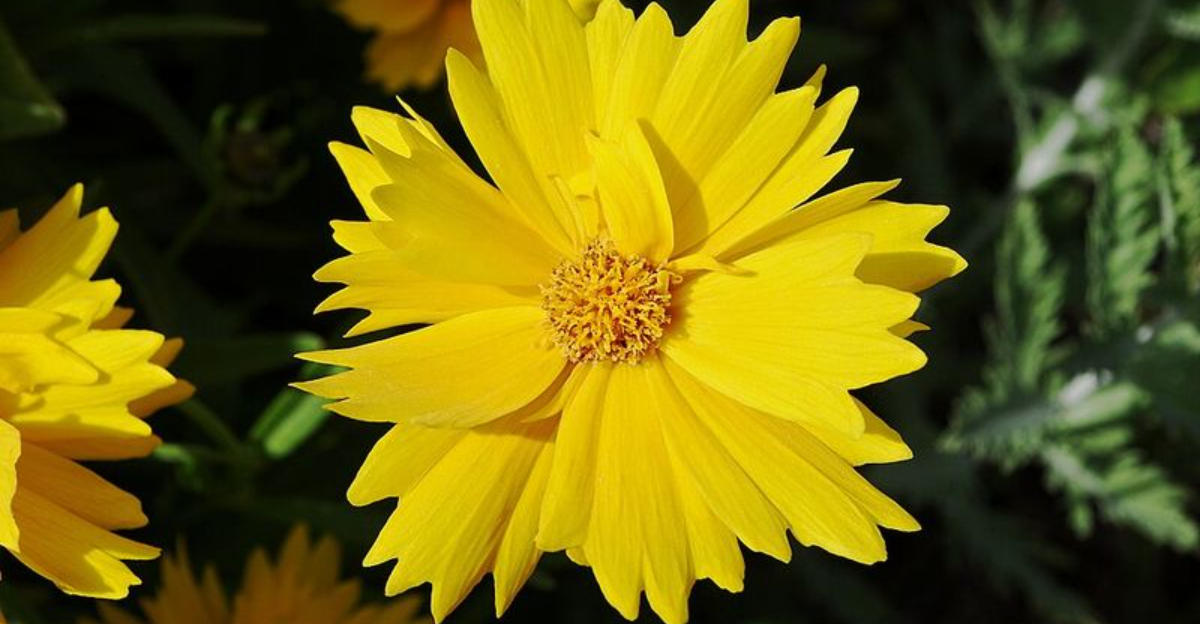
By May, Florida front yards can start looking tired if your plants are not built for heat, humidity, and sudden downpours. The good news is that native choices usually need less fuss and still give your curb appeal a real boost.
These plants handle local conditions beautifully, so you spend less time babying them and more time enjoying how polished your yard looks. If you want a front yard that feels fresh, colorful, and easy to keep up, these picks are worth your attention.
Muhly Grass
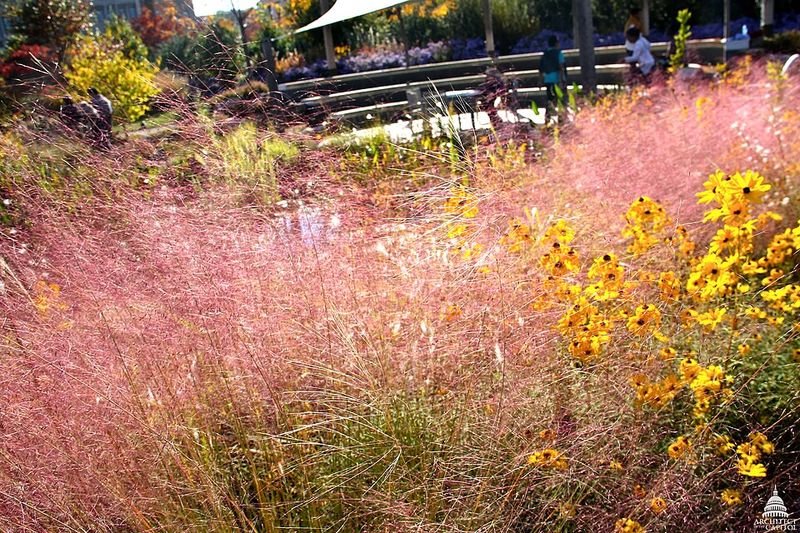
Soft movement can do more for a front yard than a bed packed with fussy flowers, and this plant proves it every spring and early summer. In May, the fine green blades already look tidy and fresh, creating a clean backdrop for brighter seasonal color.
You get structure without heaviness, which matters when Florida landscapes can feel visually crowded fast.
Once established, it asks for very little beyond occasional watering during long dry stretches and a yearly trim before new growth begins. That makes it especially useful near walkways, mailboxes, and driveway edges where you want something dependable that still looks intentional.
I like how it softens hard lines from concrete without spilling everywhere or making the space feel overgrown.
Its biggest moment comes later when pink plumes appear, but even before that show, the neat fountain shape keeps your yard looking maintained. Plant it in full sun with room for airflow, and avoid rich soil that encourages floppy growth.
Grouping three or five together gives the strongest effect from the street.
If your front yard needs texture more than another bloom color, this is an easy win. It handles heat, humidity, sandy soil, and occasional neglect better than many ornamental grasses sold in big box stores.
Coontie
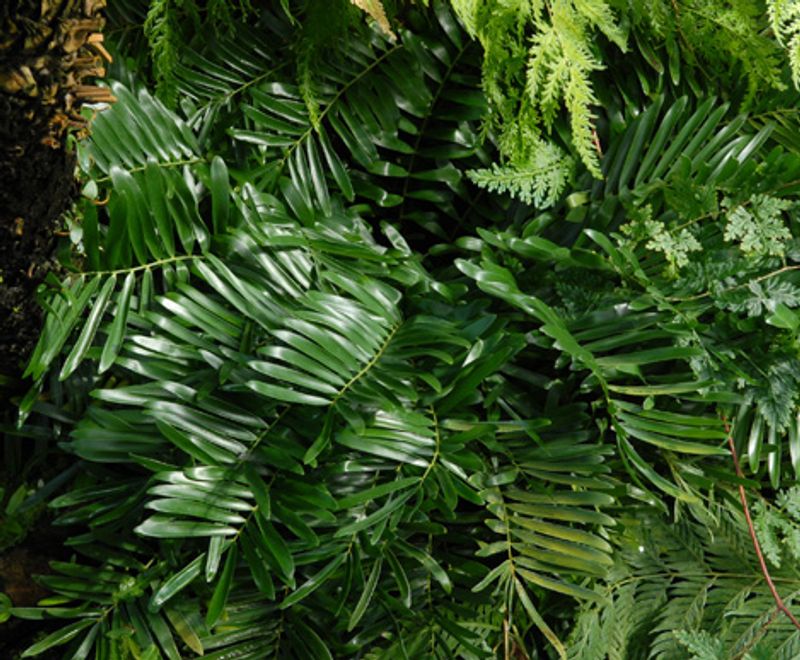
There is something reassuring about a plant that stays handsome without asking for constant pruning, and this one delivers that steady presence. Its deep green, palm-like fronds give a front yard a polished look in May, especially when annuals nearby start fading in the heat.
The shape feels refined but not stiff, which helps foundation beds look finished year-round.
Because it is native, it handles Florida conditions with much less drama than many tropical lookalikes. Once established, it tolerates drought well and rarely needs supplemental water except during extended dry periods.
That makes it ideal for busy homeowners who want strong structure at the front of the house without a long weekend maintenance routine.
It also works in both sun and part shade, so you can use it under windows, near porches, or mixed with lower flowering natives. The compact size fits smaller lots nicely, and it will not suddenly swallow a walkway.
I find it especially useful when a bed needs evergreen consistency instead of another short-lived burst of color.
As a bonus, coontie supports the rare Atala butterfly, which gives your yard a little ecological value too. If you want something architectural, durable, and noticeably cleaner looking than many common shrubs, it earns its space.
Firebush
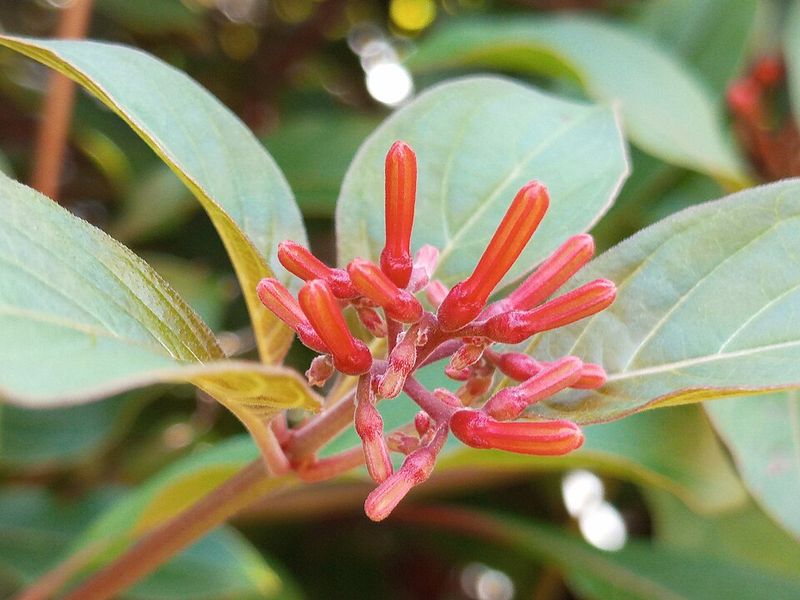
Bright color matters in May, and few native shrubs bring it as reliably as this one. The orange-red tubular flowers start warming up the front yard just when many landscapes begin looking flat under stronger sun.
Hummingbirds notice it quickly, which adds movement and life near the entry without extra work from you.
In most Florida yards, it grows fast enough to make an impact but not so fast that it becomes a weekly trimming project. Full sun brings the best flowering, though it can still perform in light shade if the site gets decent brightness.
Once the roots settle in, it handles heat and periodic dryness better than a lot of imported flowering shrubs.
Placement makes a big difference, so give it room near corners, fences, or broad foundation beds where the natural shape can develop. If you shear it into a tight box, you lose much of the easy charm that makes it useful.
I prefer occasional selective pruning, which keeps it neat while preserving the airy look and constant bloom.
For front yards that need color without delicate care, this is one of the smartest choices around. It pairs especially well with grasses and evergreen natives, creating a layered look that feels relaxed, current, and still very put together.
Beach Sunflower
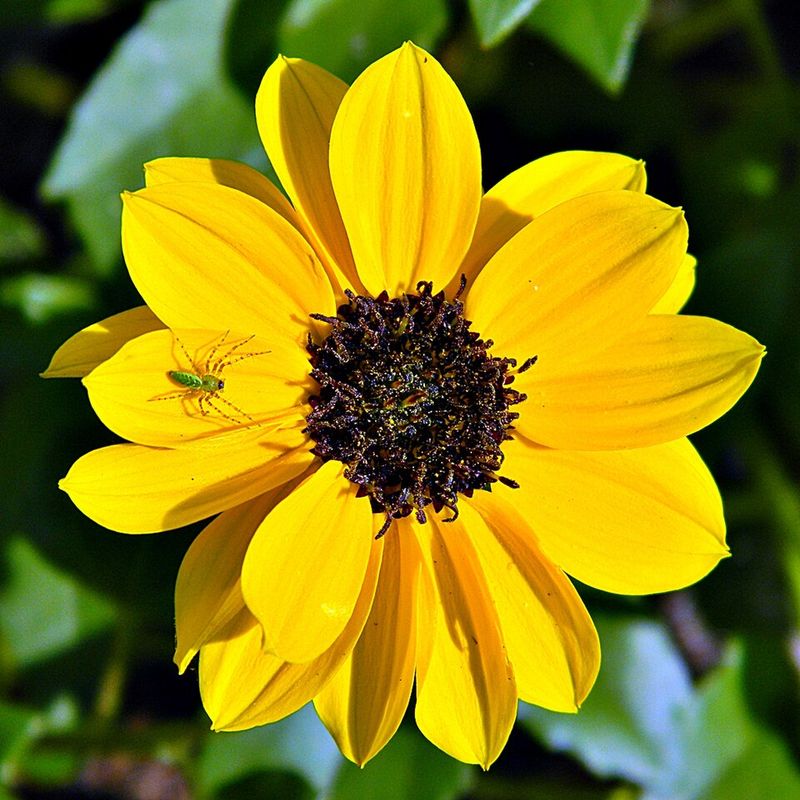
Few plants make a front yard feel cheerful as quickly as a sweep of bright yellow flowers near the sidewalk. In May, this native groundcover is already putting on a happy show, filling bare spaces with color that looks natural instead of overly formal.
The low habit keeps sight lines open, which is useful in smaller front yards where taller plants can feel crowded.
It thrives in full sun and sandy soil, making it a practical answer for hot spots that roast other flowering plants by early summer. Once established, it needs little irrigation and can handle drought with surprising ease.
That is a relief if you are tired of replacing thirsty annuals every season just to keep the front bed from looking empty.
Use it along driveways, in median strips, or at the front edge of larger beds where the flowers can spill softly over borders. A light trim every so often helps it stay dense and tidy without turning maintenance into a chore.
I like how it brightens plain mulch and softens harsh pavement with almost no fuss.
Pollinators appreciate it too, so your yard looks active instead of static. If your goal is simple color, weed suppression, and a cleaner look from the street, this plant checks all three boxes better than many common bedding choices.
Sunshine Mimosa
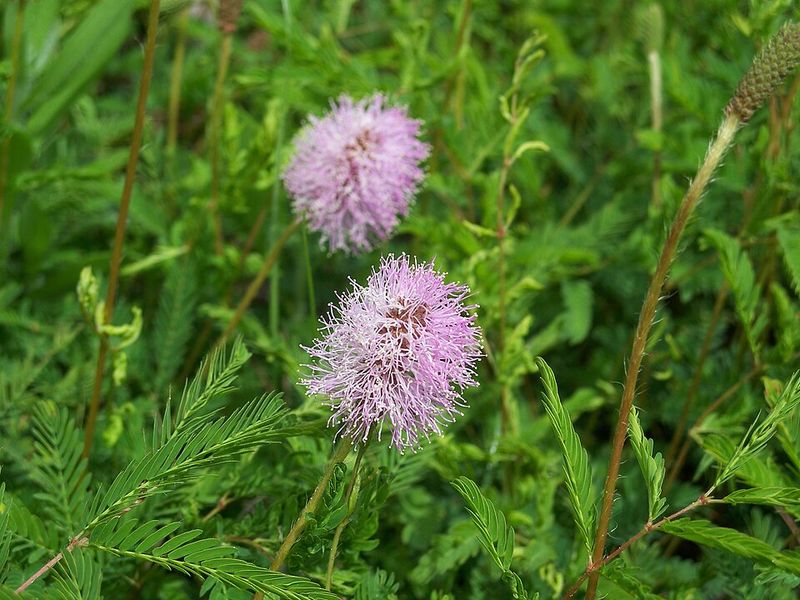
Some front yards need a softer touch than turf can provide, and this native groundcover does that beautifully. Its ferny foliage and pink puffball flowers give May landscapes a lighter, friendlier look without feeling messy.
The texture alone makes beds and open patches near walkways look more considered.
It spreads low across the ground, which helps fill awkward bare spots where grass struggles and weeds usually take over. In sunny areas, it can handle heat, sandy soil, and light foot traffic better than many delicate flowering covers.
Once rooted in, it generally needs less water and less coddling than a traditional lawn patch.
A great use is near mailbox posts, along path edges, or in front beds where you want color close to the ground. The foliage folds slightly when touched, which always catches attention and makes it a fun conversation starter when neighbors stop by.
I appreciate that it looks charming without demanding constant deadheading or fertilizer.
Give it space to knit together, and keep taller plants from shading it out too much. If your front yard has those frustrating in-between spaces that never look finished, this plant can tie everything together while still feeling distinctly Florida and refreshingly easy to manage.
Fakahatchee Grass
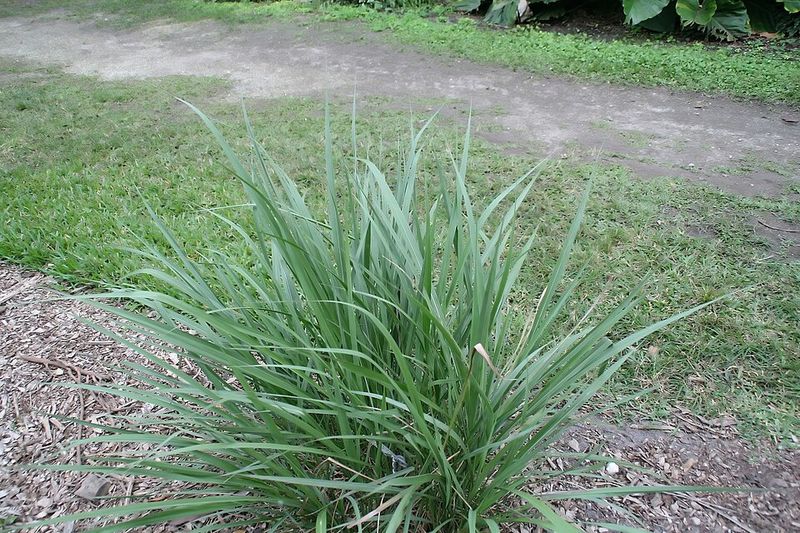
Good front yard design often depends on shape more than flower color, and this native grass gives you a strong one. The arching blades create a graceful fountain effect that immediately makes a planting bed feel fuller in May.
It brings movement and texture without looking wild or requiring constant trimming.
Compared with many ornamental grasses, it feels especially suited to Florida because it actually belongs here. It tolerates moisture, periodic drought, heat, and humidity with very little complaint once established.
That flexibility helps if your front yard has uneven conditions, like a downspout area on one side and drier sandy soil on the other.
Its size works well as a middle layer between low groundcovers and taller shrubs, so it is useful for giving beds a more finished, layered appearance. Plant it where the blades can arch naturally instead of being squeezed into a narrow strip.
I think it looks particularly good near entry paths, where the soft form balances rigid lines from pavers or stucco walls.
A yearly cutback is usually enough to keep it looking fresh, and occasional division can create more plants for free. If your landscape feels flat or too dependent on flowering plants, this is an easy way to add depth that lasts through the seasons.
Simpson’s Stopper
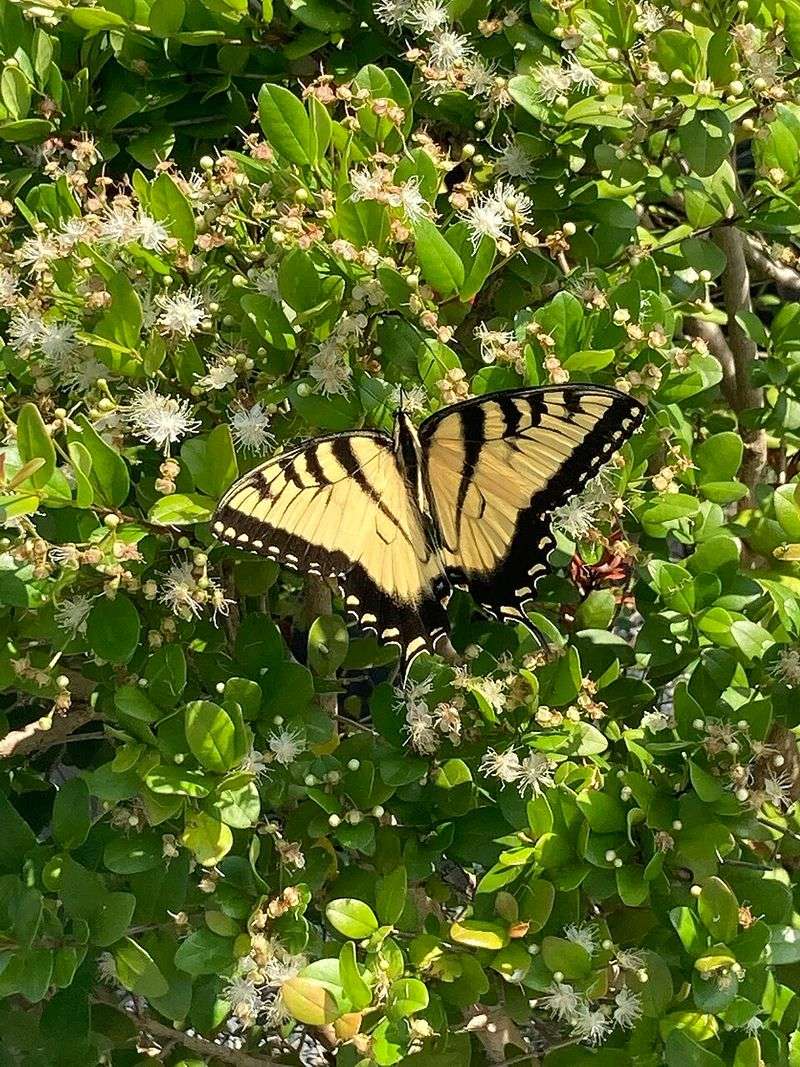
Front yards often need one dependable shrub that can anchor the whole design, and this native option does that elegantly. The small glossy leaves look neat through May and beyond, giving beds a cared-for appearance even when flowers elsewhere come and go.
New growth can carry warm tones, adding subtle color without the upkeep of a high-maintenance ornamental.
It works as a specimen, a soft hedge, or a background plant behind lower natives, which makes planning easier if your yard layout is awkward. White blooms and later berries add seasonal interest, and birds appreciate that extra food source.
Once established, it handles pruning well but does not demand it constantly to stay attractive.
For the best look, avoid clipping it into a harsh block unless you need a formal hedge. A more natural shape shows off the branching and keeps the plant from feeling stiff against the house.
I like using it near windows or porch corners where evergreen structure helps the front elevation look balanced year-round.
It can grow fairly large over time, so give it enough room from the start and you will save yourself future headaches. If your current shrubs seem generic or struggle with Florida conditions, this one offers a cleaner, more locally appropriate alternative that still feels polished.
Dwarf Yaupon Holly
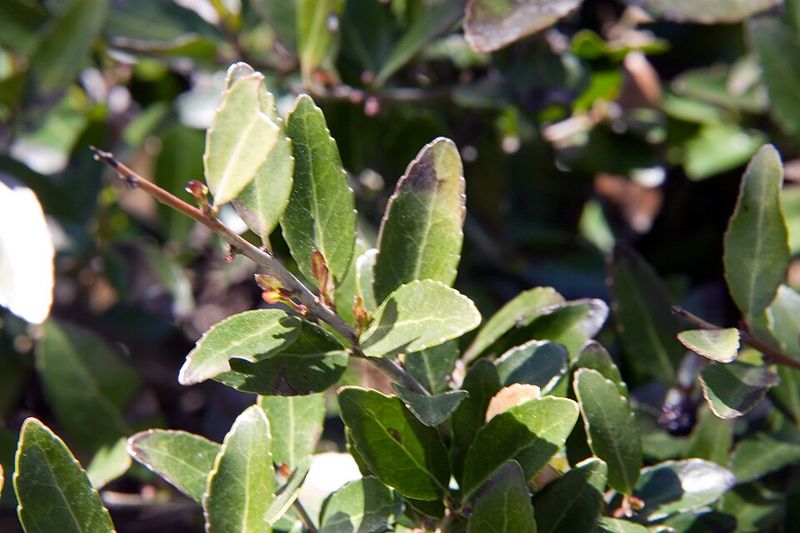
Sometimes the best thing for a front yard is not more flowers but a compact evergreen that always looks neat. This native shrub brings exactly that kind of quiet reliability, helping beds look orderly in May when heat starts stressing flashier plants.
The small leaves and naturally dense form give you a crisp appearance without making the landscape feel rigid.
Because it stays relatively manageable, it fits well under windows, along walkways, or in narrow foundation beds where oversized shrubs become a headache. It tolerates sun, part shade, drought, salt, and pruning, which covers a lot of common Florida front yard challenges.
Once established, it usually needs far less attention than imported hedging plants that constantly outgrow their spots.
You can let it grow into a soft mound or clip it lightly for a more formal look, depending on the style of your home. I prefer minimal shaping, since the natural habit already looks clean and avoids that over-pruned parking lot aesthetic.
It also pairs nicely with flowering natives because it gives them a stable backdrop instead of competing for attention.
If you want your front yard to look intentional every month of the year, this is a useful backbone plant. It is especially smart for homeowners who value a tidy appearance but do not want weekends consumed by trimming and replacing problem shrubs.
Scarlet Sage
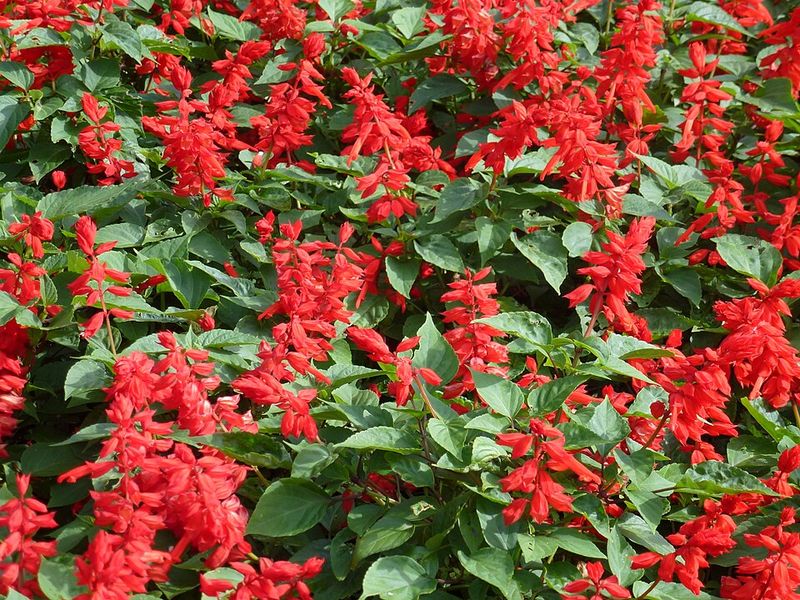
A front yard can feel instantly more welcoming when there is a burst of upright color near the entrance, and this native wildflower delivers it. In May, the red blooms stand out clearly against mulch and green foliage, giving the landscape a fresher, more intentional look.
Hummingbirds and butterflies visit often, so the space feels lively instead of static.
It is especially useful if you want a cottage-like softness without committing to a high-maintenance flower bed. In the right sunny or lightly shaded spot, it reseeds gently and keeps the display going with very little intervention.
That means you can enjoy repeated color without replanting an entire section every year.
Try it in clusters near the walkway, around a mailbox bed, or mixed with grasses and evergreen shrubs for contrast. Deadheading can encourage more blooms, but the plant still performs well if you are not meticulous.
I like that it looks natural and relaxed while still reading as cared for from the street.
Good drainage helps, and avoiding overwatering keeps it sturdier through warm weather. If your front yard needs a lighter, more colorful layer that does not feel stiff or overly manicured, this is one of the easiest native picks to work into an existing landscape.
Coreopsis
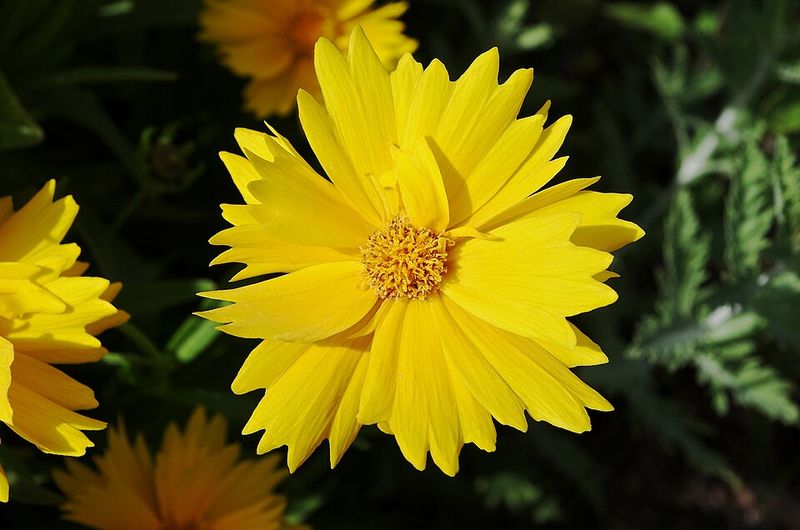
Yellow flowers can wake up a front yard faster than almost anything else, and this Florida favorite does it with very little fuss. By May, the cheerful daisy-like blooms bring a sunny, cared-for look that reads well from the street.
It is an easy way to add seasonal brightness without committing to a bed full of demanding annuals.
Because it is adapted to local conditions, it generally handles heat, lean soil, and changing rainfall better than many imported flowering options. Full sun keeps it blooming best, and good drainage helps the plants stay tidy longer.
Once established, it usually asks for less water and fewer inputs than homeowners expect from something so colorful.
Mass planting gives the strongest visual effect, especially along a front border or around a mailbox where the blooms can make a small area look intentional. A light trim after the heaviest flowering can encourage a neater appearance and sometimes another flush.
I think it works best when paired with evergreen shrubs or grasses that keep the display grounded.
There is also something distinctly Florida about using the state wildflower in a visible part of the yard. If you want approachable color, pollinator value, and a planting that does not turn into a maintenance project by summer, this one earns a spot.