
Why More Florida Backyards Should Make Room For This Native Sage
Follow us on Google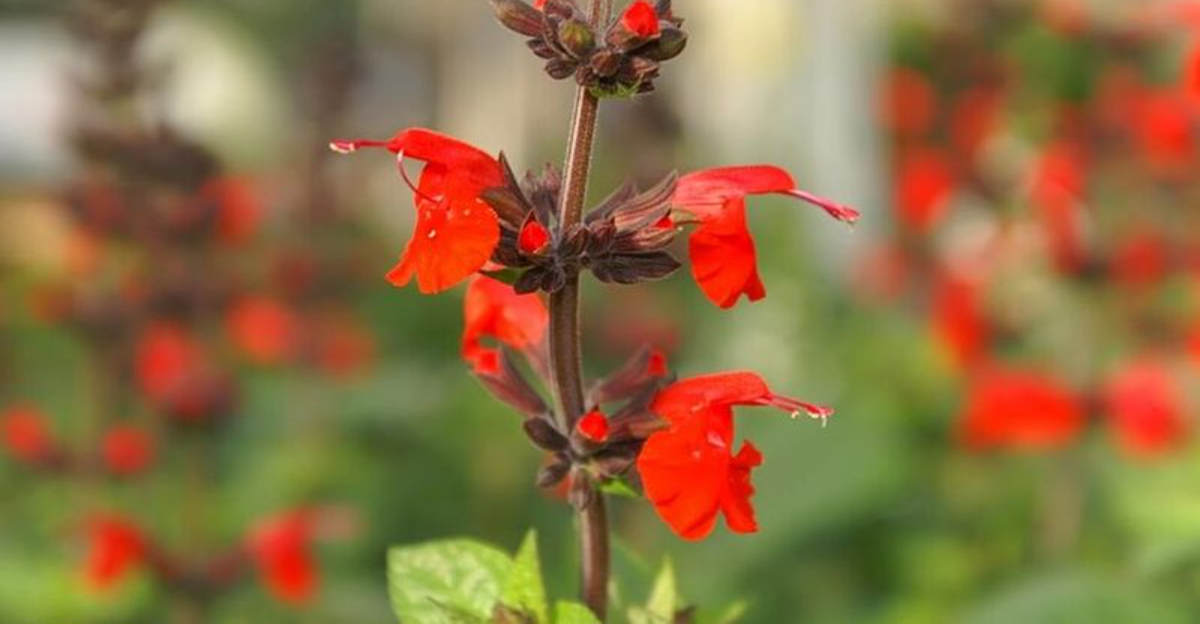
A lot of Florida yards work too hard for too little reward. If you are tired of thirsty plants, sparse pollinator activity, and beds that look stressed by midsummer, this native sage deserves your attention.
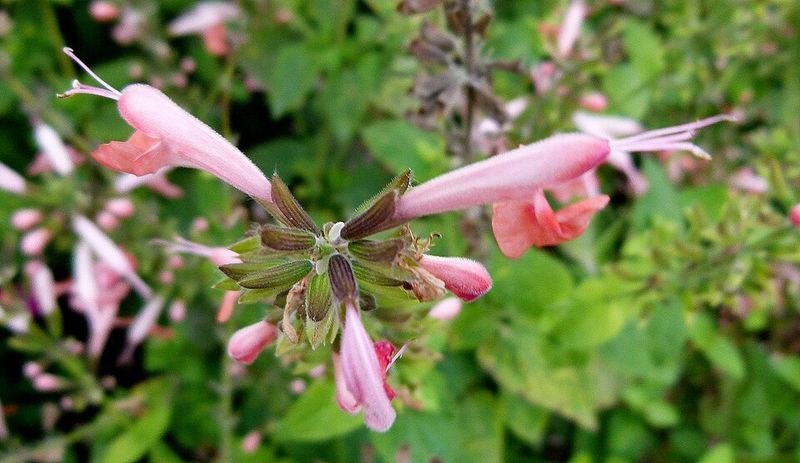
Scarlet Sage is a beautiful native flowering plant commonly found in Florida gardens. It produces bright red tubular flowers that attract hummingbirds, butterflies, and bees. This plant thrives in warm climates and grows well in both sunny and partially shaded areas.
Scarlet Sage is low-maintenance, drought tolerant, and blooms for a long season. Because of its colorful appearance and wildlife benefits, it is a favorite choice for tropical and pollinator-friendly landscapes.
It Handles Florida Heat With Ease
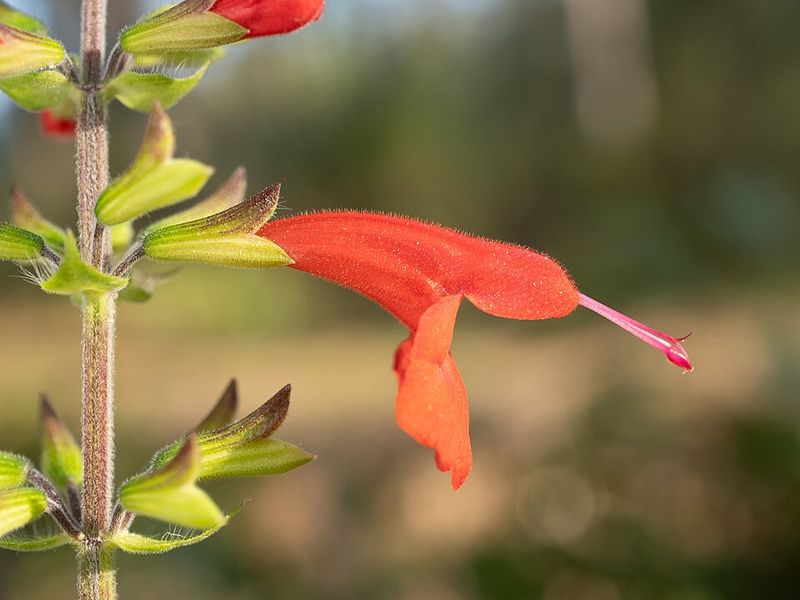
Florida heat can wear down even plants that look strong in spring, which is exactly why this native sage stands out. It keeps its composure through long, bright days and does not collapse the moment temperatures climb.
In a backyard that bakes by noon, that kind of reliability matters more than any fancy label at the nursery.
You can tuck it into a sunny bed, edge a walkway, or fill a dry patch near a mailbox and still expect solid performance. The foliage stays presentable, and the flowers keep showing up when many nonnative choices start looking tired.
That means less swapping, less apologizing for fried plants, and more confidence in what you are growing.
I like plants that do not ask for constant rescue, and this one earns its place quickly. If your yard gets reflected heat from walls, pavement, or a pool deck, it can still hold its own with basic care.
For Florida homeowners who want beauty without daily intervention, this heat tolerance is one of the strongest reasons to make room for it.
Pollinators Notice It Right Away
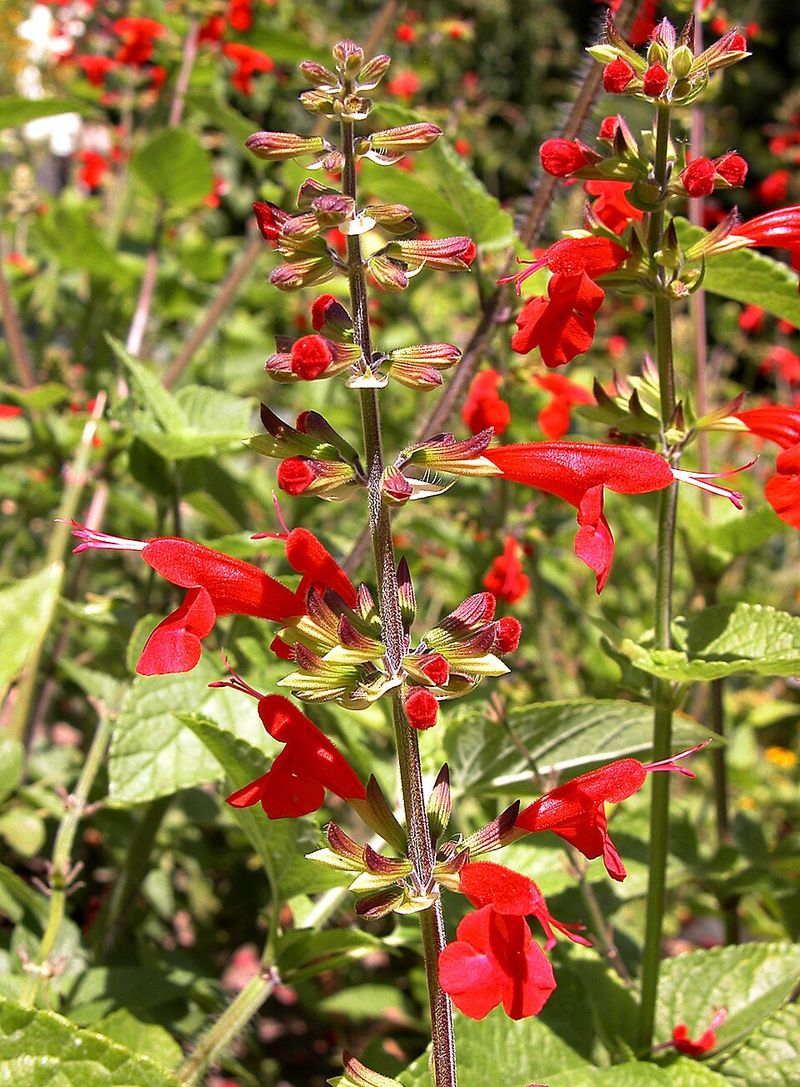
A backyard can look pretty and still feel oddly quiet, especially if pollinators are not sticking around. This native sage changes that fast by offering nectar-rich flowers that catch the attention of bees, butterflies, and hummingbirds almost immediately.
Once it starts blooming, the space feels more active, more layered, and far more connected to the local environment.
You do not need a huge garden to notice the difference. Even a modest planting near a porch, patio, or side yard can become a steady stop for winged visitors throughout the warmer months.
That makes everyday moments better too, because stepping outside for coffee feels a lot more interesting when the flowers are busy with motion.
If you have kids or grandkids, this is also the kind of plant that quietly teaches them what a healthy yard can support. It is easier to appreciate native planting when you can actually watch the results in real time.
Instead of a static flower bed, you get a living space that feeds wildlife and gives your backyard a purpose beyond decoration.
It Asks For Less Water
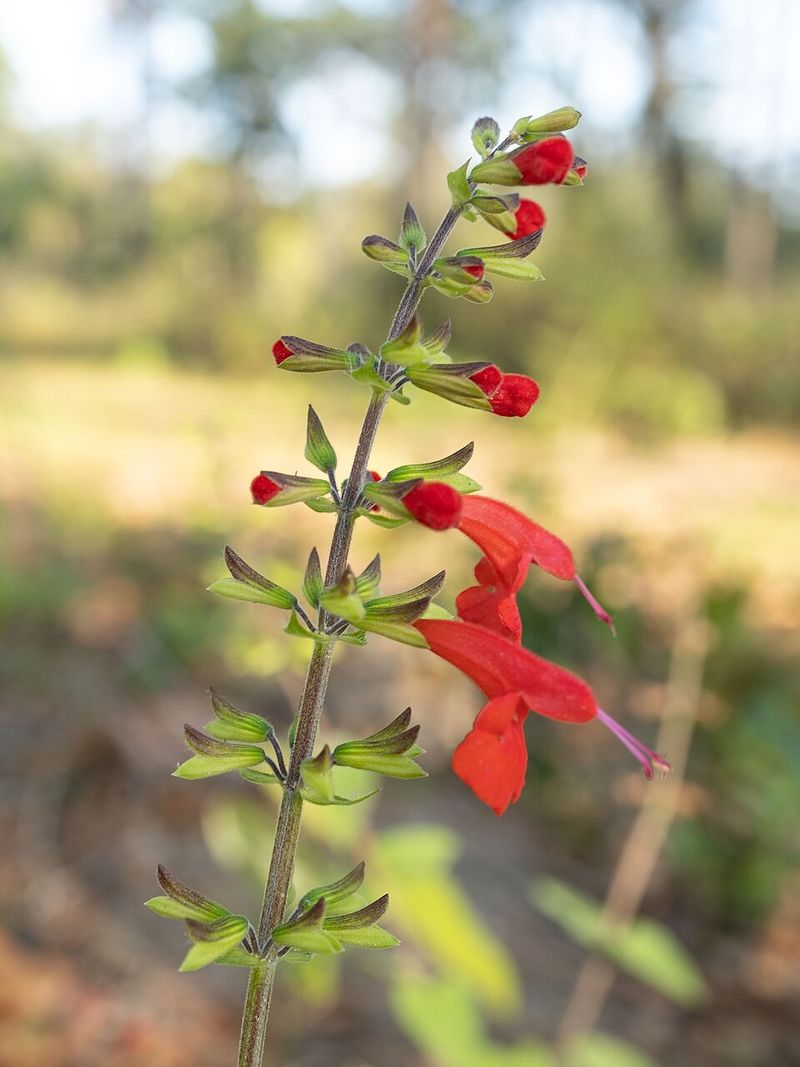
Water bills have a way of exposing which plants are worth the trouble and which ones are simply demanding. Native sage belongs in the first group because, once established, it gets by with much less irrigation than many common bedding plants.
That is a practical advantage in Florida, where dry stretches can arrive just when you hoped the garden would be easiest.
A plant that tolerates leaner conditions gives you more freedom in how you design the yard. You can place it in sunny spots that are hard to reach with a hose, or mix it into beds where you want lower maintenance overall.
Instead of chasing moisture every afternoon, you can focus on occasional deep watering and let the plant do the rest.
I think that matters even more for part-time residents, busy families, and anyone managing a larger lot. If a landscape only looks good with constant hand watering, it is probably not built for real life.
Native sage helps shift the yard toward something more resilient, which means fewer stress points for you and a smarter match for Florida’s naturally variable conditions.
Sandy Soil Is Not A Problem
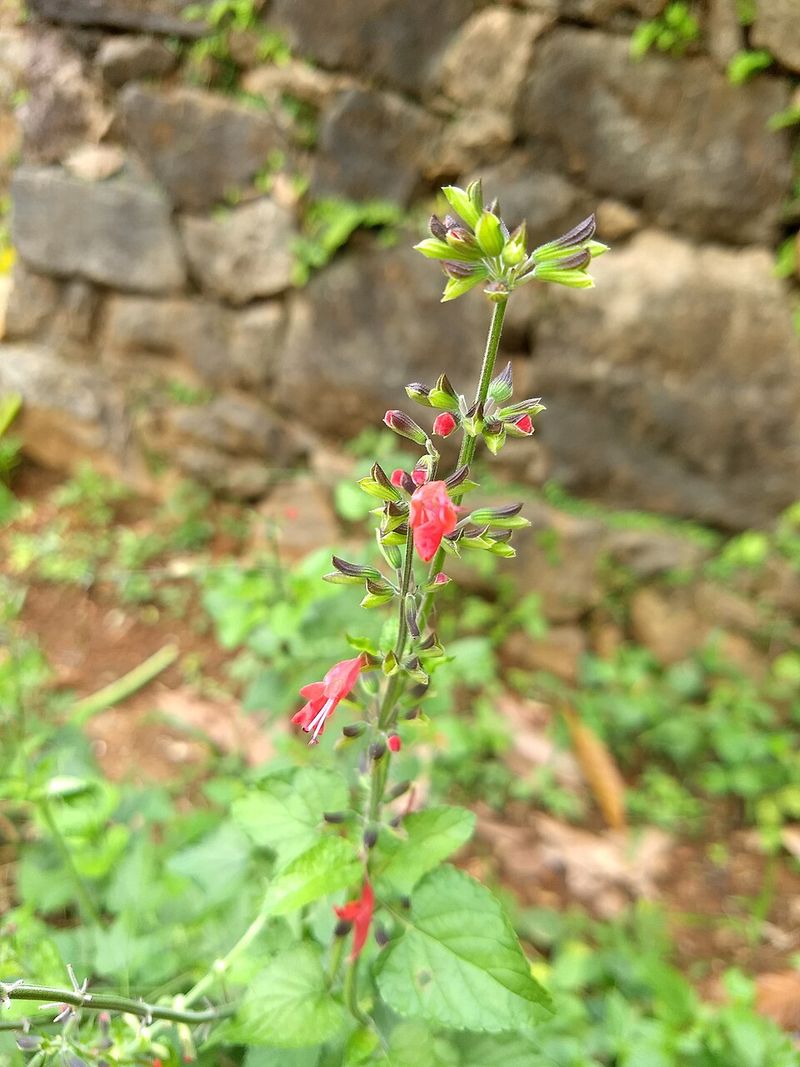
Many Florida homeowners inherit sandy soil that drains fast, heats up quickly, and frustrates plants that prefer richer ground. Native sage is different because it is already adapted to those leaner conditions and does not need pampering to settle in.
That makes it a smart answer for yards where amending every bed would be expensive, time-consuming, or simply unrealistic.
Instead of fighting your soil, you can work with what you have. A little compost at planting time helps, but you usually do not need to rebuild the entire site to get good growth and steady flowering.
For new homes, coastal properties, and older yards with patchy fill dirt, that flexibility saves both effort and money.
There is also something satisfying about planting a species that actually belongs in the region rather than trying to force a poor fit. You are not constantly correcting for nature with fertilizer, extra water, and replacement plants.
When the soil itself stops being an obstacle, your backyard starts feeling easier to manage, and native sage becomes one of those reliable anchors that makes the whole planting plan feel more grounded.
Color Arrives Without Fuss
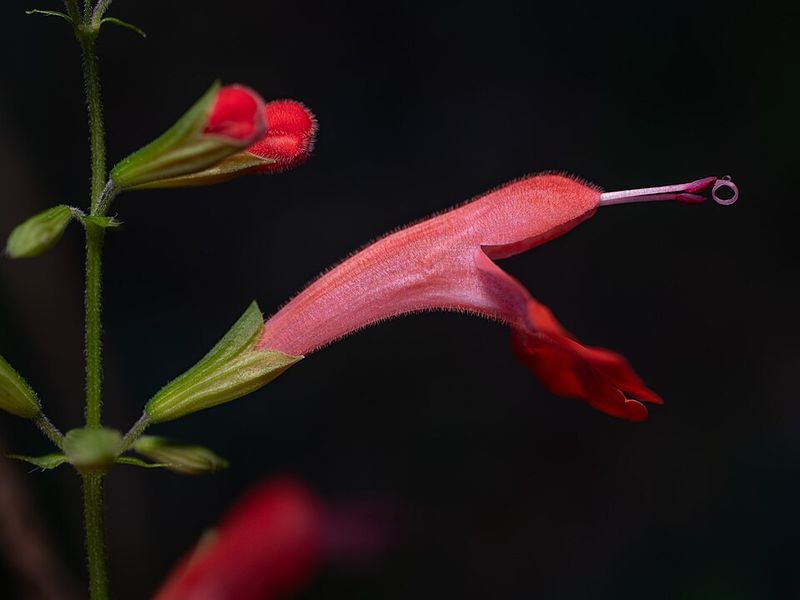
Some plants promise color but deliver a short burst followed by weeks of waiting. Native sage tends to be more generous, sending up cheerful blooms that brighten a bed without demanding constant deadheading or special treatment.
In a Florida backyard, that easy color can make the difference between a space that looks maintained and one that feels forgotten.
The flowers are especially useful because they pair well with so many other native and climate-smart plants. You can set them against muhly grass, coontie, coreopsis, or simple evergreen shrubs and instantly create contrast that feels lively but not chaotic.
Even a basic foundation bed looks more intentional when these blooms are repeated in a few strategic spots.
I appreciate plants that carry visual weight without creating extra chores, and this one does exactly that. If your weekends are already packed, you should not need a complicated routine just to keep the yard looking welcoming.
Native sage gives you that bright, fresh look with a lot less micromanagement, which is probably why more Florida landscapes would benefit from using it as a dependable source of color rather than a fragile seasonal filler.
It Fits Small And Large Yards
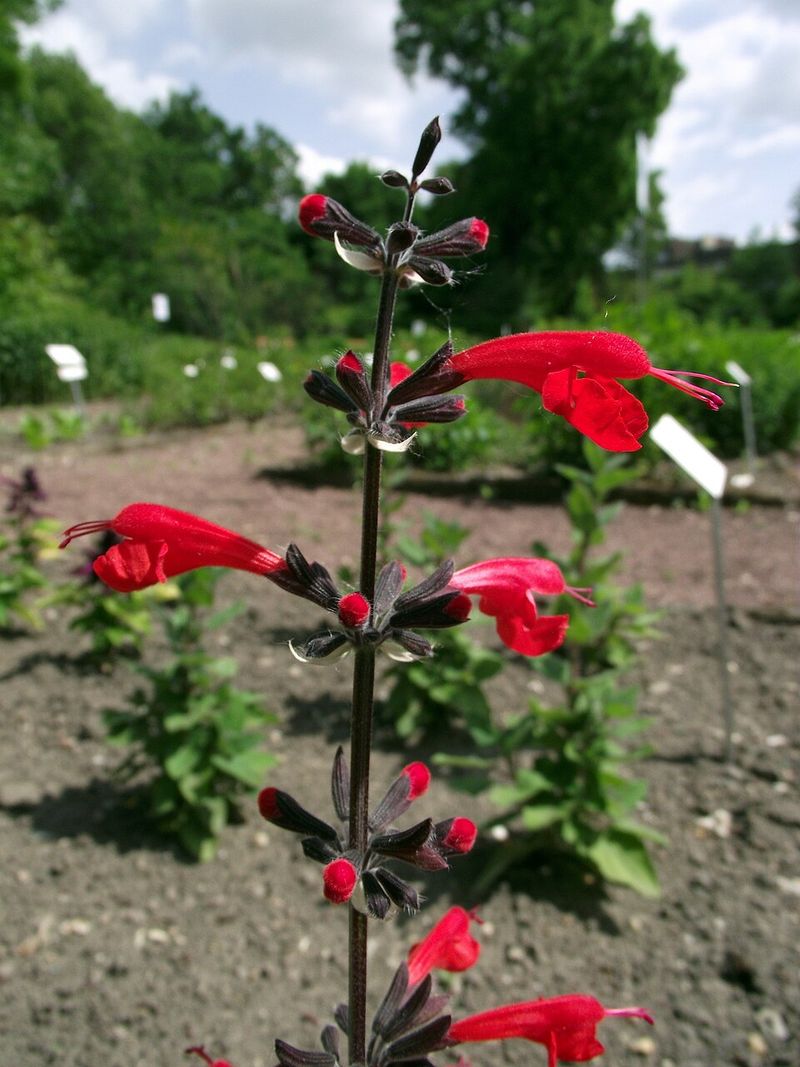
Not every great plant needs a sprawling property to prove its value. Native sage works in compact side yards, narrow foundation beds, pollinator pockets, and larger mixed borders, so it suits the way many Florida homes are actually landscaped.
That versatility matters when outdoor spaces vary so much from one neighborhood to the next.
In a smaller yard, a few plants can soften hard edges near fences, air conditioning units, or patios without swallowing the space. In a larger setting, repeating clusters can tie separate beds together and create rhythm that guides the eye across the landscape.
You get a sense of cohesion without relying on high-maintenance hedges or oversized shrubs.
This flexibility also makes planning less intimidating if you are updating the yard in phases. You can start with one sunny area, see how it performs, and then add more later without redesigning everything from scratch.
For homeowners who want a plant that plays well in many roles, native sage feels refreshingly adaptable. It is not limited to one specific look, and that gives you more freedom to build a backyard that feels personal, practical, and appropriate for Florida living.
Maintenance Stays Manageable
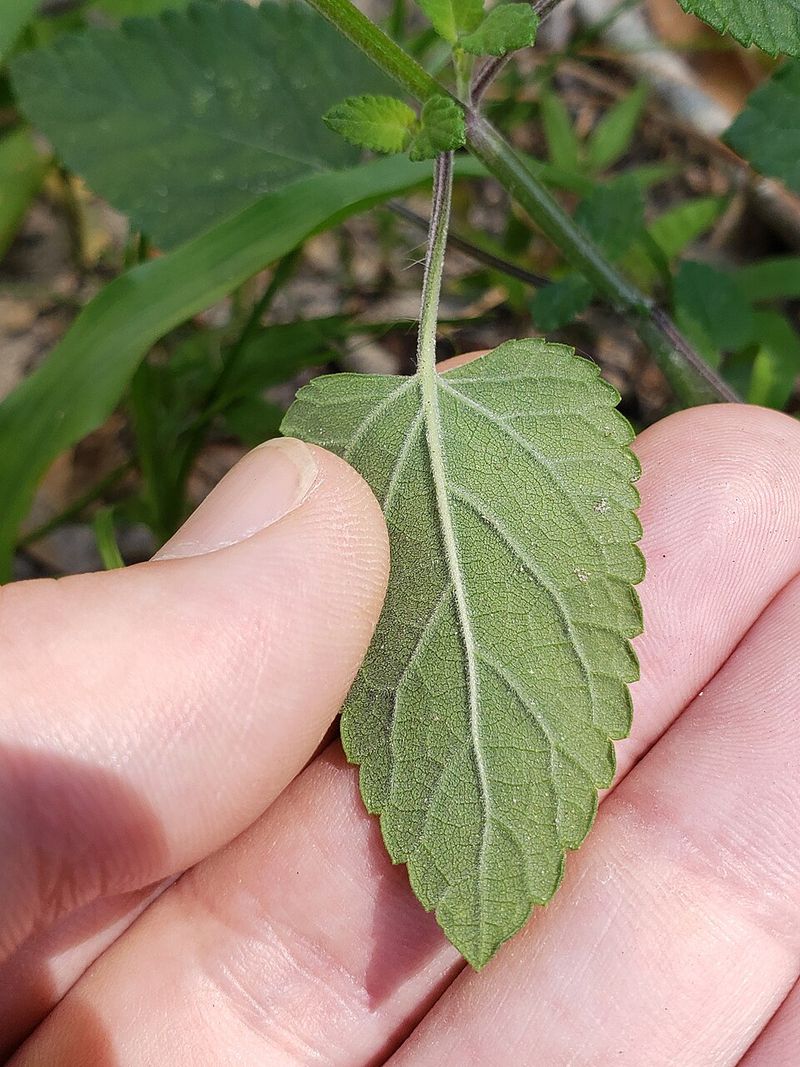
A plant can be beautiful and still become a burden if it constantly needs trimming, feeding, staking, or replacing. Native sage stays on the manageable side of the equation, which is a major reason it deserves more attention in Florida backyards.
Basic watering while it establishes, occasional shaping, and light cleanup are often enough to keep it looking good.
That lower maintenance load is especially valuable during the hottest months, when outdoor chores feel less appealing and everything else seems to grow faster than expected. You are not stuck in a cycle of rescuing a plant that should have been a better regional fit to begin with.
Instead, care feels more like gentle guidance than nonstop correction.
I think this is where many homeowners quietly change their minds about native planting. Once a yard starts demanding less from you while still looking lively, it becomes easier to imagine replacing fussier choices elsewhere.
Native sage helps create that shift because it proves that practical landscaping does not have to look plain. It can still offer flower color, wildlife value, and a polished appearance, just without turning your weekends into a long list of garden chores you never really wanted.
It Supports A More Natural Look
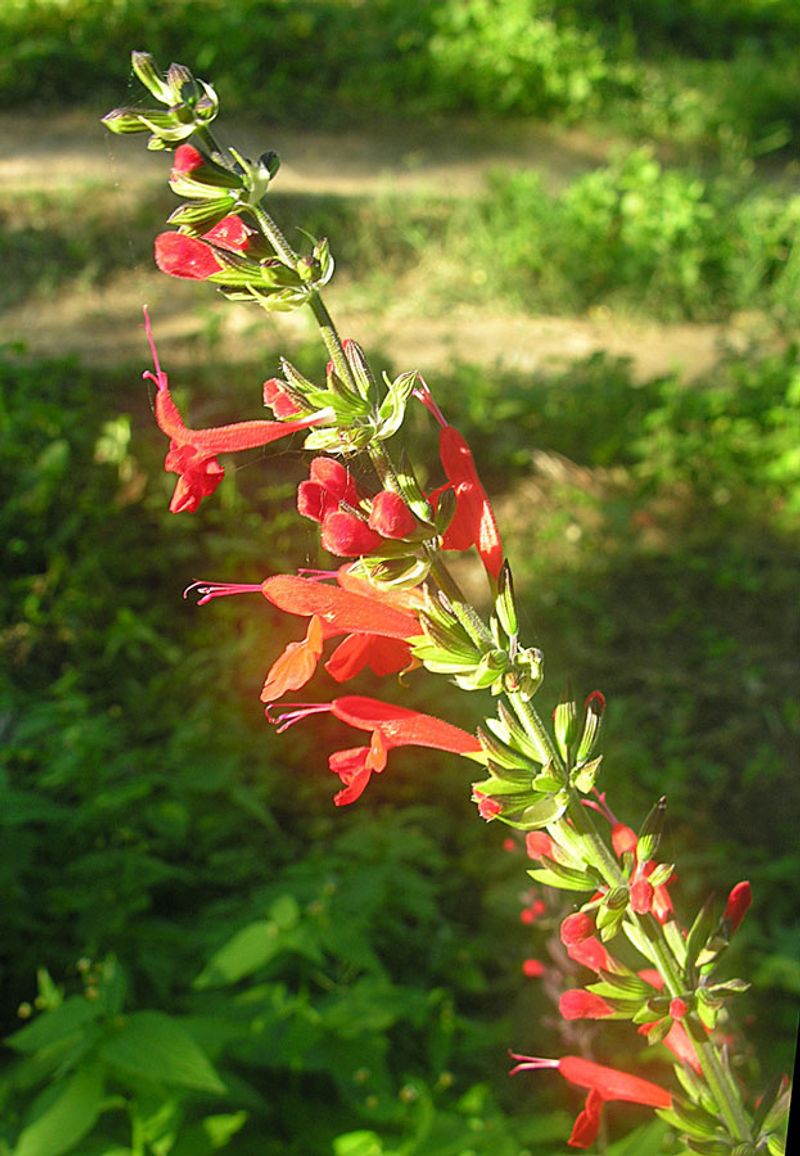
Perfectly rigid landscapes can feel disconnected from the place they occupy, especially in a state as ecologically rich as Florida. Native sage helps soften that effect by bringing a more natural rhythm to the yard through airy growth, vivid flowers, and steady wildlife activity.
The result feels less staged and more in tune with the region around you.
That does not mean your yard has to look wild or neglected. You can still keep clean bed lines, intentional spacing, and a polished layout while using plants that behave in a more relaxed, regional way.
A few well-placed groupings near paths, patios, or mailbox beds can make the entire landscape feel warmer and more believable.
If your current planting looks formal but somehow lifeless, this is a useful bridge between structure and habitat. It introduces color and motion without making the design feel messy or overly casual.
I have seen even simple suburban yards feel more welcoming once native plants begin drawing in birds and pollinators. Native sage is especially good at that because it adds personality while still playing nicely with the practical expectations most homeowners have for a tidy, easy-to-understand backyard.
Hummingbirds Keep Coming Back
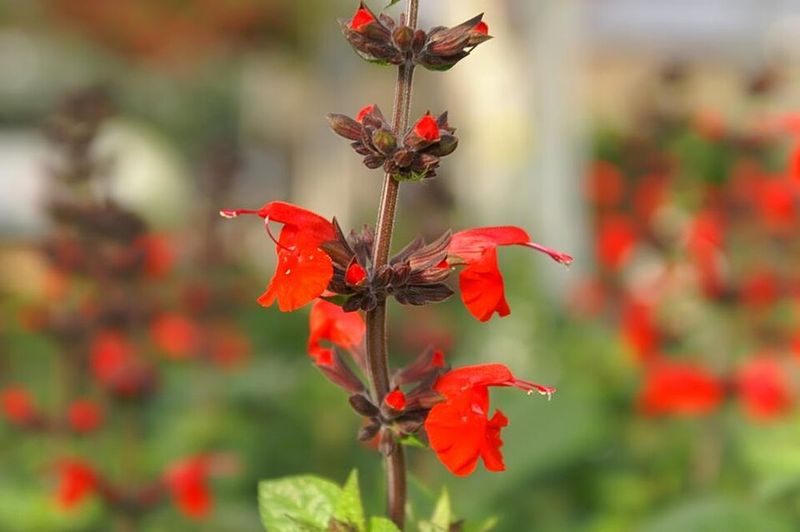
There is something different about a backyard once hummingbirds begin treating it like part of their daily route. Native sage has the kind of tubular flowers that naturally appeal to them, so it can become a reliable feeding stop instead of a one-time curiosity.
That makes the plant more than decorative because it creates memorable activity right outside your door.
You do not need a large habitat garden to enjoy that effect. A small cluster near a window, seating area, or porch can give you a front-row view of quick visits and repeat stops, especially when blooms are active.
It is one of those simple upgrades that makes outdoor space feel more rewarding without adding much work.
For people who have tried feeders alone, adding a nectar source in the ground often makes the whole setup feel more complete. The birds are not just passing through for sugar water.
They are responding to a plant that belongs in the local ecosystem and contributes to a healthier backyard overall. Native sage earns its place here by bringing beauty and wildlife together in a way that feels direct, visible, and surprisingly personal every time you catch that flash of movement near the flowers.
It Pairs Well With Other Natives
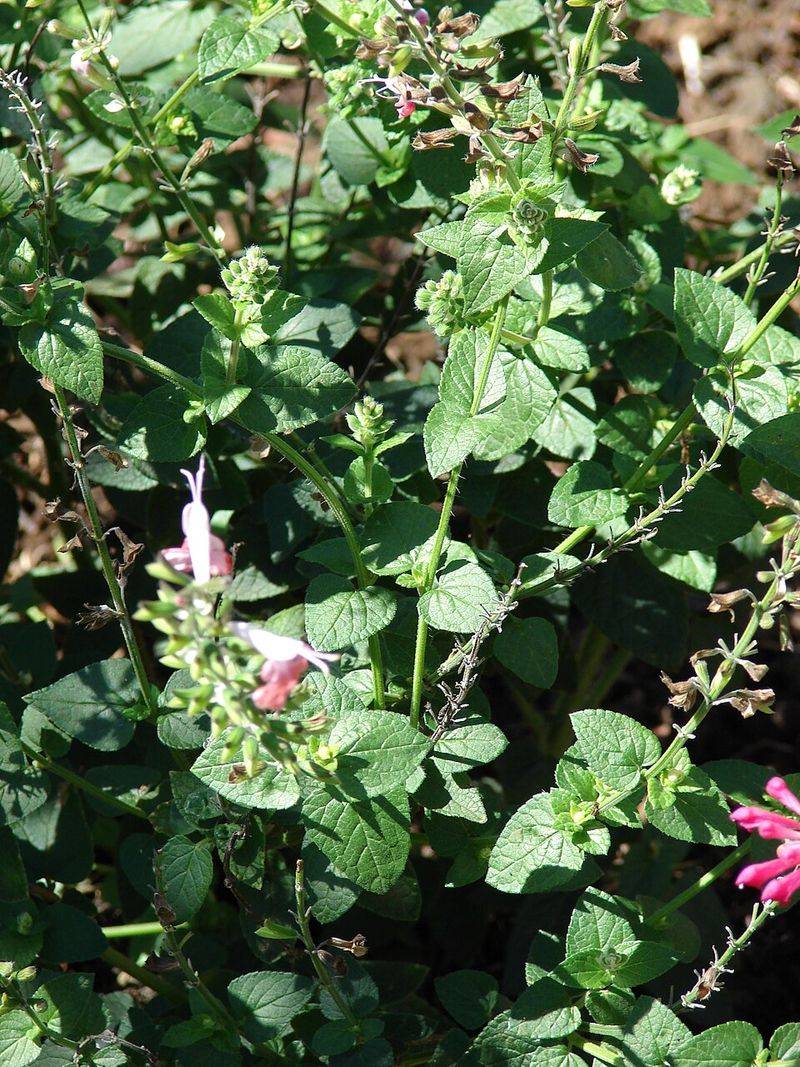
One of the easiest ways to make a backyard feel cohesive is to choose plants that naturally complement each other in both appearance and needs. Native sage does that well, slipping comfortably beside other Florida natives without creating awkward maintenance conflicts.
It looks at home with grasses, flowering perennials, and compact shrubs that share similar sun and water preferences.
That compatibility simplifies design decisions for homeowners who want a yard that functions as a system rather than a collection of unrelated purchases. You can build around it with plants like coreopsis, blanket flower, muhly grass, and firebush, then create a layered look that stays interesting across seasons.
Because the cultural needs line up, care routines stay easier too.
I like that it gives you options without making the planting plan feel complicated. You can go bright and colorful, subtle and textural, or somewhere in between, and this sage still pulls its weight.
For anyone trying to shift away from thirsty ornamentals or scattered annuals, that is useful. Native sage acts like a connector plant, helping different parts of the yard make sense together while supporting a more durable, more regionally appropriate landscape over time.
Storm Recovery Is Often Easier
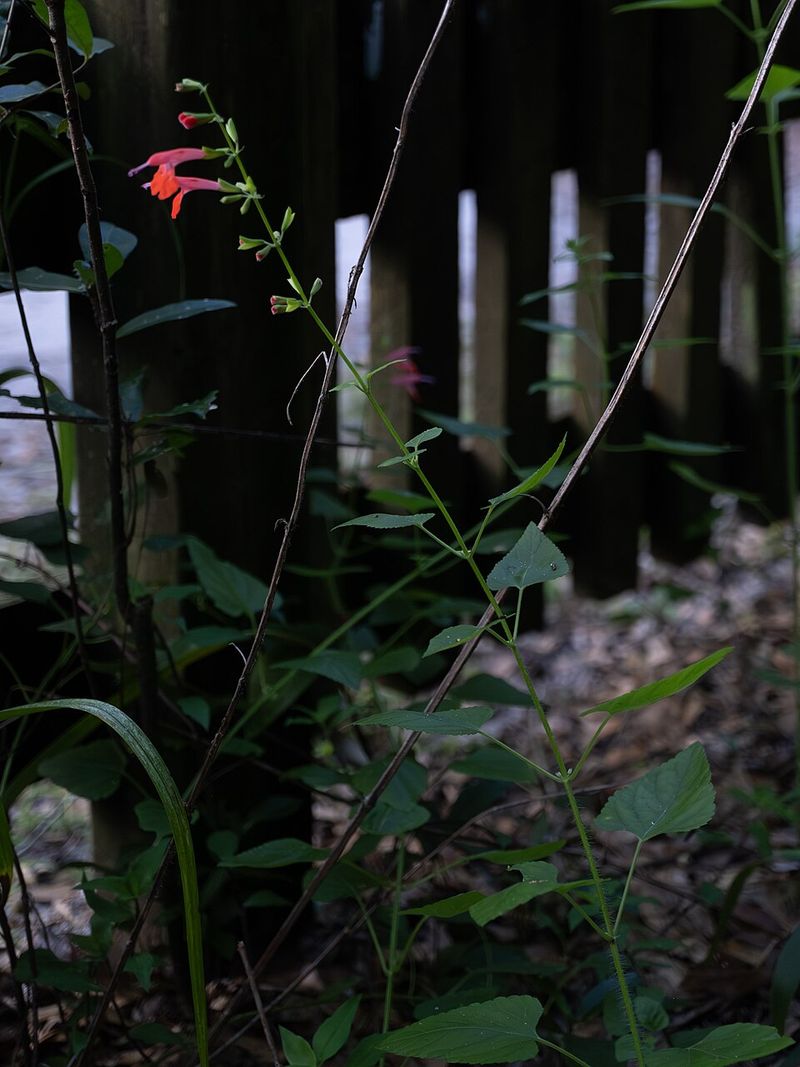
Florida gardens deal with sudden downpours, sticky humidity, and rough weather that can leave delicate ornamentals looking defeated. Native sage is not indestructible, but it often bounces back better than fussier plants because it is adapted to the state’s conditions.
That resilience becomes especially important during summer, when weather patterns can turn a tidy yard into a cleanup project overnight.
A plant that recovers quickly saves you time, money, and frustration. Instead of replacing damaged annuals after every rough patch, you can often trim lightly, clear debris, and let native sage push forward again.
It is a practical trait that does not get enough attention when people shop for backyard color, but it should.
If your landscape has ever looked great in May and rough by August, you already know the value of tougher choices. Native sage helps create a planting mix that can absorb some seasonal stress without falling apart.
That does not mean neglecting the yard. It means choosing species with a realistic chance of handling what Florida regularly dishes out.
For busy households, that kind of resilience is not just convenient. It is one of the clearest signs you planted smarter.
It Makes Native Gardening Easier To Start
Starting with native plants can feel intimidating if you are used to conventional garden center selections and unfamiliar plant labels. Native sage is a friendly place to begin because it is attractive, widely useful, and forgiving enough to reward even modest effort.
You do not need expert-level design skills to find a good spot for it or appreciate what it brings to the yard.
That matters because successful first experiences often shape whether people keep going with native landscaping. A plant that establishes well, flowers generously, and draws wildlife gives you visible proof that the approach works.
Once that clicks, it becomes much easier to swap out another thirsty border plant or rethink a bed that never quite performs.
I would recommend it to almost anyone who wants to make the yard more Florida-friendly without committing to a full redesign right away. Start with a few plants in sun, add mulch, water them in well, and watch how much activity follows.
Native gardening does not need to begin with a giant master plan or a complete removal of everything already in place. Sometimes it starts with one dependable species that shows you how much better the backyard could function.