
What To Do In May To Keep Gardenias Blooming Through A Florida Summer
Follow us on Google
May is the month that decides whether your gardenias coast through summer or start dropping buds the moment Florida heat settles in. A few smart adjustments now can keep leaves glossy, roots steady, and flowers coming when afternoons turn heavy and humid.
If your shrub looked great in spring but struggled last year by July, this is the window to change that story. These simple May jobs help you stay ahead of stress before your gardenias show it.
Refresh mulch before summer heat builds
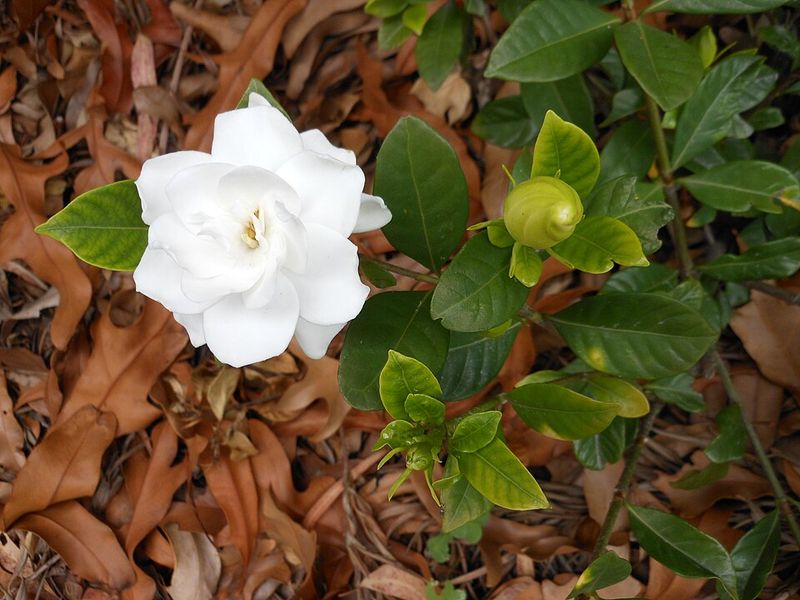
By May, Florida soil starts heating up fast, and gardenia roots feel that change before the leaves show stress. A fresh layer of mulch helps keep moisture even, cools the upper root zone, and slows the rapid drying that happens after breezy, sunny afternoons.
It also reduces weed competition, which matters more than many gardeners realize when shrubs are setting buds.
Keep the mulch about two to three inches deep and spread it wide, not high. Pine bark, pine straw, or shredded bark all work well because they suit acid-loving plants and break down gradually.
Leave a few inches of open space around the trunk so moisture does not stay pressed against the stem and encourage rot.
In a Florida summer, mulch becomes your buffer between heavy rain and sudden droughty spells. Without it, roots can swing from soggy to dry in a single week, and that inconsistency often shows up as yellow leaves or bud drop.
A broad mulch ring is especially helpful for gardenias planted near sidewalks, driveways, or south-facing walls.
If last summer your shrub looked tired by noon, this one chore can make a visible difference. You are not just making the bed look tidy.
You are creating a steadier root environment that helps flowers hold on when heat and humidity intensify.
Water deeply and consistently
Summer bloom depends on what happens with watering in May, long before the hardest heat arrives. Gardenias want evenly moist soil, not constant sogginess and not sharp dry downs that stress roots.
In Florida, that usually means soaking deeply when the top inch starts to dry instead of giving the plant a quick splash every day.
A slow watering session encourages roots to grow outward and downward, where temperatures are more stable. That makes the shrub sturdier during hot afternoons and helps it recover faster after blooming.
If your soil is sandy, you may need to water more often, but still aim for a deep soak rather than frequent shallow bursts.
Morning is the best time because leaves dry quickly and the plant can use moisture through the hottest part of the day. Sprinklers that wet foliage late in the evening can invite disease problems, especially in humid weather.
A hose set to a trickle or drip irrigation at the base usually works better than overhead spray.
Watch the leaves for clues instead of relying only on the calendar. Drooping at midday can happen even in moist soil, but dull leaves, yellowing, or bud drop often point to inconsistent moisture.
When watering becomes steady in May, summer blooming usually stays steadier too.
Feed with an acid-loving fertilizer
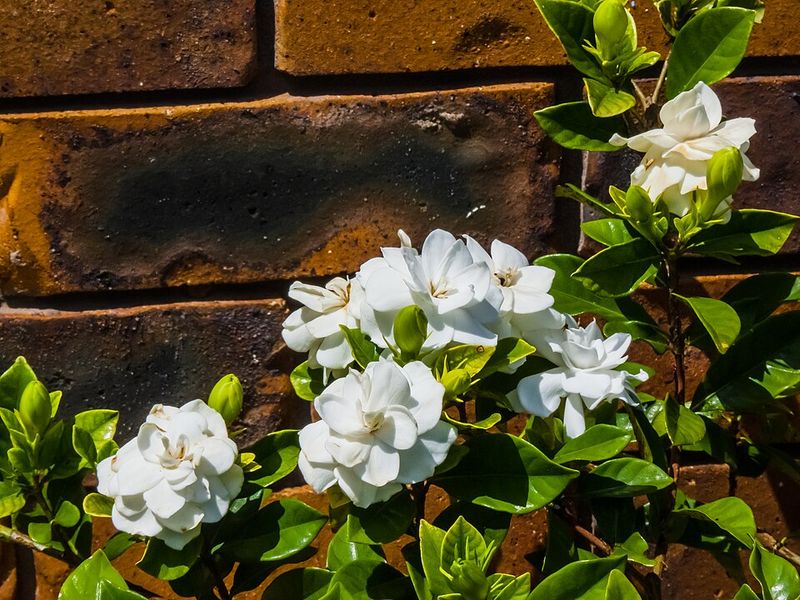
Gardenias are heavy enough feeders that May is a smart time to support the next wave of growth and bloom. Use a fertilizer labeled for acid-loving plants, and follow the rate carefully so you feed the shrub without pushing soft, weak growth.
In Florida, a light, timely application often works better than overdoing it once and hoping for the best.
Look for a product that includes micronutrients such as iron and magnesium, since yellowing leaves are common when those are lacking or tied up in high pH soil. Granules should be spread around the drip line, not piled against the base.
Watering afterward helps move nutrients into the root zone without burning tender roots.
Too much nitrogen can backfire by giving you lots of leaves and fewer flowers. It can also make new growth more vulnerable when summer stress, pests, and leaf spot pressure increase.
A balanced feeding routine keeps the shrub growing steadily instead of swinging between lush bursts and obvious decline.
If your gardenia bloomed nicely in spring and then stalled last year, nutrition may have been part of the issue. Feeding in May gives the plant a useful reserve before long humid stretches arrive.
It is one of the simplest ways to keep foliage deep green and flowering more dependable.
Check soil pH and correct it early
One reason gardenias disappoint in Florida is not always watering or fertilizer. Soil pH can quietly drift out of range, making nutrients harder for roots to absorb even when they are present.
May is an ideal time to test because you can correct the issue before summer stress makes every deficiency more obvious.
Gardenias prefer acidic soil, generally around 5.0 to 6.0, and they often show trouble through pale new leaves with green veins. That pattern suggests iron is not available, which commonly happens in alkaline conditions.
A simple soil test from your extension office or garden center gives you a much better starting point than guessing.
If pH is high, elemental sulfur is often used to lower it gradually, but apply only what the test recommends. Fast fixes can be tempting, yet overcorrecting creates new problems and can stress the plant further.
Pairing pH management with acid-forming mulch and the right fertilizer usually works better than relying on a single product.
When roots can actually access nutrients, flowering improves more naturally and foliage regains that rich, polished look gardenias are known for. This step is especially important if your shrub sits near concrete or receives alkaline irrigation water.
Small corrections in May can spare you months of frustration later.
Prune lightly after the main flush
Timing matters with gardenias because careless pruning can remove the very wood that would carry your next round of flowers. In May, after a main bloom flush fades, light shaping is usually safe and useful.
The goal is not to cut hard, but to tidy spent blooms, remove awkward growth, and improve airflow through the shrub.
Start by snipping off faded flowers and any weak or crossing stems that crowd the center. Keep cuts small and selective so the plant does not have to spend early summer recovering from heavy pruning.
If you shear the whole shrub into a tight ball, you risk fewer blooms and denser growth that stays damp longer.
Florida humidity rewards open structure because leaves dry faster after rain and irrigation. Better airflow can reduce fungal problems and make pest scouting easier through the season.
A lightly thinned plant also handles summer heat better because inner foliage receives more filtered light and less stagnant air.
If your gardenia tends to get rangy by July, a modest May cleanup can keep it fuller and more balanced without sacrificing buds. Save major reshaping for another time if needed.
For now, think gentle maintenance, not dramatic renovation, and your summer flowers are more likely to keep coming.
Remove spent blooms and developing seed pods
Deadheading is easy to overlook, yet it can help gardenias direct more energy toward fresh growth and future buds instead of seed production. In May, flowers often fade quickly as temperatures climb, so regular cleanup keeps the plant looking neat and working efficiently.
It also lets you inspect the shrub closely before minor problems become midsummer headaches.
Pinch or snip faded blossoms just above a leaf set, and remove any small developing seed pods you see. Clean tools matter because gardenias can be sensitive to disease spread, especially in warm, humid weather.
This is a quick job, but doing it weekly is more effective than waiting until the plant looks tired.
Another benefit is improved appearance during that awkward stretch between heavier bloom cycles. Brown petals cling to glossy leaves and can make an otherwise healthy plant seem stressed.
Once spent flowers are gone, the shrub instantly looks fresher and the remaining buds stand out more clearly.
Gardeners sometimes assume deadheading is purely cosmetic, but with gardenias it often supports better performance too. You are reducing clutter, checking for insects, and discouraging unnecessary energy loss all at once.
In a Florida summer, those small maintenance habits add up faster than dramatic rescue efforts later in the season.
Monitor for whiteflies, aphids, and scale
Heat and humidity do not only encourage flowering. They also create ideal conditions for pests that weaken gardenias just as summer begins.
May is the time to start checking the undersides of leaves, new growth, and stems for whiteflies, aphids, and scale before populations build and stress the plant enough to reduce blooming.
Sticky residue on leaves, black sooty mold, distorted growth, or clusters of tiny insects are your early warning signs. A strong spray of water can knock down light infestations, while horticultural oil or insecticidal soap can help when used according to label directions.
Treat in cooler parts of the day so foliage is less likely to burn.
Scale can be especially sneaky because it often looks like part of the stem at first glance. If you catch it early, management is much easier and the plant recovers faster.
Ladybugs and other beneficial insects can help too, so avoid broad-spectrum sprays unless the problem is severe.
Regular scouting takes minutes, not hours, and it is one of the best habits for keeping gardenias glossy and productive. A shrub under insect pressure may hold on for a while, then suddenly drop buds when hot weather peaks.
Getting ahead of pests in May keeps that downward slide from starting.
Watch for leaf yellowing and nutrient deficiencies
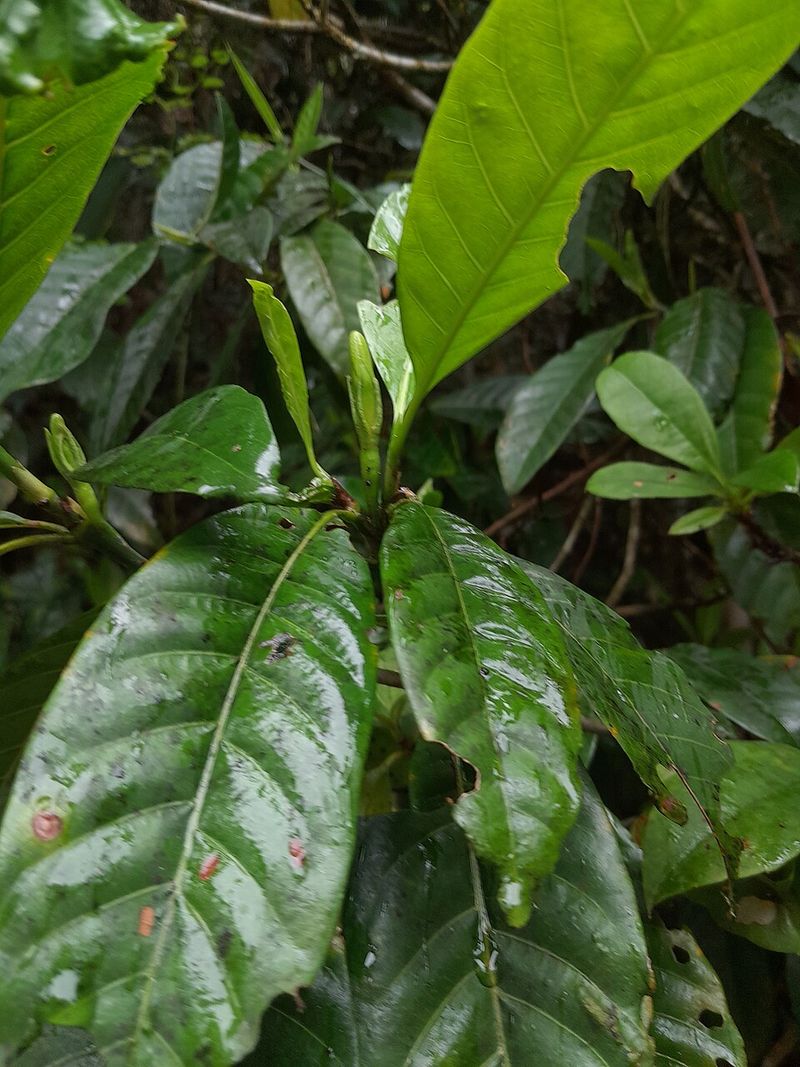
Yellow leaves on a gardenia rarely mean just one thing, which is why May is the best month to pay close attention and respond carefully. New leaves that turn pale with green veins often suggest iron problems tied to high pH, while older leaves yellowing more evenly can point toward nitrogen or magnesium issues.
Getting specific saves you from adding the wrong product and making stress worse.
Start by noticing where the yellowing appears and how quickly it is spreading. Check soil moisture too, because roots in waterlogged or bone-dry soil cannot take up nutrients properly.
If the pattern matches a deficiency, use a product meant for acid-loving plants rather than a random all-purpose fix.
Magnesium deficiency may show as yellowing between veins on older leaves, and Epsom salt is sometimes recommended, but only when that need is clear. Iron drenches or foliar products can help in some cases, though pH correction is often the longer lasting answer.
A healthy gardenia should hold rich green foliage even when summer starts pushing it.
One careful adjustment now can restore momentum before flowering slows. Ignore the warning signs, and the shrub usually enters summer already stressed.
Paying attention in May keeps minor color changes from turning into a season-long struggle.
Give afternoon shade in the hottest spots
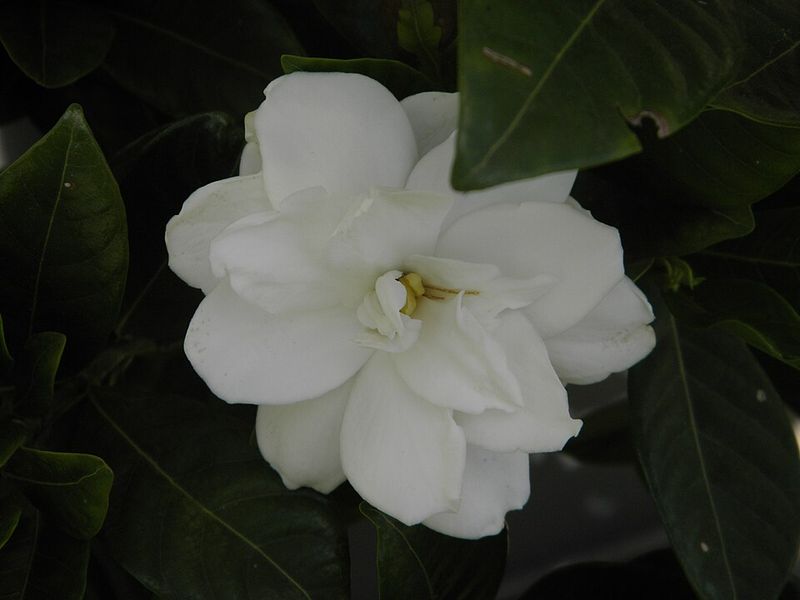
Florida sun can be perfect for gardenias in one yard and punishing in another, especially where reflected heat bounces off walls, patios, or driveways. If your shrub struggles every summer, May is the moment to evaluate whether the location is simply too intense in the afternoon.
Gardenias generally like bright light and morning sun, but many perform better with some protection after lunch.
Watch how the plant looks around two or three o’clock, not just in the pleasant morning. If leaves appear scorched, flowers brown quickly, or the soil dries much faster than nearby beds, that spot may be running too hot.
A patio umbrella, shade cloth, or strategically placed taller plant can soften the harshest exposure without plunging the shrub into deep shade.
Containers are even easier to help because you can shift them slightly as the season changes. In-ground plants need more creative solutions, but small adjustments in exposure often make a surprising difference.
Less heat stress means steadier moisture, cleaner foliage, and blooms that last longer before fading.
There is no prize for forcing a gardenia to tough it out in a blazing location. Matching the plant to your yard’s microclimate is practical gardening, not pampering.
A bit of afternoon relief can keep summer flowering far more dependable.
Protect container gardenias from summer stress
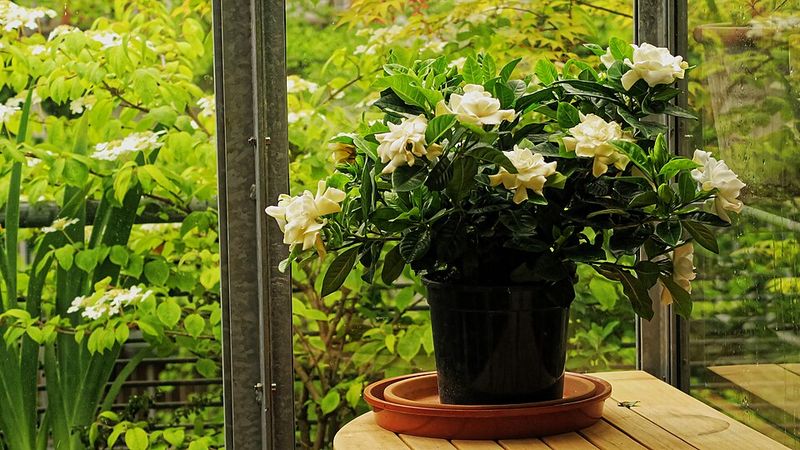
Container gardenias need extra attention because pots heat up faster, dry out sooner, and show nutrient problems more quickly than in-ground shrubs. May is your chance to set them up for success before Florida summer starts acting relentless.
If the plant sits on concrete, pool decking, or a bright patio, root temperatures can climb enough to reduce flowering even when the top looks acceptable.
Check that the pot has excellent drainage and is large enough to buffer moisture swings. Refresh the potting mix if it has compacted, and top the surface with a light mulch layer to slow evaporation.
Water thoroughly until excess drains out, then wait until the upper mix begins to dry before watering again.
Container plants also need regular feeding because nutrients leach out faster with frequent watering. Use an acid-loving fertilizer at label rates, and watch for pale leaves that suggest pH or micronutrient issues.
If the pot becomes rootbound, blooming may stall and the plant can wilt quickly on hot days.
Moving the container where it gets morning sun and some afternoon relief often helps more than any product you can buy. You will notice the difference in how long flowers stay fresh and how much less dramatic the plant looks by late day.
Small pot adjustments in May prevent bigger summer problems.