
The Pennsylvania Evergreens That Turn Your Yard Into A Winter Refuge For Mourning Doves
Follow us on Google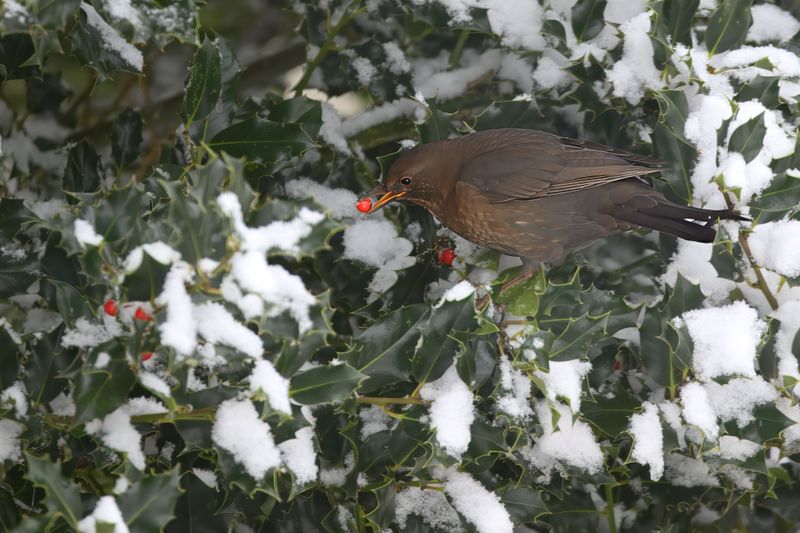
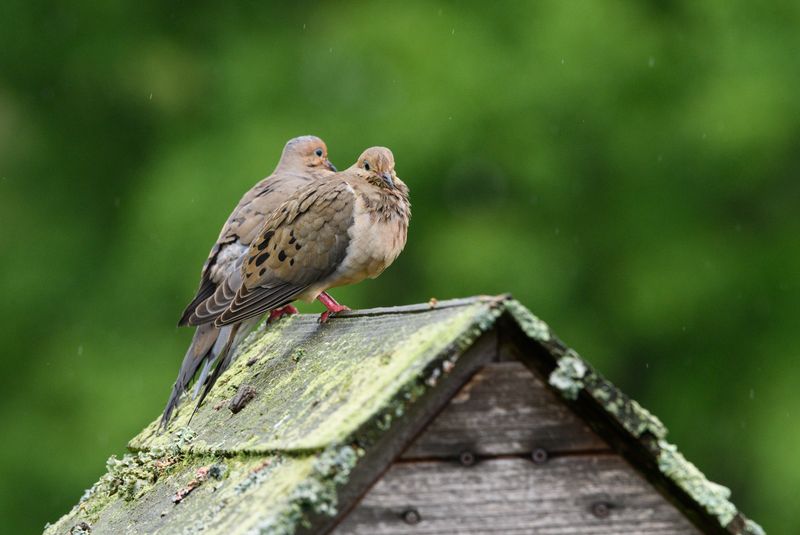
You step onto the porch on a gray January morning, coffee steaming, and spot three mourning doves tucked deep inside a cedar like puffed-up gray pillows. Those birds stay in Pennsylvania all winter, and their survival depends on thick, wind-blocking cover just as much as seeds.
The right evergreens give them a warm place to sleep and a hiding spot from hawks. Here are eight that genuinely work, plus how to place them so your yard becomes the safest spot on the block.
1. Eastern Red Cedar
Old Pennsylvania farm fences often hide the best dove hotel in the county. Eastern red cedar (Juniperus virginiana) is actually a juniper, and its tight, scaly foliage blocks wind like a wool coat buttoned to the chin.
Mourning doves roost deep inside on bitter nights, out of sight of Cooper’s hawks. Female trees also carry dusty blue cones from late summer into winter, and more than 50 bird species eat them.
It shrugs off drought, rocky northern tier soil, and heavy clay in the Delaware Valley. Plant it in full sun, at least 15 feet from other trees, and expect 30 to 40 feet of height over time.
One caution matters. Keep it a few hundred feet from apple trees when you can, since cedar shares a rust disease with them.
Then let it do its quiet work for decades.
2. Eastern White Pine
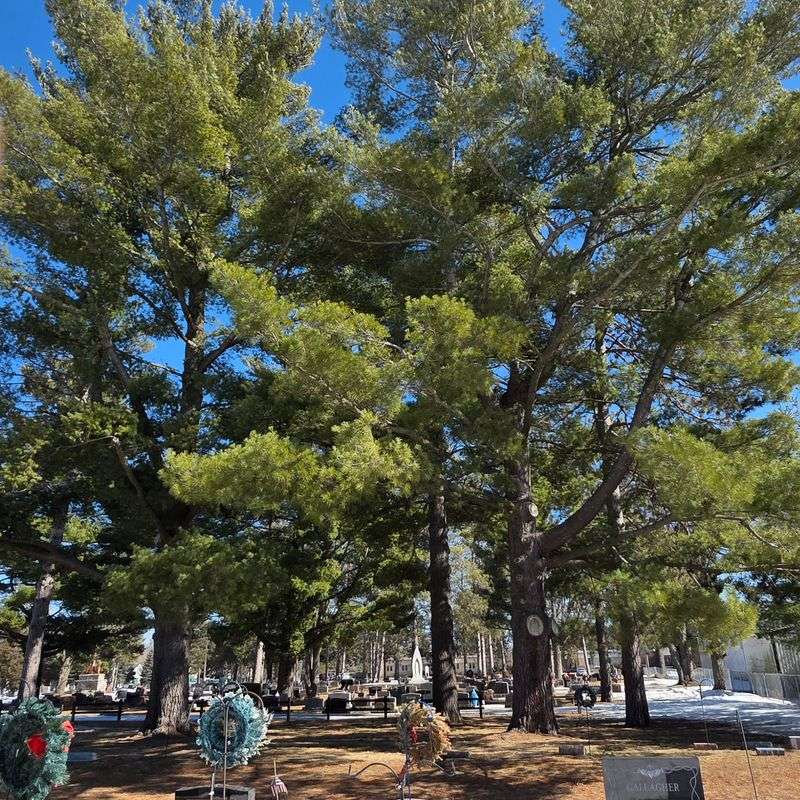
Most people plant the state tree for privacy and never notice the birds using it. Eastern white pine (Pinus strobus) wears soft needles in bundles of five, and its layered boughs catch snow like a tilted umbrella.
In the Laurel Highlands and the Lake Erie region, where lake-effect storms can drop a foot overnight, those boughs keep a dry pocket open near the trunk. Doves slip into it and wait out the worst.
White pines grow 2 to 3 feet a year once established and reach 50 to 80 feet. Plant a staggered row on the north or west side of your yard, about 15 to 20 feet apart, to break winter wind.
Avoid road salt spray, which browns the needles. Give it room, and your yard gets a living windbreak, birds and all.
3. American Holly
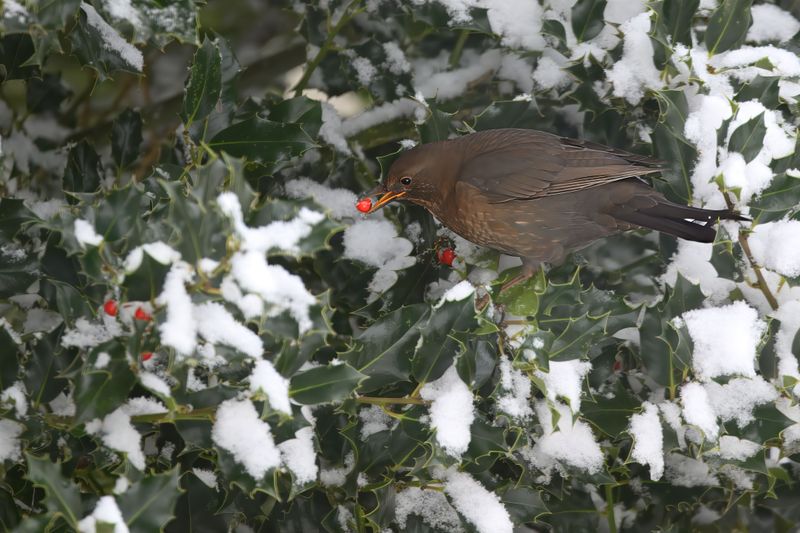
Here is a myth worth dropping: holly is just a Christmas decoration. American holly (Ilex opaca) is a native fortress, its spiny leaves turning any hawk’s approach into a scratchy mess.
It shines in southeastern Pennsylvania and the warmer Susquehanna Valley, in zones 6 and 7, with moist, slightly acidic soil. Higher, colder spots can burn its leaves in hard winds.
Berries ripen in October and often hang on into March. You need one male within roughly 40 feet for every three females, or you get leaves and no fruit.
Bonus for anyone fighting deer, browsing herds mostly leave it alone. Expect 15 to 30 feet over many years, and a red-dotted shelter on your gloomiest February day.
4. Eastern Hemlock
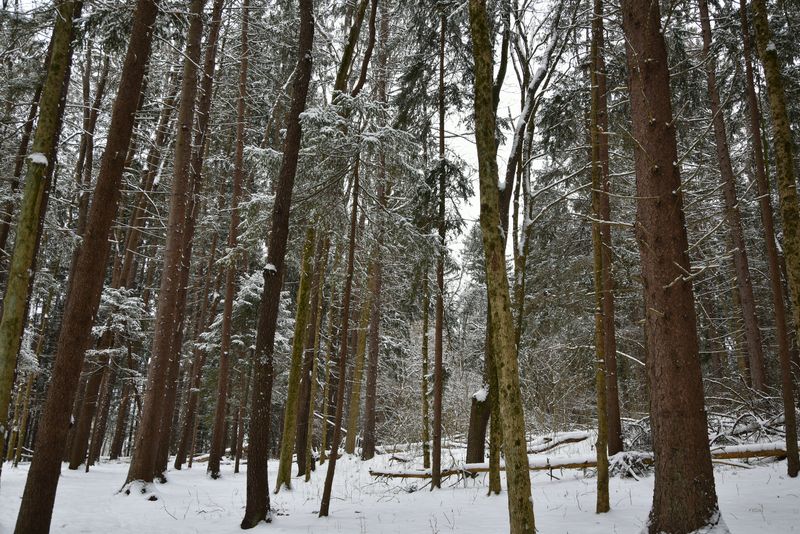
Walk under a hemlock after a snowstorm and you notice the ground is nearly bare. Eastern hemlock (Tsuga canadensis) has flat, drooping layers that shed and hold snow, creating a calm room beneath.
Doves and songbirds use that room on icy nights. It loves cool, moist shade in the central valleys and higher elevations, and it tolerates more shade than nearly any conifer here.
So what is the catch? Hemlock woolly adelgid, a tiny sap-sucking pest that shows up as white cottony dots under the needles.
Check in late winter, and talk to a certified arborist about treatment if you find it.
Penn State Extension offers guidance on managing adelgid in home landscapes. Plant only where you can keep watch, and a single healthy hemlock can feel like a cathedral for birds.
5. Great Rhododendron
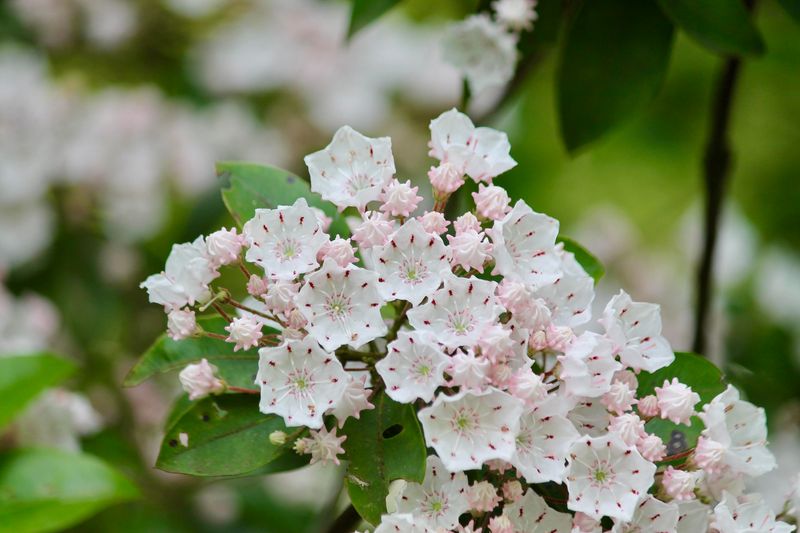
Great rhododendron (Rhododendron maximum) has a built-in thermometer. Its big leathery leaves curl tight below about 32 degrees F and droop like cigars near zero.
Native to Pocono and Laurel Highlands woods, it forms thickets 5 to 15 feet tall. That shrub layer matters, because doves often duck into low cover when a hawk passes, not up into tall trees.
Give it partial shade, acidic soil, and mulch 2 to 3 inches deep. Heavy clay in southeastern Pennsylvania needs amending or a raised bed to avoid root rot.
Leaves are toxic, so it feeds nothing, but deer usually skip it. Plant three to five together, about 6 feet apart, and you build a hideout the birds will learn fast.
6. Common Juniper
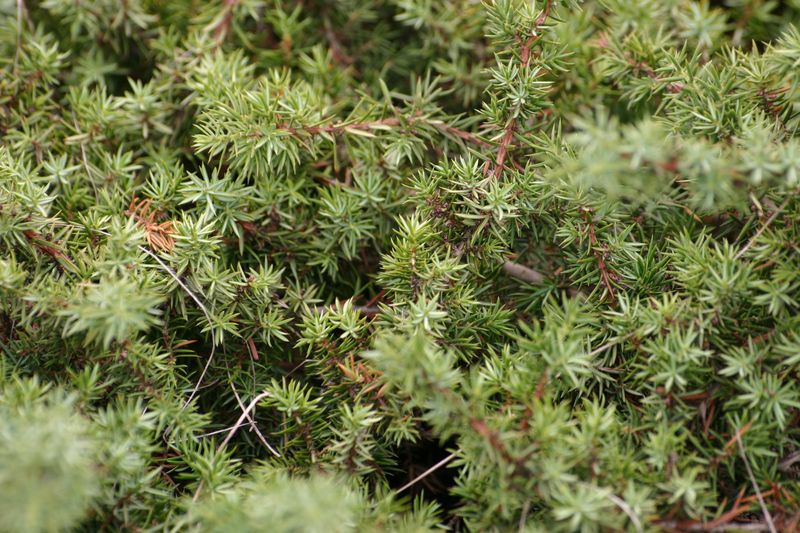
Not every yard has room for a 60-foot pine. Common juniper (Juniperus communis), a low, prickly native shrub, fits small lots and stony slopes where little else survives.
Growing only 3 to 5 feet tall and spreading wider, it gives ground-feeding doves an escape hatch right beside the seeds they forage. A bird can feed, flinch, and vanish in one hop.
It is happiest in full sun and lean, rocky soil, the kind found across the northern tier. Do not overwater, and skip fertilizer entirely.
Place it within 10 to 15 feet of where you scatter seed, never farther. Small plant, big confidence boost for nervous birds.
7. Mountain Laurel
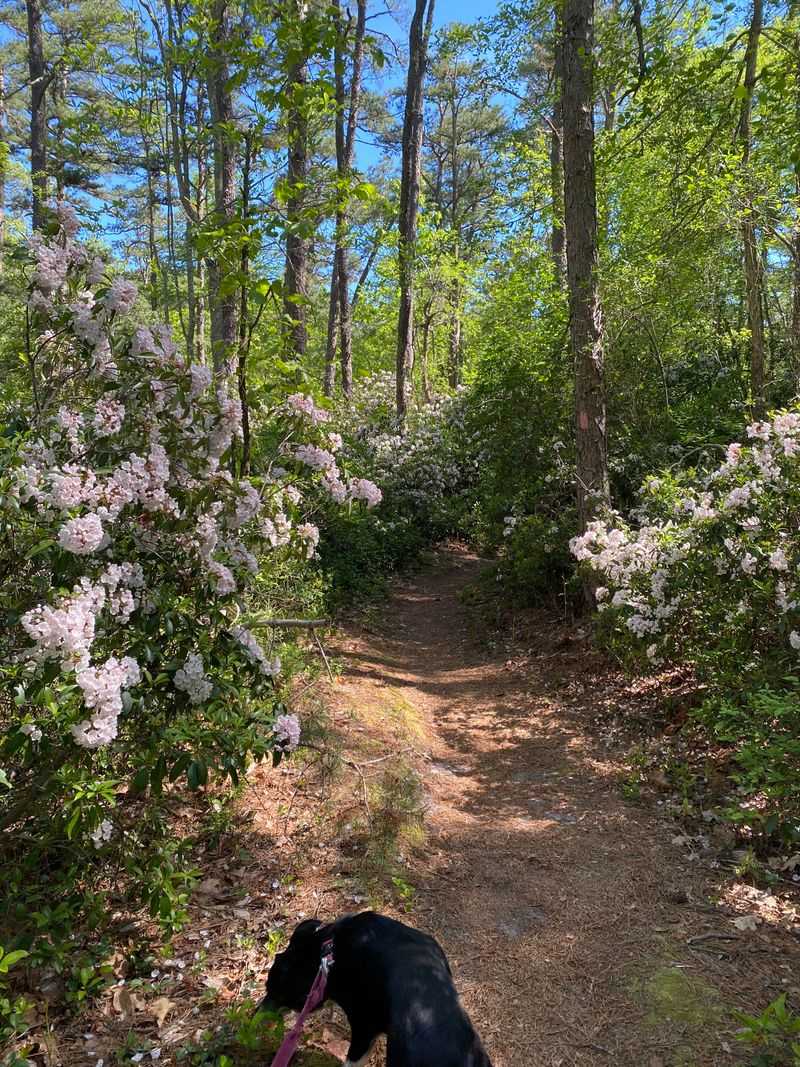
Pennsylvania’s state flower gets all its praise in June. Mountain laurel (Kalmia latifolia) quietly earns its keep in January too, holding glossy leaves when every lilac is bare sticks.
Its twisty branches create a mid-height tangle, about 5 to 8 feet, linking ground to trees. Doves move through that middle layer when snow buries their feeding spots.
Plant in early fall or spring in acidic, well-drained soil with afternoon shade. Water deeply, about 1 inch a week, through the first summer, because drought between downpours hits young roots hard.
Like rhododendron, it is toxic and deer-resistant. Pair them, and your woodland edge genuinely starts to feel like real forest.
8. Inkberry Holly
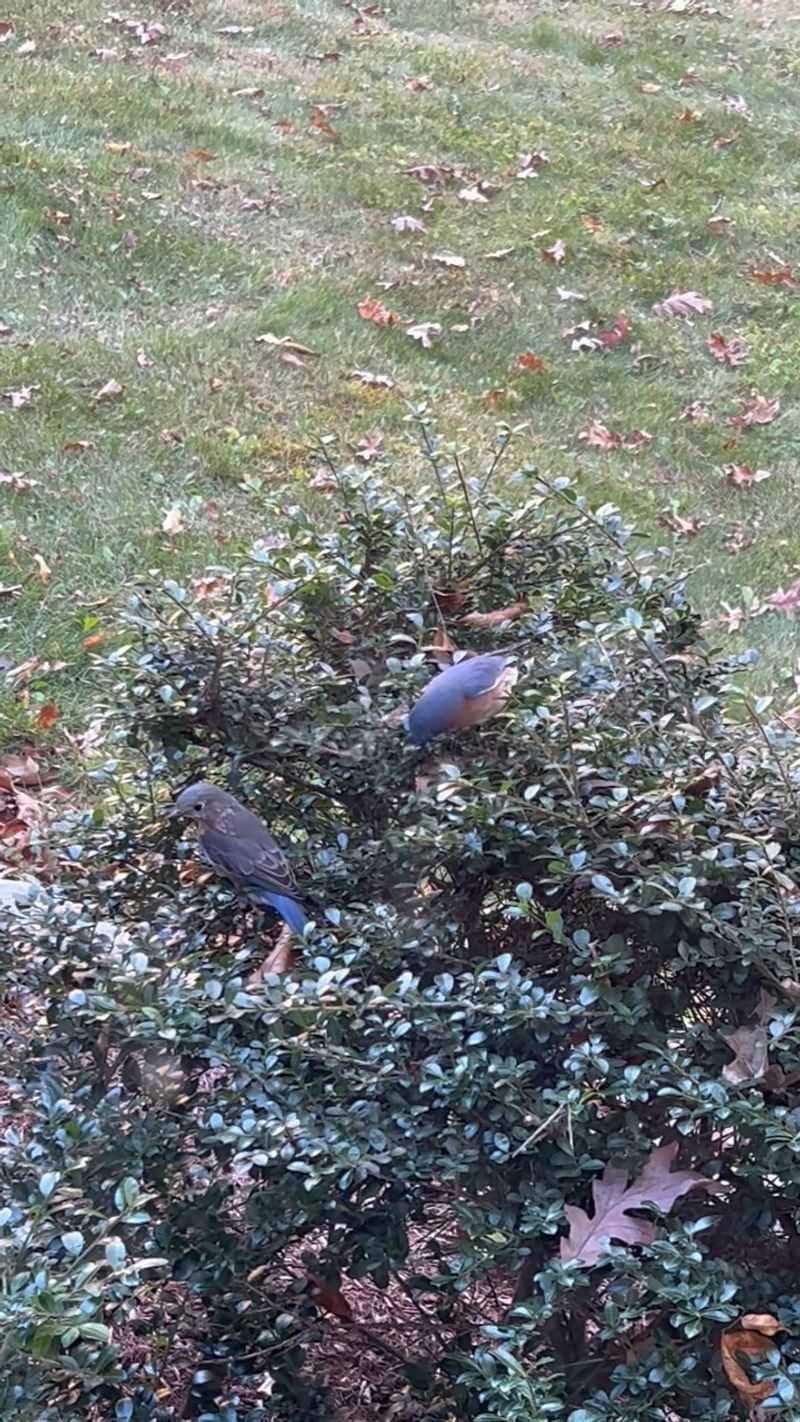
Picture the bare foundation by your patio, the spot where boxwood keeps getting blight. Inkberry (Ilex glabra) slides in as a native evergreen hedge, 5 to 8 feet tall, with small black berries birds pick through winter.
It tolerates wet clay better than most evergreens, which helps in Philadelphia suburbs and soggy Pittsburgh lots. Space plants 3 to 4 feet apart for a solid screen within three seasons.
Here is the bigger picture. Doves eat seeds for nearly all their diet, so scatter white millet or cracked corn on open ground beside the hedge and keep a heated birdbath above freezing.
No single plant is a magic fix, cover, food, and water work as layers. Put them together, and those soft coos outside your window will be your reward all winter.
