
7 Florida Night-Blooming Plants That Open Their Flowers Right When You Sit Down on the Porch
Follow us on Google
You sink into the porch chair just after sunset, sweet tea sweating in your hand, and a soft perfume drifts in from somewhere past the railing. A few plants in Florida wait all day for exactly this moment, opening their flowers as the light fades and the moths come out.
Some open so fast you can watch the petals move. Here are seven that turn an ordinary Florida evening into a small nightly show, plus how to grow each one without regrets.
1. Moonflower Vine Unfurls While You Watch
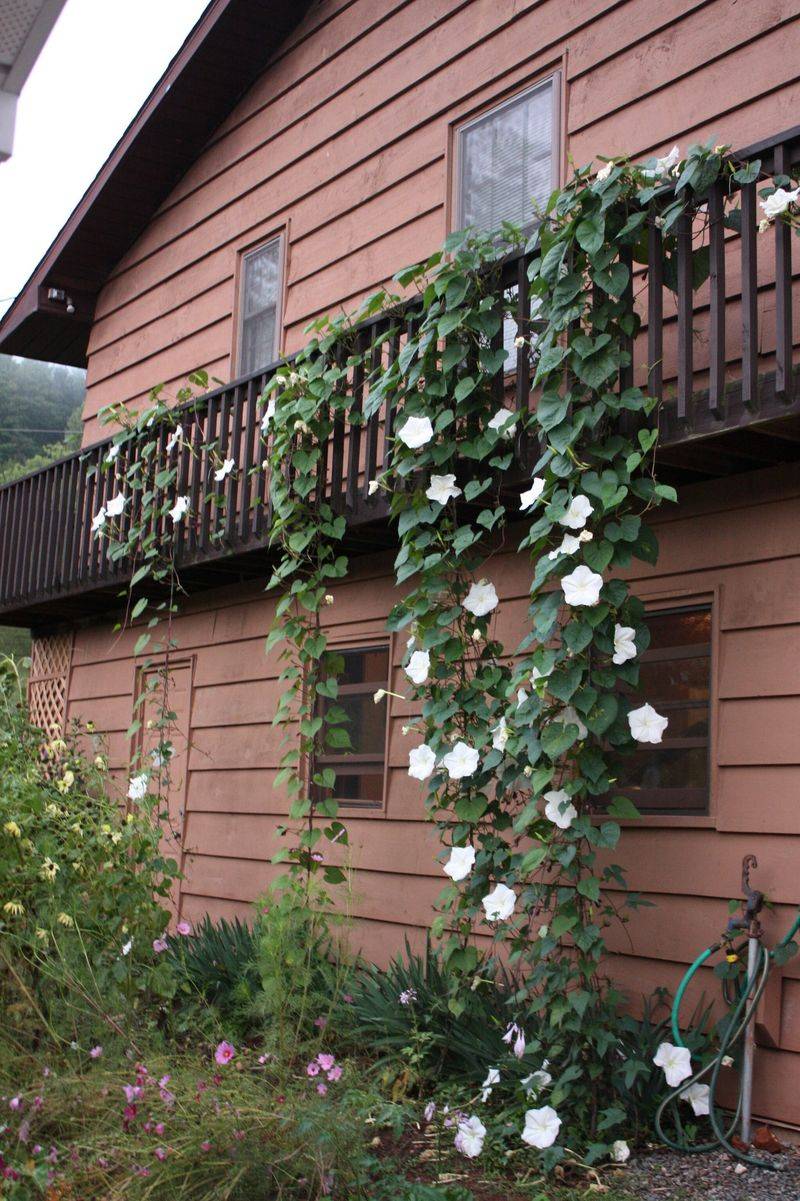
Here is the one that makes guests put down their drinks. Moonflower (Ipomoea alba) is a native Florida vine, and its tightly twisted buds spin open at dusk in just a few minutes.
The blooms are pure white funnels, 3 to 6 inches across, with a sweet scent that pulls in sphinx moths. Each flower lasts one night, but a healthy vine pushes out new buds for weeks.
Think of it as a nightly reunion that never gets old.
Soak the hard seeds overnight in warm water, or nick them with a nail file, then plant once nights stay above 50 degrees. Give the vine full sun to part shade and a sturdy fence or trellis, since stems can run past 15 feet in one season.
Water about once a week, more during dry spells.
Go light on fertilizer. Too much nitrogen gives you a wall of leaves and almost no flowers.
All parts are toxic if eaten, so keep it away from curious kids and pets.
Plant it beside the porch steps, and you get front row seats every evening from summer into fall.
2. Night-Blooming Jasmine Perfumes the Whole Yard
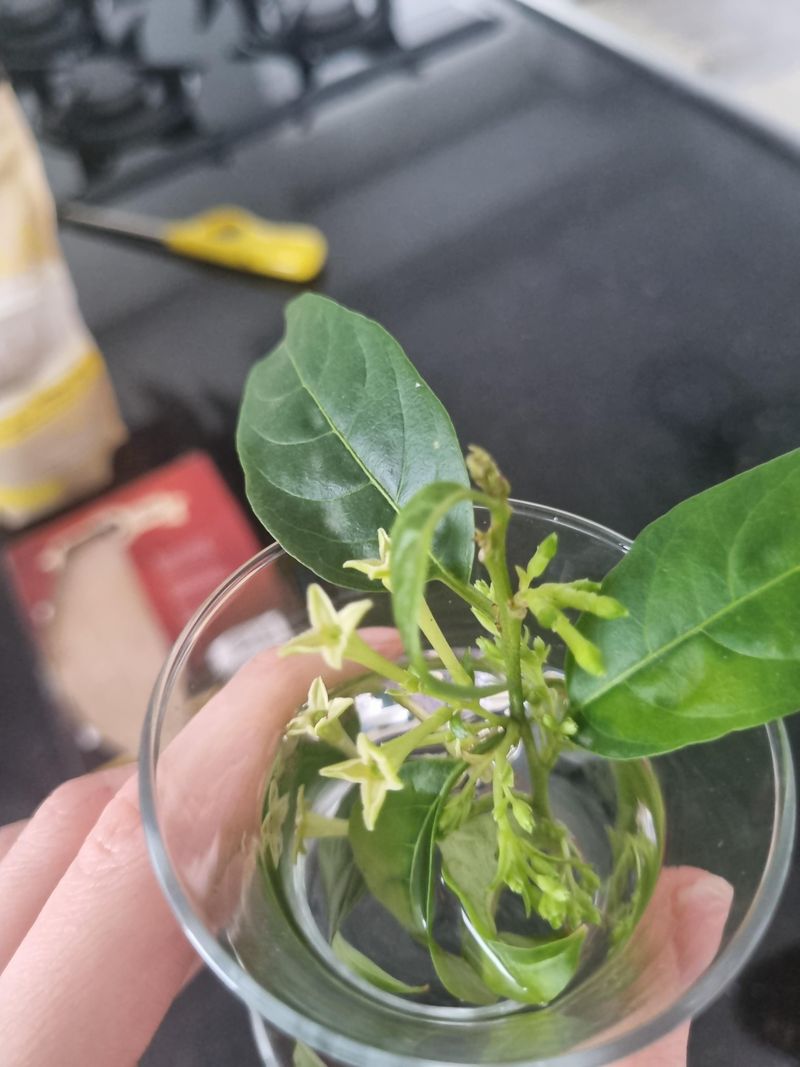
Blunt truth first. Night-blooming jasmine (Cestrum nocturnum) is not a true jasmine at all, it belongs to the nightshade family.
Its tiny greenish-white flowers look plain by day. After dark, though, the scent can carry across a whole South Florida yard, and some people find it a little too strong right outside a bedroom window.
Plant it about 15 to 20 feet from the porch so the fragrance drifts to you instead of smothering you.
It grows fast, reaching 8 to 12 feet tall if left alone. Full sun gives the heaviest bloom.
In North Florida, a hard freeze can knock it to the ground, but the roots usually sprout back in spring.
Here is where it gets tricky. UF/IFAS Extension flags this shrub as a high invasion risk, because birds spread its white berries.
Trim off spent flower clusters before berries form, and skip it entirely if you live near natural areas.
Handled with care, it is the plant neighbors ask about from the sidewalk.
3. Angel’s Trumpet Hangs Glowing Bells After Dark
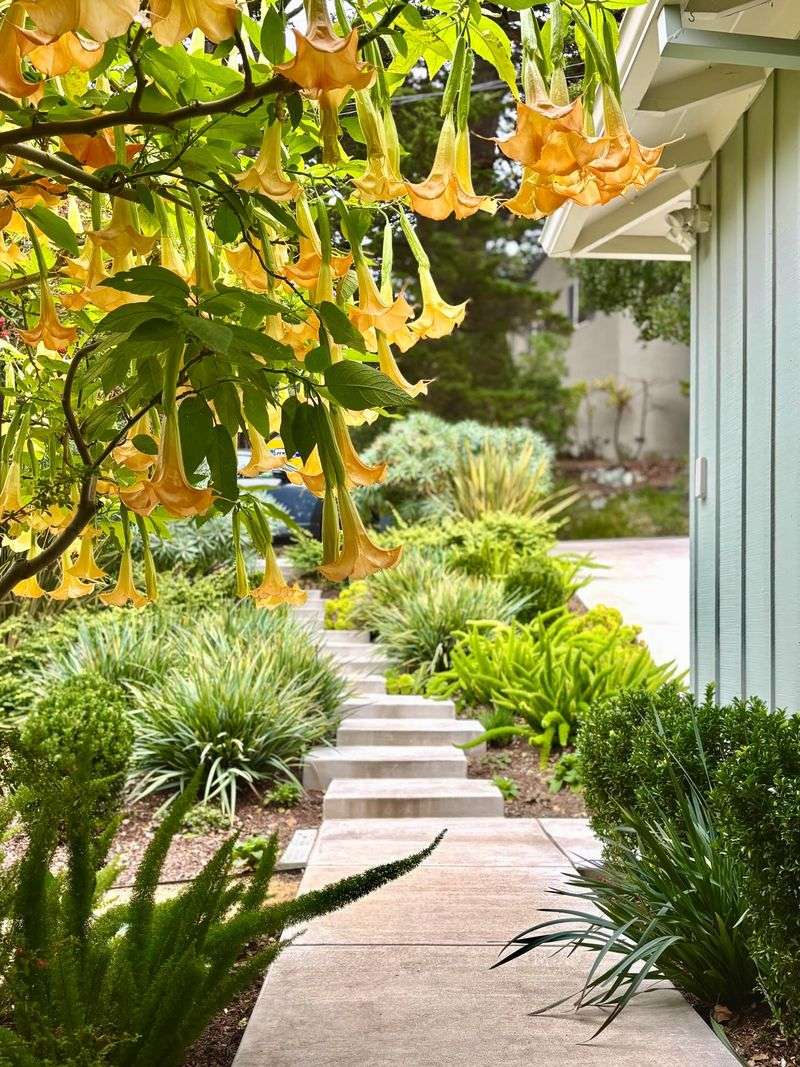
Picture a small tree hung with 12-inch bells, glowing pale peach as the sky goes purple. That is angel’s trumpet (Brugmansia species) on a summer night in Central Florida.
The fragrance gets stronger after sunset, which is exactly when you finally sit down. Flowers come in white, yellow, pink, and peach, and they arrive in waves through the warm months.
It does best in zone 10, while gardeners in zone 9b often grow it in large pots they can wheel into the garage during cold snaps. Morning sun with afternoon shade keeps leaves from scorching.
Amend sandy soil with compost, and expect to water deeply, sometimes daily in July.
Feed it in spring, summer, and early fall with a granular fertilizer. Trim lightly after each bloom wave.
Every part is poisonous, so plant it well away from play areas and wash your hands after pruning.
Respect it, and it gives you a genuinely theatrical evening every few weeks.
4. Four O’Clocks Keep Time Like an Old Clock
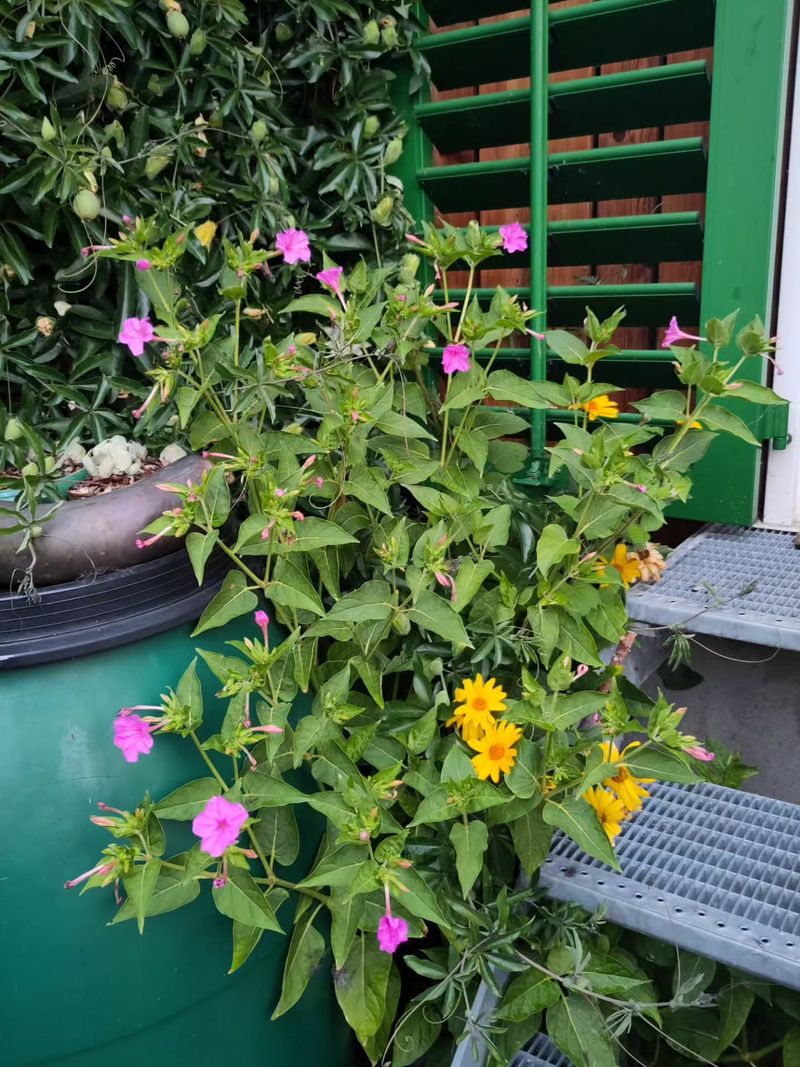
Many folks remember four o’clocks (Mirabilis jalapa) from a grandmother’s yard, and the nostalgia is earned. The flowers pop open in late afternoon, roughly when the porch shade arrives, and stay open until morning.
One plant can carry magenta, yellow, white, and striped blooms all at once. Moths and hummingbirds work them at dusk.
Plants grow 18 inches to 4 feet tall, so space them 18 to 24 inches apart. In North Florida they die back after frost, then return from a tuberous root in spring.
They actually bloom better in lean, sandy soil, so skip heavy fertilizer.
Once settled, about 1 inch of water every 2 to 3 weeks during dry spells is plenty. They reseed freely in warm areas, so pull the black seeds if you want them to stay put.
The seeds and roots are toxic, keep them away from small children.
Easy, cheerful, and reliably on time.
5. Queen of the Night Blooms for One Magic Evening
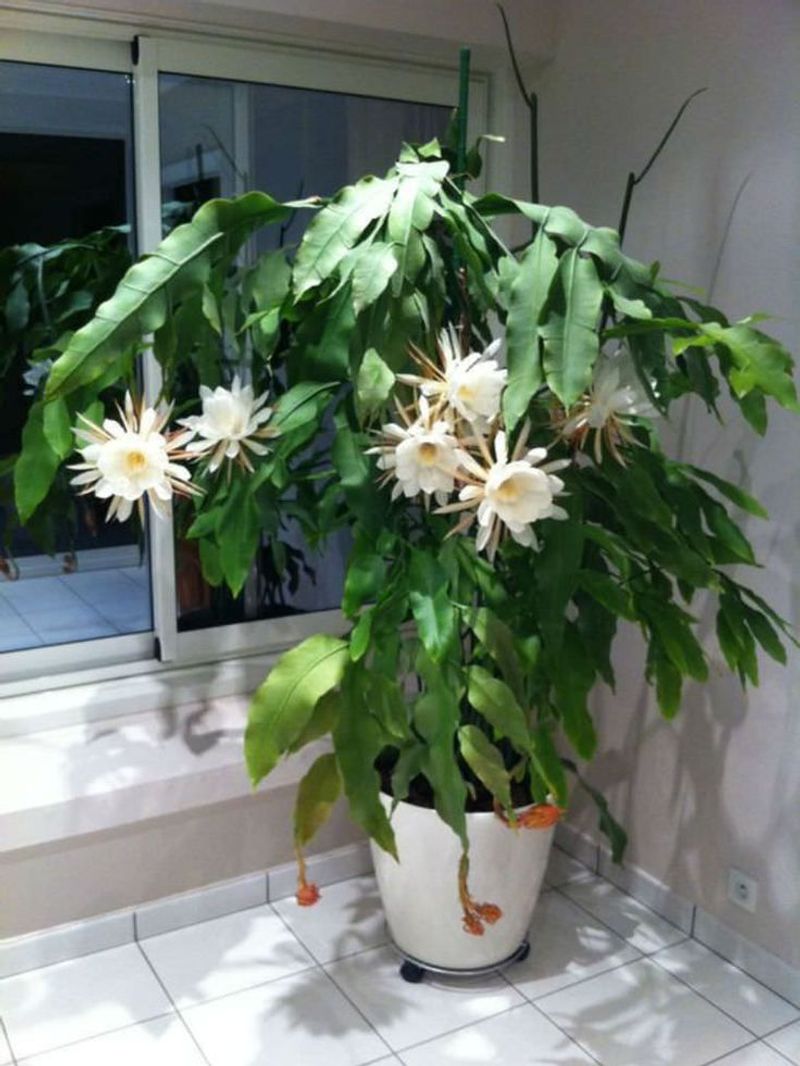
The surprise is how short the show is. Queen of the night (Epiphyllum oxypetalum), often called night-blooming cereus, opens a waxy white flower 6 to 8 inches wide, perfumes the porch, and wilts before dawn.
That brief window is why people text neighbors at 10 p.m. to come look. Buds swell for about two weeks, then droop upward like a swan’s neck the day they open.
The flat green leaves are really stems, and this cactus wants bright morning light and afternoon shade. It thrives outdoors in South Florida and the Keys, while folks farther north bring it inside below 40 degrees.
A hanging basket filled with fast-draining cactus mix works well.
Let the soil dry between waterings, roughly every 5 to 10 days in summer. Feed monthly in spring and summer, then stop for winter.
Keep the porch light dim on bloom night, and you will remember it for years.
6. Tuberose Turns a Small Bed Into Perfume
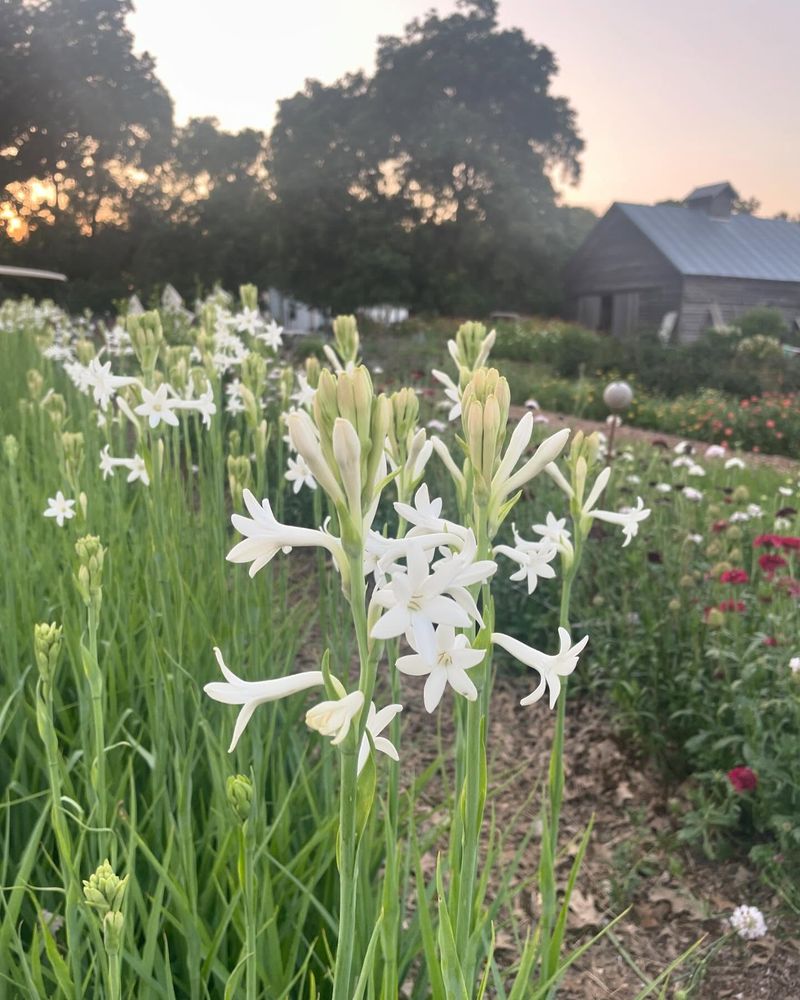
Perfume makers have prized tuberose (Polianthes tuberosa) for centuries, and one sniff on a late summer evening explains why. The waxy white flowers smell sweet by day and intense after dark.
Spikes rise up to 30 inches, blooming from late summer into fall. A clump of five or six bulbs near the porch steps is enough to scent the whole sitting area.
Plant bulbs in spring, 2 to 3 inches deep and 6 to 8 inches apart, pointed end up. They need 6 to 8 hours of sun daily, so choose an open spot.
Mix compost into sandy Gulf Coast or Atlantic Coast soil to hold a bit more moisture.
Water every 7 to 10 days and feed every 4 to 6 weeks while growing. Bulbs stay in the ground across most of Florida, but in the Panhandle a 4-inch mulch layer helps them through winter.
Small footprint, huge reward.
7. Night Water Lilies Light Up a Backyard Pond

Most pond lilies close when you get home from work. Tropical night-blooming water lilies (Nymphaea species) do the opposite, opening at dusk and staying open into the next morning.
Their big blooms come in white, pink, and deep red, and they float on the water like lanterns. Many varieties carry a light fragrance too.
They need water at 70 degrees or warmer, which makes Central and South Florida ideal. Plant each rhizome in a pot at least 12 inches wide with heavy garden soil, topped with an inch of gravel, then set it 12 to 24 inches deep.
Choose still water away from fountains.
Push aquatic fertilizer tablets into the pot every 3 to 4 weeks in the growing season. The wide pads shade the water and can reduce algae, though they are one layer of pond care, not a cure.
Even a large patio tub works. Sit down, look over, and your little pond has quietly turned on its lights.
