
Plant These Florida Natives In December For A Yard That Wakes Up Early This Spring
Follow us on Google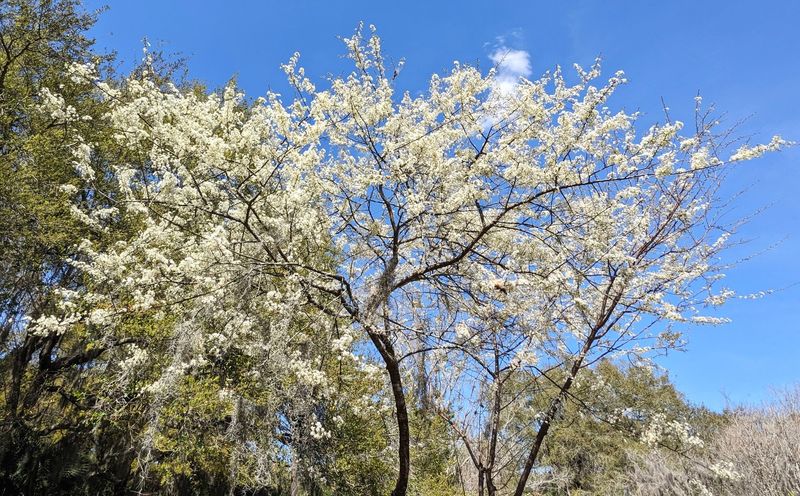
You step onto the porch with your coffee on a cool December morning, and the grass is damp and silver with dew. Most of the yard looks sleepy, almost finished for the year.
But in Florida, December is actually one of the smartest planting months you get, because cool air and gentle sun let new roots settle without summer stress. Plant the right natives now, and your yard can be blooming, buzzing, and full of butterflies weeks before your neighbors even start shopping for spring.
1. Blanket Flower
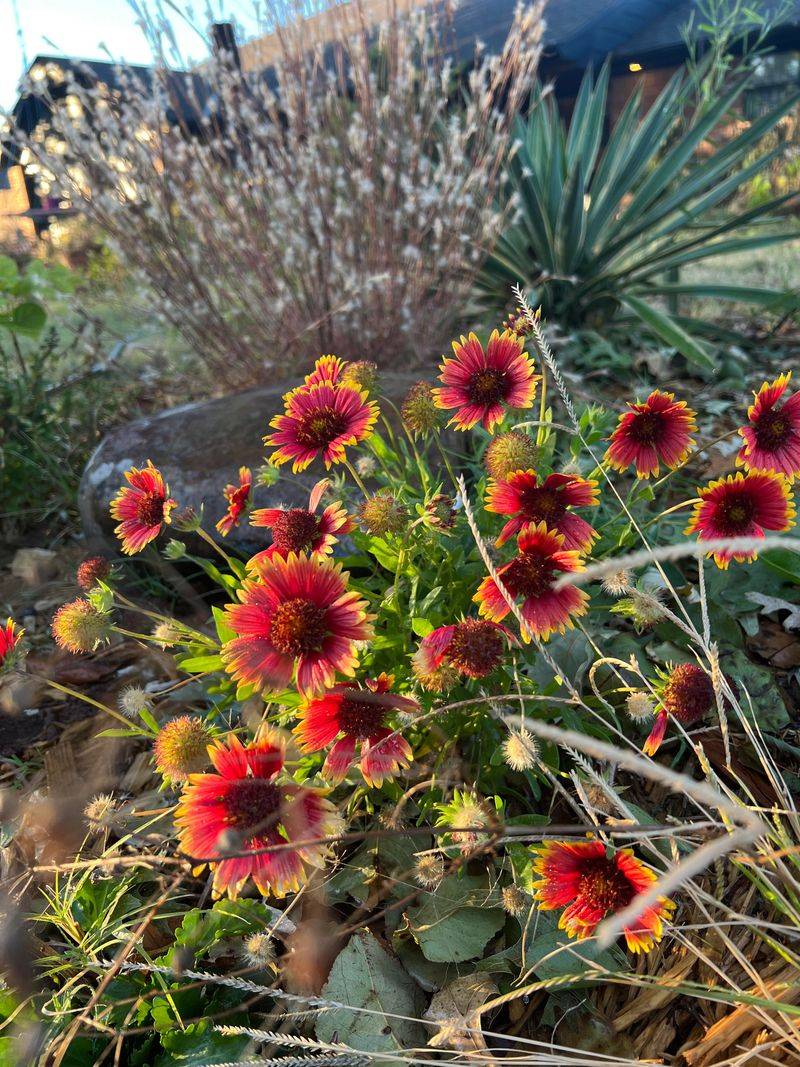
Bare sand in December looks like nothing is happening. Underneath, blanket flower, Gaillardia pulchella, is quietly building the roots it needs for a spring show.
This tough little wildflower loves exactly what many Florida yards offer: heat, drought, and poor sandy soil. Rich soil and heavy fertilizer can actually make it floppy and short-lived, so skip the extra feeding.
Here is the simple plan. Rough up the soil, scatter seeds, and press them in with only a light dusting of soil, since they like some light to sprout.
Keep the spot damp during winter dry spells, and seedlings usually show up in one to three weeks.
Young plants can handle a light freeze into the low 20s, which makes them a fair bet even in North Florida. By late March or early April, the red-and-gold daisies open and bees arrive almost on cue.
Space plants 12 to 24 inches apart for a full carpet of color.
It will not flower overnight. But that first warm afternoon in spring, you will remember the five minutes you spent scattering seed and feel a little proud.
2. Simpson’s Stopper
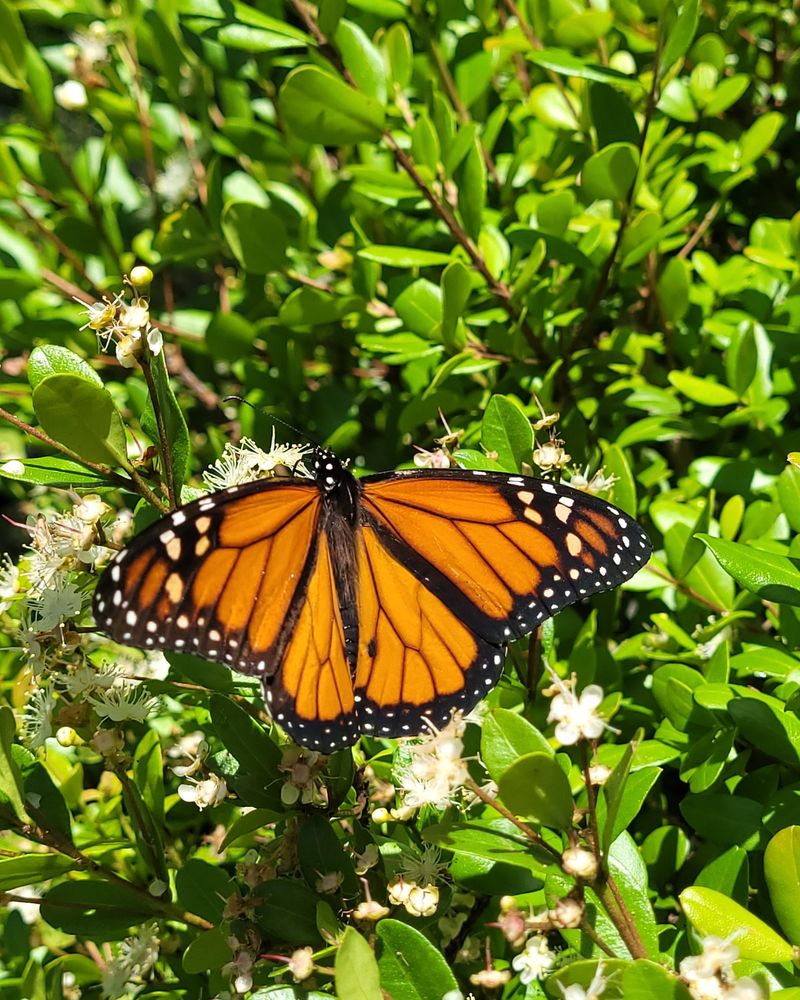
Some plants shout. Simpson’s stopper, Myrcianthes fragrans, prefers to work quietly, then surprises you with perfume.
Many South Florida homeowners walk past it at the nursery because it looks plain in winter. That is the mistake.
Plant it in December and the cool, dry weeks let it root in without fighting summer heat.
It is famously easygoing about soil, handles salt air along both the Atlantic and Gulf coasts, and becomes drought tolerant once settled. Water a new shrub every few days for the first month, then taper off as new leaves appear.
Come April and May, clusters of tiny white flowers open and the air smells sweet near the patio. Orange to red berries follow later, and birds clean them up fast.
For a hedge, space plants 3 to 5 feet apart, or give 8 to 10 feet if you want a small tree.
Think of it as the reliable friend who shows up with dessert. You barely notice it until spring, and then everyone asks what smells so good.
3. Firebush
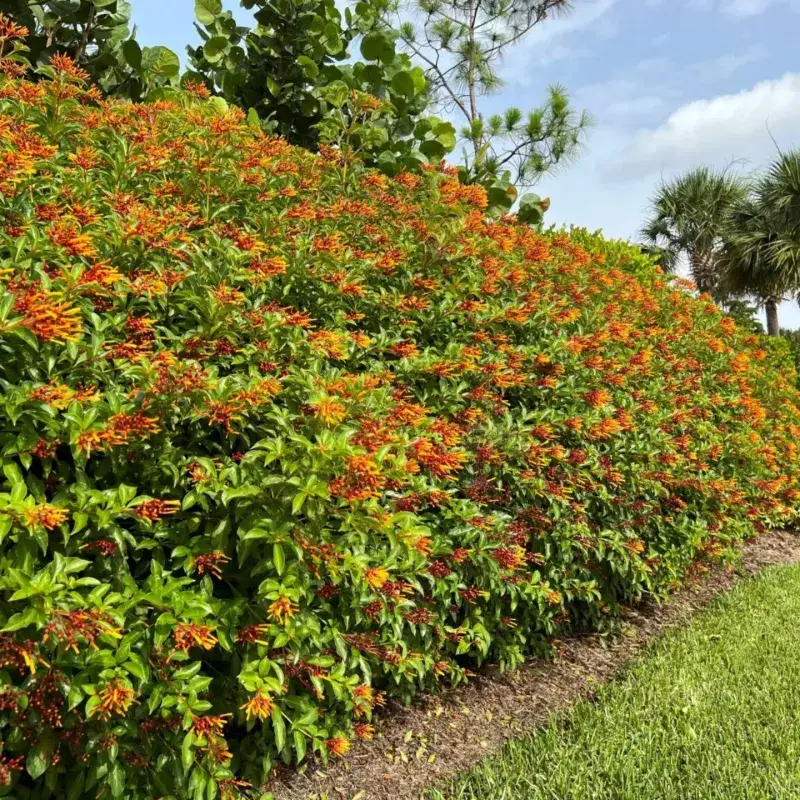
A hard freeze in North Florida can knock firebush, Hamelia patens, flat to the ground. People panic and dig it up.
Do not do that.
Firebush is what gardeners call root-hardy, meaning the top may die but the roots wait it out and push fresh stems in spring. In South Florida it often stays green and blooms nearly all year.
Plant container shrubs in December so roots settle while the weather is mild. Dig a hole twice as wide as the root ball but no deeper, then water daily for the first week or two and every other day for a few weeks after.
Space plants 3 to 4 feet apart.
By late spring, red-orange tubular flowers cover the shrub. Hummingbirds, zebra longwings, and gulf fritillaries treat it like a roadside diner.
UF/IFAS Extension lists it among the best Florida natives for pollinators.
So when your neighbor asks why your yard is suddenly full of butterflies, you get to smile and point.
4. Lyreleaf Sage
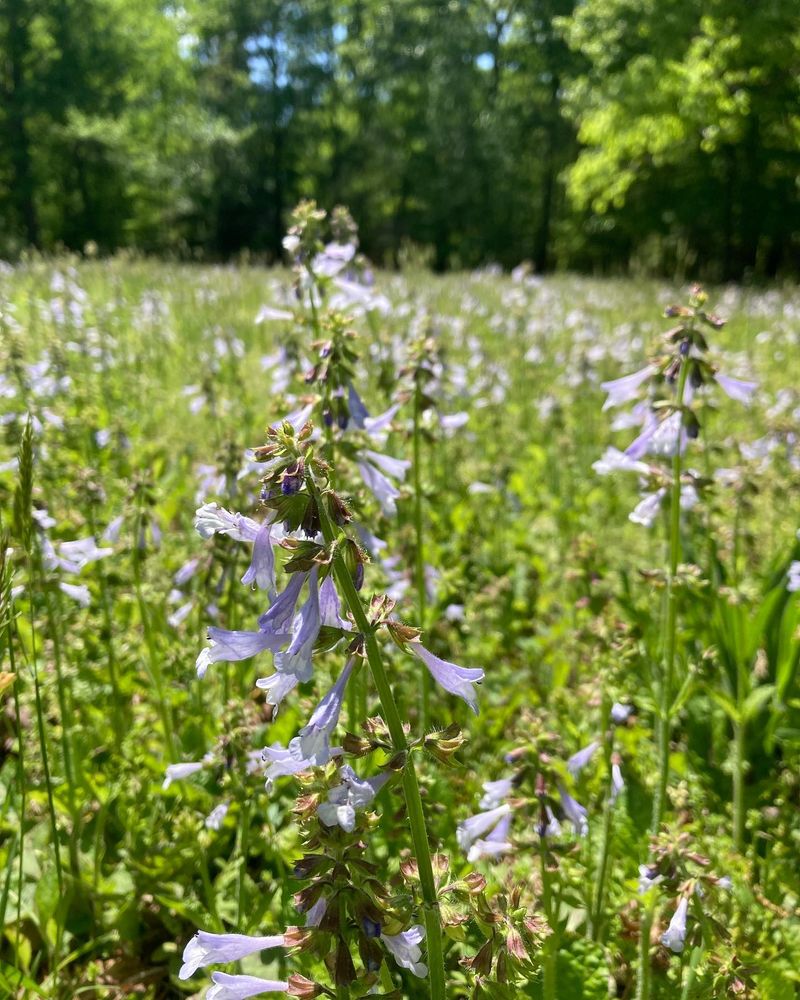
Low to the ground and easy to miss, lyreleaf sage, Salvia lyrata, is the plant that flowers while bigger shrubs are still yawning.
Its leaves form flat rosettes that hug the soil, often tinged with burgundy in cool weather. Then, in late winter into spring, slim stalks rise 1 to 2 feet with pale blue-purple blooms that early bees genuinely love.
It is not picky. Sandy, well-drained spots work, and so do slightly damp areas where lawn grass struggles.
Set small plants about 12 inches apart in full sun to part shade, or scatter seed on loosened soil.
December planting gives the rosettes time to spread during the dry season. Water twice a week for the first three weeks, then let rain take over.
Many Central Florida gardeners use it as a living border or a no-mow patch.
It reseeds gently, so a few plants this year can become a soft purple ribbon next year. Small plant, quiet charm, big payoff.
5. Butterweed
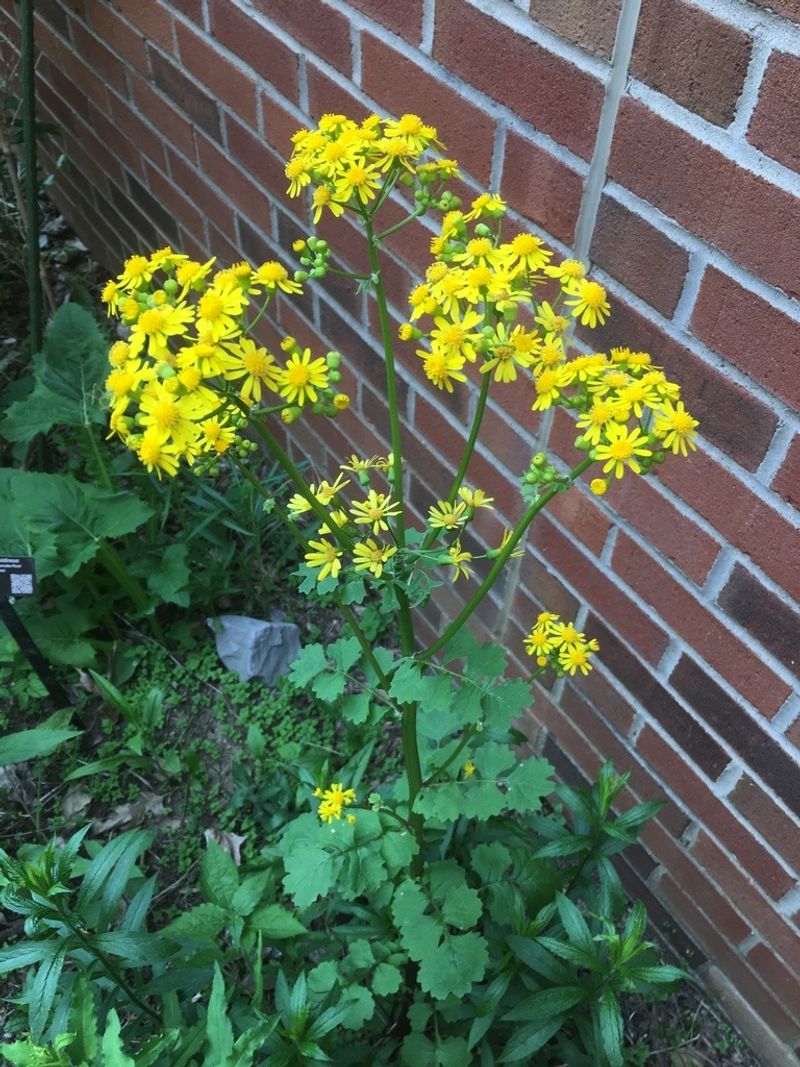
Myth: nothing blooms bright in the gap between winter and spring. Butterweed, Packera glabella, did not get that memo.
This native annual sprouts in the cool months, then shoots up 1 to 3 feet tall and bursts into clusters of sunny yellow flowers from late winter into early spring. In North and Central Florida, it often fills damp, low pockets where other plants sulk.
Here is the honest part. Butterweed is a wild-looking plant, not a tidy bedding flower, and it is toxic if livestock eat it.
Keep it in a natural corner, a rain-soaked swale, or the back of a bed.
Scatter seed in December on bare, moist soil and press it in lightly. It reseeds on its own, so after one season you may never need to plant it again.
Native bees and early butterflies depend on blooms like these when food is scarce. When that patch of gold lights up a gray February morning, it feels like spring sent an early text.
6. Butterfly Milkweed
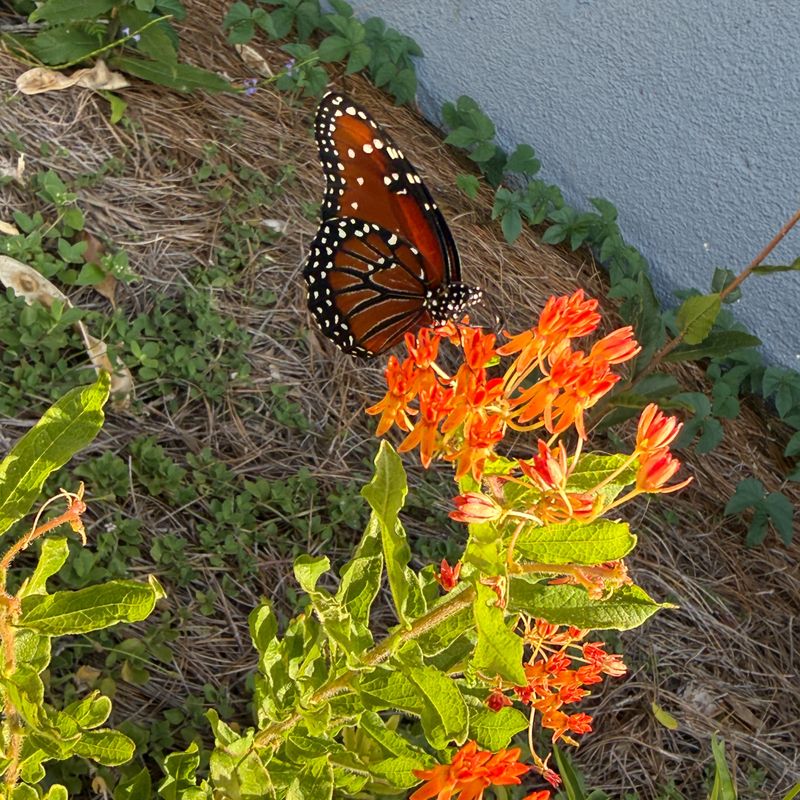
Monarchs have a problem in Florida. Tropical milkweed, the non-native kind sold everywhere, stays green all winter and can keep butterflies from migrating, which may spread a parasite.
Native butterfly milkweed, Asclepias tuberosa, follows the natural schedule instead. It fades back in fall and returns in spring, right when monarchs need it.
December is a good time to sow seed outdoors, letting cool, damp weeks wake the seeds up naturally. Barely cover them with about 1/4 inch of soil in full sun and sandy, well-drained ground, and keep the spot moist but never soggy.
Transplants go 18 to 36 inches apart.
One warning. Its long taproot hates being moved, so choose the final spot from the start, and avoid wet, low areas where root rot sets in.
From spring through fall, orange flowers feed bees and butterflies, and the leaves feed monarch caterpillars. Watching a striped caterpillar munch on a plant you started from seed is a quietly proud moment.
7. Eastern Redbud
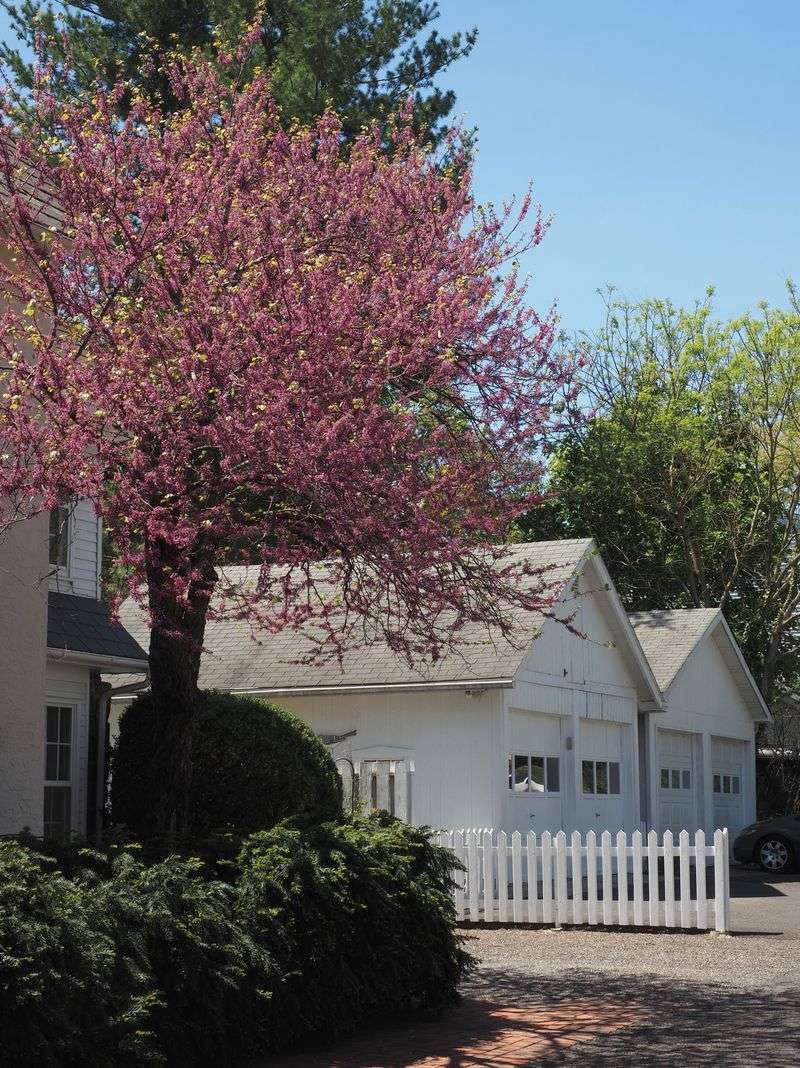
Picture a February morning in Tallahassee or Gainesville. The trees are bare, the sky is pale, and then one small tree glows pink from trunk to tip.
That is eastern redbud, Cercis canadensis, and its trick is blooming straight on bare branches before a single leaf appears. It grows best in North and Central Florida, since it needs some winter chill and struggles in South Florida heat.
December is ideal for planting because the tree is dormant and roots can grow without feeding leaves. Dig a hole two to three times wider than the root ball, set it slightly above grade, and water deeply.
Give about 5 gallons a week through the first year if rain is scarce.
It usually tops out around 20 to 24 feet, small enough for most suburban lots. Plant it at least 10 feet from your house and a bit of afternoon shade helps in hot spots.
Every late winter after that, your yard will be the one people slow down to look at.
8. Flatwoods Plum
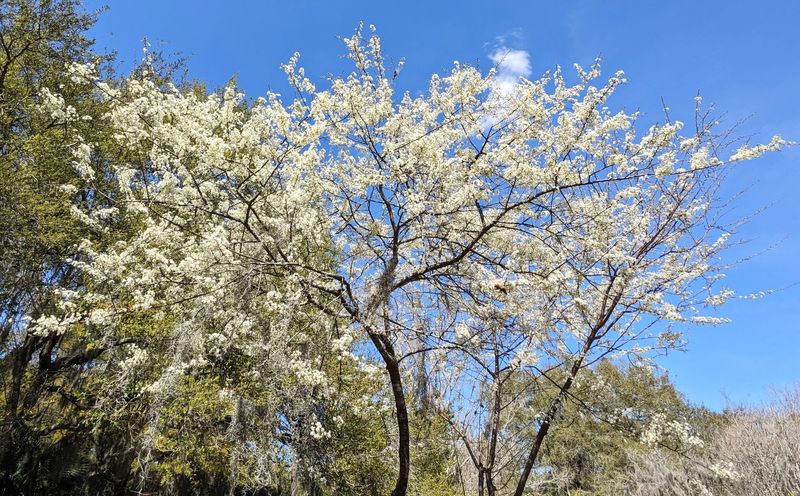
Long before the azaleas show off, flatwoods plum, Prunus umbellata, quietly covers its bare branches in white blossoms.
This small native tree grows wild in Florida’s pine flatwoods, so it already knows how to handle sandy soil, dry winters, and steamy summers. It rarely tops 15 to 20 feet, making it a good fit near a patio or fence line.
Plant it in December while it is dormant. Dig two to three times the width of the root ball, keep the top level with the soil, and spread 2 to 3 inches of mulch, keeping it a few inches off the trunk.
Water deeply twice a week through the dry season.
By late February or March, clusters of fragrant white flowers feed early bees. Small tart plums follow in summer, and birds race you for them, though they also make a fine jelly.
It will not do all the work alone. But as one layer in a native yard, it closes the season calmly, with blossoms first and fruit later, and a yard that wakes up right on time.
