
This Shade-Loving Invasive Grass Is Creeping Across North Carolina Yards While Nobody Notices
Follow us on Google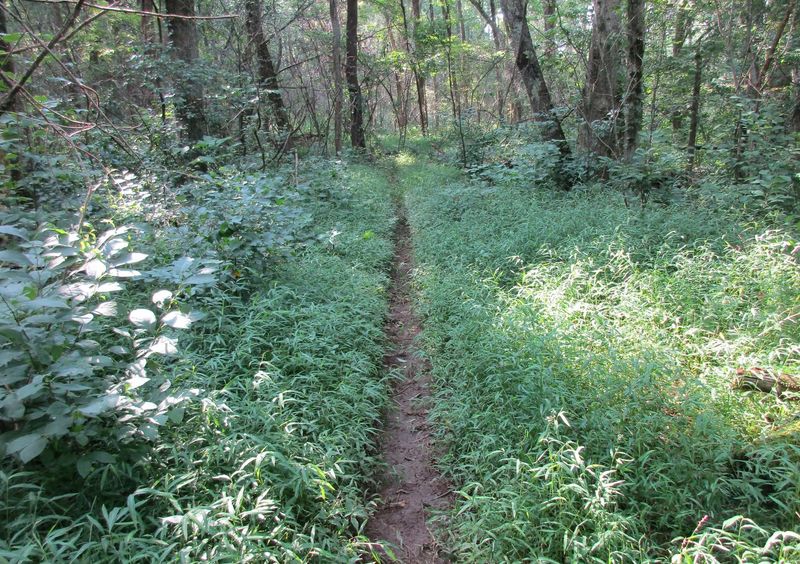
A shade-loving invasive grass called Japanese stiltgrass is spreading through North Carolina landscapes, and it is easy to overlook. It hides among other grasses along shady yard edges, mulched beds, and woodland margins.
You’ve probably walked past it on a muggy summer evening without a second glance. Here is how to spot it, check your own yard, and handle it the right way.
How to Recognize Japanese Stiltgrass
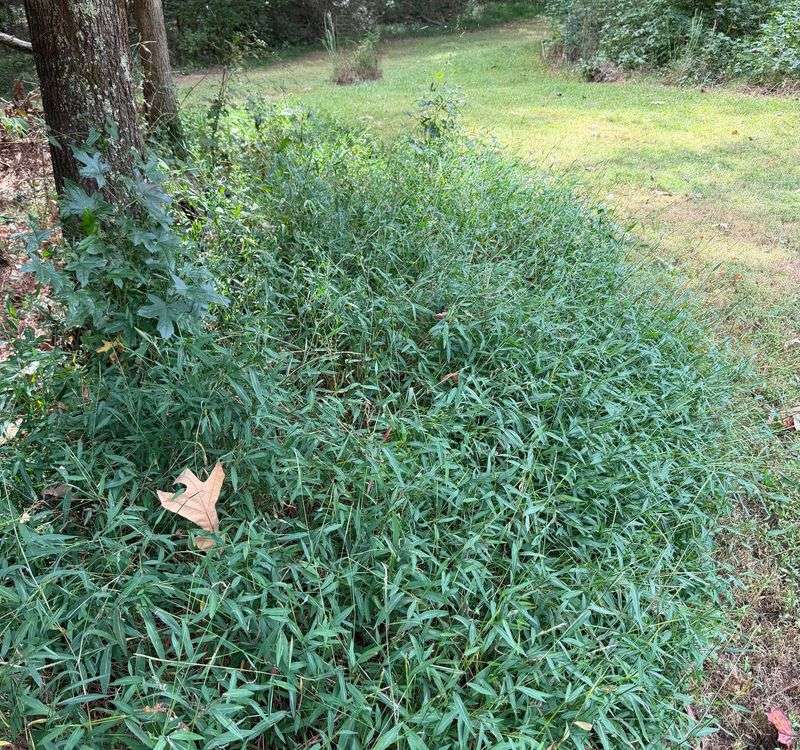
Picture a pale-green grass sprawling along a shady corner of your yard in July. That is the look of Japanese stiltgrass, Microstegium vimineum, an invasive plant worth checking for.
Nobody can say it is on your lot, but it is worth a close look.
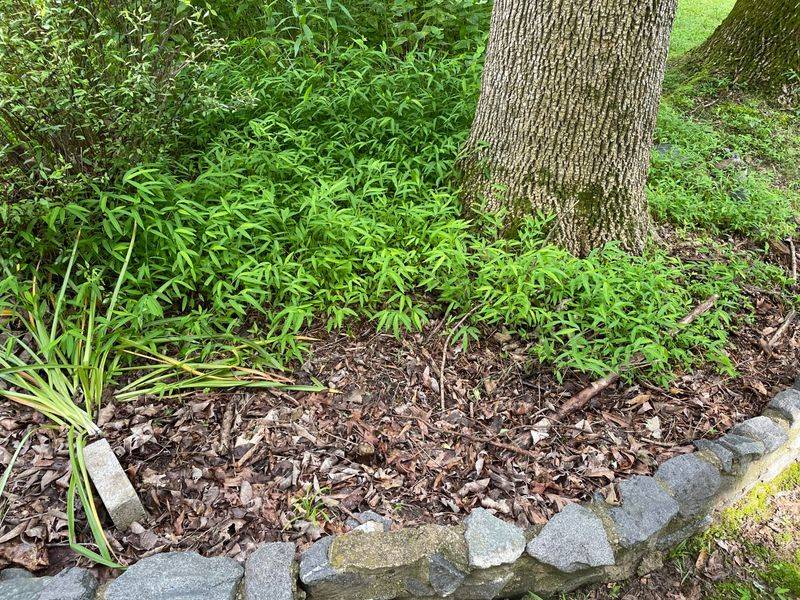
Get down low and study the leaves. They are relatively broad for a grass, with a soft, lime-to-pale green color.
The giveaway is a thin silvery stripe running along the leaf, and it sits slightly off-center from the midrib. NC State Extension lists that stripe as a key clue.
Stems sprawl and lean, which is where the name stiltgrass comes from. Some plants stand 1 to 3 feet tall by late summer, while others stay low and mat together.
Before you pull anything, confirm what you have. Virginia cutgrass, Leersia virginica, is a native lookalike, and it lacks that silvery stripe.
A Buncombe County Extension alert makes the same point about confirming identification first.
Whitegrass is another plant stiltgrass can be mistaken for. If you are unsure, snap a photo of the leaf in daylight and send it to your county Extension office.
Ten minutes of checking can keep you from yanking a native plant.
Seeds Do Most of the Spreading
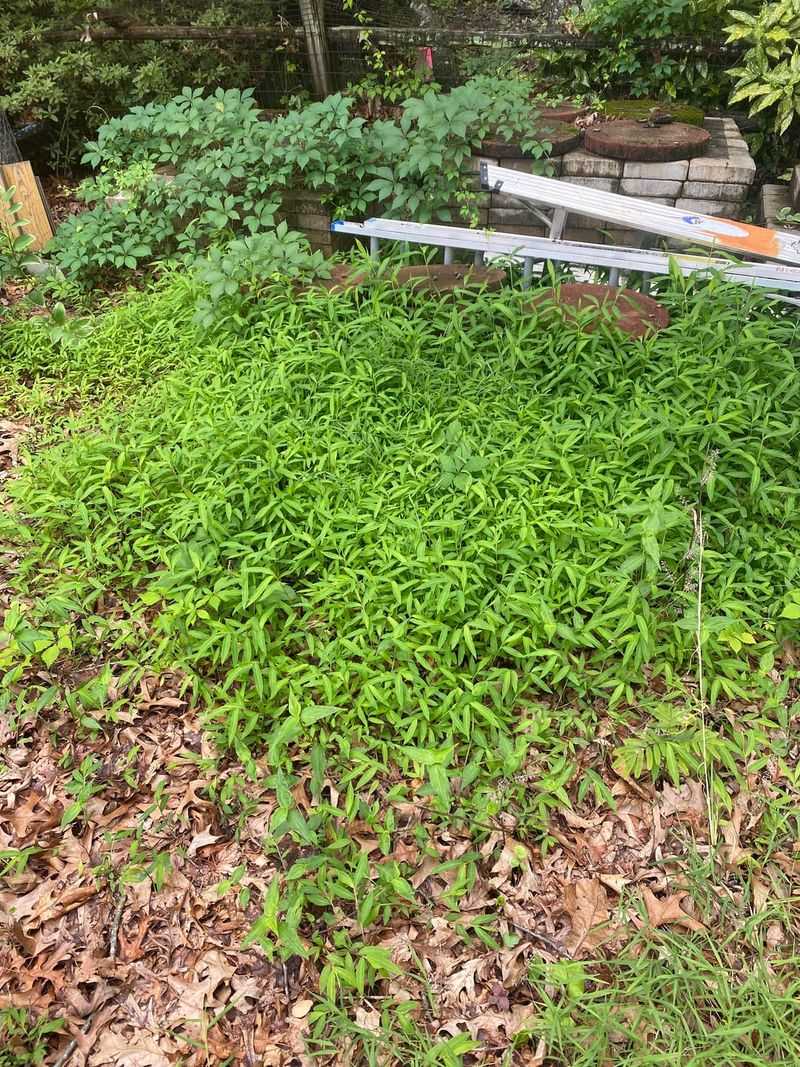
The word creeping sounds like roots snaking underground. Stiltgrass works differently.
It is a summer annual, so each plant lives one season and then dies, and it spreads mainly by seed.
Here is where it gets tricky. The sprawling stems can root where their joints touch damp soil, so patches do knit together.
But the real engine is seed, and the plant is quietly good at making it.
Some flowers and seeds form hidden inside the leaf sheaths, the little wraps where leaves join the stem. A quick glance over the top may not show you a single flower, even when seed is on the way.
That is one reason an infestation is easy to overlook.
NC State Extension reports seed densities of 16,000 to 50,000 seeds per square meter in infested areas. The NC State Plant Toolbox says a single plant can disperse about 1,000 seeds.
Those numbers come from different measurements, so do not assume every plant in your yard does the same.
The takeaway is simple. A grass that tucks its seed out of sight can return next year from what it dropped this year.
Where to Check Around the Yard
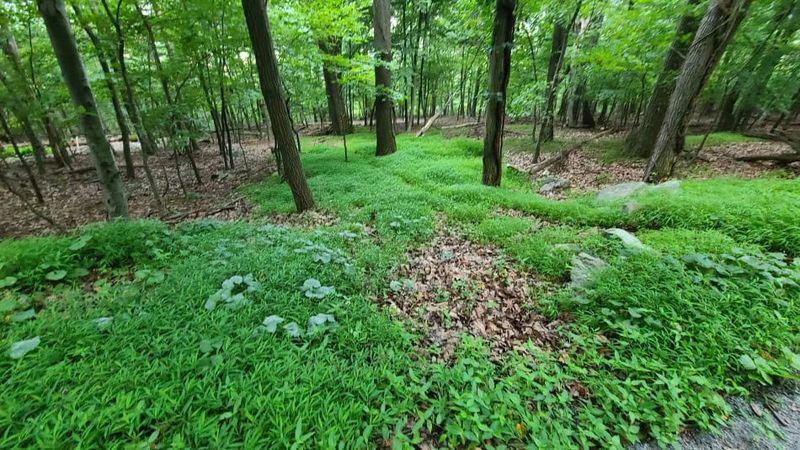
Grab a glass of tea and take a slow lap of the shady spots. Start with mulched landscape beds under oaks, low-maintenance turf that rarely gets mowed, ditch edges, and the line where your lawn meets the woods.
These are smart places to look because stiltgrass likes shade, moisture, and disturbed ground. NC State Extension describes it as common in shady, moist, disturbed sites, including mulched beds and low-maintenance turf.
Do not treat that list as a fence around the plant. It can also grow in upland forest and tolerate conditions beyond deep shade or wet soil, according to a University of Connecticut Extension factsheet.
So peek into the drier corners too.
Where you live matters a little. NC State says it is most common in woodlands of the Piedmont and mountains, and less common in the Coastal Plain.
That describes where the plant turns up in wild areas, not how many yards have it.
Plenty of yards will turn up nothing at all, and that is a good result. You are just checking, the way you would look for ticks after a hike.
Use Plant Stage, Not One Statewide Date
Someone in your neighborhood will tell you to mow on a certain date. Be polite, and then check the plant instead.
North Carolina stretches from the mountains to the coast, and stiltgrass does not follow one calendar.
NC State Extension gives typical timing for central North Carolina. Seedlings tend to germinate in early to mid-March, and flowering comes in late September through October.
A Madison County Extension alert in western North Carolina describes a different local window. It points to late July or August, after flowering begins but before seed matures.
Neither schedule is a rule for every yard.
Flowers are the tricky part. Some hide in leaf sheaths, so a plant can be on its way to making seed even when you see no blooms.
Waiting for obvious flowers can mean waiting too long.
So watch the plant, not the date. Notice how tall it is, whether it is branching, and whether seed heads are forming.
If you are not sure, call your county Extension office before you pick a method. They know your local calendar.
Remove Small Patches Carefully
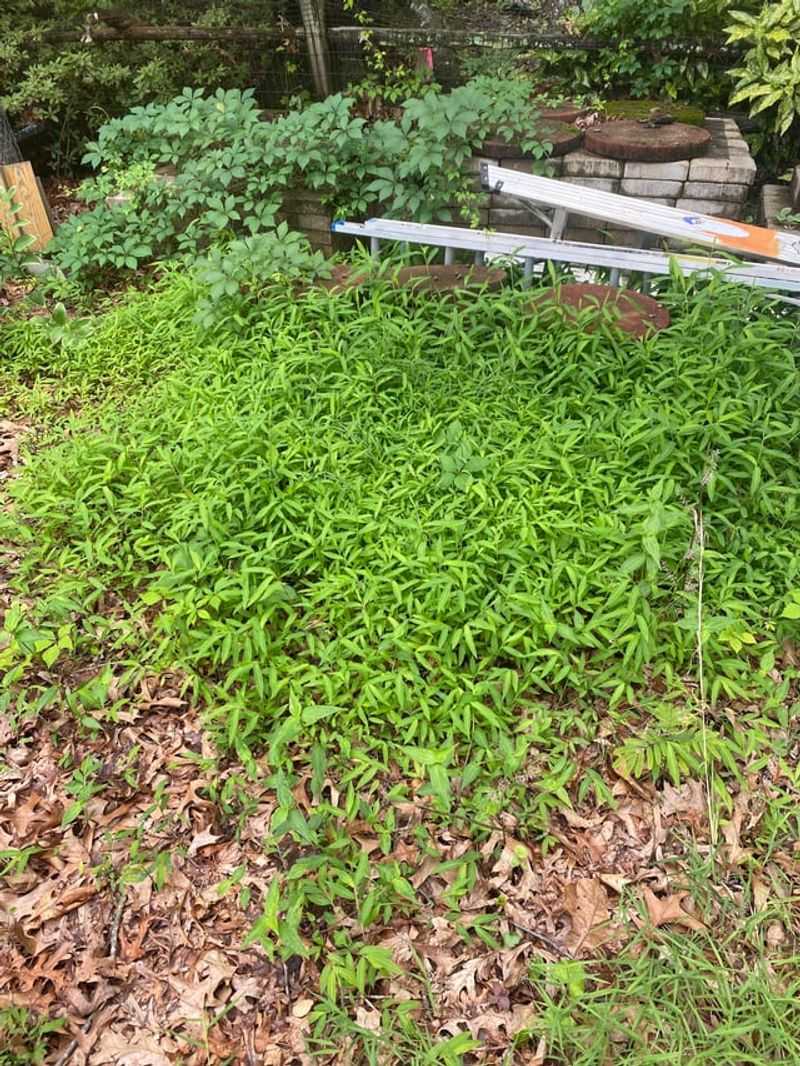
A small patch is the best-case scenario. Once you have confirmed it is stiltgrass, hand-pulling or digging can work well, and the soil is usually soft after a summer storm.
Pull the plants before they flower and form seed. Grab near the base and lift the roots and stems together, since the stems can root at their joints.
Do not toss the pile in the woods or compost it loose, because plant material may carry seed.
Bag it and put it in the trash. Rinse your boots and gloves before heading to another part of the yard.
Mowing is another option for bigger areas. According to NC State Extension, close mowing reduces seed production, and one mowing in late summer can work about as well as frequent mowing.
But it is not a one-time cure, and it is not a signal to mow the moment you spot a seedling.
Keep the timing local. The Buncombe County Extension alert is a reminder that western North Carolina advice may differ from central advice.
Check with your county office before you set the mower deck.
Think of pulling as one layer of the plan. It handles today’s plants, and the next section handles the question of sprays.
Match Herbicide Choices to the Site

Nobody wants to spray near the azaleas, the kids’ play area, or the creek. That caution is smart.
Herbicide choices depend on where the stiltgrass is growing, whether that is turf, a landscape bed, forest, or wetland.
Product, timing, and permitted use change from site to site. NC State Extension directs readers to follow current product labels and restrictions.
So there is no blanket recipe here, and a crabgrass product is not a safe catch-all.
Nonselective products can injure any green plant they touch. Drift, meaning spray carried by wind, can do the same to plants you want to keep.
A calm morning and a careful read of the label go a long way.
The Madison County Extension alert is another local reminder to match any method to the plant stage and your area.
Researchers have tested options in the field. A 2025 Restoration Ecology study in the North Carolina Piedmont found household vinegar removed about 55 percent of stiltgrass in the studied setting.
Glyphosate removed nearly 100 percent but reduced herbaceous plant diversity.
Treat those results as one study’s findings, not a promise for your yard. Vinegar was partial, and glyphosate came with a trade-off.
Keep Checking in Later Seasons
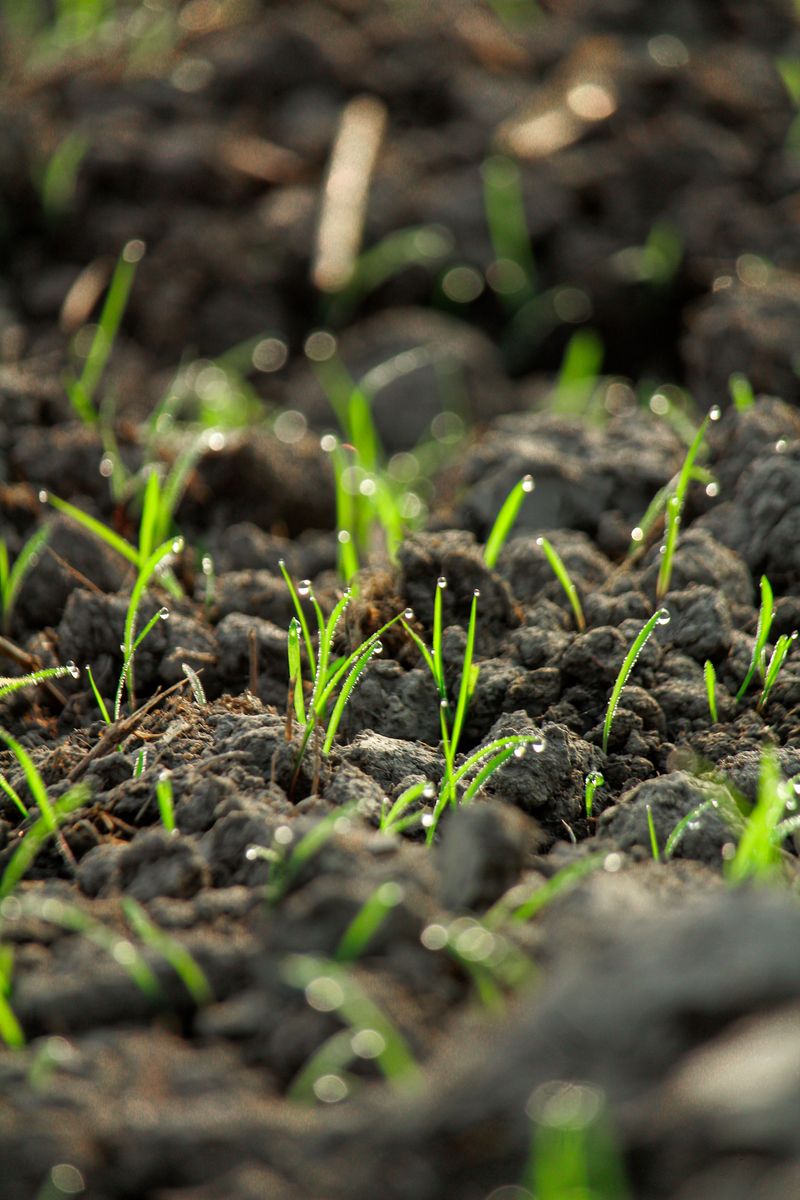
You pulled the patch, bagged it, and the bed looks clean. Then next spring, tiny green seedlings show up in the same spot.
That is not failure, it is how seed in the soil works.
Estimates of how long stiltgrass seed stays viable differ by source. NC State Extension reports less than seven years.
The NC State Plant Toolbox and a University of Connecticut factsheet give other figures, such as four years or five or more. Do not read them as one exact number.
What they agree on is the practical part. Control may take more than one season.
So make it a habit. Recheck treated spots each growing season, and walk the shady edges again in summer before seed forms.
Pull new seedlings while they are small and easy.
If plants keep returning, or you are still unsure about what you are looking at, call your county Extension office. They can confirm the plant and share advice for your area.
A quiet patch of shade is easier to keep than to win back, and a few minutes each summer is usually all it takes.
