
The Pennsylvania Native Shrub That Turns Your Soggiest Shady Corner Into The Best Spot In The Yard
Follow us on Google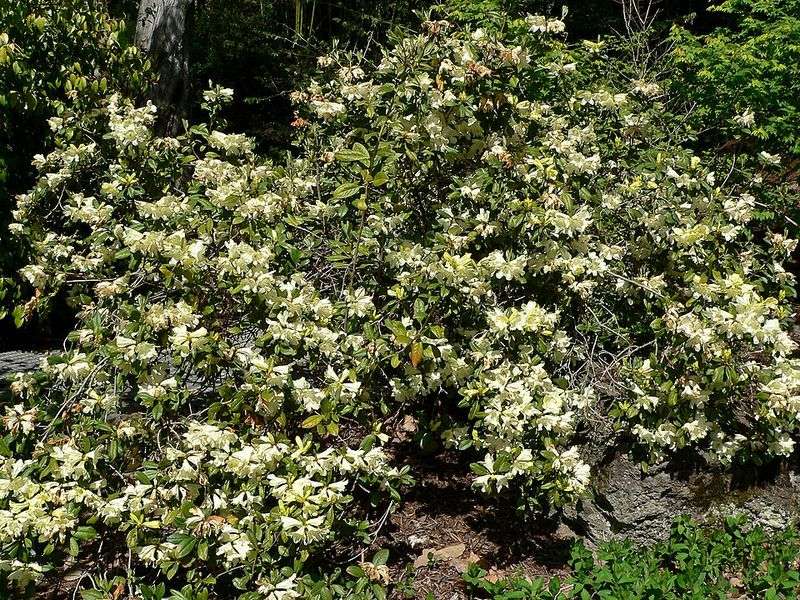
You walk out on a June evening in southeastern Pennsylvania and catch a sweet, spicy scent drifting from the damp back corner. That corner has a hero waiting for it, and it is swamp azalea, a native shrub with fragrant white flowers that thrives in moist, partly shaded ground.
Here is the plain version of how it works, plus the checks that tell you whether your own corner can actually support one.
A Native Shrub For Some Damp Pennsylvania Sites
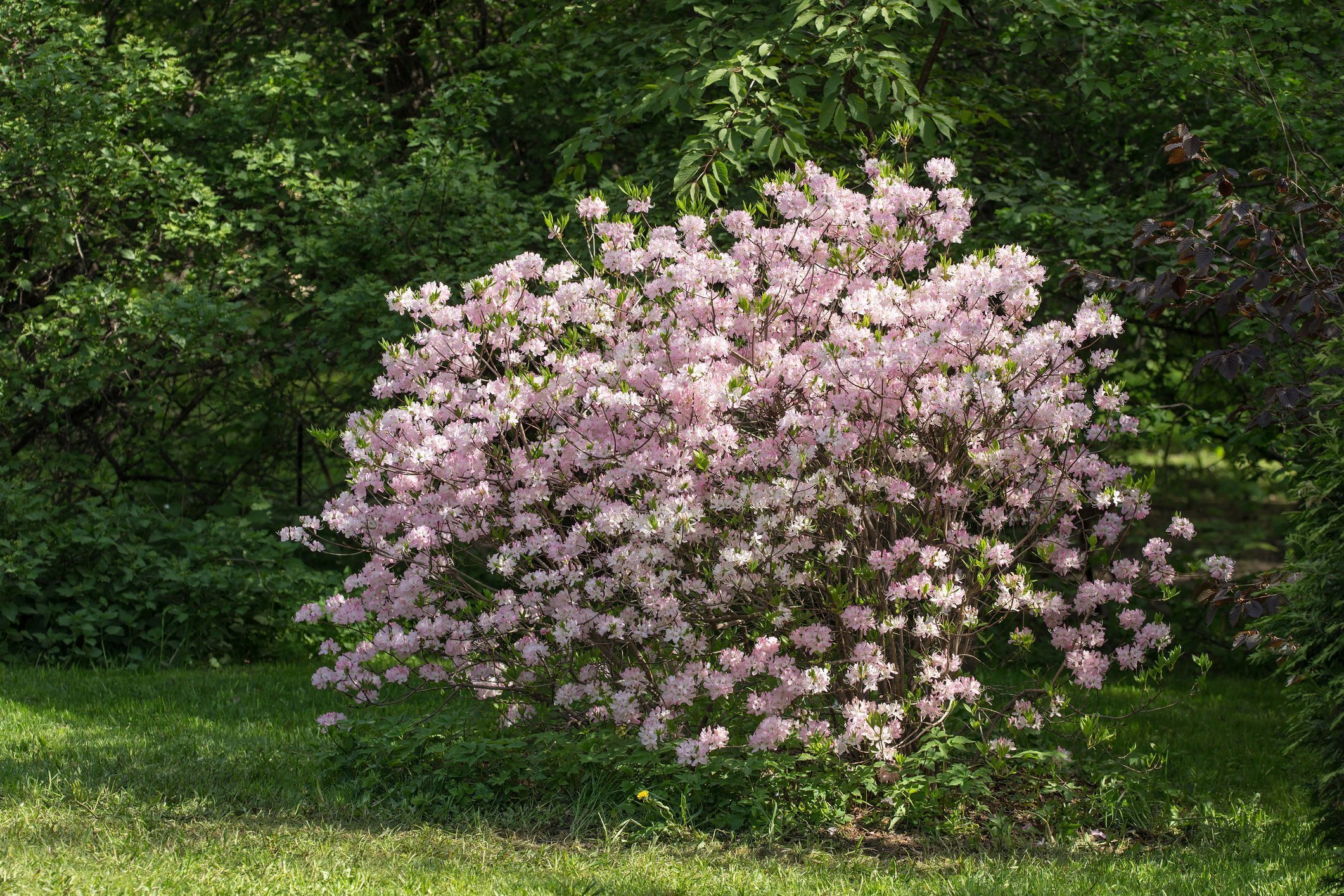
Picture the corner of the yard where the lawn mower leaves ruts and nothing seems to settle in. Swamp azalea (Rhododendron viscosum) is a shrub that actually likes that kind of ground, as long as the site has a few other things going for it.
Pennsylvania DEP lists it as native, and the state’s riparian buffer guidance limits its natural range to southeastern Pennsylvania. So if you garden in the Delaware Valley or nearby counties, this shrub is a hometown candidate.
If you live on the northern tier or up on the Allegheny Plateau, treat it as a plant to research carefully rather than a sure bet.
Here is the honest part. Swamp azalea suits moist, periodically wet ground with part shade.
It is not a cure for every soggy, shady corner, and it will not rescue a spot that sits underwater or stays in deep shade all day.
The same guidance rates its shade tolerance as intermediate, and NC State Extension recommends part shade. That means your corner needs some light, and it needs soil that drains after rain.
Think of the shrub as a guest who loves a damp porch but still needs a window. The next sections walk through water, light, flowers, size, soil, and care so you can decide with confidence.
Damp Soil Is Not The Same As Standing Water
Most people hear wet-tolerant and picture a shrub standing in a pond. That is the myth.
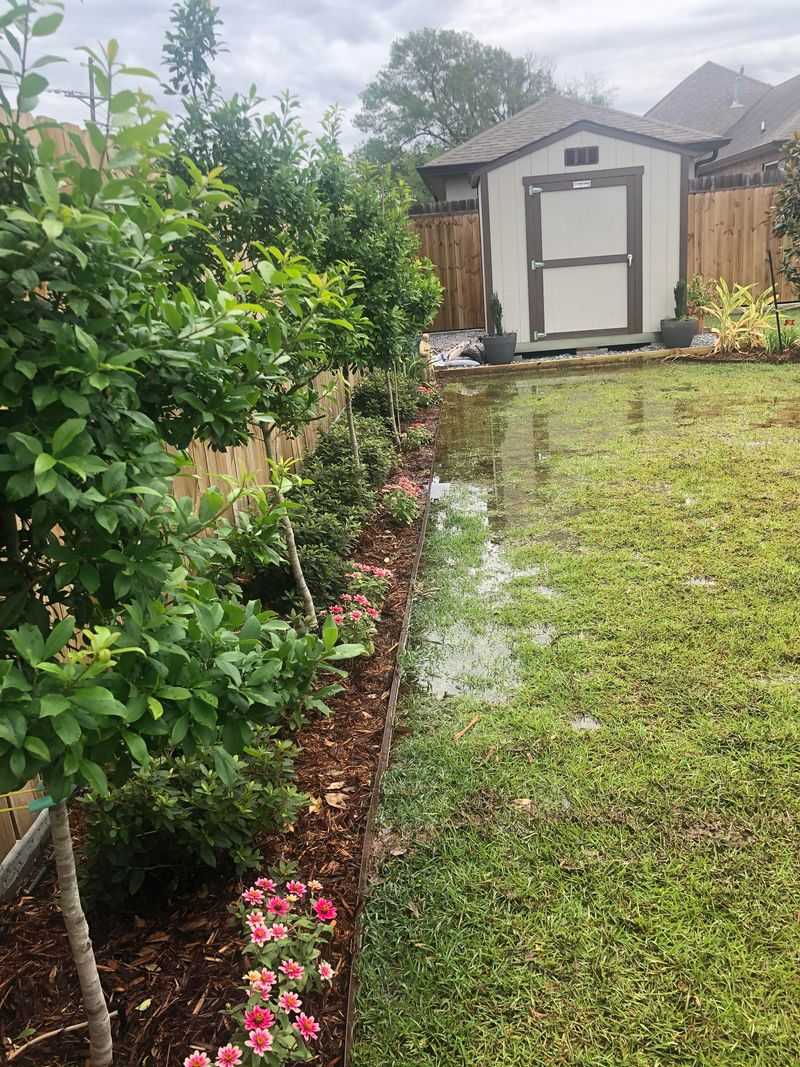
Swamp azalea likes soil that stays moist and can handle periodic flooding, but its roots still need to breathe.
NC State Extension says it tolerates damp conditions but needs drainage, and it should not sit in constant standing water. The same source flags Phytophthora root rot as a risk, especially where drainage is poor.
A federal conservation guide, USDA’s Pennsylvania riparian buffer guide, lists it for forested wetlands with regular to seasonal flooding. Pennsylvania DEP guidance rates its flood tolerance as high.
Treat those as planning references, not promises for every cultivar or yard.
So what do you actually do? Watch the corner after the next heavy rain.
Note how long water lingers. If puddles drain within a day or two, you are looking at the kind of periodic wet this shrub can handle.
If water is still sitting there days later, or the ground stays squishy through dry spells, skip the plant. Heavy clay in parts of southeastern Pennsylvania can hold water longer than you would guess, so check more than once.
A shrub with wet feet is a shrub with a quiet problem. Better to learn that before you dig.
Part Shade Works Better Than A Dark Corner
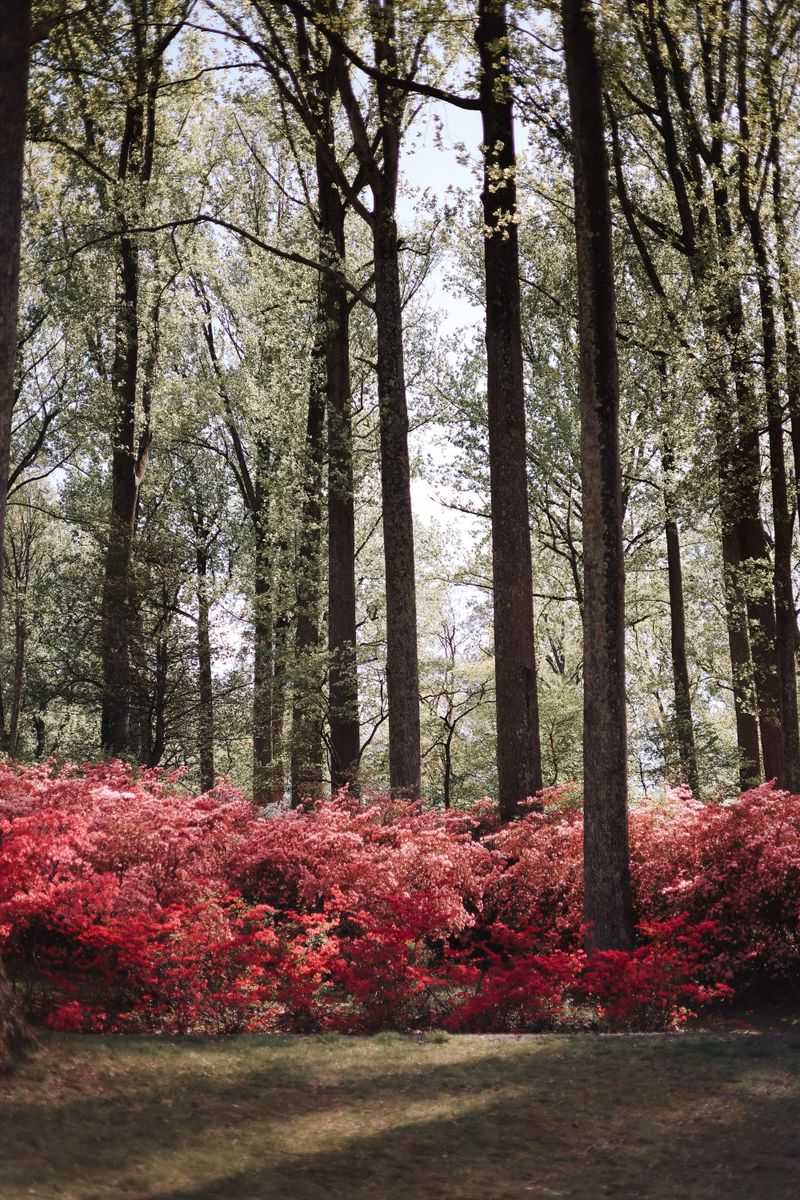
Shady does not mean dark. A corner under a leafy maple that gets dappled light all morning is a very different place from the north side of a garage where the sun never lands.
Pennsylvania DEP guidance calls swamp azalea intermediate in shade tolerance, which is not the same as deep-shade tolerant. NC State Extension says part shade suits it and cautions against afternoon sun, which can scorch the leaves.
That sets up a sweet spot. Think bright morning light or filtered light through trees, with relief from the hottest hours.
Hot, bright afternoons in a Philadelphia summer are the kind of thing to avoid.
Here is a simple way to check. Visit your corner at 9 a.m., noon, and 4 p.m. on a clear day and jot down what you see.
Is the light dappled, direct, or nearly absent? There is no magic number of sun hours, so let the pattern guide you.
If the spot stays gloomy all day, the shrub may survive but sulk. If the western sun hits it hard every afternoon, think about a different location or added shade.
Light is the quiet half of the story, and it is easy to measure with a notebook and a little patience.
Fragrant Flowers Bring The Pollinator Appeal
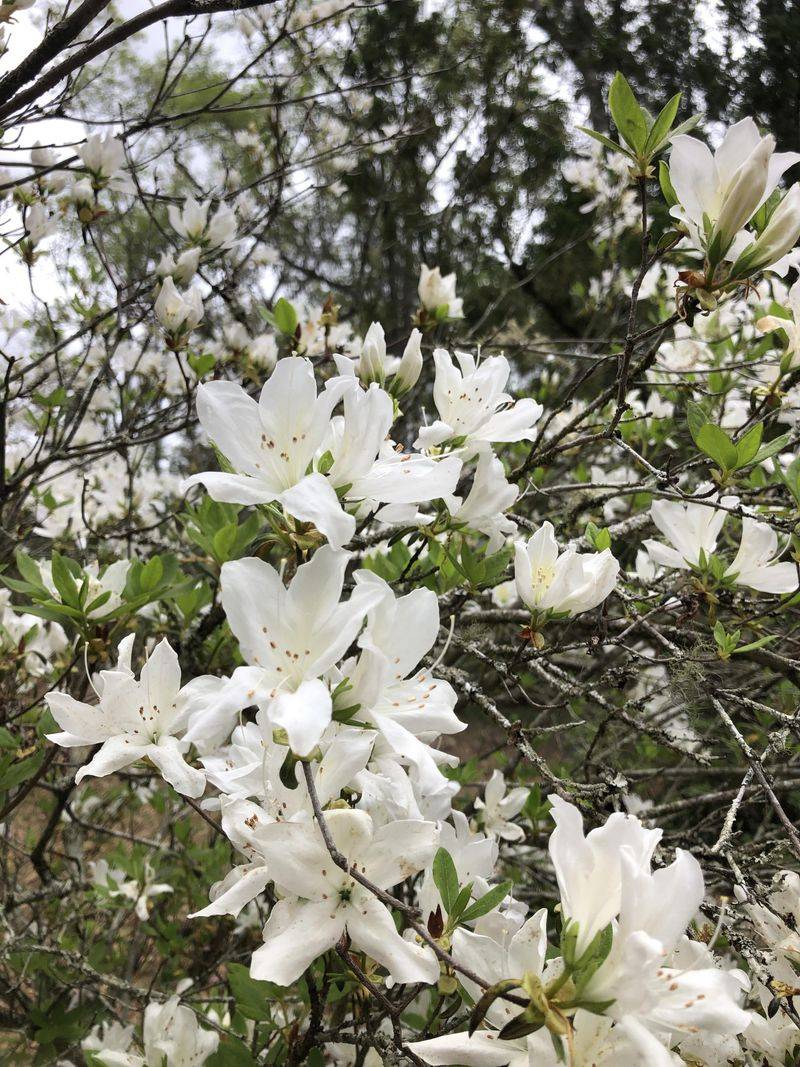
The payoff comes in early summer. Swamp azalea carries fragrant white flowers, reported from May through July, and the scent can drift across a porch on a warm evening.
NC State Extension reports that the blooms attract pollinators. Pennsylvania DEP guidance, in its shrub table, identifies nectar for hummingbirds and butterflies.
Expect bees, butterflies, and hummingbirds to stop by while it blooms.
Now the limits. The sources do not document nesting spots, cover, or seed-feeding for birds on this shrub, so do not plant it expecting a bird hotel.
Those benefits are better documented for other shrubs.
Fall color deserves the same measured view. References mention reddish or burgundy leaf color, but nothing here promises a dependable showy display.
Enjoy any color as a bonus rather than the reason to plant.
Plant it near a bench or a path where you will walk by in June. A fragrant shrub tucked where no one goes is a wasted performance.
Check The Mature Size Before You Plant
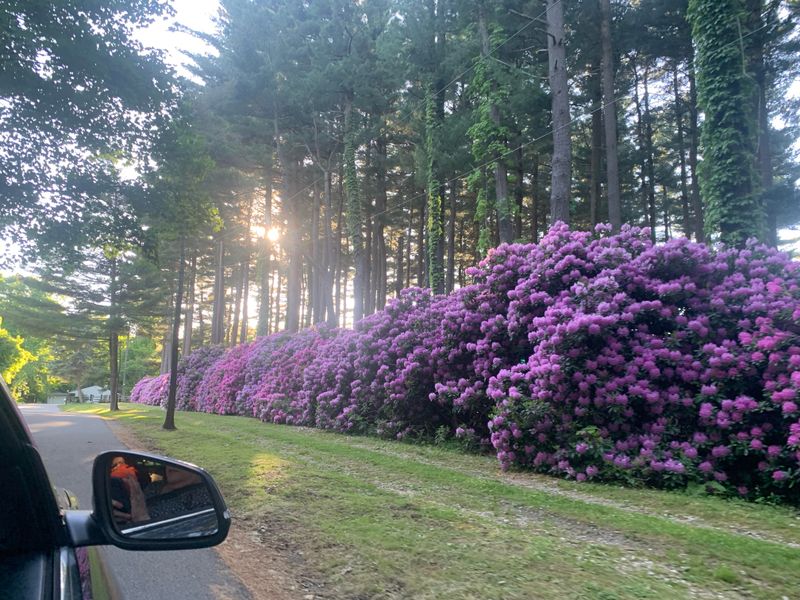
A small pot at the nursery can fool you. That slim shrub today is planning to spread out, and published sizes vary quite a bit.
Pennsylvania DEP guidance gives a typical height of 6 to 12 feet. NC State Extension lists a broader potential size of 2 to 8 feet tall and 3 to 8 feet wide.
Both are planning references, not guarantees. The actual size depends on the plant you buy, your soil, and your light.
So read the nursery label and ask which selection you are holding. Then leave room for the expected mature size, including width, so the shrub is not crowding a fence, a walkway, or a neighbor’s property line.
A simple trick is to mark the expected width on the ground with a hose or rope. Stand back and see how it feels.
Giving a shrub space now saves you from a wrestling match with loppers later.
Test The Soil And Check Drainage

Before you buy anything, spend a Saturday morning on the soil. It is the cheapest insurance you will find.
Pennsylvania DEP guidance lists a soil pH range of 4.0 to 7.0 for swamp azalea. Treat that as a planning reference, not a guarantee for every cultivar or yard.
Penn State Extension explains in its soil pH guidance that azaleas and rhododendrons are acid-loving. Soil outside a plant’s preferred range can cause nutrient problems and poor performance.
Penn State also advises choosing shrubs to match local drainage and moisture conditions.
So test the soil with a home kit or a lab test through Penn State Extension. Then dig a hole about 12 inches deep, fill it with water, and see how quickly it drains.
Do not assume your yard matches your neighbor’s. Limestone valleys, shale in the west, and heavy southeastern clay can all behave differently within a few miles.
The shrub cannot tell you it is unhappy until it is too late, so let the soil speak first.
Help The Shrub Settle In
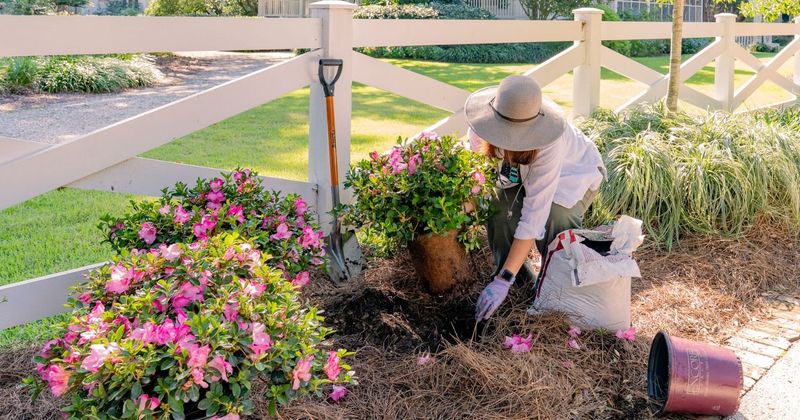
The first season is the audition. A new shrub has not built its root system yet, so it depends on you.
Penn State Extension’s general guidance in Choosing Plants Wisely is to water regularly until the plant is established, at least through the first season. There is no fixed weekly amount that fits everyone.
Rainfall, soil, and drainage all change the answer, so check the soil a few inches down before you water.
A layer of mulch can help hold moisture. Keep it a few inches back from the stems.
Remember the limits too. Matching a plant to a site cannot fix constant standing water or deep shade.
If either describes your corner, the better move is to choose a different spot or plant.
One more caution. NC State Extension classifies swamp azalea as poisonous, though it describes ingestion of moderate amounts as a low toxic hazard.
Keep that in mind around curious pets and kids, and do not treat any part of it as edible.
Give it a season of attention, and a damp corner may finally have something worth lingering over.
